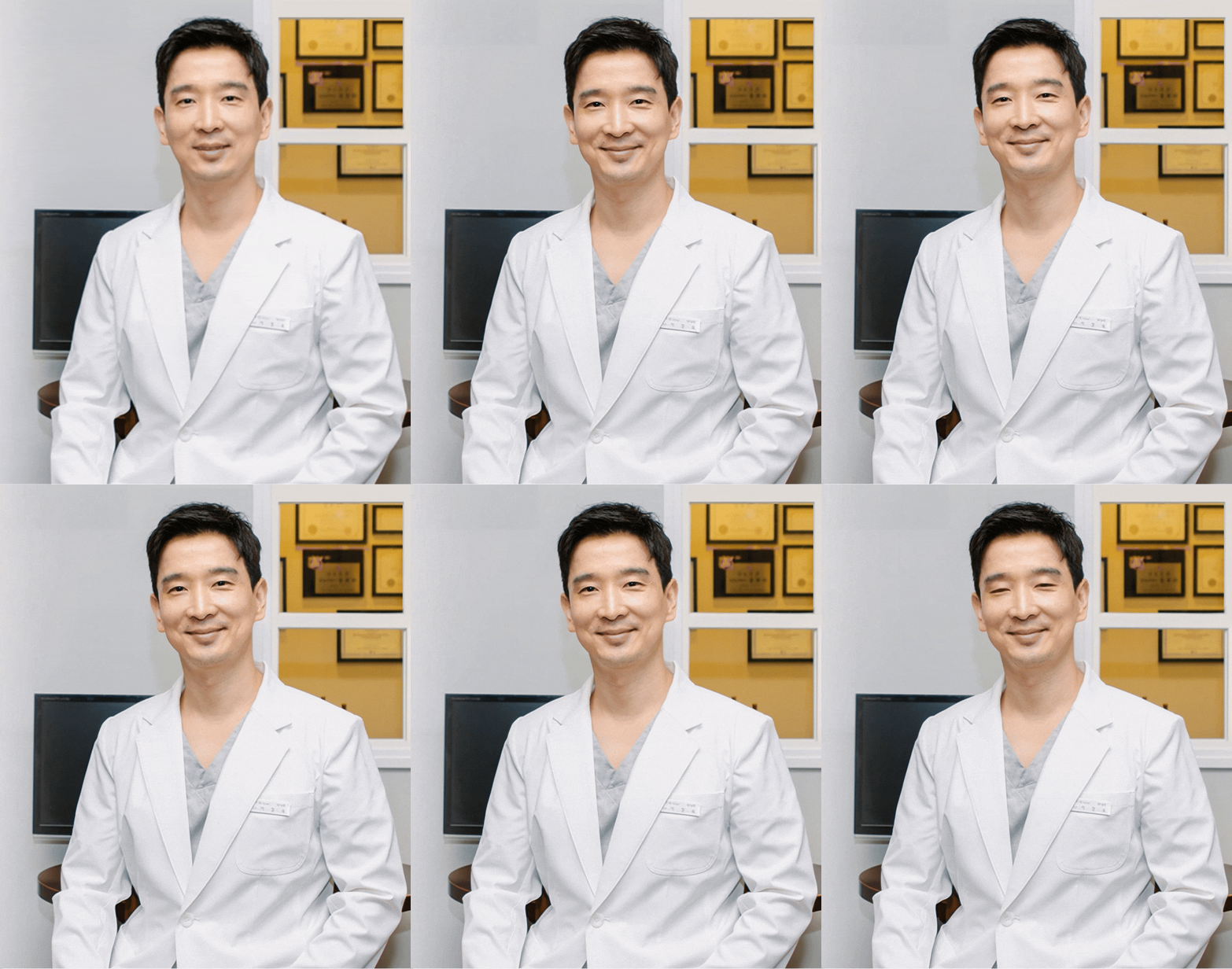
Chief Director Lee Jang-wook
Hello.
At Etoile de Seoul Dental Clinic,
we support your healthy smile.
One of the things that many people considering implants worry about is bone grafting. "They say I don't have enough jawbone—do I really have to get a bone graft?" "How painful is a bone graft?" "I heard recovery takes a long time..."
There are truly many people who lose sleep over these concerns. If you are reading this now, you may have come here because of those worries too.
Today, we will take a closer look at implants without bone grafting to help ease those concerns, even if just a little.
We take responsibility for your dental health.
What Is a Bone Graft-Free Implant?
As the name suggests, this is a method of placing implants using the remaining jawbone without a separate bone grafting procedure.
In the past, if there was not enough jawbone, it was considered necessary to perform a bone graft first, wait, and then place the implant. However, with the advancement of medical technology, a technique was developed that calculates a special angle and position for implant placement.
It is similar to how, when building a structure, a narrow piece of land does not necessarily have to be expanded; with construction techniques, a sturdy building can still be made even on limited land.
By using 3D navigation and digital technology, it becomes possible to analyze the structure of the existing bone and find the appropriate position and angle for implant placement.
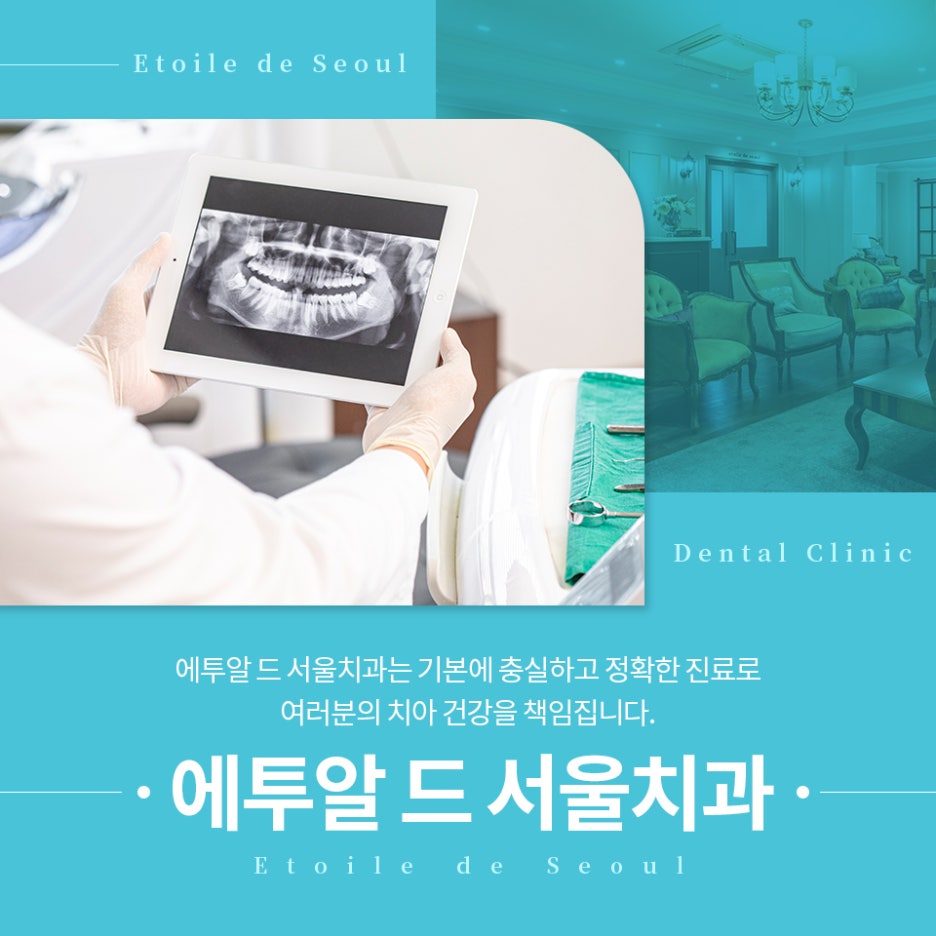
Latest Treatment Techniques and Methods
There are several methods for implant treatment without bone grafting.
A representative example is the incision-free method using 3D navigation.
With this method, a computer simulation is performed first to plan in advance where the implant will be placed.
Just like GPS navigation guides you along a route, 3D navigation guides the position and angle where the implant will be placed.
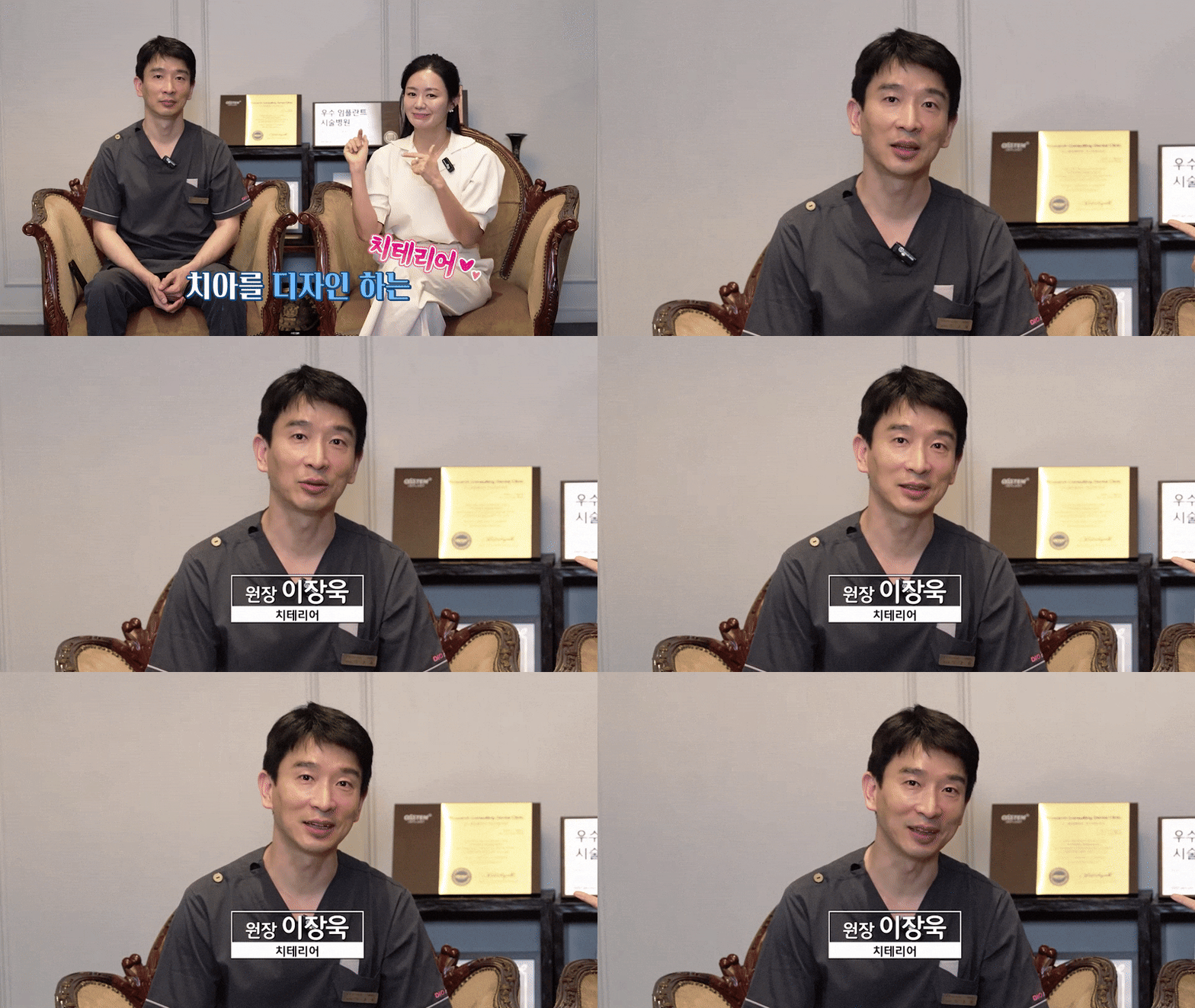
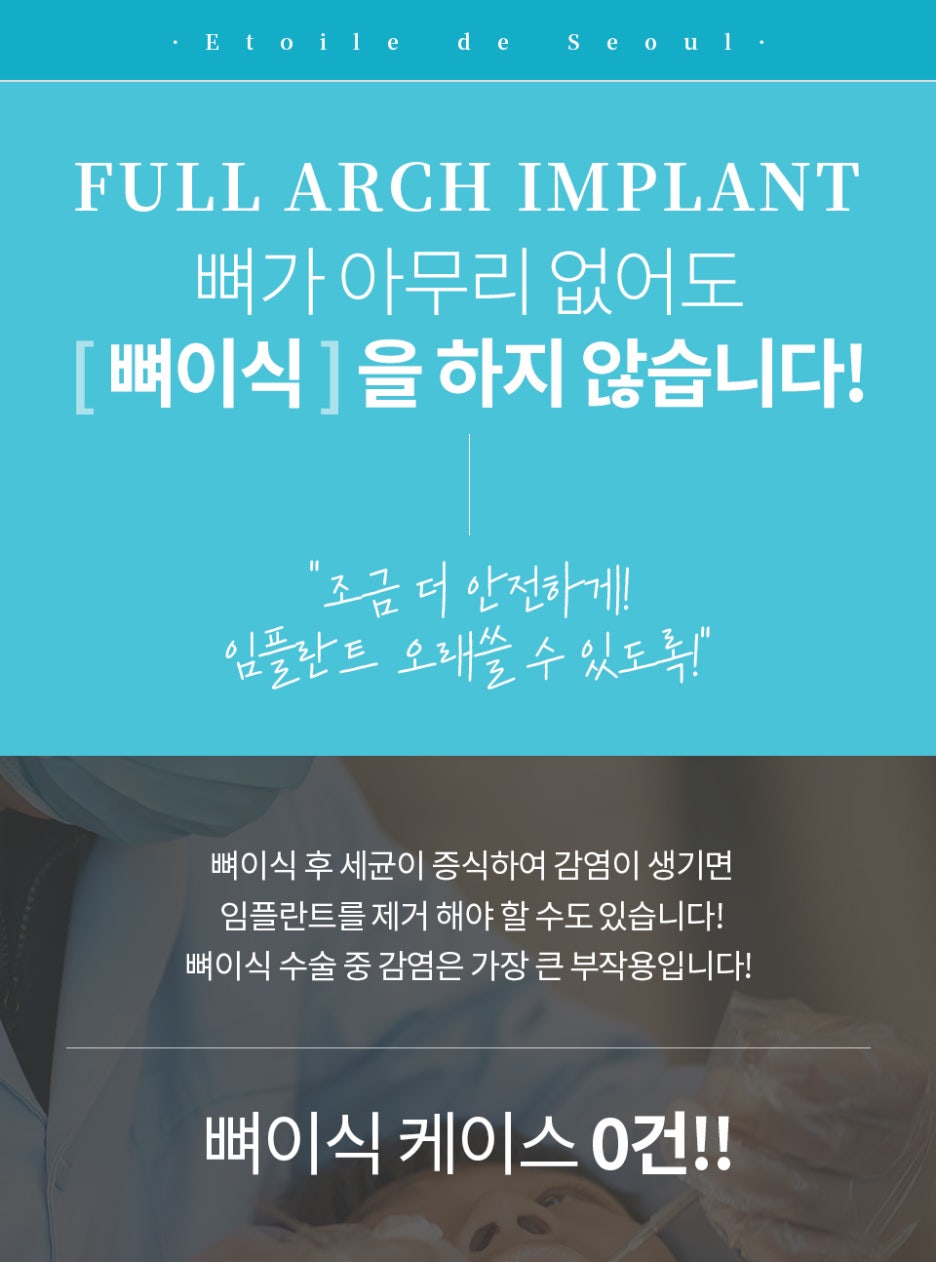
Another method is full-arch implants.
This is a method that restores the entire upper or lower jaw with only 4 to 6 implants, making it much more efficient than placing individual implants one by one.
The implant is placed in areas with sufficient bone while avoiding areas with insufficient bone, creating a structure that supports the entire arch.
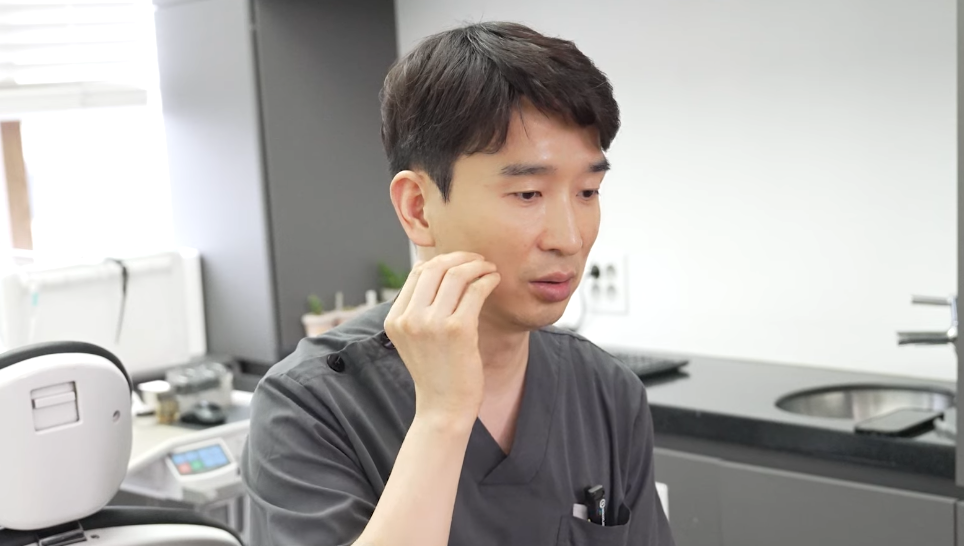
The biggest advantage of these treatment methods is the shortened treatment time.
When a bone graft is performed, a recovery period of usually 3 to 6 months is required, but with a bone graft-free implant, a temporary prosthesis can be fitted even on the same day, allowing a faster return to daily life.
Also, because the surgical range is smaller, recovery is faster and pain is relatively less.
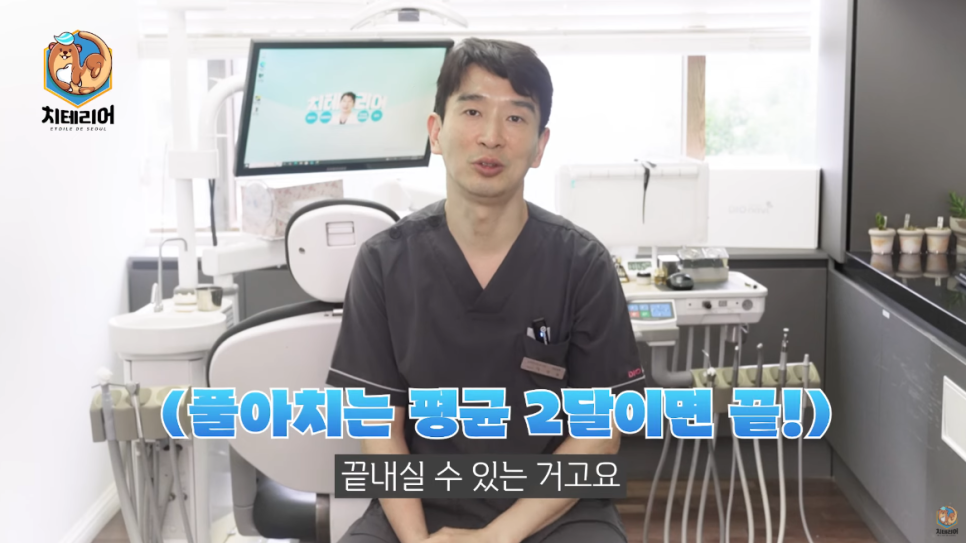
There is also a major economic advantage.
You can save on the cost and time of bone grafting, making the overall process more economical. In particular, in the case of full-arch implants, replacing all teeth with individual implants is much more expensive, whereas functionally it can restore about 90% of the level of natural teeth.
Post-Treatment Care and Prevention
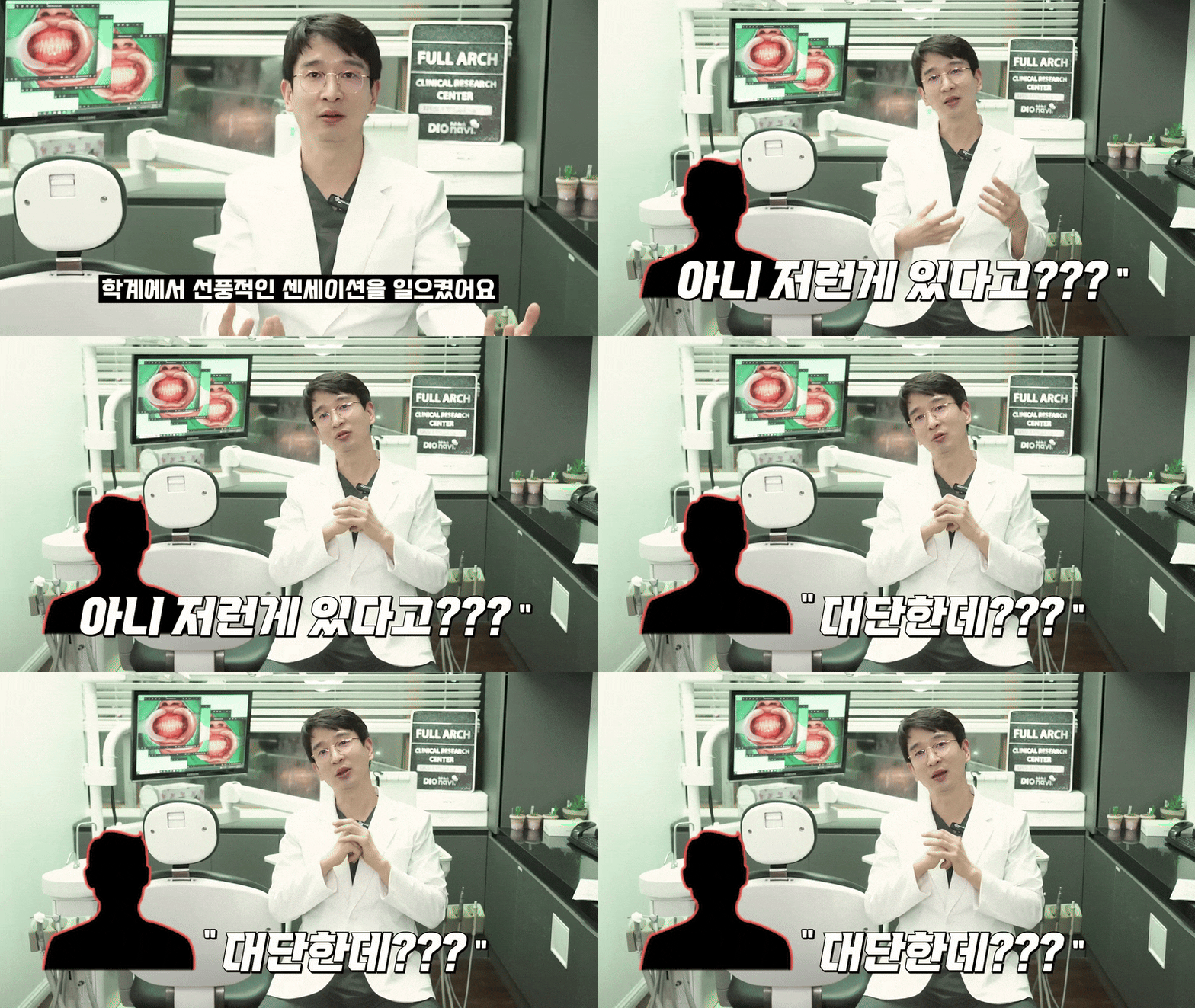
After receiving a bone graft-free implant, thorough care is necessary.
First, during the initial period, it is best to avoid hard or chewy foods. Just as the roots of a newly planted tree can be shaken by wind, a newly placed implant should also avoid strong stimulation in the early stage.
For everyday oral care, you should manage it just like a natural tooth.

Proper brushing and flossing every day are necessary, and regular checkups and scaling are important.
In particular, maintaining gum health around the implant is most important, as this is to prevent peri-implantitis.
Smoking is absolutely prohibited, and for those with systemic conditions such as diabetes or high blood pressure, managing those conditions well helps extend the lifespan of the implant.
Answering Patients’ Questions
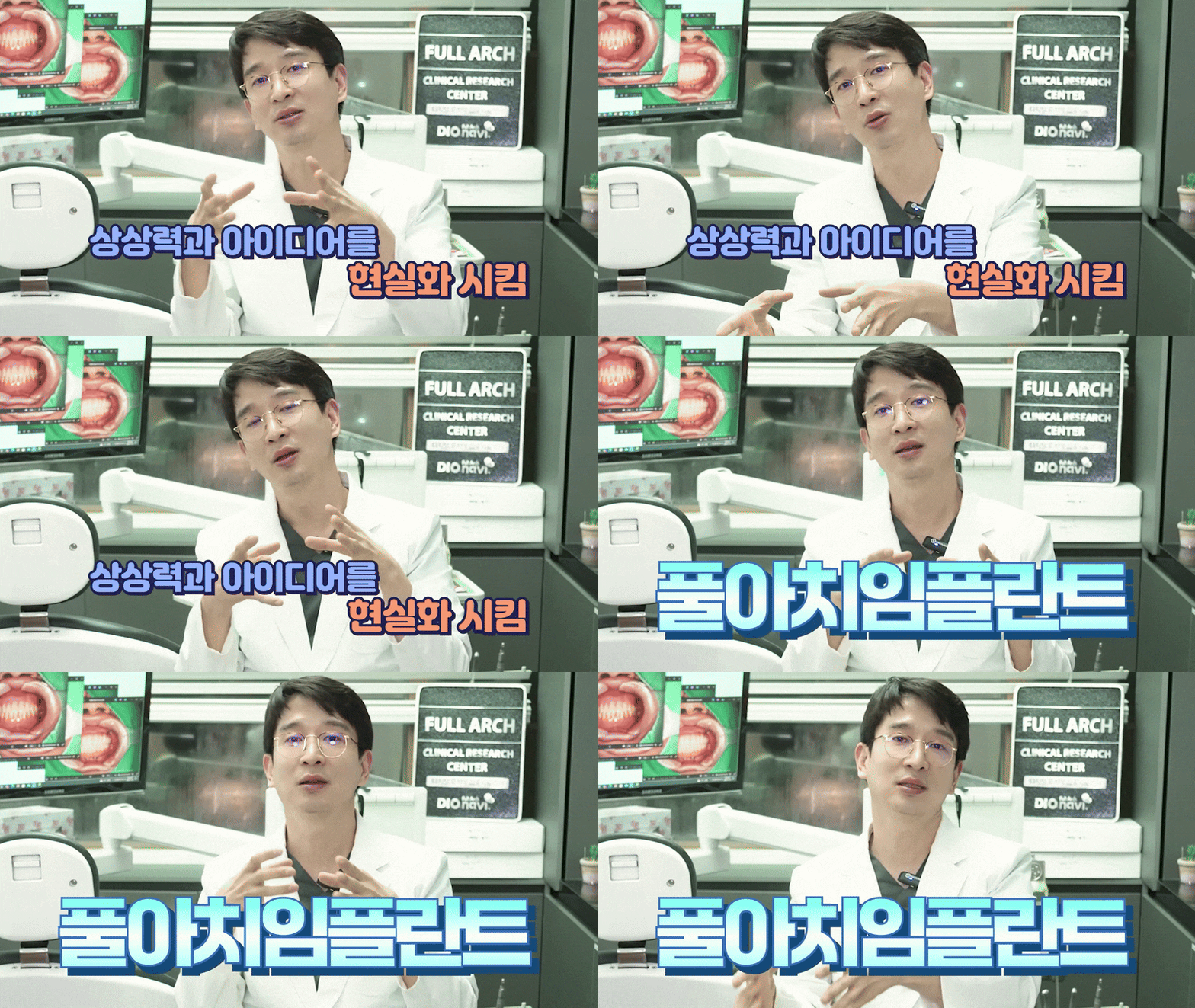
When we listen to the concerns of patients who actually visit the clinic, these are common ones.
"They say bone grafting takes too long—is it really possible to get an implant without a bone graft?"
Yes, it is certainly possible.
If you analyze the current condition of the bone through a 3D method, there are many cases where an implant can be placed without bone grafting.
"Is it possible to get a bone graft-free implant even if I am older?"
Being elderly does not mean it is impossible.
In fact, it may be more suitable for those who are older and have difficulty visiting multiple times.
However, because there are individual differences depending on overall health status, a thorough examination and confirmation are necessary.
Many people are also worried about pain after surgery, but in the case of the incision-free method using 3D navigation, pain has been significantly reduced.
Most people say the pain is less than they expected.
 Previous image
Next image
Previous image
Next image
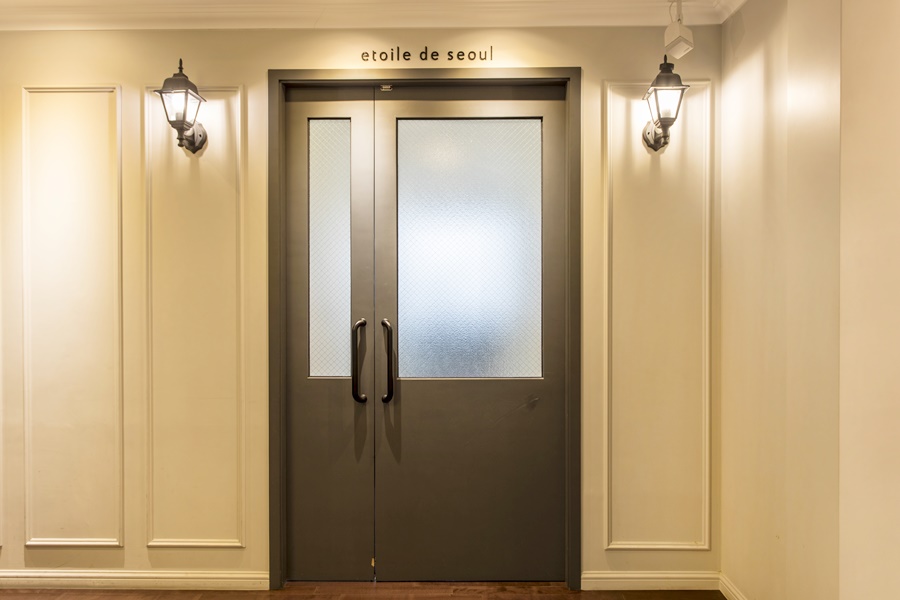
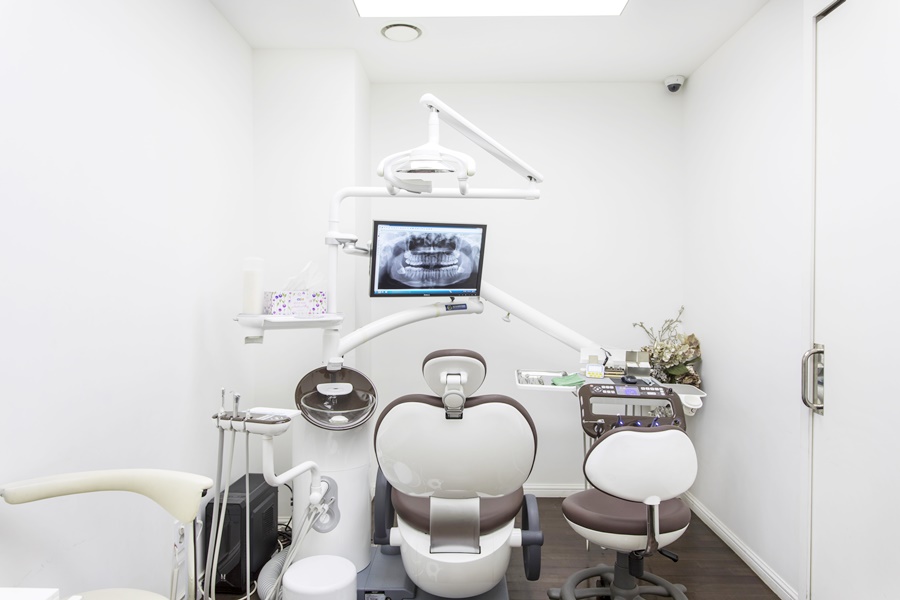
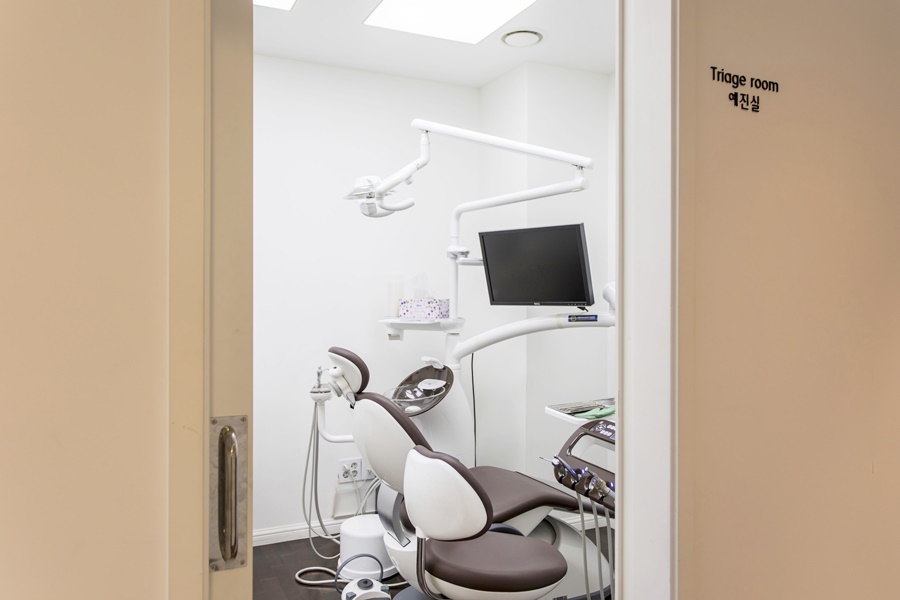
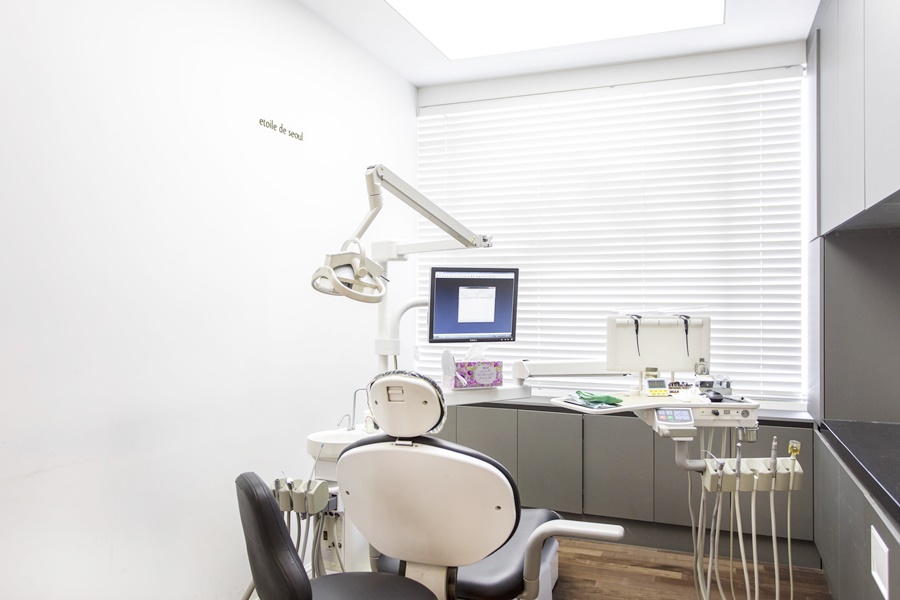
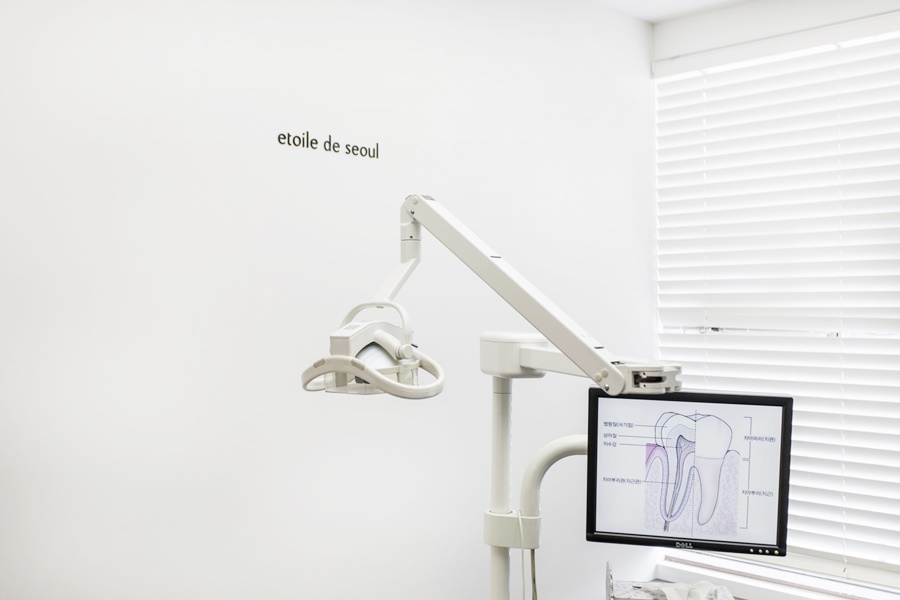
▲ [Etoile de Seoul Dental Clinic] We are providing treatment in a warm and clean atmosphere
What I have felt after meeting many people over a long period is that, above all, knowing the correct information is important.
Many people delay treatment because of vague fears about bone grafting, but in reality, there are many cases where implants are possible without bone grafting.
The important thing is to understand your current oral condition.
If you comprehensively analyze the bone condition, position, angle, and more through 3D imaging, you can find the appropriate treatment method.
Dental health is an important issue directly connected to overall quality of life.
If you cannot chew food properly, it also affects digestion, and your confidence when smiling decreases as well.
At Etoile de Seoul Dental Clinic,
we are working to address the problems of bone graft-free implants and various other dental areas by using 3D navigation equipment and our extensive experience to create personalized treatment plans for each patient.
If you have any questions,
please feel free to contact us at any time.
We will be with you until the day you regain your healthy smile.
▼ Etoile de Seoul Dental Clinic YouTube ▼











Previous image
Next image









Previous image
Next image