
Chief Director Lee Jang-wook
Hello.
For healthy smiles,
We do our best
At Etoile de Seoul Dental Clinic.
If you are considering implants, you may be very concerned about swelling after surgery. In particular, if you need bone grafting as well, questions like “How long does swelling last after a bone graft implant?” and “When can I return to daily life?” can keep you up at night. I think these worries are completely natural.
Surgery itself can feel burdensome, and when uncertainty about the recovery period is added, it becomes even harder to make a decision.
Through this post, I would like to share helpful information with everyone who is wondering about swelling after a bone graft implant. I hope it can ease your anxiety, even a little.
We take care of your dental health.
Your feelings before an implant
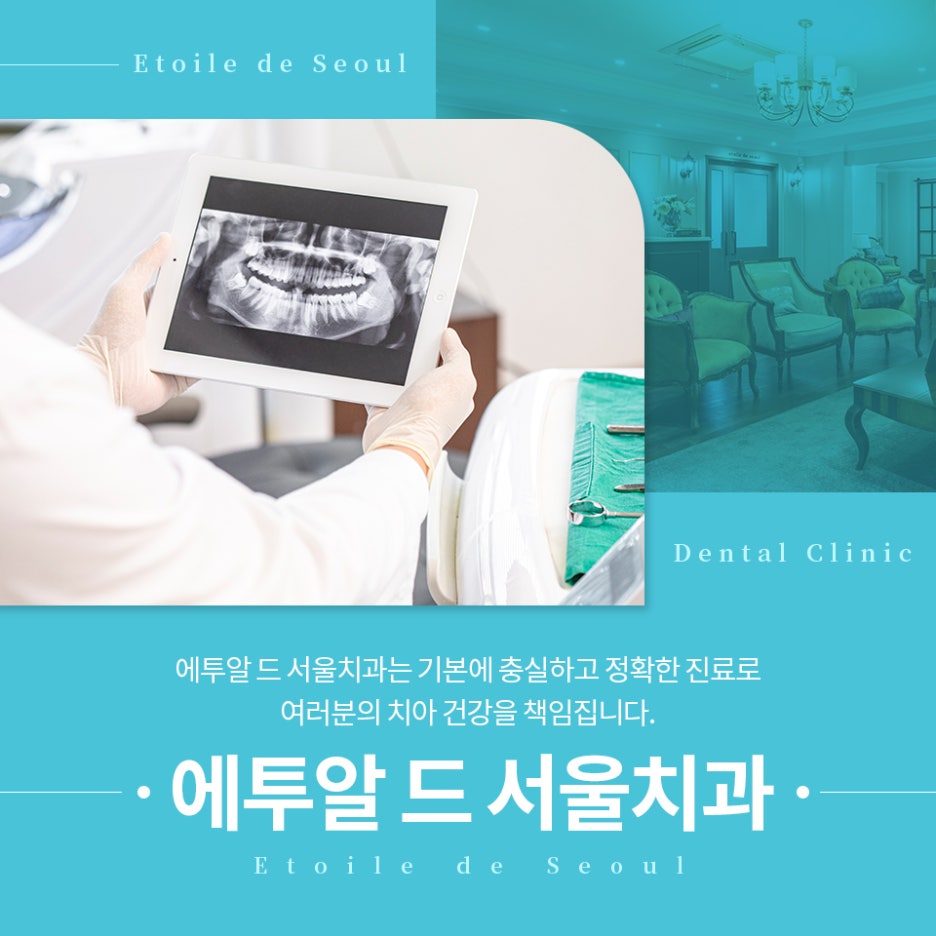
A bone graft implant is a treatment needed to place an implant when there is insufficient jawbone.
After losing a natural tooth, the jawbone gradually resorbs and decreases over time. At that point, if there is not enough bone volume or height to firmly stabilize the implant, a bone graft becomes necessary.
A bone graft is similar to laying the foundation when building a house.
To firmly build a house called an implant, you need a solid foundation, and that foundation is the jawbone.
By supplementing the 부족한 bone through bone grafting, you can create an environment in which the implant can function stably for a long time.
Swelling after a bone graft implant is the body’s natural healing response.
When the gums are incised during surgery and bone graft material is inserted, the body triggers an immune response to heal the area.
During this process, blood vessels expand and inflammatory cells gather, which causes swelling.
Swelling usually peaks on days 2 to 3 after surgery.
Just as a water balloon gradually gets bigger until it reaches its maximum, swelling appears slowly at first and then becomes most noticeable after a few days.
After that, it gradually begins to subside, and within about a week to ten days, most people recover to the point where it does not interfere with daily life.
The duration of swelling after a bone graft implant varies from person to person, but the general trend is as follows.
Swelling begins within 24 to 48 hours after surgery, peaks on days 2 to 3, then gradually decreases, and by about a week it has subsided quite a lot.
It usually takes about 2 to 3 weeks to return completely to a natural state.
However, this can vary depending on several factors.
The larger the bone graft area, the slower the individual’s healing ability, and the older the person is, the longer the swelling may last.
Recovery may also be delayed if there are systemic conditions such as smoking, alcohol use, or diabetes.
How to manage swelling and promote faster recovery
There are ways to effectively manage swelling after a bone graft implant and help speed recovery.
For the first 24 hours after surgery, applying a cold compress intermittently for 15 to 20 minutes at a time can help reduce swelling by constricting blood vessels.
It works on the same principle as icing an injury.
When sleeping, it is better to use a higher pillow.
Keeping your head above heart level helps promote blood circulation with the aid of gravity, which helps reduce swelling.
Also, to avoid irritating the surgical area, it is best to eat soft foods and avoid actions such as using a straw or spitting.
When you can return to daily life and precautions
One of the most common questions people ask is when they can return to normal daily life.
In most cases, returning to work is possible 3 to 4 days after surgery, and after about a week, social activities are generally manageable.
However, this varies from person to person, so it is important to decide while carefully monitoring your own recovery.
Activities that promote blood circulation, such as exercise or sauna use, should be avoided for about 2 weeks.
This is because such activities can worsen swelling or cause bleeding.
Also, hard or chewy foods, spicy foods, and similar items should be avoided for about a month, and eating soft, nutritious foods is helpful for recovery.
 Previous image
Next image
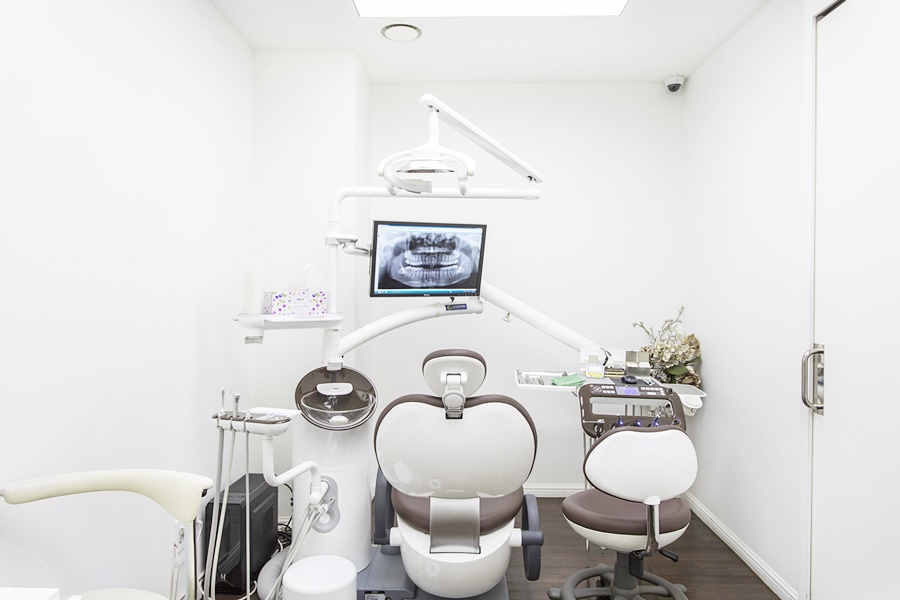
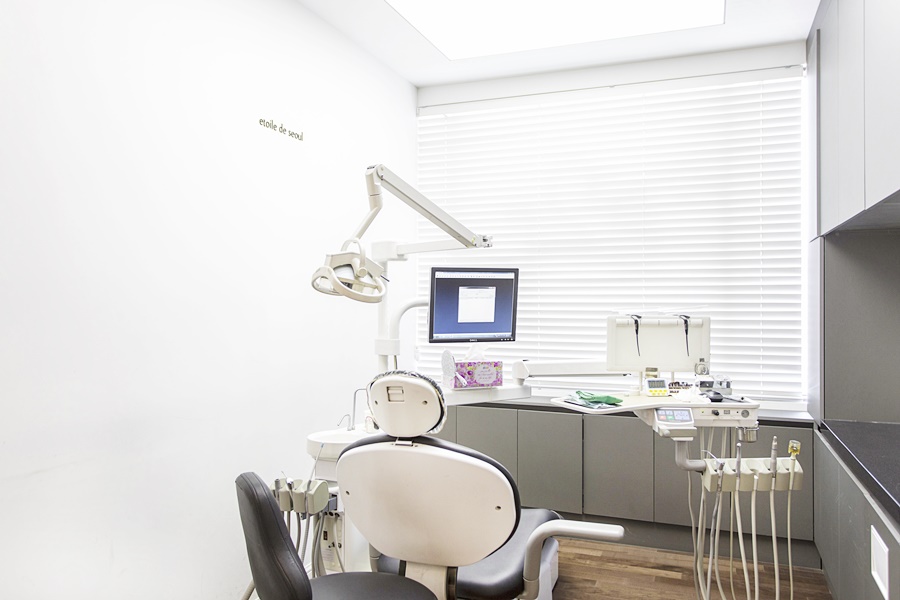
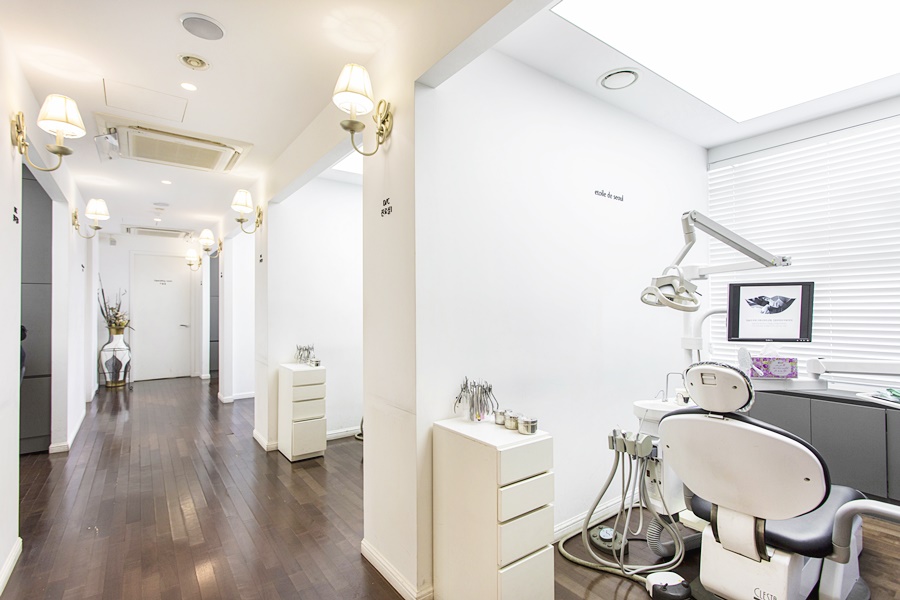
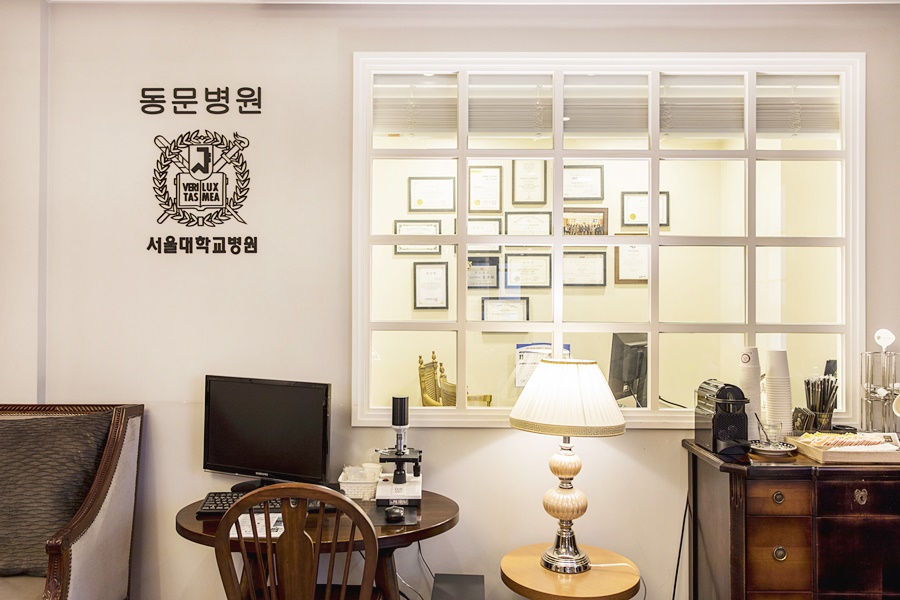
▲[Etoile de Seoul Dental Clinic] We provide treatment in a warm and clean atmosphere.
Previous image
Next image
▲[Etoile de Seoul Dental Clinic] We provide treatment in a warm and clean atmosphere.
Patients’ real concerns and solutions
Many patients express these worries after surgery.
“It's the third day after surgery, and the swelling is so bad that I’m embarrassed to go out. Is this normal?” Such concerns are completely understandable.
Swelling after a bone graft implant peaks on days 2 to 3 after surgery, so this is the most severe period right now, and it will gradually improve from here, so please do not worry too much.
If you keep applying cold compresses and get enough rest, you will recover quickly.
Another concern is, “Because of the swelling, I can’t eat properly. How long do I have to keep living like this?”
In the beginning, it is natural for chewing function to be limited.
You can replenish your nutrition with soft foods such as porridge, rice gruel, tofu, and steamed eggs, and after about a week, you will gradually be able to eat normal food.
I will answer some of the questions patients often ask about bone graft implants.
First,
we often get the question, “What if the swelling is severe on only one side? Is that okay?”
Swelling may not be perfectly symmetrical depending on the size of the surgical area and the individual’s blood circulation.
However, if severe pain or fever accompanies the swelling, there may be inflammation, so it is best to contact the dental clinic.
Second,
we also frequently get the question, “When can I start brushing my teeth?”
On the day of surgery, gently brush only the other areas while avoiding the surgical site, and after 2 to 3 days, you can lightly brush with a soft toothbrush.
Mouth rinsing is best done with lukewarm salt water starting 24 hours after surgery.
Third,
there is also the concern, “What should I do if symptoms other than swelling appear?”
Moderate pain and swelling are part of the normal healing process, but if you have a high fever, severe pain, or persistent bleeding, please contact the dental clinic immediately.
In particular, if swelling after a bone graft implant continues to worsen even after a week has passed since surgery, inflammation or infection cannot be ruled out, so it is advisable to get examined.
▼ Etoile de Seoul Dental Clinic YouTube ▼
A message to patients
What I would like to tell everyone receiving a bone graft implant is that swelling and discomfort are temporary.
Please remember that the difficulties you are experiencing now will not last forever, and that things will gradually improve over time. Since this is part of the process of restoring your healthy smile, if you have a little more patience and take good care of yourself, you will surely achieve a satisfying result.
If you have any questions or concerns during recovery, please do not hesitate to contact us at any time.










 Previous image
Next image
Previous image
Next image








 Previous image
Next image
Previous image
Next image