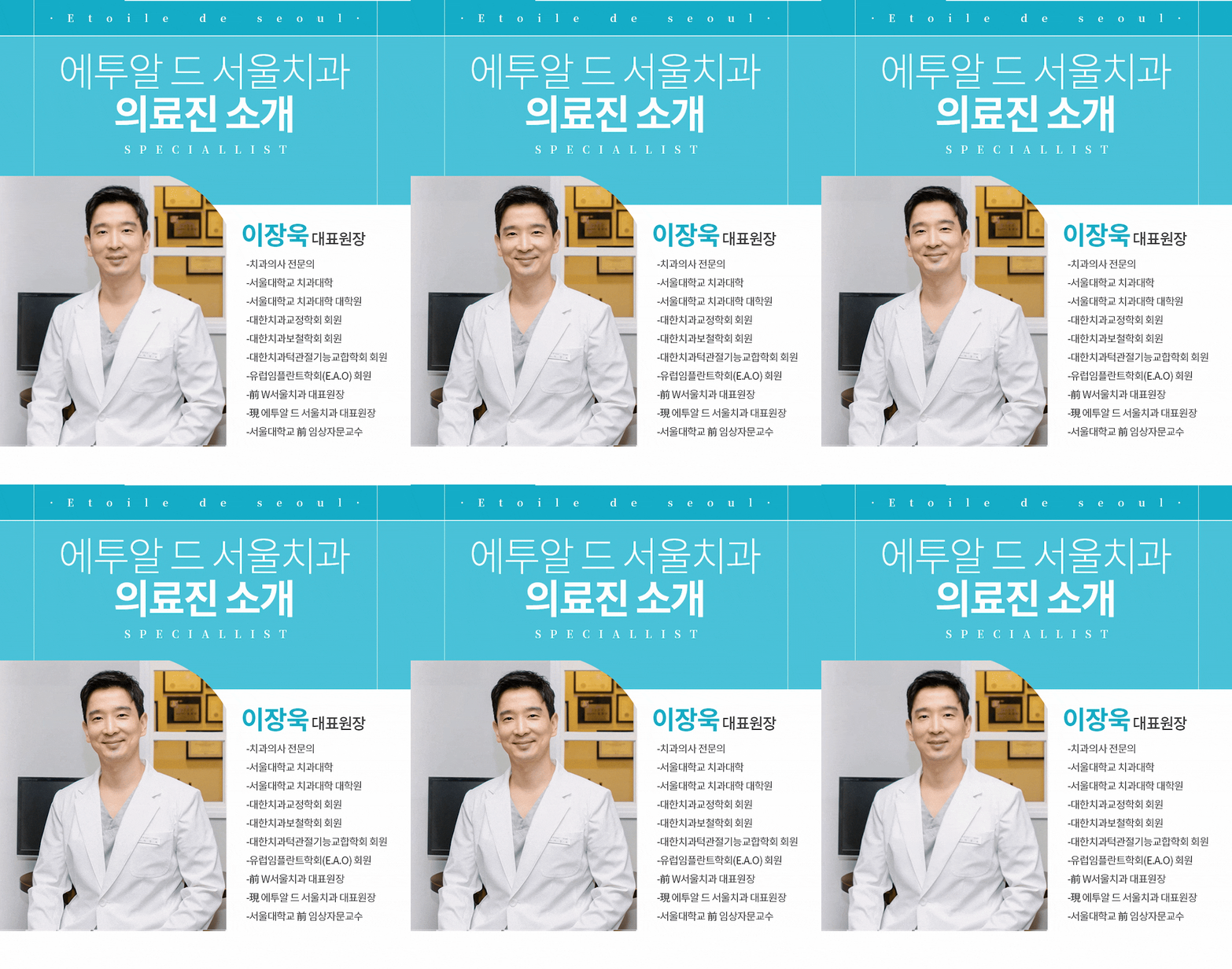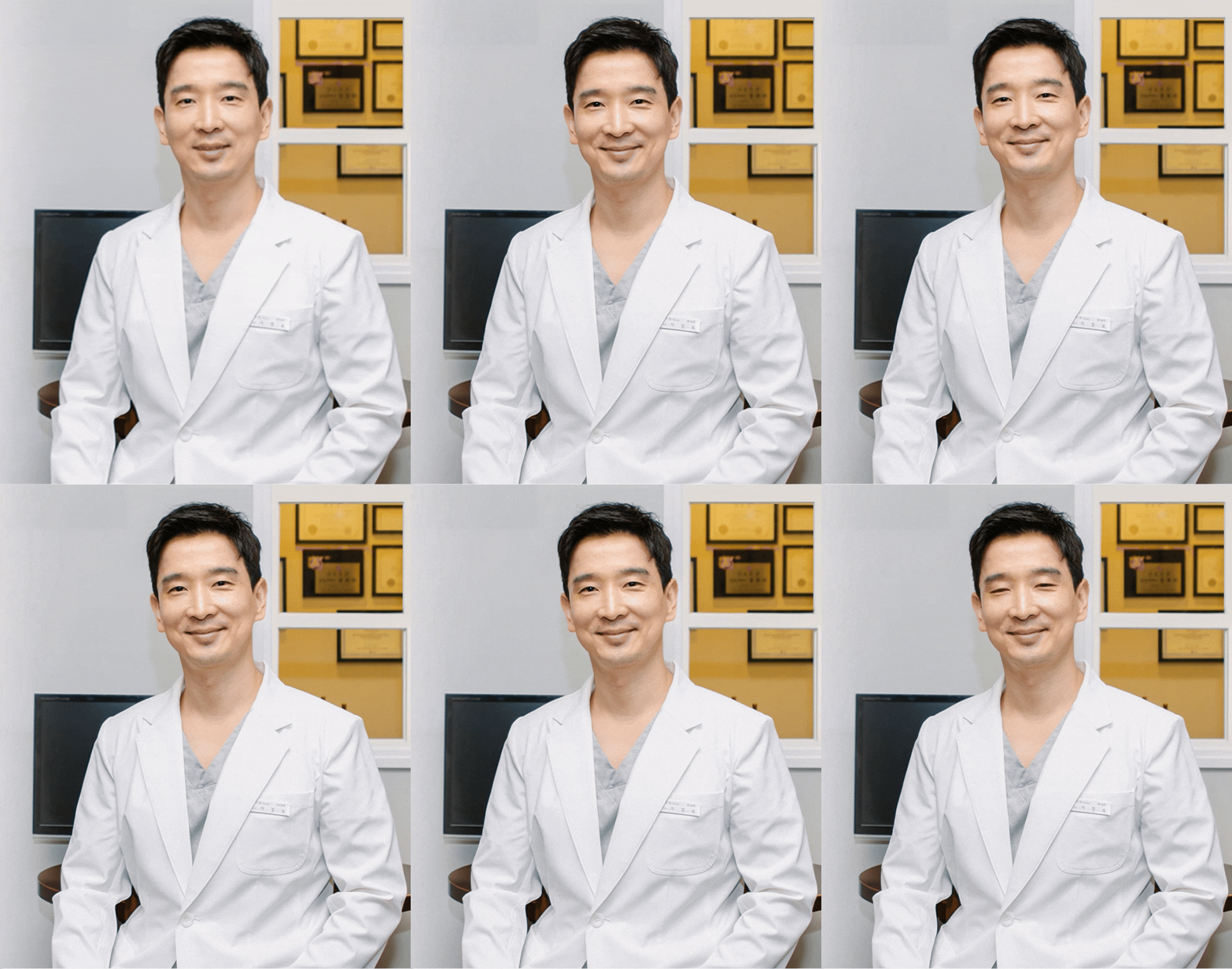
Chief Director Lee Jang-wook
Hello.
For a healthy smile,
we always do our best.
This is Etoile Seoul Dental Clinic.
For many people considering implant treatment, the part they fear most is the surgical process. The pain and swelling felt during the process of making an incision in the gums and stitching them, as well as the discomfort during recovery, are also among the biggest reasons people delay treatment. In fact, many people say things like, “I’m afraid of surgery,” “I’m worried it will hurt,” and “I’m worried daily life will be difficult during recovery.” In particular, for those who are working or have important schedules, the inconvenience in daily life caused by swelling and pain becomes an even bigger concern. However, with recent advances in dental medical technology, the advantages of non-incision implants that can ease these concerns are drawing attention.
We take responsibility for your dental health.
What is a non-incision implant?
A non-incision implant is, as the name suggests, a digital treatment method that places an implant without making an incision in the gums. Using a 3D navigation system and digital equipment, a precise diagnosis and mock surgery are performed before the procedure, and then the implant is placed accurately at the planned location.
Traditional implant surgery involved making a wide incision in the gums, fully exposing the bone, placing the implant, and then stitching the area closed again. During this process, patients had to undergo a significant amount of surgical intervention and had to endure swelling, pain, and a long recovery period after surgery. In contrast, the non-incision method uses digital technology to place the implant through only a minimal opening, so there is almost no bleeding and stitching is minimized or often not needed at all.
Pain can be reduced
One of the advantages of non-incision implants is that pain can be reduced. In conventional implant surgery, significant surgical intervention was required during the process of making an incision in the gums, exposing the bone, and placing the implant. The wider the incision area, the more severe the postoperative pain and the longer the recovery time tended to be.
However, because the non-incision method places the implant through only a minimal opening, both pain during surgery and pain after surgery can often be managed with ordinary pain relievers. Some people say recovery is more comfortable because there is less pain, though individual differences may occur. Even after the anesthesia wears off, you can often remain comfortable without severe pain or discomfort, which can reduce fear of the procedure.
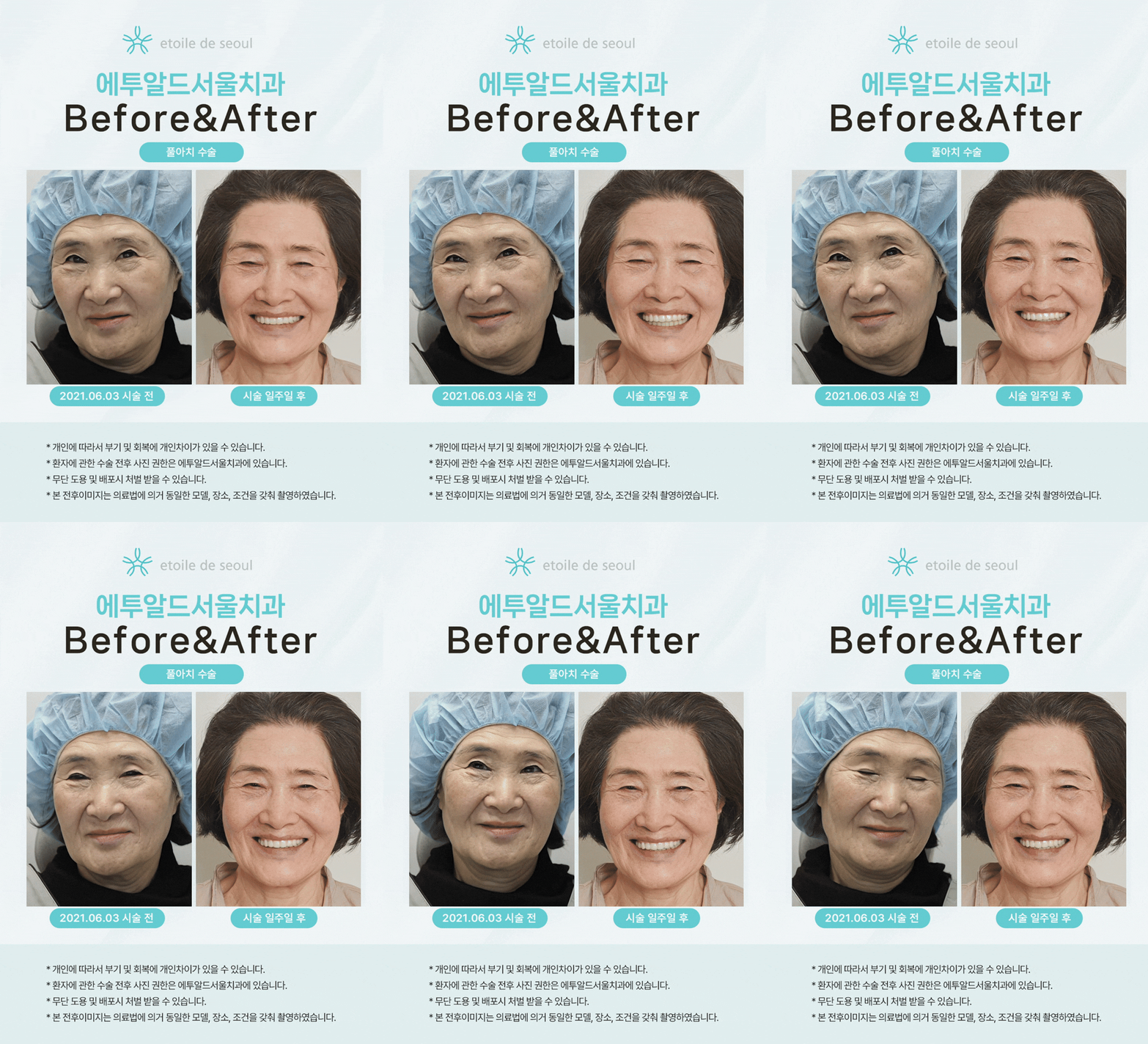
The recovery period is relatively short
Another advantage of non-incision implants is that the recovery period is relatively short, which may help you return to daily life more quickly. Because there is no incision, or the incision is minimized, there is little swelling or bruising, and most visitors can return to daily activities on the day of the procedure or the next day.
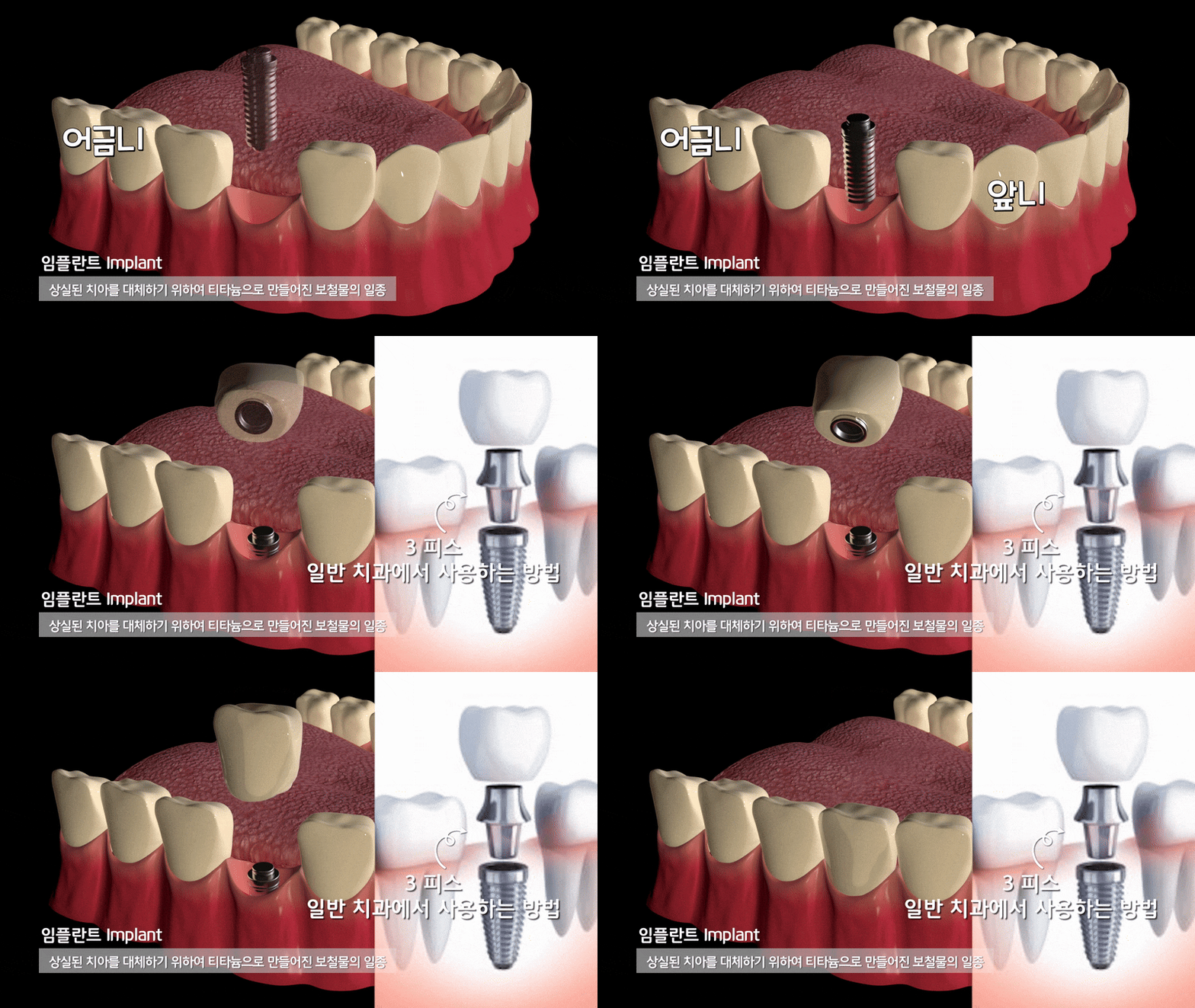
In the case of general implant surgery, about 2 to 3 days of rest are usually needed due to swelling and pain, and it takes about 1 to 2 weeks to recover completely. During this period, there are various restrictions on daily life, such as needing to eat only soft foods and avoiding strenuous activity. However, non-incision implants minimize these inconveniences.
This treatment is especially useful for those who are working or have busy schedules. Recovery is relatively quick enough that you can receive the procedure on Friday, rest 충분히 over the weekend, and go to work normally on Monday. Because you can restore dental health without the inconvenience of a long recovery period, the burden of schedule coordination is also reduced.
Precise diagnosis is possible
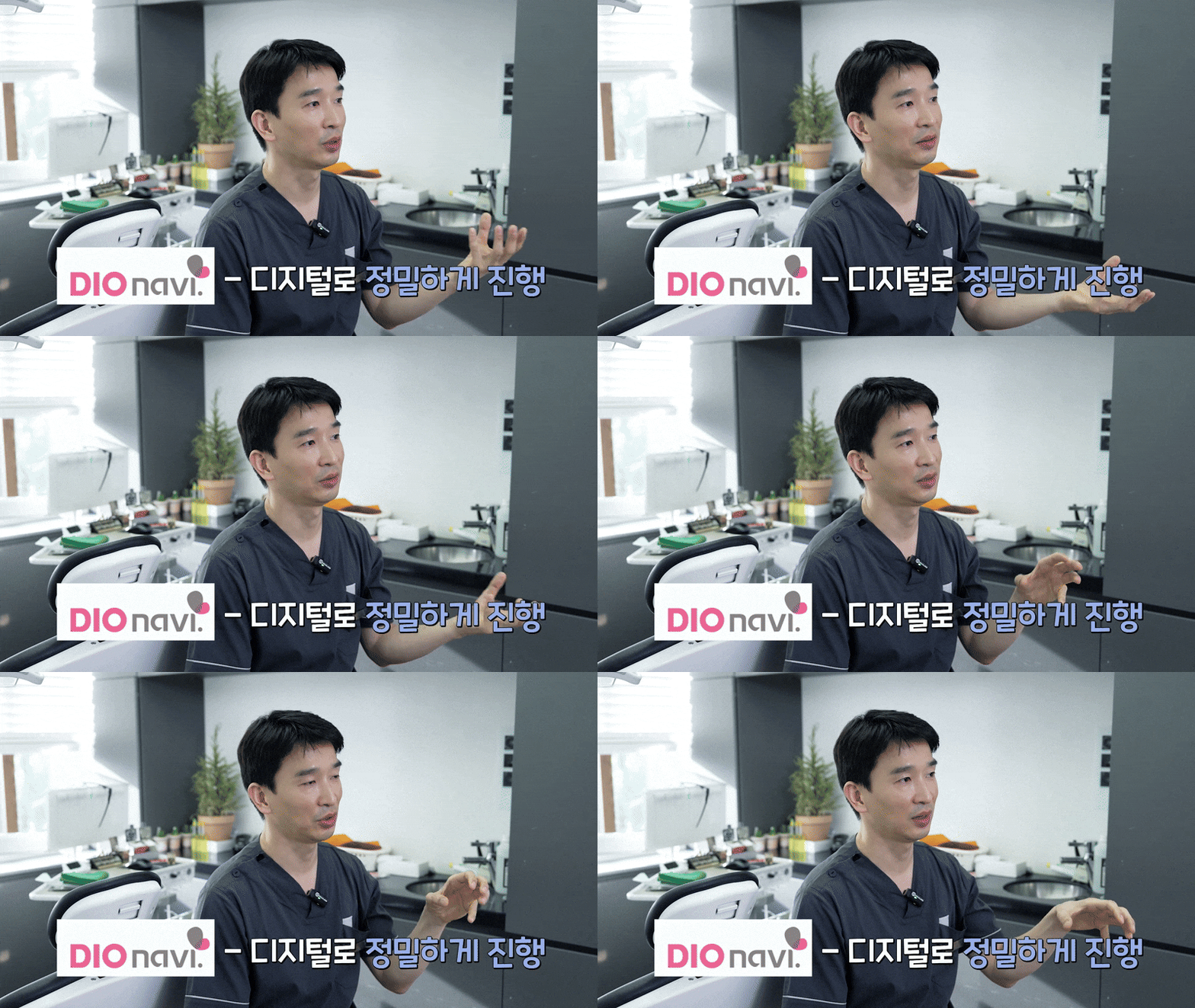
Another advantage of non-incision implants is that precise diagnosis makes accurate placement possible. Through 3D CT imaging and oral scanning, the patient’s oral structure is analyzed in detail, and a computer simulation is performed to plan the optimal implant location and angle in advance. In this process, the locations of nerves and blood vessels, the density and amount of bone, and the relationship with surrounding teeth can be examined in detail.
Using a customized surgical guide made based on this information, the implant is placed accurately at the planned location, which helps reduce the risk of nerve or blood vessel damage. In addition, because the implant is placed at the optimal location and angle, it can function stably for a long period of time. The procedure time is also shorter than with the conventional method, which can reduce both physical and psychological burden.

Care after the procedure is important
Care after a non-incision implant procedure is not very different from that of a regular implant, but proper care is an important factor in determining the lifespan of the implant. It is important to clean the area around the implant every day with proper brushing and to thoroughly remove food debris between teeth using dental floss or interdental brushes.
Unlike natural teeth, implants do not have a periodontal ligament, so they may be more vulnerable to infection. Therefore, if oral hygiene is neglected, peri-implantitis can occur, so special care is needed. Regular checkups are also essential. By visiting the dental clinic every six months to have the implant and the surrounding gum health checked, problems can be detected early and healthy implants can be maintained for a long time.
Dietary habits are also important. It is best to avoid excessive consumption of hard or chewy foods, and biting directly into ice or nuts can put strain on the implant, so caution is needed. Smoking can cause inflammation around the implant and interfere with osseointegration, so quitting smoking is recommended.
Precise diagnosis and experience are important
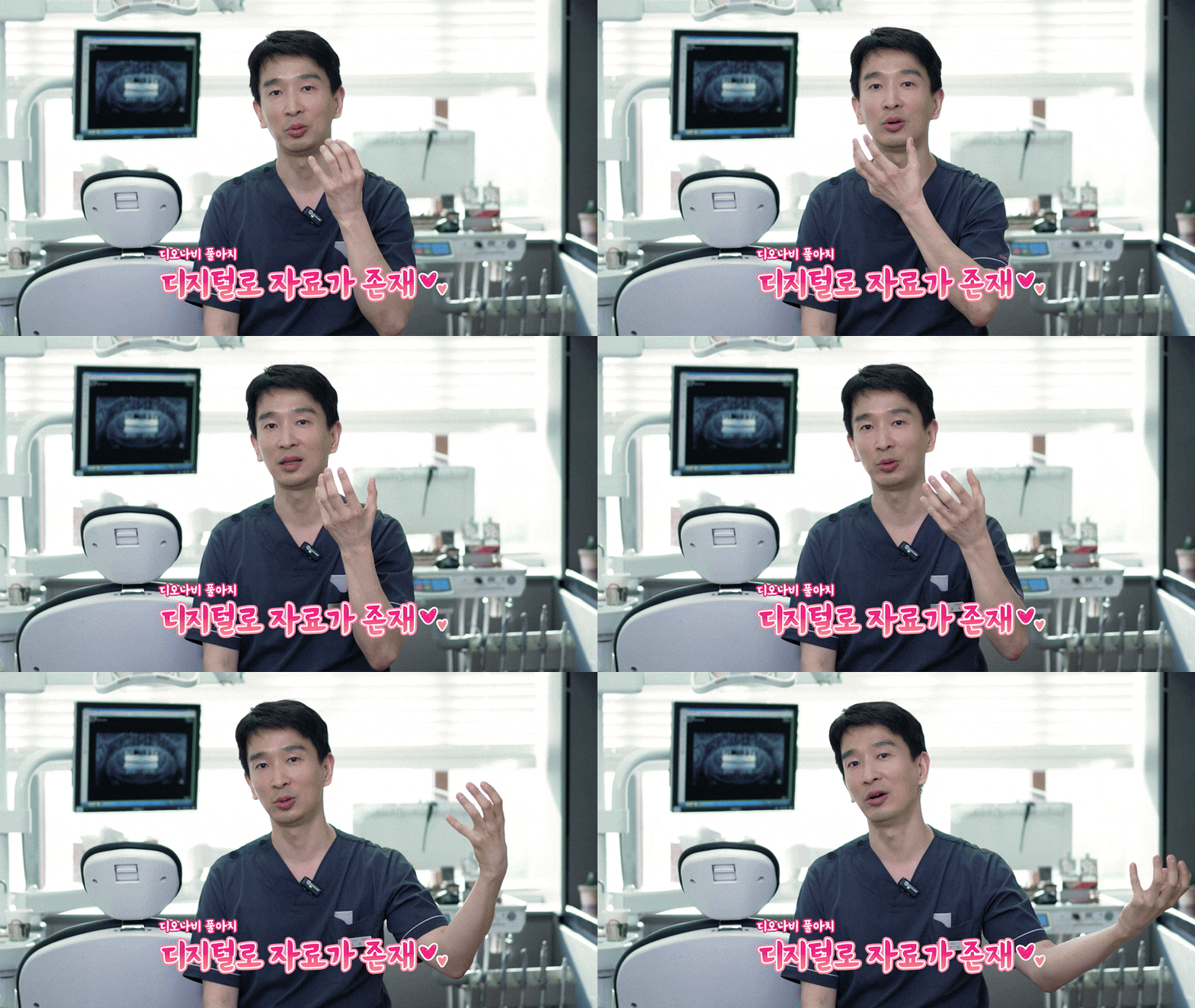
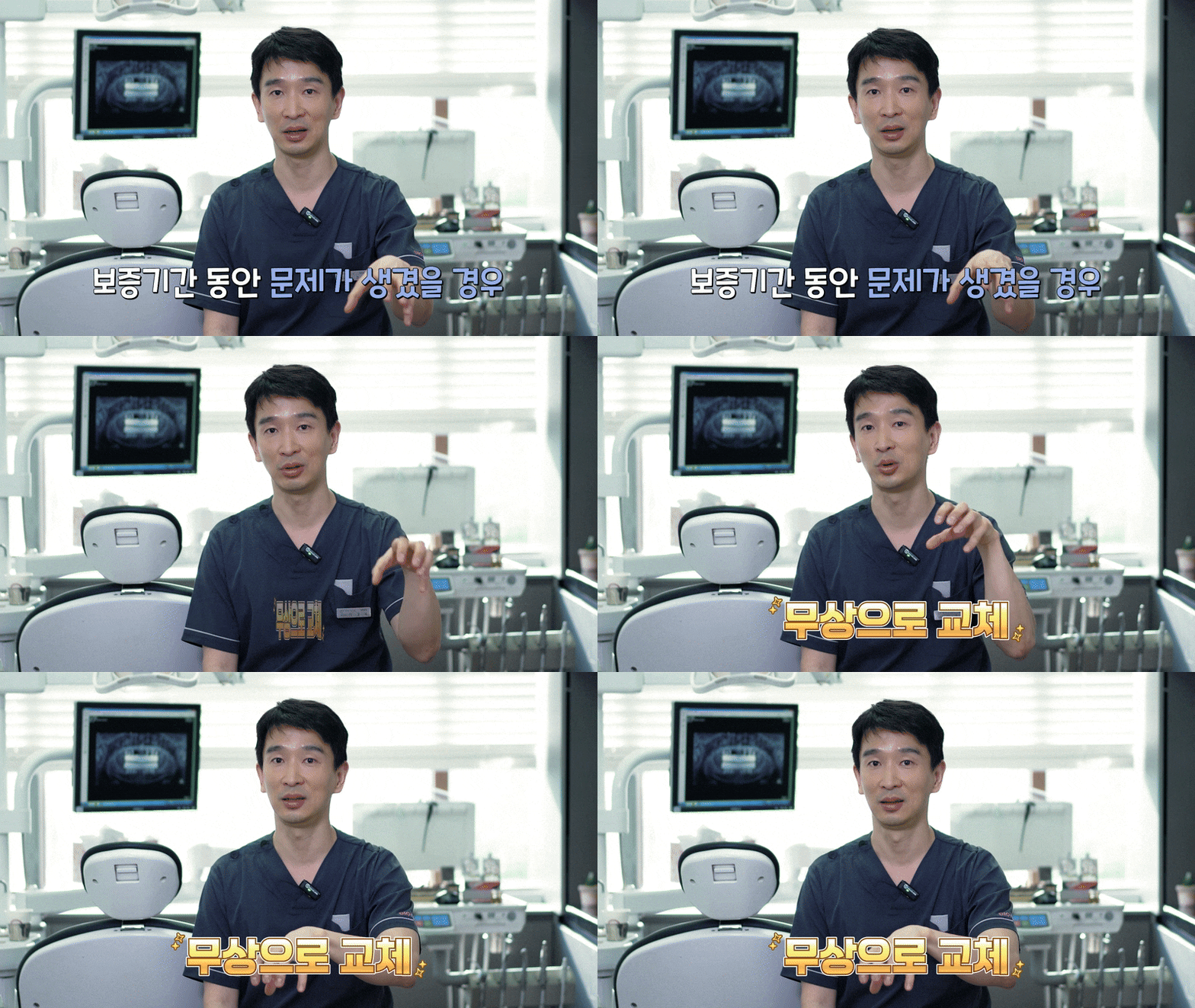
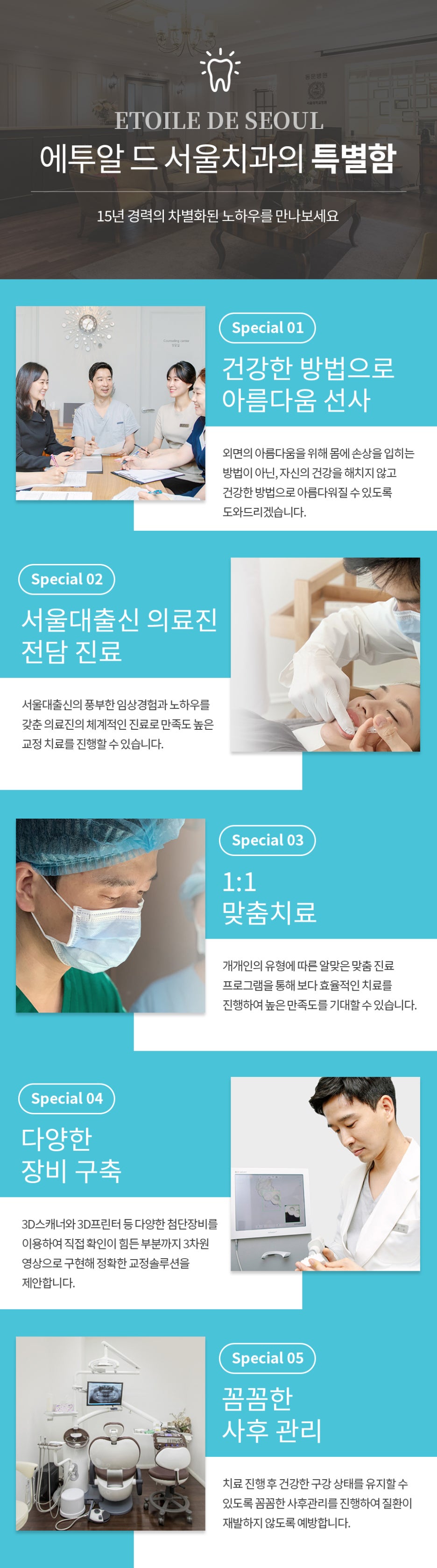
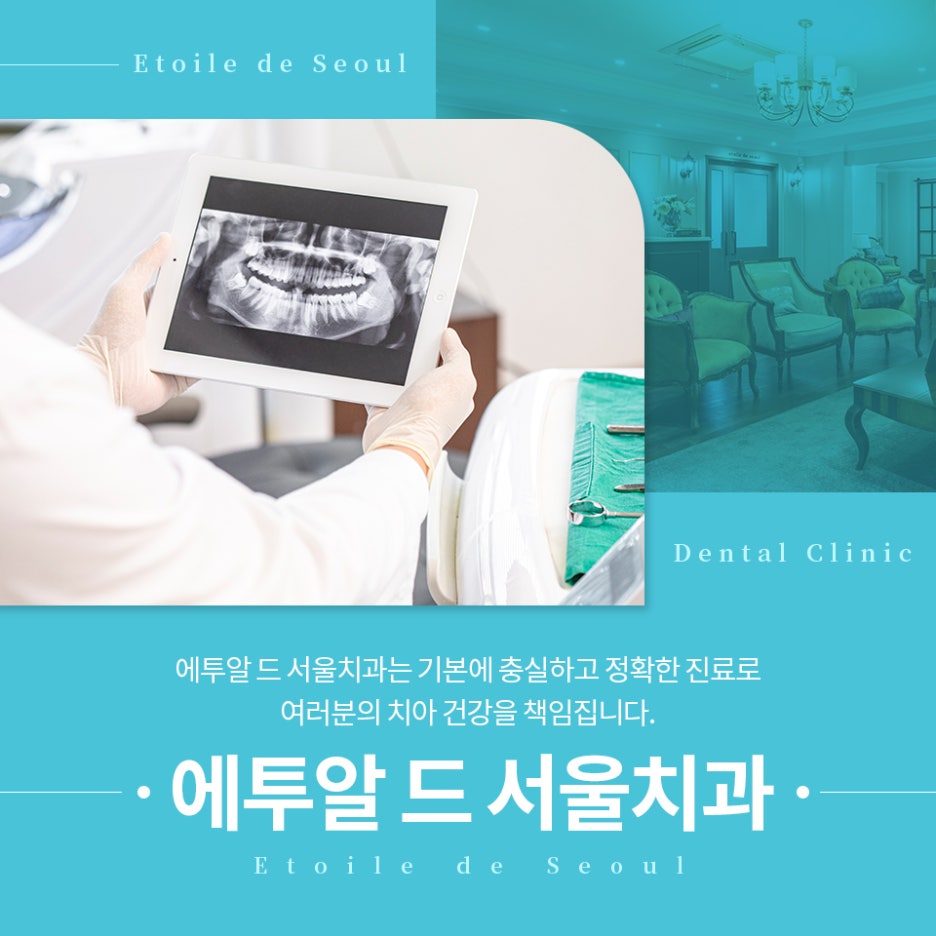
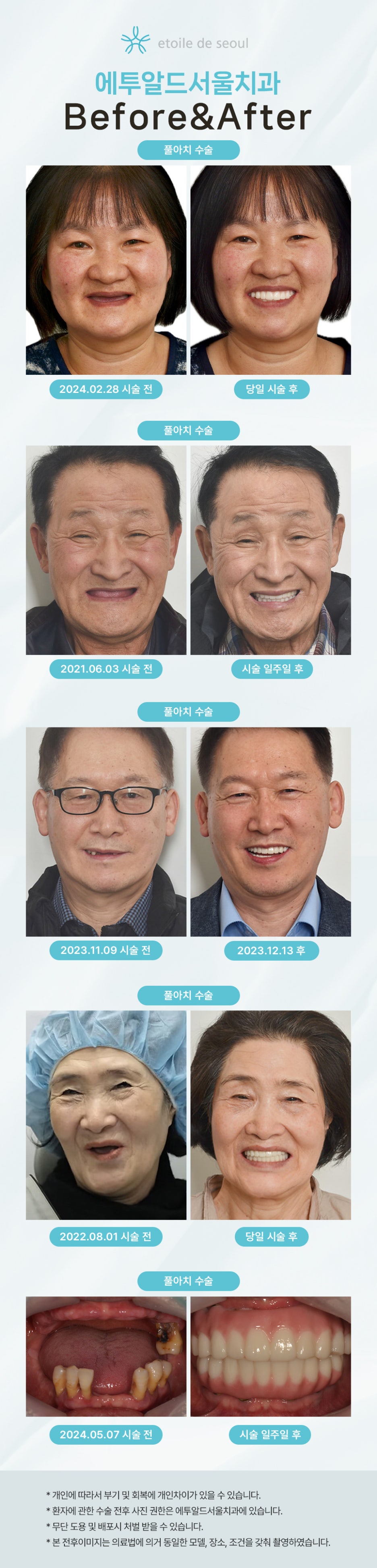
At Etoile Seoul Dental Clinic, a 3D navigation system is used for all implant procedures, including non-incision implants. With digital equipment such as CT imaging, 3D scanners, and digital printers, accurate diagnosis and precise treatment are possible.
In particular, the chief director, who has more than 20 years of clinical experience, personally performs all implant procedures, so even difficult cases can be entrusted with confidence. Based on long clinical experience, an optimal treatment plan is established according to each patient's oral condition, and precise treatment is carried out. Not only are only genuine implants used, but with a thorough aftercare system and treatment guarantee program, you can continue to receive ongoing care after treatment.
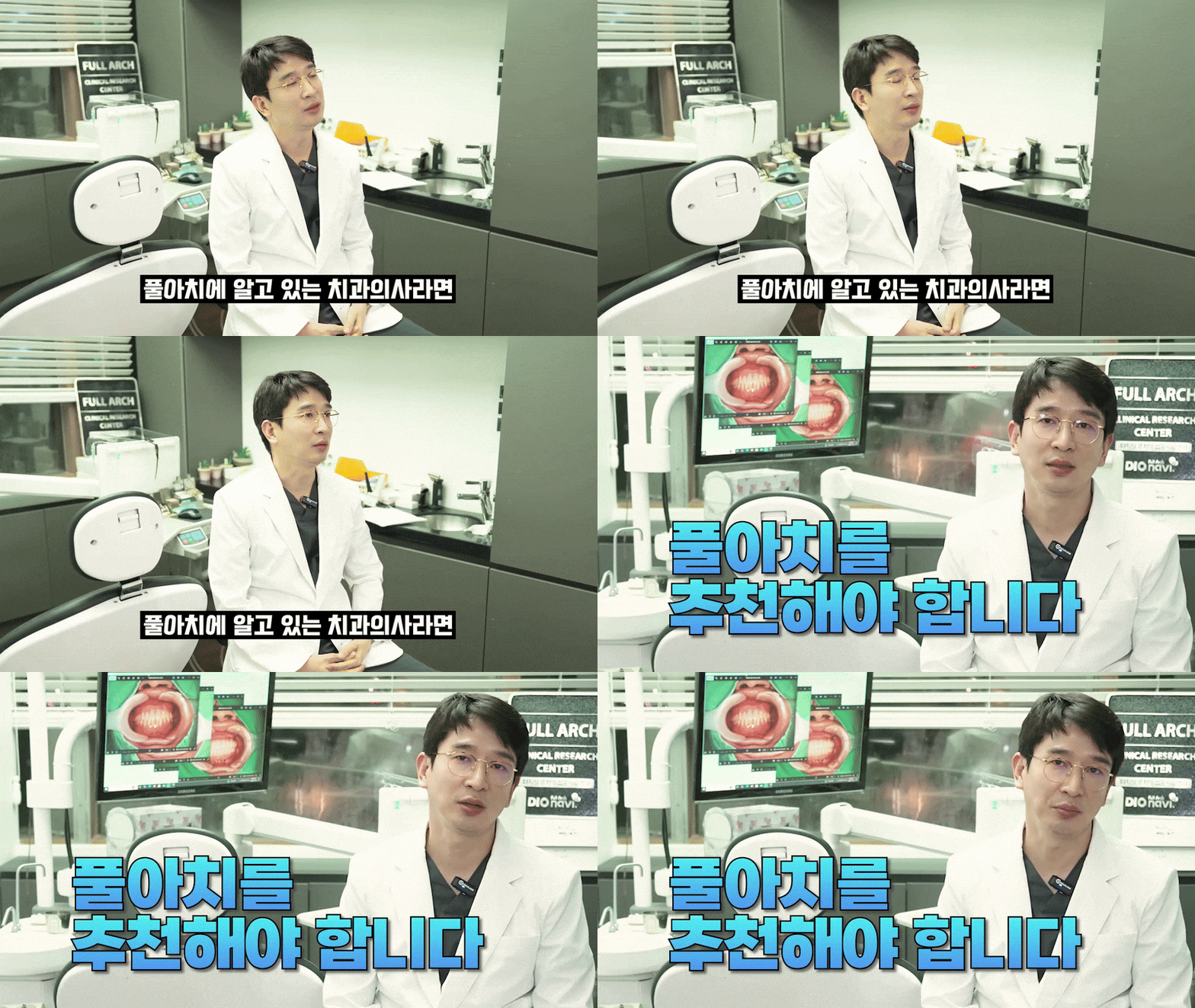
If implant treatment has felt frightening and made you hesitate, considering the advantages of non-incision implants can be a good choice to ease those concerns. If you want to regain healthy teeth without the burden of pain and recovery time, please establish a treatment plan suited to you through a precise consultation with the doctor in charge.
Previous image
Next image
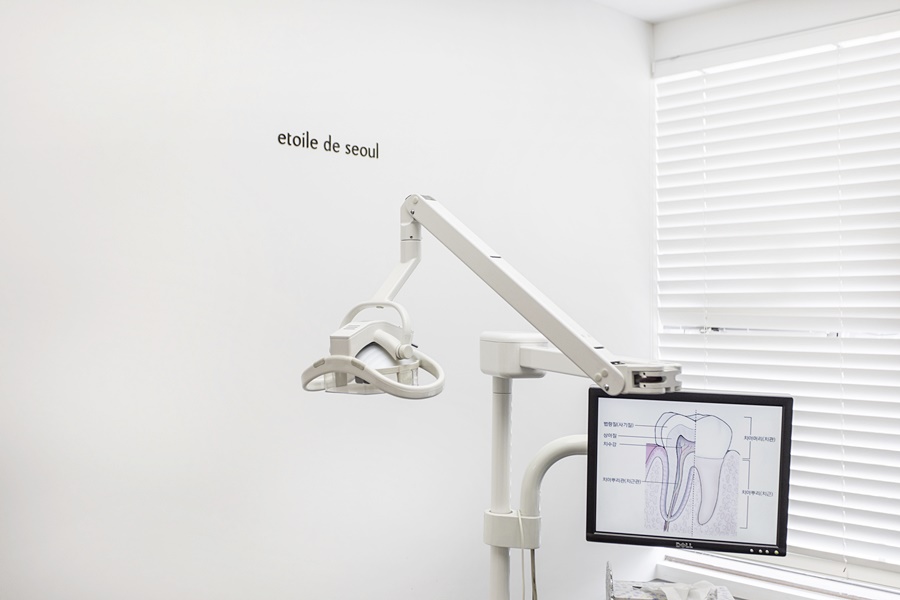
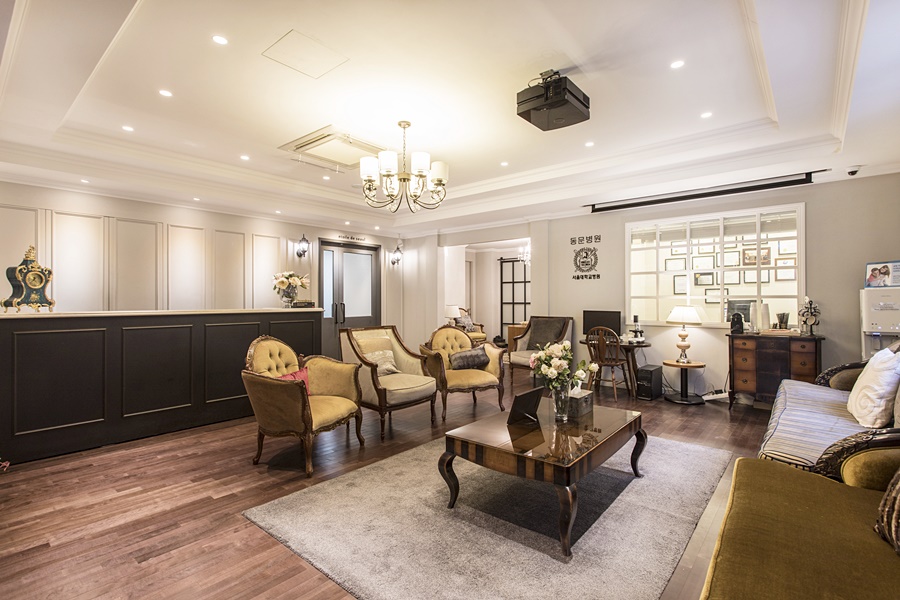
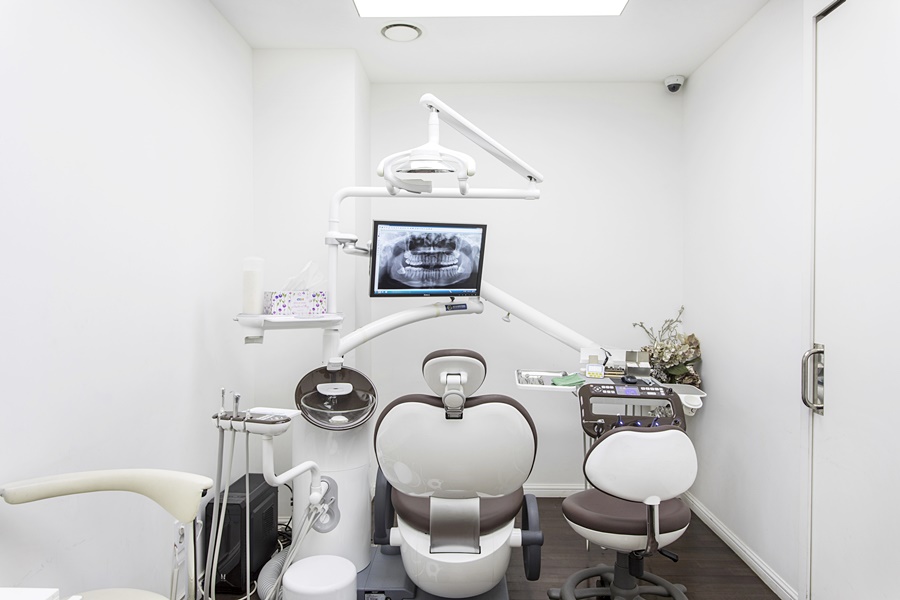
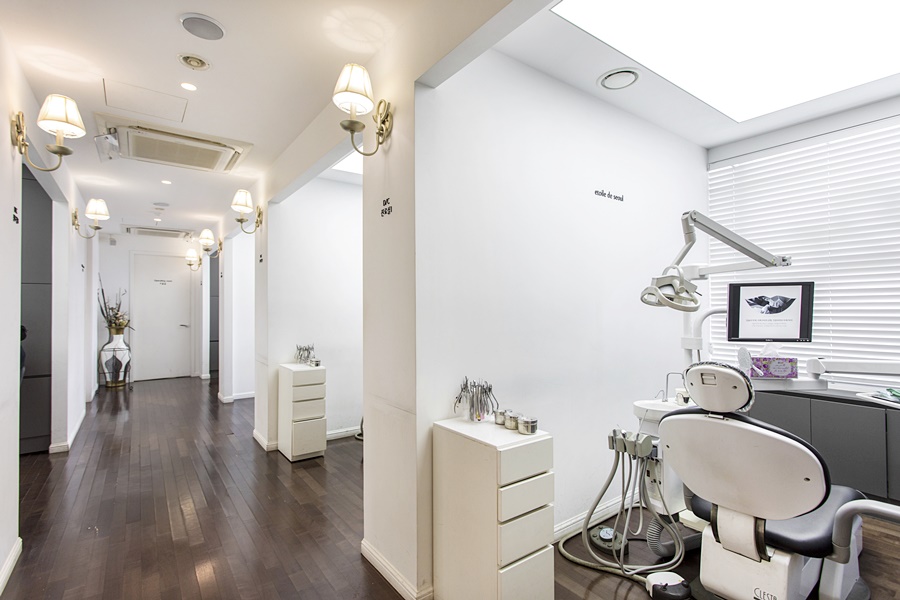
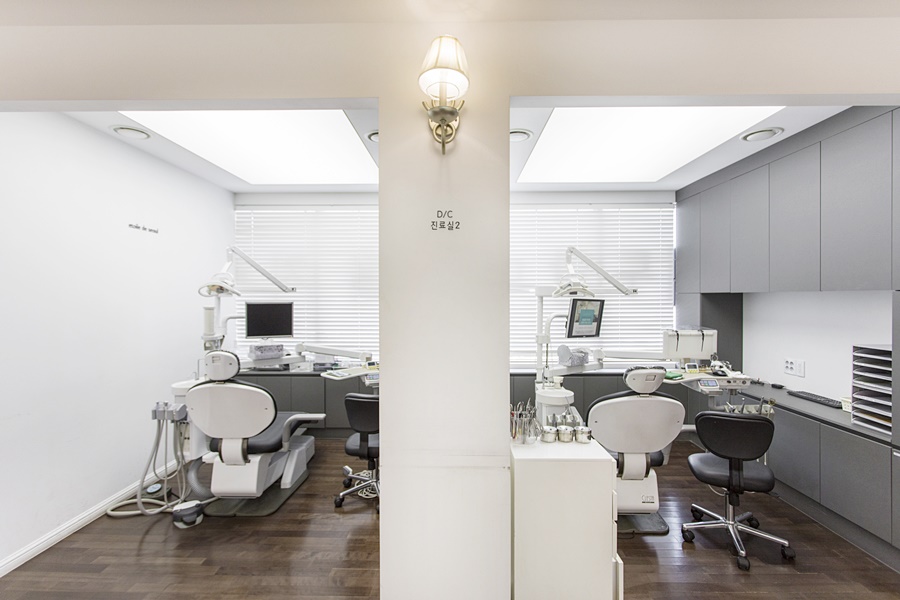
▲ [Etoile Seoul Dental Clinic] We provide treatment in a warm and clean atmosphere.
▼ Etoile Seoul Dental Clinic YouTube ▼