Lee Jang-wook, Chief Director
Hello.
A place that does its best
for a healthy smile
This is Etoile de Seoul Dental Clinic.
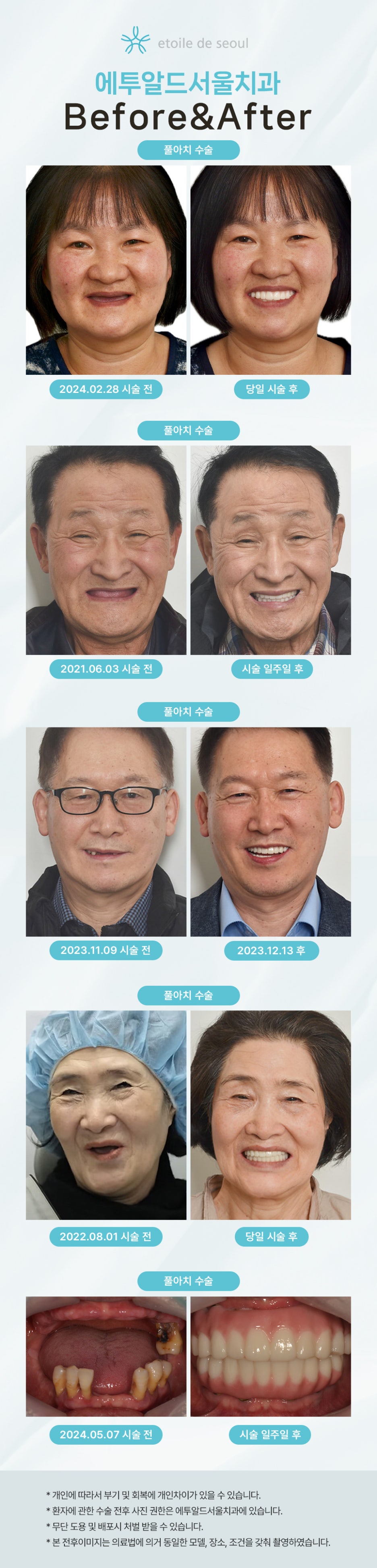
Many people think, after getting an implant, that “it’s all done now.” It’s a bit like buying a new car and then forgetting about going to the repair shop. But implants need steady care just as much as natural teeth do. This is especially true when several teeth have been restored at once, such as with a full-arch implant.
For those who ask, “The surgery went well and I don’t feel any discomfort, so do I really need a checkup?” today I’d like to explain step by step why regular implant checkups are important and what benefits they bring.
We take responsibility for your dental health.
Implants also need care
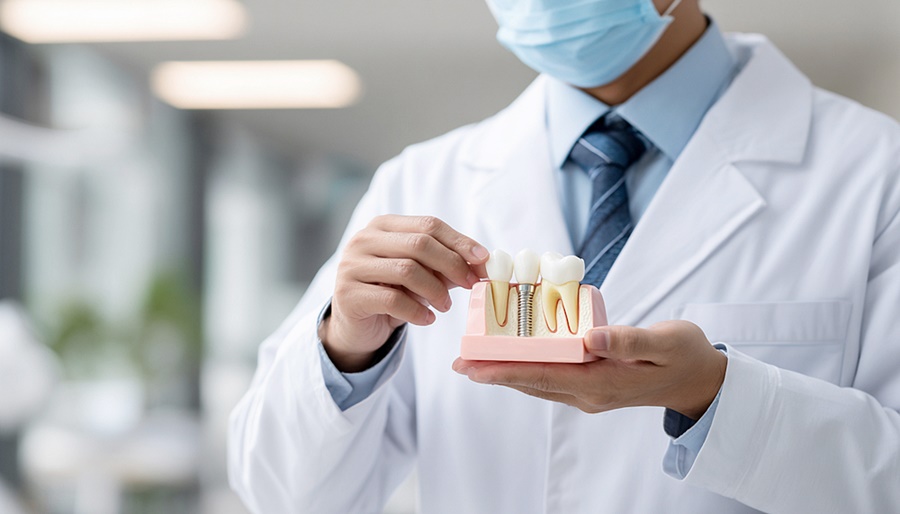
Because implants are artificial teeth, it is true that cavities do not develop in them. However, the gums and bone around the implant are still living tissue. Just as a house can tilt if the ground around its sturdy pillars becomes weak, problems can arise if the gums and bone supporting an implant are not healthy.
Just as periodontitis can develop around natural teeth, inflammation called peri-implantitis can also occur around implants. If left untreated, the bone supporting the implant can be damaged, eventually causing the implant to become loose or fall out.
What you can gain from regular checkups
First, early detection can prevent major problems. Peri-implantitis is usually difficult to notice at an early stage. If the gums are only a little swollen or bleeding, it is easy to think, “It’s probably nothing serious,” and let it pass. But through regular implant checkups, if these small signs are found early, simple scaling or gum care can often be enough. Once a lot of bone has been damaged, treatment becomes much more complicated and difficult.
Second, it helps extend the life of the implant. During regular checkups, we carefully examine the connection between the implant and the prosthesis, how tightly the screws are fastened, and the bite. If even a small screw becomes loose and is left alone, it can lead to bigger problems. By checking and adjusting these areas in advance, regular checkups can help keep the implant healthy for a long time.
Third, it helps maintain a clean oral environment. No matter how hard you brush at home, it is difficult to clean deep areas between the implant and gums or underneath the prosthesis. Professional cleaning during a checkup can effectively care for these areas and help prevent plaque and tartar buildup.

How often should you get one?
In general, we recommend getting a regular implant checkup every 6 months. However, because everyone’s oral condition is different, people with poor gum health, smokers, or those with diabetes should get checked more often, about once every 3 months. On the other hand, for people who manage their oral hygiene very well and are in good overall health, once a year may be enough.
What happens during a checkup?
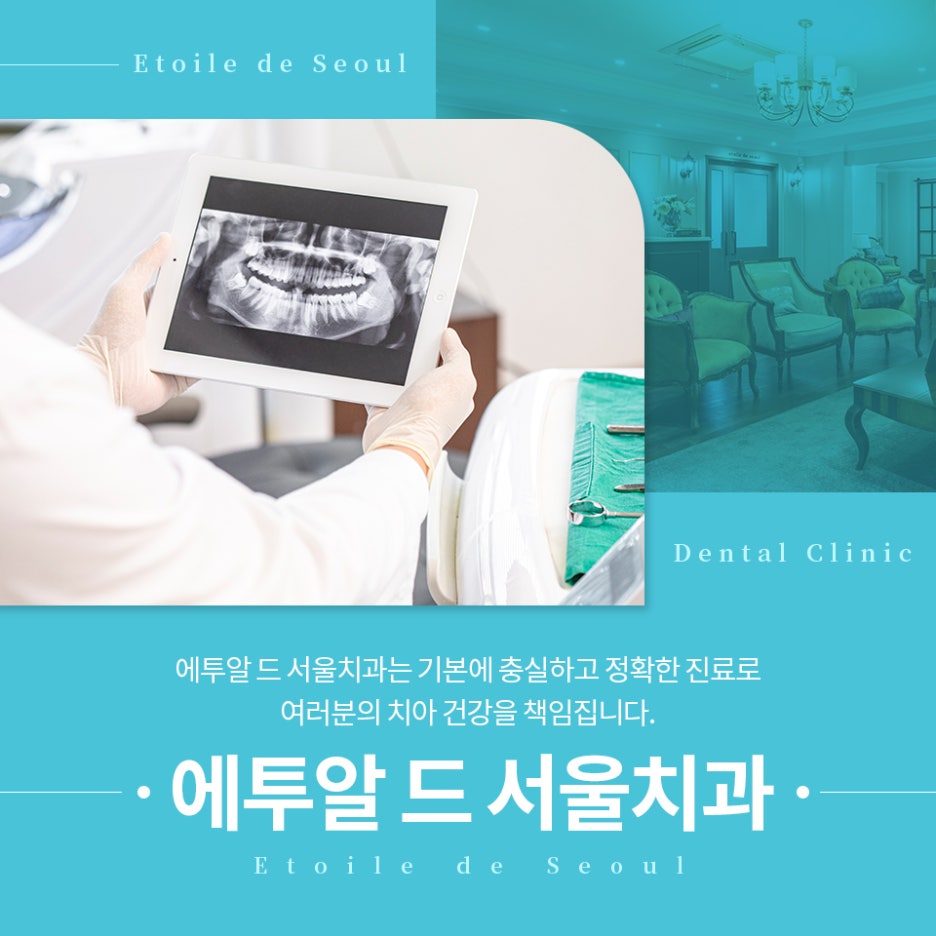
During the checkup, we first look at the condition of the gums around the implant. We check whether there is inflammation, swelling, or bleeding. Then we examine the stability of the implant. We check whether there is any movement and whether the connection between the prosthesis and the implant is secure. If necessary, we may also take X-rays to check the condition of the bone that cannot be seen with the naked eye.
We also perform scaling to remove plaque and tartar that have built up around the implant and prosthesis. We clean carefully with more delicate instruments than those used for natural teeth, and we pay special attention so that the implant surface is not damaged during the process. Finally, we check the bite. We look to see whether too much force is being placed on the implant or whether the prosthesis is worn down, and adjust it if needed.
How should you care for it at home?
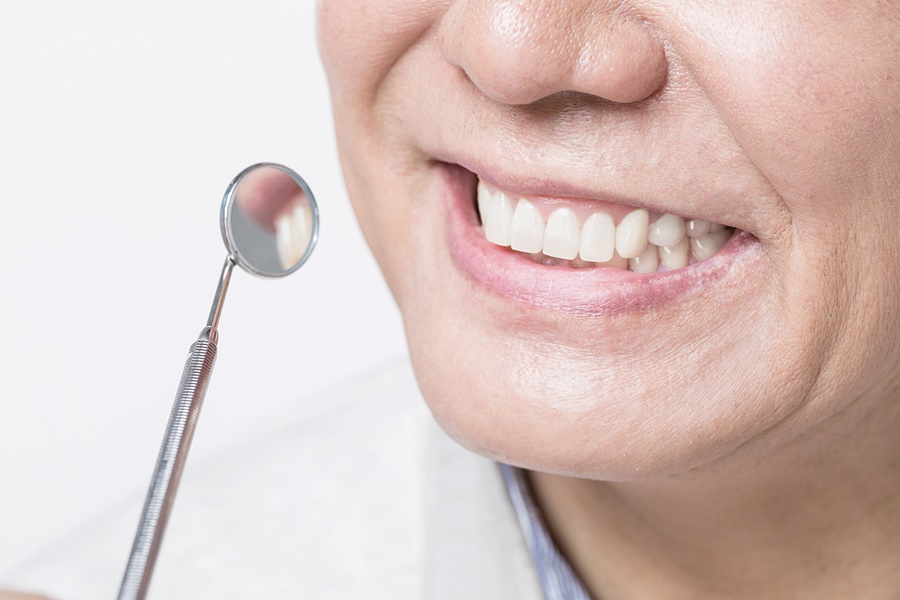
Just as important as regular checkups is daily home care. Use a soft toothbrush morning and night to clean carefully around the implant. It is best to place the bristles at a 45-degree angle to the border between the implant and the gums and gently clean in small circles.
You should also be sure to use dental floss or interdental brushes. In particular, with full-arch implants, food tends to get trapped in the space underneath the prosthesis. If this area is not kept clean, it can cause inflammation. At first it may feel awkward and bothersome, but once you get used to it, 2 to 3 minutes is enough.
Using mouthwash can also help, but products with a strong alcohol content can irritate the oral mucosa if used for a long time, so it is better to choose a mild product. And most importantly, quitting smoking is essential. Smoking is one of the biggest causes of impaired healing and worsened inflammation in the tissues around implants.

I don’t have any problems, so do I still need to go?
This is the question we hear most often in the clinic. If you don’t feel any discomfort right now, I understand completely that you may not want to make time to come in. But problems with implants are often already well advanced before you notice any symptoms. Symptoms usually begin only after the bone around the gums has already been damaged to some extent, and by that point the condition may already have progressed.
Just like a car can suddenly break down if it is not checked regularly, the same applies to implants. Regular checkups are the smartest investment for preventing problems and maintaining health. If a small amount of time and cost can prevent a major problem, what could be more worthwhile than that?
Things visitors often ask about
How long does a regular implant checkup take? In general, it takes about 30 minutes to 1 hour. If there are no special problems, it ends with a simple examination and cleaning, so it is not burdensome. It is simple enough that you can stop by during lunch or after work.
How much does a checkup cost? It varies depending on what is included, but a basic examination and scaling are not a major burden. Some items are covered by health insurance, so it is more affordable than you might think. Moreover, compared with the cost of dealing with a major problem later, regular checkups are a very economical choice.
Does a regular checkup hurt? A standard checkup is almost painless. People with sensitive gums may feel a little discomfort during scaling, but it is not unbearable. Please don’t worry.


Previous image
Next image
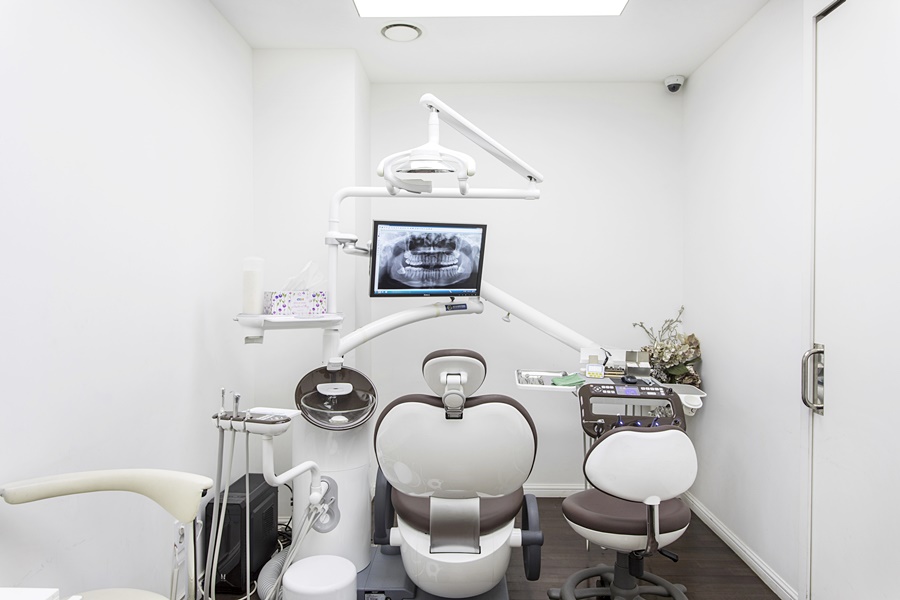
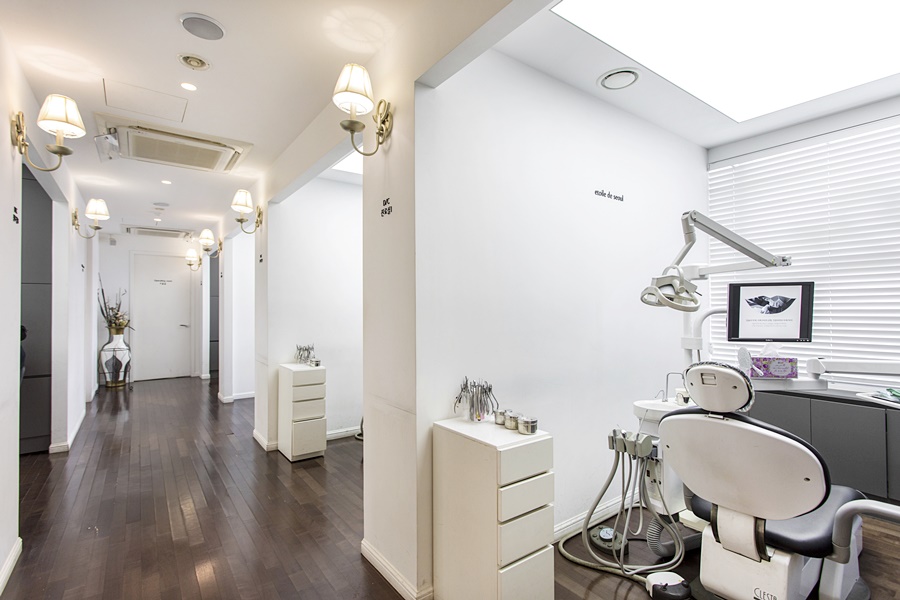
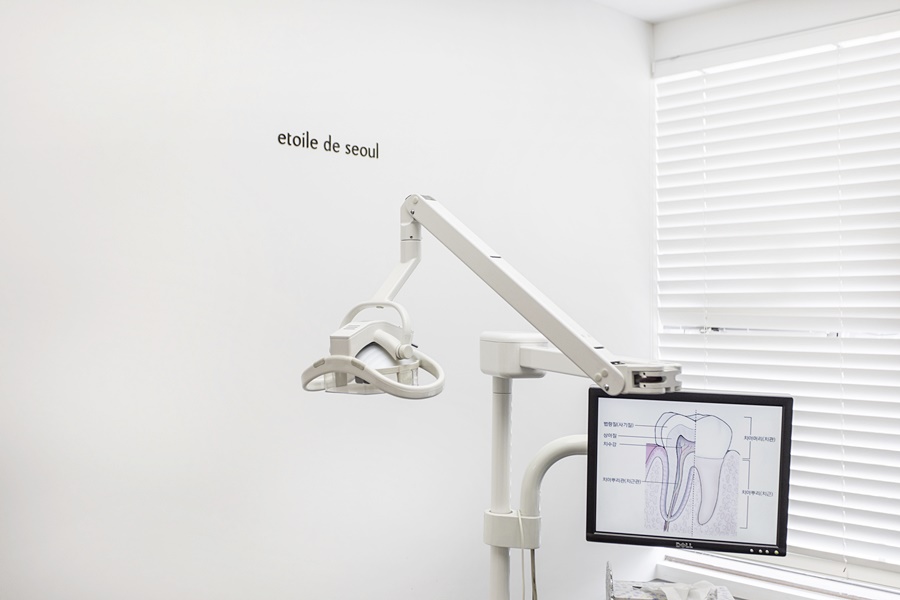
▲[Etoile de Seoul Dental Clinic] We provide treatment in a warm and clean atmosphere.
A heartfelt message
An implant is more than just a replacement for a tooth; it is a valuable investment that improves your quality of life. It allows you to enjoy food freely and smile with confidence. To keep such an important implant healthy for a long time, regular implant checkups are essential.
In a busy daily routine, it is easy to delay a visit to the dentist, but a small amount of attention once every 6 months, twice a year, can help protect your implant’s health for a long time. Rather than regretting it after a problem occurs, it is much wiser to keep up with regular care from now on.
Let’s protect your healthy smile together through regular checkups so it can shine for a long time. If you ever have questions, please feel free to ask anytime.