
Lee Jang-wook, Chief Director
Hello.
A place that does its best
for a healthy smile
Etoile Seoul Dental Clinic.
5 key guidelines for managing sensitive teeth and maintaining healthy teeth
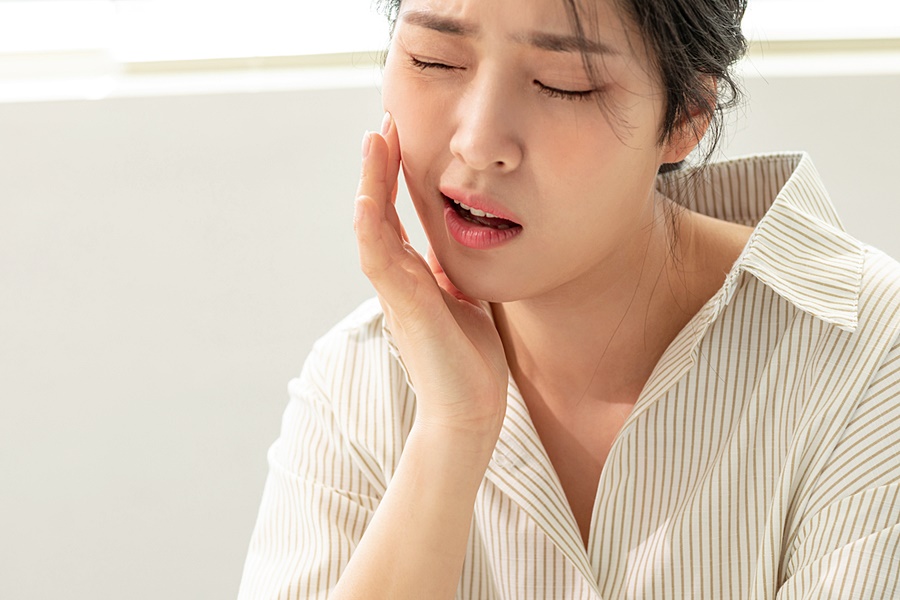
Have you ever experienced a sharp, stabbing pain passing through your tooth when drinking cold water or eating ice cream? We commonly call these symptoms "sensitive teeth."
Sensitive teeth are more than just a temporary discomfort; they are an oral health issue that can significantly reduce your quality of daily life. Many people experience symptoms of sensitive teeth but do not know the proper way to manage them, or they delay visiting the dentist until the symptoms worsen.
We take responsibility for your dental health.
Why do sensitive teeth occur?
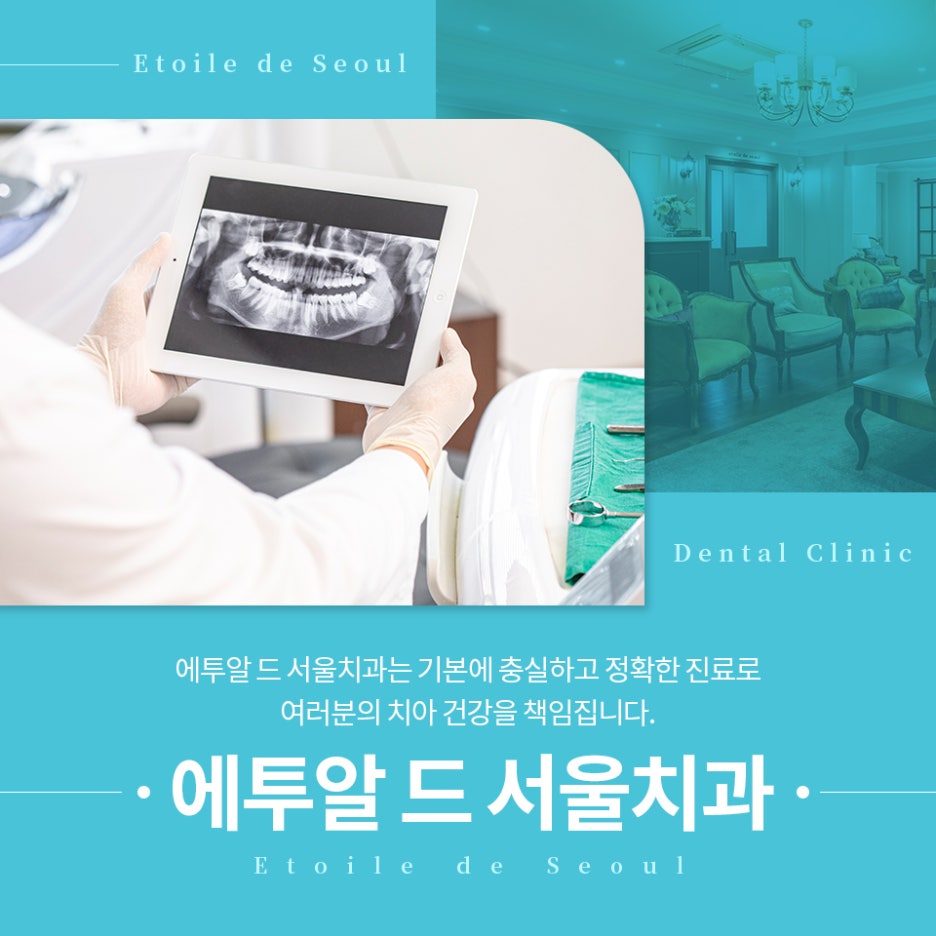
There are many reasons sensitive teeth can occur. The most common cause is when the enamel, which acts as the tooth’s protective barrier, is damaged or weakened, exposing the dentin underneath. Dentin contains countless tiny tubules, which are connected to the nerves inside the tooth, so external stimuli are transmitted directly to the nerves and cause pain.
Sensitive symptoms can also appear when the gums recede and expose the roots of the teeth.
Because tooth roots are not protected by enamel, they react more sensitively to external stimuli. Improper brushing habits are also one of the main causes of sensitive teeth. Brushing with too much force or using a hard-bristled toothbrush can wear down the tooth surface and damage the gums.
In particular, brushing hard in a side-to-side motion creates wedge-shaped damage at the neck of the tooth, which causes sensitivity. Frequent consumption of acidic foods or drinks is also a factor that erodes tooth enamel and worsens sensitivity.
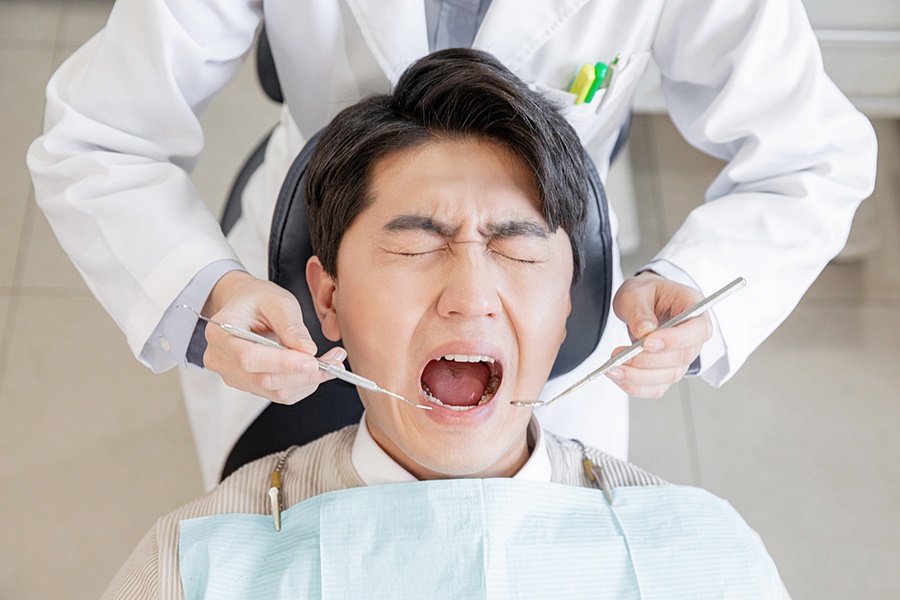 Proper brushing habits are the most important
The first effective way to manage sensitive teeth is to develop proper brushing habits. It is best to choose a soft-bristled toothbrush and brush lightly at a 45-degree angle along the line where the teeth and gums meet, as if massaging gently.
Brushing three times a day, within 30 minutes after meals, is ideal. However, right after consuming acidic foods, waiting about 30 minutes before brushing helps protect the enamel. For toothpaste, it is recommended to use a product made for sensitive teeth. These toothpastes contain ingredients such as potassium nitrate or fluoride, which help coat the exposed dentin surface and block nerve transmission.
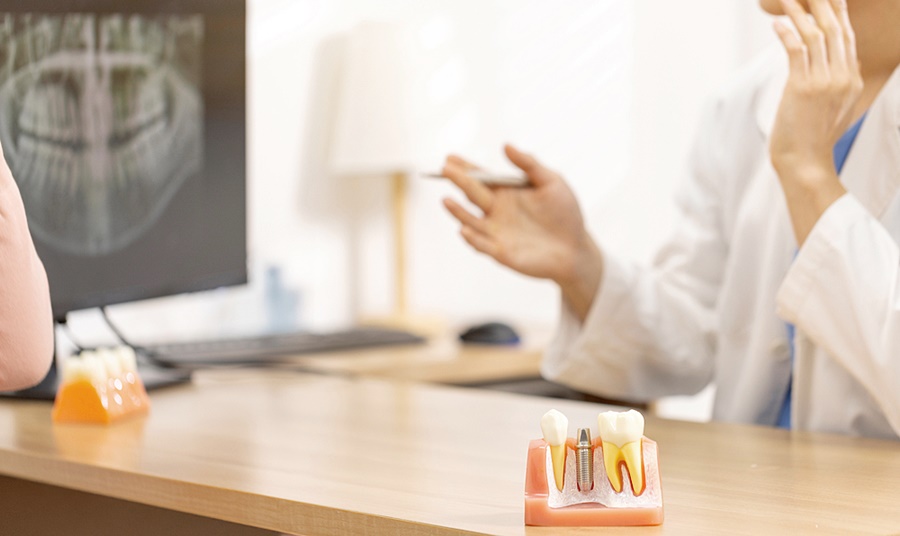 Changing your eating habits changes your teeth
The second way to manage sensitive teeth is to change your eating habits. As mentioned above, acidic foods and drinks erode tooth enamel, so it is best to reduce their intake. When drinking carbonated beverages or fruit juice, using a straw to minimize contact with the teeth is helpful, and after consuming them, rinsing your mouth with water to neutralize acidity is beneficial.
You should also be careful not to put too much strain on your teeth when chewing hard or chewy foods. On the other hand, dairy products, nuts, and green vegetables that are rich in calcium and phosphorus are beneficial for dental health, so it is good to actively include them in your diet.
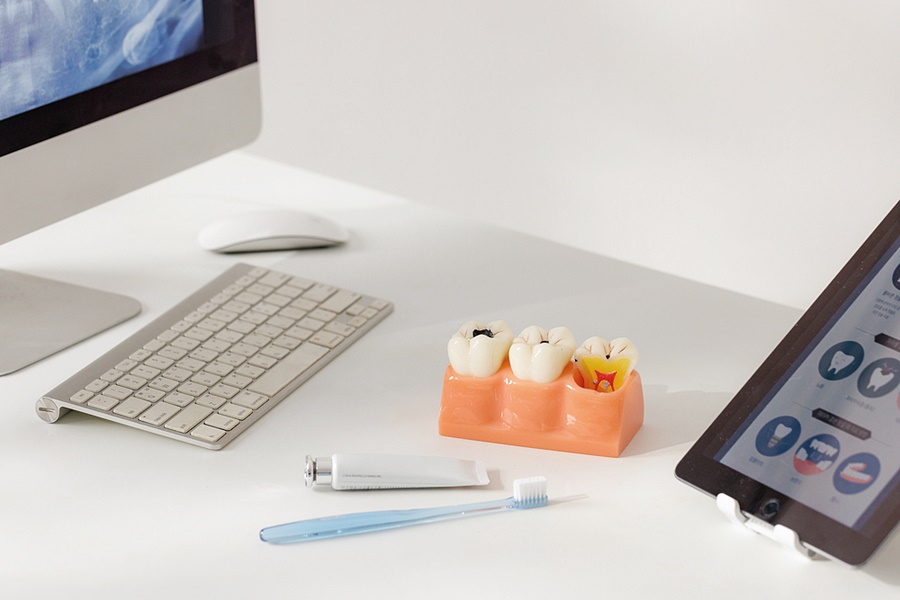 Check your small daily habits
The third way to manage sensitive teeth is to control teeth grinding or clenching habits. Teeth grinding during sleep can place tremendous pressure on the teeth without you noticing, damaging the enamel and worsening sensitivity.
Because stress is a major cause of teeth grinding, stress management is important. If necessary, having a mouthguard made at the dentist and wearing it can help prevent tooth damage caused by grinding.
Fourth, you should make flossing and using interdental brushes part of your routine. A toothbrush alone makes it difficult to completely remove food debris and plaque from between the teeth. Plaque that builds up between teeth causes gum inflammation and can lead to gum recession, which in turn can result in sensitive teeth.
It is best to use floss once a day, preferably before evening brushing, and for areas that are difficult to clean with floss, using interdental brushes is effective.
The fifth is to receive regular dental checkups and appropriate treatment. When symptoms of sensitive teeth appear, it is important not to leave them untreated, but to visit the dentist, identify the exact cause, and receive appropriate treatment.

 Previous image
Next image
Previous image
Next image
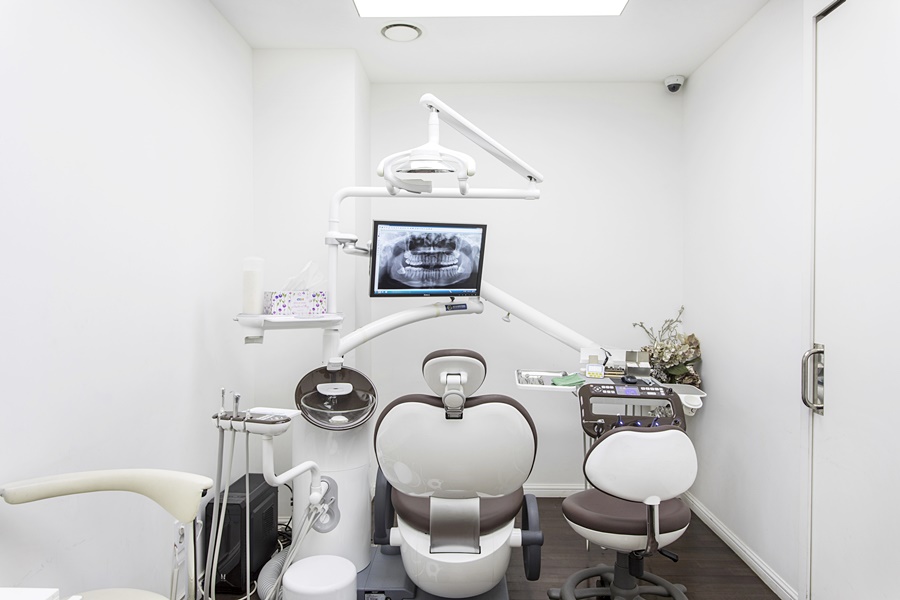
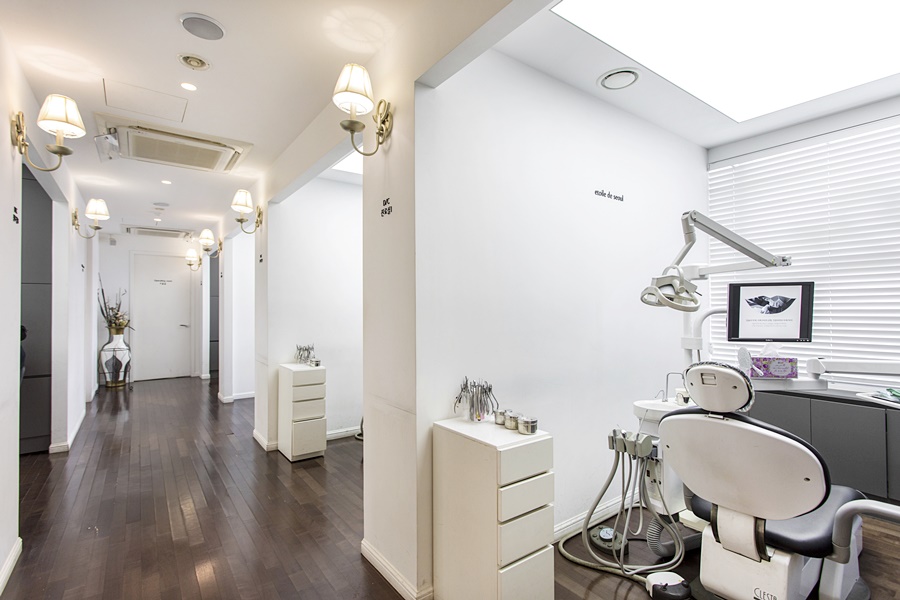
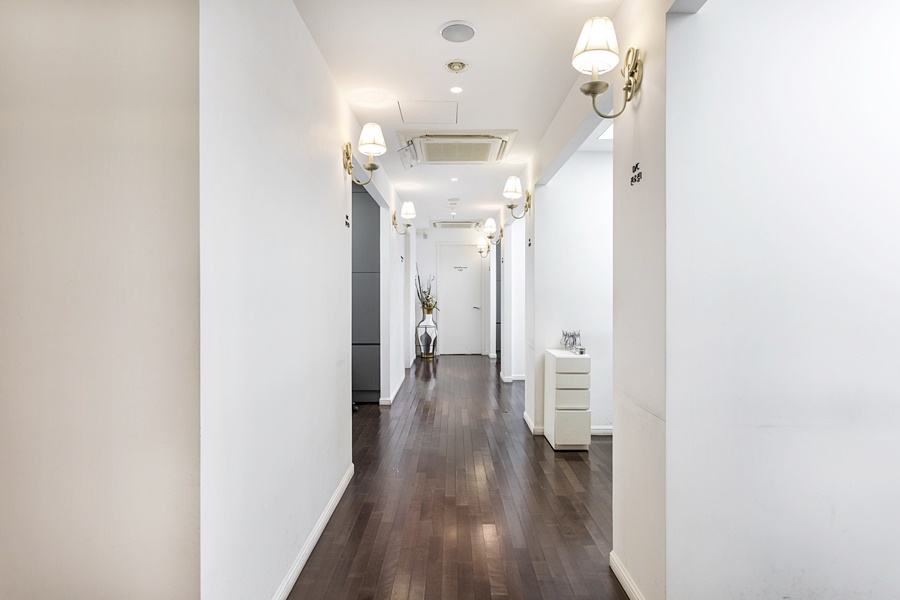
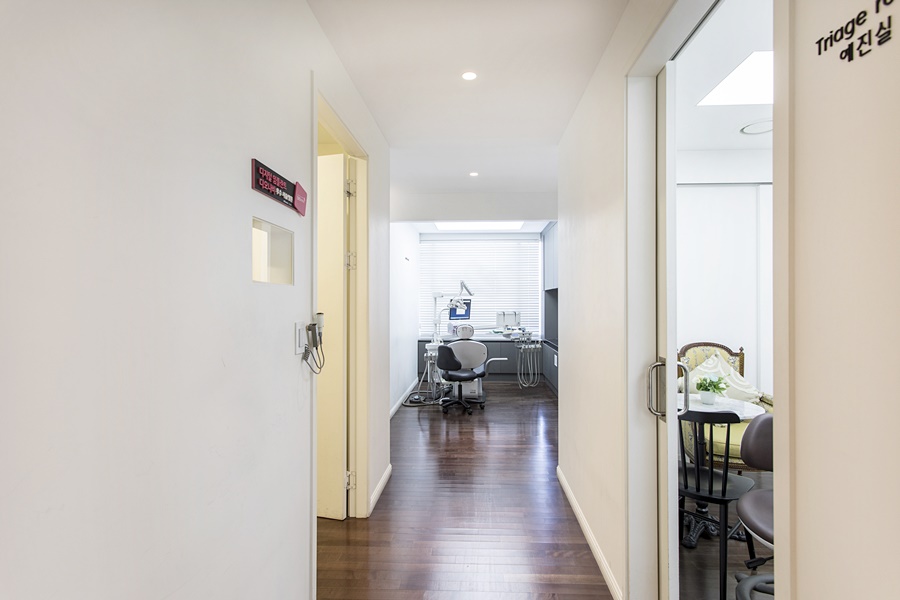
▲ [Etoile Seoul Dental Clinic] We provide treatment in a warm and clean atmosphere.
Introducing Etoile Seoul Dental Clinic
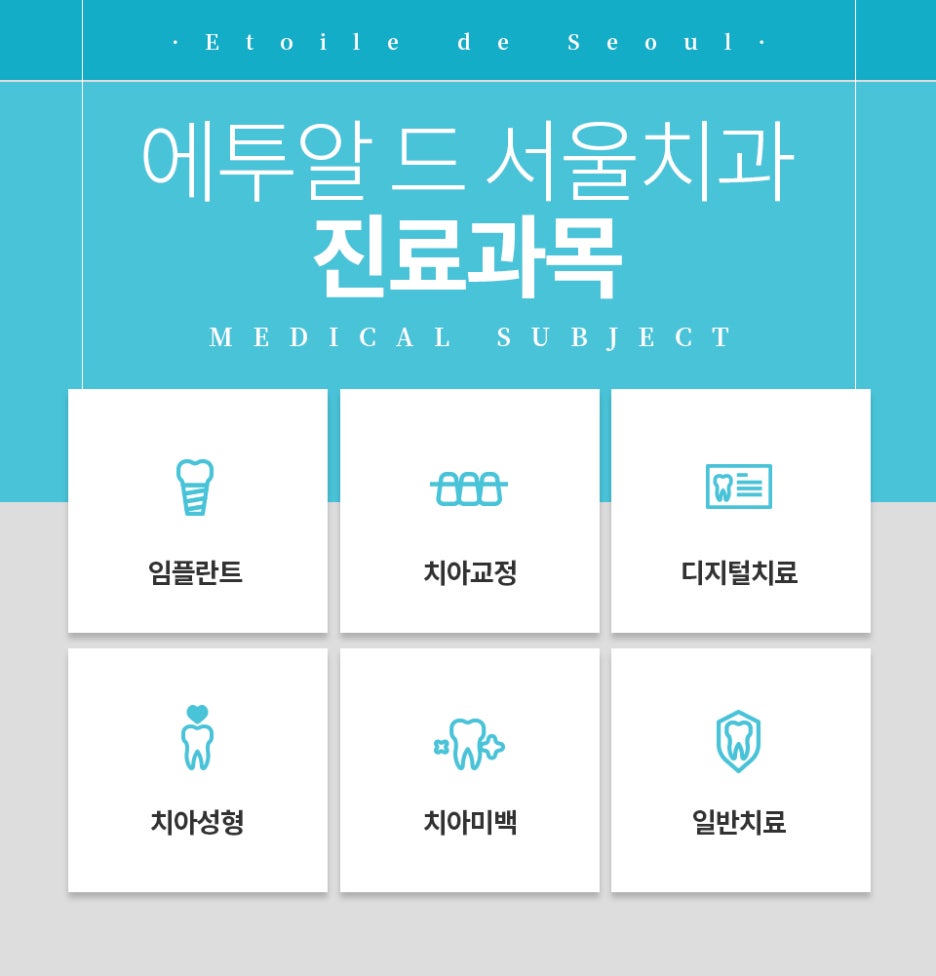
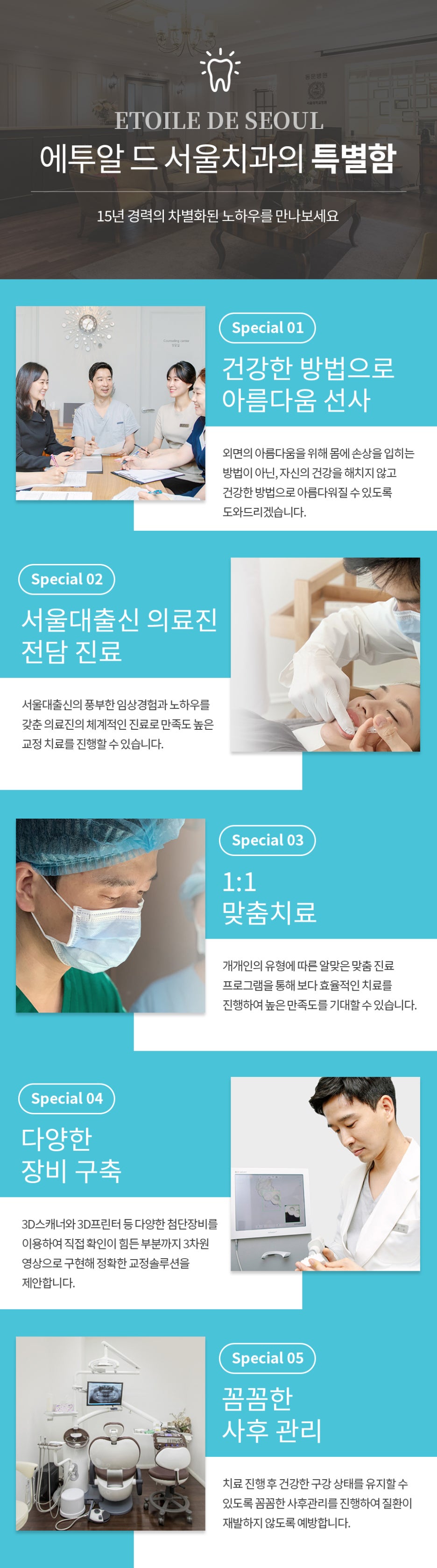
Etoile Seoul Dental Clinic is a dental clinic that handles a wide range of oral health issues, including sensitive teeth. The chief director, who graduated from Seoul National University, provides treatment directly and, based on more than 20 years of clinical experience, creates treatment plans tailored to each visitor’s oral condition.
In particular, by using digital equipment such as 3D CT and an intraoral scanner, precise diagnosis is possible, and through a 3D navigation system, the clinic aims for a painless, incision-free approach. The greatest advantage of Etoile Seoul Dental Clinic is its thorough aftercare system. Rather than simply ending treatment there, the clinic continuously cares for the oral health of those who visit through regular checkups and management.
In addition, based on a patient-centered treatment philosophy, the clinic strives to minimize the anxiety and fear felt before visiting the dentist.
Many people have fear of dental treatment, but Etoile Seoul Dental Clinic does its best to provide a comfortable and soothing treatment environment so that they can receive care with peace of mind.
If sensitive teeth are properly managed early, you can experience positive changes. Through proper brushing habits, healthy eating habits, and regular dental checkups, please practice the methods for managing sensitive teeth and maintain healthy teeth without sensitivity.
If sensitivity persists or you feel discomfort in your daily life, please do not hesitate to visit the dentist.
Healthy teeth are an important factor in improving quality of life.










 Previous image
Next image
Previous image
Next image








 Previous image
Next image
Previous image
Next image