
Lee Jang-uk, Chief Director
Hello.
The place that does its best
for a healthy smile
is Etoile de Seoul Dental Clinic.
Are you thinking about implant treatment because you are uncomfortable with your teeth or have been living with missing teeth?
Once you try to make up your mind, the word “surgery” can leave you feeling uneasy. The idea of making an incision in the gums, the pain and swelling you may have to go through during recovery, and the practical worry that your daily life may be disrupted can all feel heavy.
In particular, for those who are working or have family gatherings, even deciding when to receive treatment can be difficult. But what if there were a way to minimize incisions and shorten both pain and recovery time? Today, I’d like to talk about flapless implants.
We take responsibility for your dental health.
A treatment method that reduces the incision area
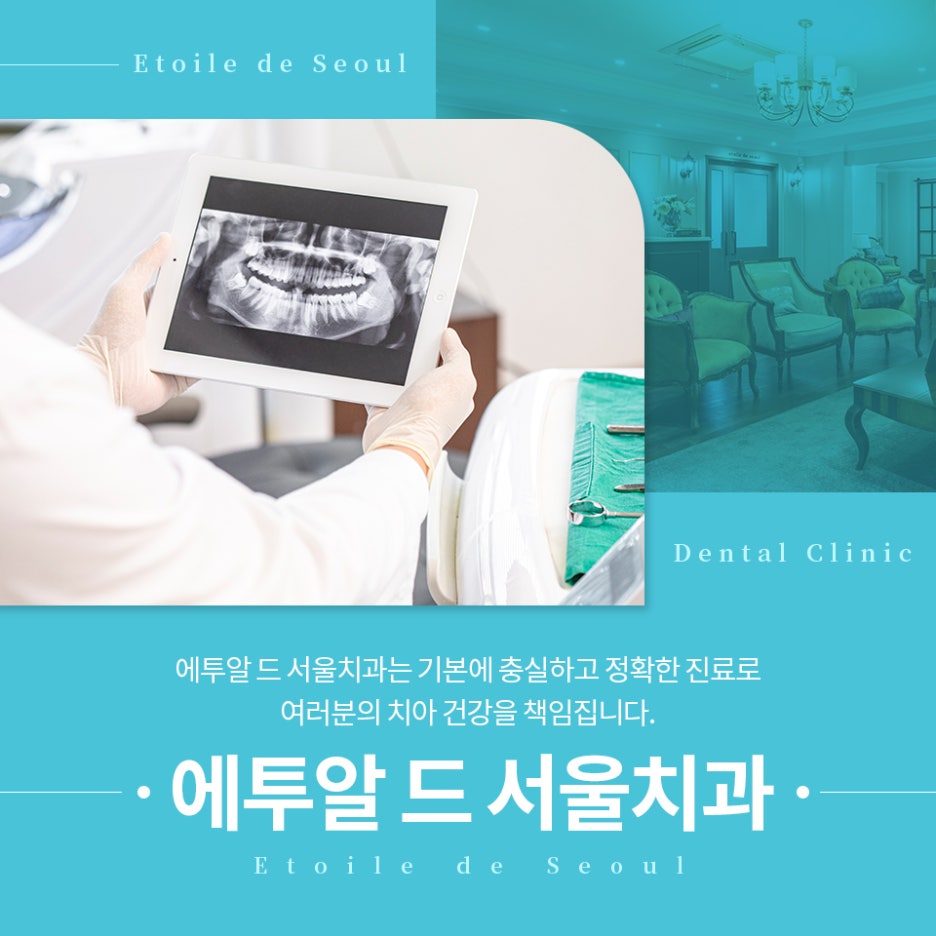
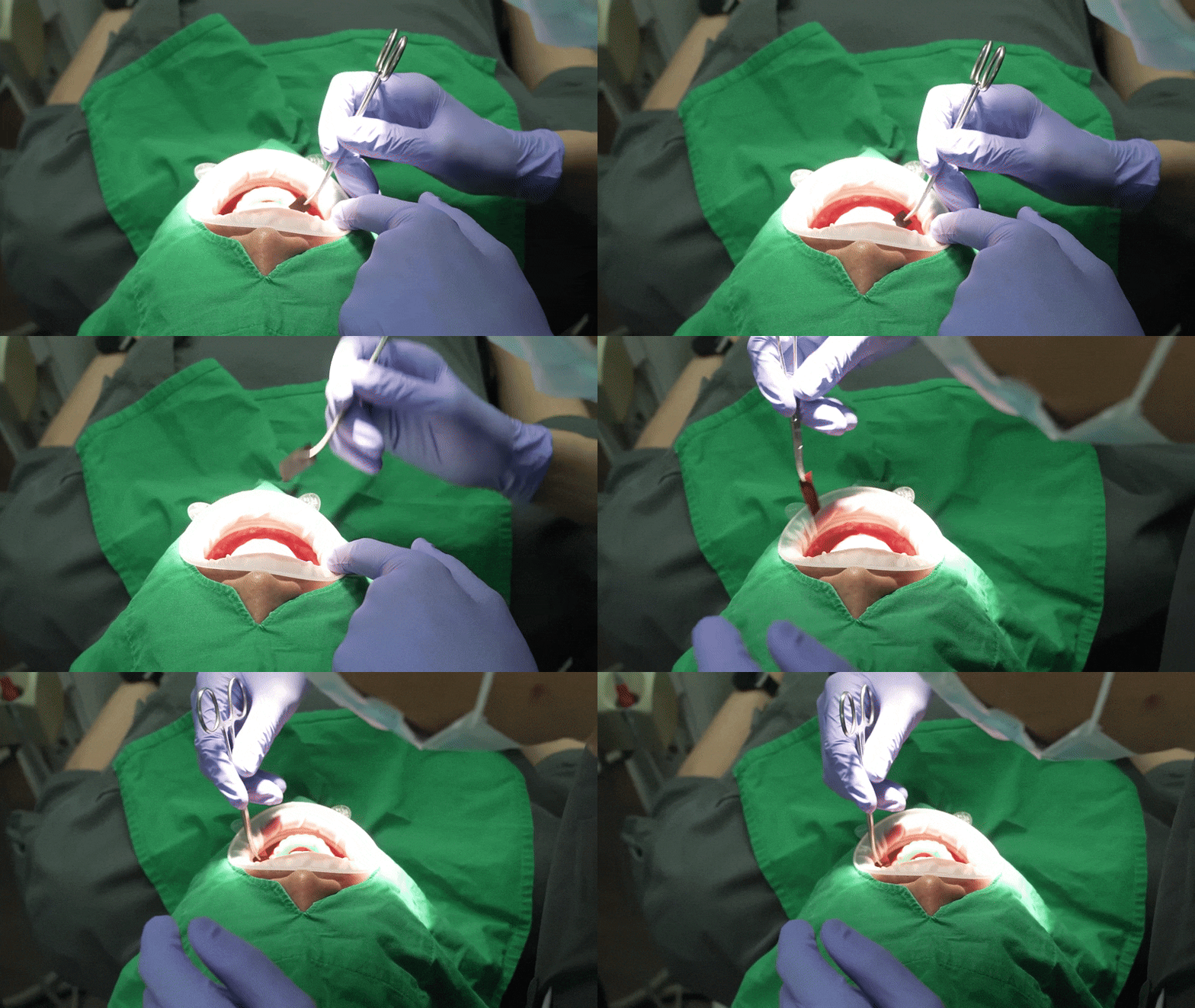
A flapless implant, as the name suggests, is an implant method performed with minimal gum incision. Traditional implants involve making an incision in the gums, exposing the bone, placing the implant, and then suturing the area again. During this process, bleeding, pain, and swelling can occur, and the recovery period tends to be longer.
It may be easier to understand if you think of it like digging up a large area of land when building a house.
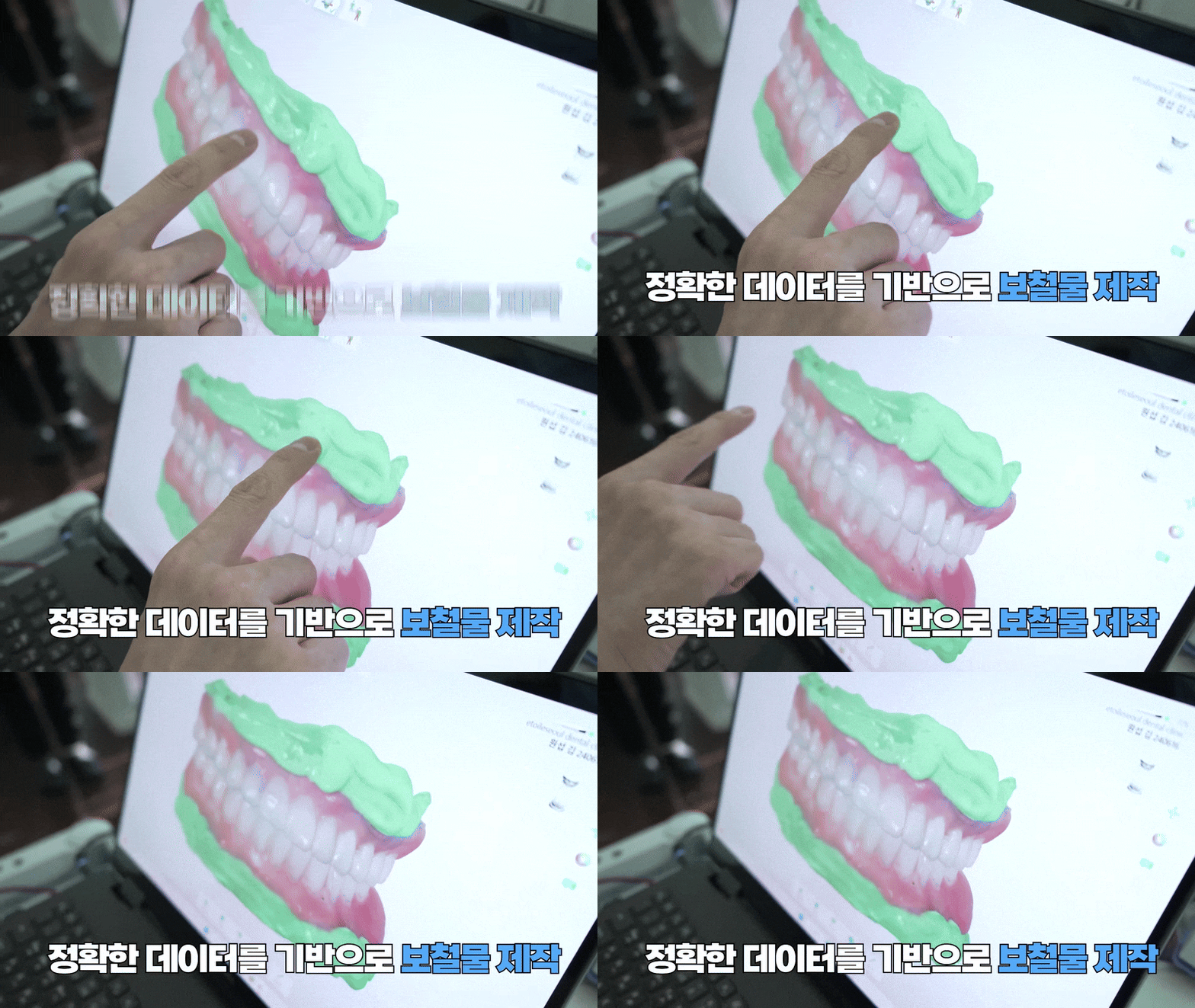
In contrast, the flapless method uses 3D CT imaging and digital simulation to precisely identify the condition of the bone and the location of nerves, and then places the implant through a small hole. It reduces tissue damage, much like excavating only the exact parts needed when building a house. Because a 3D navigation system acts as a surgical guide, the implant can be placed accurately in the planned position.
The key principle behind reducing pain
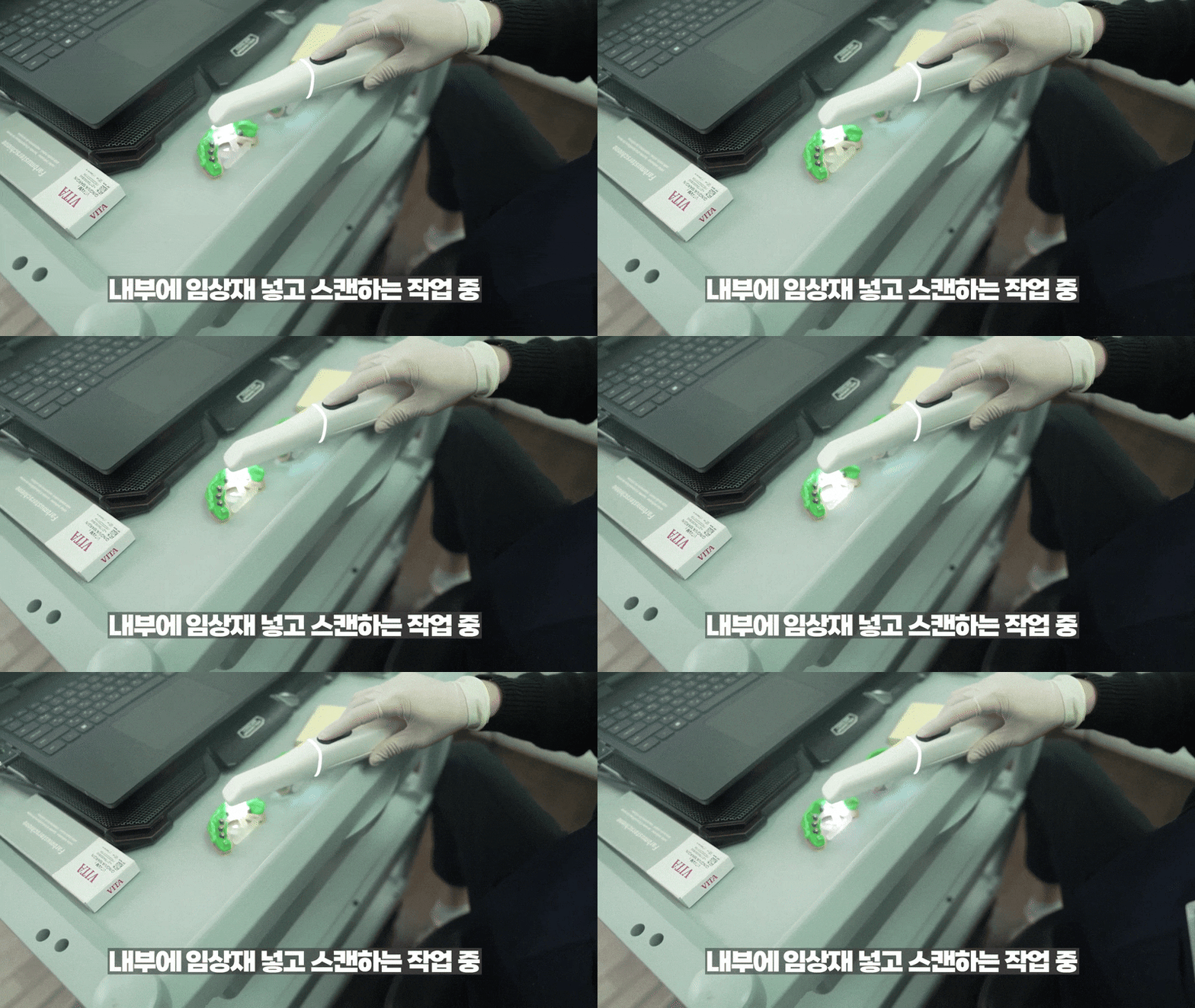
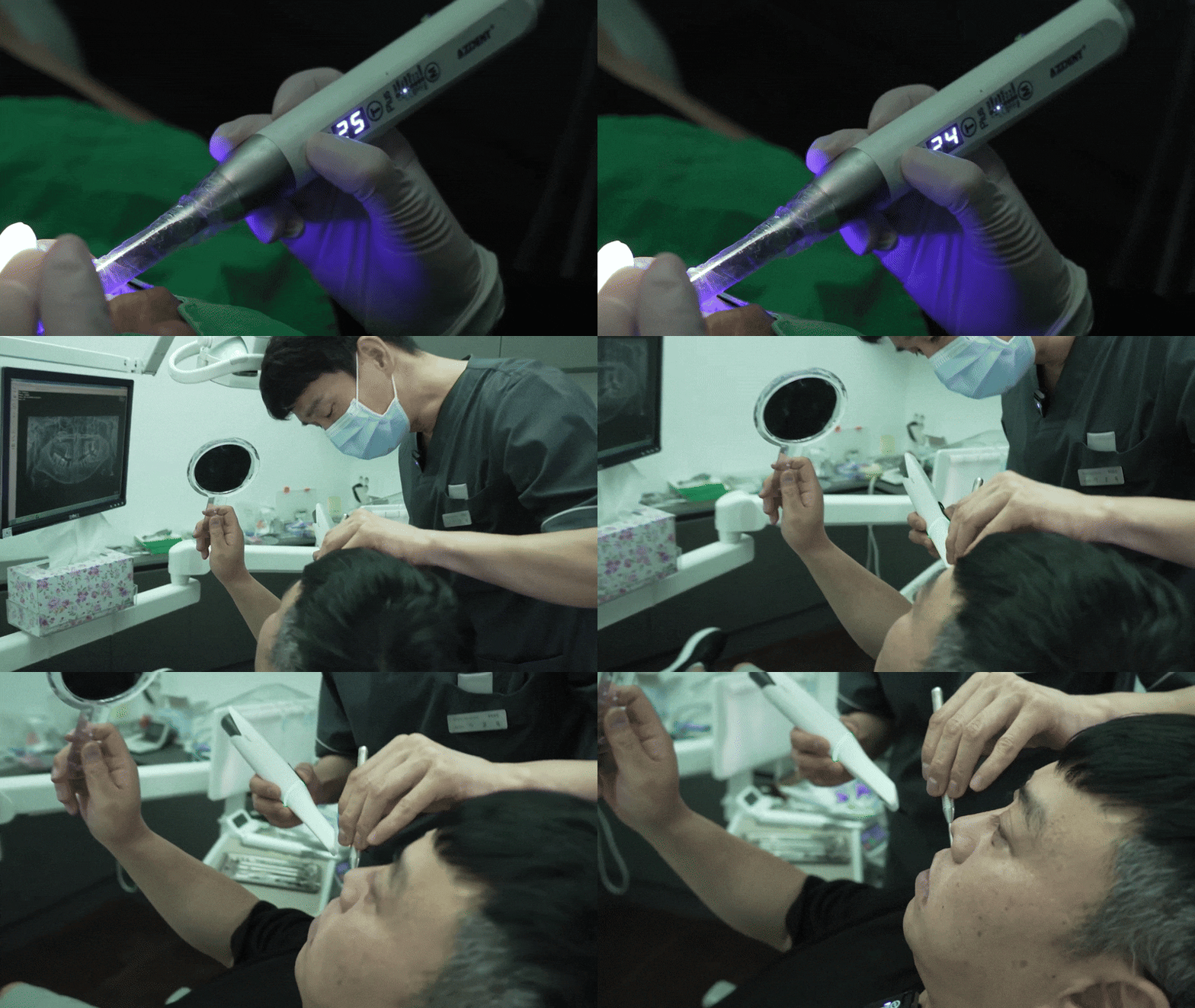
Most of the discomfort after implant treatment tends to come from the process of incising and separating the gum tissue. The larger the wound, the stronger the inflammatory response and the greater the swelling and discomfort.
Because flapless implants minimize the incision and suturing process, the wound itself is relatively small. The body’s recovery mechanism tends to work in proportion to the amount of tissue damage, so when there is less damage, recovery is generally easier. In addition, because there is less bleeding, swelling after the procedure may be reduced, and returning to daily life such as eating and speaking can be easier.
 The importance of accurate diagnosis
Through 3D CT imaging, the reconstructed three-dimensional images show the height and density of the jawbone and the exact location of the nerves.
You can understand the terrain of the bone as if looking at a map, and use a computer to simulate where and at what angle the implant should be placed. This process has the effect of creating a virtual plan before the actual procedure. It allows us to identify unexpected variables in advance and establish the optimal plan.
And when a surgical guide made based on this information is used, the implant can be placed exactly as planned. It is similar to carrying out construction precisely according to architectural blueprints.
 How to reduce the cost burden
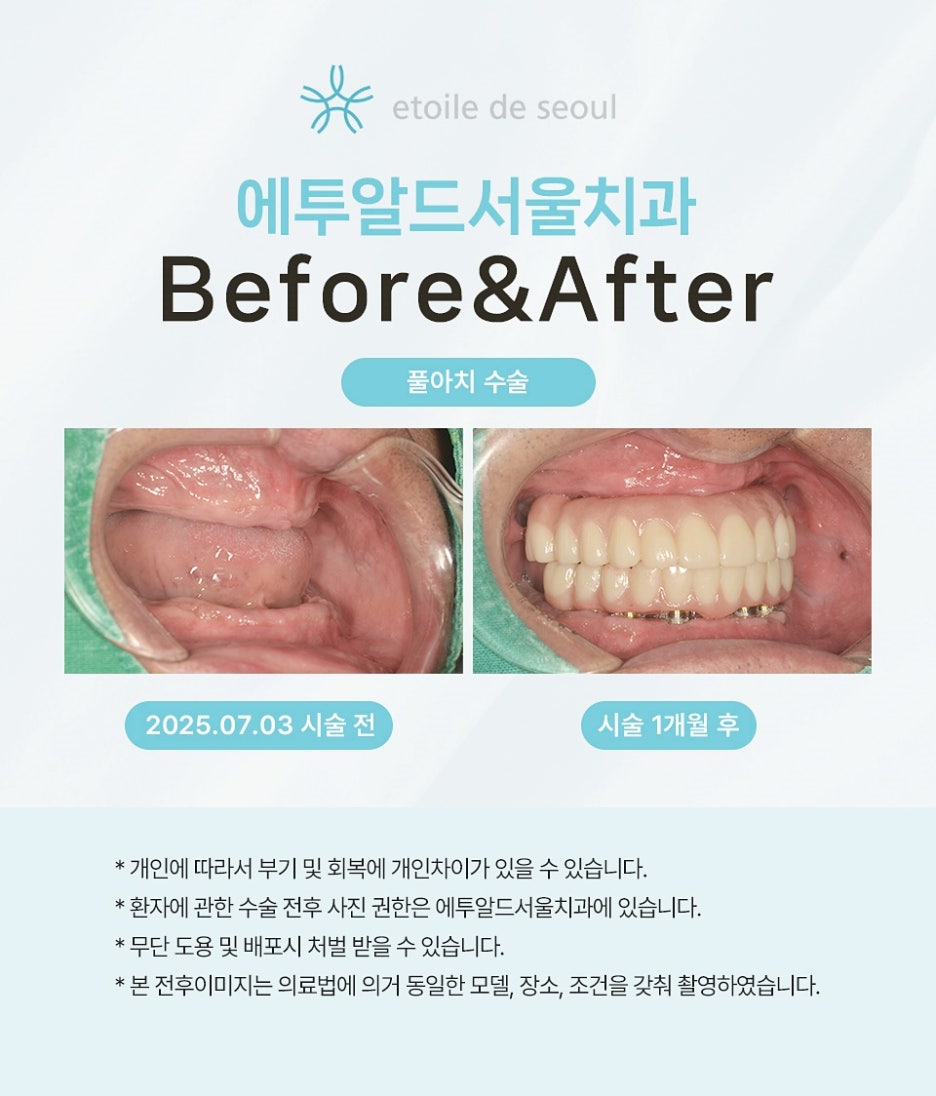
Many people think that the flapless method will be more expensive because it uses more advanced technology. In reality, however, it may be more economical in the long run. With the traditional method, the recovery period is longer because of the incision and suturing, and medication such as painkillers or anti-inflammatory drugs may be needed during that time.
It can also affect economic activity because swelling and discomfort may limit daily life.
In contrast, the flapless method generally allows for easier recovery and often a quicker return to daily life. The amount of medication needed is smaller, and the number of additional clinic visits is reduced.
In particular, for seniors aged 65 and older, implant treatment is covered by health insurance, which greatly reduces out-of-pocket costs.
Although the total treatment cost may differ depending on the method used, it can be a reasonable choice when you also consider the additional costs that arise during recovery.
 The importance of post-treatment care
Flapless implant treatment begins with easing anxiety through sufficient consultation. It is carried out by placing the implant accurately in the planned position with the precise guidance of a 3D navigation system.
In general, there may be some discomfort, but it is often at a level that can be managed with common pain relievers, and in some cases, soft foods can be eaten starting the next day. Swelling is also relatively mild.
However, the treatment being finished does not mean everything is over. Ongoing care is needed while the implant firmly integrates with the bone.
Proper tooth brushing and flossing are essential, and it is best to avoid hard or chewy foods. It is also important to check the implant’s condition and the health of the surrounding gums through regular checkups. If you care for implants as carefully as you do natural teeth, you can use them for a long time.
 The last message I want to share
Many people considering implant treatment are afraid of pain and the recovery period. But if you live with missing teeth for a long time, the jawbone can resorb, making treatment more difficult later.
Flapless implant treatment cannot be applied in every case. Several factors need to be considered comprehensively, such as the condition of the jawbone, overall health, and the oral environment. However, if the conditions are right, it can be a way to reduce discomfort and shorten recovery.
Fear of dental treatment is a natural feeling that anyone can have. Healthy teeth are more than just a way to chew food; they are valuable assets that support a confident smile and improve quality of life.
I hope this article helps those who are considering implant treatment.

 Previous image
Next image
Previous image
Next image
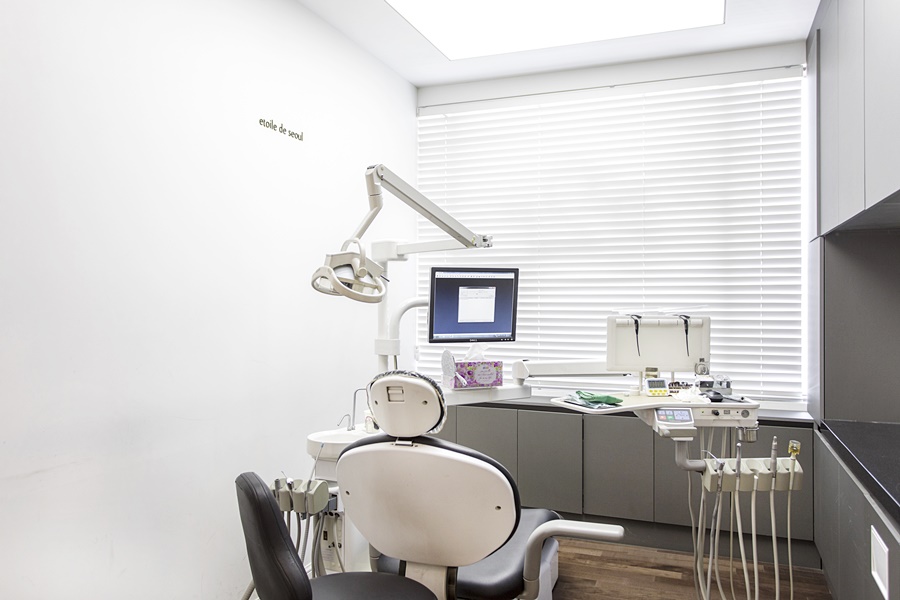
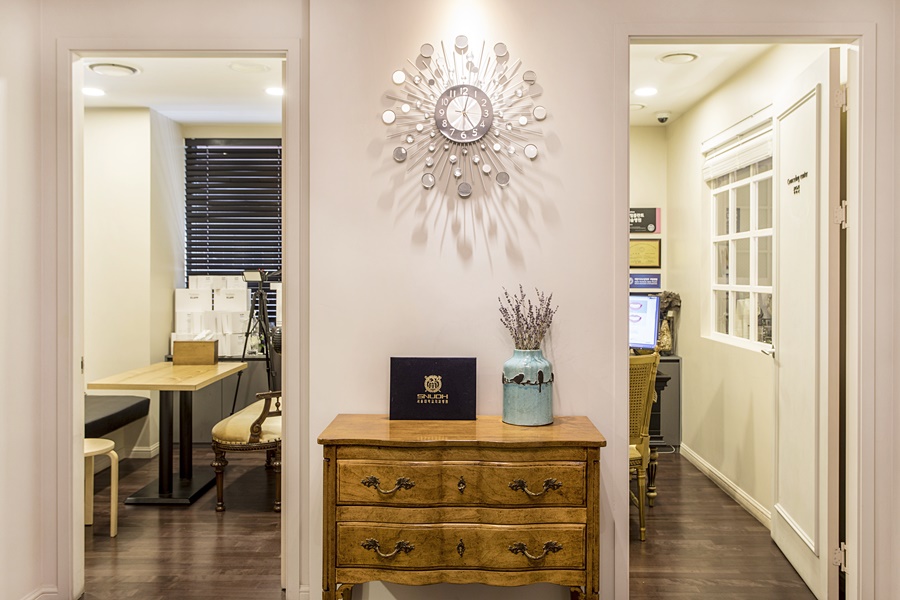
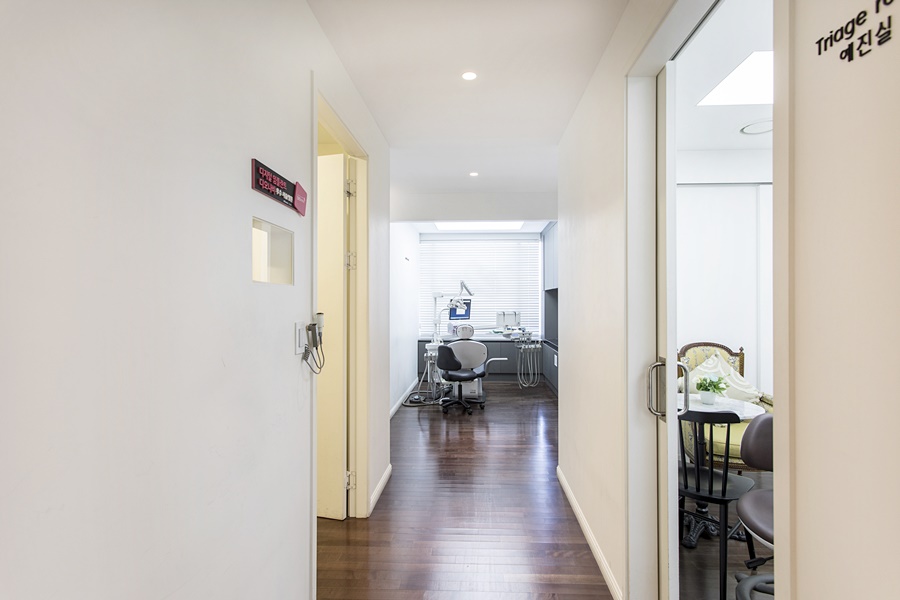
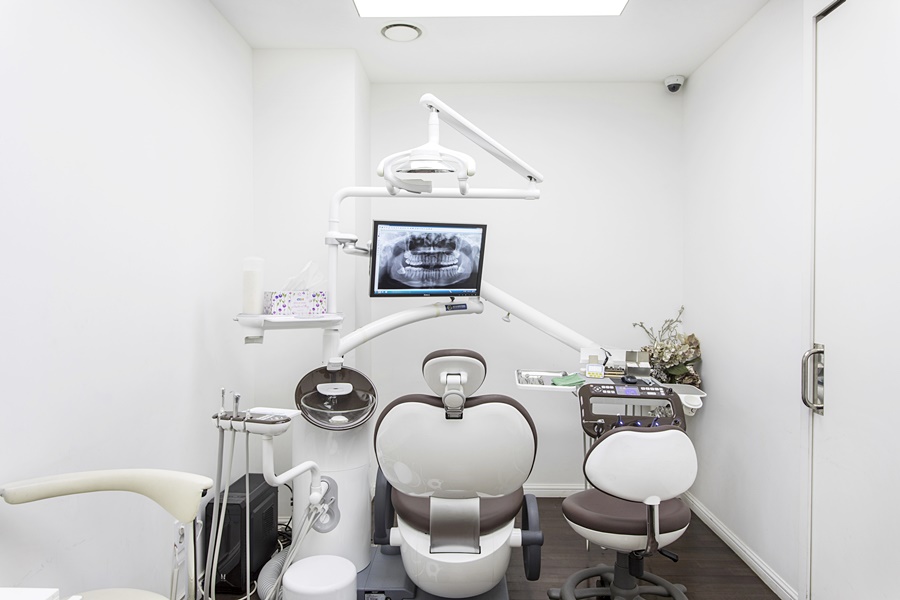
▲ [Etoile de Seoul Dental Clinic] We are providing treatment in a warm and clean atmosphere.
▼ Etoile de Seoul Dental Clinic YouTube ▼










 Previous image
Next image
Previous image
Next image








 Previous image
Next image
Previous image
Next image








 Previous image
Next image
Previous image
Next image