Chief Director Lee Jang-wook
Hello.
For a healthy smile,
we do our best
at Etoile de Seoul Dental Clinic.
These days, many people find that the inside of their mouth keeps getting sore, making it uncomfortable to eat or speak. In particular, when eating hot or salty foods, the stinging pain can make meals feel like a burden. Once it appears, mouth sores can bother you for several days, so you may have wondered why they keep coming back. Today, from a dental perspective, I will explain in detail the reasons why mouth sores occur frequently, which many people experience.
Some people suffer from mouth sores two or three times a month, and in severe cases, they develop in several places at once, making it difficult to eat properly. This kind of discomfort is not simply a problem inside the mouth; it is a factor that greatly lowers quality of life in everyday routines.
We take responsibility for your dental health.
Characteristics of inflammation in the oral mucosa
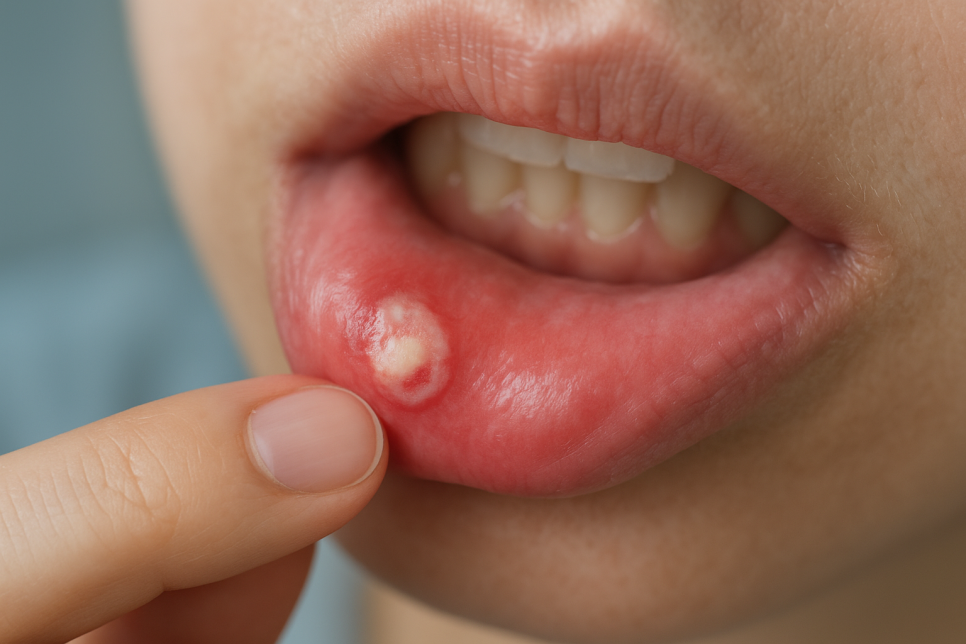
Mouth sores is a general term for inflammation that occurs in the oral mucosa. It can appear anywhere on the soft tissues inside the mouth, including the tongue, gums, the inside of the lips, and the inside of the cheeks. The most common type is aphthous stomatitis, which is characterized by white or yellow ulcers that are round or oval in shape. The area around these ulcers becomes red and inflamed, and even touching them with food or the tongue can cause a sharp, stinging pain. Their size varies from as small as a grain of rice to the size of a coin. Sometimes only one appears, but multiple sores can develop at the same time.
Various causes of recurring inflammation
The reasons for frequent mouth sores are more varied and complex than many people think. Many people simply think of it as "a sore mouth," but in reality, it can be the result of various signals from the body. One of the most common causes is physical irritation. This includes situations such as poking the inside of the mouth with sharp food, accidentally biting the inside of the cheek while chewing incorrectly, or repeatedly rubbing the tongue or cheek against a sharp tooth edge. In particular, if there is a broken tooth or a sharp prosthetic appliance, the same area may be repeatedly irritated, leading to chronic mouth sores.

Stress and fatigue are also major causes that frequently trigger mouth sores. You may have noticed that mouth sores appear more easily when work is busy, during exam periods, or before an important project. This is because stress lowers the body’s immunity, which in turn weakens resistance to bacteria and viruses in the mouth. Working late into the night, not getting enough rest, or developing nutritional imbalance due to irregular meals can make mouth sores appear even more easily.
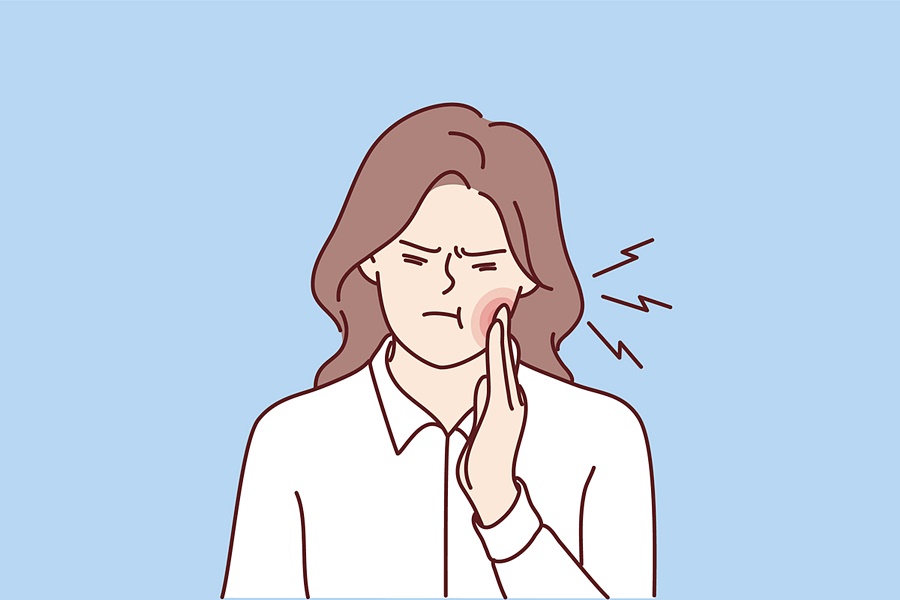
Effects of nutrition and immunity
Nutritional deficiency, especially a lack of B vitamins, iron, and folic acid, can be a reason why mouth sores occur frequently. This is often seen in people who skip meals because of extreme dieting or who eat very little vegetables or fruit due to picky eating. It is also closely related to weakened immunity, and mouth sores often appear after having a cold or when the body is generally weakened. In women, hormonal changes during the menstrual cycle can also cause mouth sores to recur during certain periods.
Oral hygiene is also an important factor. If brushing is neglected or not done properly, bacteria in the mouth can multiply and easily cause inflammation. On the other hand, brushing too forcefully and injuring the gums or mucosa can also be a problem. In addition, a habit of frequently eating irritating foods has an effect as well. Excessive consumption of spicy and salty foods, hot foods, or highly acidic foods creates an environment in which the oral mucosa is continuously irritated and inflammation can develop more easily.

Care methods to practice in daily life
When mouth sores occur, the first priority is to minimize irritation. Avoid spicy, salty, and hot foods for a while, and focus on soft, non-irritating foods. Soft foods such as porridge, mashed potatoes, and steamed eggs are good choices, and drinking enough water also helps. If the mouth becomes dry, the mucosa is more easily damaged and the environment becomes more favorable for bacteria to grow, so please keep your mouth moist by drinking water often.
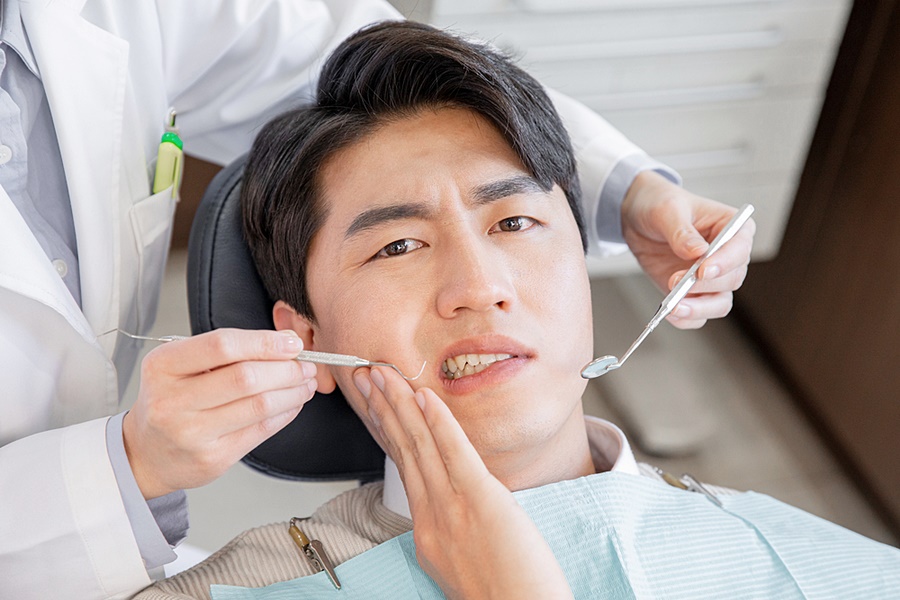
Lifestyle habits and stress control
Adequate rest and stress management are also essential. Even when busy, try to keep regular sleep hours, and in situations of excessive work or stress, make time to breathe and take a short break. Activities such as a light walk, stretching, or meditation can help relieve stress. It is also important to consume the nutrients your body needs through a balanced diet. Eating foods rich in vitamin B, such as brown rice, eggs, and milk, as well as iron-rich foods such as spinach and beef, can help prevent mouth sores.

Frequently asked questions
"Will mouth sore ointment make it heal quickly?" is a question many people ask.
Mouth sore ointment helps reduce pain and prevent secondary infection, but it does not improve the underlying cause. When applying the ointment, clean the mouth first and then apply a thin layer to the sore area. It is best not to eat or drink for about 30 minutes after applying it. However, rather than relying on the ointment alone, you need to combine it with the lifestyle changes mentioned earlier to help prevent recurrence.
"Is it okay if a mouth sore does not heal even after two weeks?" is another question we often receive.
A typical mouth sore naturally heals within 1 to 2 weeks, but if it lasts longer than that, grows larger, or becomes more painful, it may be due to another problem, so you should definitely get examined. In particular, if mouth sores recur three or more times a month, appear in several places at once, or are painful enough to interfere with daily life, it may not be a simple mouth sore, so professional help is needed.
"How are mouth sores different from cold sores?" is another common question.
Mouth sores are ulcers that mainly occur on the mucosa inside the mouth, while cold sores are viral blisters that appear around the lips. Cold sores are caused by the herpes virus and are contagious, so you need to be careful about contact with others. In contrast, ordinary mouth sores are not contagious. If small blisters appear in clusters on the lips and they sting and itch, it is likely to be a cold sore, so you should also get checked as soon as possible in that case.



Previous image
Next image
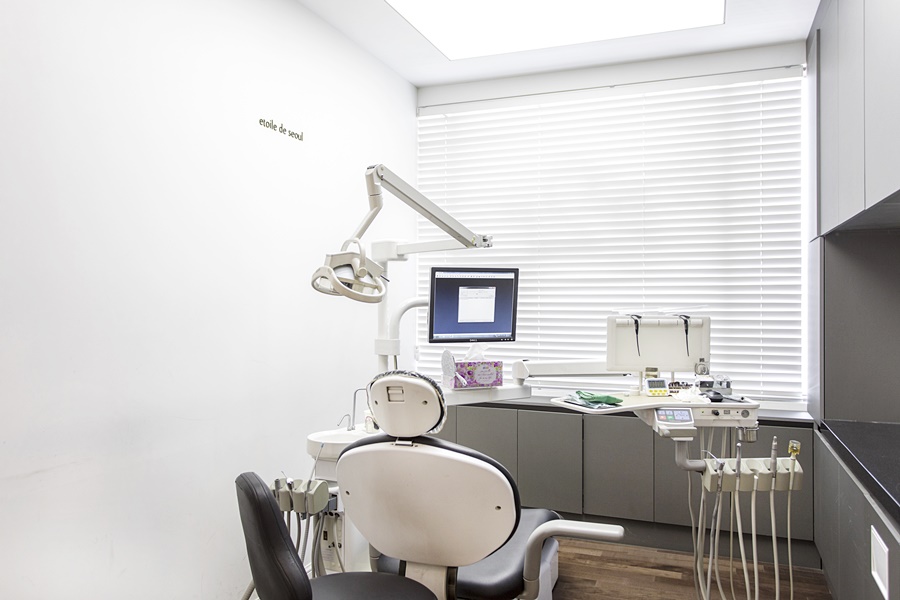
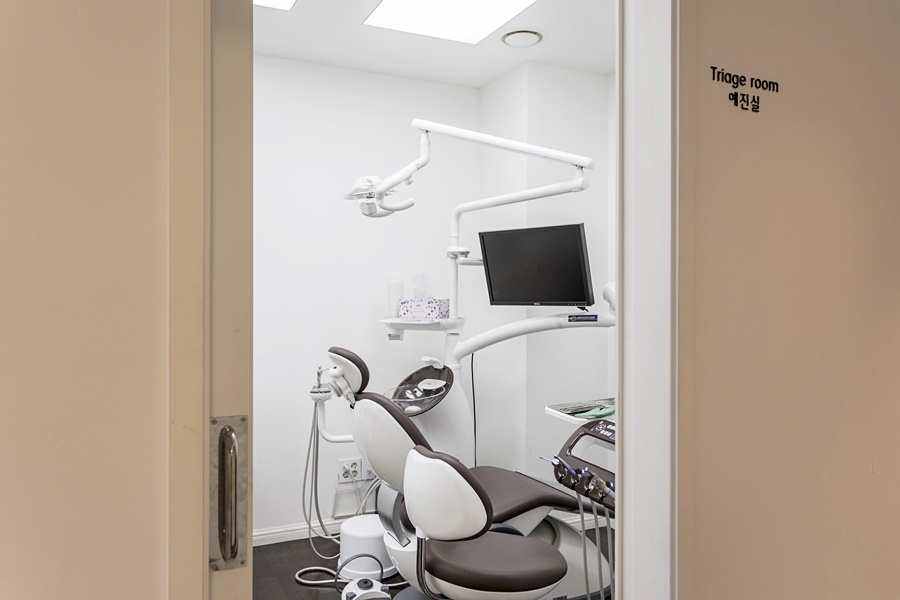
▲[에투알드서울치과] We are providing care in a warm and clean atmosphere.
Listening to the signals our body sends
The reasons mouth sores occur frequently may be signals from our body. Rather than simply brushing it off as "the inside of my mouth is sore," I hope you will use it as an opportunity to check your lifestyle habits and health condition. Are you getting enough rest? Are you managing stress well? Are you eating a balanced diet? By asking yourself these questions, I hope you can gradually get small things back on track one by one.
A healthy mouth makes it possible to enjoy delicious food and have comfortable conversations. Please do not dismiss it as a minor inconvenience. If mouth sores keep recurring, review your overall lifestyle and seek medical care if necessary. We support your healthy daily life.
▼ Etoile de Seoul Dental Clinic YouTube ▼