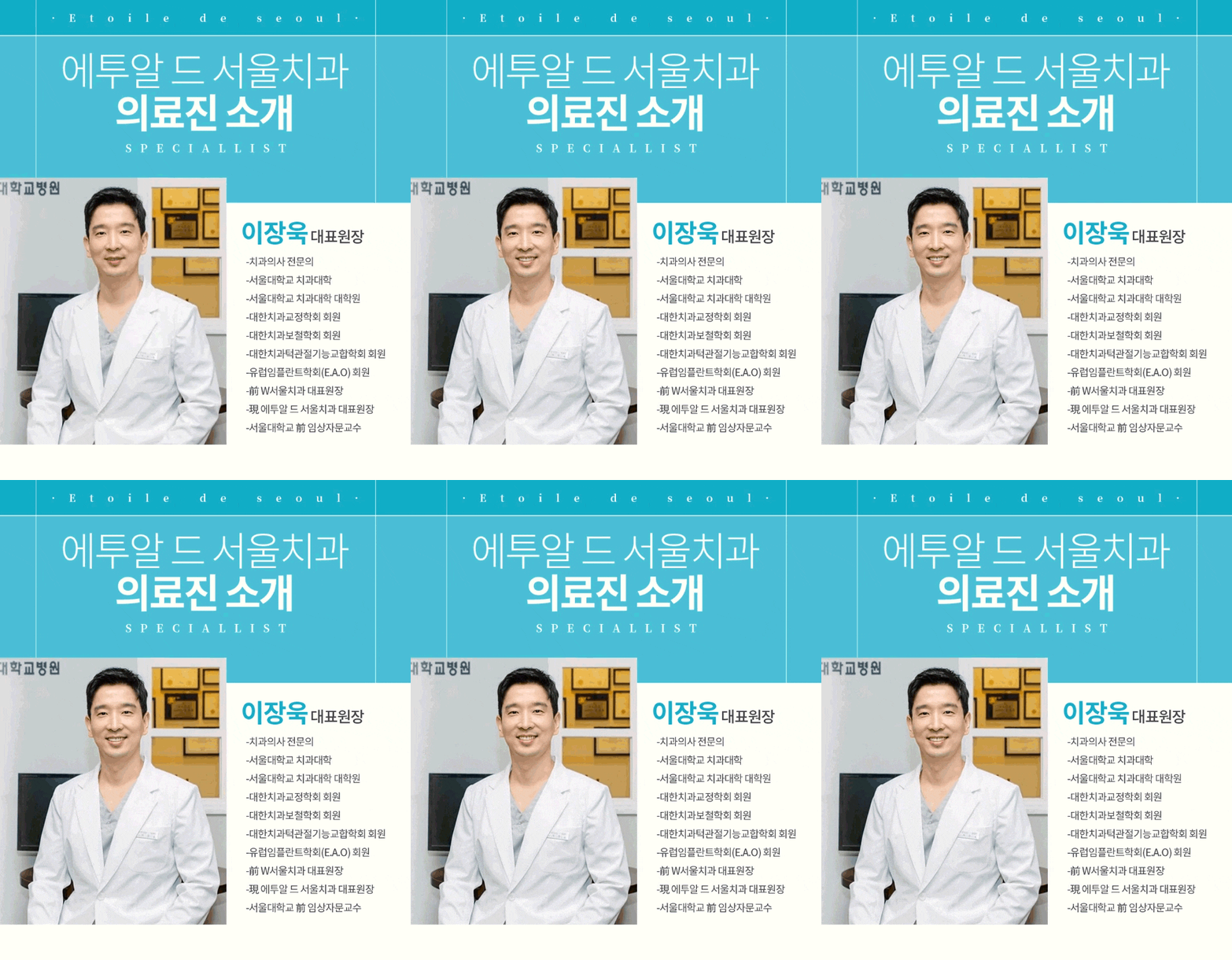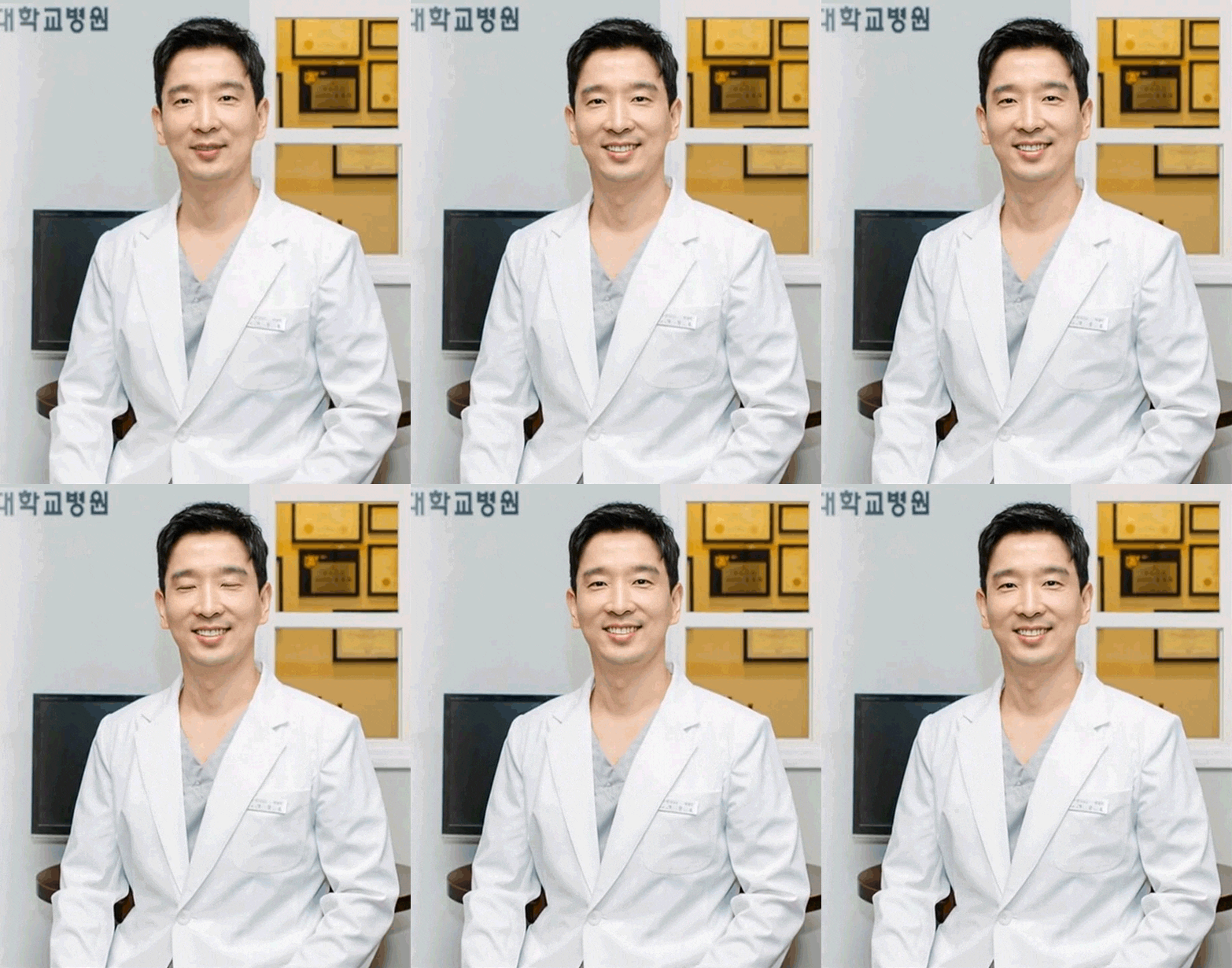
Lee Jang-wook, Chief Director
Hello.
For a healthy smile,
We are a place that does our best.
Etoile Seoul Dental Clinic.
A phenomenon that appears as a natural recovery process
Swelling after a dental implant is a natural reaction experienced by many people. It occurs because the tissues are stimulated during the process of placing an artificial root into the gums and bone, and in most cases it gradually subsides over time.
However, the degree and duration of swelling can vary greatly depending on an individual’s constitution, the scope of treatment, and post-treatment care, so proper understanding and management are necessary.
We take responsibility for your dental health.
The main cause is the inflammatory response caused by the surgical procedure
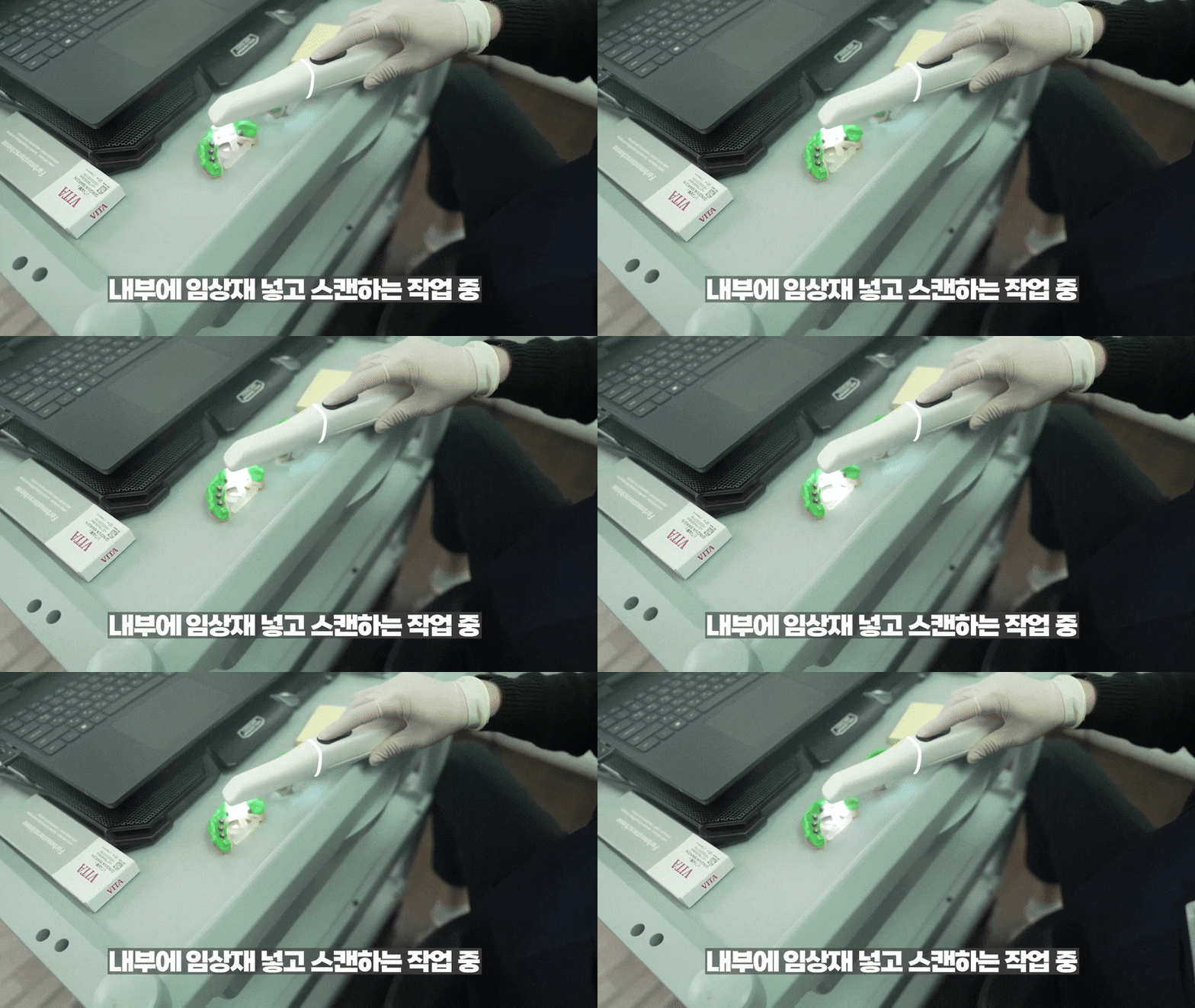
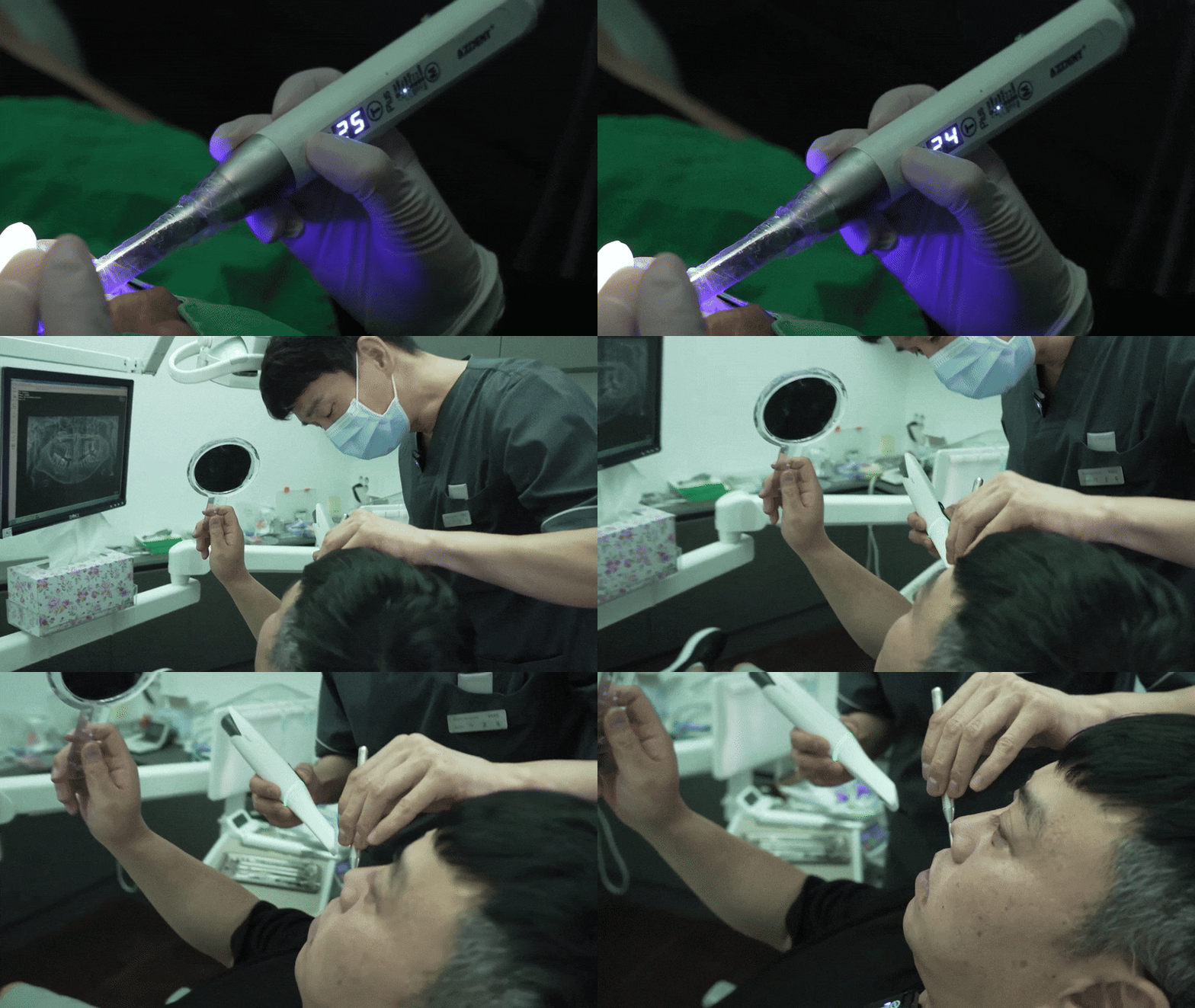
The main reason swelling appears after the implant procedure is the inflammatory response that occurs during the surgical process. When the gums are incised and a hole is made in the bone to place the artificial root, the surrounding tissues are stimulated, and the body concentrates blood and immune cells in that area to recover. This physiological response appears as swelling. In general, swelling after dental implant treatment becomes most pronounced 2 to 3 days after treatment and then gradually decreases, with most people returning to normal after about a week. However, if several implants are placed at the same time or additional procedures such as bone grafting are performed, swelling may last longer.
 The effect of personal health on recovery speed
An individual’s overall health is also an important factor that affects the degree of swelling. If blood circulation is generally poor or immunity is weakened, recovery may proceed more slowly, and for those with chronic conditions such as diabetes or high blood pressure, swelling tends to be more severe or last longer. In addition, smoking constricts blood vessels and interferes with wound healing, making it one of the main causes of worsened swelling. Quitting smoking before and after treatment helps recovery.
To reduce swelling after a dental implant and help speed recovery, there are several precautions that must be followed.
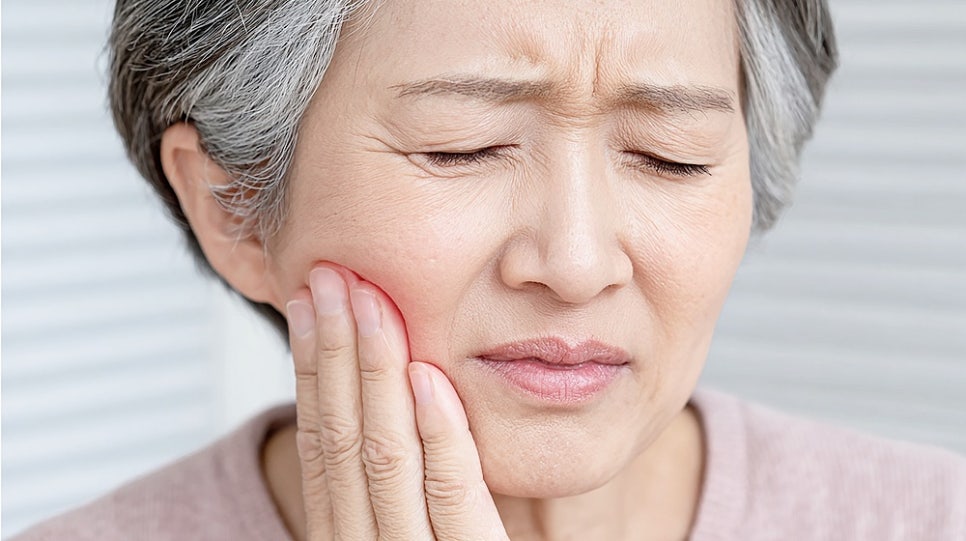
Applying a cold compress on the day of treatment and until the next day is effective. Wrap an ice pack or cold pack in a clean towel and place it on the outer cheek near the treated area for about 15 minutes, then rest for 5 minutes, repeating this pattern to help constrict blood vessels and reduce swelling. However, be careful not to place ice directly on the skin, as it can cause frostbite. After 3 days from treatment, it is better to switch to warm compresses to promote blood circulation.
For 2 to 3 days after treatment, strenuous exercise, saunas, and visits to jjimjilbang should be avoided. This is because if body temperature rises and blood circulation increases rapidly, swelling may become worse. Light walking is fine, but high-intensity activities such as running or gym workouts are best started after about a week. Alcohol should also be avoided for at least a week because it can dilate blood vessels and worsen swelling.
 Important points to watch when eating and caring for your mouth
Special care is also needed during meals. Immediately after treatment, eat mainly cold and soft foods, and avoid hot, spicy, or irritating foods. Also, make a habit of chewing on the side opposite the treated area, and avoid actions that create pressure in the mouth, such as using a straw or spitting, as they can interfere with wound healing. You should also avoid frequently touching the surgical site with your tongue or hands, as this increases the risk of infection.
It is important to take prescribed medication exactly at the scheduled times. Antibiotics help prevent infection, and anti-inflammatory pain relievers help reduce pain and swelling, so you should not stop taking them arbitrarily or adjust the dosage on your own. In particular, antibiotics must be taken to the end of the prescribed period even if symptoms improve, in order to prevent resistance and infection.
 The importance of hygiene and sleeping posture
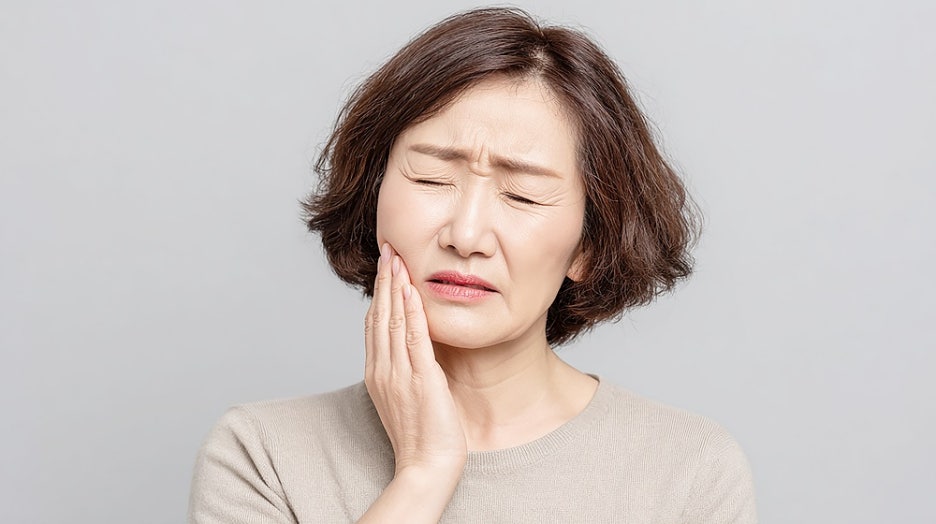
Oral hygiene management is also a very important part of the recovery process. On the day of treatment, avoid brushing and simply rinse your mouth lightly; starting the next day, gently brush the other teeth except the treated area. Rinse the treated area carefully with the prescribed mouthwash, but be careful not to rinse too forcefully, as this may cause the sutured area to open. After about a week, once the stitches are removed, it is best to gently brush the treated area with a soft toothbrush as well.
Sleeping posture also affects recovery. When sleeping, it is good to use a higher pillow and keep your upper body slightly elevated. Keeping your head above heart level helps prevent blood from pooling toward the head and helps reduce swelling. When sleeping on your side, it is best to lie on the side opposite the treated area.
Need to visit the clinic immediately if abnormal symptoms occur
If you follow these care methods well, most swelling after a dental implant will subside naturally. However, if swelling continues or worsens even after a week, if severe pain or high fever occurs, or if pus or a foul odor is present, you should visit the dental clinic immediately for an examination. This may be a sign of infection or another complication.
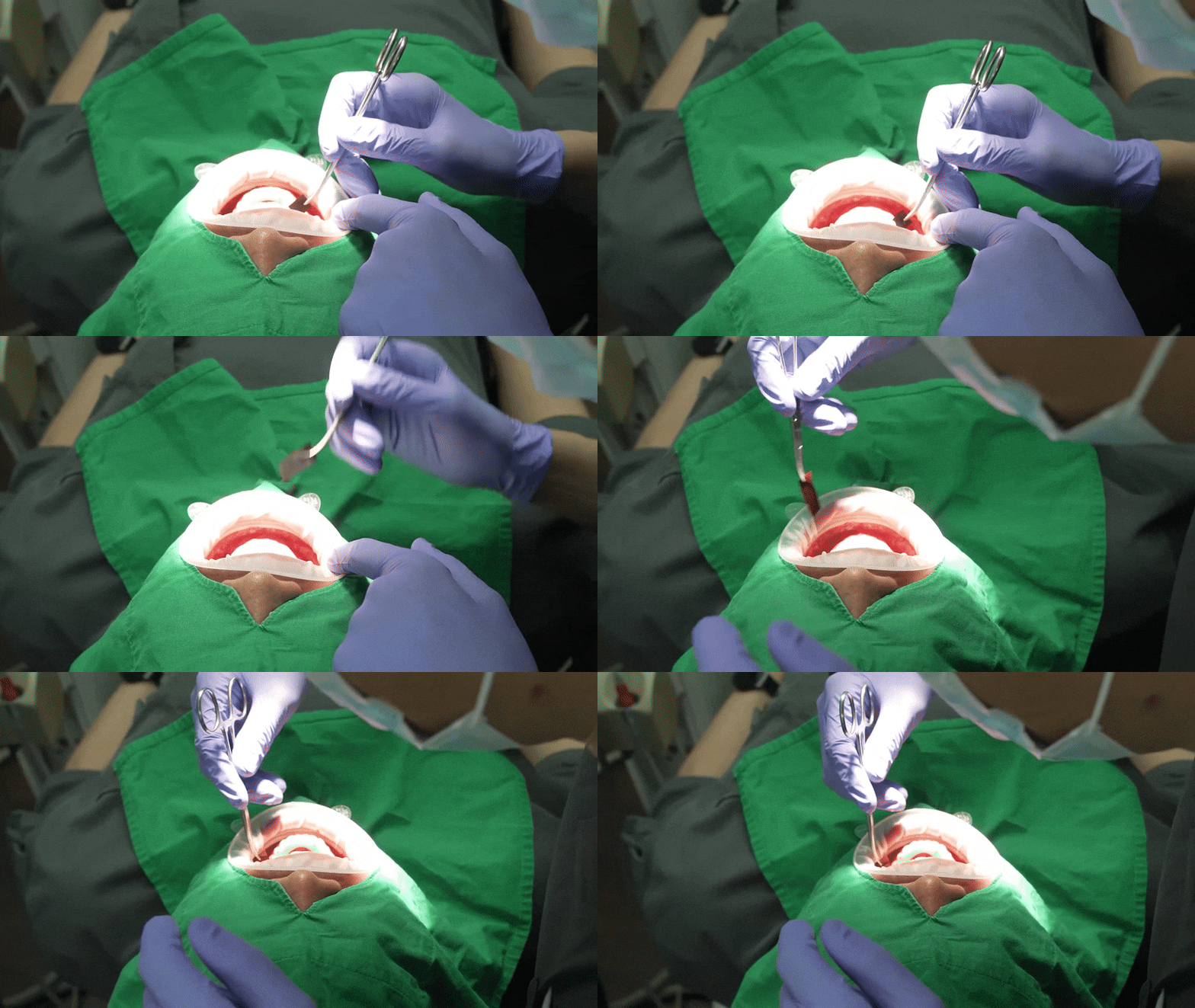 The various advantages of implants
Dental implants are recognized as one of the effective ways to replace missing teeth in modern dental treatment. They provide function and aesthetics similar to natural teeth, and with proper care, they can be used for a semi-permanent period, which is one of their advantages. Unlike dentures or bridges, they do not damage adjacent healthy teeth, and chewing force can be restored to about 80–90% of that of natural teeth, leaving very few restrictions on eating.
Above all, they help prevent the resorption of the jawbone that occurs after tooth loss. When a tooth is lost, the jawbone in that area no longer receives chewing stimulation and gradually decreases, but because the artificial root is fixed directly into the bone, an implant transmits stimulation every time you chew, preventing bone loss. This also helps long term to prevent changes in facial shape or accelerated aging.
In addition, from an aesthetic standpoint, implants provide a natural appearance that is almost indistinguishable from natural teeth. This advantage is especially noticeable in the front teeth area and helps you smile and speak with confidence. Since there is no need to worry about them coming out like dentures, you can go about daily life comfortably without inconvenience or anxiety.
Problems caused by leaving tooth loss untreated
If tooth loss is left untreated, the problem does not end with that spot alone. The teeth on either side of the missing tooth tilt toward the empty space, and the teeth that used to meet above and below can protrude, causing the overall bite alignment to shift. This can lead to temporomandibular joint disorders or digestive problems, and it can also cause facial asymmetry as a habit of chewing on only one side develops. Therefore, when a tooth is lost, it is important to receive implant treatment as soon as possible.

 Previous image
Next image
Previous image
Next image
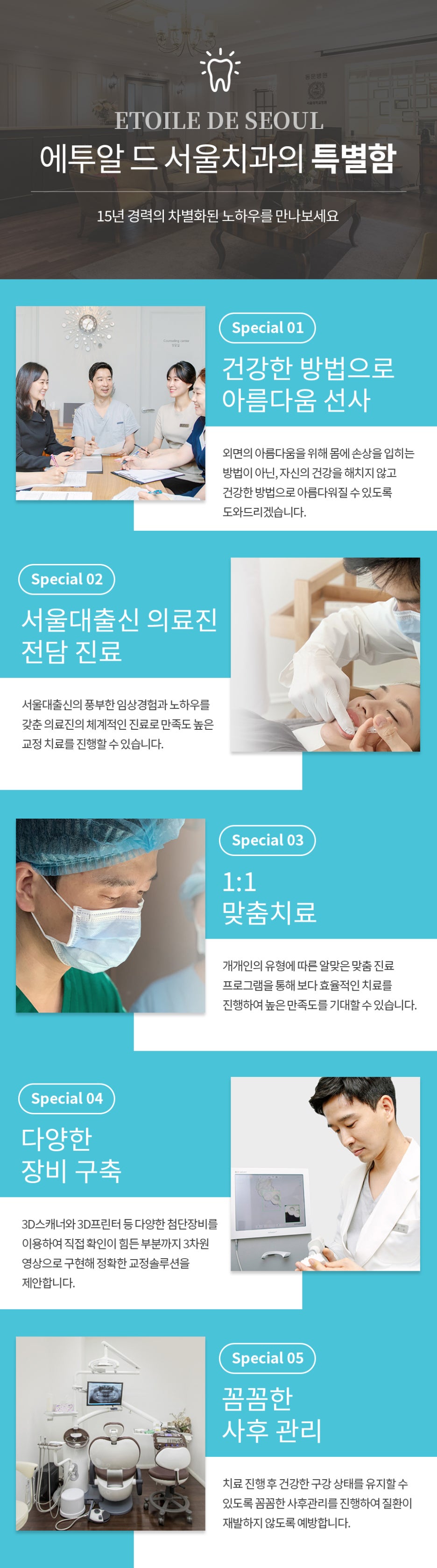
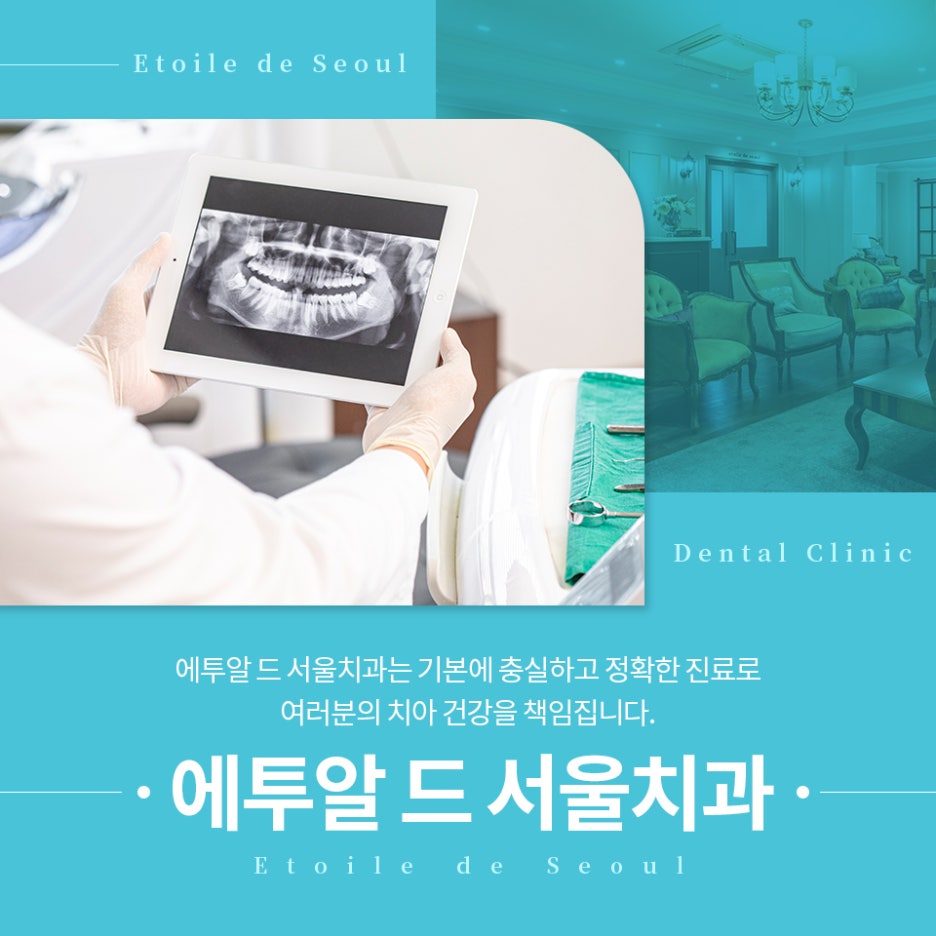
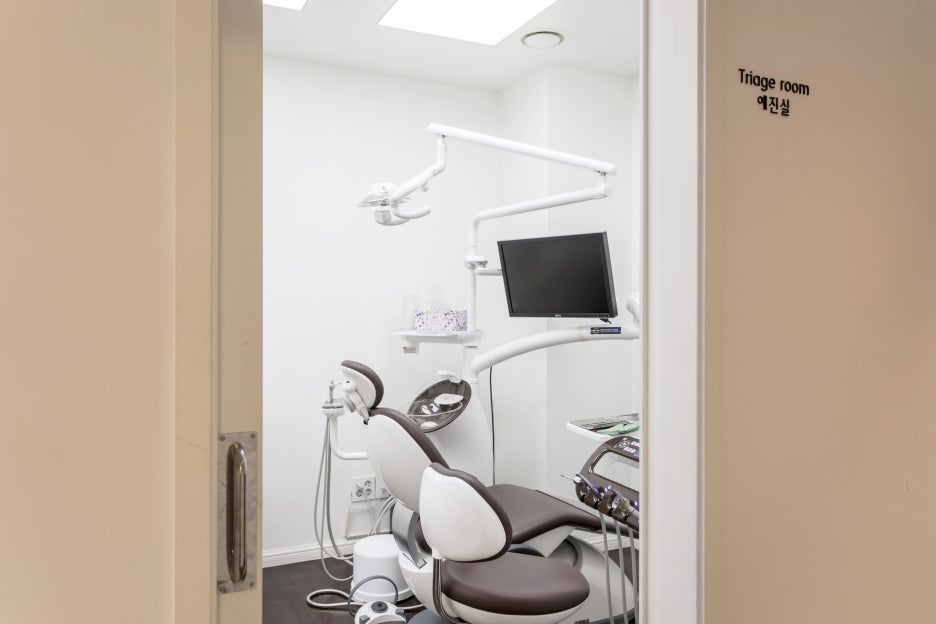
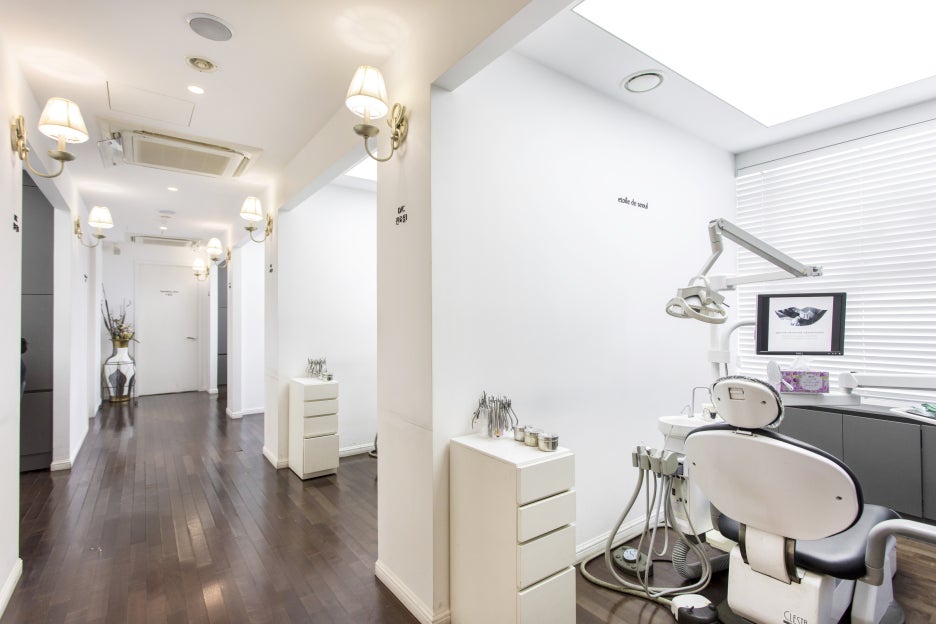
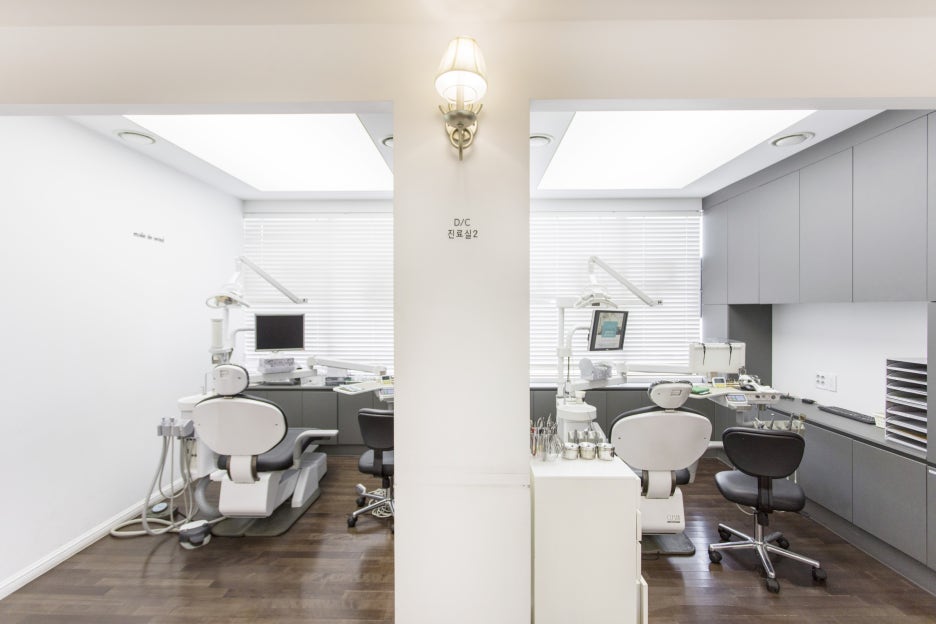
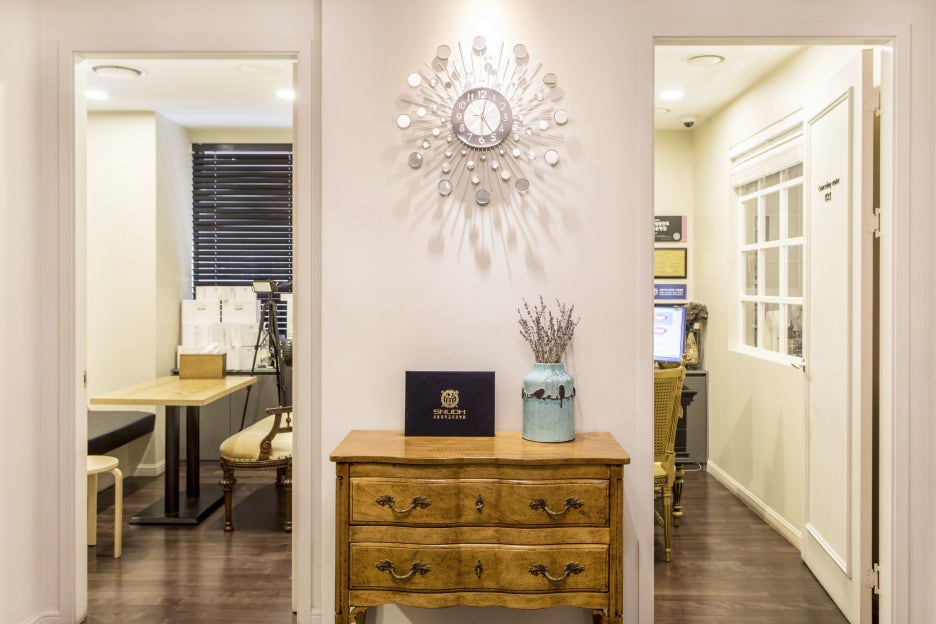
▲ [Etoile Seoul Dental Clinic] We provide treatment in a warm and clean atmosphere.
Personalized treatment through a systematic system
Etoile Seoul Dental Clinic strives to carry out this implant procedure accurately. Through an experienced medical team and a systematic system, we carefully analyze each visitor’s oral condition and establish an appropriate treatment plan. We ease anxiety through sufficient consultation before treatment and provide continuous care and checkups afterward so that implants can remain healthy for a long time.
 Achieve healthy recovery through proper care
Swelling after a dental implant is a natural part of the recovery process, but proper care can help reduce its extent and support faster healing. The key is to take prescribed medication properly, get appropriate compresses and rest, and keep oral hygiene clean. If you faithfully follow these small precautions, you will be able to get through the uncomfortable period safely and regain the joy of everyday life with a healthy, strong new tooth.
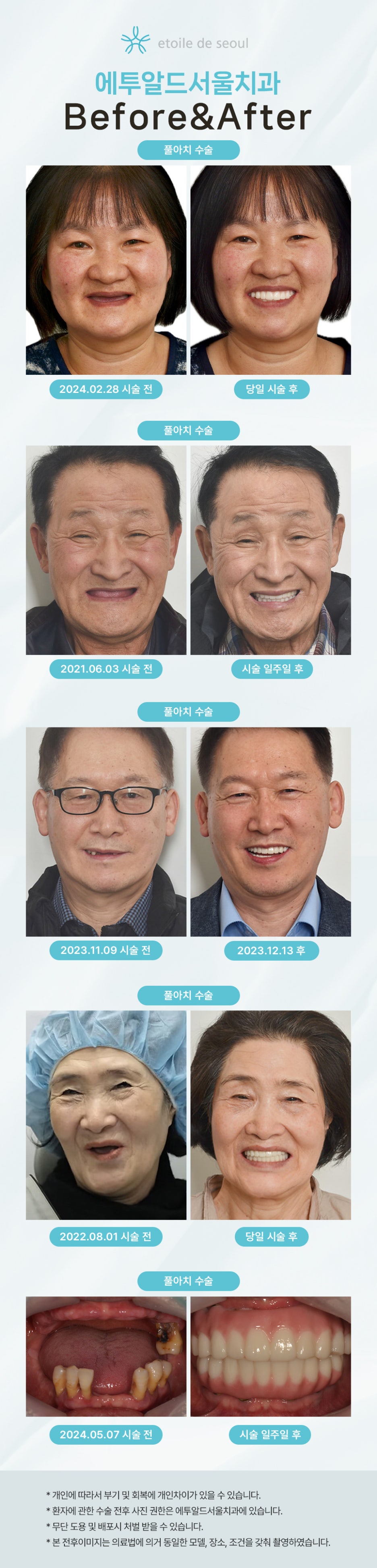
▼ Etoile Seoul Dental Clinic YouTube ▼