
Chief Director Lee Jang-wook
Hello.
A place that does its best
to help you achieve a healthy smile
Ettoile Seoul Dental Clinic.
These days, when I talk with parents in the treatment room, I meet many people who are worried about their children’s toothbrushing. I often hear questions like, “I’m not sure whether my child is brushing properly,” or “From what age, and how, should I teach them?”
Today, I’d like to share detailed information about children’s toothbrushing habits that may be practically helpful for those of you who have these concerns.
We take responsibility for your dental health.
Why Children Need to Build Proper Toothbrushing Habits

Not long ago, a patient came to the clinic with a 7-year-old child. It was a routine checkup, and early cavities were found in several of the child’s molars. The mother was surprised and said,
“Doctor, my child brushes every day. How did cavities happen? They haven’t missed a single day...” When I asked further, I learned that the child was brushing alone, and for only about one minute, just moving the toothbrush in and out of the mouth.
At that moment, I once again realized that, like this mother, many people focus only on the number of times they brush, and do not really know about the method or quality.

Why Are Children’s Toothbrushing Habits Important?
Children’s toothbrushing habits are more than just the act of cleaning teeth; they are the process of building the foundation for lifelong oral health. The World Health Organization also regards oral health as an important indicator of overall health, which shows just how important dental care is.
Children’s oral conditions are very different from adults’. First, baby teeth have thinner and softer enamel than permanent teeth. Enamel is the outermost layer of a tooth and protects it like the outer wall of a house. If it is weaker, that means it is more vulnerable to attack by cavity-causing bacteria.
Second, children produce less saliva than adults, and the buffering capacity of their saliva is also weaker. Saliva plays an important role in neutralizing acidity in the mouth and washing away bacteria. When this function is weak, cavities can develop more easily.
Third, children tend to like sweet foods and eat them often. Foods that stick to the teeth for a long time, such as candy or jelly, continuously provide nutrients to cavity-causing bacteria. In addition, permanent teeth, which begin erupting around age 6, are teeth that must be used for a lifetime. Since the oral care habits formed during this period continue into adulthood, developing proper habits from a young age is more important than anything else.

How to Build Toothbrushing Habits by Age
The method of brushing and who manages it changes depending on the child’s age. The first baby tooth begins to erupt from around 6 months after birth, and oral care should begin then. You can gently wipe the gums and tongue with wet gauze or a silicone toothbrush. Once two or more teeth have erupted, you can start using a toothbrush.
From age one to age three, parents should brush their child’s teeth directly. At this stage, children are not yet skilled enough to brush properly on their own. Lay the child on your lap and carefully brush while making sure you can see inside the mouth well. Use only a rice-grain-sized amount of fluoride toothpaste.
From age three to six is the time when children begin brushing on their own. However, because they still cannot brush perfectly, the child should brush first, and then the parent should carefully finish it as a second step. This is called “assisted brushing,” and it is best to continue at least until the lower grades of elementary school. From this stage onward, a pea-sized amount of fluoride toothpaste can be used.
After age seven, children can gradually brush more independently, but parents should still check regularly. In particular, since permanent teeth are erupting during this period, more careful care is needed.
Proper Brushing Methods and Tool Selection
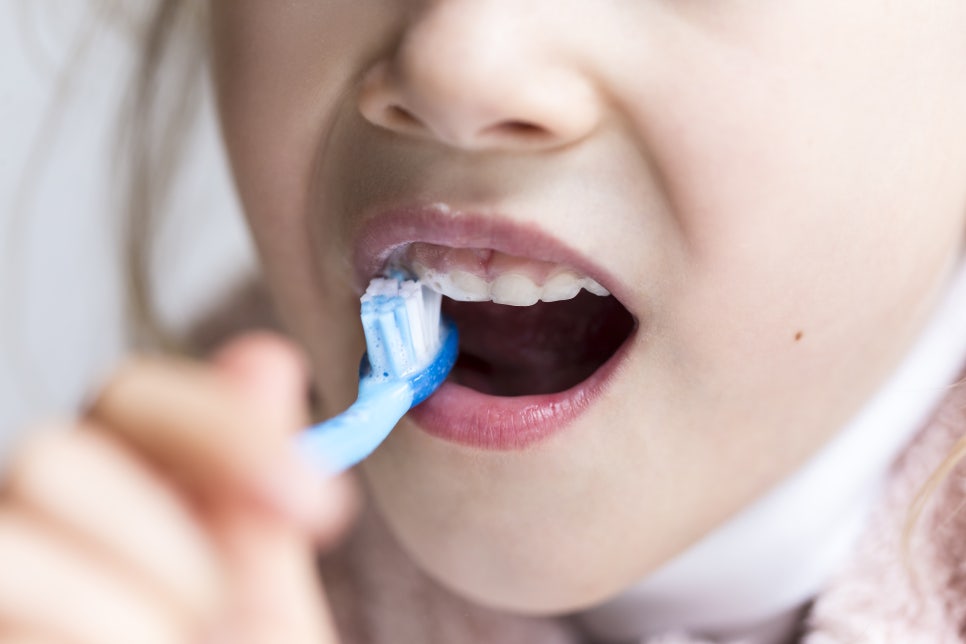
To brush effectively, you need to know the correct method. First, choosing a toothbrush is important. Please choose one with a small head that fits the child’s mouth size and soft bristles. If the bristles are too hard, they can injure the gums, and if they are too soft, they may not remove plaque effectively. Brushing time should be at least 3 minutes.
Think of the mouth as divided into four sections, and brush each section for 45 seconds. When holding the toothbrush, hold it lightly as if holding a pencil, and be careful not to apply too much force. Too much pressure can actually wear down the gums and damage the tooth surface.
Let me explain the specific brushing method. Place the toothbrush at a 45-degree angle to the boundary between the teeth and gums, and gently rotate it in small circles. This is called the rotational method, and it means brushing by sweeping from the gums toward the teeth. You need to carefully brush the outer surfaces, inner surfaces, and chewing surfaces as well. In particular, there are areas children often miss: the inner surfaces of the front teeth and the back surfaces of the molars.
These areas are cleaned well only if the toothbrush is held upright, so please pay special attention to them. The tongue should also be cleaned. Food debris and bacteria tend to cling to the tongue. You can gently sweep it from the inside toward the outside with a toothbrush or tongue cleaner.
The Importance of Regular Checkups and Preventive Care
No matter how diligently you care for teeth at home, it cannot replace an expert examination. I recommend having a dental checkup every 6 months. If early cavities are found through regular checkups, they can often be resolved with simple treatment, but if they are found late, root canal treatment may be needed.
You can also receive professional fluoride application at the dental clinic. This involves directly applying fluoride at a much higher concentration than the fluoride in toothpaste used at home to the tooth surface. Doing so helps strengthen enamel and increases the preventive effect against cavities. It is usually good to do this once every 3 to 6 months.
Sealant treatment is also an effective preventive measure. Sealants fill the deep grooves on the chewing surfaces of molars. The surface of a molar has grooves like deep valleys, where food debris and bacteria easily accumulate. Even very thin toothbrush bristles have difficulty reaching deep into these grooves. When these grooves are filled with a sealant, the surface becomes smoother, brushing becomes easier, and cavities are less likely to develop. It is usually best to apply sealants as soon as the first permanent molar, the 6-year molar, erupts.


Previous image
Next image
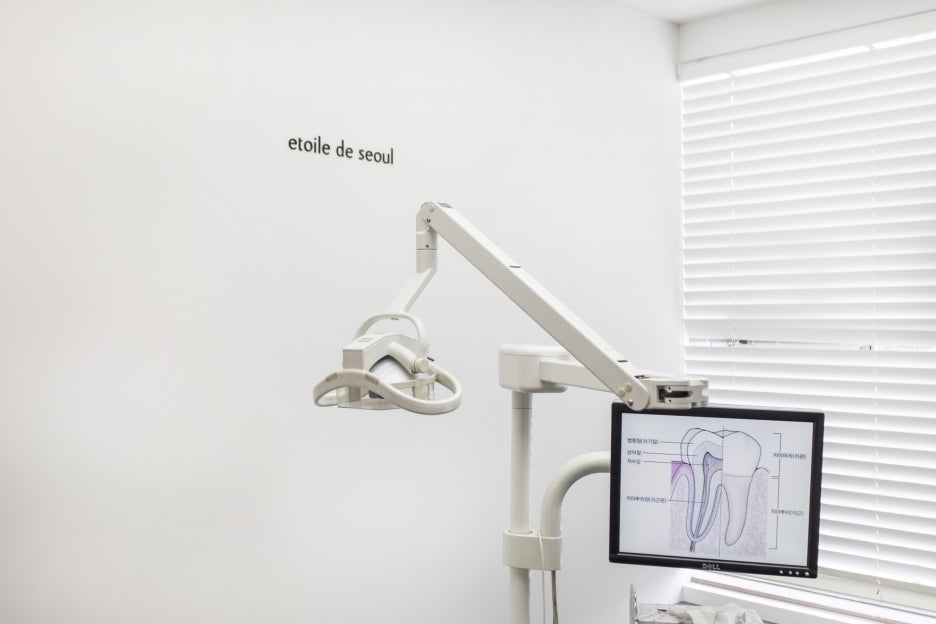
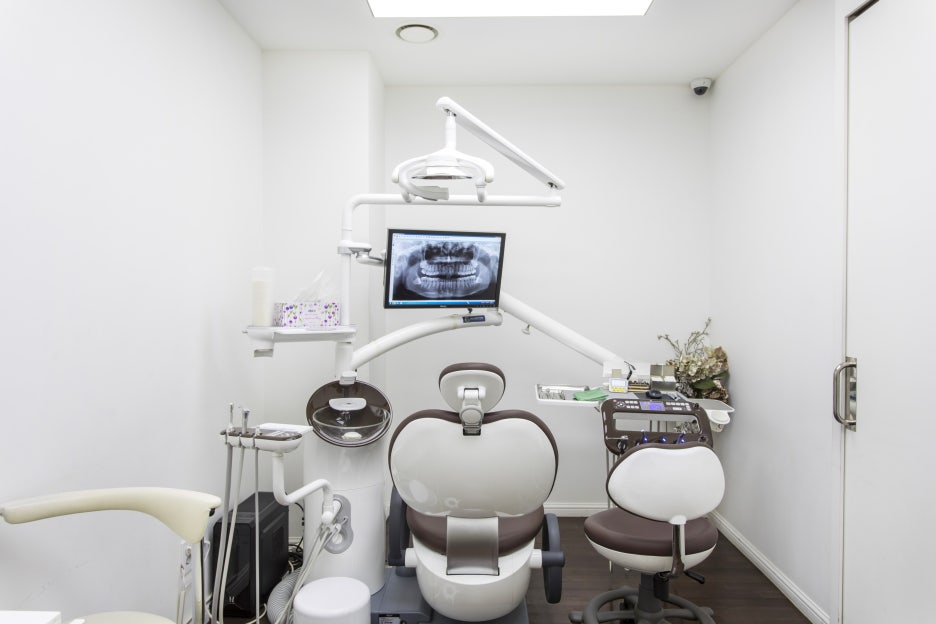
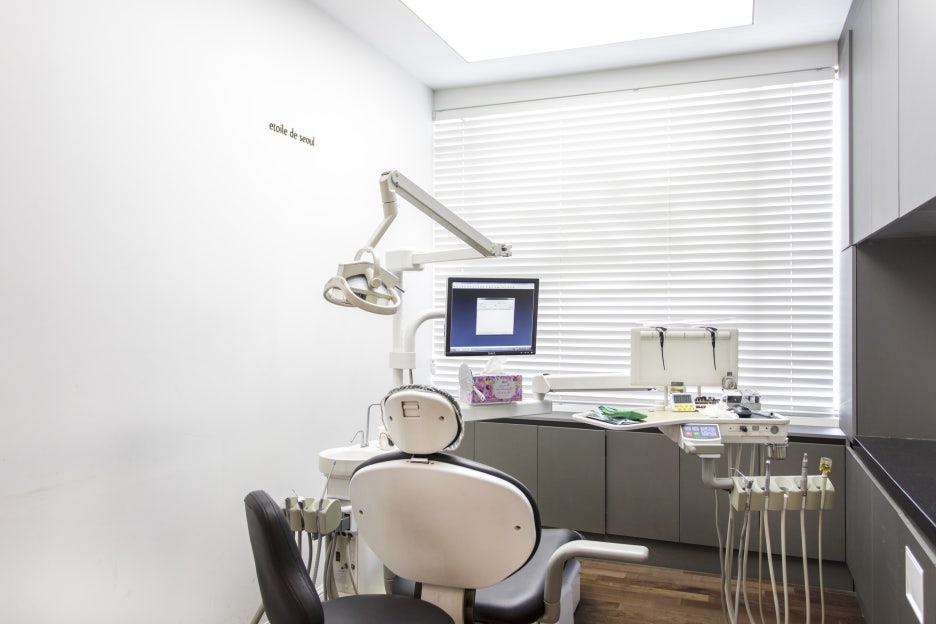
▲[Ettoile Seoul Dental Clinic] We are providing treatment in a warm and clean atmosphere.
The First Step Toward a Healthy Future
The patient I mentioned earlier began brushing with the child every day after the consultation and started finishing with assisted brushing. When they returned three months later, the early cavities had not progressed any further, and the child’s oral condition had improved a lot. The mother was very happy and said, “Now my child looks forward to brushing time.”
Everyone, children’s toothbrushing habits are more than just cleaning teeth; they are an important habit that affects a child’s lifelong health. Habits formed in childhood naturally continue into adulthood. At first, persuading your child and doing it together may feel bothersome, but it would be good to think of those moments as building your child’s healthy future.
Please maintain care consistently with the right method, get regular checkups, and create an enjoyable brushing time together with your child. If you do that, our children will be able to smile brightly with healthy teeth for their whole lives.
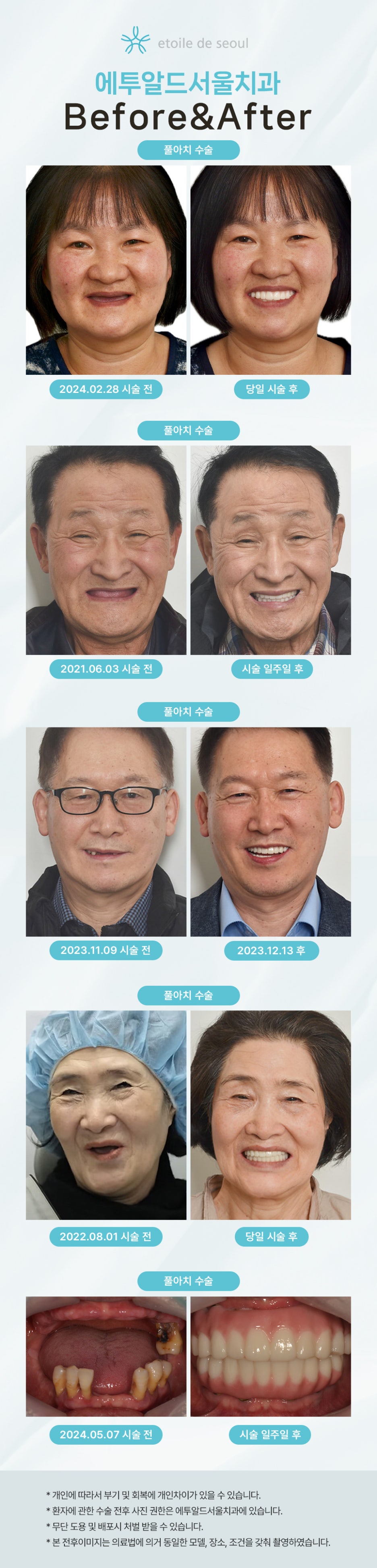
▼ Ettoile Seoul Dental Clinic YouTube ▼
















Previous image
Next image









Previous image
Next image