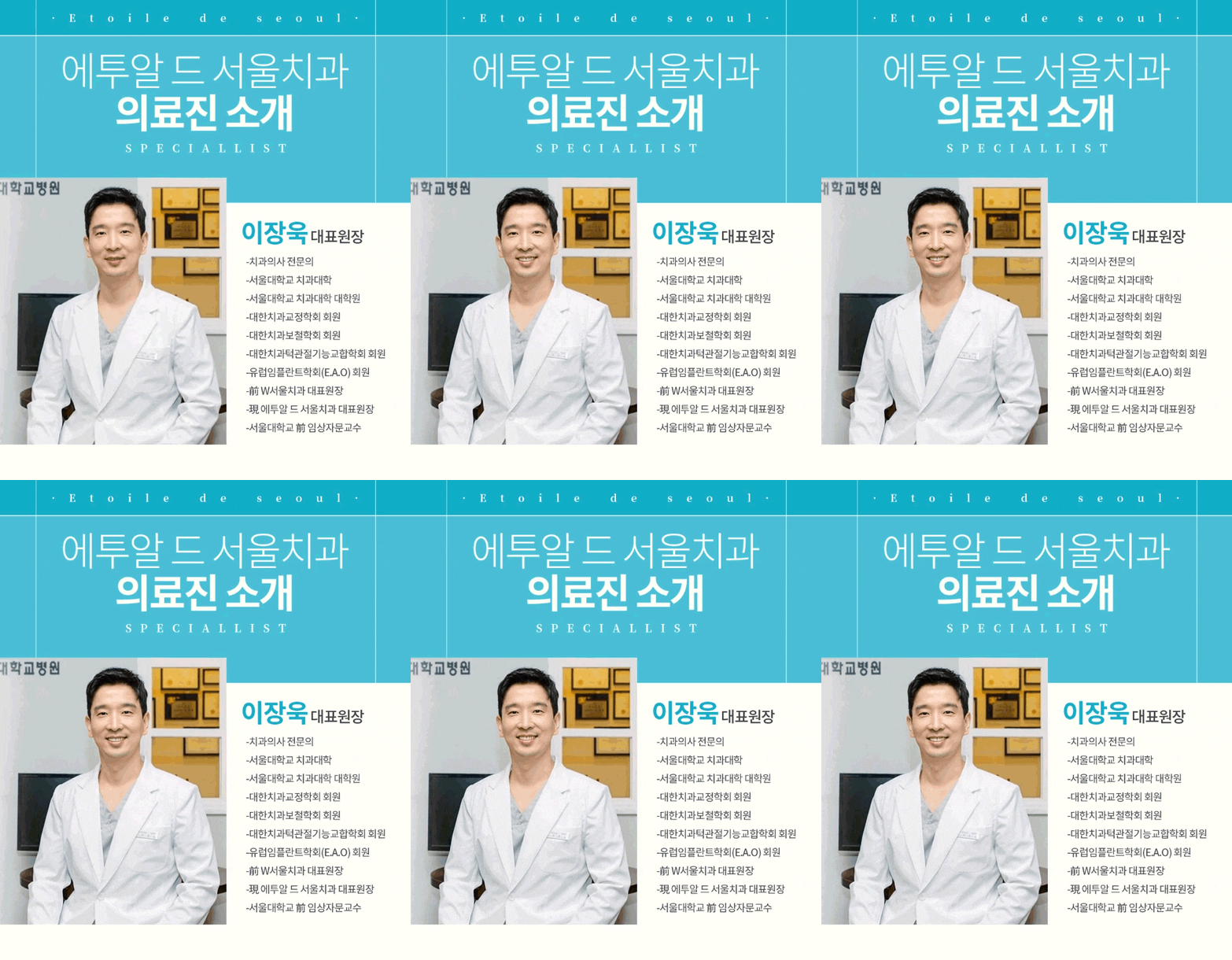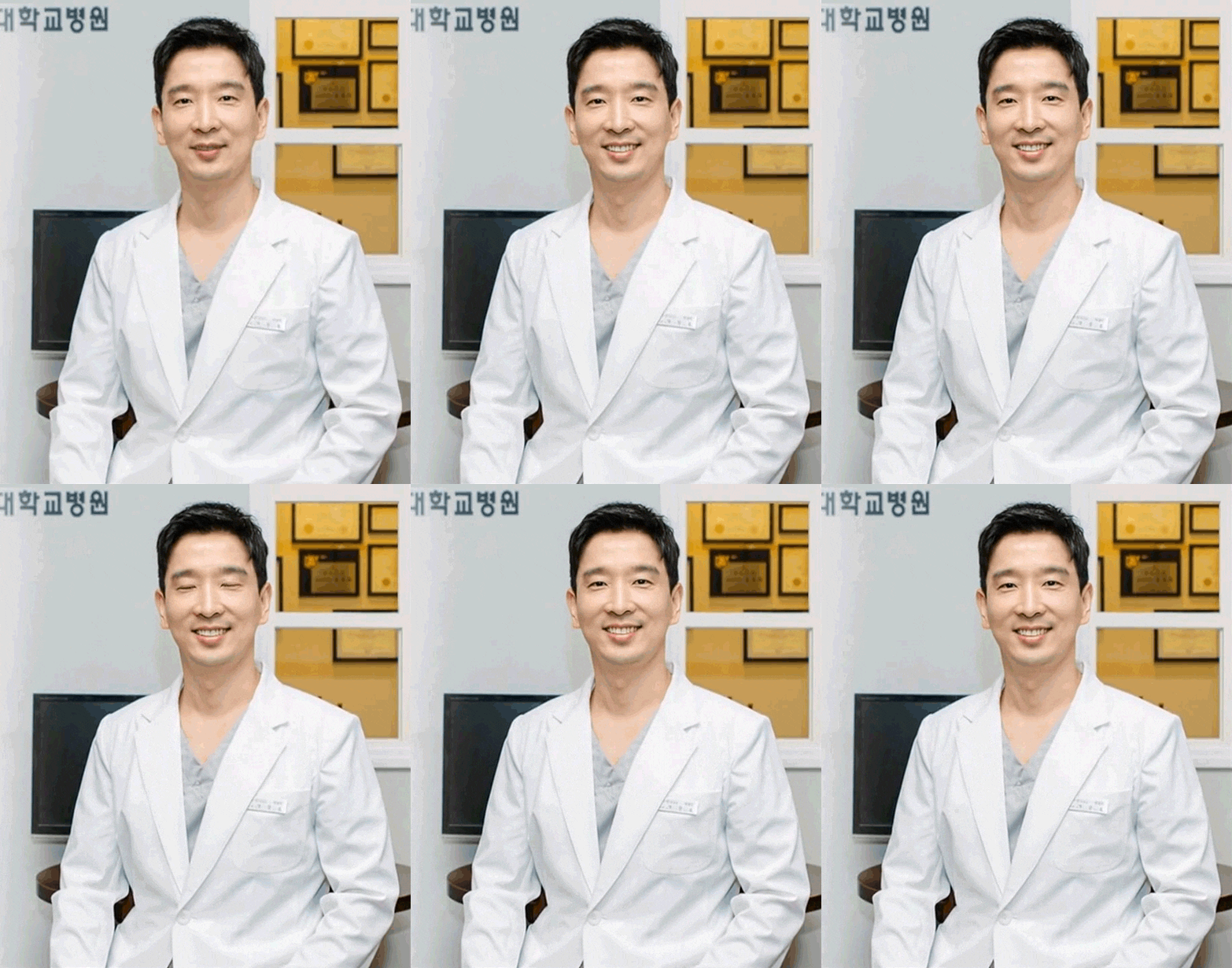
Chief Director Lee Jang-wook
A place for a warm smile,
This is Etoile de Seoul Dental Clinic.
These days, when I see patients aged 65 and older in the treatment room, there are many visitors who have lost many teeth and have difficulty eating, or who complain of discomfort because their dentures have become loose.
But when they actually consider implants, many delay treatment because of the financial burden and worries about whether it will be okay at their age. Today, I’d like to share information that can be practically helpful for those with these concerns, and take a closer look at the insurance benefits for implants for people aged 65 and older and the full-arch implant method.
We take care of your dental health.
Seniors who have difficulty eating
Many of the seniors who come to the clinic have used dentures for a long time.
Because their dentures have become loose, they often move during meals and do not fit well, and many feel uncomfortable even when speaking. Because of these inconveniences, they gradually
end up eating mostly soft foods, and when going out to eat with family, they can be limited in their menu choices. Their children often recommend implant treatment because they are worried that their parents are not eating enough and may not be getting proper nutrition, but many people hesitate because of the cost.
However, surprisingly many people do not know that seniors aged 65 and older can receive insurance benefits.
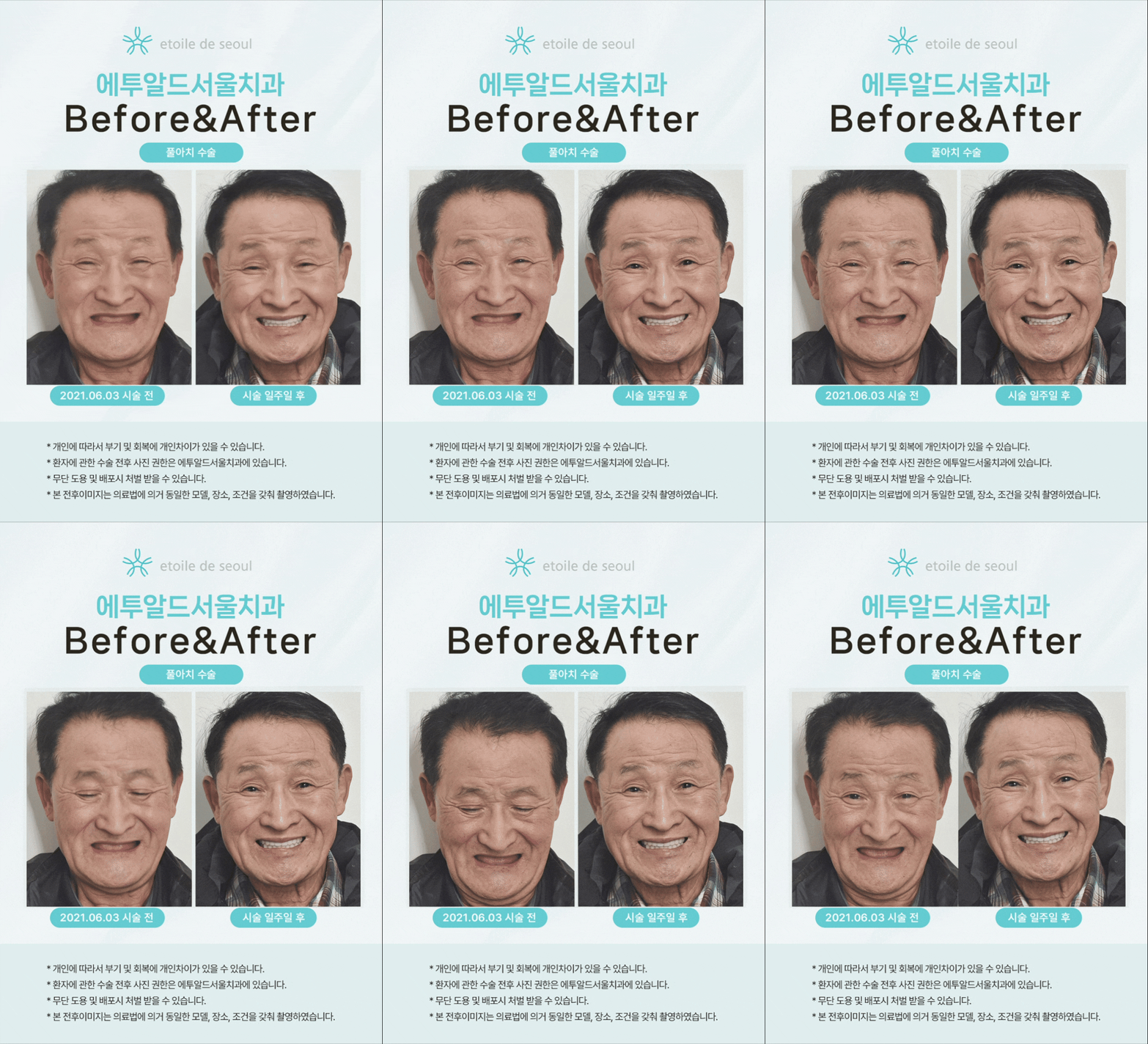 A healthy life you can enjoy even as you age
Many people do not know this, but seniors aged 65 and older can receive implant treatment covered by national health insurance.
A healthy life you can enjoy even as you age
Many people do not know this, but seniors aged 65 and older can receive implant treatment covered by national health insurance.
Coverage is available for up to two teeth in a lifetime, and the out-of-pocket cost is about 30%, which can greatly reduce the financial burden. However, this applies when not all teeth are missing, but only some teeth are missing; if you are completely edentulous, you will need to consider other treatment options.
Despite these insurance benefits, it is regrettable that many people miss the treatment timing because they do not know about them. As people age, if chewing function declines, nutritional intake becomes difficult, which also affects overall health and can lead to various health problems such as weakened immunity and reduced digestive function.
Therefore, insurance benefits can be an important choice not just for restoring teeth, but for a healthy later life.
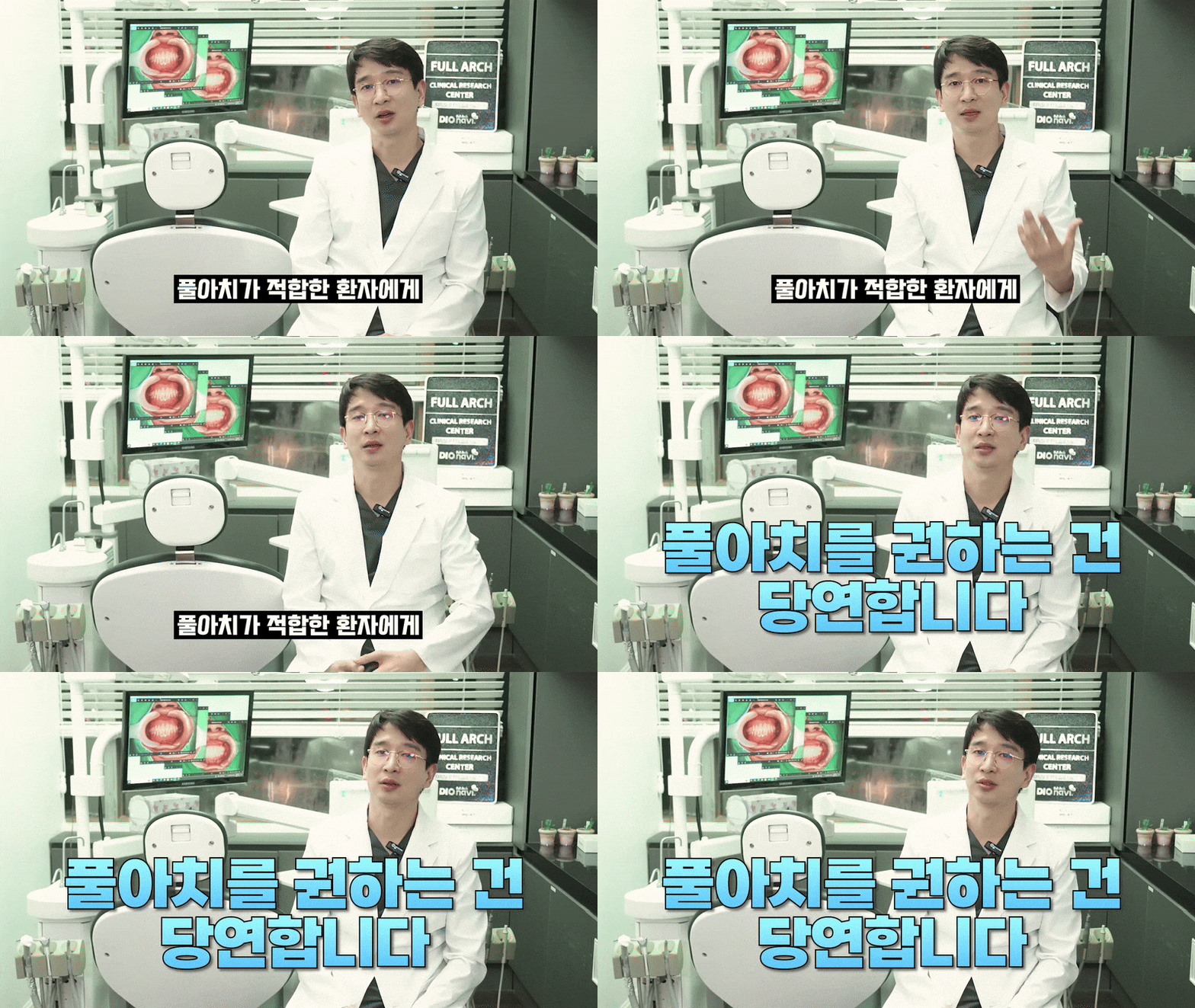
What is the difference between insured implants and full-arch implants?
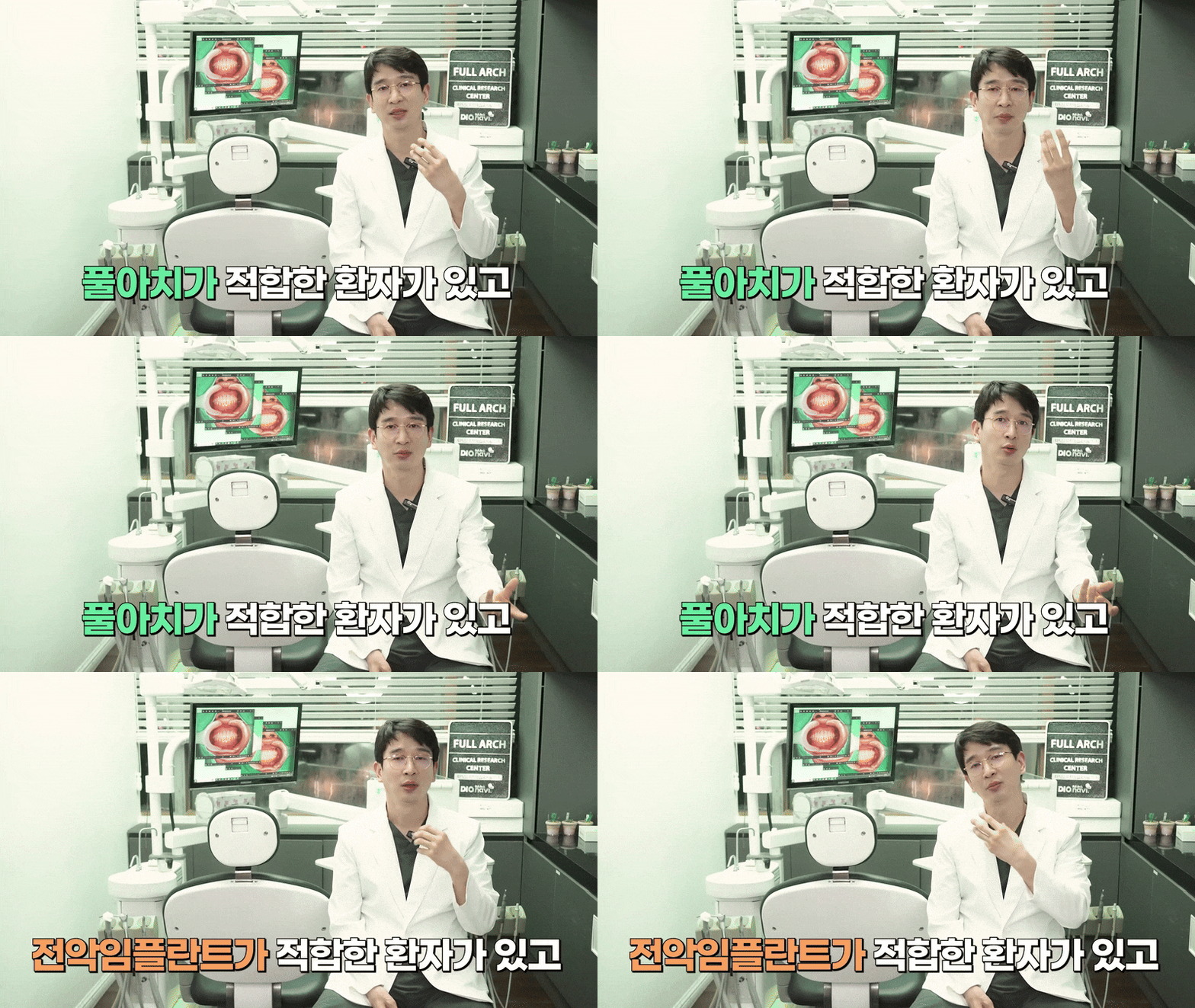
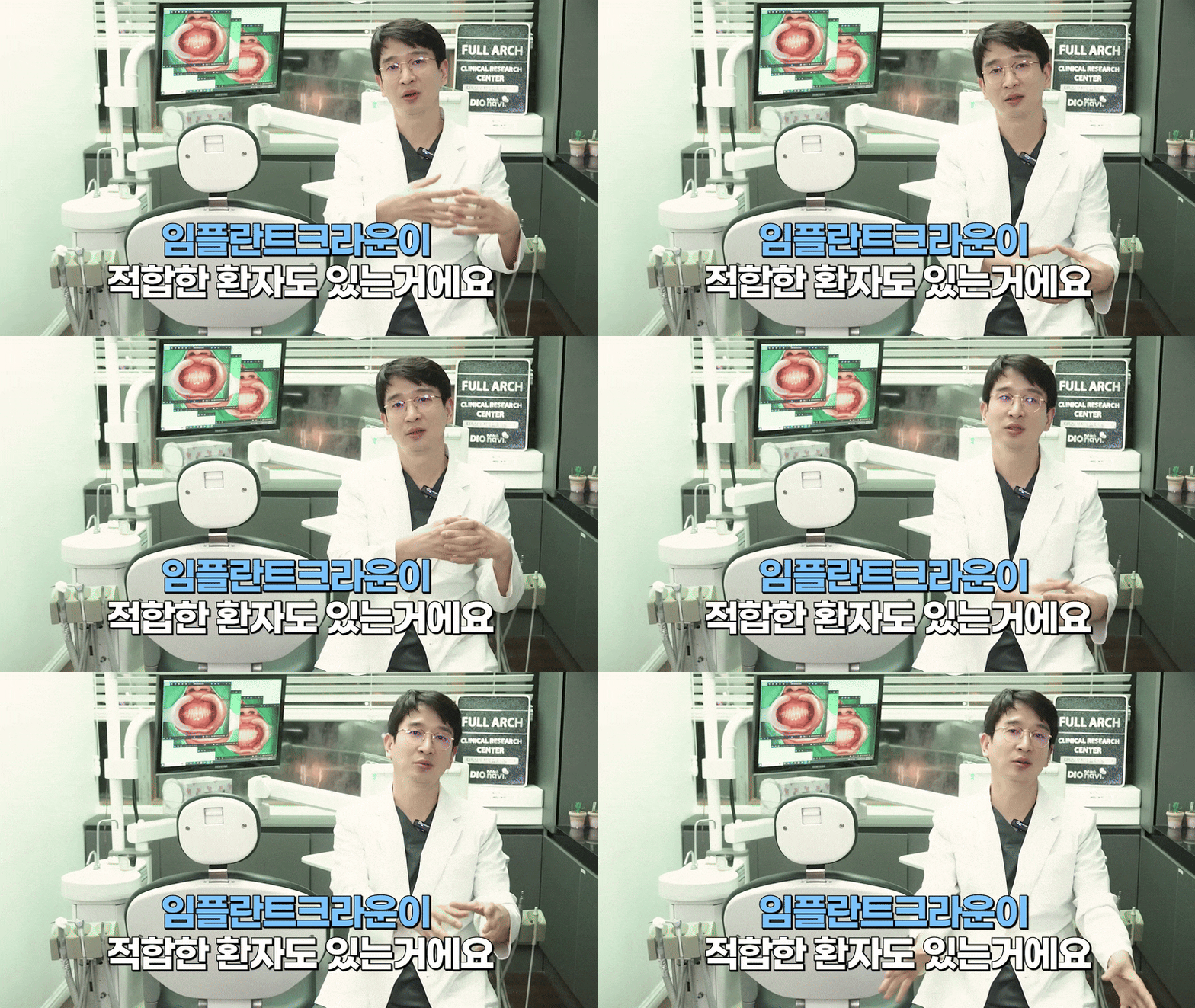
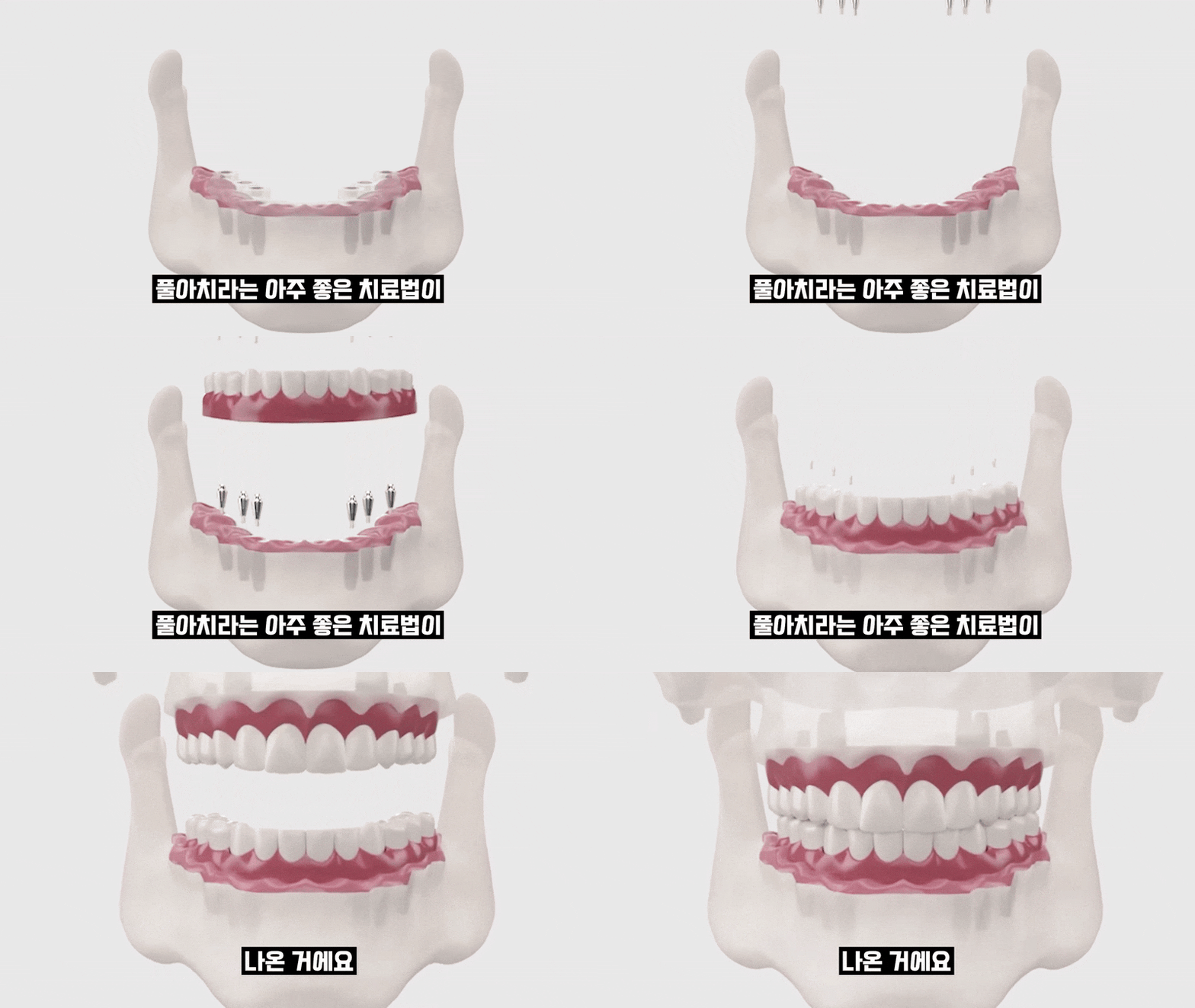
Insured implants help restore one or two individual teeth, but if several teeth are missing or the entire dentition needs to be restored, full-arch implants can be considered.
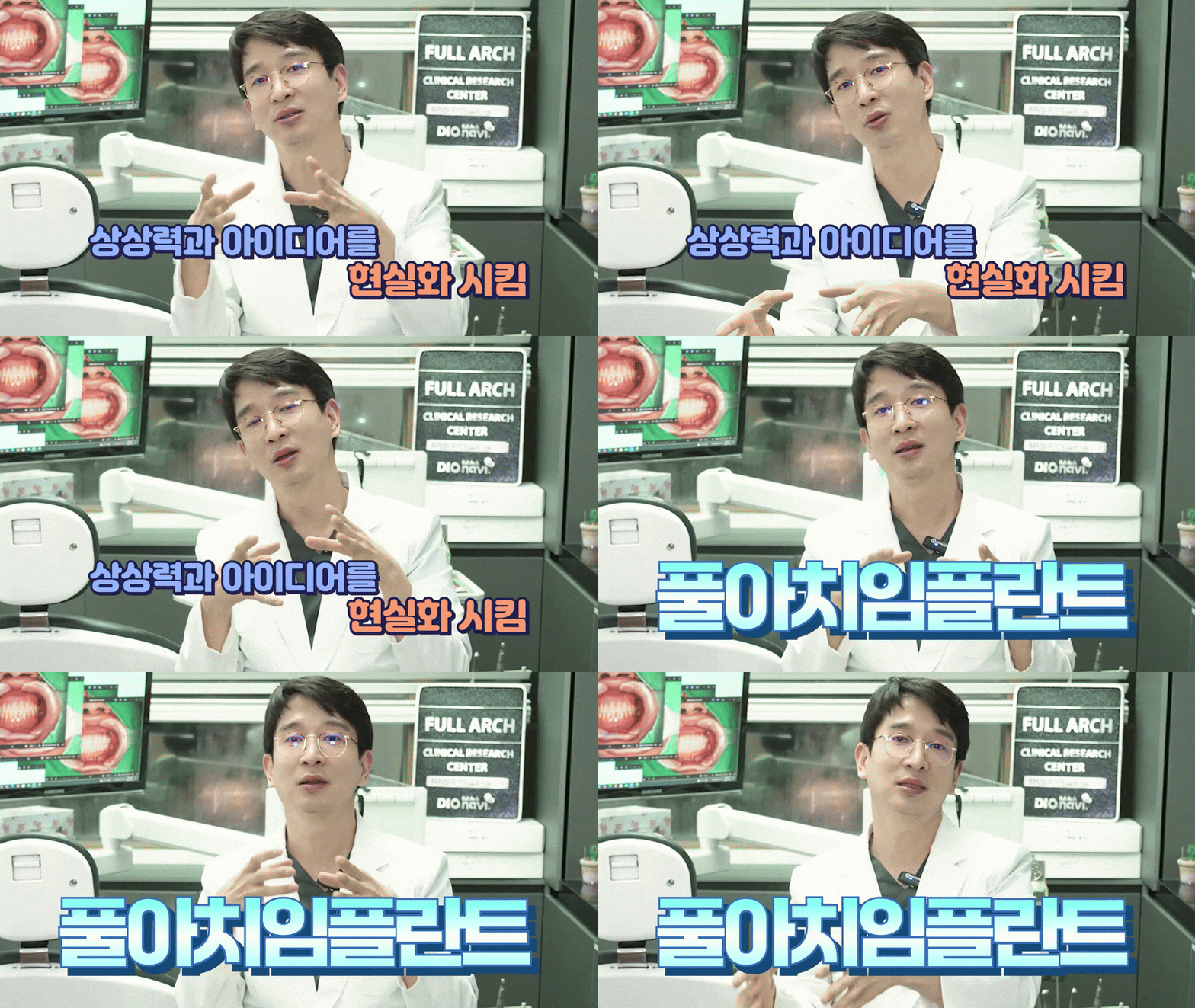
Full-arch implants are a method that can restore the function of all teeth in one jaw with only about 4 to 6 implants, and they have structural advantages different from conventional implants. A conventional implant places one implant per tooth, but full-arch treatment uses a structure in which a few implants support the entire arch, reducing cost and time.
Also, unlike implant dentures, they are fixed in place and do not move in the mouth, which has the advantage of restoring about 90% of the chewing force of natural teeth. In particular, when considered together with the 65-and-older implant insurance benefit, treatment can be even more economical.
You can eat on the same day as the procedure
The part many seniors worry about most is the recovery period. They often worry whether it will take a long time because of their age, or whether they will need to visit the hospital many times.
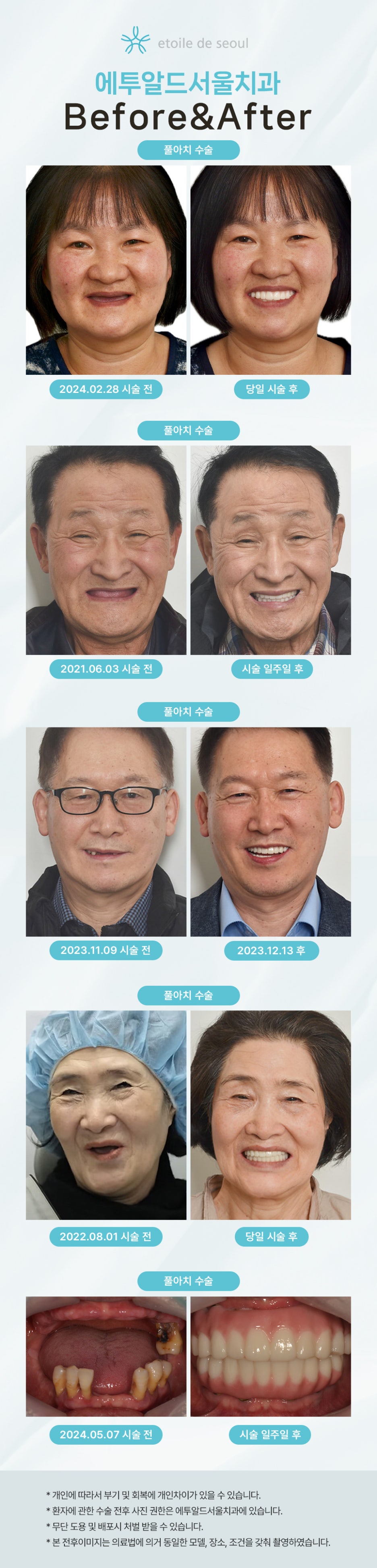
However, full-arch implants allow a temporary prosthesis to be attached on the day of the procedure, so you do not have to spend time without teeth, and they are designed to minimize disruption to daily life. The surgery itself takes about 2 to 3 hours, and if a 3D navigation system is used, implants can be placed in the correct position, which shortens recovery time and increases surgical accuracy.
Even when there is insufficient jawbone, in many cases the procedure can be performed without bone grafting thanks to techniques that place implants at special angles, which helps further reduce surgery time and recovery time. However, for patients with chronic conditions such as diabetes or high blood pressure, the condition must be well controlled, so an accurate diagnosis and consultation are necessary.

Here is how to care for them so they can last a lifetime
After receiving implant treatment for those aged 65 and older, it is important to care for them like natural teeth and to know the proper maintenance methods.
You should brush properly every day and use dental floss or interdental brushes to keep the area around the implants clean, paying particular attention to cleanliness between the prosthesis and the gums. In particular, implants may be more vulnerable to bacterial infection than natural teeth, so you need to pay extra attention to oral hygiene, and preventive care through regular checkups is important.
During the early period after a temporary prosthesis is attached, it is better to avoid hard or chewy foods, but after the final prosthesis is attached, you can eat most foods freely. Also, it is necessary to have regular checkups every six months to check the implant condition and the health of the surrounding gums, so that even small problems can be found and addressed early.
Smoking has a negative effect on the lifespan of implants, so we recommend quitting if possible. With proper care, they can be used for more than 10 years, and you can maintain healthy dental function for a lifetime.
The joy of eating, regained
Many people make use of the implant insurance benefit for those aged 65 and older to restore some teeth and then undergo full-arch implant treatment for the remaining areas.
During treatment, a temporary prosthesis can be attached on the day of the procedure, allowing you to start with soft foods right away, and after the final prosthesis is attached one month later, you will be able to enjoy a variety of foods that had been difficult to eat before. Above all, not having to worry about limited menu choices when dining out with family and not having to worry that dentures might move during meals brings about a big change.
Children are often happy to see their parents eat comfortably and their expressions brighten.
Restoring dental function means more than simply chewing food, and it can bring positive changes to overall quality of life.
Aging is just a number; a healthy life is a choice
What I feel while treating patients is that surprisingly many people give up on treatment simply because they are older. But implants for those aged 65 and older are a treatment that older visitors can receive without difficulty, and in fact, they are also suitable for people who have difficulty making repeated visits because of their age.
If you use national health insurance benefits, you can reduce the financial burden, and if you consider full-arch implants, you can restore full dental function within a short period and return to daily life quickly. Proper meals are not just about filling your stomach; they are directly linked to quality of life and are an essential part of maintaining health through nutrition.
The joy of sitting around the table with family and sharing the same food, and the happiness of chewing and eating your favorite foods deliciously, are things everyone deserves to enjoy, regardless of age. If you are worried about your dental health, or if you are troubled by uncomfortable dentures, now may be a good time to start treatment while insurance benefits are available.
Through an accurate diagnosis and consultation, you can find the optimal treatment method for you, and I will support your healthy smile.

Previous image
Next image
▼ Etoile de Seoul Dental Clinic YouTube ▼