Lee Jang-wook, Chief Director
Hello.
A place that does its best
for a healthy smile
This is Etoile de Seoul Dental Clinic.
�
Today, I’d like to talk about a topic that many young adults worry about. "I’m in my 20s, but do I already need an implant?" Whenever I hear this question in the clinic, I fully understand how heavy and frustrating that feeling must be.
Your friends are smiling with healthy teeth, and you may have felt lonely, thinking you are the only one dealing with this concern. But don’t worry. Through this article, I’ll help answer your questions one by one and guide you toward the right choice.
Getting an implant in your 20s is by no means unusual or too early, and depending on the condition of your teeth, it may be the necessary option.
We take responsibility for your dental health.
Is it really okay to consider this at a young age?
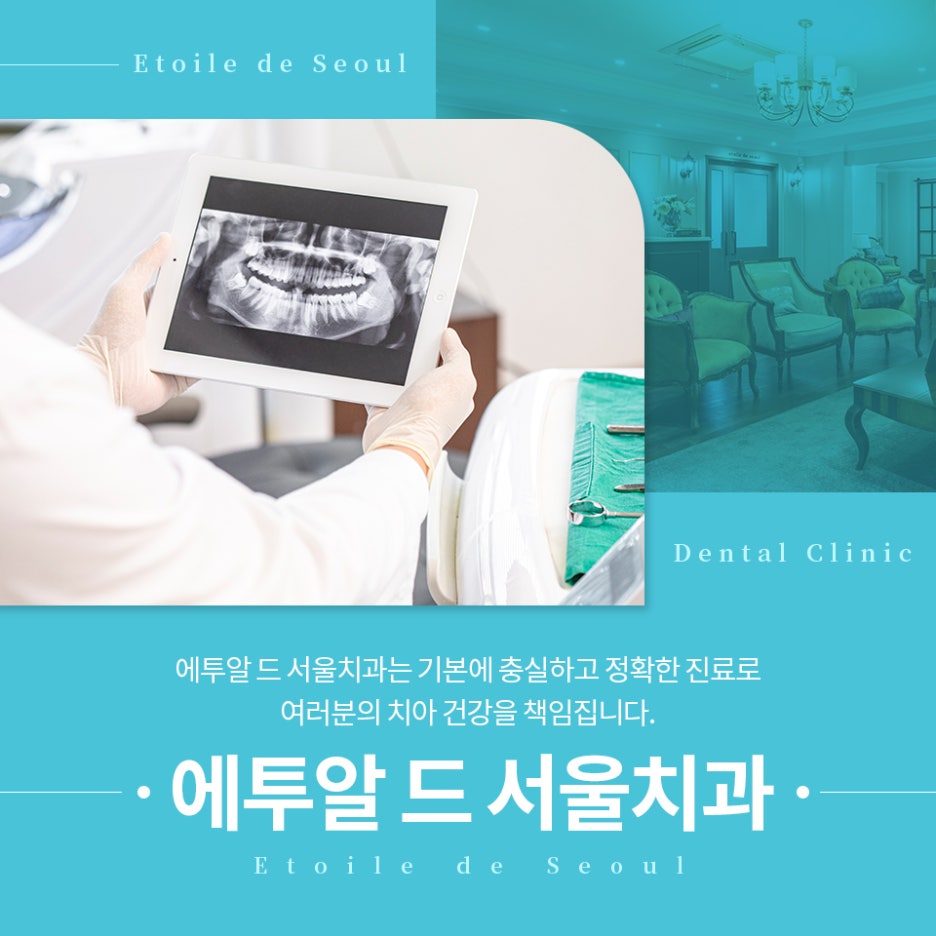
Many people think implants are only for older adults. But that is a misunderstanding.
The reason an implant is needed is not age, but the condition of the tooth. Tooth loss at a young age can happen in many ways, such as damage from an accident, congenital missing teeth, or extraction due to severe cavities or periodontal disease.
If you are 18 or older and growth has finished, this option can be considered. In fact, when you are young, the condition of the jawbone is often better and healing tends to be faster, so positive results can be expected.
Above all, if a missing tooth is left untreated, nearby teeth may tilt into the empty space or the opposing tooth may move down, which can disrupt the overall alignment of the teeth. For that reason, early action can be important.
 How is it different from other methods?
Methods for replacing teeth include bridges, dentures, and implants.
Each method has its pros and cons, so careful selection is needed. Bridges require shaving down the healthy teeth on both sides, and for someone in their 20s, isn’t it too unfortunate to damage otherwise healthy teeth?
Dentures have weaker chewing power, can affect pronunciation, and above all, you may have to live with the constant worry that they might come out.
In contrast, implants in your 20s can provide function most similar to natural teeth. They can restore chewing power close to 90% of that of natural teeth, do not affect neighboring teeth, and can also help prevent bone loss in the jaw.
Especially if you live with a missing tooth at a young age, the empty space can trigger a domino effect that damages other teeth. One tooth problem can threaten the health of your entire mouth. That is why an implant is not just about restoring one tooth; it can be seen as an investment in lifelong oral health.
 How does the process work?
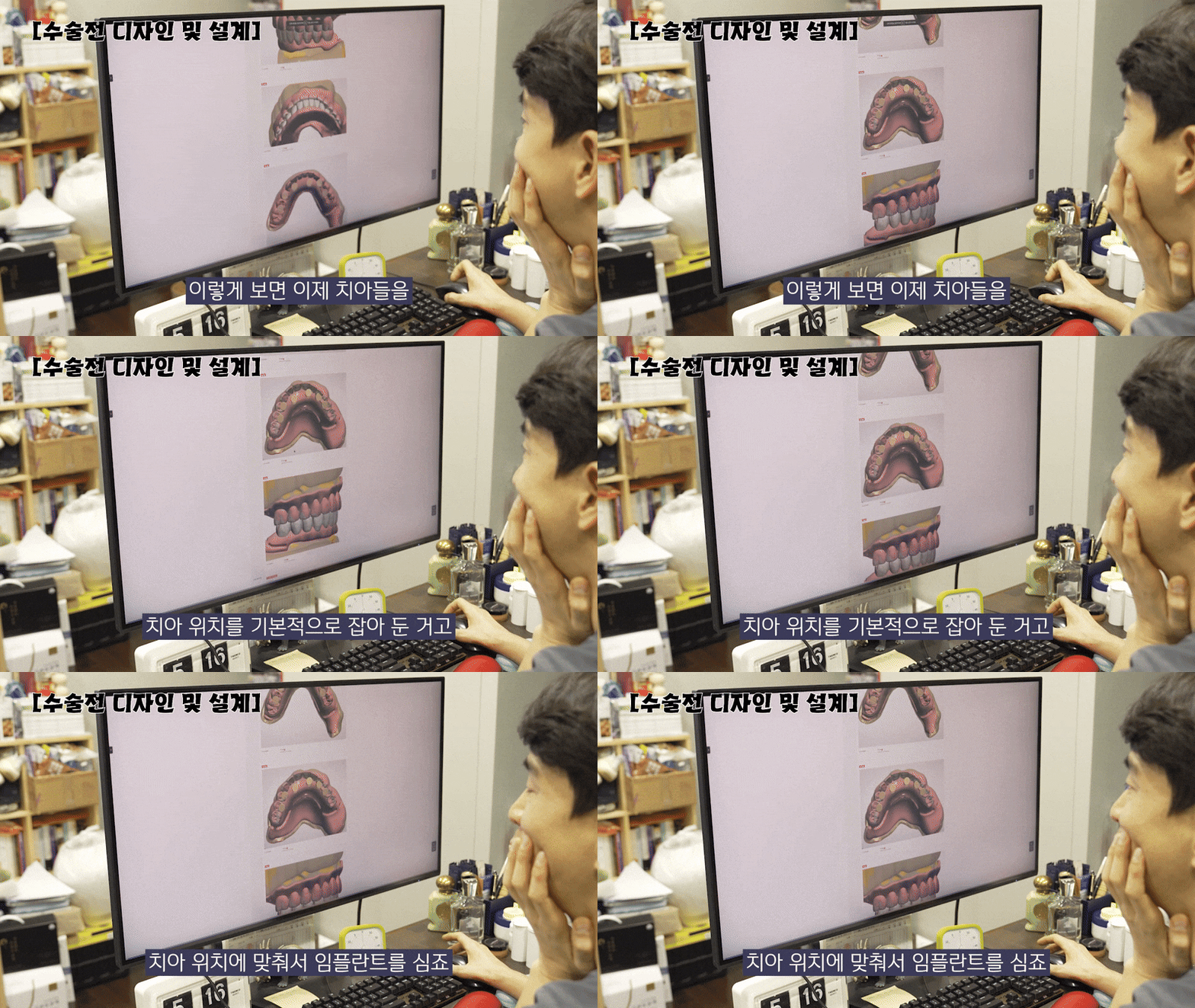
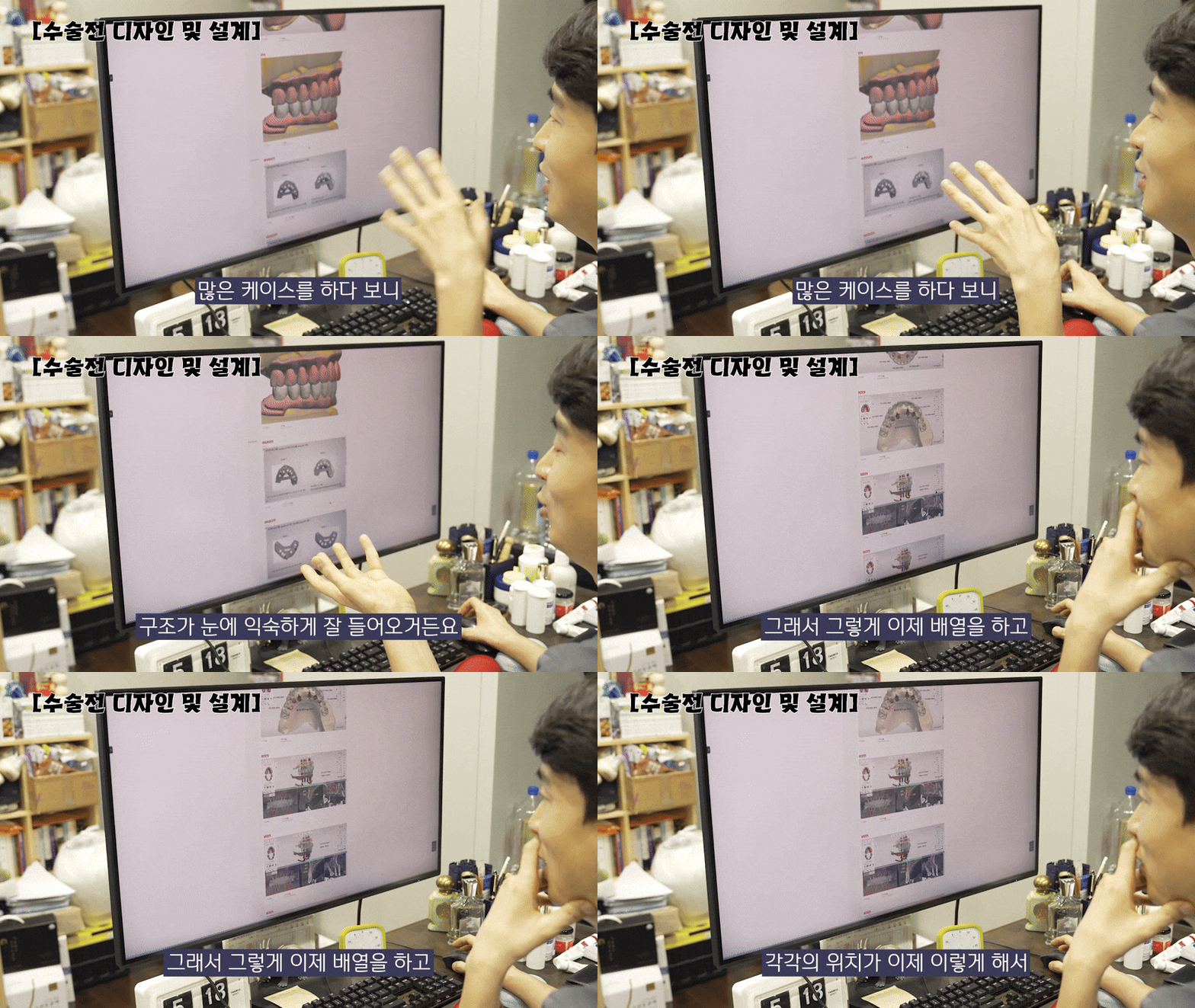
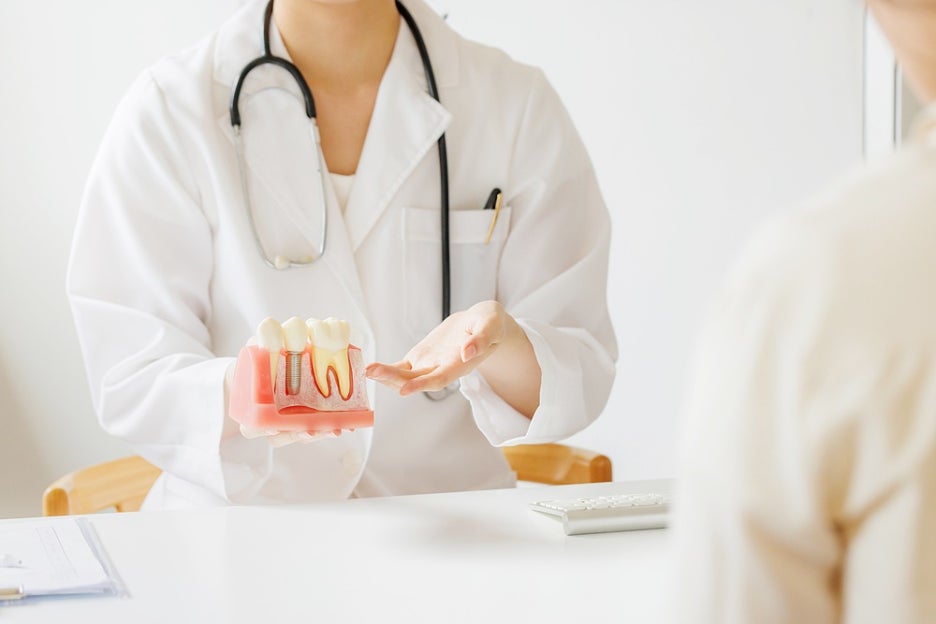
The implant process in your 20s begins with a detailed examination to assess the condition of the jawbone, the health of surrounding teeth, and the overall bite relationship.
At Etoile de Seoul Dental Clinic, we perform three-dimensional analysis using 3D CT scans and an intraoral scanner. Based on the examination results, a customized treatment plan is made. If there is enough jawbone, the implant can be placed right away; if not, bone grafting may be done first. However, when a 3D navigation system is used, there are many cases in which the implant can be placed at a special angle without bone grafting.
After the implant fixture is placed into the jawbone, there is a healing period of about three to six months for integration. During this time, you can use a temporary prosthesis, so there should be no major inconvenience in daily life.
Once integration is complete, the prosthetic crown is attached. A crown made of zirconia is both natural-looking and durable, similar to a natural tooth.
 How should lifelong care be managed?
The process does not end once treatment is done. In fact, that is where it begins. Just like natural teeth, steady care is needed. Proper daily brushing and flossing are basic, and regular checkups are also important. Especially for those who had treatment at a young age, this is a companion that will stay with you for the next 50 or 60 years.
You should be careful to avoid peri-implant inflammation, and be cautious with foods that are too hard or too chewy. Smoking can greatly shorten its lifespan, so quitting is recommended.
If you have a regular checkup every six months, the condition of the implant and the health of the surrounding gums can be checked. It is important to detect and address problems before they occur. At Etoile de Seoul Dental Clinic, free treatment is provided within three years, and even after that, a thorough follow-up care system is in place.
 Practical considerations about cost and time
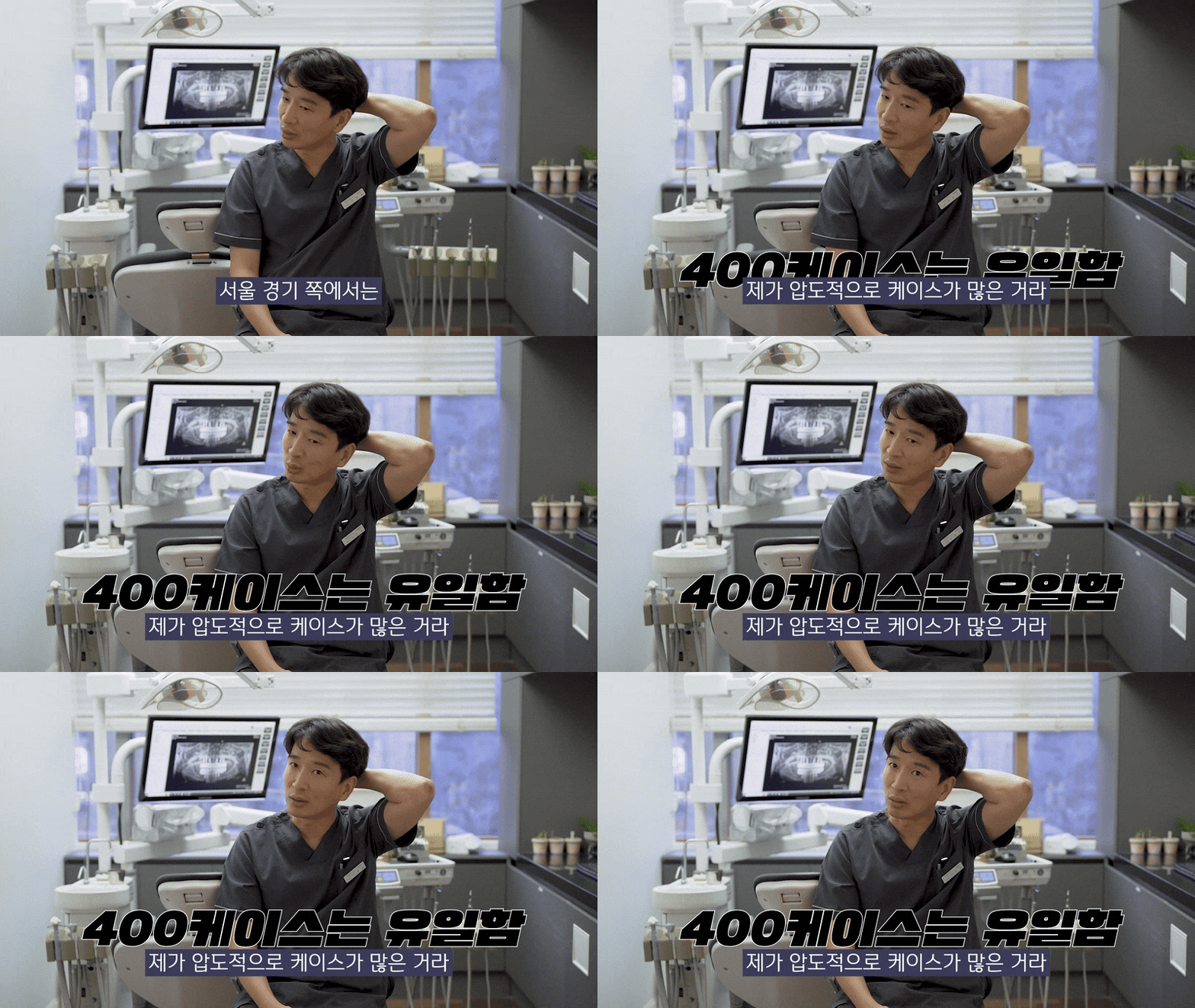
One of the biggest concerns at a young age is cost and time. The reality is that it does involve a fair amount of expense. But from a long-term perspective, it is worth considering the cost and time of repeatedly replacing other methods.
Bridges or dentures may need to be replaced every few years, but if properly maintained, they can be used for a long time.
Also, when treatment is done at a younger age, the jawbone condition is often better and recovery is faster, and in many cases it can be done without additional bone grafting, which may actually reduce the overall cost. In terms of time as well, you can continue daily life while using a temporary prosthesis, so there is little disruption to school or work.
 What matters more than age is your current condition
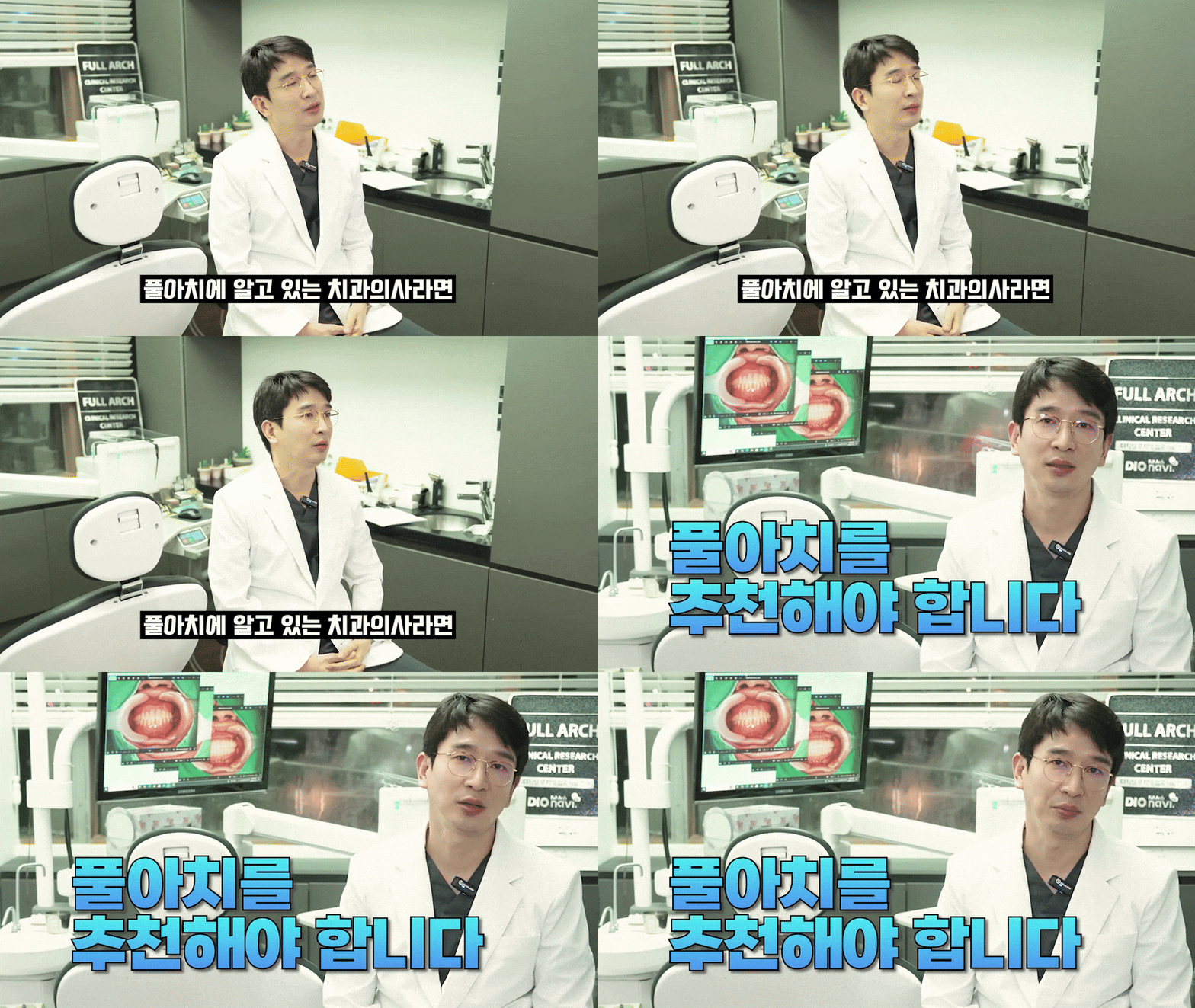
During more than 20 years of clinical experience, I have met many people, and whenever I see young patients struggling with dental problems, I feel sorry for them. I have seen many cases where people hesitated because they were young, only for the situation to get worse.
Getting an implant in your 20s is nothing to be ashamed of. Rather, it is a wise choice for your health. What matters is not your age, but the current condition of your teeth and what you need for your future quality of life.
If the problem is not addressed properly while you are young, it can affect neighboring teeth over time and lead to bigger issues. This goes beyond a simple cosmetic problem; it can make it difficult to chew food properly, affect speech, and even cause jaw joint problems. It can also affect digestive function, so it is an important issue connected to overall health.
You should remember that a problem with one tooth can ultimately affect your overall health.
 A final message
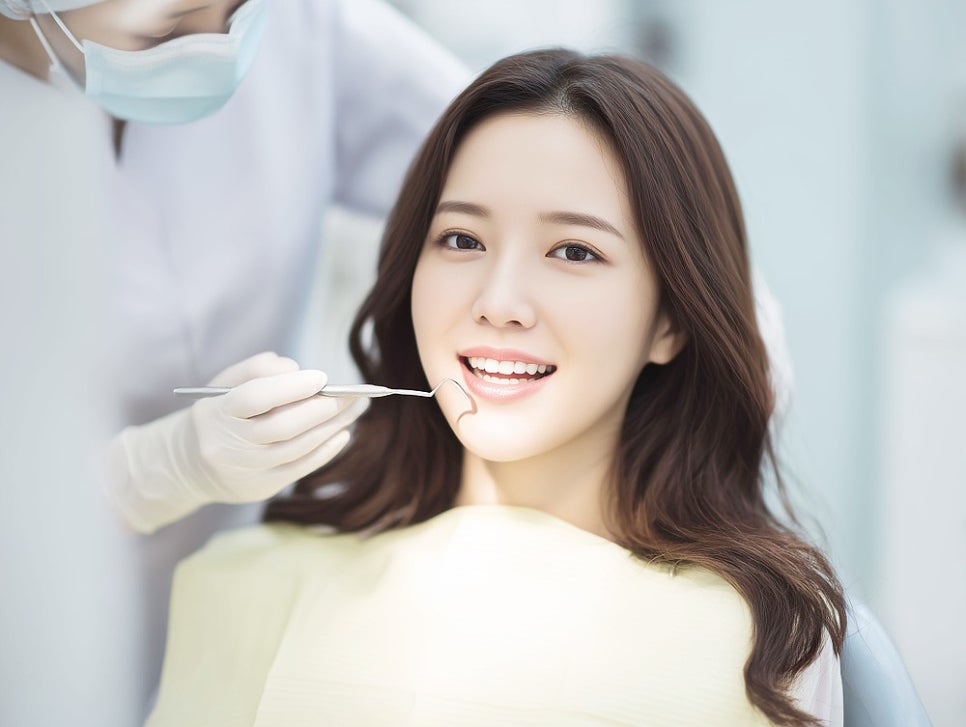
Dental health is not just about chewing food; it is an important factor that affects confidence and quality of life.
If you are worried about a tooth problem at a young age, do not worry alone—please get an accurate examination and consultation. The appropriate method may differ depending on each person’s oral condition, and whichever method is chosen, regular care and checkups are important.
As a clinician from Seoul National University, and from the standpoint of someone who has experienced a wide range of cases, I would like to say this. Do not hesitate to regain your precious smile. Dental health is not just about chewing food; it is an important factor that affects confidence and quality of life.
If you are considering an implant in your 20s, please feel free to reach out anytime. We will do our best for your bright smile.



 Previous image
Next image
Previous image
Next image
▼ Etoile de Seoul Dental Clinic YouTube ▼













 Previous image
Next image
Previous image
Next image









Previous image
Next image