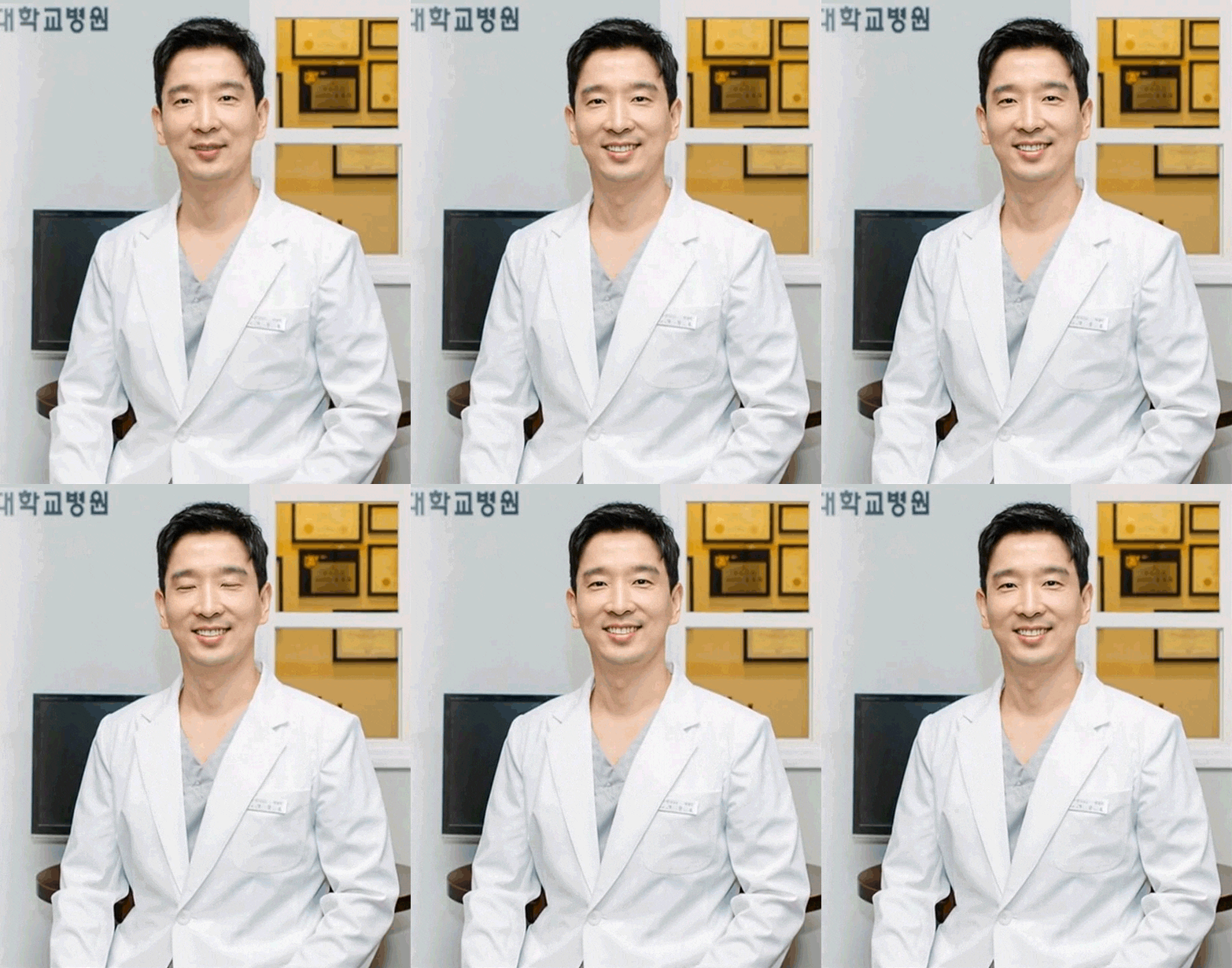
Head Dentist Lee Jang-wook
Meals that felt uncomfortable,
we will make them comfortable.
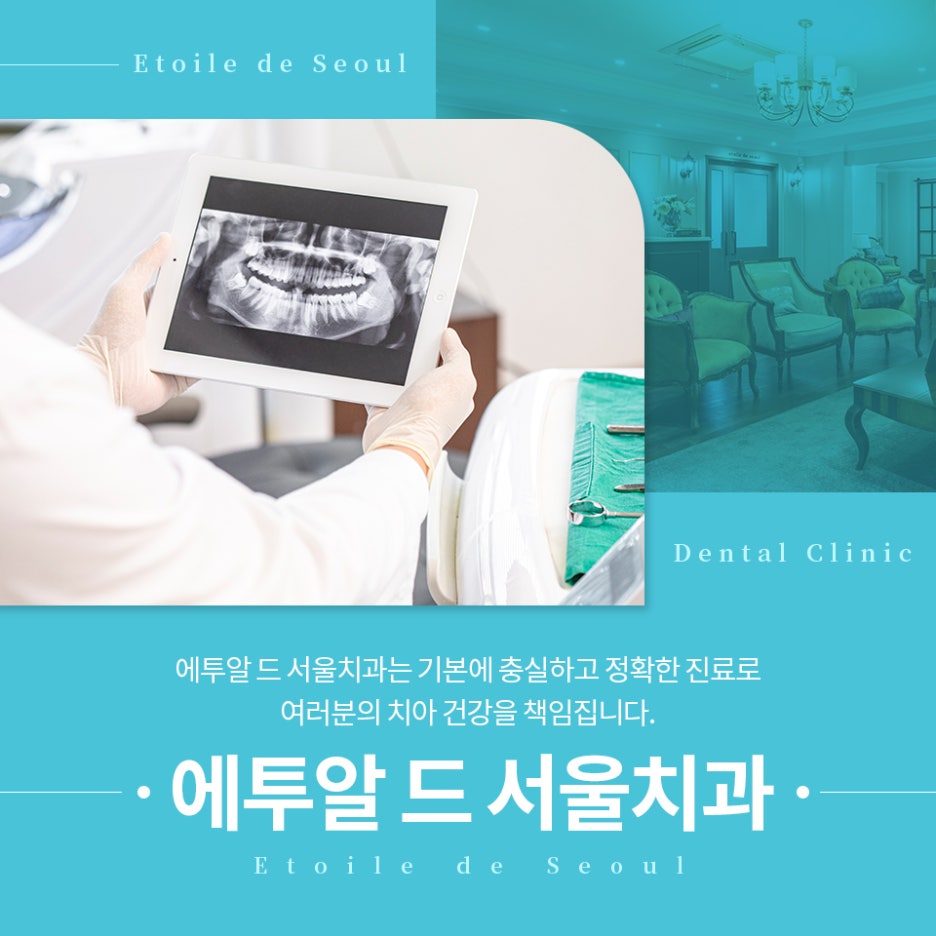
This is Etoile Seoul Dental Clinic.
Dental health is directly tied to the quality of daily life. Many people consider implant treatment but hesitate because of cost concerns. However, not many people know the criteria for the age at which implant insurance coverage applies.
To plan treatment timing and costs wisely, let’s take a step-by-step look at the conditions for national health insurance benefits and the things to check before treatment.
Changes in the mouth
after losing teeth
People who have worn dentures for a long time often feel discomfort at mealtimes. It can be difficult to eat the foods they like as much as they want, and they may also feel self-conscious when talking with others. If the area where a tooth was lost is left untreated for a long time, the jawbone can gradually shrink, and the structure that contacts adjacent teeth can also be affected.
Oral health is connected to digestion, nutrient absorption, and even overall health, so it is important not to miss the right time for treatment.
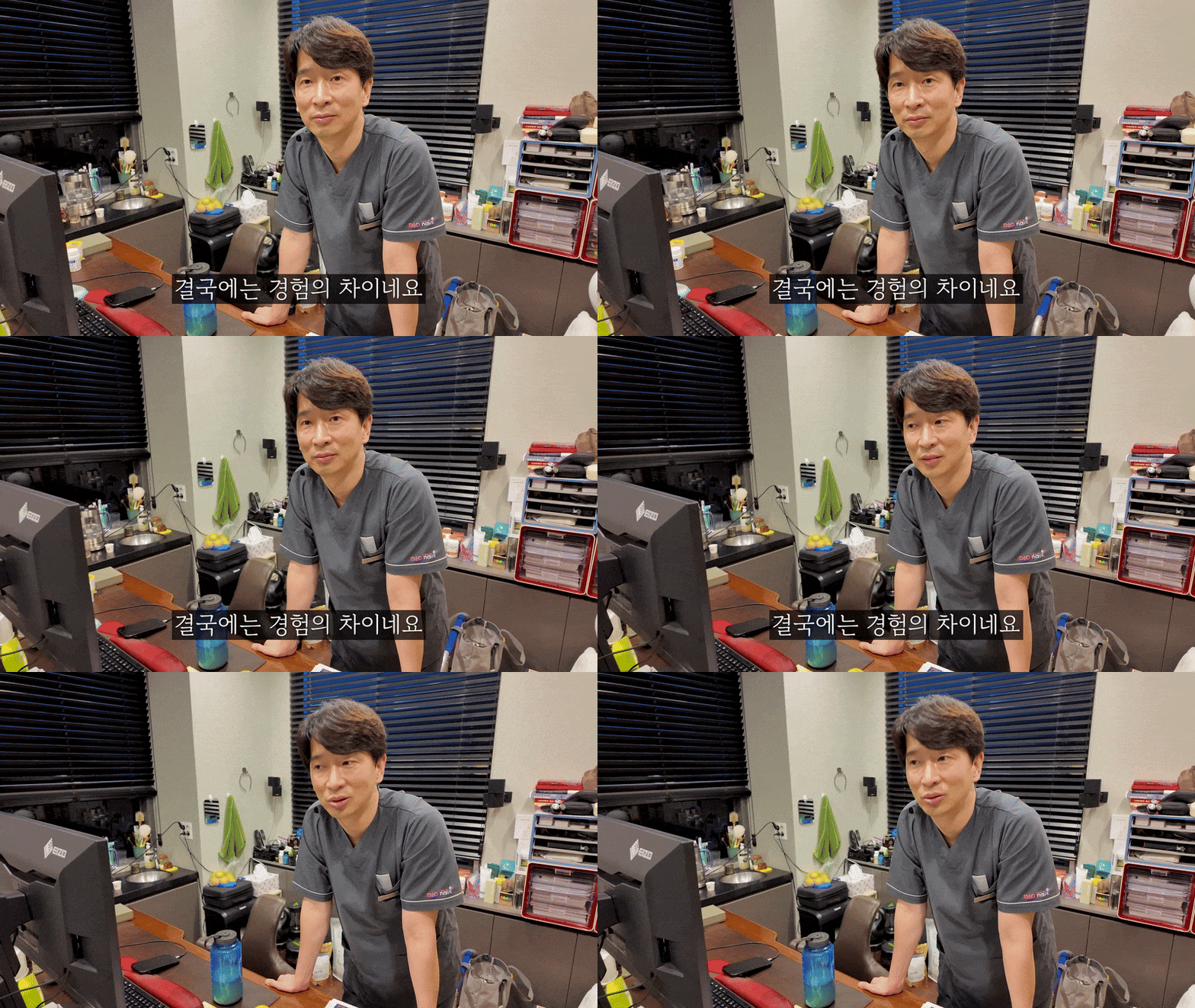 Insurance benefits that vary by age
Under Korea’s national health insurance system, once you turn 65, you become eligible for implant insurance coverage and can receive health insurance benefits for up to two implants in your lifetime.
Because the out-of-pocket rate is reduced to 30%, the cost burden is often lower compared with non-covered treatment.
There is a significant difference between knowing this standard in advance and planning treatment timing accordingly versus overlooking it. It is often regrettable to see people delay treatment even after they have already passed the eligible age.
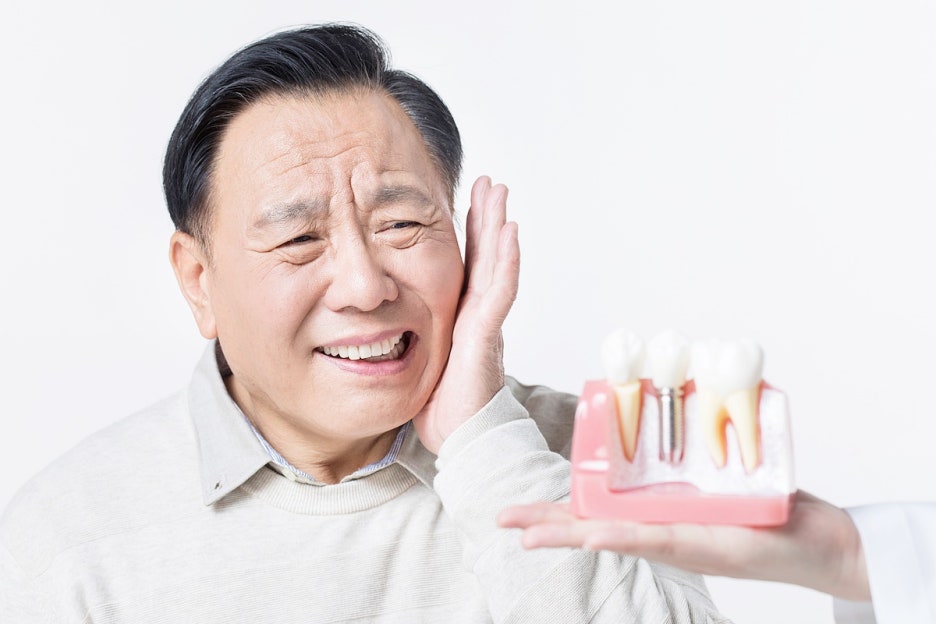
Conditions you must check before receiving benefits
Even if you are 65 or older, which is the age for implant insurance coverage, there are a few things to confirm first. The area must be a completely missing tooth site, and if you have already received a covered implant before, it is best to first check how many remaining uses you have. If you have underlying conditions such as diabetes or high blood pressure, whether those conditions are well controlled, and the amount and quality of the jawbone should be carefully examined through 3D CT imaging. This becomes the starting point for establishing a treatment plan.
It is advisable to make the treatment decision only after sufficient consultation and detailed examination.
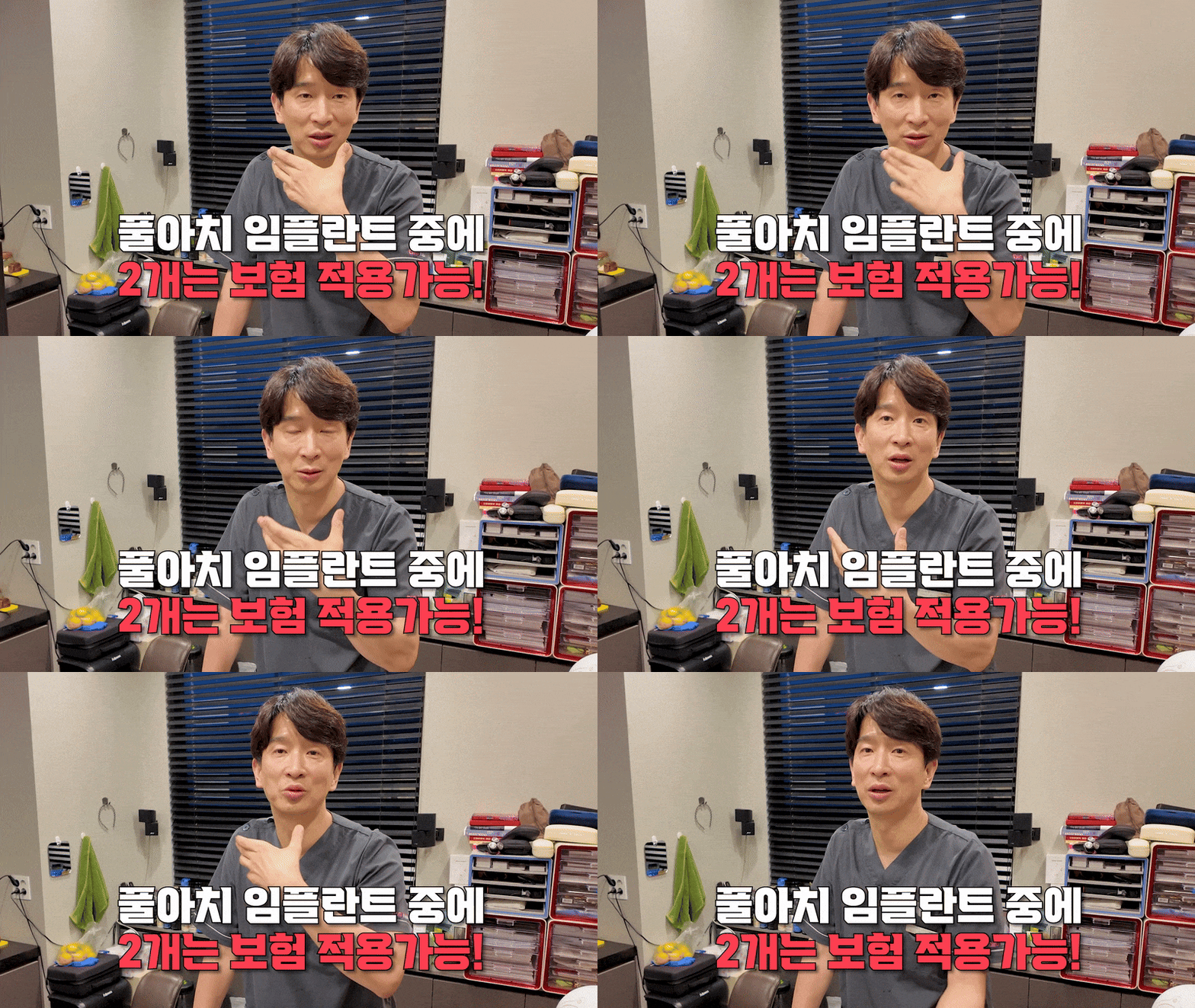
There are options even when the jawbone has diminished
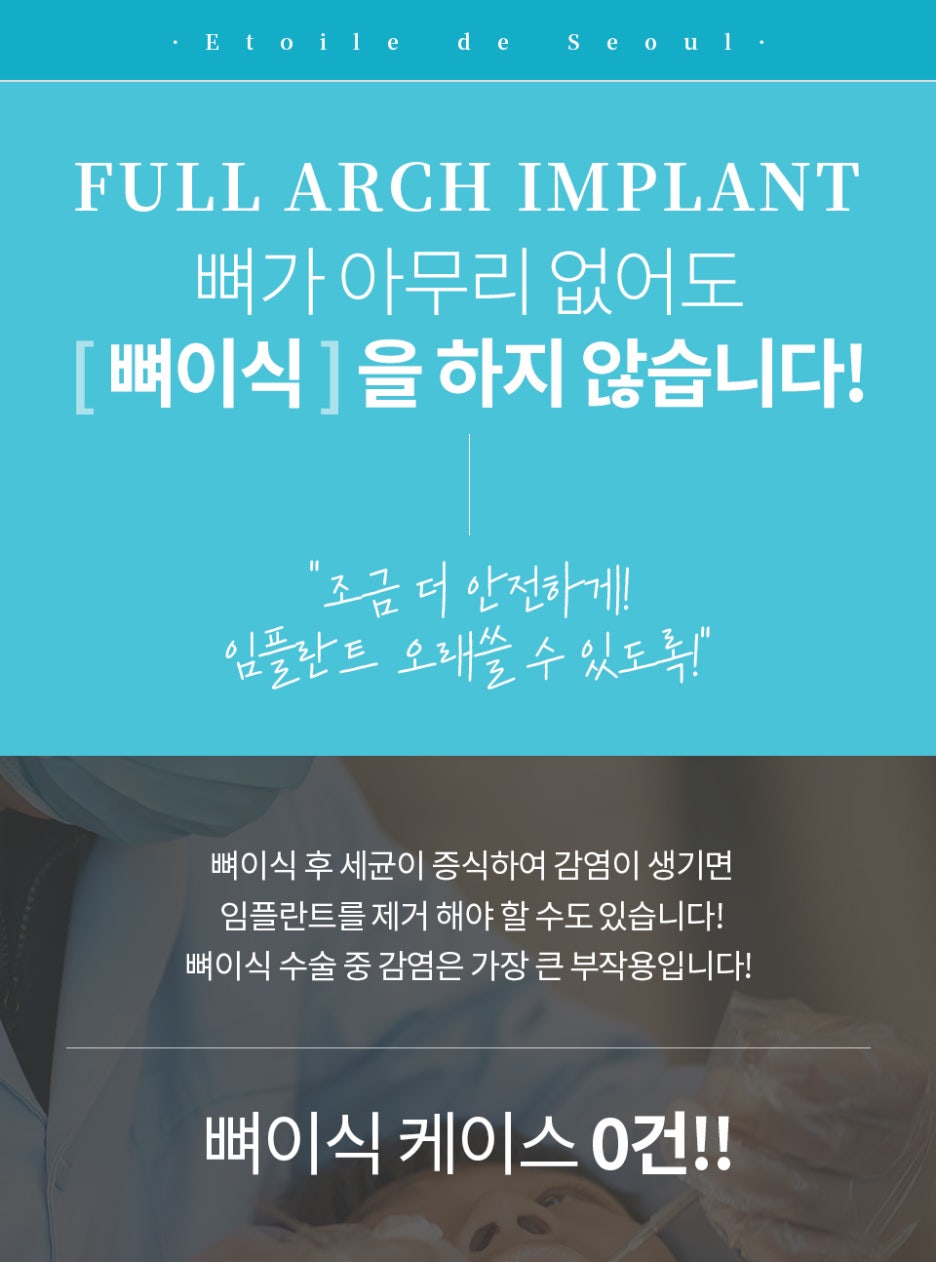
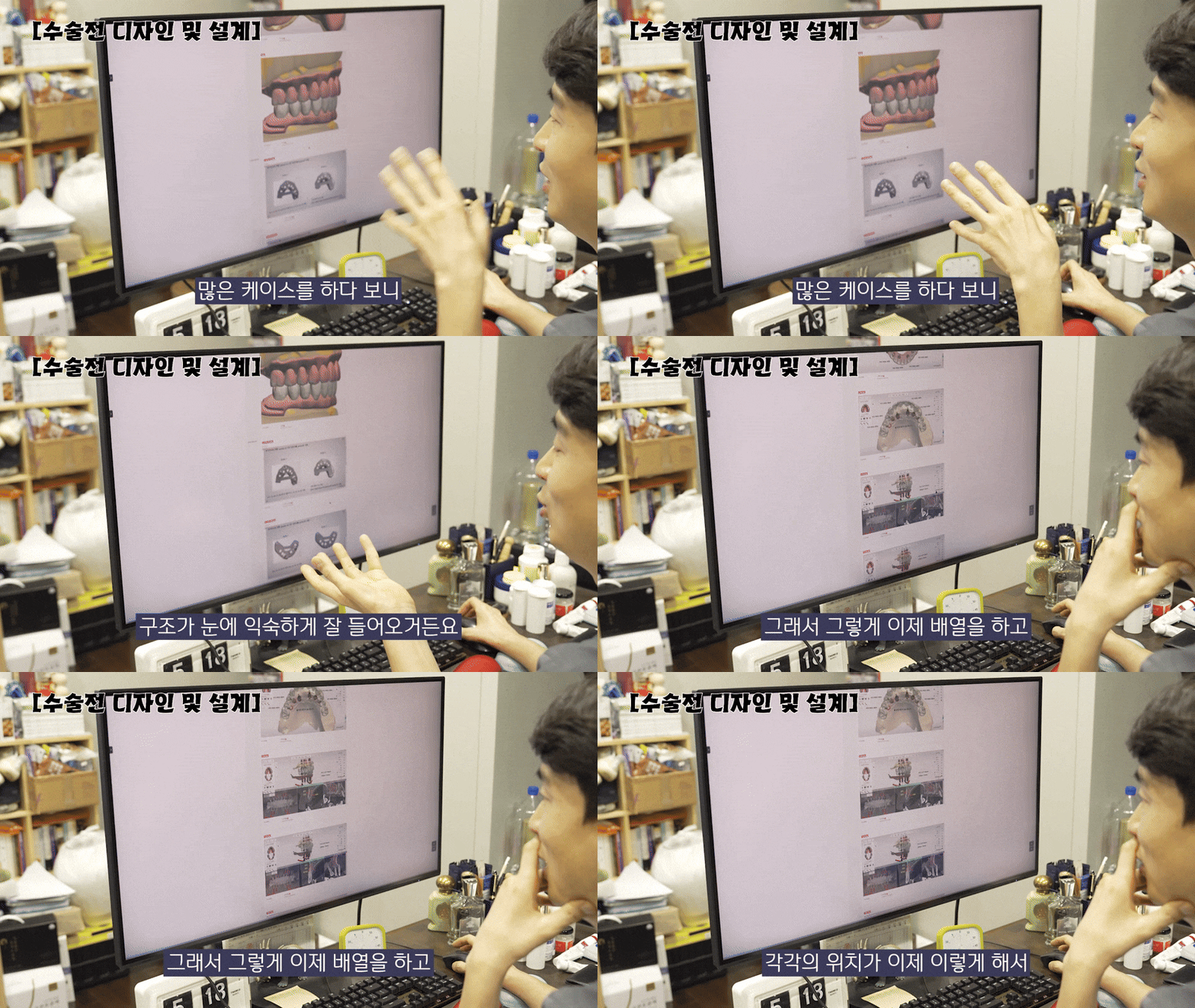
Among people who are at or above the age for implant insurance coverage, there are cases where the jawbone has significantly reduced due to long-term denture use. Some may have heard that implants are impossible if there is not enough bone, but in reality, even if jawbone is insufficient, there are cases in which treatment can proceed without bone grafting through precise diagnosis using a 3D navigation system.
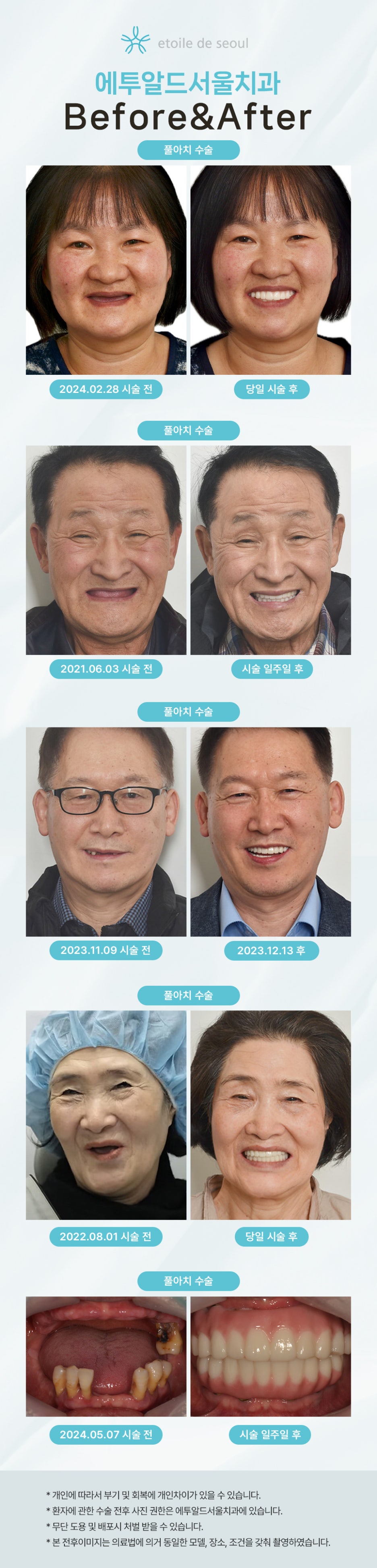
The No-Bone Arch method is a way to restore an entire arch using only 4 to 6 implants, and it creates a natural gum line and tooth color using pink porcelain and zirconia materials. However, the same method is not applied to everyone; the direction is determined only after fully reviewing each person’s oral condition and overall health.
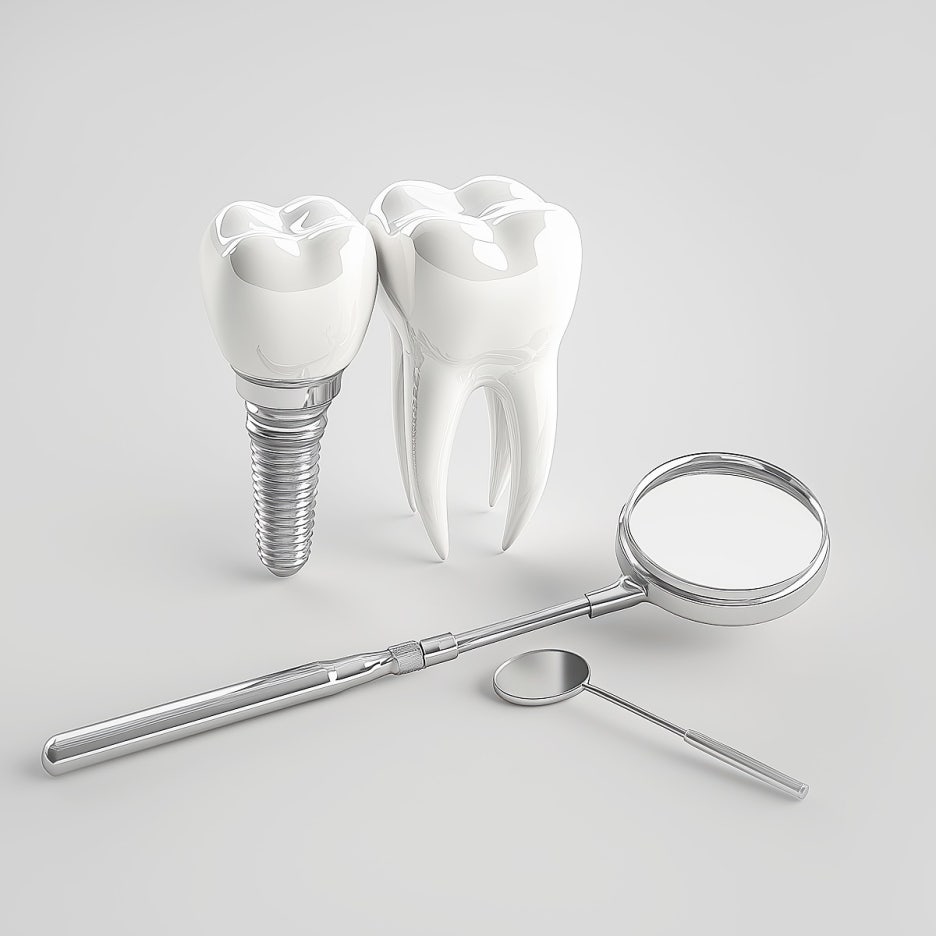
Proper care after treatment leads to long-term health
Post-treatment care has as much impact on long-term use as the treatment itself. Just as with natural teeth, brushing properly every day and keeping the area clean with floss or interdental brushes is essential. It is also good to have regular checkups every six months to monitor the condition and the health of the surrounding gums, and to avoid hard or chewy foods while wearing a temporary prosthesis.
Smoking can affect the tissues around implants, so it is recommended to avoid it. Consistent care habits are the most important factor in preserving the lifespan of an implant.
 Knowing in advance is the start of a wise choice
The standard for implant insurance coverage age definitely exists, and knowing it in advance allows you to plan treatment timing and costs with much more flexibility.
Oral health is connected to overall health, and being able to chew well is tied to digestion, nutrient absorption, and ultimately the quality of daily life. Time spent knowing the facts is far more valuable than time spent hesitating.
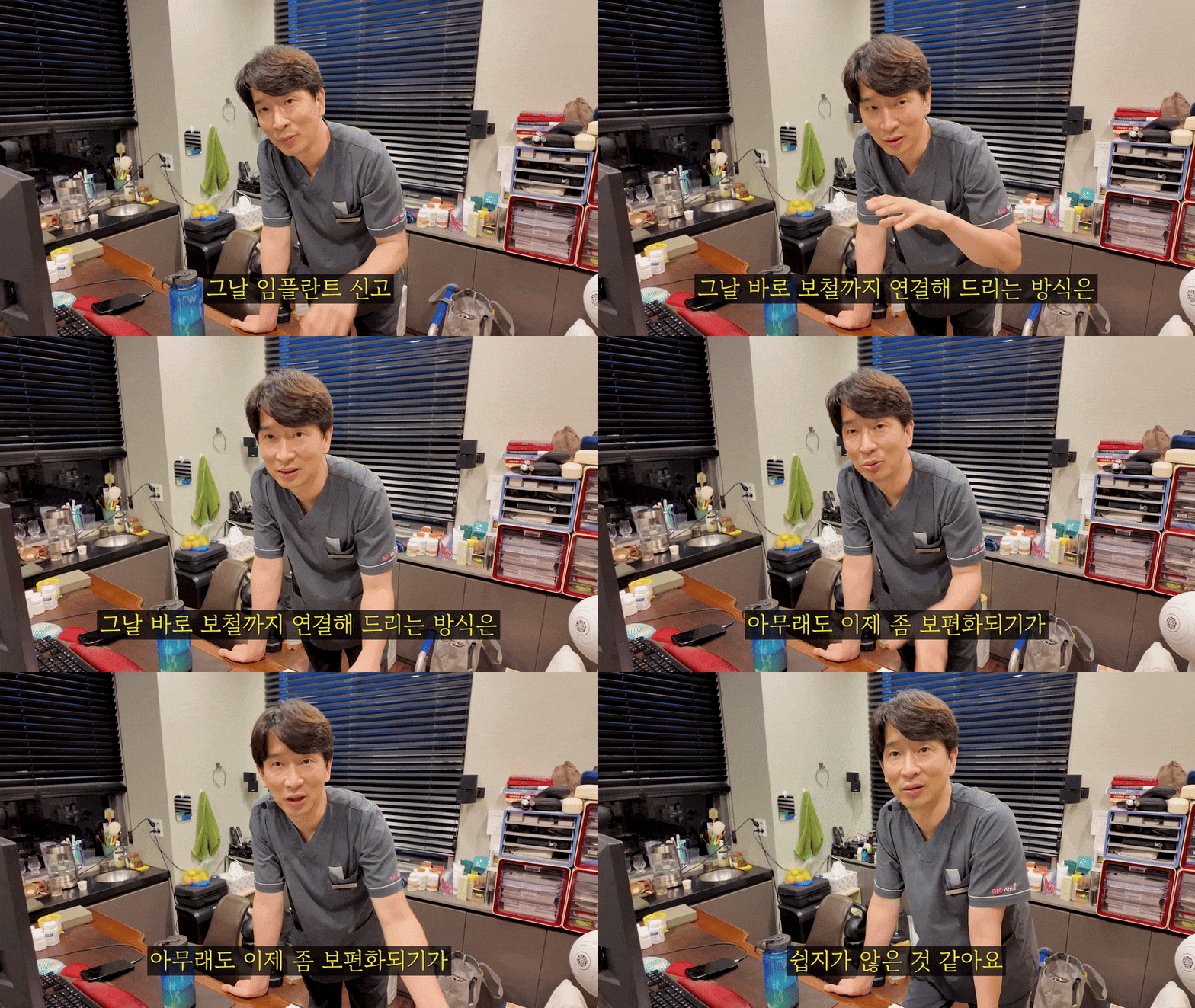
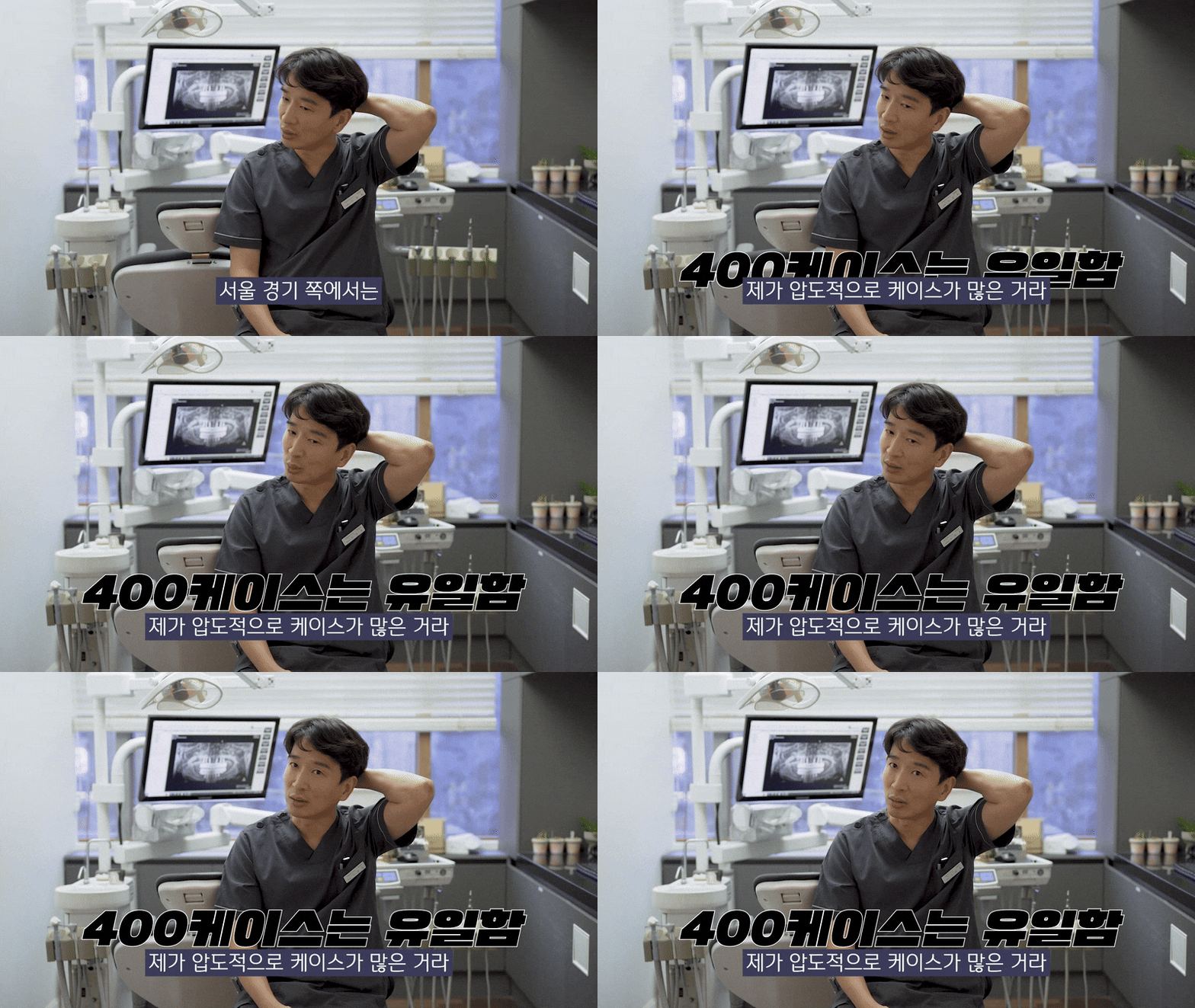
That is something Director Lee Jang-wook, with 20 years of clinical experience, always says. We always support your dental health.

Previous image
Next image
▼ Etoile Seoul Dental Clinic YouTube ▼