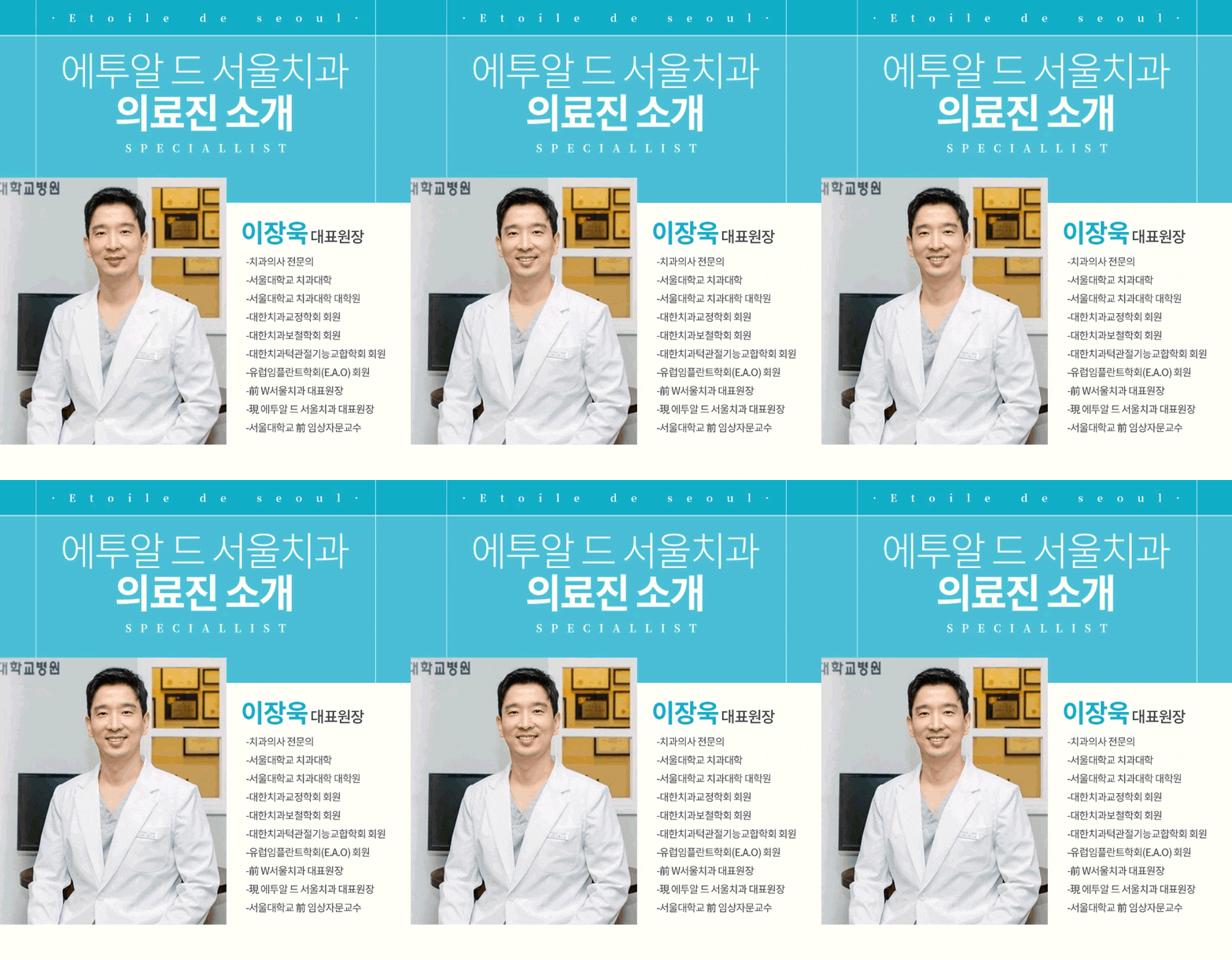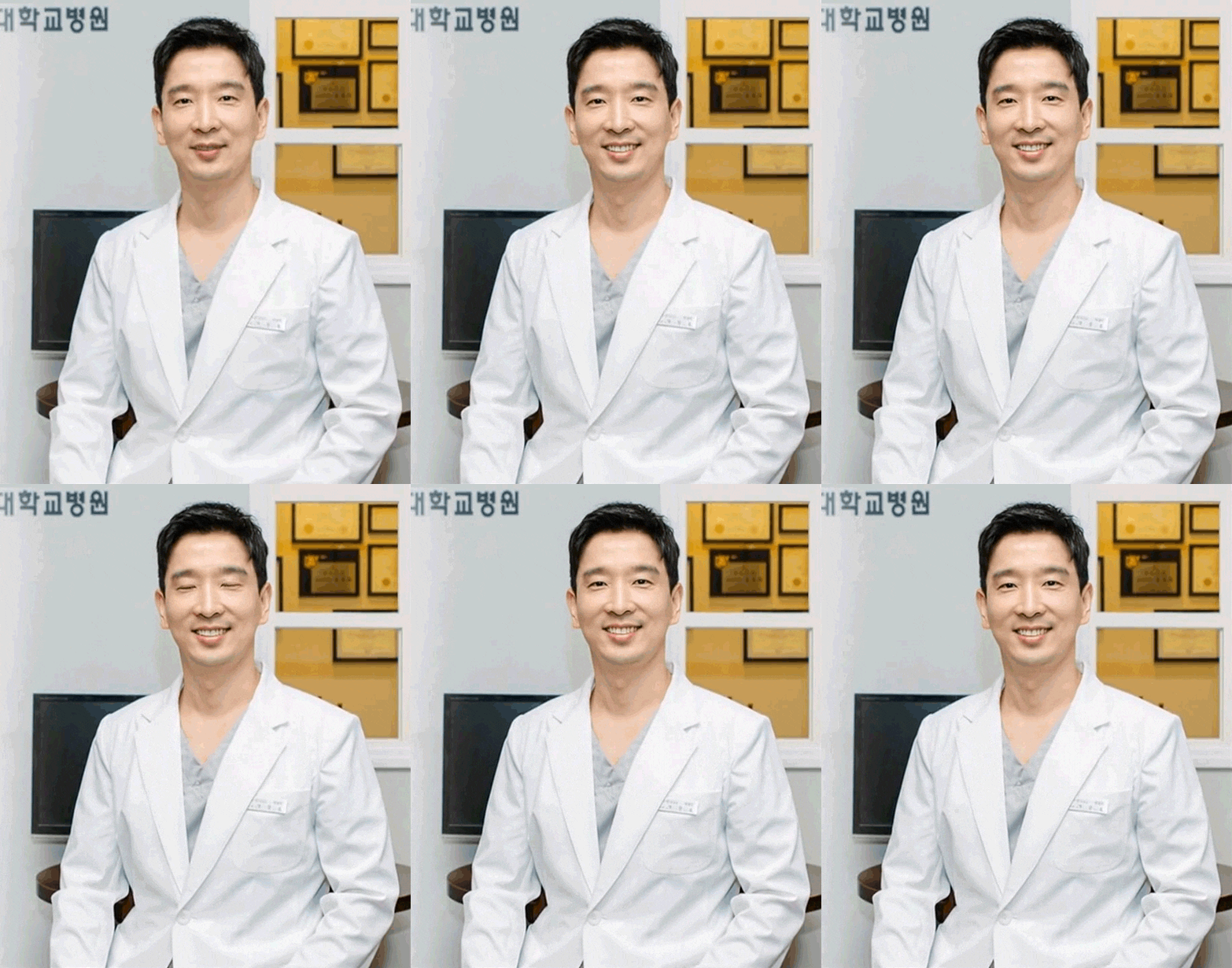
Lee Jang-wook, Chief Director
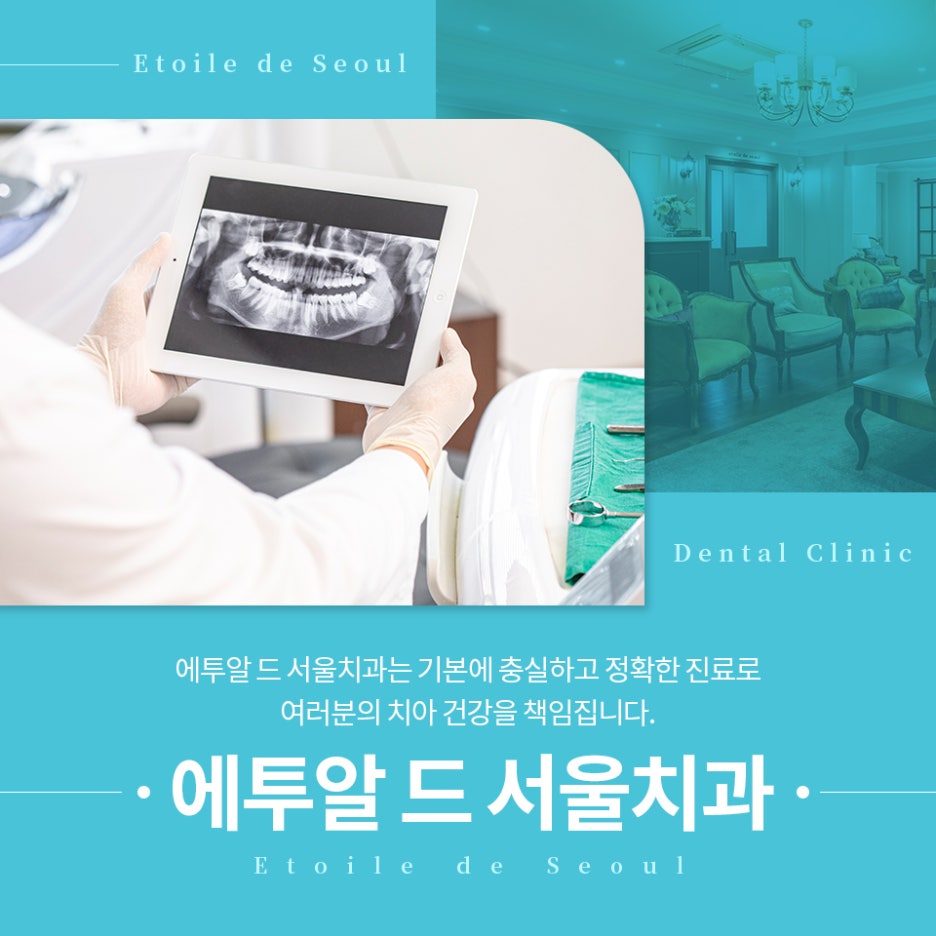
Atoile de Seoul Dental Clinic is a clinic that always keeps oral health in mind during treatment.
If you are reading this article, you may have been putting up with the discomfort of dentures for a long time, or perhaps your gum condition has worsened to the point where even one meal feels like a chore.
You may also be someone who searched online for full-arch implant reviews and became even more confused because there was too much information. Some of you may feel both hopeful and worried, making it hard to decide.
Through this article, I will calmly explain what full-arch implant treatment is, what the process involves, and how to care for it after treatment. I hope you can make a choice that suits you based on enough information.
Is this choice really right for me?
I still remember what the patient who first opened the door said.
When you search for full-arch implant reviews, you may find posts describing positive experiences and others expressing concern, making it difficult to judge which choice is right. Among patients who have used dentures for a long time, many have felt discomfort during meals with their families.
People who could not chew properly for fear that their dentures would wobble, or who could not comfortably eat even their favorite foods in front of them during holidays, often come to the clinic to consider this treatment. Most first-time visitors come with the same question.
"Is this really a possible option for me too?"
Feeling unsure about where to begin is a natural reaction.
That concern is where the journey of looking into this treatment begins.
It is important to know what implants are before starting properly
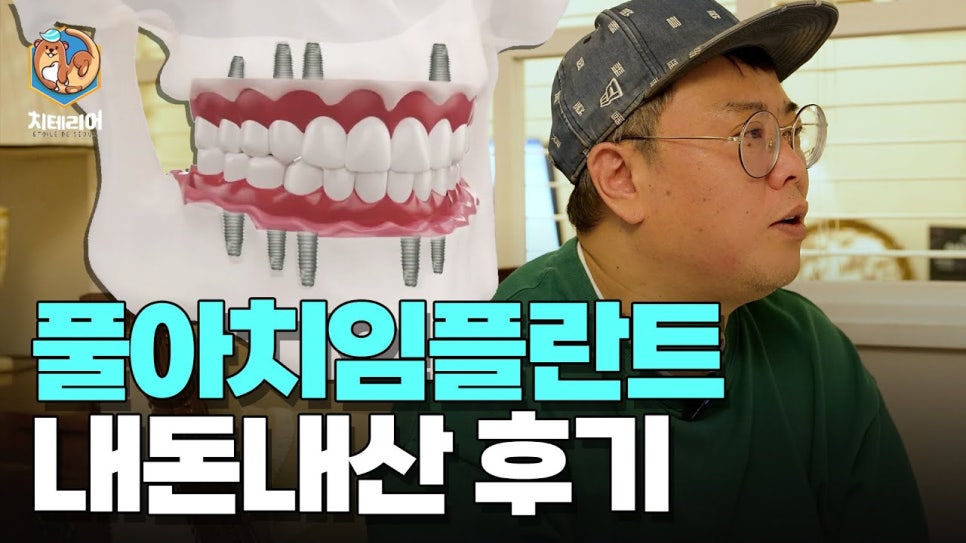
An implant is a treatment that restores function by placing a titanium artificial root into the jawbone where a tooth has been lost and then attaching a prosthesis on top.
You can think of it as planting an artificial root on the foundation of the jawbone, like planting a tree in a flowerpot, and then building a new tooth above it.
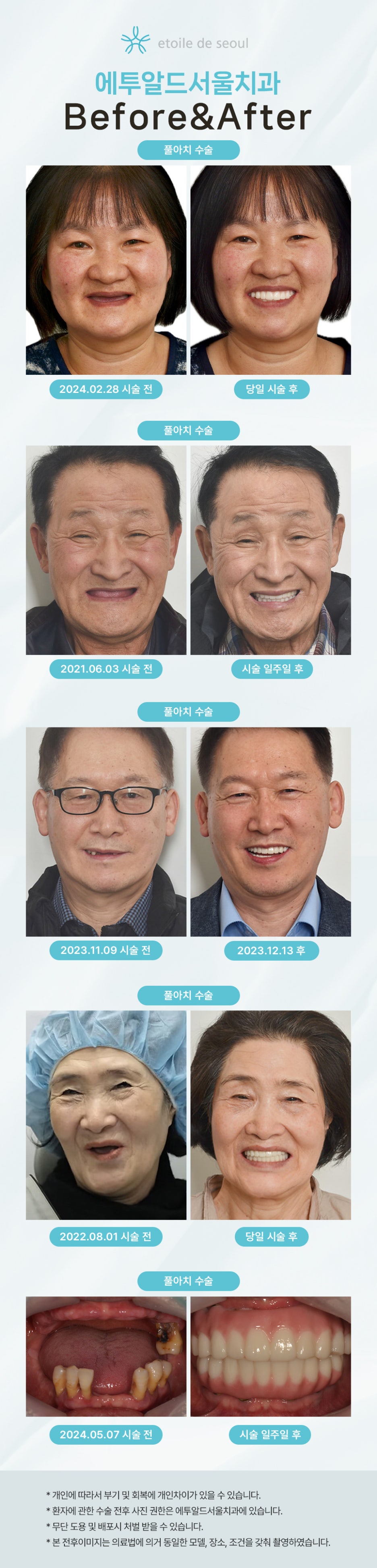
In particular, full-arch implants are a method of restoring an entire upper or lower jaw with only 4 to 6 implants. This is different from standard implants, which place an implant for each tooth. It is a suitable option for people who have worn dentures for a long time or have become fully edentulous, and it is a treatment method intended to improve chewing function without moving around in the mouth like dentures.
Even if long-term denture use has caused changes in the jawbone, the treatment direction can vary depending on the condition of the remaining bone.
How is the NoBone Arch treatment performed?
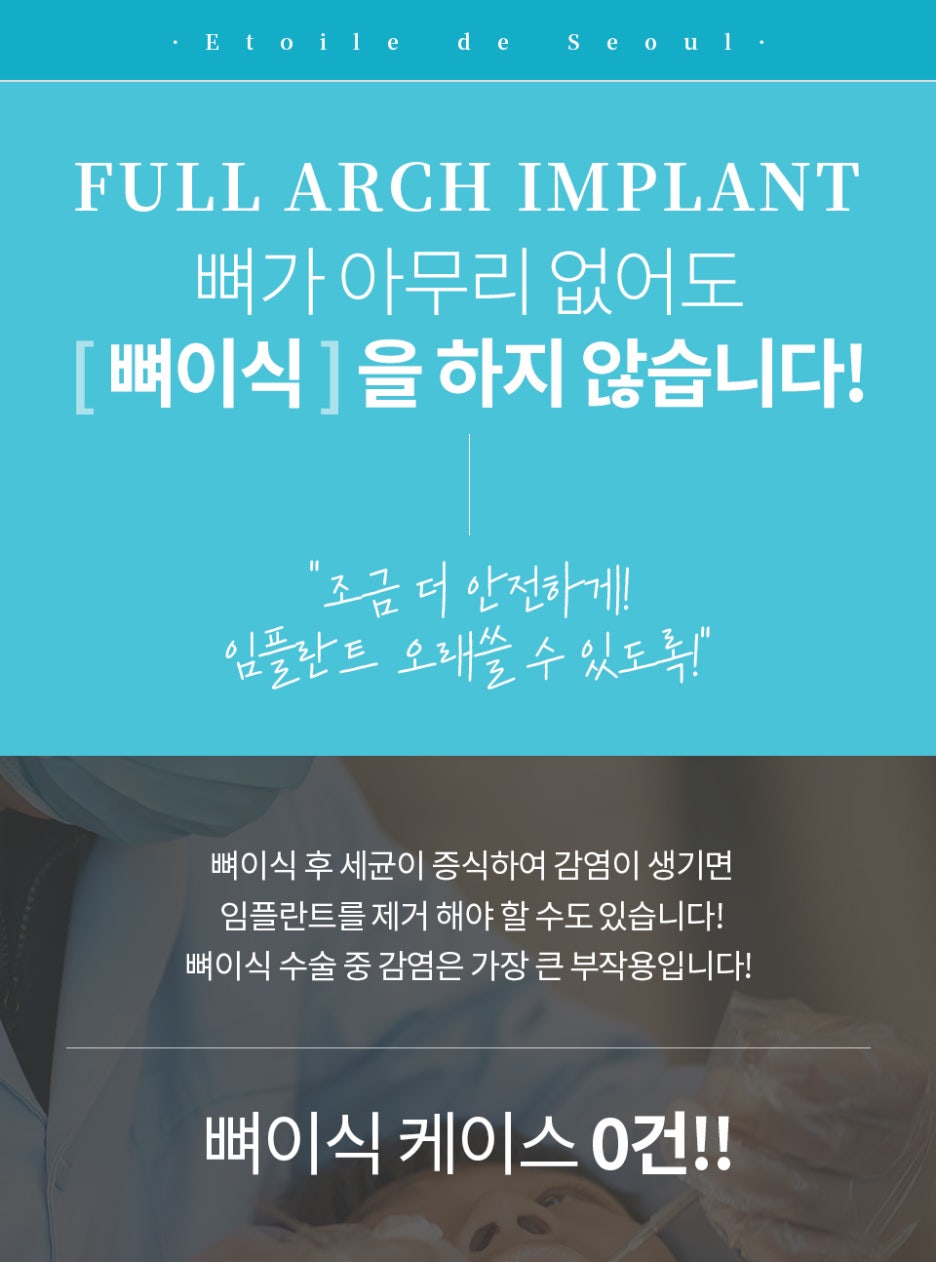
At Atoile de Seoul Dental Clinic, the full-arch implant treatment called "NoBone Arch" consists of a total of four stages.
Let’s look at this process step by step, as it is often mentioned in full-arch implant reviews.
The first stage is the precise diagnosis stage.
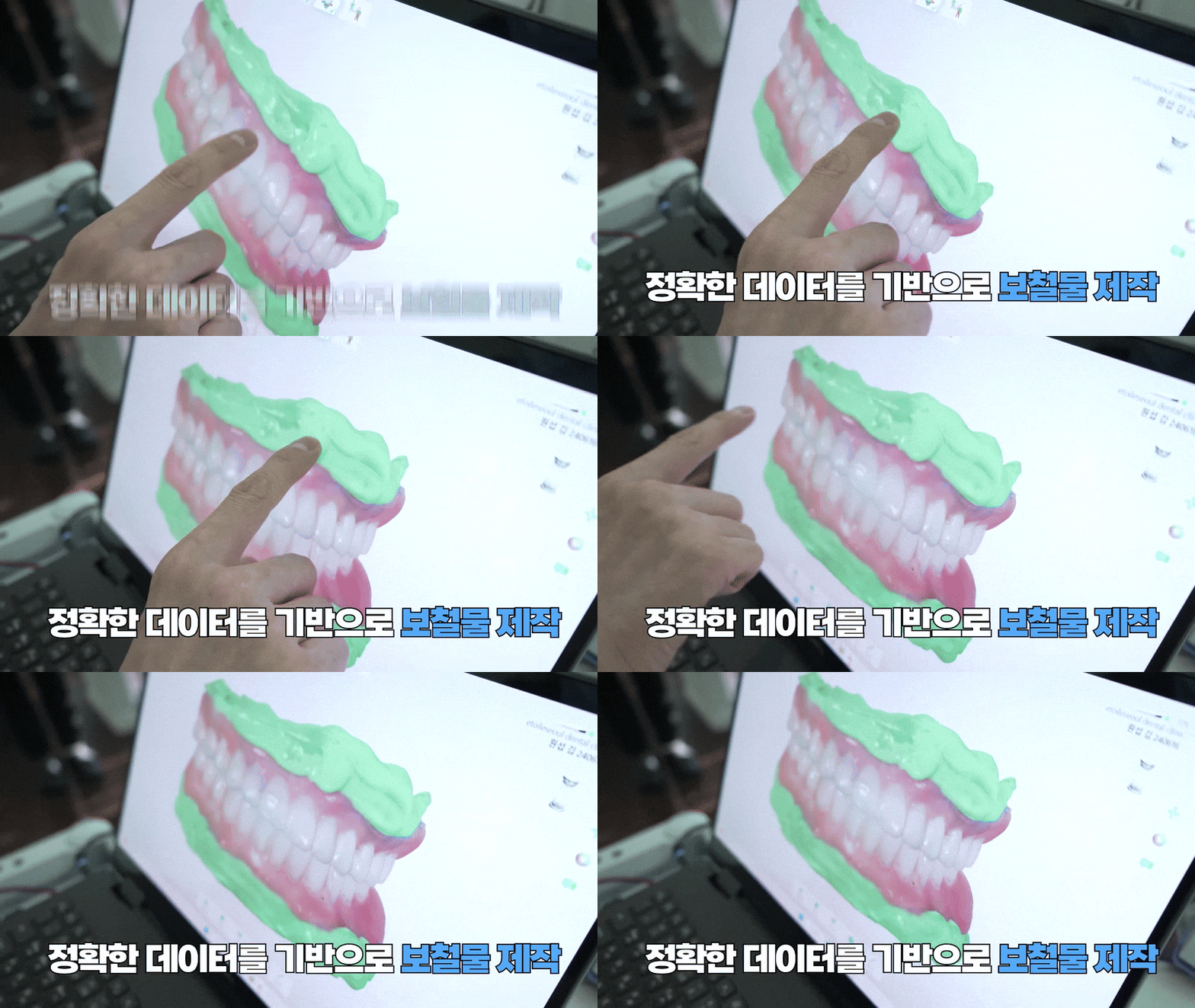
Through 3D CT imaging and an oral scanner, we carefully assess the thickness and density of the patient’s jawbone, as well as the location of nerves. Because each person’s oral structure is different, this diagnostic process determines the direction of treatment.
The second stage is the computer-based mock surgery stage.
Using a 3D navigation system, including Dio Navi Guide, we pre-plan the implant placement position and angle. In cases where the jawbone is insufficient, treatment may be possible without bone grafting, and the basis for a flapless approach is established at this stage.
The third stage is implant placement and temporary prosthesis attachment.
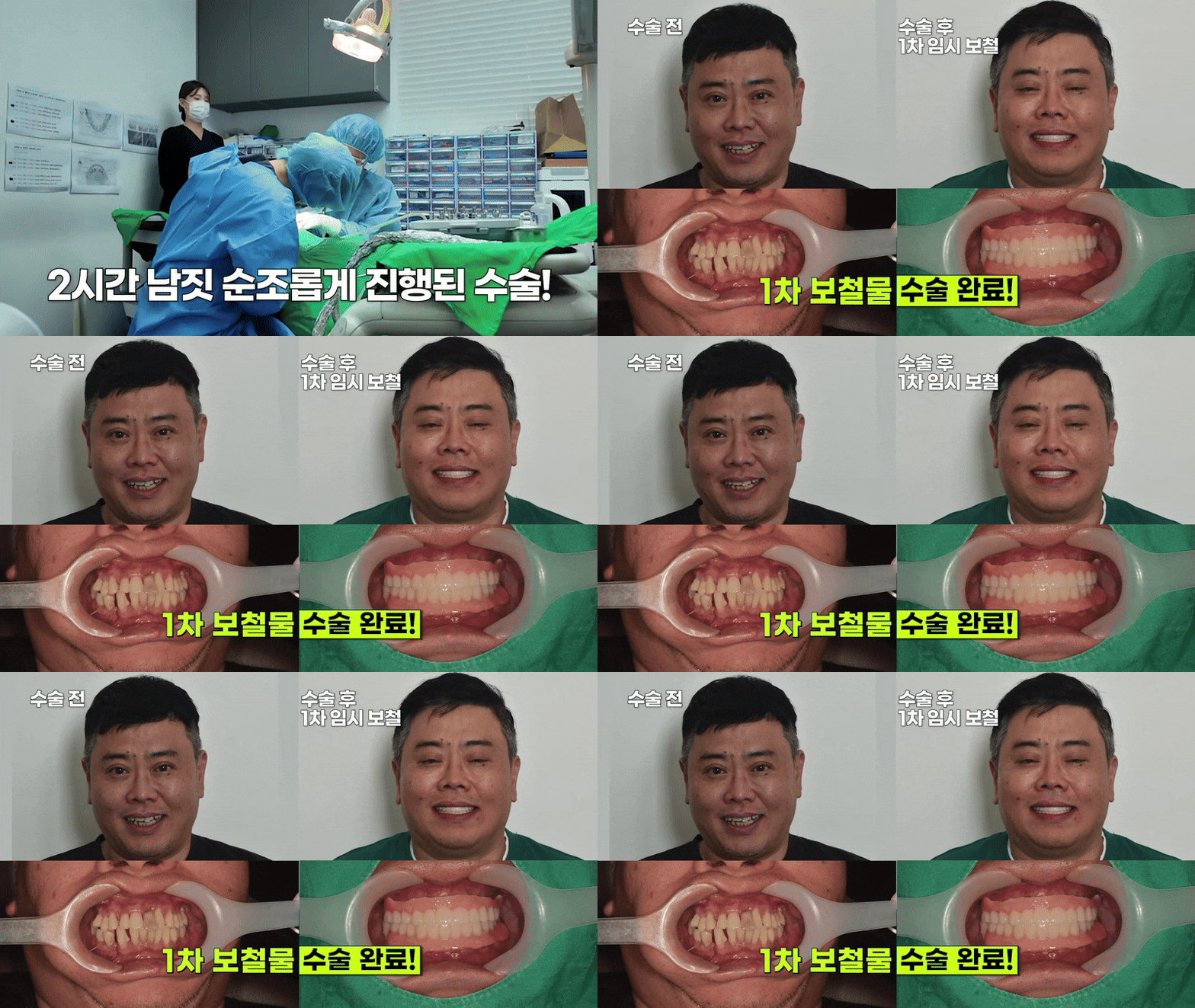
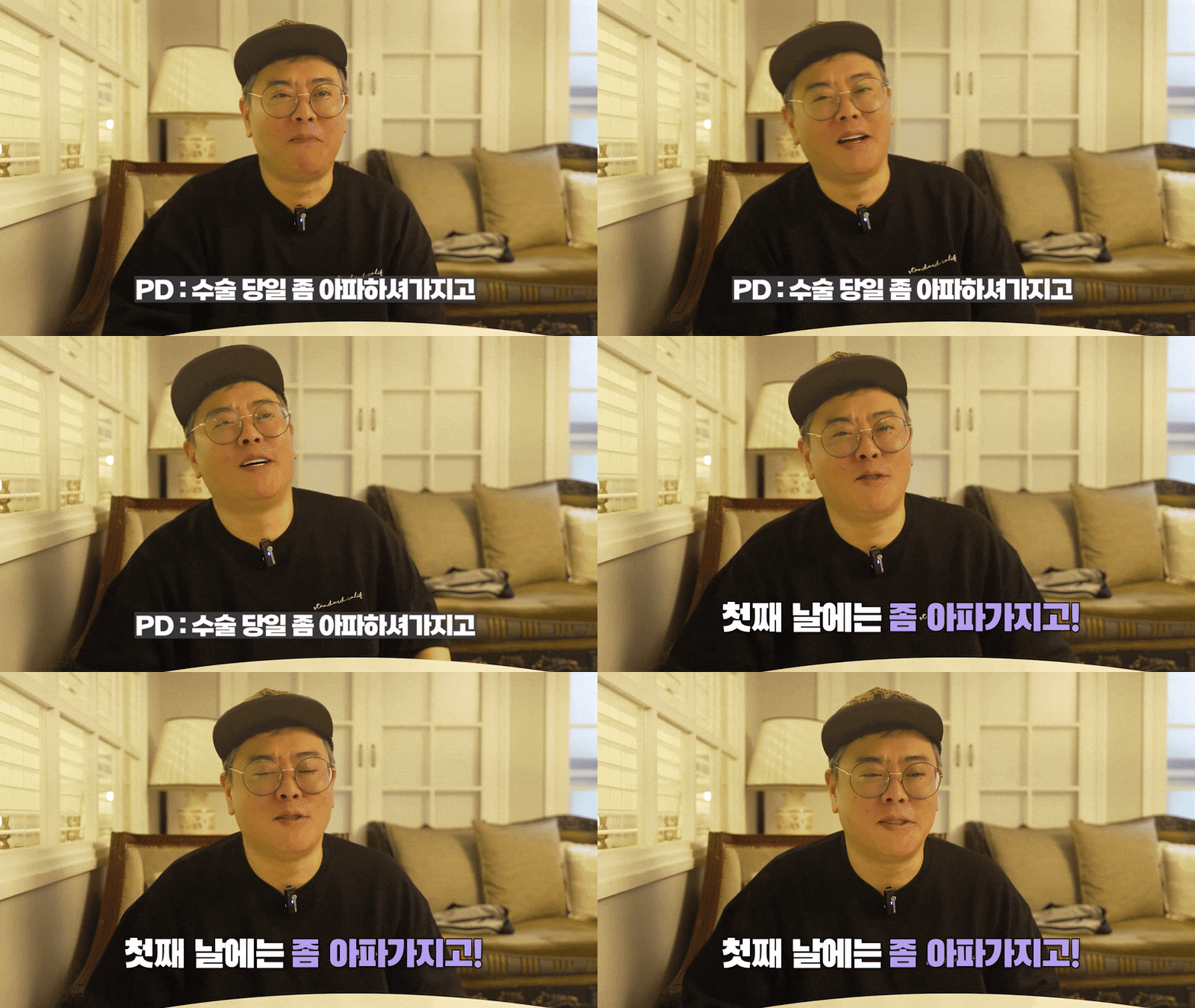
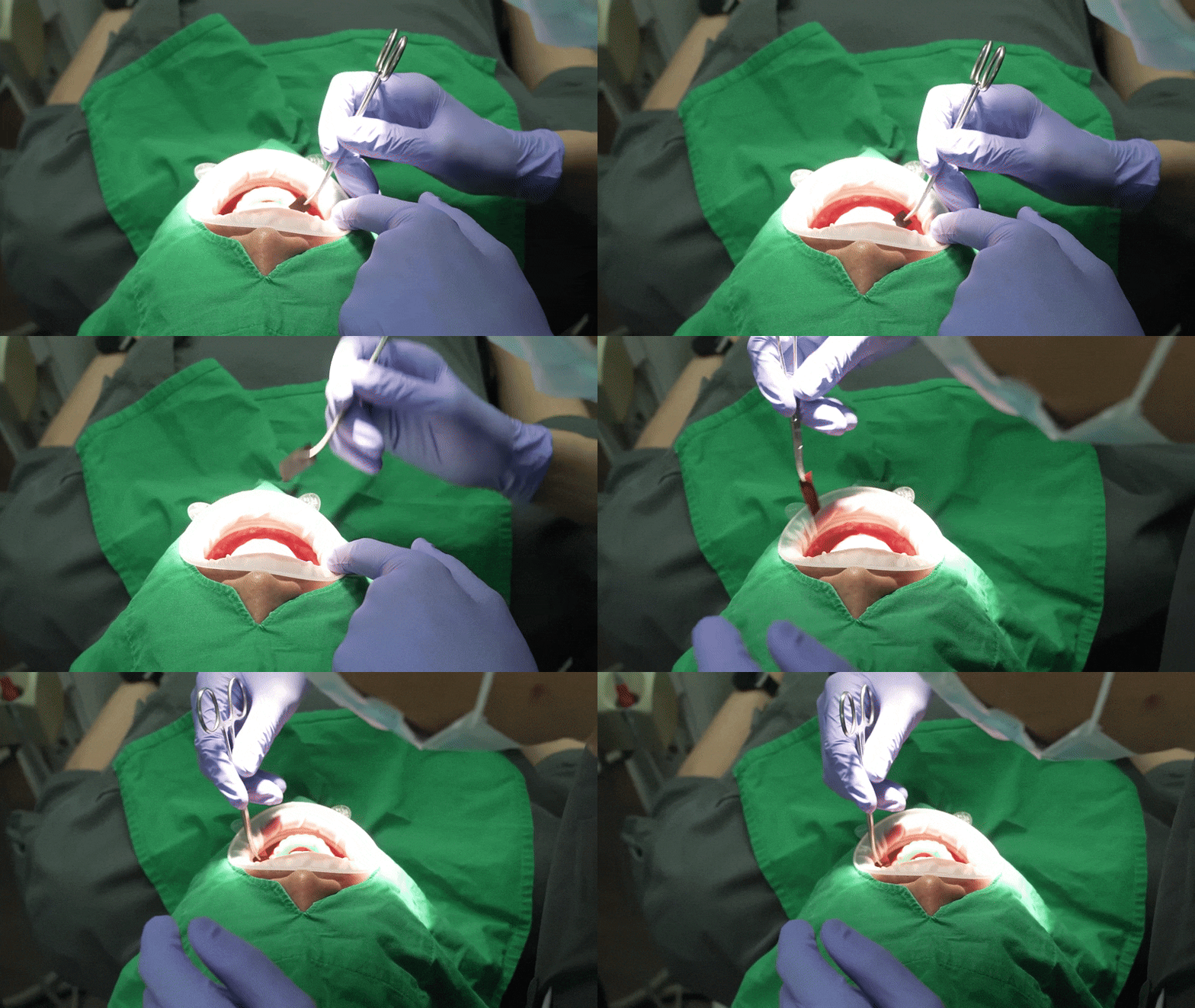
On the day of surgery, the implants are placed and a temporary prosthesis is attached the same day, reducing the inconvenience of having to go without teeth.
The fourth stage is final prosthesis attachment.
After the gums have stabilized, the gum line is recreated with pink porcelain, and the restoration is completed in a natural tooth shape made of zirconia.
Please be sure to remember this about post-treatment care
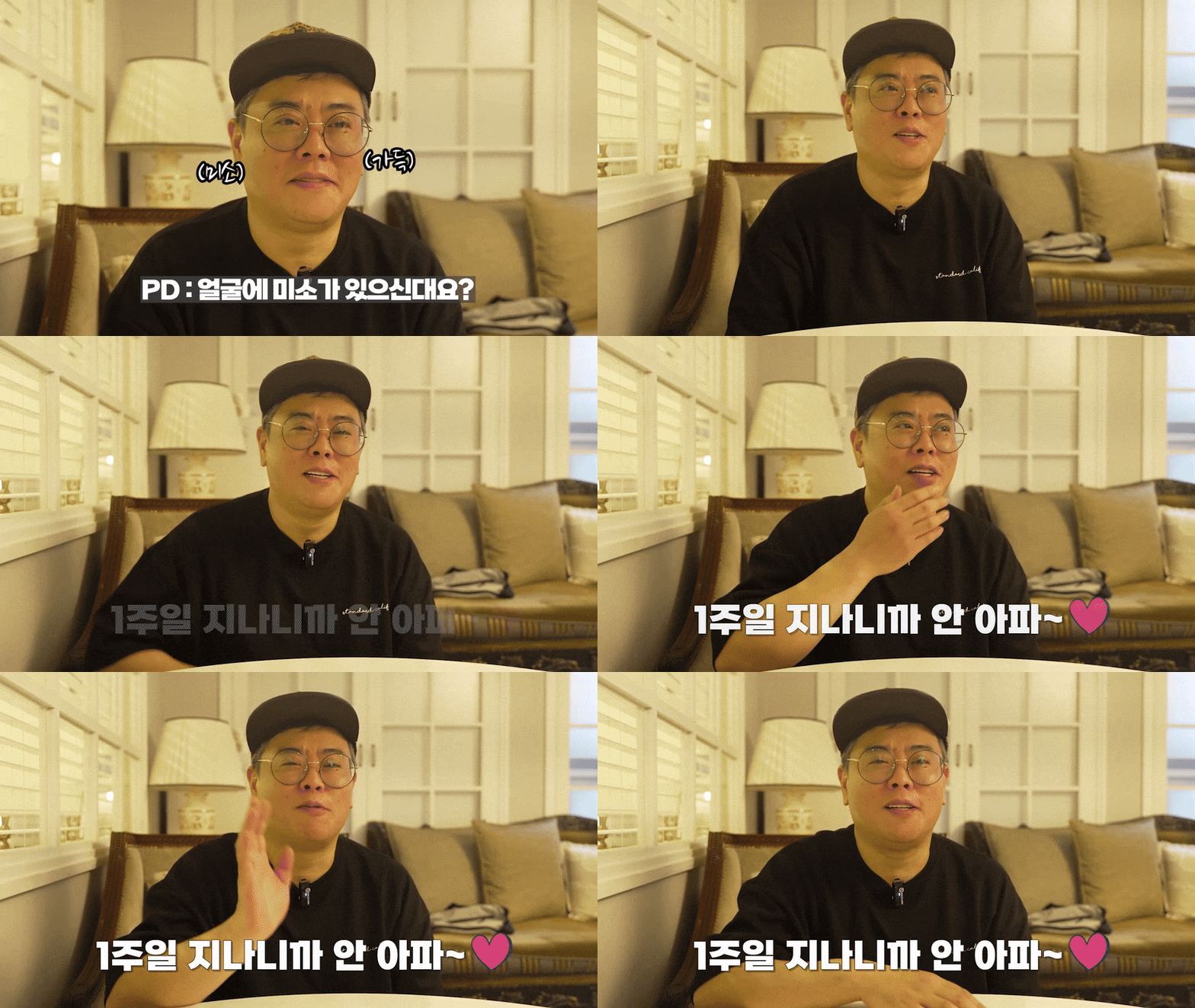
When reading full-arch implant reviews, post-treatment care is also discussed often. Since implants are not natural teeth, cavities do not develop. However, bacteria can accumulate in the surrounding gums and tissues, so if care is neglected, it can lead to peri-implantitis.
This directly affects the lifespan of the implant.
First, you should consistently practice proper brushing, as well as use interdental brushes and dental floss every day. You need the habit of carefully cleaning so that food debris does not remain between the prosthetic components. Second, during the period of using the temporary prosthesis, it is better to avoid hard or chewy foods. Even in the early period after the final prosthesis is attached, it is appropriate to refrain from excessive chewing. Third, it is helpful to receive regular checkups and scaling every six months. Post-treatment care influences the long-term condition of the implant just as much as the treatment result does.

What I told that patient
After the detailed examination is completed, a treatment plan is established based on the results. Even in cases where long-term denture use has caused significant bone resorption, 3D CT imaging and oral scanner analysis allow us to confirm the location and angle of the remaining bone. Using this, we determine whether the structure allows implant placement without bone grafting. Through 3D navigation mock surgery, the placement position is planned in advance, and a temporary prosthesis is attached on the day of surgery to shorten the period of living without teeth.
Since everyone’s oral condition is not the same, it is difficult to say that this approach applies to everyone in exactly the same way.
The treatment process can be designed differently depending on the oral condition, and it is clear that the direction of treatment becomes more definite when precise diagnosis comes first.
There is something you should check before looking at full-arch implant reviews
When considering full-arch implants, it is natural to refer to various reviews online.
However, reviews are only the experience of a specific individual, and bone condition, overall health conditions, and oral structure vary from person to person, so it is difficult to assume they apply the same way to your situation. Even if a person has diabetes or high blood pressure, treatment may be possible if the condition is properly controlled, but this too needs to be confirmed through a detailed consultation with the medical staff.
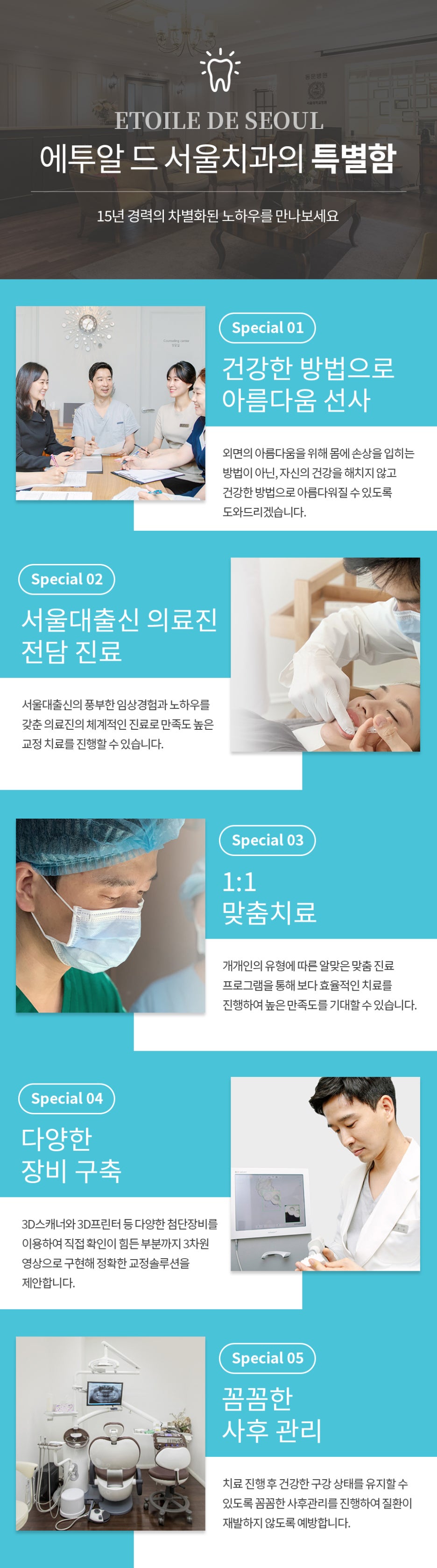
At Atoile de Seoul Dental Clinic, the chief director, a graduate of Seoul National University, personally performs all full-arch implant surgeries, and treatment plans tailored to each individual are established through various digital diagnostic devices such as CT, the TRIOS 3D scanner, and a 3D printer.
In addition, the clinic operates a treatment guarantee system that provides free care related to full-arch treatment within three years after treatment, so continuous care is provided even after the procedure. Full-arch implant reviews are meaningful as reference material, but they cannot replace an accurate diagnosis of your own oral condition.
An accurate diagnosis is the starting point for a good decision. We sincerely support your healthy and comfortable daily life.
Previous image
Next image
▼ Atoile de Seoul Dental Clinic YouTube ▼