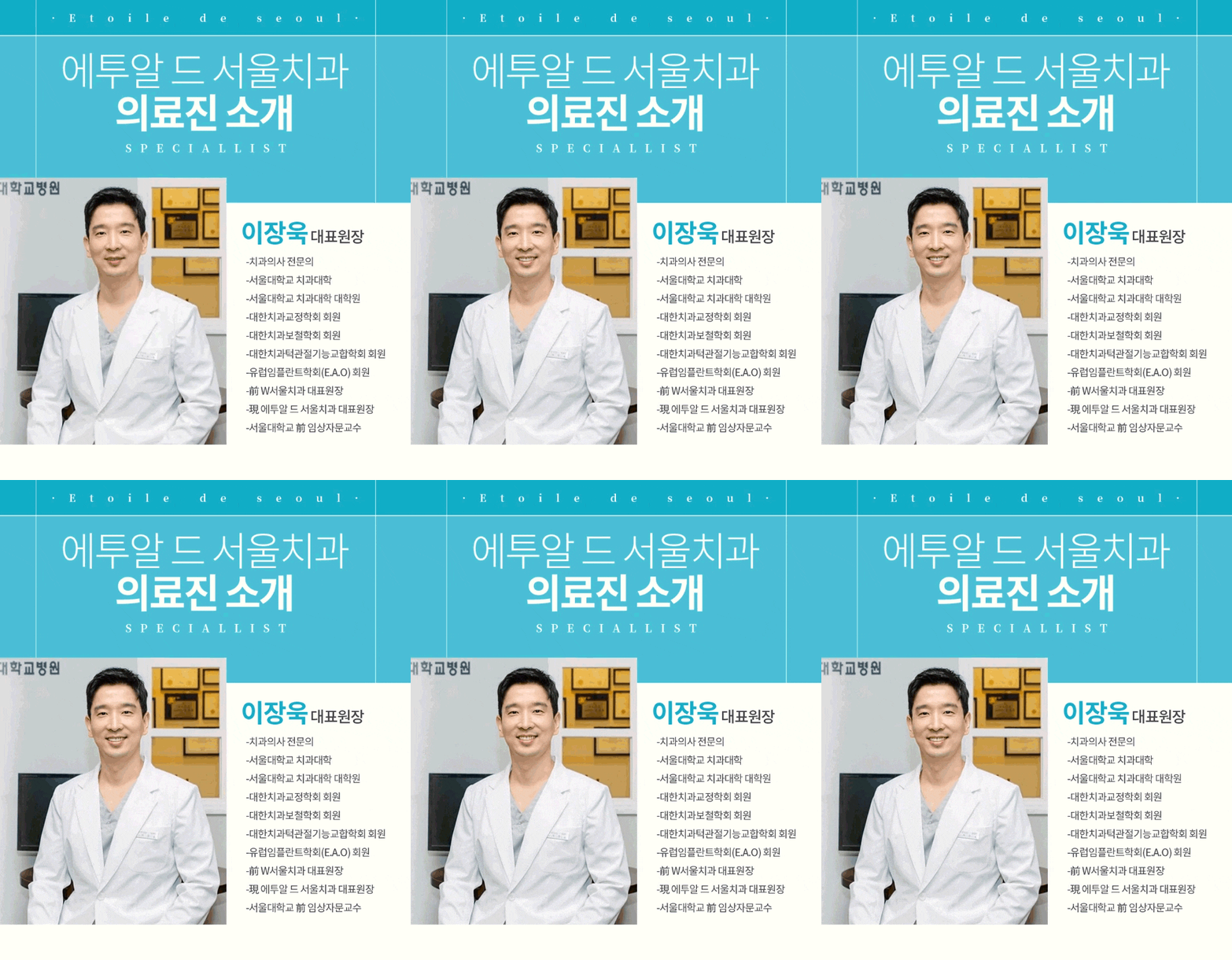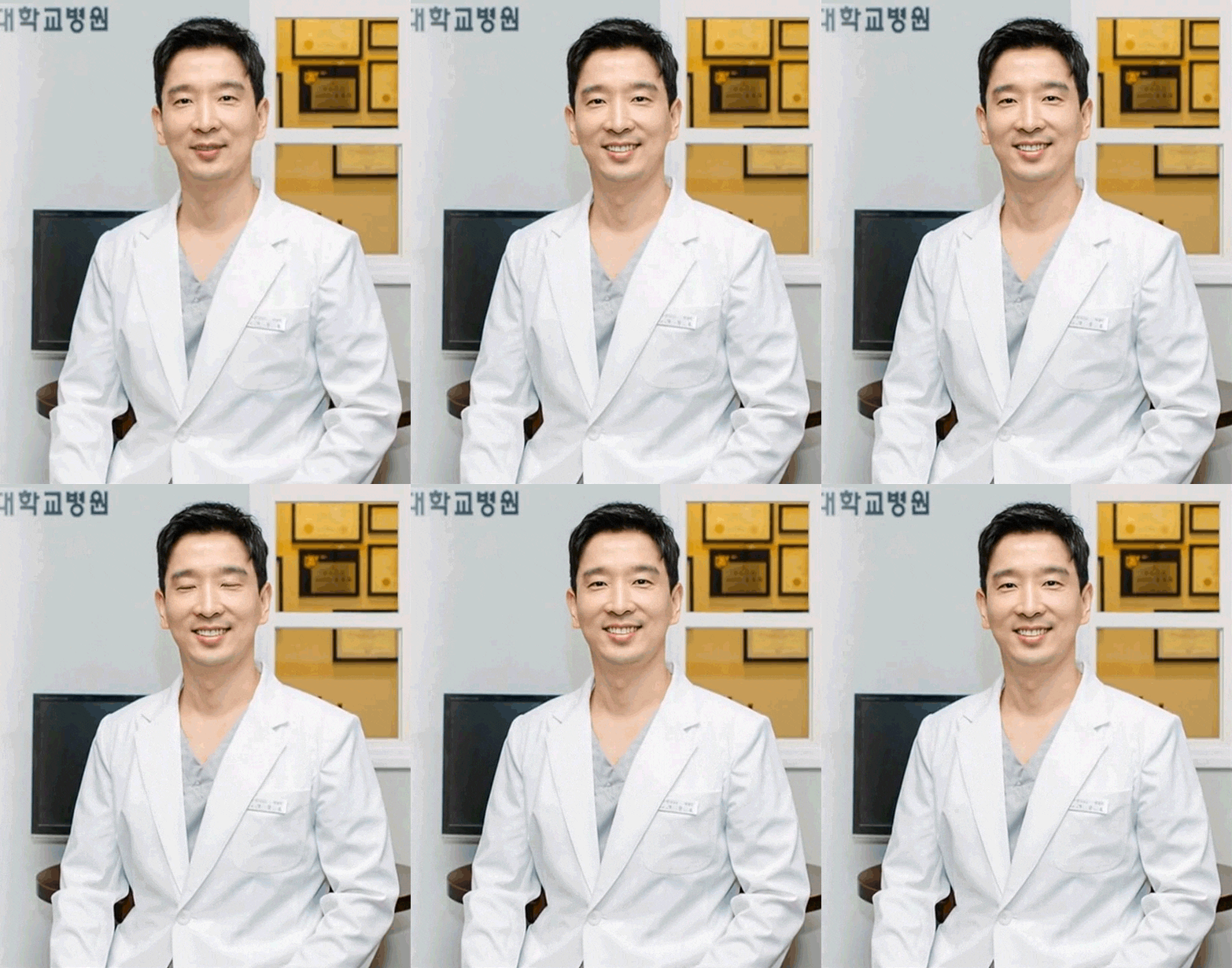
Lee Jang-wook, Chief Director
Hello.
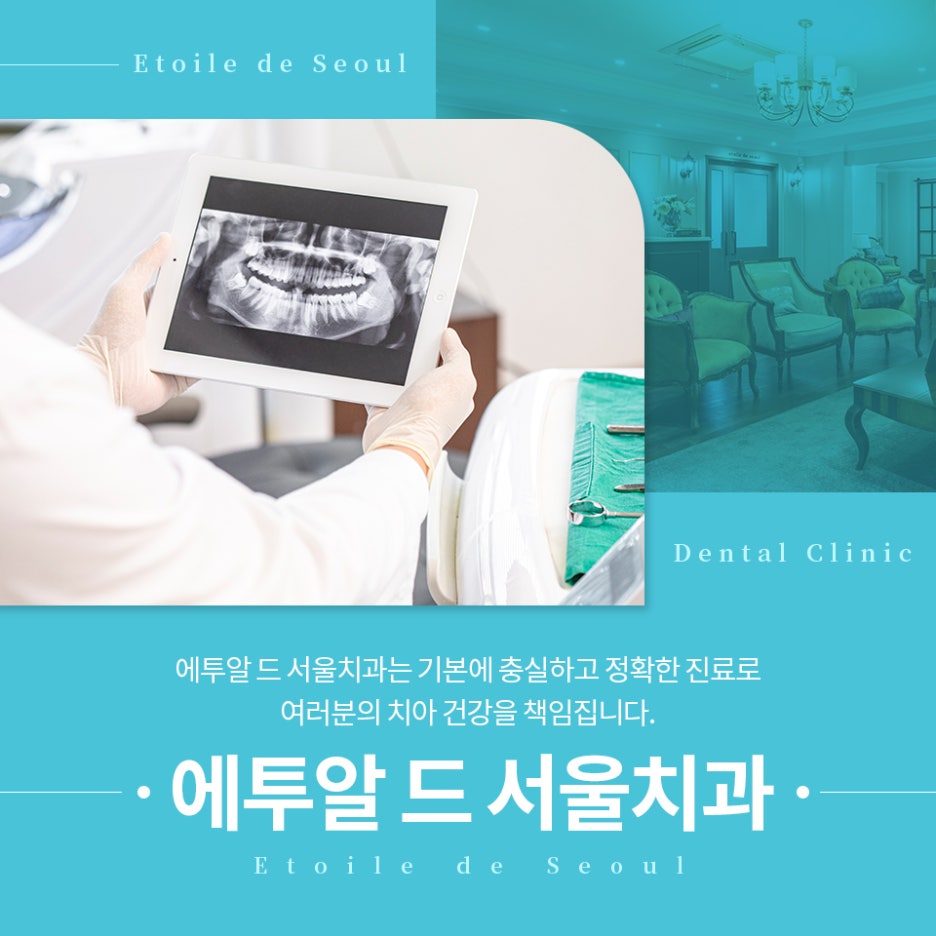
Etwald Seoul Dental Clinic is a place that does its best
for a healthy smile.
For those who have lost several teeth or have used dentures for a long time, it is common to feel increasingly uncomfortable at mealtimes and also feel uncertain about what to do next. When looking into implants after losing many teeth, some people delay their decision because they worry that implants may need to be placed one for each missing tooth.
In this article, we will look at how the full-arch implant treatment process differs from regular implants and how each step is carried out.
After losing teeth,
What role do implants play
An implant treatment consists of an artificial root placed in the jawbone to replace the root of a missing tooth, along with a prosthetic attached on top of it. The artificial root is a titanium screw-shaped structure that undergoes a process of bonding with the jawbone. Once this bonding is sufficiently achieved, it can help restore chewing force and stability close to that of natural teeth. This is the basic principle of implant treatment.
When one tooth is lost, the usual approach is to place one implant in that location.
However, if several teeth or all teeth are missing, placing an implant for each missing tooth can increase the burden in terms of the number of surgeries, cost, and recovery time.
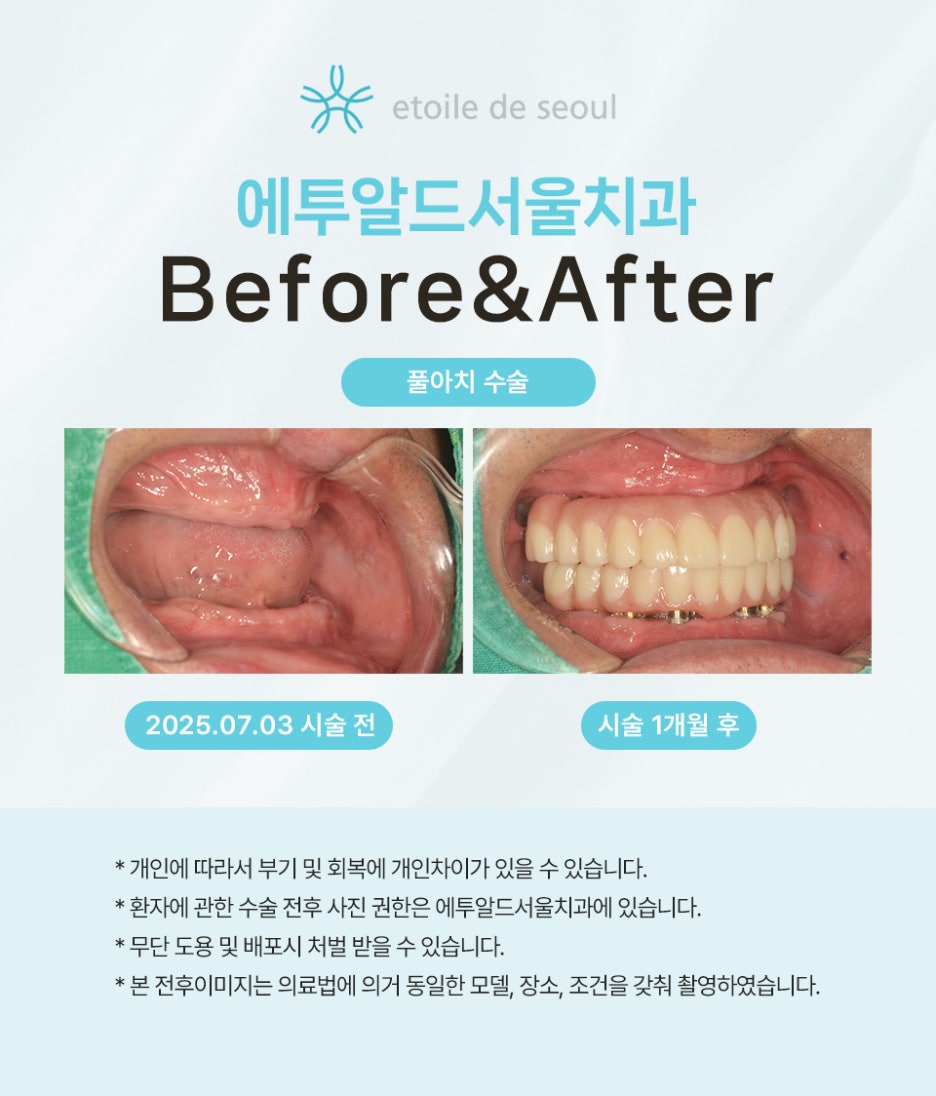 The difference in a structure supported by 4 to 6 implants for one arch
To understand the full-arch implant treatment process, it is important first to know the structural difference from regular implants.
The difference in a structure supported by 4 to 6 implants for one arch
To understand the full-arch implant treatment process, it is important first to know the structural difference from regular implants.
Regular implants place one implant for each missing tooth, which is effective when replacing a single tooth. However, if many teeth are missing, this leads to repeated surgeries, a long treatment period, and considerable cost.
In contrast, full-arch implants support an entire upper or lower arch with just 4 to 6 implants and restore the full set of teeth with a connected prosthetic. It may be helpful to think of it as similar to a bridge structure in which a small number of pillars support the entire deck in a balanced way.
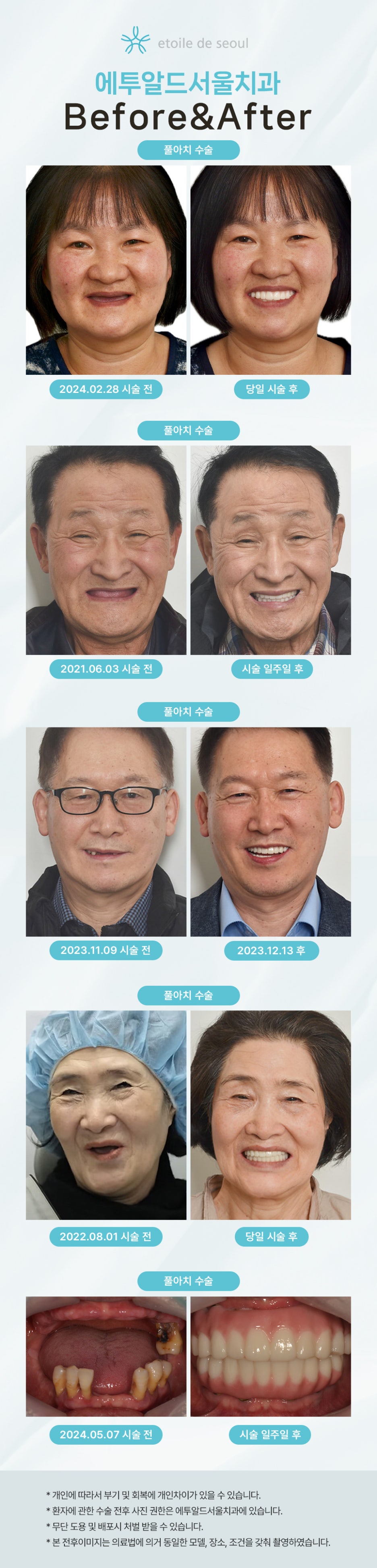
For those who have lost several teeth or are completely toothless, this may be a way to restore the full dentition while reducing the treatment burden.
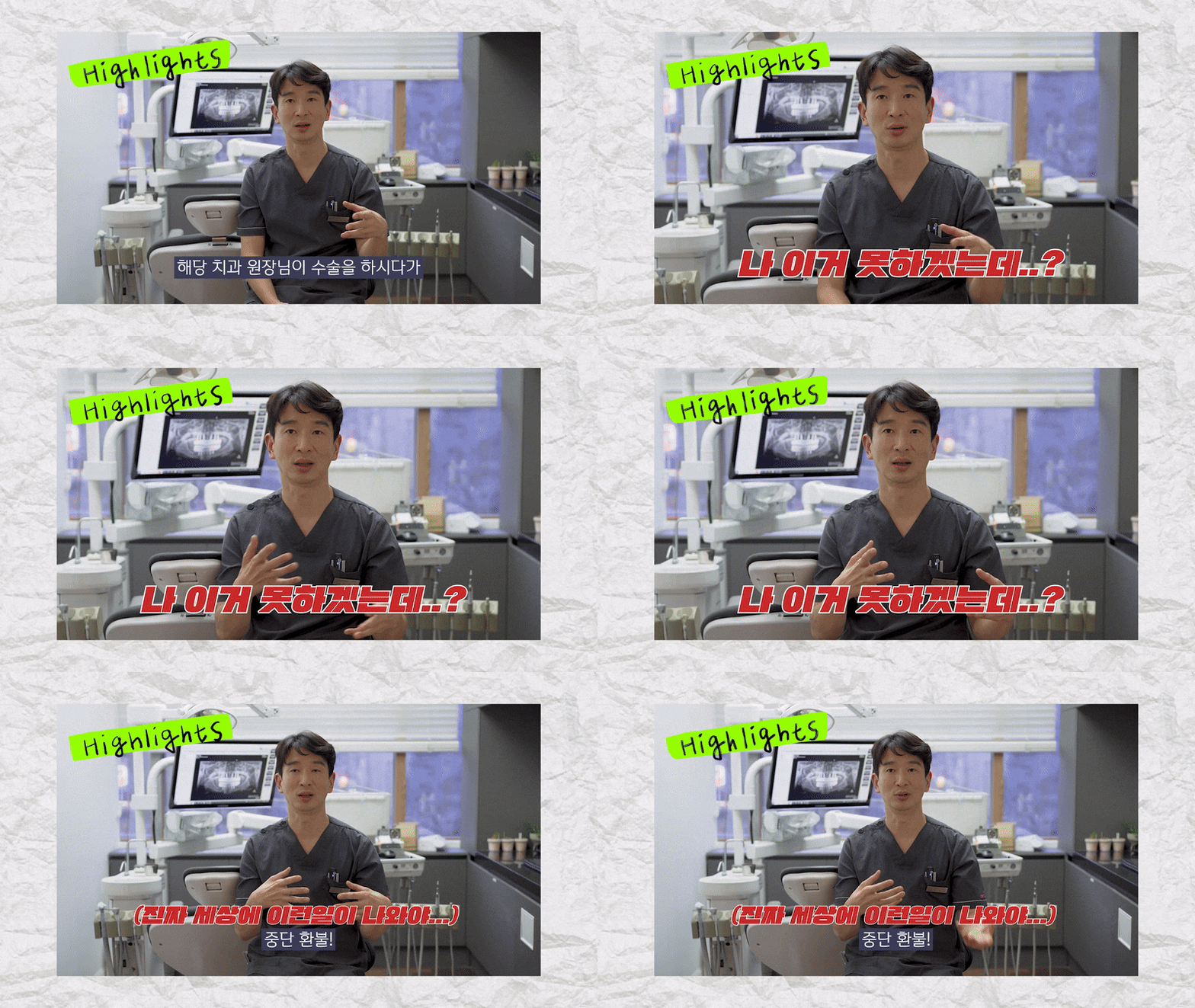
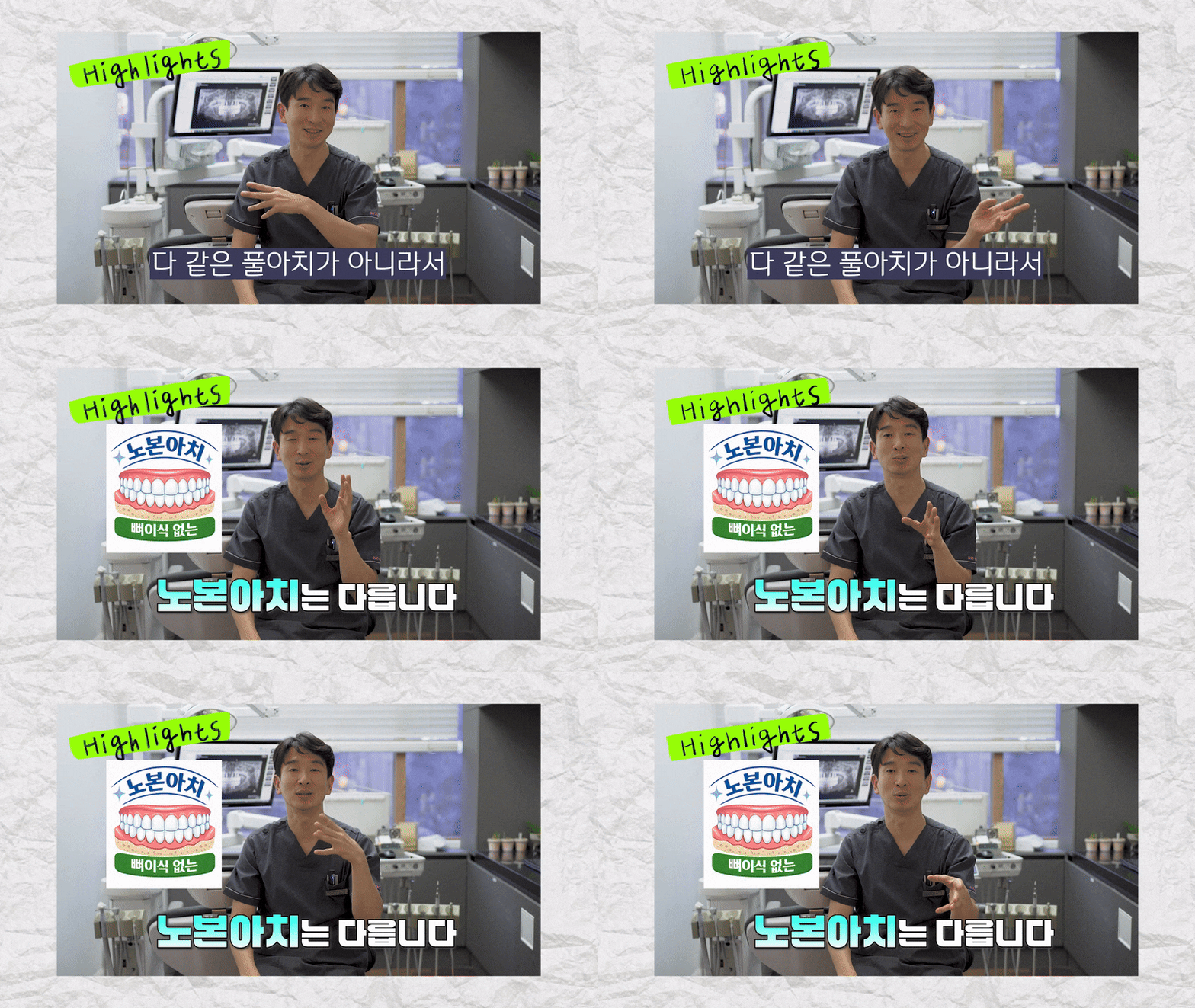 Four stages from diagnosis to prosthetic placement
The full-arch implant treatment process is largely divided into four stages.
Four stages from diagnosis to prosthetic placement
The full-arch implant treatment process is largely divided into four stages.
First, a 3D CT scan is used to precisely assess the amount and density of the jawbone, as well as the overall oral structure. Second, computer simulated surgery using the Dio Navi guide and a 3D printer is used to plan in advance the position and angle for implant placement. Third, based on that plan, the implants are placed and a temporary prosthetic is connected on the same day. This process also helps reduce the time spent without teeth. Fourth, once the gums and implants have stabilized sufficiently, the treatment is completed by placing the final prosthetic.
Even when the jawbone is somewhat insufficient, there are cases in which the procedure can be performed without bone grafting by placing the implant at a specific angle.

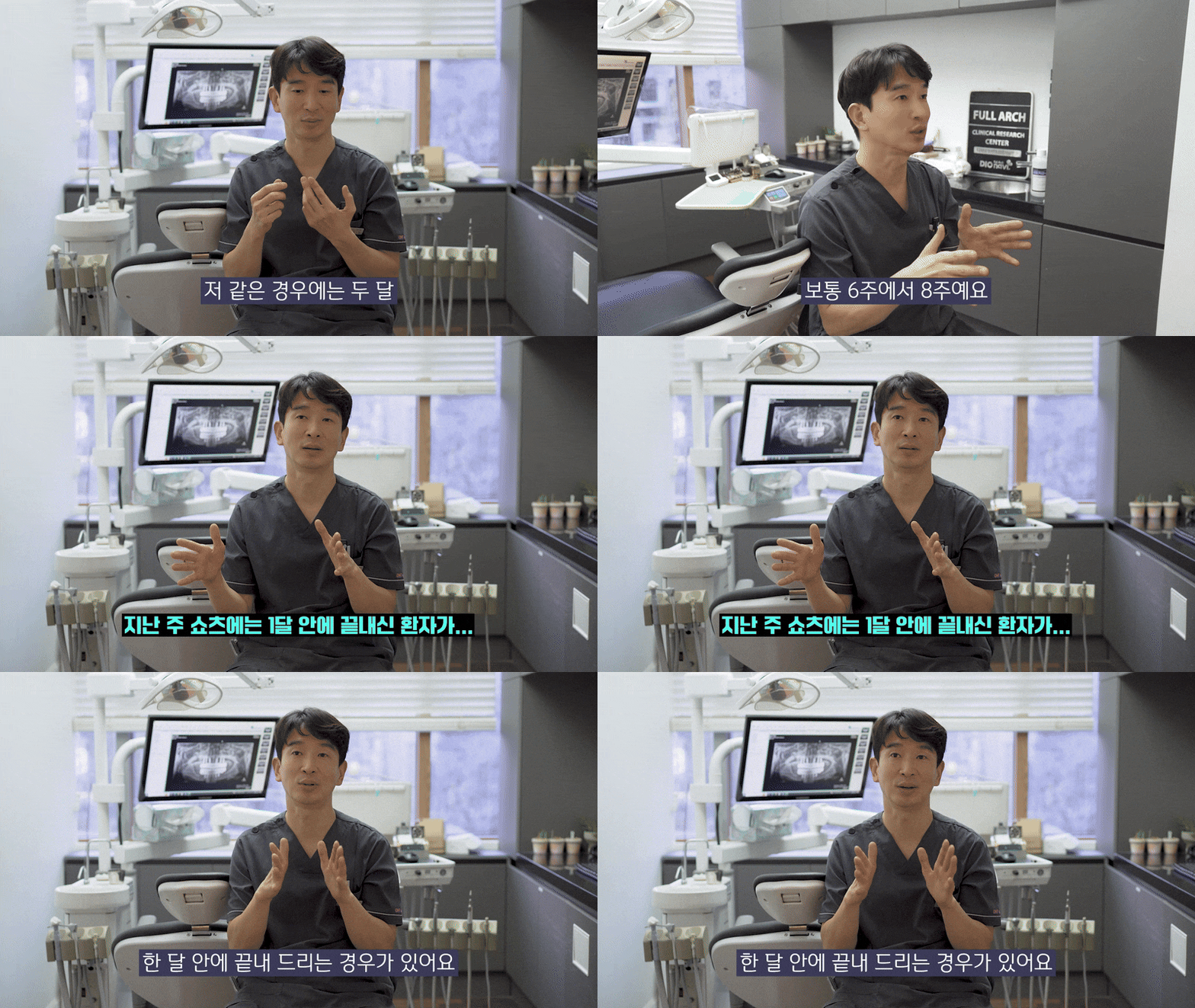 The Nobon Arch system and prosthetic components
At Etwald Seoul Dental Clinic, we use a full-arch implant system called Nobon Arch.
The Nobon Arch system and prosthetic components
At Etwald Seoul Dental Clinic, we use a full-arch implant system called Nobon Arch.
Through computer simulated surgery, the placement position and angle are designed in advance, and the implants are placed accordingly. The final prosthetic uses pink porcelain to delicately reproduce the gum line and color, and zirconia material to achieve a natural tooth color, allowing for positive aesthetic changes as well.
Because the full-arch implant treatment process and prosthetic design may vary depending on the patient’s oral structure and jawbone condition, a personalized plan must first be established after a precise diagnosis.
The starting point of treatment is to carefully review the patient’s oral condition and decide the direction from there.
Daily care that affects implant longevity
Full-arch implants, like natural teeth, require consistent care.
Although implants themselves do not develop cavities, inflammation in the surrounding gums can affect the tissues around the implant, so oral hygiene management is important. Brushing properly every day and using floss or interdental brushes to keep the area around the implants clean are fundamental.
Receiving regular checkups and scaling every six months helps to continuously monitor the condition of the implants and the health of the surrounding gums.
In the early period after the final prosthetic is placed, it is best to avoid foods that are too hard or too chewy. Once the implants have stabilized sufficiently, it may become possible to enjoy a wider variety of foods more comfortably. Etwald Seoul Dental Clinic offers free treatment services for full-arch-related cases within 3 years, and by using genuine implants, we continue to monitor the oral condition even after treatment.
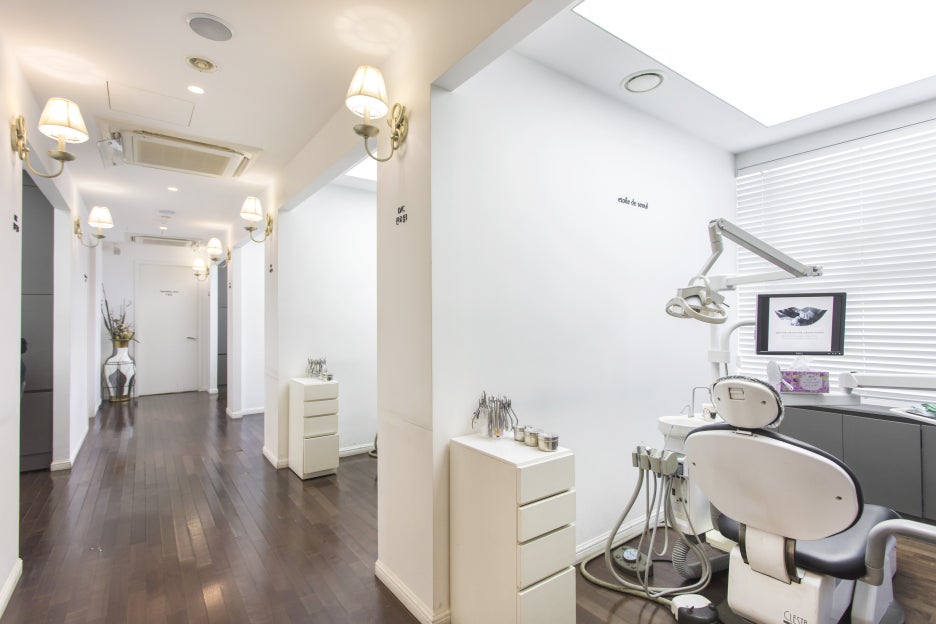
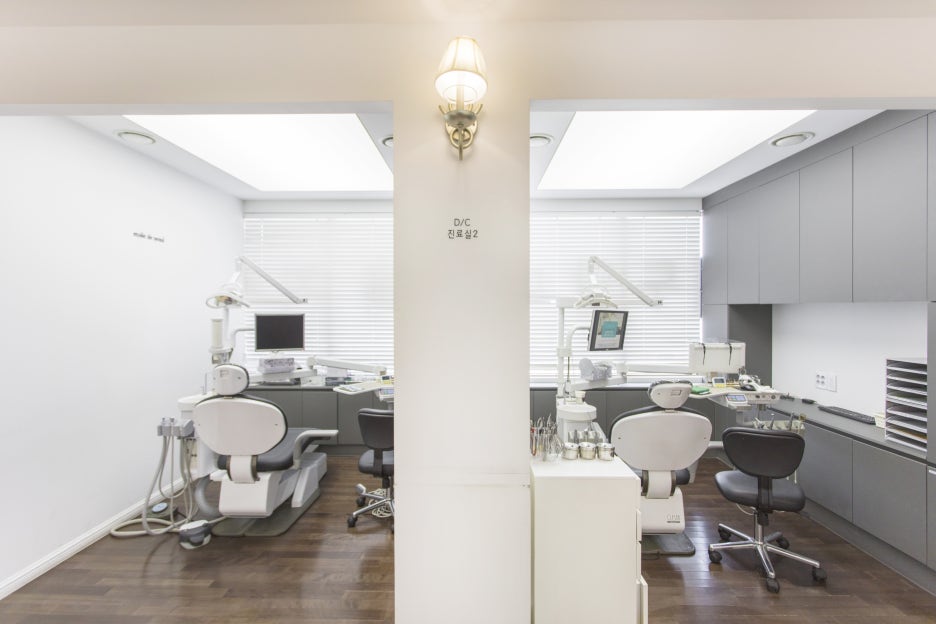

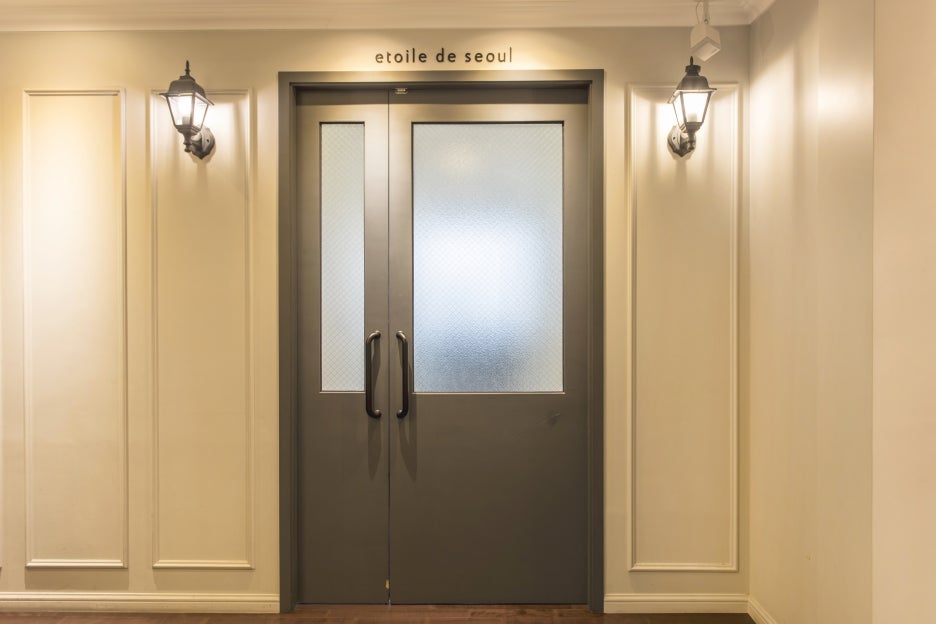
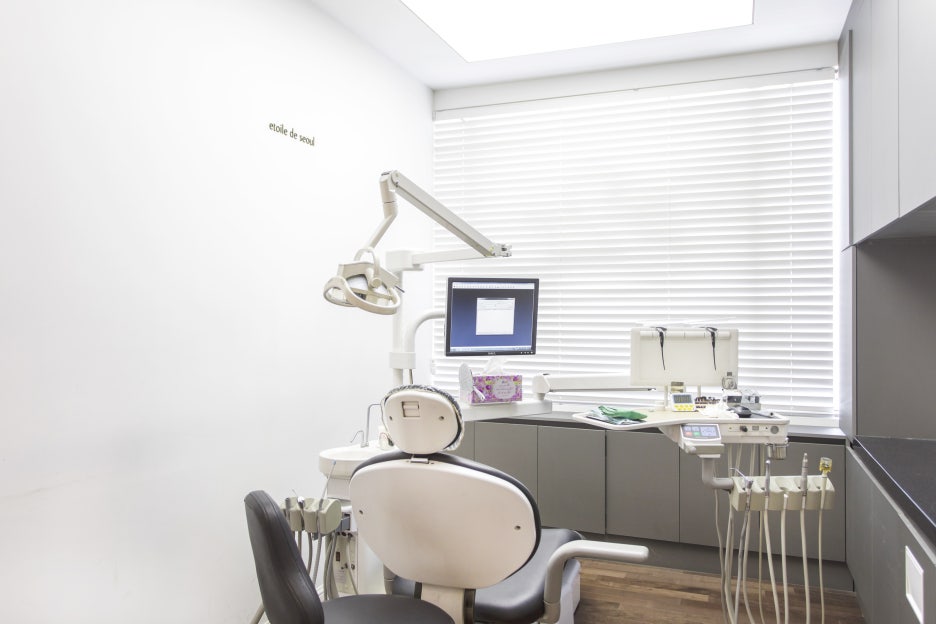 Previous image
Next image
Previous image
Next image
The right treatment direction is built on precise diagnosis
As we looked at the full-arch implant treatment process today, it becomes clear that when teeth are healthy, we often do not fully appreciate their importance, but once we lose them one by one, we realize how deeply they are connected to the quality of everyday life.
We fully empathize with those who have endured discomfort for a long time while using dentures, and with those who have not been able to eat freely at the table. We understand that these difficulties are by no means minor.
What matters most is not carrying that concern alone for too long, but slowly finding the direction that is right for you based on accurate information. Since jawbone condition, overall health, and oral structure differ from person to person, a treatment plan tailored to the individual must always come first.
Please remember that continued care after treatment is also necessary and can help maintain oral health over the long term.
▼ Etwald Seoul Dental Clinic YouTube ▼