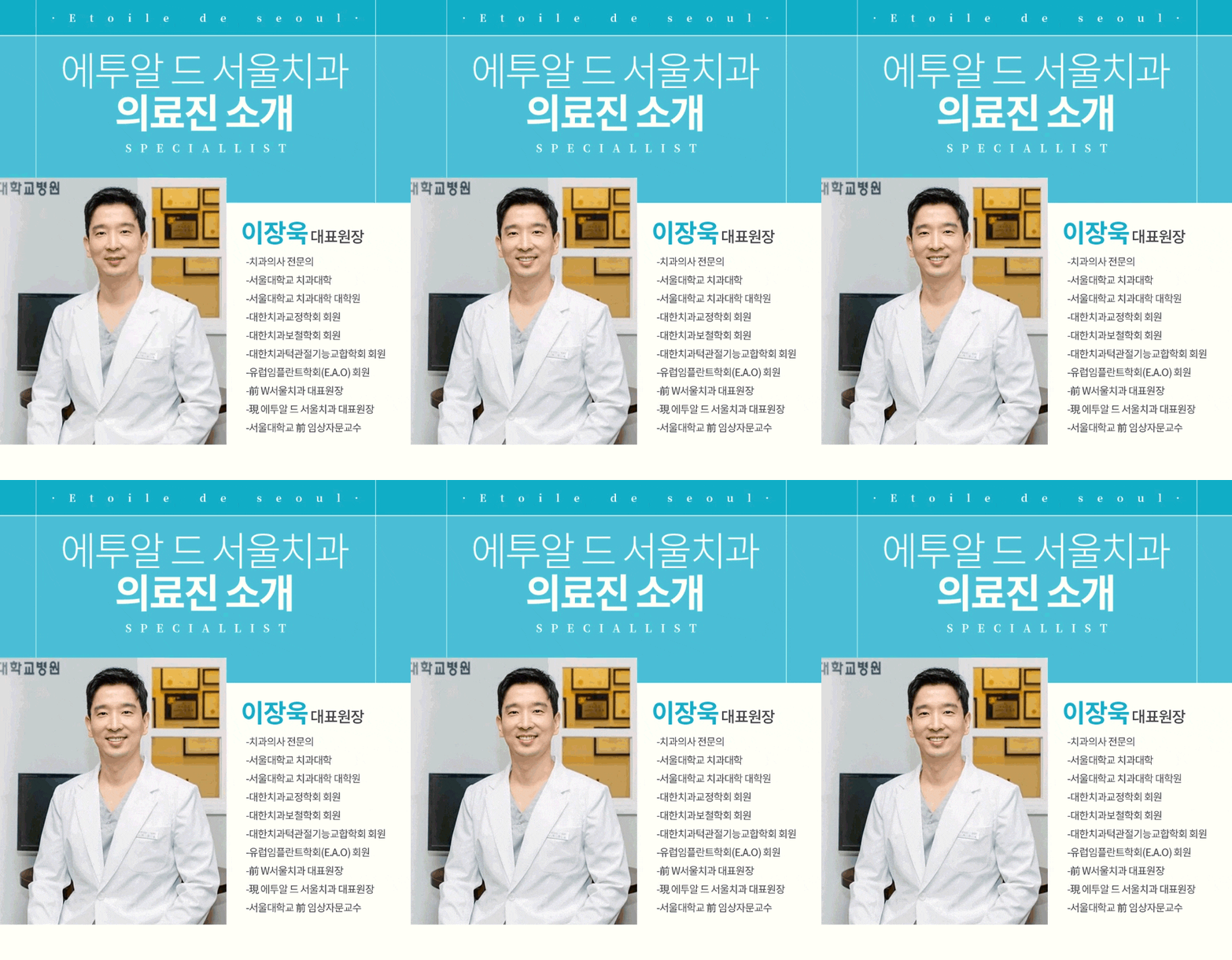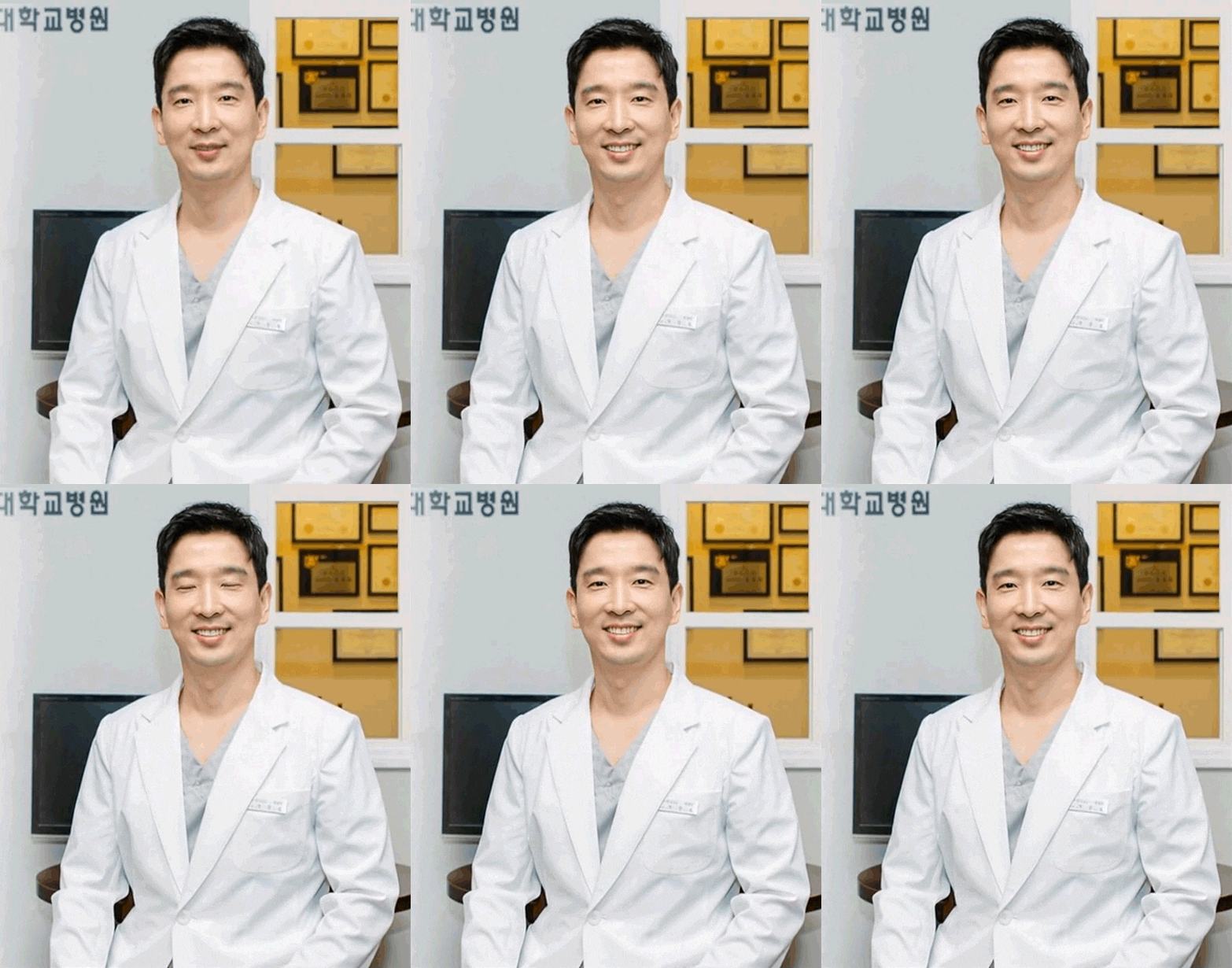
Lee Jang-wook, Chief Director
A place that thinks together about
dental health,
Etwalde Seoul Dental Clinic.
�00
Today, I’d like to talk about the differences between implant dentures, something many people are curious about. For people who have lost most of their teeth, the most common concern is, “Should I keep using dentures, or should I switch to implants?”
If you have used dentures for a long time, you probably know better than anyone how uncomfortable it is when the prosthesis lifts or moves while eating, or how frustrating it is when your speech becomes unclear.
You may be reading this article with similar concerns. You may feel lost about where to start and find it difficult to ask people around you directly, so you ended up searching on your own and came across this post. If you read this to the end, I think you will have a clearer idea of which choice fits your situation.
The dentures keep coming loose.
I’m afraid to eat meals
One of the most common discomforts reported by people who have worn dentures for a long time is the problem of the prosthesis lifting or coming out.
If fixation becomes unstable while eating, chewing power drops significantly. You may naturally avoid foods you once enjoyed, and this can even lead to avoiding meals with family or friends.
Having dentures but not being able to chew properly is not just an oral health issue; it affects daily life as a whole. Many people also delay visiting the dentist for a long time, but rather than vague fear, the first step is to accurately understand your current oral condition.
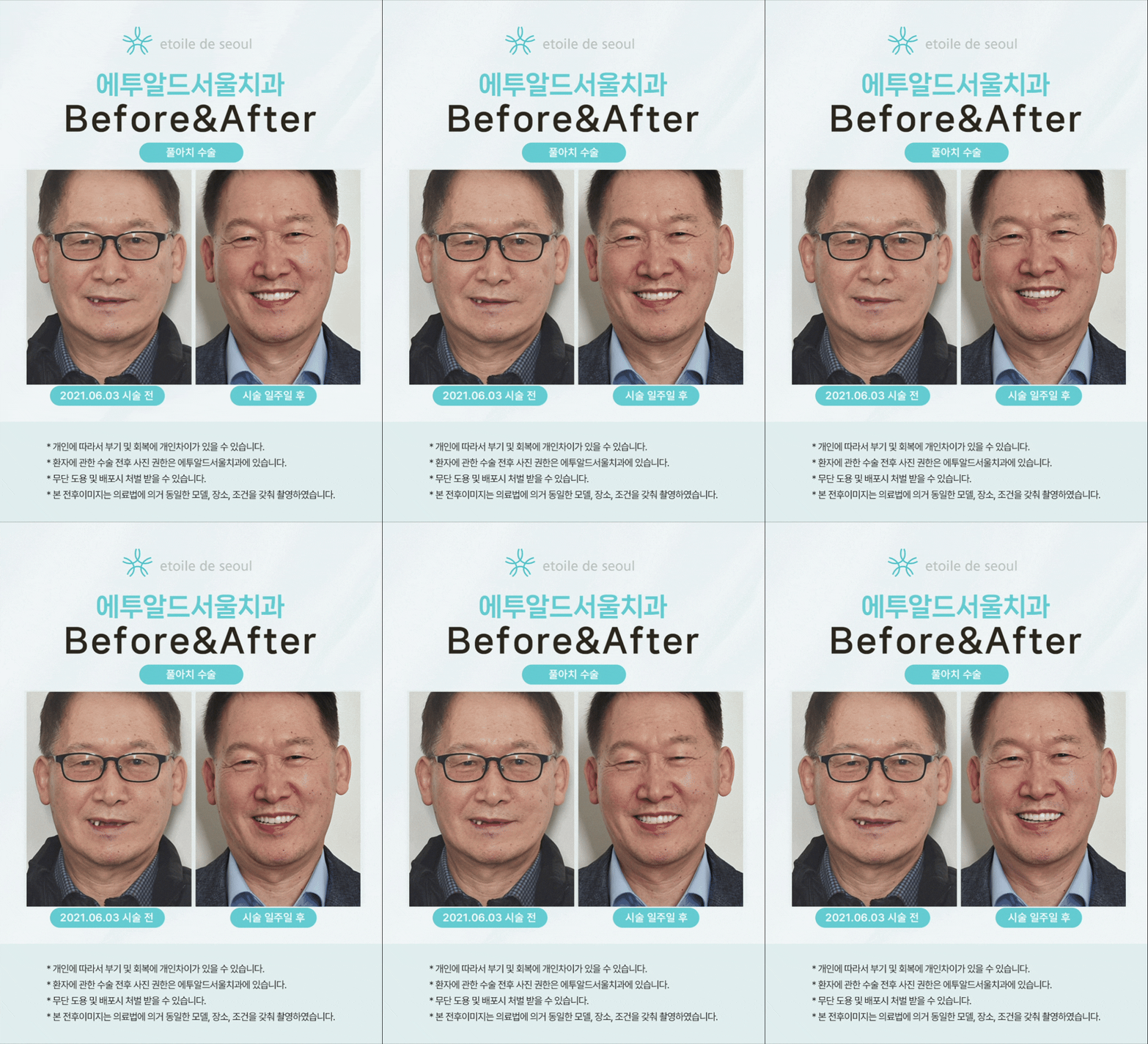 What is the difference between the two methods?
When discussing the differences between implant dentures, the first thing to look at is the fixation method.
Dentures are structures placed on the gums, and they are fixed by suction to the gum mucosa or by metal clasps. For this reason, chewing force is often less than half that of natural teeth, and the prosthesis may move or come out while eating.
By contrast, implants are fixed by placing artificial tooth roots into the jawbone, so they can provide chewing ability much closer to that of natural teeth.
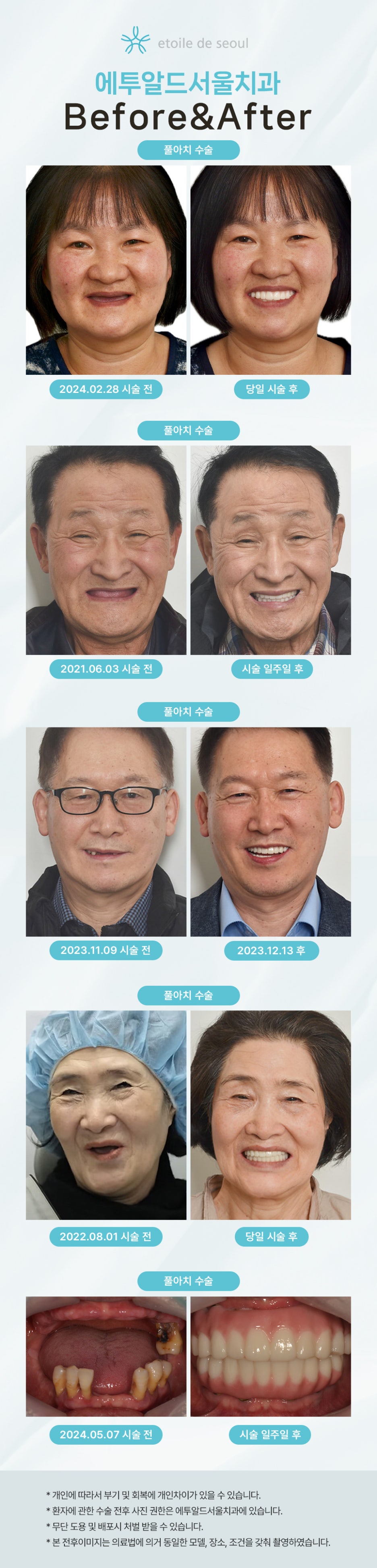
In particular, full-arch implants restore an entire upper or lower jaw using only 4 to 6 implants. Because the fixation is strong, many people experience less discomfort while eating and more natural speech. Even in cases where the jawbone has been resorbed due to long-term denture use, a suitable direction can sometimes be found through careful examination.
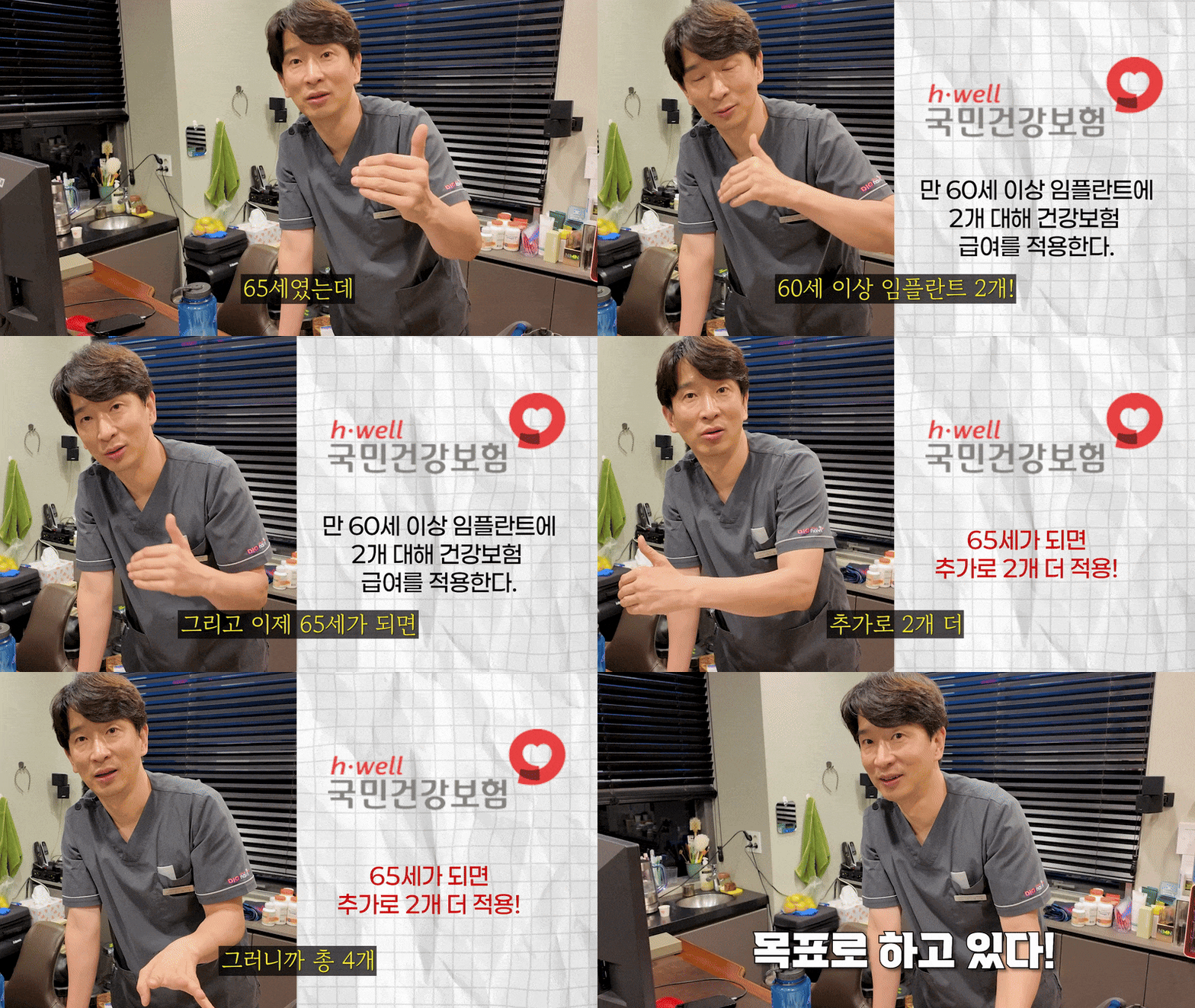 Is it really possible to restore all the teeth with 4 to 6 implants?
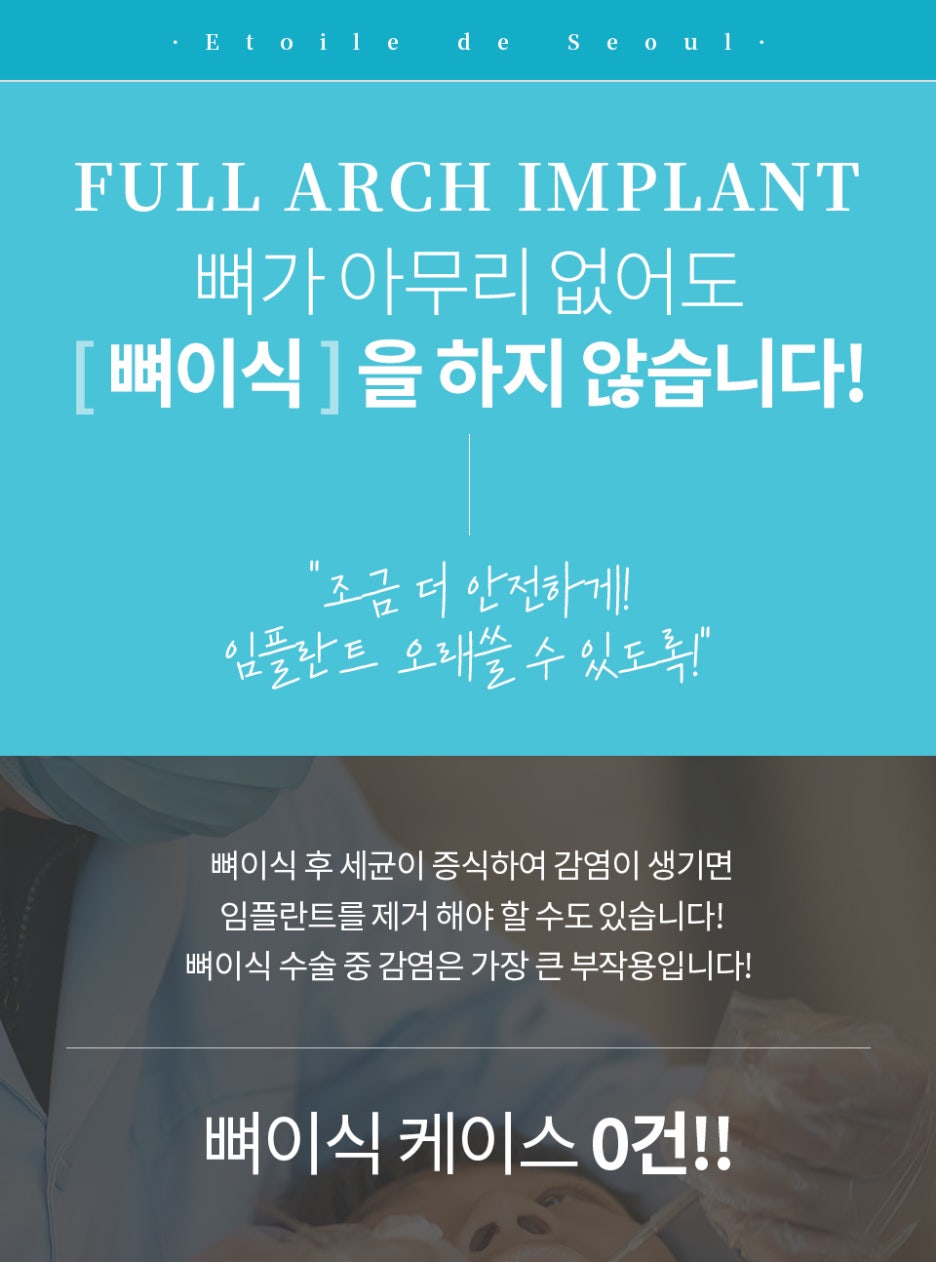
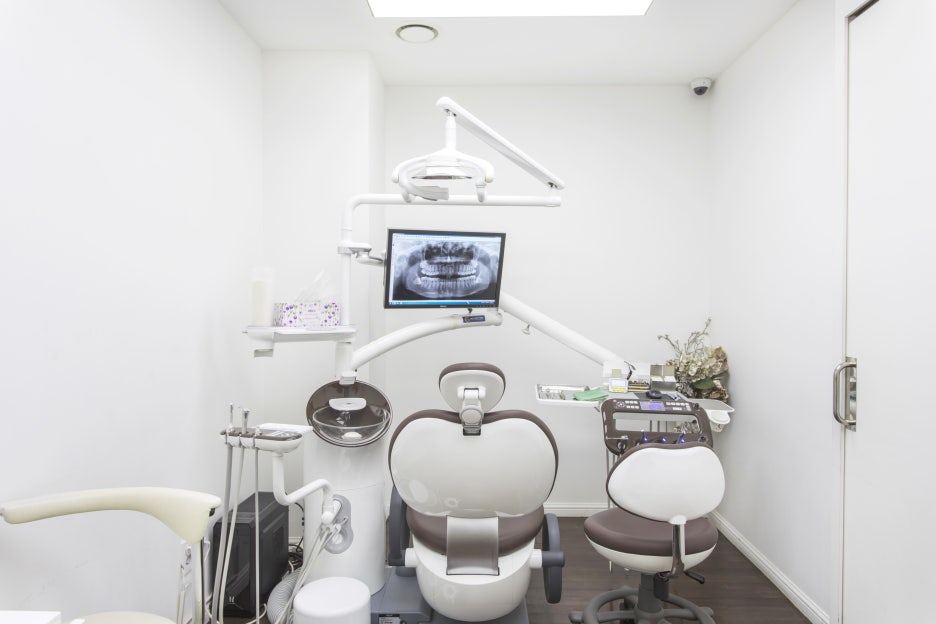
When looking at the differences between implant dentures, the No-Bone Arch method is something that cannot be left out. This method uses 3D CT, an oral scanner, and a digital navigation guide system to first plan a simulated procedure before treatment, and then place the implants precisely at the planned positions.
Even when there is insufficient jawbone, it is often possible to proceed without bone grafting by finding the angle and position that make the best use of the remaining bone. A temporary prosthesis can be attached on the day of surgery, reducing the period of being without teeth, and the final prosthesis is completed within a certain period depending on the individual oral condition.
Because zirconia materials and pink porcelain are used to finely recreate the gum line and color to resemble natural teeth, you can also expect positive changes in esthetics.
 You said you were afraid of bone grafting; I wanted to address that concern together
If you have worn dentures for a long time, concerns about bone grafting often arise while learning about the differences between implant dentures.
Most people who have used dentures for a long time have experienced gum bone resorption, so when considering implants, they are often told that bone grafting is necessary. The No-Bone Arch method uses 3D navigation equipment to place implants at angles that make the best use of the remaining bone, so there are quite a few cases in which treatment can proceed without bone grafting.
Of course, this does not apply to everyone. A treatment plan is established after checking each person’s oral condition through careful examinations, including 3D CT. Director Lee Jang-wook of Etwalde Seoul Dental Clinic graduated from the Seoul National University Graduate School of Dentistry and, based on more than 20 years of clinical experience, personally discusses treatment directions suited to each visitor’s oral condition.
Even if you are older or have concerns about your overall health, you can check whether treatment is possible through a thorough examination.
 It doesn’t end with getting implants; consistent care must go along with it
Full-arch implants function very similarly to natural teeth, but it is important to manage them just like natural teeth as well.
Regular brushing every day is of course important, and it also helps to keep the area around the prosthesis clean by using dental floss or interdental brushes. Having a regular checkup every six months to examine the condition of the implant and the health of the surrounding gums also helps with long-term use.
During the period when a temporary prosthesis is attached, it is best to avoid hard or chewy foods, and for those who smoke, quitting before and after treatment is recommended. At Etwalde Seoul Dental Clinic, a post-treatment care program is in place that provides related free care within three years for patients who have received full-arch implants, so support continues even after treatment.
Knowing first is the most important first step
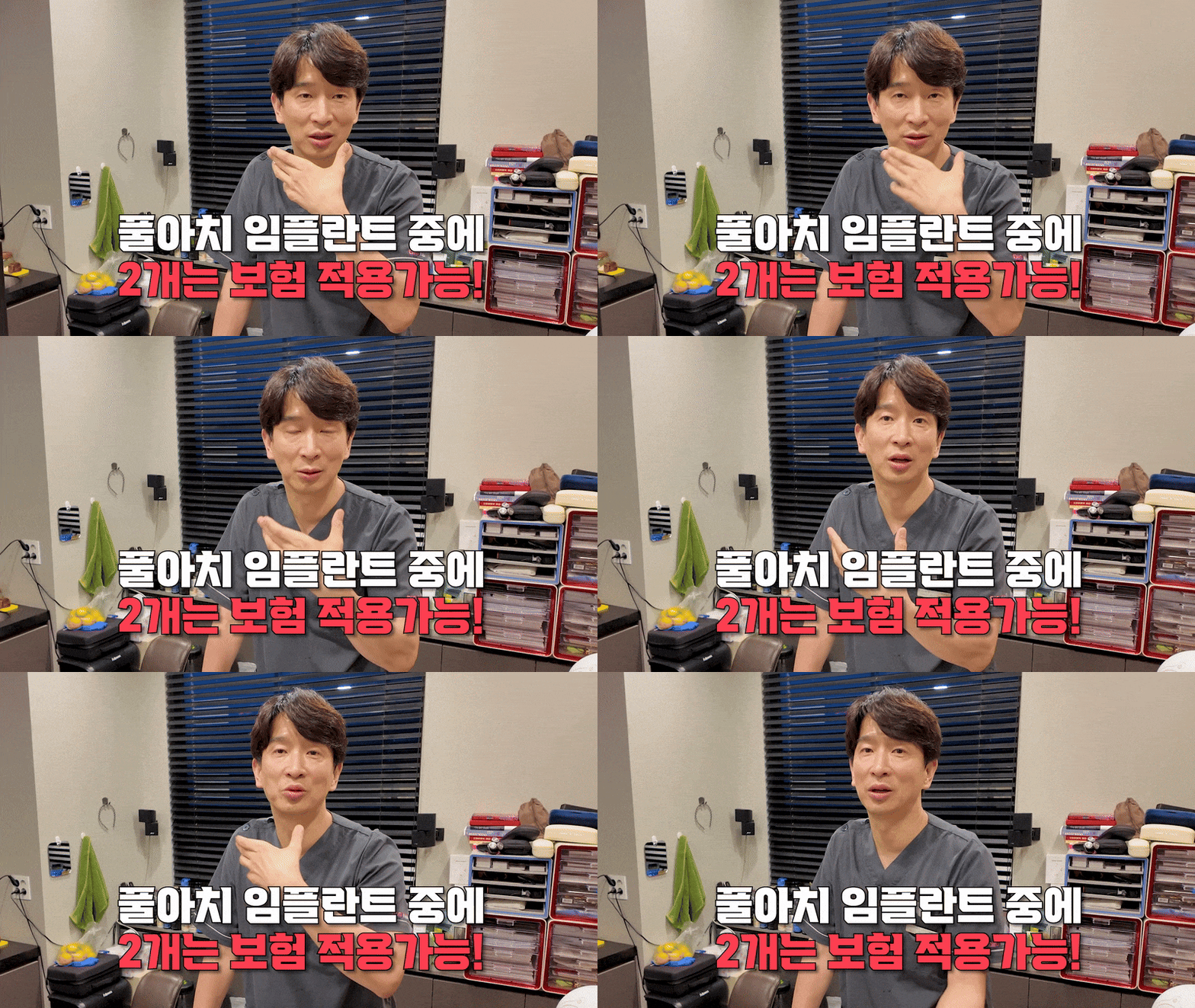
Simply understanding the differences between implant dentures makes the right direction for you much clearer. To those who have worn dentures for a long time, or who have lost most of their teeth and are considering treatment options, I always say the same thing.
It is never too late to first receive an accurate examination and then make a decision based on the results.
Rather than delaying a decision because of fear, accurately understanding your oral condition should come before any other preparation. Director Lee Jang-wook of Etwalde Seoul Dental Clinic uses 3D CT, an oral scanner, and a digital navigation guide system to conduct a careful examination and discuss a treatment plan suited to each visitor’s situation.
I hope this article was of some help to those whose daily lives are made uncomfortable by dental problems. Have a healthy day today as well.
 Previous image
Next image
Previous image
Next image