
Lee Jang-uk, Chief Director
A smile you won’t feel embarrassed about!
Visit Etoile Seoul Dental Clinic.
Have you ever avoided smiling in photos because you didn’t like the color of your teeth or because your front teeth were unevenly shaped? Or perhaps there are people who have held back their smiles for a long time because of their teeth.
After seeing many patients over a long period, I’ve come to feel that a change in the appearance of even one tooth can affect facial expressions and everyday confidence. A smile also influences a first impression, so if you have hidden that smile for a long time because of your teeth, I can fully understand how heavy that feeling must have been.
Today, I’ll walk you through a comparison of veneer types, their characteristics, the procedure, and the cost, step by step.
An esthetic dental treatment that helps change the appearance of the front surface of teeth
Veneers
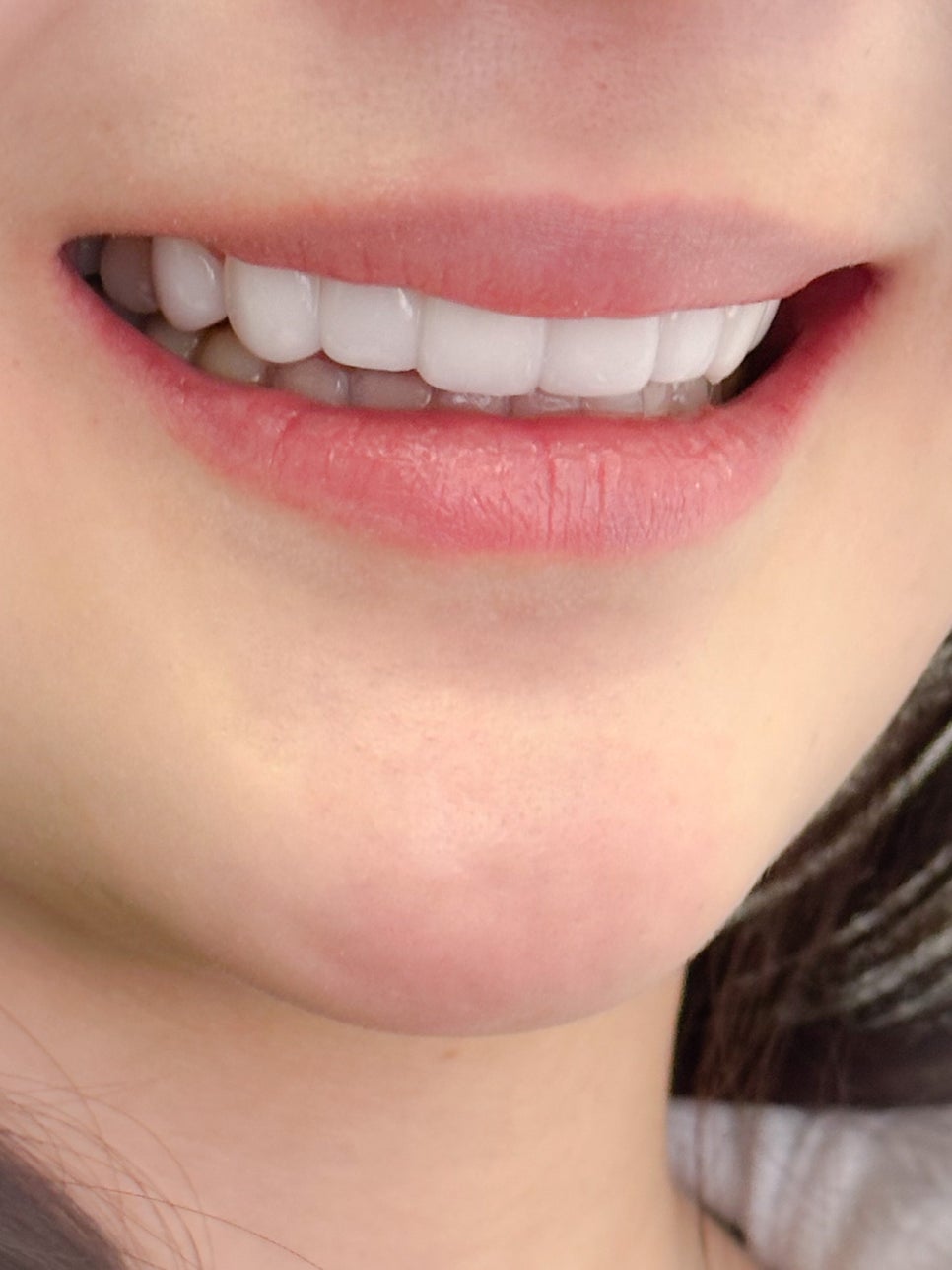
Veneers are an esthetic dental treatment in which a thin piece of porcelain or resin is bonded to the tooth surface to adjust the color, shape, and size of the teeth.
It’s easy to think of it like applying gel nails to a fingernail: a custom-made thin plate is attached to the front of the tooth. Unlike crowns, which reduce the entire tooth, veneers either shape only part of the front surface or, in some cases, are bonded without any reduction at all. They can be applied in a variety of situations, such as discolored teeth, teeth with uneven shapes, gaps between teeth, small teeth, or mildly protruding teeth.
They are also often chosen by people who still have concerns about color and shape even after orthodontic treatment, or by those who have long felt discomfort because their naturally occurring tooth color is uneven. Because they can produce an external change while minimizing tooth reduction, they can be a meaningful option for people who have had esthetic concerns for a long time.
However, they are not suitable for every tooth, so carefully checking the oral condition first is an important first step.
 Two directions and selection criteria based on whether tooth reduction is performed
When looking at a comparison of veneer types, the first criterion to check is whether tooth reduction is performed.
Two directions and selection criteria based on whether tooth reduction is performed
When looking at a comparison of veneer types, the first criterion to check is whether tooth reduction is performed.
Broadly speaking, they can be divided into conventional veneers and no-prep veneers. Conventional veneers involve lightly reducing the front surface of the tooth by about 0.3 to 0.5 mm before bonding a porcelain shell. Although the amount of reduction is much smaller than with crowns, you should fully understand that once the tooth is reduced, it cannot be restored, and then make your decision.
On the other hand, no-prep veneers involve bonding a very thin porcelain piece of 0.2 mm or less after not reducing the tooth at all, or only minimally shaping it. This can be considered a method that preserves as much of the natural tooth as possible.
However, depending on the thickness and current condition of the tooth, the no-prep method may not be suitable, and in such cases the conventional method may be recommended. Because each method has different characteristics, it is important to look at which direction is appropriate based on the condition of the teeth and your individual goals.

 How to understand the characteristics and differences of materials: porcelain and resin
A comparison of veneer types can also be divided by material into porcelain and resin (composite).
How to understand the characteristics and differences of materials: porcelain and resin
A comparison of veneer types can also be divided by material into porcelain and resin (composite).
Porcelain veneers have characteristics similar to natural teeth in terms of translucency and durability, and their color stability tends to be maintained relatively well over the long term. Resin veneers are generally less expensive, but over time they may be somewhat more vulnerable to staining and wear, so there are differences in durability compared with porcelain.
Since thickness, optical properties, and durability can vary by material, it is best to fully consider which material is suitable based on the condition of your teeth and the results you want.
Rather than one material being absolutely better, the important thing is choosing the option that suits the individual’s dental condition and goals, and this is decided through discussion based on the results of the oral examination.
 The veneer procedure, explained step by step
The veneer procedure is not as complicated as you might think.
The veneer procedure, explained step by step
The veneer procedure is not as complicated as you might think.
First, the oral condition is carefully examined, and the tooth color, shape, and bite are analyzed together. After that, a custom plan is created based on the smile design you want, and the decision is made regarding whether tooth reduction is needed. If necessary, the tooth surface is lightly shaped and an impression is taken so the veneer can be made in the laboratory, and temporary veneers may be used during the fabrication period.
The process is completed by bonding the finished veneers to the teeth and checking the bite.
The entire process is often completed in two or three visits, and the detailed procedure may vary somewhat depending on the veneer type comparison.
Sufficiently discussing the desired shape and color during the design stage can affect later satisfaction, and proceeding calmly without rushing this process can have a positive effect on the results.
 Daily care habits and precautions that determine longevity
Veneers are not difficult to care for, but proper habits in daily life affect how long they last.
Daily care habits and precautions that determine longevity
Veneers are not difficult to care for, but proper habits in daily life affect how long they last.
You should be careful about directly biting into hard or tough foods with the front teeth, such as dried squid, nuts, or ice, because this can cause cracks. After eating foods that stain easily, such as coffee, red wine, or curry, rinsing with water or brushing your teeth may help. For people who grind their teeth or clench their jaw, using a night guard may be helpful.
It is also important to have regular checkups and scaling every six months to monitor the condition, and it is a good idea to check the bonded margins and gum condition as well.
Because the bonded area of the veneer touches the gums, taking care of gum health together may help maintain the overall condition of the mouth. It is also good not to forget daily cleaning of the margin area by using dental floss or interdental brushes.
If you continue regular care consistently, it may help veneers last longer.

 Costs and selection direction that vary depending on material and number of teeth
Depending on the veneer type comparison, the cost varies according to the material, number of teeth, and whether tooth reduction is performed. Conventional porcelain veneers are often priced in the range of KRW 300,000 to 600,000 per tooth. No-prep veneers may be priced somewhat higher due to the characteristics of the material, and resin veneers are less expensive, but there may be differences in durability compared with porcelain.
Costs and selection direction that vary depending on material and number of teeth
Depending on the veneer type comparison, the cost varies according to the material, number of teeth, and whether tooth reduction is performed. Conventional porcelain veneers are often priced in the range of KRW 300,000 to 600,000 per tooth. No-prep veneers may be priced somewhat higher due to the characteristics of the material, and resin veneers are less expensive, but there may be differences in durability compared with porcelain.
Veneers are not covered by health insurance because they are a non-covered treatment item, so costs may differ from one dental clinic to another.
The exact cost varies depending on the oral condition and scope of treatment, so it is important to calmly establish a plan suited to your situation through sufficient consultation. Since changes in the appearance of teeth can affect facial expressions and confidence, if you have been carrying concerns about your smile for a long time, I hope this article can be the first clue.
I graduated from the School of Dentistry at Seoul National University and have continued clinical practice for more than 20 years. Each time I face the teeth and smiles of the people who visit us, I always hold the same thought.
With the same care as if I were treating my own family’s teeth, I, Lee Jang-uk, Director of Etoile Seoul Dental Clinic, will always support you.

 Previous image
Next image
Previous image
Next image
▼ Etoile Seoul Dental Clinic YouTube ▼












 Previous image
Next image
Previous image
Next image








 Previous image
Next image
Previous image
Next image








 Previous image
Next image
Previous image
Next image