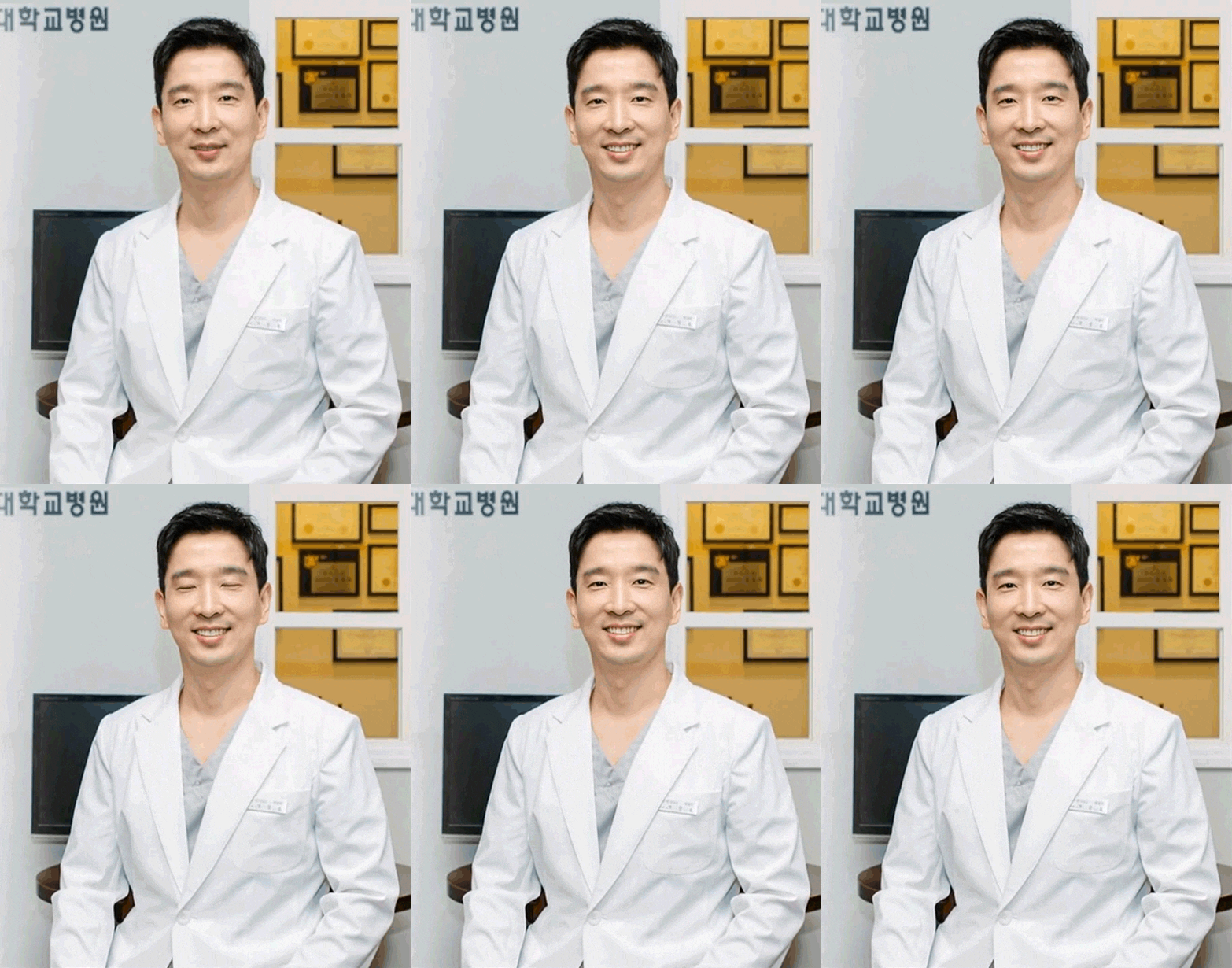
Lee Jang-wook, Chief Director
Hello.
A place that does its best
for a healthy smile
This is Etoile de Seoul Dental Clinic.
One of the questions people commonly ask when considering full-arch implants is the recovery period for full-arch implants.
If you know in advance how long you need to rest after surgery and when you can return to daily life, the process of deciding on treatment can become much easier. In particular, for those who have long experienced the discomfort of dentures or are planning treatment after losing multiple teeth, a clear understanding of the recovery process becomes a reliable basis for making a decision.
Structural features that restore the entire mouth with a small number of implants
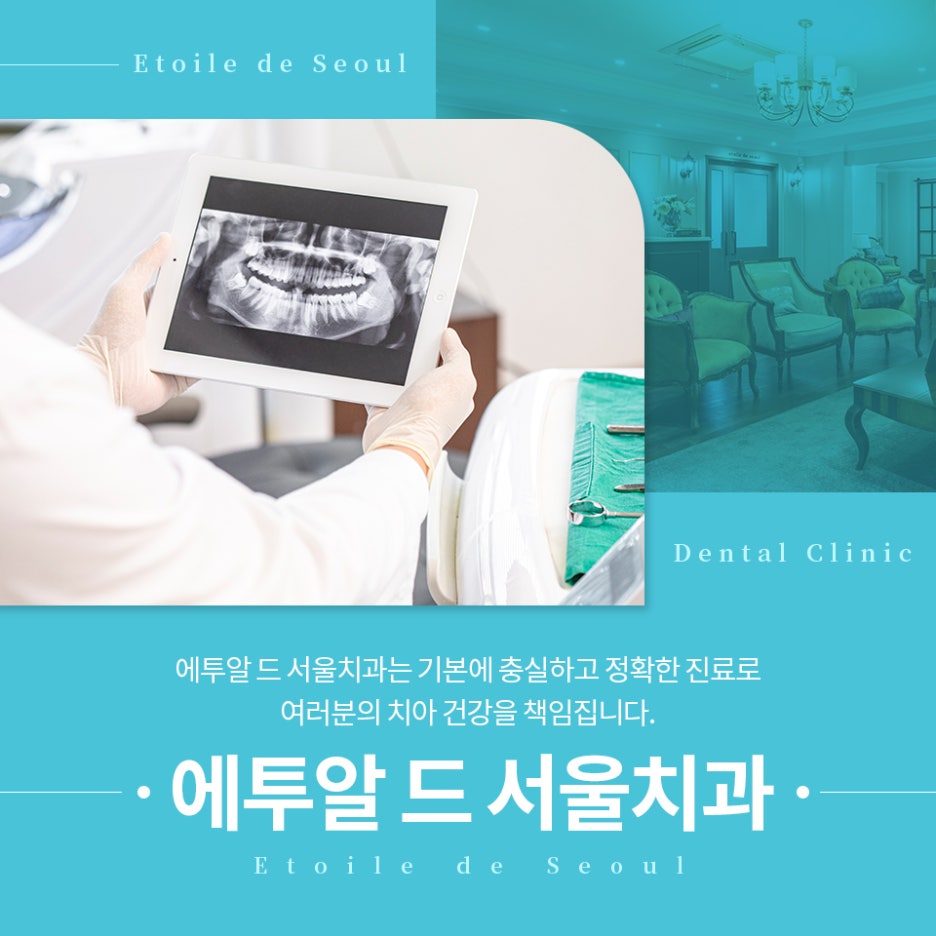
Full-arch implants are a method of restoring the entire upper or lower jaw using only 4 to 6 implants.
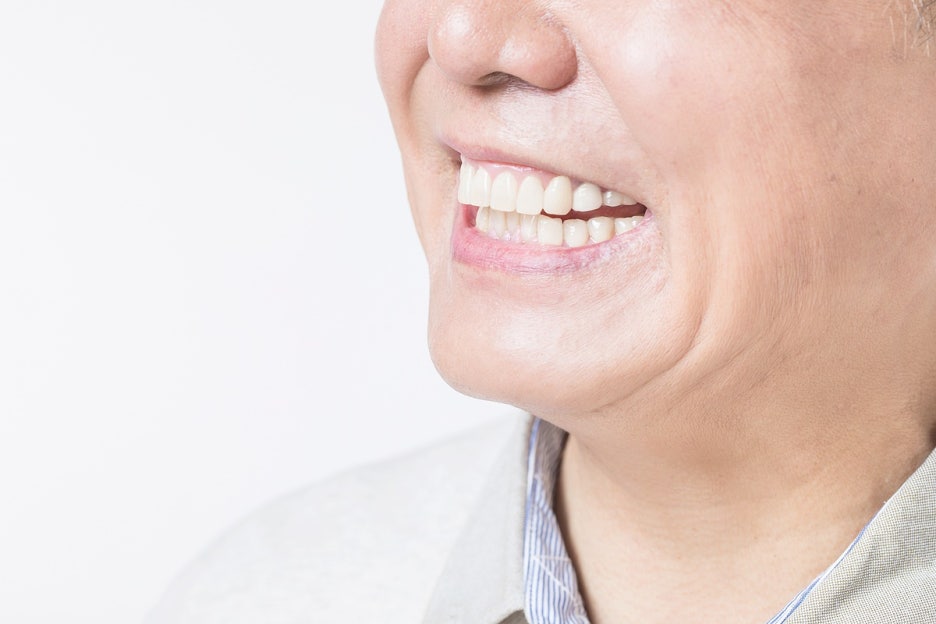
Unlike replacing each tooth with an individual implant, this approach places implants at strategic positions and angles to support a single fixed prosthesis. There is no need to remove and reinsert it like dentures, and because it can provide chewing function close to that of natural teeth, you can enjoy most foods freely.
Even in cases where there is insufficient jawbone, there are situations in which the procedure can be carried out without bone grafting, so it is often applicable even to patients who have been without teeth for a long time.
Because the prosthesis is firmly fixed in the mouth, you can live without worrying about it shifting or falling out while eating. If you prepare for treatment with an understanding of the full-arch implant recovery period, you may feel much more at ease.
 The step-by-step treatment flow starting from the day of surgery
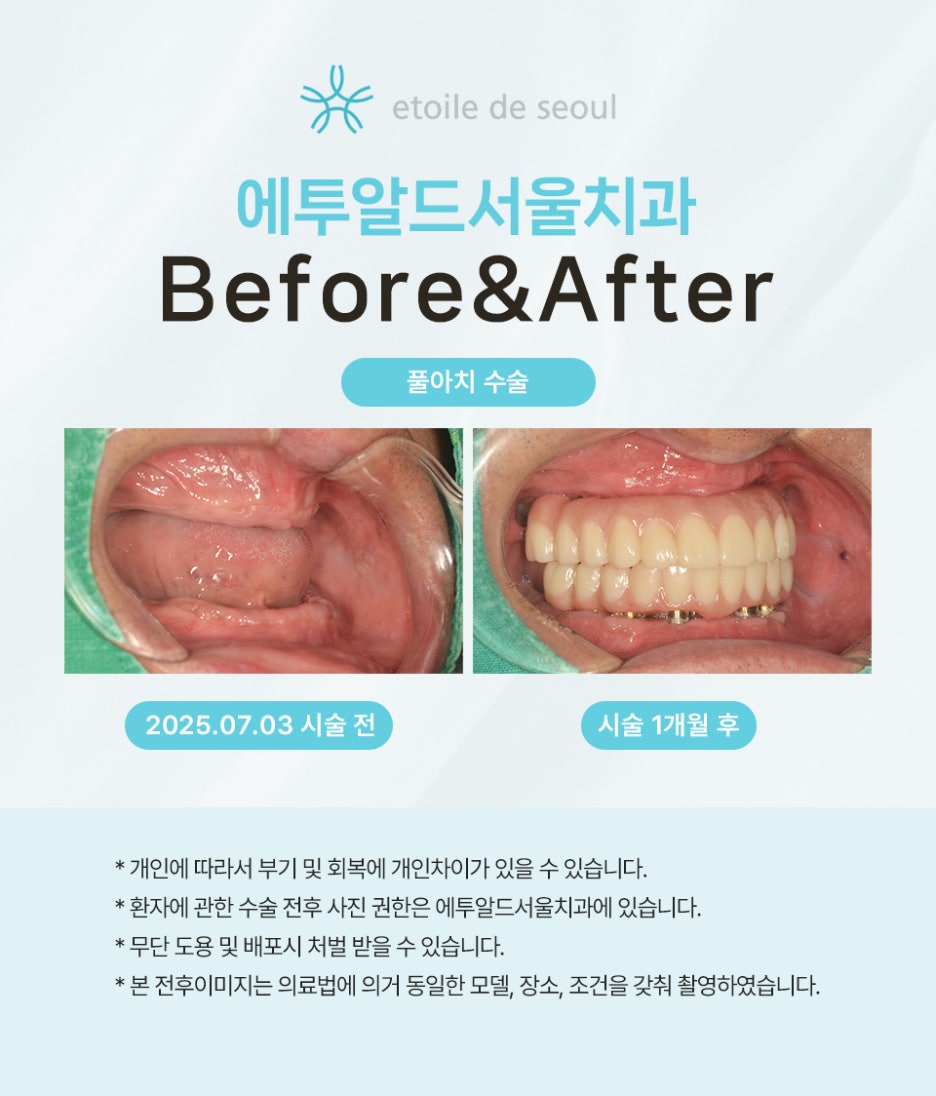
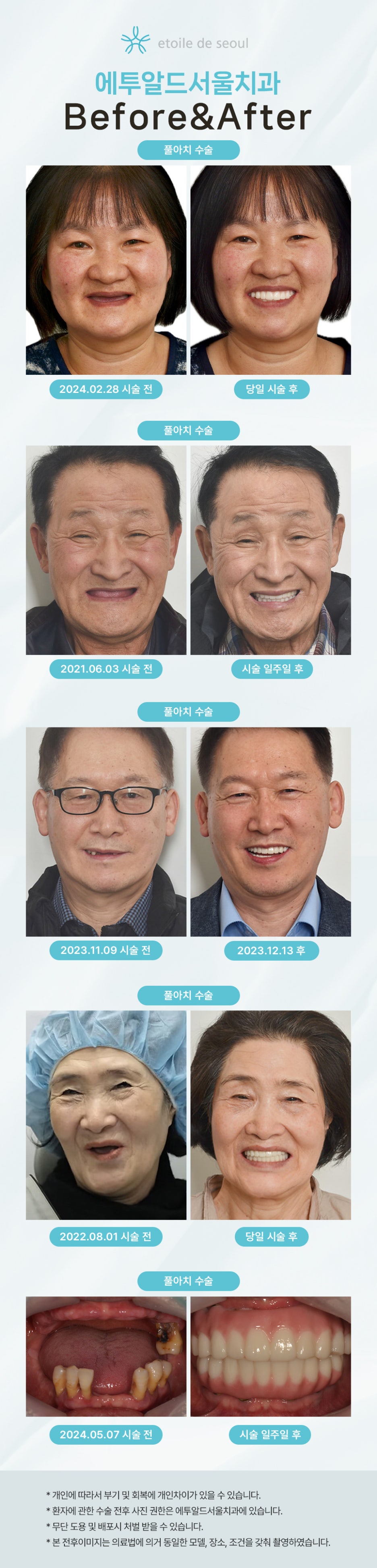
Full-arch implant treatment consists of four main stages. First, CT scans and oral scans are used to analyze the condition of the jawbone and the oral structure, and computer-based mock planning is used to pre-plan the implant positions, angles, and prosthesis shape. Then, during the actual surgery, a navigation guide is used to place the implants at the planned positions, and a temporary prosthesis is attached on the same day as surgery.
After the gums heal and osseointegration occurs, the final prosthesis made of zirconia and pink porcelain is attached. The surgery may take about 2 to 3 hours, and because temporary teeth are placed on the day of surgery, one of the strengths of this method is that there is essentially little to no time spent without teeth.
Thanks to the precise preoperative design made possible by digital equipment, surgical errors can be reduced and the recovery process can proceed more stably.
 Useful points about the recovery process
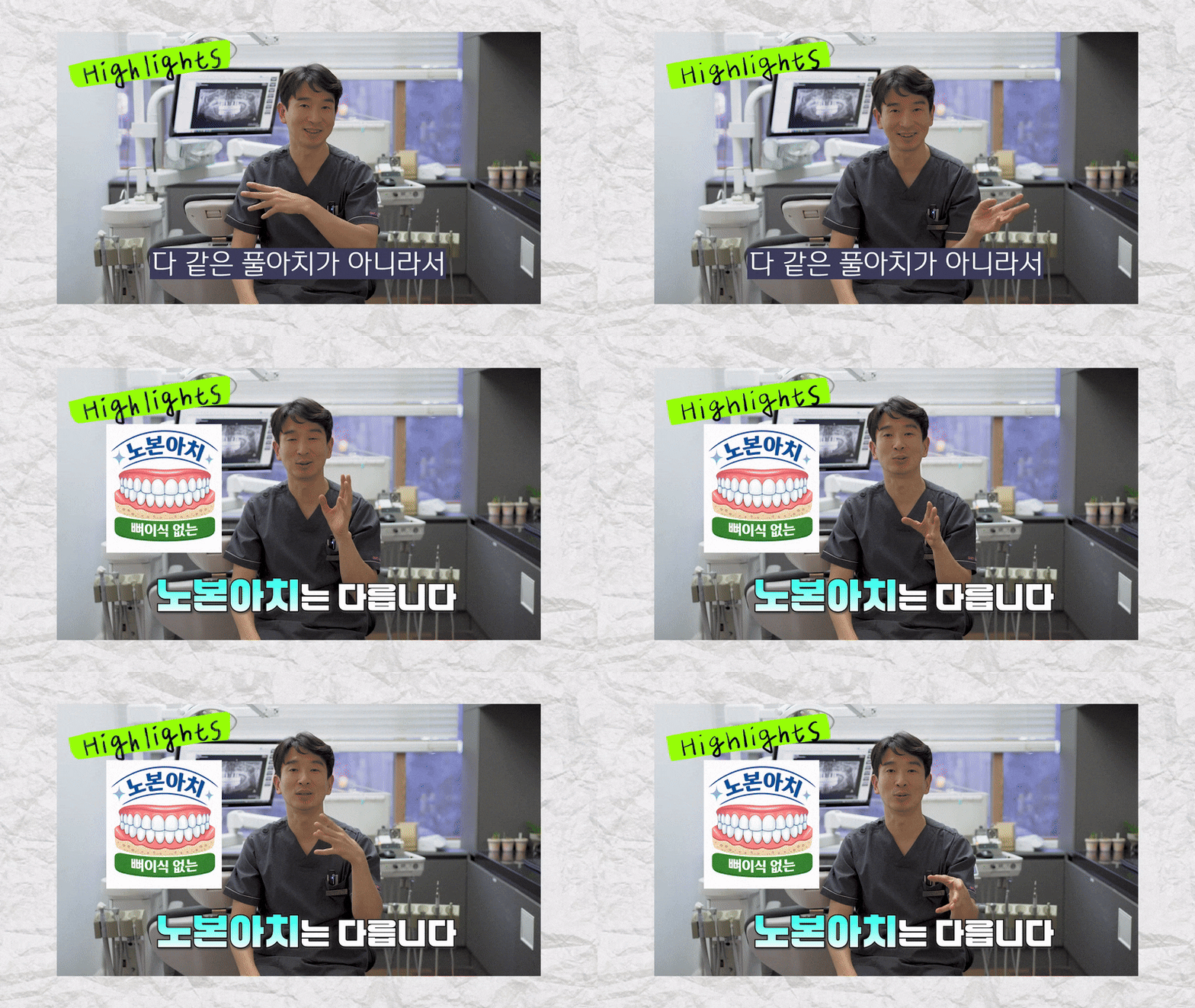
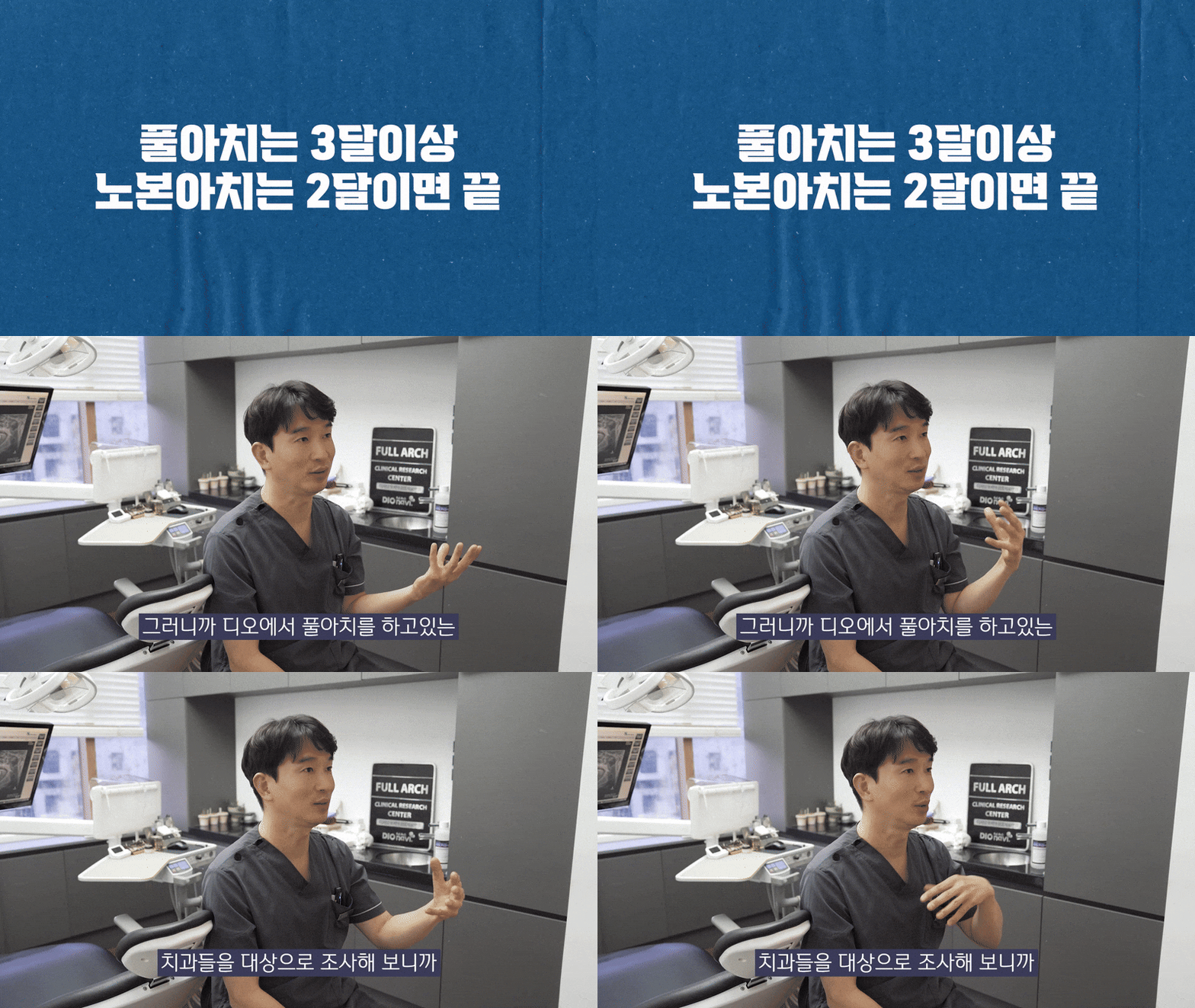
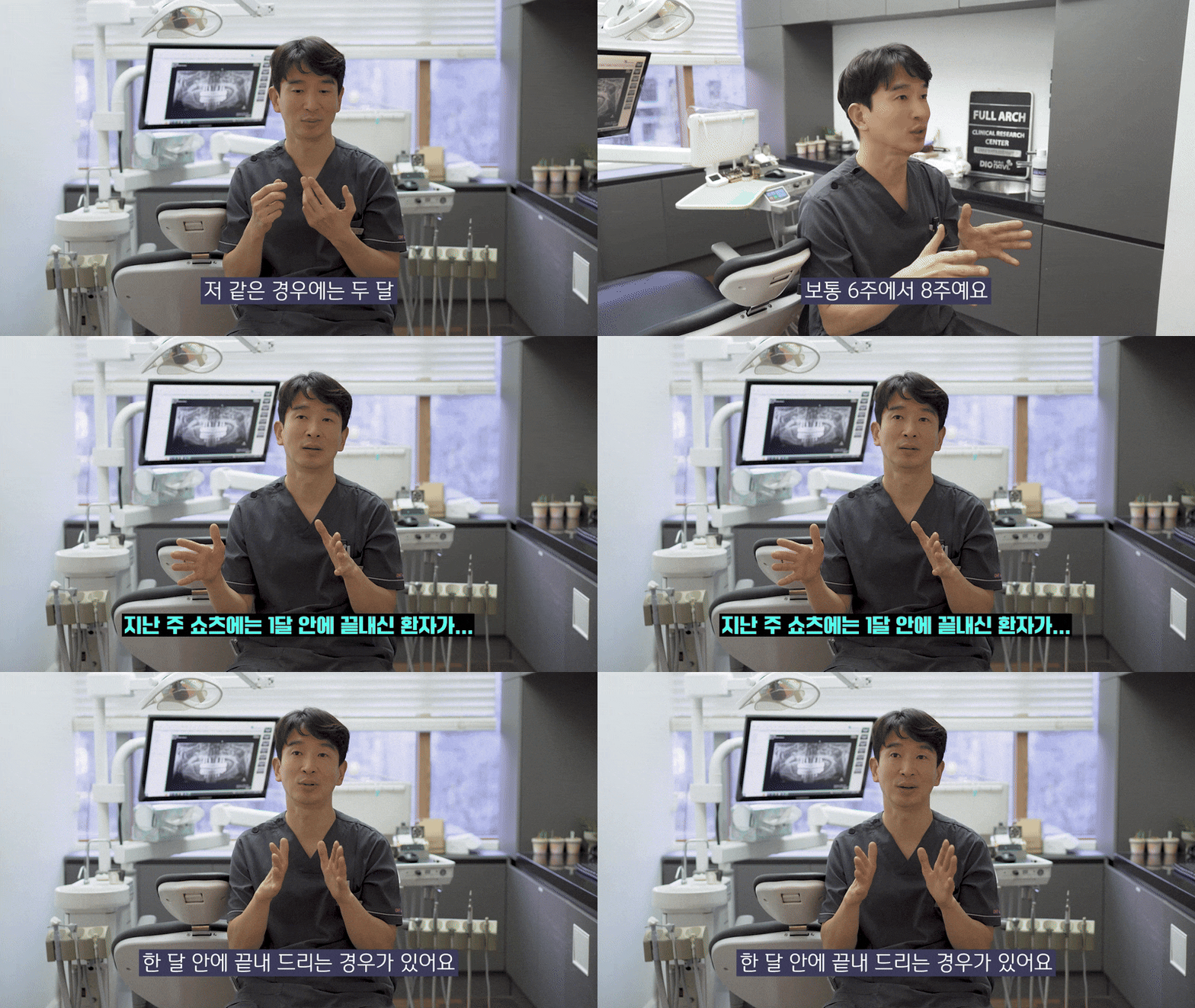
The full-arch implant recovery period can vary depending on an individual's overall health and oral condition. Immediately after surgery, temporary swelling or discomfort may occur, and in most cases these symptoms tend to gradually ease over several days.
You may return to daily life while wearing the temporary prosthesis, but during this period it is advisable to avoid hard or chewy foods. The osseointegration process, in which the implant bonds with the jawbone, may take several weeks to several months, and the final prosthesis is attached after this process has stabilized.
For those with underlying conditions such as diabetes or high blood pressure, the recovery pattern may differ somewhat, so it is important to share accurate information with the medical staff during diagnosis.
 How to keep implants healthy for a long time
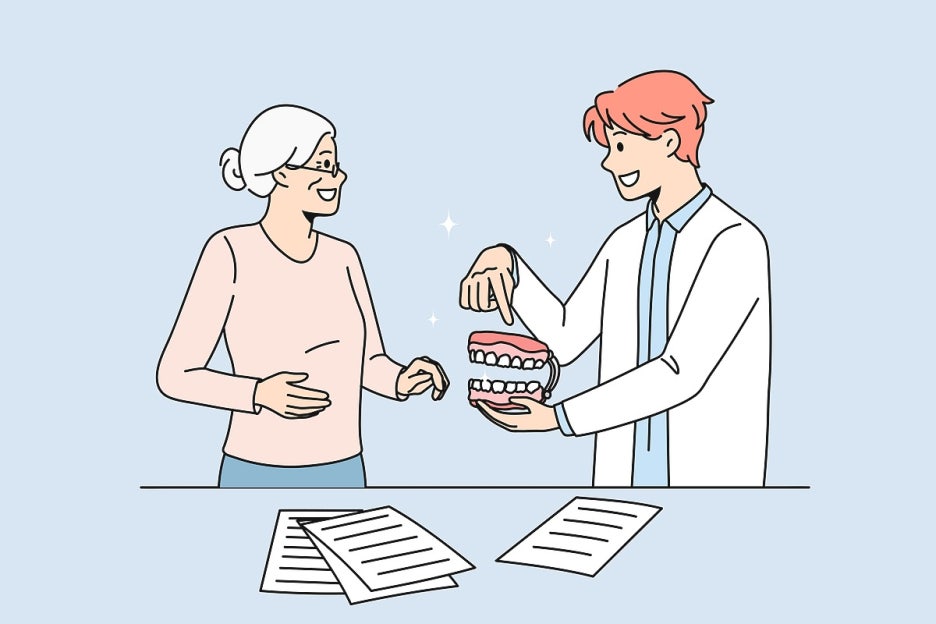
The lifespan of full-arch implants can vary depending on each person's care habits.
The key to maintenance is proper oral hygiene habits. In addition to brushing carefully every day, it is important to use dental floss or interdental brushes to remove debris between the implant and the gums. Regular dental checkups allow the condition of the tissues around the implant to be checked, and if a problem occurs, it can be identified early.
Smoking can affect the osseointegration process and gum health, so quitting before and after surgery is recommended. If consistent care is maintained, it can help keep implants healthy for a long time, and after treatment, regular checkups are recommended to continuously monitor their condition.
 Precise preoperative planning increases recovery stability
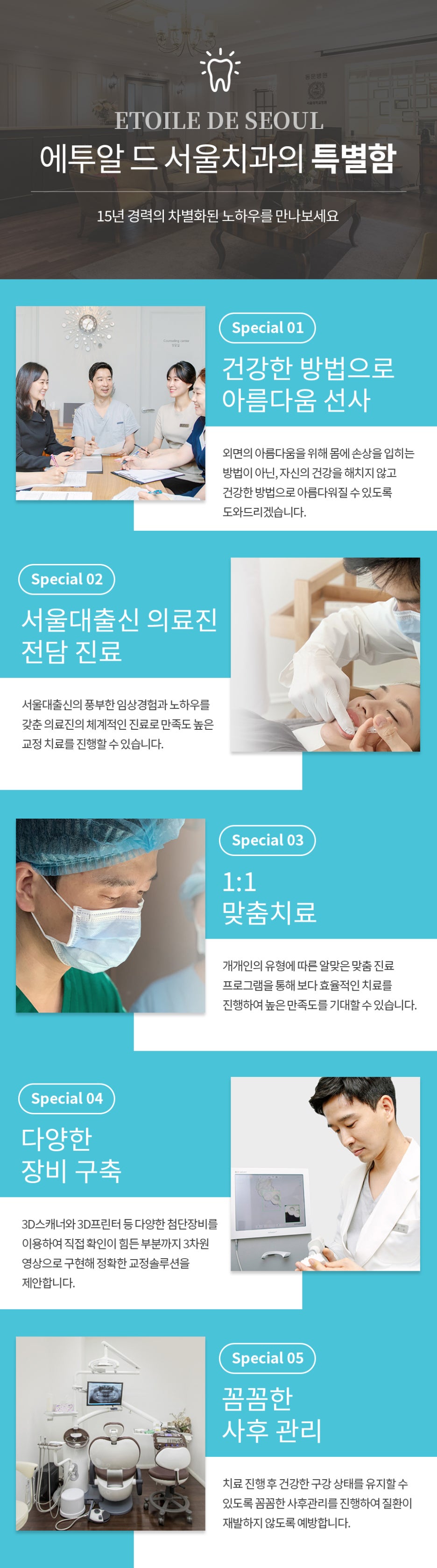
At Etoile de Seoul Dental Clinic, we use 3D CT, an oral scanner, and a digital navigation guide system to precisely design the implant placement positions, angles, and prosthesis shape before surgery. Thanks to preoperative planning using digital equipment, surgical errors can be reduced, and it may help respond more stably to changes that can occur during the full-arch implant recovery period.
During the preoperative examination stage, we closely review oral conditions and overall health status to establish a treatment plan tailored to the individual. By placing implants while comprehensively considering the amount and direction of jawbone and the location of nerves, recovery after surgery can proceed more predictably. If you understand the step-by-step process in advance through sufficient consultation before treatment, it can also help reduce vague anxiety during the recovery period.
 The more you know, the less fear you feel, and the better prepared you are, the easier recovery becomes
A clear understanding of the full-arch implant recovery period provides a solid foundation for deciding on treatment. The recovery process is not something to fear vaguely or something that simply takes a long time; it is a process that can be sufficiently anticipated and prepared for step by step. I graduated from Seoul National University College of Dentistry and carefully examine each visitor's oral condition and overall health to establish a treatment plan.
Because dental problems are directly linked to quality of life, it is important to make decisions calmly based on accurate information. I hope this article was helpful in some small way, and I will always support your healthy smile.
 Previous image
Next image
Previous image
Next image
▼ Etoile de Seoul Dental Clinic YouTube ▼










 Previous image
Next image
Previous image
Next image









Previous image
Next image