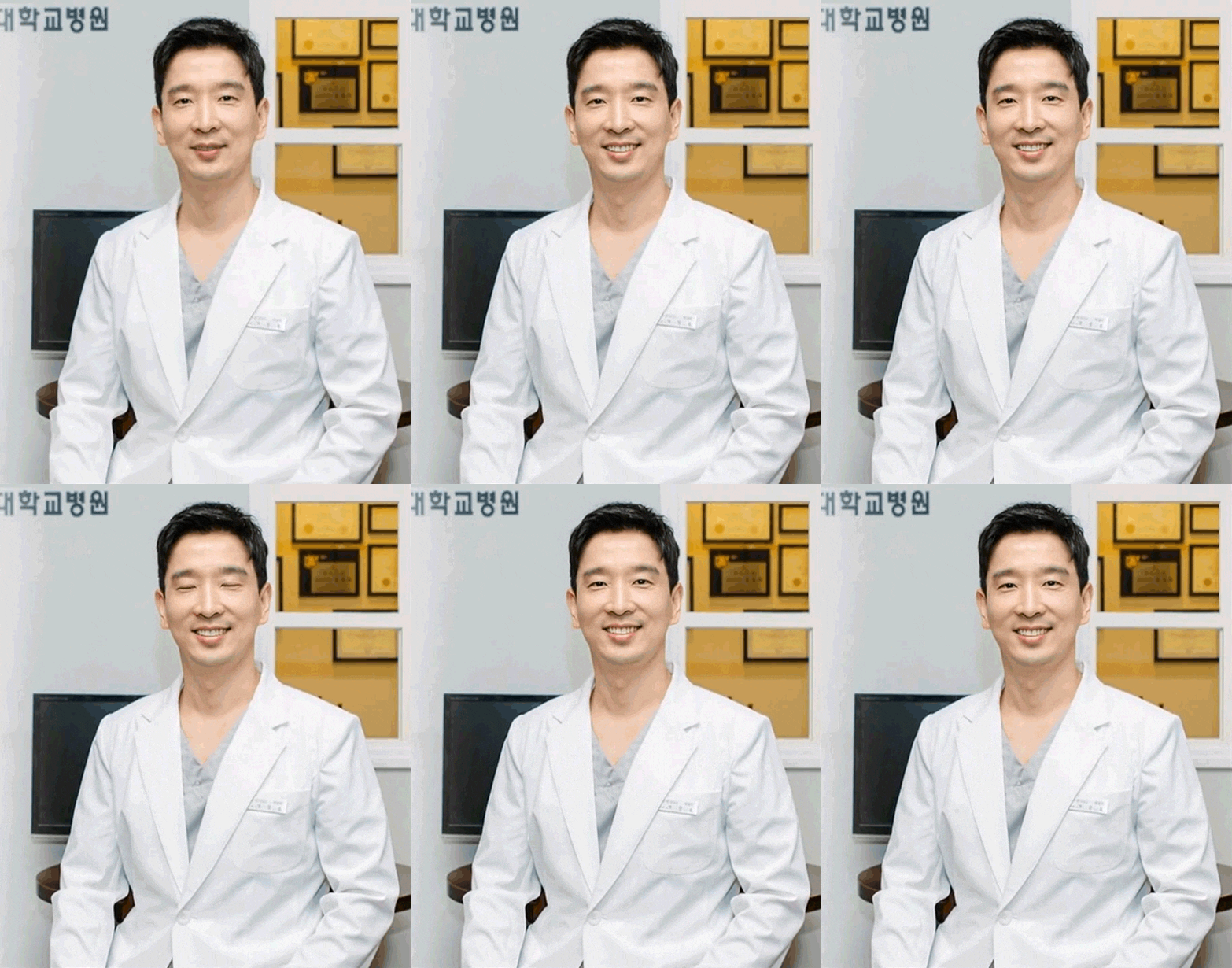
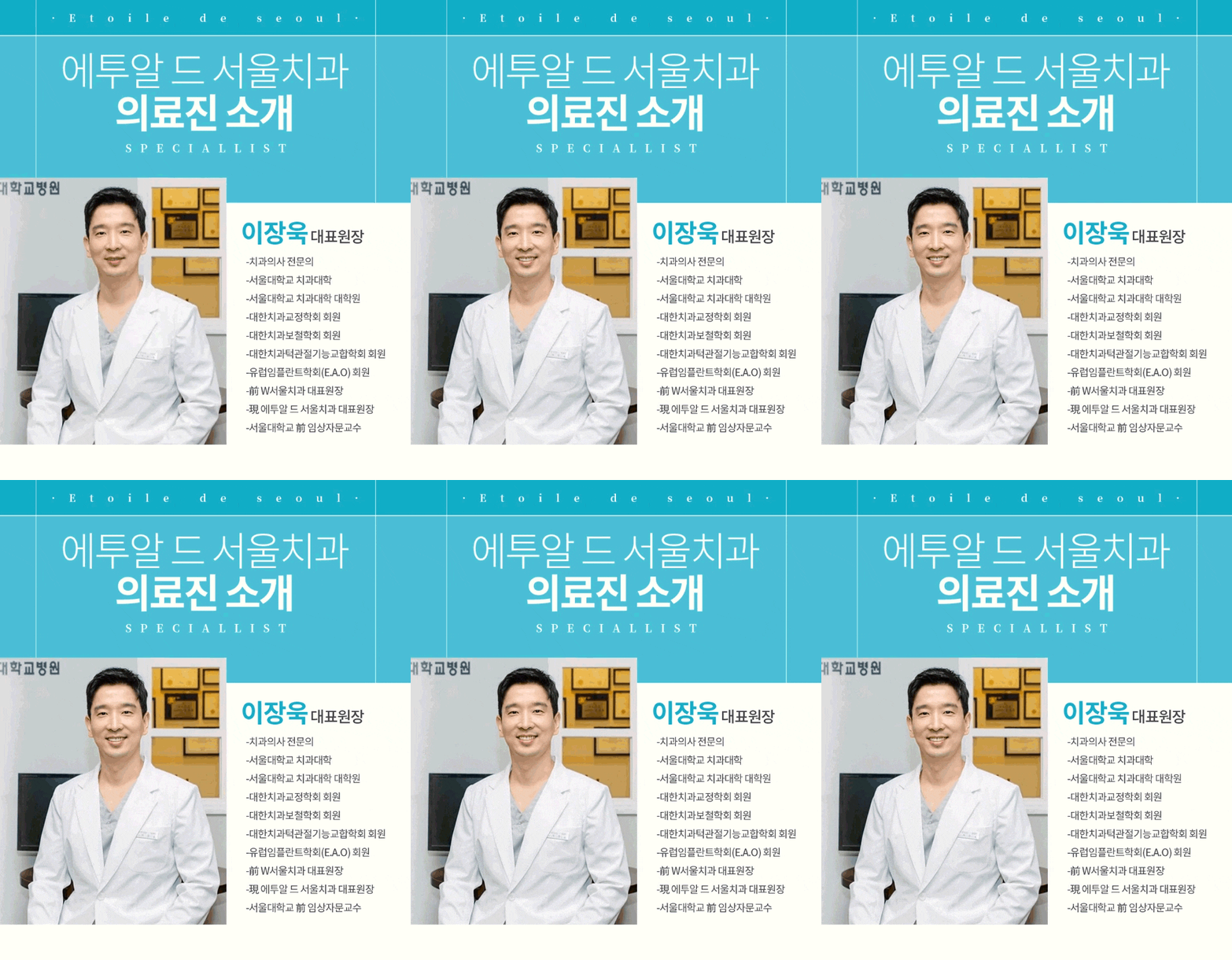
Lee Jang-wook, Chief Director
Hello.
This is Etoile Seoul Dental Clinic,
a place that does its best
for a healthy smile.
This post is for those looking into implants near Apgujeong, especially those who have been hesitant to proceed after hearing that their jawbone is insufficient.
If you have long used dentures and given up foods you wanted to eat, or if you have repeatedly been told at several dental clinics that bone grafting is necessary, I hope this information will be of some help today.
We often see in the clinic that a single mention of bone grafting can discourage patients from pursuing treatment. For those who have delayed treatment for a long time because of the condition of their jawbone, I will explain step by step how no-bone-graft implants can be possible, and what the No-Bone Arch approach is. Before deciding on treatment, I believe it is important to look at the options thoroughly.
What stands in the way of treatment
is not will, but a lack of information.
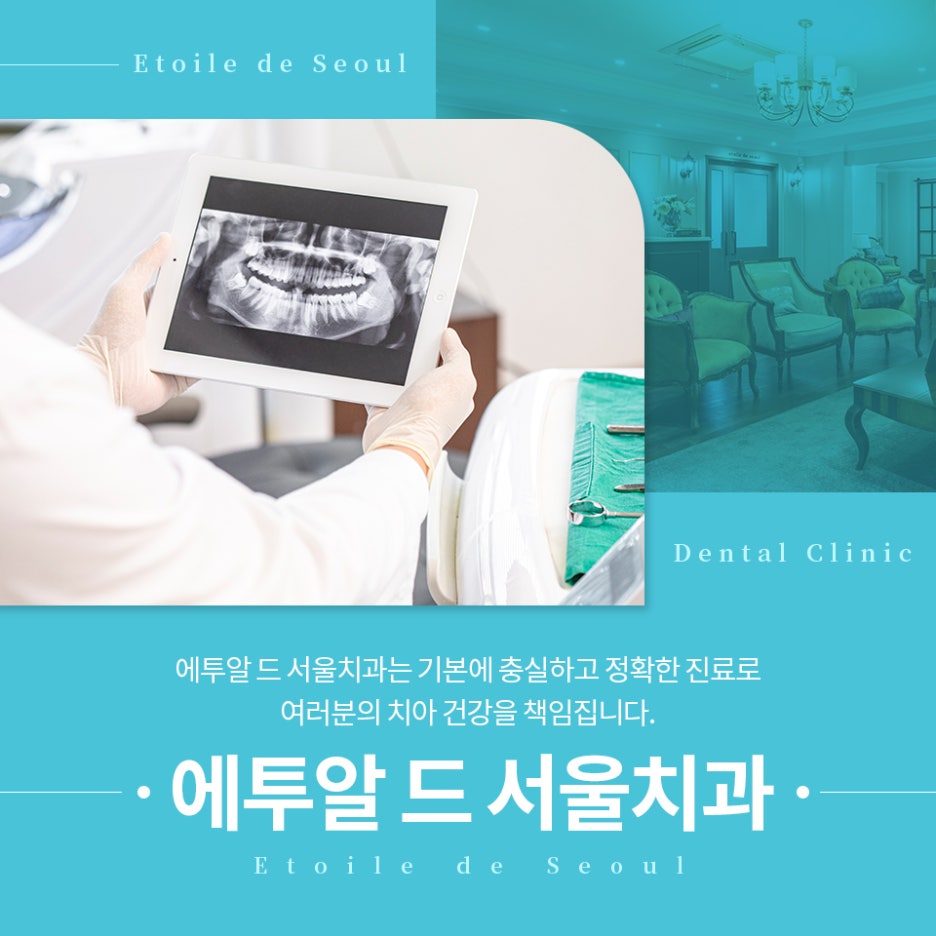
Many people actually postpone treatment for a long time after being told that their jawbone has significantly resorbed. This is because the vague fear created by the word bone grafting, the burden of a long treatment period, and for older patients, concerns about the extent of surgery all add up.
If you learn in advance that there is an option for no-bone-graft implants, your first step toward treatment can change. This method is not applicable to everyone, but if the conditions are right, there are cases where treatment can proceed without a bone grafting stage.
As I continue treating patients, I am reminded again and again that in many cases, what blocks treatment is not a lack of will but a lack of information. Even if the condition of the jawbone is difficult, I believe it is important to first look carefully at what approaches are possible.
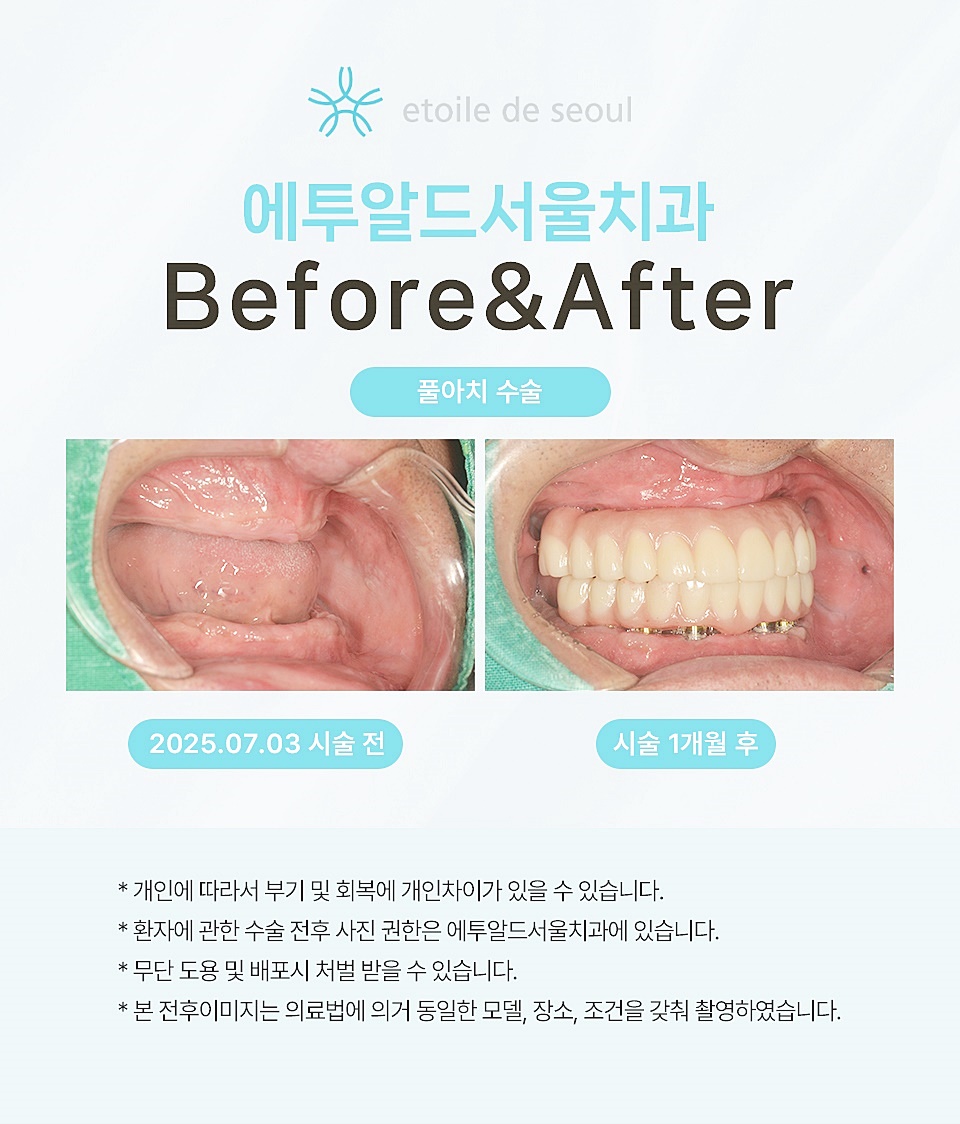 What is No-Bone Arch?
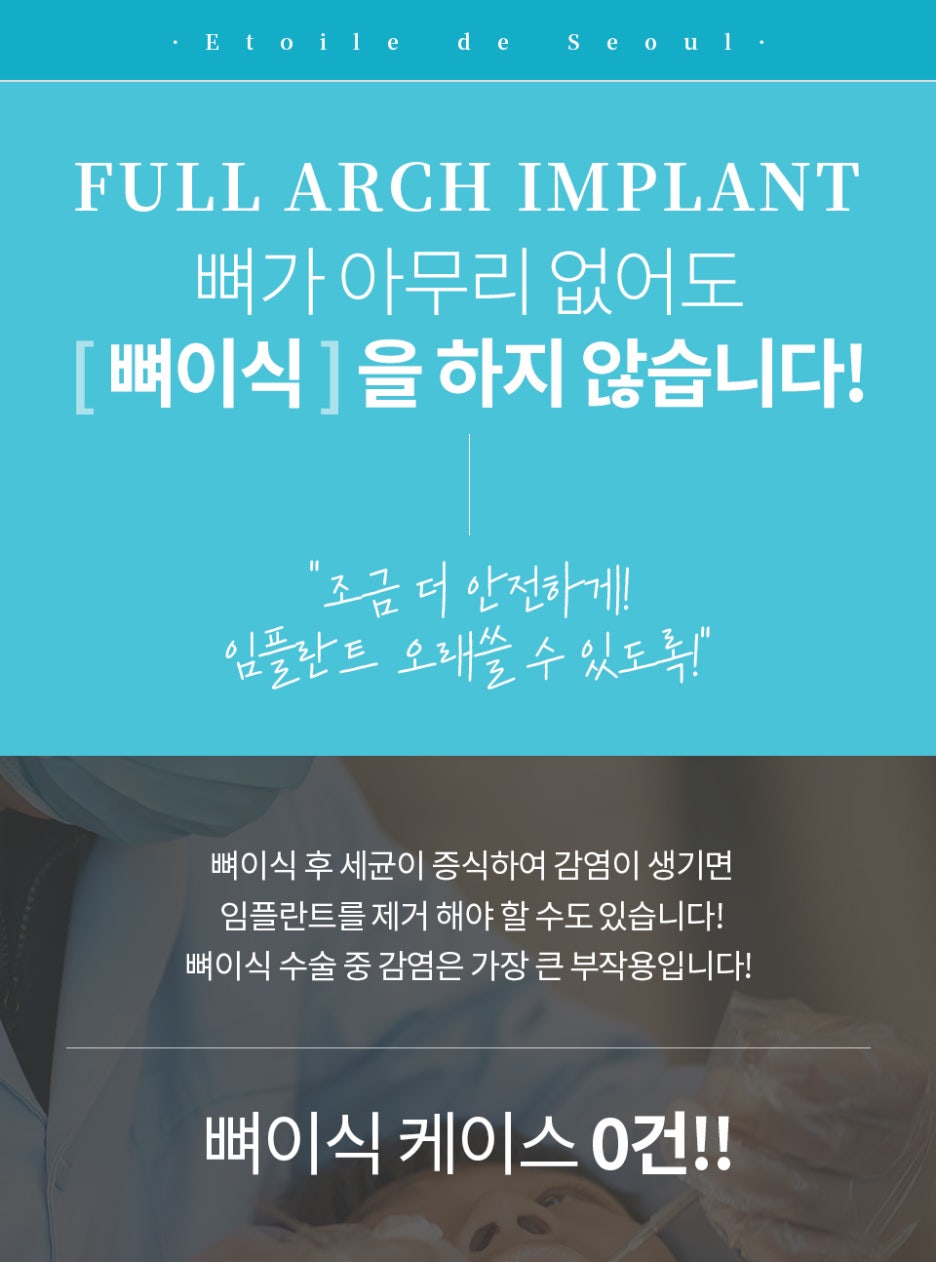
No-Bone Arch is a method designed to allow full-arch implants to be carried out without bone grafting. In general, when the jawbone is insufficient, bone grafting is done first, and then the implants are placed.
Because this process expands the surgical scope and also lengthens the overall treatment period, many people give up treatment at this stage or postpone it indefinitely. No-Bone Arch uses 3D CT and a digital navigation guide system to precisely analyze the location and density of the remaining jawbone, then places the implants at specific angles in areas where the bone remains relatively firm.
Its core principle is to create a structure that supports the entire upper or lower jaw with just 4 to 6 implants, aiming to secure stability without bone grafting. It can be described as an approach that opens up new possibilities for those who had to turn away at the clinic door simply because there was not enough bone.
However, whether it can be applied must always be confirmed through a detailed examination and diagnosis. Because jawbone conditions differ from person to person, the same method cannot be applied to everyone.
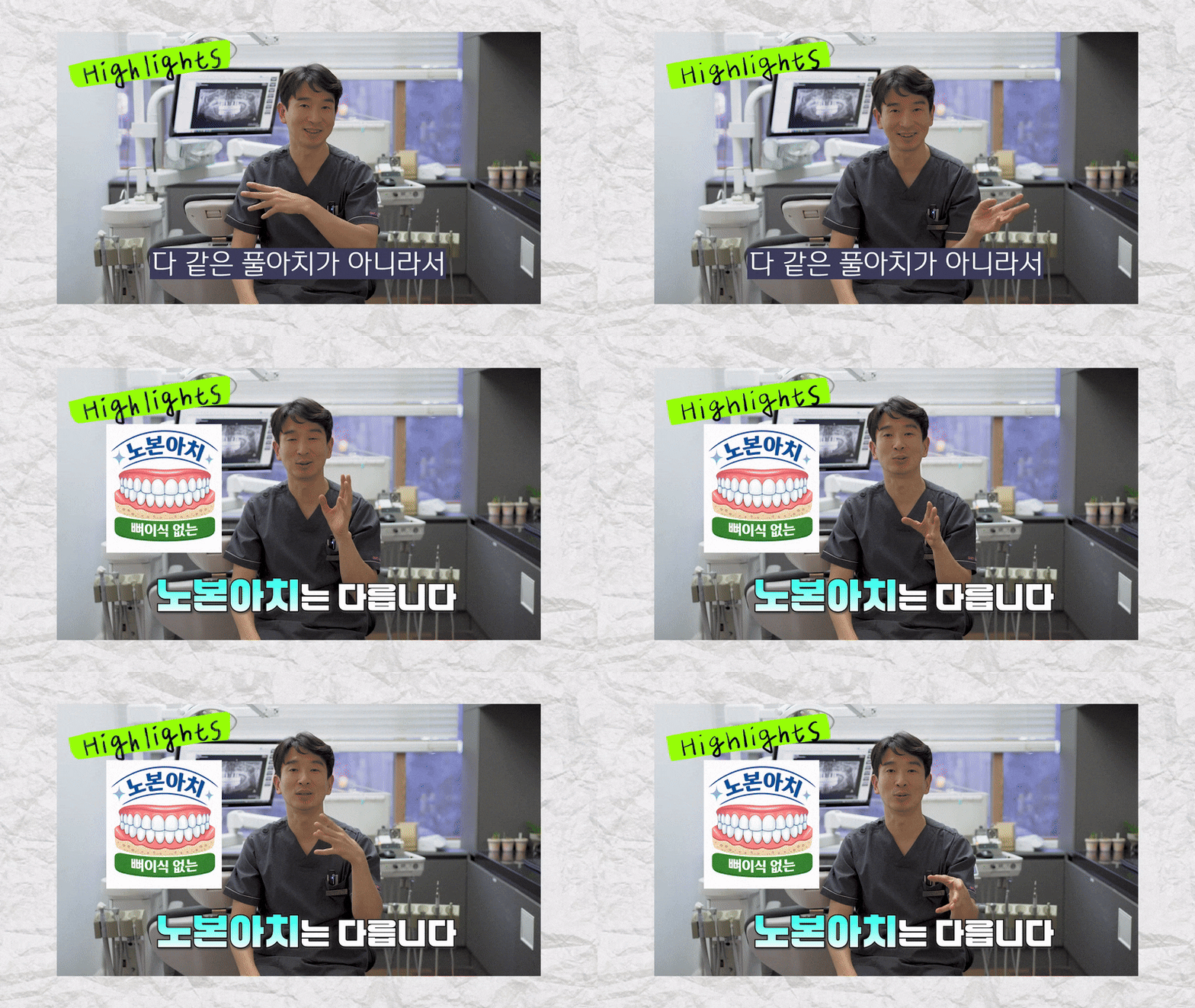
 Why No-Bone Arch draws attention
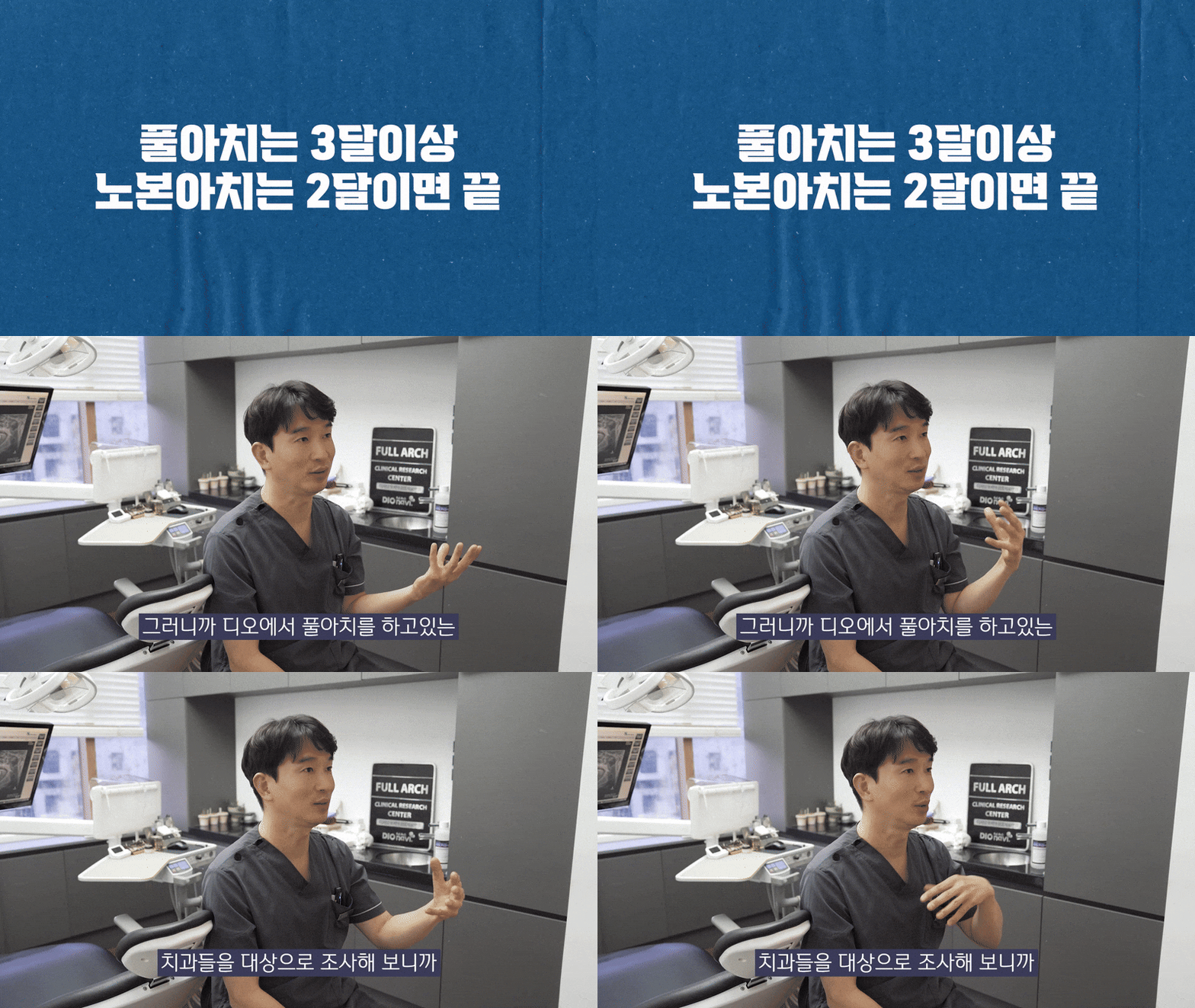
If no-bone-graft implants become possible, it means fewer surgical steps and fewer clinic visits. For older adults who have difficulty moving around, or for people with busy daily lives, this makes a very practical difference. Since full-arch implants restore an entire upper or lower jaw with 4 to 6 implants, they are often more favorable in terms of cost and treatment duration than placing every tooth individually.
In some cases, a temporary prosthesis can be placed on the day of surgery, which may help reduce the inconvenience of having to live without teeth.
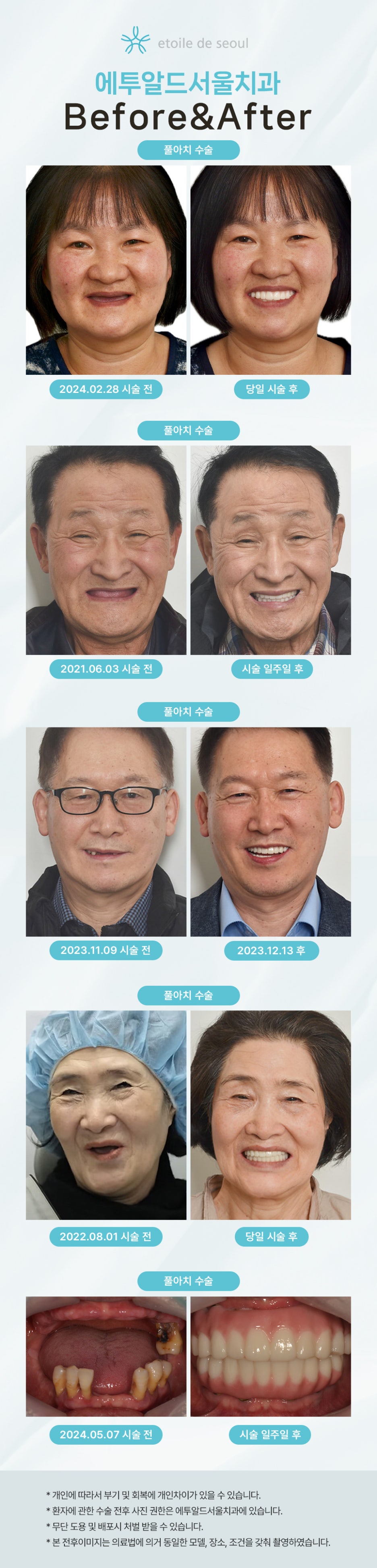
At Etoile Seoul Dental Clinic, we aim to complete prosthetics that blend naturally by delicately recreating the gum line with pink porcelain and shaping the teeth with zirconia. We provide treatment while considering both restored chewing function and aesthetics.
 Digital technology completes No-Bone Arch
Digital technology plays a decisive role in making No-Bone Arch possible.
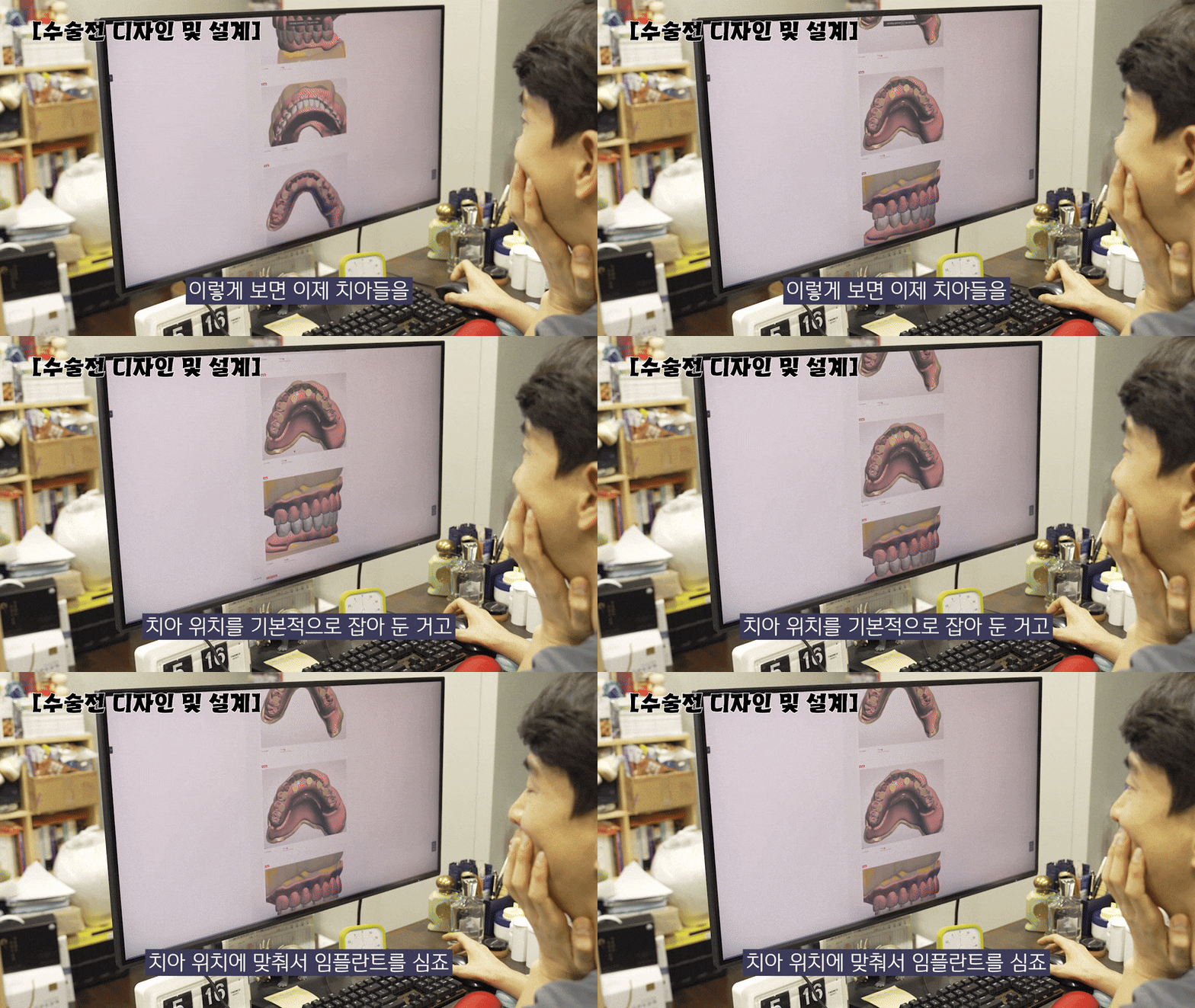
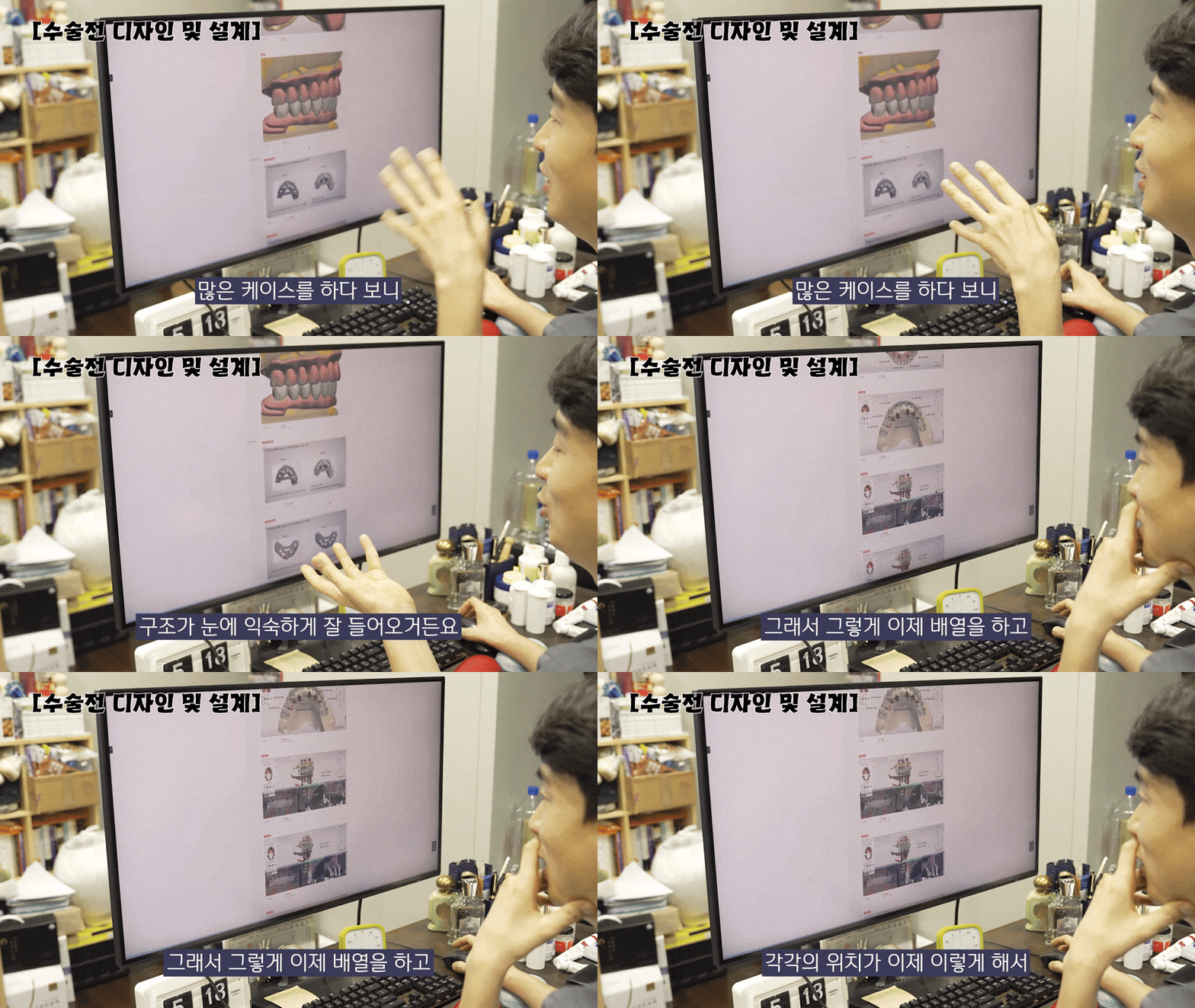
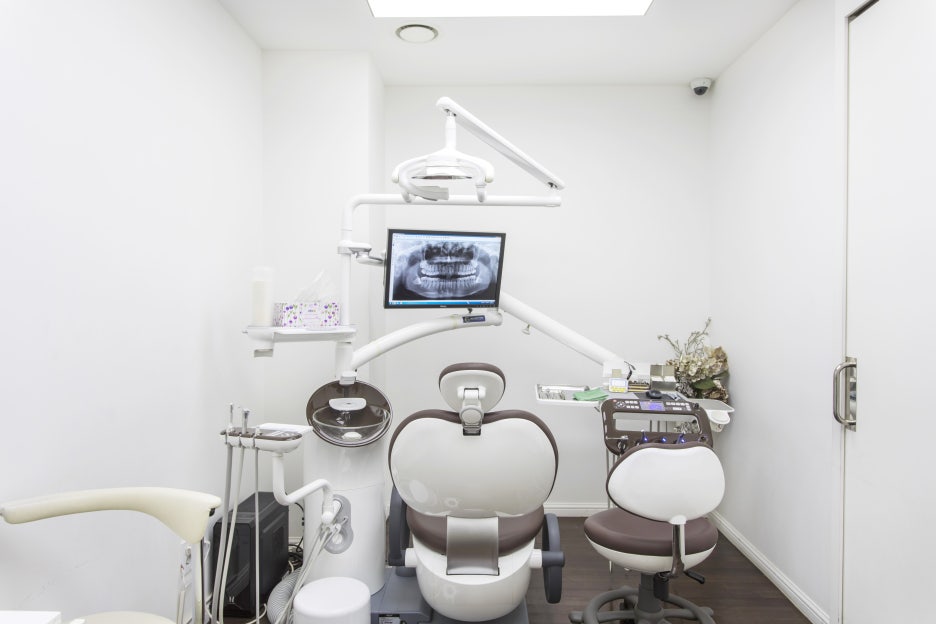
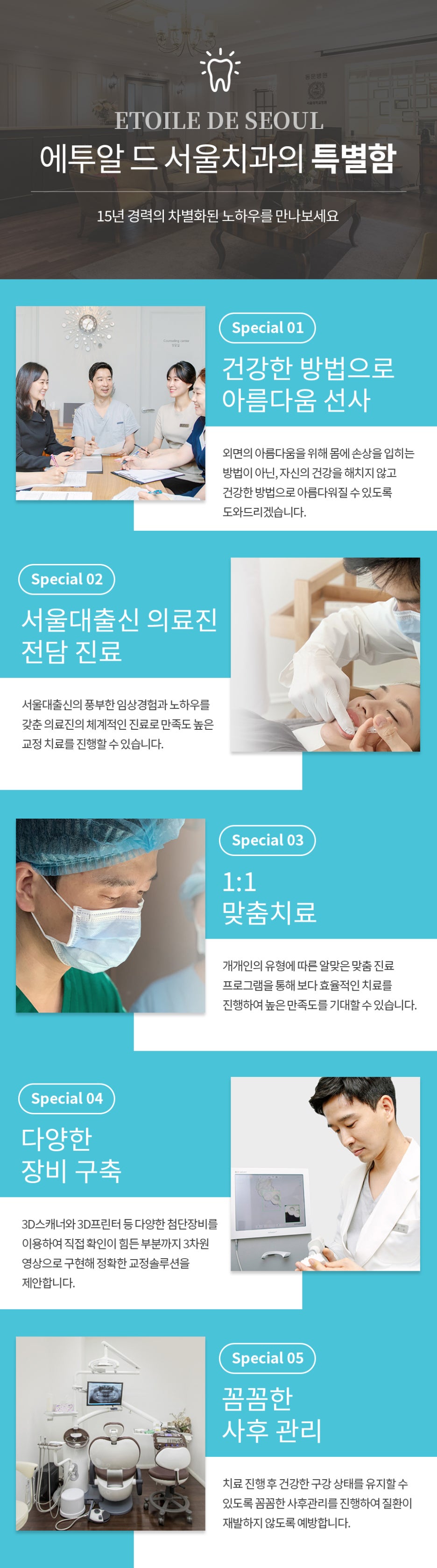
At Etoile Seoul Dental Clinic, we use 3D CT, a TRIOS intraoral scanner, a Dio Navi navigation guide, and a 3D printer to carry out computer-based preoperative simulation.
After three-dimensionally assessing the patient’s jawbone condition, we first design the angle and position for implant placement, and then perform the actual surgery according to that plan. Through this process, incisions can be minimized while allowing accurate placement at the planned positions, and postoperative discomfort also tends to be reduced.
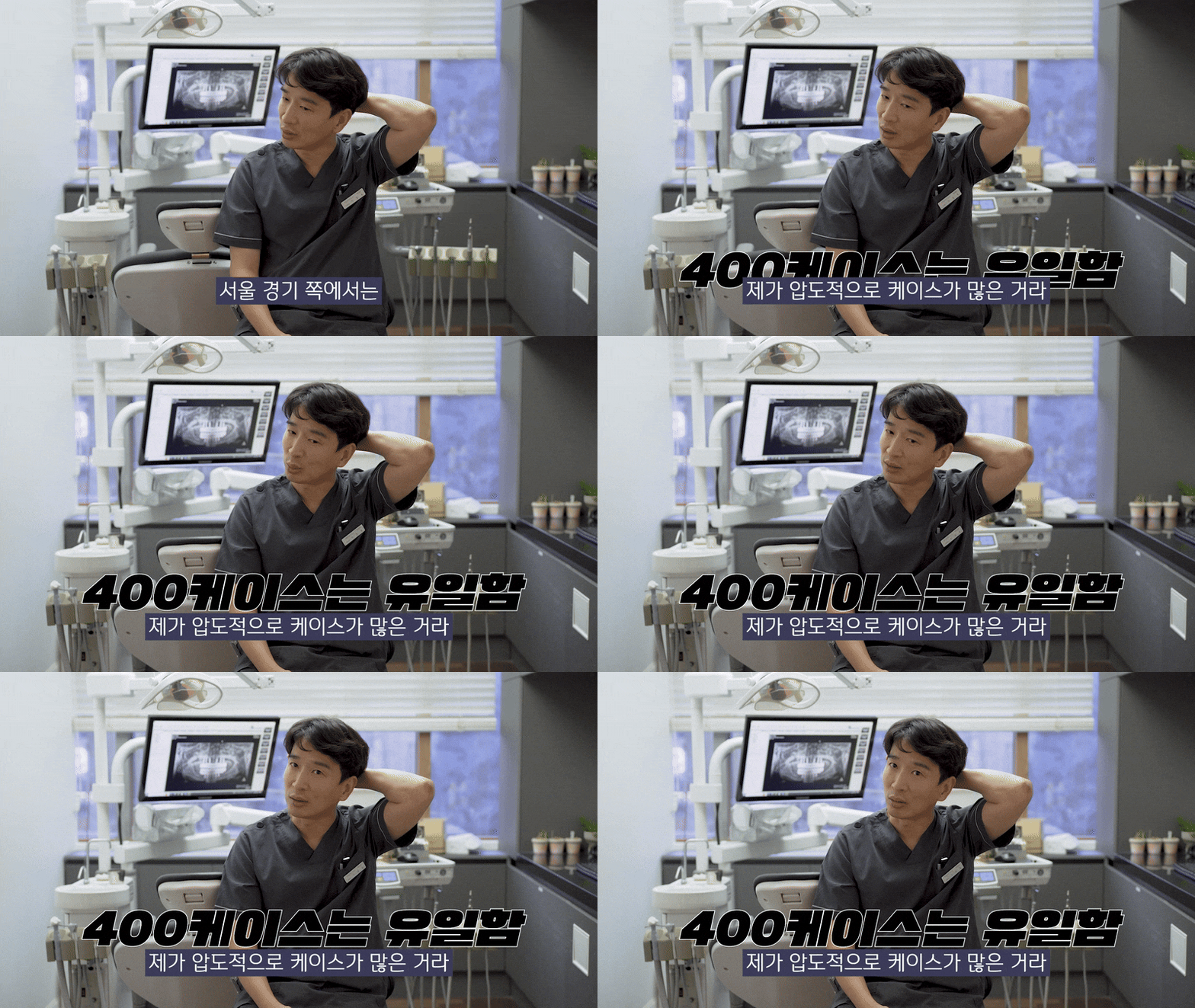
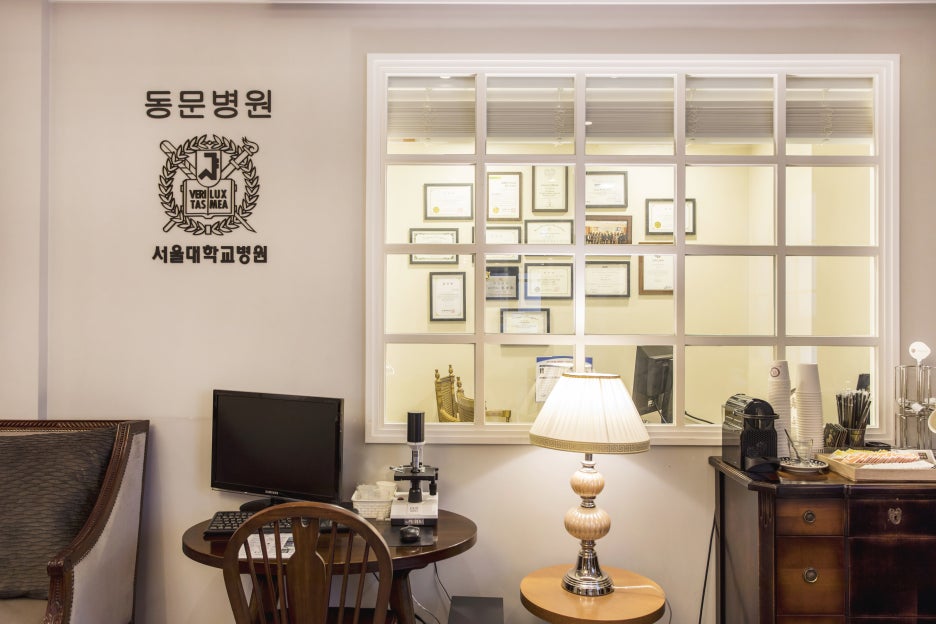
The chief director, a graduate of Seoul National University School of Dentistry with over 20 years of clinical experience, personally performs the surgery. This is because precise judgment of angle and position according to the condition of the jawbone has a major impact on the outcome of this method.
This is also a method that becomes possible only when all of these processes work together organically. Advances in digital technology are opening up new possibilities in implant treatment.
Post-implant care determines longevity
Whatever implant method is used, if follow-up care is not provided, there can be a significant difference in longevity.
For full-arch implants, just like natural teeth, it is important to brush properly every day and use dental floss and interdental brushes together. It is also essential to have regular checkups every six months and consistently monitor the condition of the gums around the implants.
At Etoile Seoul Dental Clinic, we operate a treatment warranty system that provides complimentary care related to full-arch treatment within three years after full-arch procedures, including no-bone-graft implants, and we use only genuine implants. A system is in place so that structured aftercare can continue even after treatment.
We also take care to provide customized care instructions suited to each visitor’s individual condition.
 You may take enough time to think about it now
To those who have endured the inconvenience of dentures for a long time, or who have delayed implants because they were told their jawbone is insufficient, I would like to say one thing.
You do not have to make a decision right now.
However, accurately understanding your current oral condition can be the first step. No-bone-graft implants are not suitable for everyone, but a diagnosis based on a detailed examination must come first. If the possibility is open, I recommend that you look into it sufficiently and make a careful decision.
Whichever treatment method you choose, what matters most is that you make the decision only after fully understanding and accepting it yourself. We will be a place where we work together to find the direction that suits each person’s situation.
This was Dr. Lee Jang-wook.
 Previous image
Next image
Previous image
Next image
▼ Etoile Seoul Dental Clinic YouTube ▼









 Previous image
Next image
Previous image
Next image








 Previous image
Next image
Previous image
Next image