
Chief Director Lee Jang-wook
For a bright smile,
If you are curious about
how to care for it,
Ettoile Seoul Dental Clinic will tell you.
Today, I’d like to go over why discoloration can occur in laminates and how to prevent and manage it step by step. I hope this article will serve as practical reference for those who already have laminates or are preparing to get them.
Have you ever felt that the color of your laminates changed over time after getting them?
Some of you may have felt uneasy as the clear, translucent look from the day they were first bonded seemed to fade little by little. If you do not properly understand the causes of laminate discoloration, it becomes hard to know which habits are causing the problem, and the same situation can easily repeat itself.
In fact, discoloration usually does not appear all at once; it is often the result of small daily habits accumulating over time. What you eat, how you brush your teeth, and how consistently you visit the dentist can all affect the condition of your laminates.
The laminate itself does not discolor;
management of the margins and surface is the key

Porcelain materials used in laminates, such as e.max ceramic, are generally not prone to staining on their own.
However, pigment can adhere to the bonding margin between the laminate and the tooth, as well as to tiny scratches on the surface. It is helpful to understand first that a large part of the causes of laminate discoloration comes from foods and drinks commonly encountered in daily life. Deeply colored foods such as coffee, black tea, red wine, curry, and doenjang can cause slight staining as they repeatedly contact the surface.
Smoking is also one of the main causes.
Tar in cigarette smoke can adhere not only to the tooth surface but also to the laminate margin, making it appear yellowish or brown.
Using toothpaste with strong abrasive ingredients or brushing too hard can create small scratches on the surface, giving pigment a pathway to seep in. In particular, foods containing red wine or turmeric tend to have strong staining power, so rinsing your mouth quickly after eating them can be helpful.
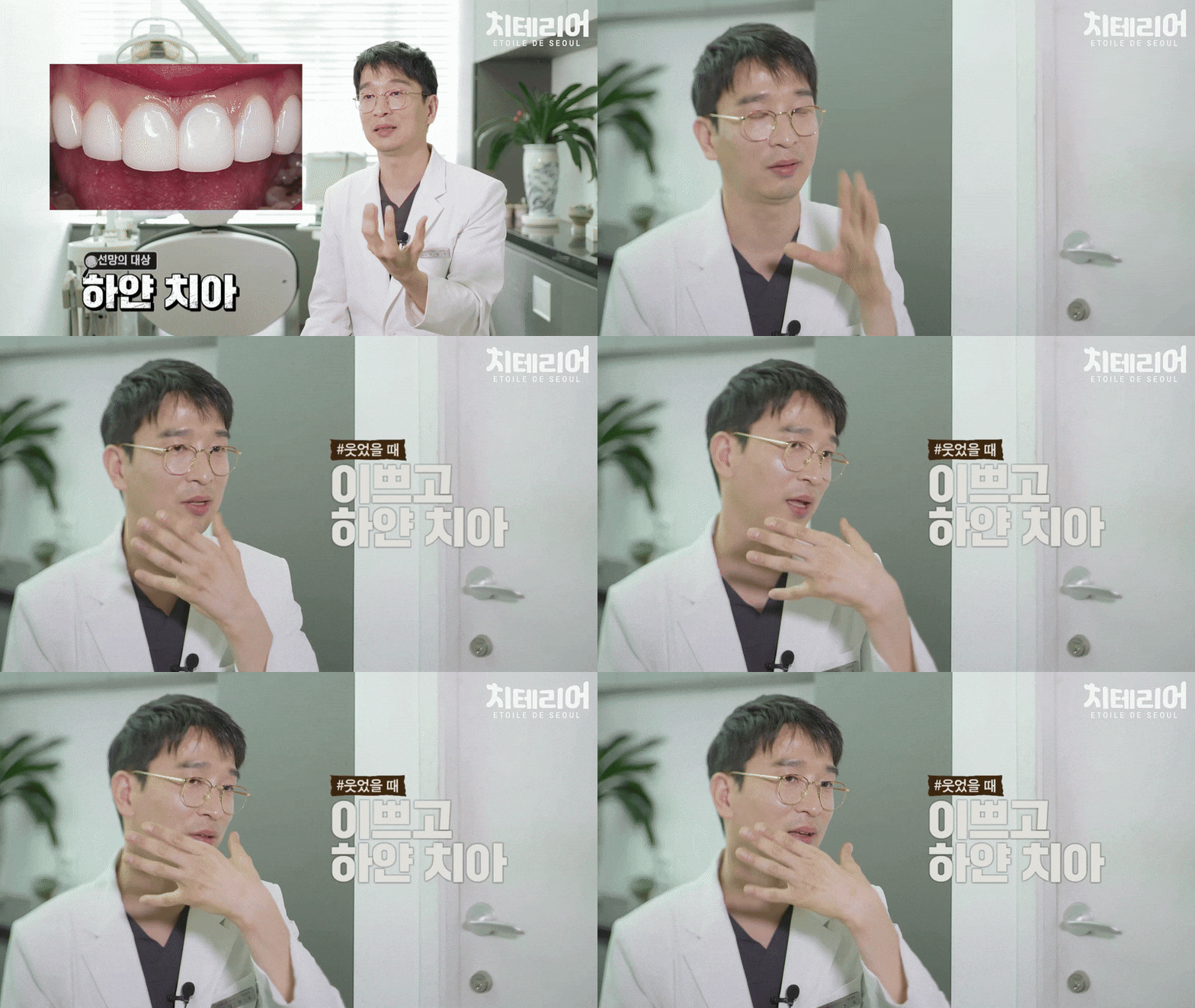 What matters even more than food is how you brush
One thing many people overlook is that the oral care method itself can affect discoloration.
It is unrealistic to avoid all deeply colored foods, but rinsing with water after eating them or brushing your teeth as soon as possible can help reduce staining. Use a soft-bristled toothbrush, and rather than scrubbing back and forth with force, gently brushing in circular motions is better for protecting the laminate surface.
Toothpaste selection is also important.
Some whitening toothpastes with coarse abrasive particles can affect the laminate surface.
It is better to choose a low-abrasion fluoride toothpaste or a toothpaste made for laminates. For mouthwash, using one with gentle ingredients rather than a product with a high alcohol content may help maintain the bond at the margins.
In addition, using dental floss or interdental brushes together can help manage debris in the margin areas that a toothbrush cannot easily reach.

 Regular checkups and scaling are not optional; they are the foundation of maintenance
Many people do not visit the dentist for a while after getting laminates.
That is often because they think there is no need to go unless something hurts. But tartar can easily build up around the laminate margins, and when tartar accumulates, it can create an environment where pigment adheres more easily.
One of the causes of laminate discoloration is neglecting tartar management. Getting a checkup and scaling every six months can help prevent this in advance. Also, through polishing performed at the dental clinic, you can manage surface stains that cannot be removed by daily brushing.
This is a process of carefully checking even the margin areas that are difficult to reach with home care, and it helps maintain the brightness of the laminates for a long time. Regular dental visits are an essential part of maintaining laminate longevity.
 Small habits in daily life shape how your laminates look today
When drinking deeply colored beverages such as coffee or wine, using a straw whenever possible can help reduce direct contact with the front surface of the laminates. Rinsing with a sip of water after drinking can also help reduce pigment buildup.
If you often eat hard foods or have a habit of clenching your teeth, it is better to be careful so that tiny surface damage does not develop on the laminates. If you notice small changes on the surface or feel that the color seems different, it is wise to identify which stage it is at and respond at the appropriate time.
It may be more beneficial to check early rather than waiting until discoloration becomes severe. Staying in regular communication with the dental clinic and monitoring changes is a smart way to keep laminates bright for a long time.
 Once you know, it is not frightening. That was true for that person, and it was true for me too
As you identify the causes of laminate discoloration one by one, you will gradually feel your vague anxiety becoming more organized.
Once you know what affects them, the methods you can practice in daily life also begin to appear naturally. Changing toothpaste, rinsing after drinks, and consistently keeping up with regular checkups—these small changes in routine become the foundation for keeping laminates bright for a long time.
It is not something difficult or bothersome; it begins with small positive changes in everyday life. That is the starting point for maintaining a bright smile for a long time.
Even if discoloration does occur, if you know the cause, you can respond to it. And if you know in advance, it helps you maintain a brighter condition from the start. In the end, the key to laminate care is consistently maintaining small habits.
 Your tomorrow will definitely be different
After graduating from Seoul National University College of Dentistry and continuing clinical practice for more than 20 years, I have repeatedly felt that as important as post-treatment care is, it is equally important for the patient to understand it themselves.
Over time, there can be a difference between those who understand the causes of discoloration in advance and those who do not. At Ettoile Seoul Dental Clinic, we provide detailed guidance so that patients can manage their care well in daily life even after treatment is complete. Laminates are important at the start, but how you spend the time afterward affects the outcome.
Understanding the causes of laminate discoloration in advance and consistently maintaining small daily habits is the first step toward preserving a bright and healthy smile for a long time. I hope this article will serve as practical reference for those who already have laminates or are preparing to get them.
I hope your bright and healthy smile lasts for a long time.

 Previous image
Next image
Previous image
Next image
▼ Ettoile Seoul Dental Clinic YouTube ▼












 Previous image
Next image
Previous image
Next image









Previous image
Next image