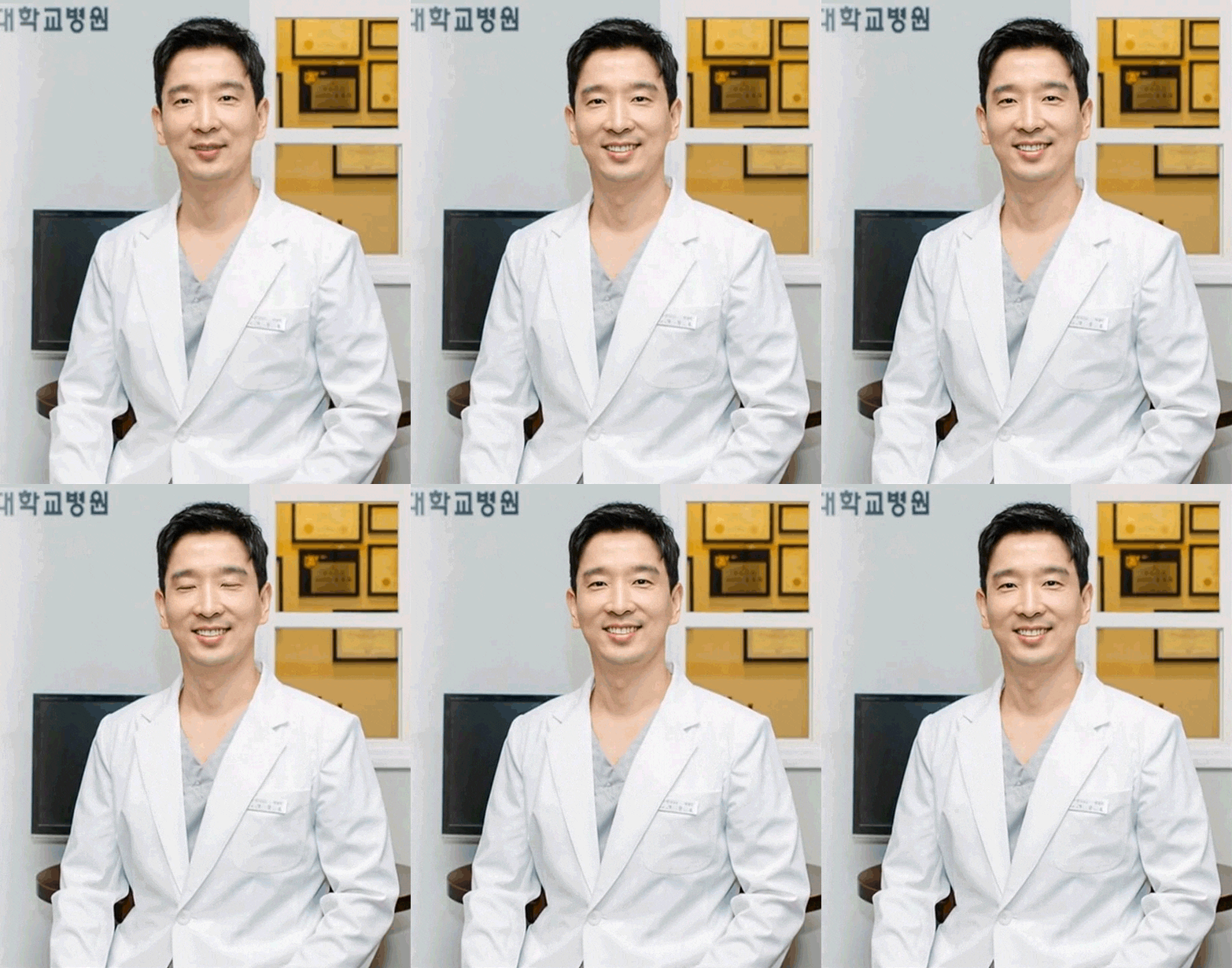
Lee Jang-wook, Chief Director
If you have been delaying treatment
because you are afraid of side effects,
At Etoile Seoul Dental Clinic,
we will help you take the first step.
For those considering implants, the first concern that often comes to mind is side effects from Cheongdam implants.
You may have spent a long time searching through various materials before deciding on treatment, but as you look into the information, some people feel even more confused. Because the course of implant treatment can vary depending on oral condition, overall health, and how care is managed after treatment, it is important to understand it based on accurate information rather than vague fear.
Today, I will organize in order the types and causes of abnormal reactions that may appear after implant treatment, how to respond when signs of trouble occur, and preventive care methods that can be practiced in daily life. I hope this article will be of some help to those who are delaying treatment because they are afraid of side effects, and to those who do not know where to begin.
Types of abnormal reactions that may appear after treatment
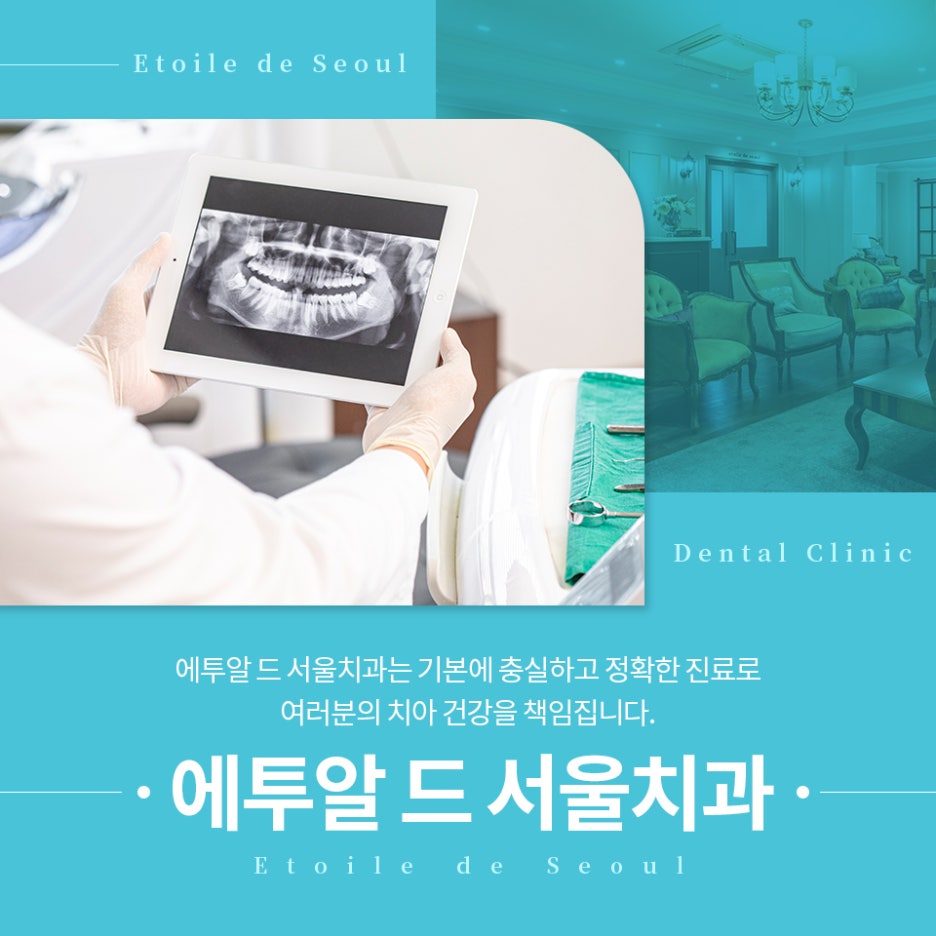
The term Cheongdam implant side effects refers collectively to various abnormal reactions that may appear after treatment.
The most commonly known one is peri-implantitis, a condition in which inflammation develops in the gums and jawbone around the implant. Similar to gum disease in natural teeth, inflammation can gradually progress if oral hygiene is neglected or regular checkups are missed. Nerve irritation due to problems with the precision of the placement position or angle, as well as positional issues with adjacent tissues, can also cause abnormal reactions.
If you have systemic conditions such as diabetes or osteoporosis, the process of bone and implant integration may be affected.
Smoking is also known as one of the factors that negatively affects gum blood circulation and bone integration. When detailed diagnosis is carried out before treatment, including 3D CT and an oral scanner to closely check bone density, nerve location, and blood vessel distribution, it helps predict and prepare for possible problems in advance.
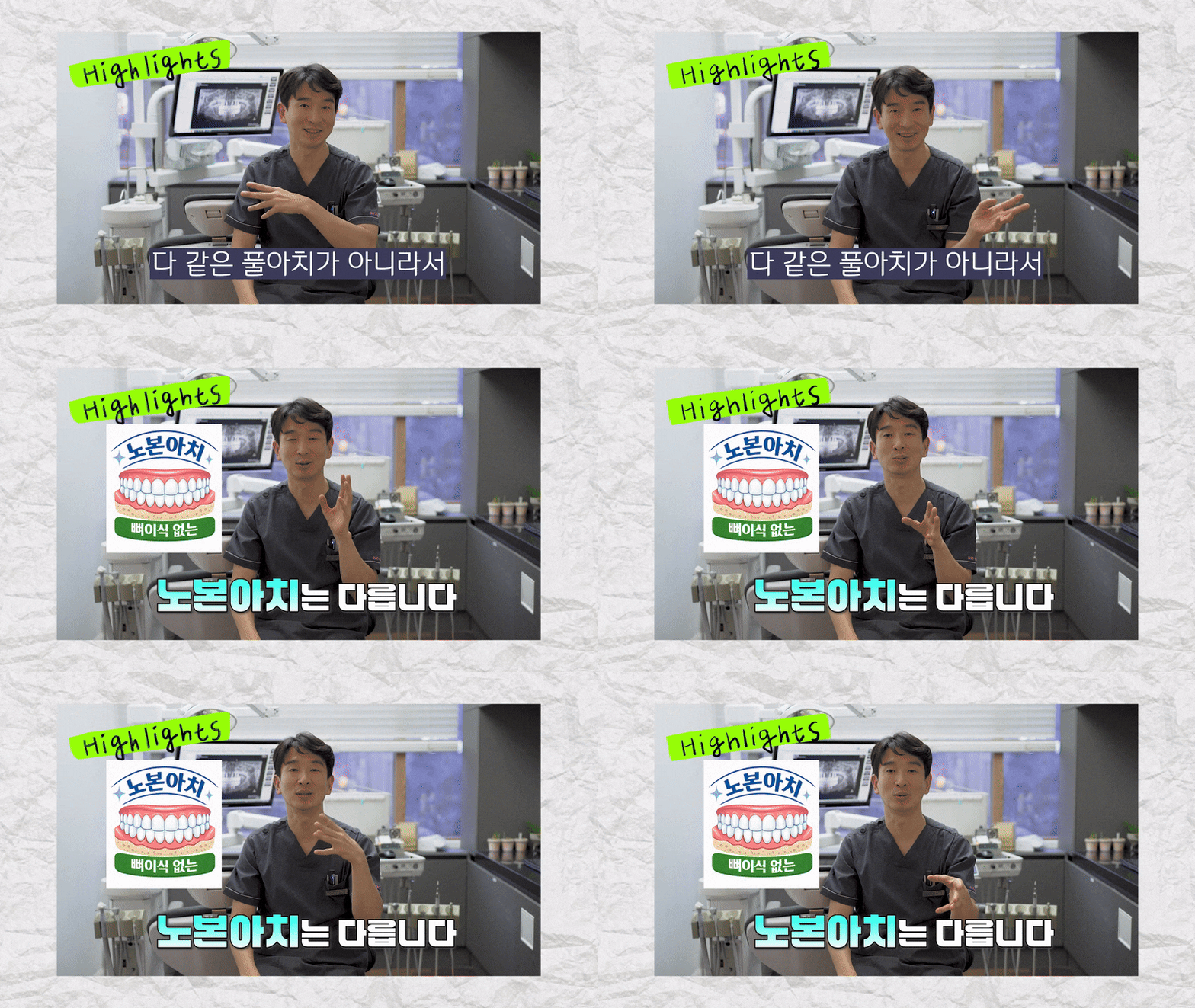 What to do when you feel something abnormal
If your gums swell or you feel persistent pain after implant treatment, checking early is the most important thing.
The earlier symptoms are addressed, the easier they are to manage, and the wider the range of treatment options. If it is early-stage peri-implantitis, it may be possible to slow the progression of inflammation through systematic oral cleaning, antibiotic prescriptions, and laser treatment.
If the symptoms have progressed further, surgical treatment may be needed to remove infected tissue and closely examine the condition of the bone. If a problem develops around a nerve, imaging tests and medication may also be used. In some cases, removing the implant and re-placing it may also be carefully considered.
Because implants require continuous observation even after placement, it is important to keep up with regular checkups every six months even after treatment is completed. The sooner even a small change is identified, the broader the range of responses available.

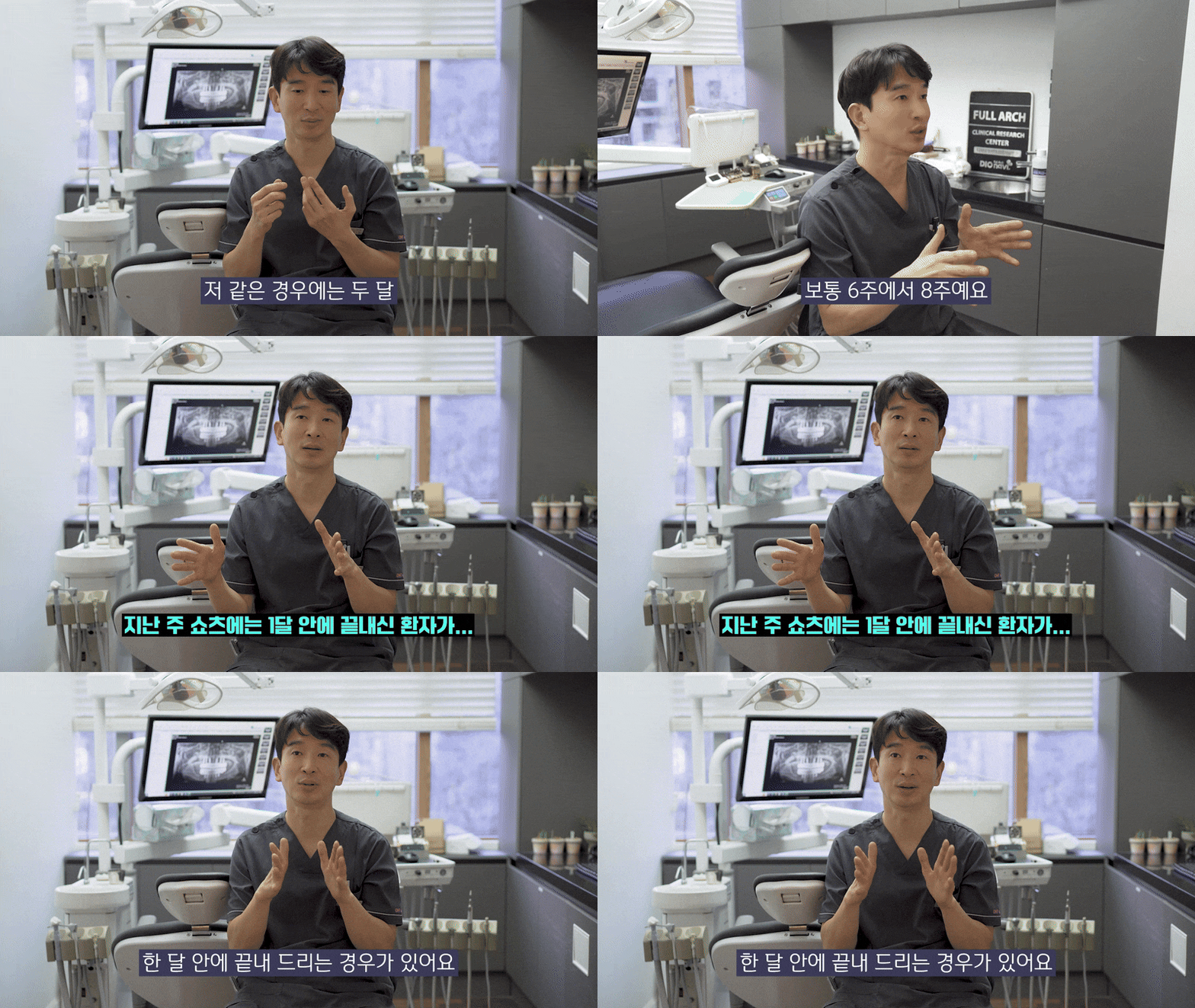 Consistent oral hygiene management is the start of prevention
The most basic way to prevent Cheongdam implant side effects is proper oral hygiene management.
It is important to brush carefully every morning and evening, and to use dental floss, interdental brushes, or a water flosser together to remove debris and bacterial film around the implant. Unlike natural teeth, implants do not have their own immune function, so if bacterial film accumulates, it can affect the surrounding tissues.
Smoking should be reduced or avoided as much as possible before and after treatment. For those with chronic conditions such as diabetes or high blood pressure, it is important to keep those conditions well controlled, and it is a good idea to discuss this thoroughly with the medical staff before treatment.
Alcohol can also affect the gum healing process, so reducing it as much as possible during the early stage of treatment may be helpful.
Keeping up with regular checkups every six months even after treatment is completed is the basic way to use implants healthily for a long time.
 The meaning of detailed diagnosis before treatment
In implant treatment, a detailed diagnosis before treatment is an essential process.
By closely identifying bone density, nerve location, and blood vessel distribution through 3D CT scans, it helps in planning the placement position and angle in advance. Using an oral scanner makes it possible to understand each person’s oral structure more accurately. Sharing your overall health condition, medications you are taking, smoking status, and oral hygiene habits sufficiently with the medical staff before treatment will help establish a more appropriate treatment plan.
The more carefully the diagnostic process is carried out, the more possible it becomes to prepare for unexpected situations in advance. The treatment course can be maintained more stably when the precision of the diagnosis and the management method after treatment work together.
It is recommended that you accurately understand your own oral condition through thorough pre-treatment consultation with the medical staff and ask enough questions before treatment begins.
The importance of post-treatment care that continues after treatment
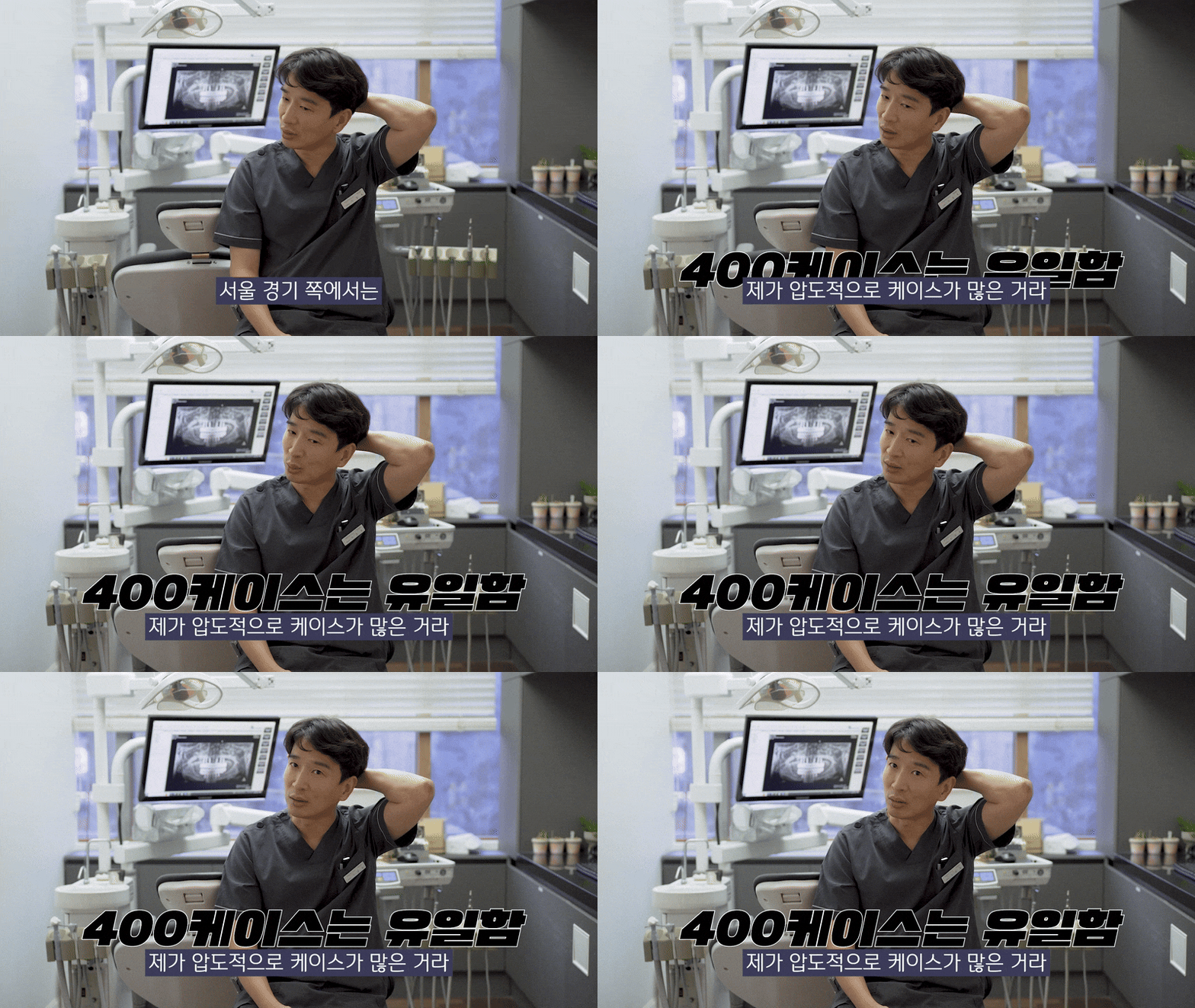
To reduce concerns about Cheongdam implant side effects, consistent care must also continue after treatment is finished.
An implant does not end with placement; rather, true care begins after placement. Checking the condition of the gums around the implant and whether there are changes in the bone through regular checkups helps with early detection of abnormal signs.
When you feel that something is wrong, it is important to consult the medical staff without delay.
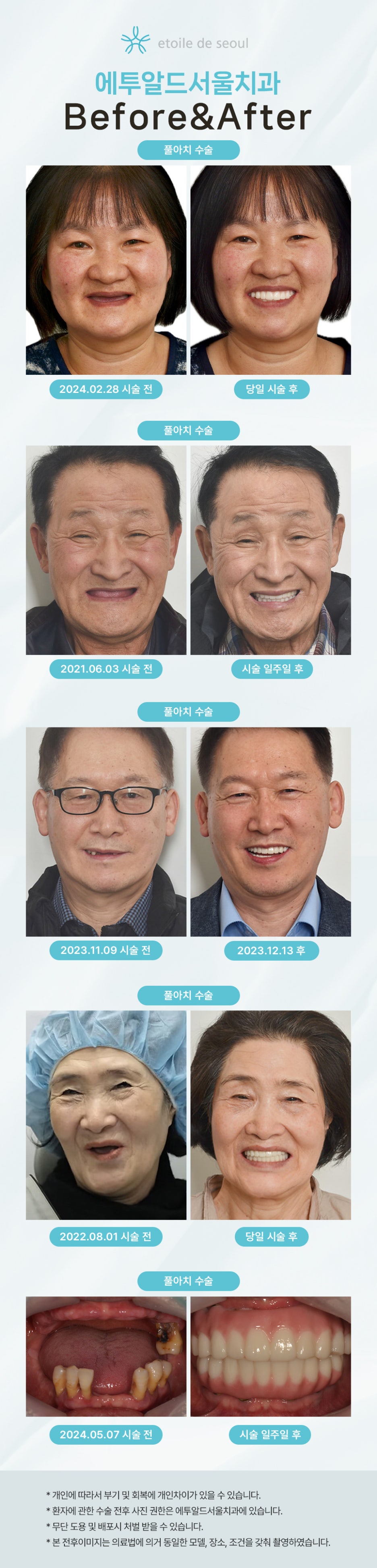
At Etoile Seoul Dental Clinic, we precisely assess each person’s oral condition through 3D CT, a digital navigation guide system, and an oral scanner, and establish a treatment plan suited to that condition. We complete prosthetics that are close to natural teeth using zirconia and pink porcelain materials, and we continue to look after the oral health of those who visit us even after treatment.

Finally, I would like to say a few words to those of you reading this article.
Rather than carrying a vague fear of Cheongdam implant side effects, it is much more important to correctly understand why they occur and how they can be prevented and addressed. Both choosing treatment and managing care after treatment ultimately come from accurate information and sufficient understanding.
The greater your worries are, the more you should ask, carefully check the diagnostic process, and decide on treatment only after fully understanding it through enough conversation with the medical staff. Director Lee Jang-wook, who graduated from Seoul National University College of Dentistry and has more than 20 years of clinical experience, carefully examines the oral condition of each visitor and helps establish a treatment plan suited to that condition.
Our sincere promise is to stay by your side throughout every step: the 고민 and courage required to decide on treatment, and the steady care after treatment.
We sincerely support your healthy and bright smile.

 Previous image
Next image
Previous image
Next image
▼ Etoile Seoul Dental Clinic YouTube ▼












 Previous image
Next image
Previous image
Next image









Previous image
Next image