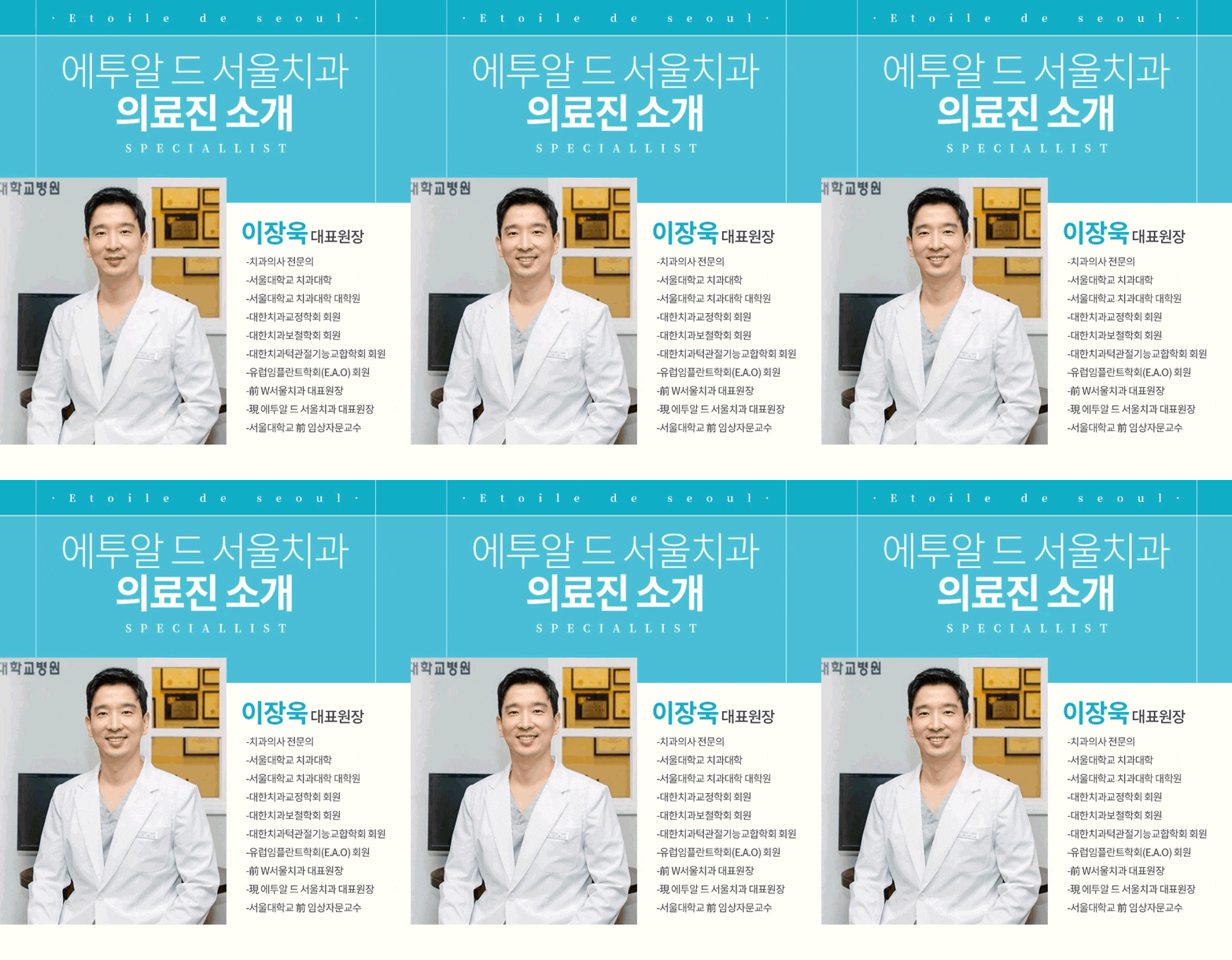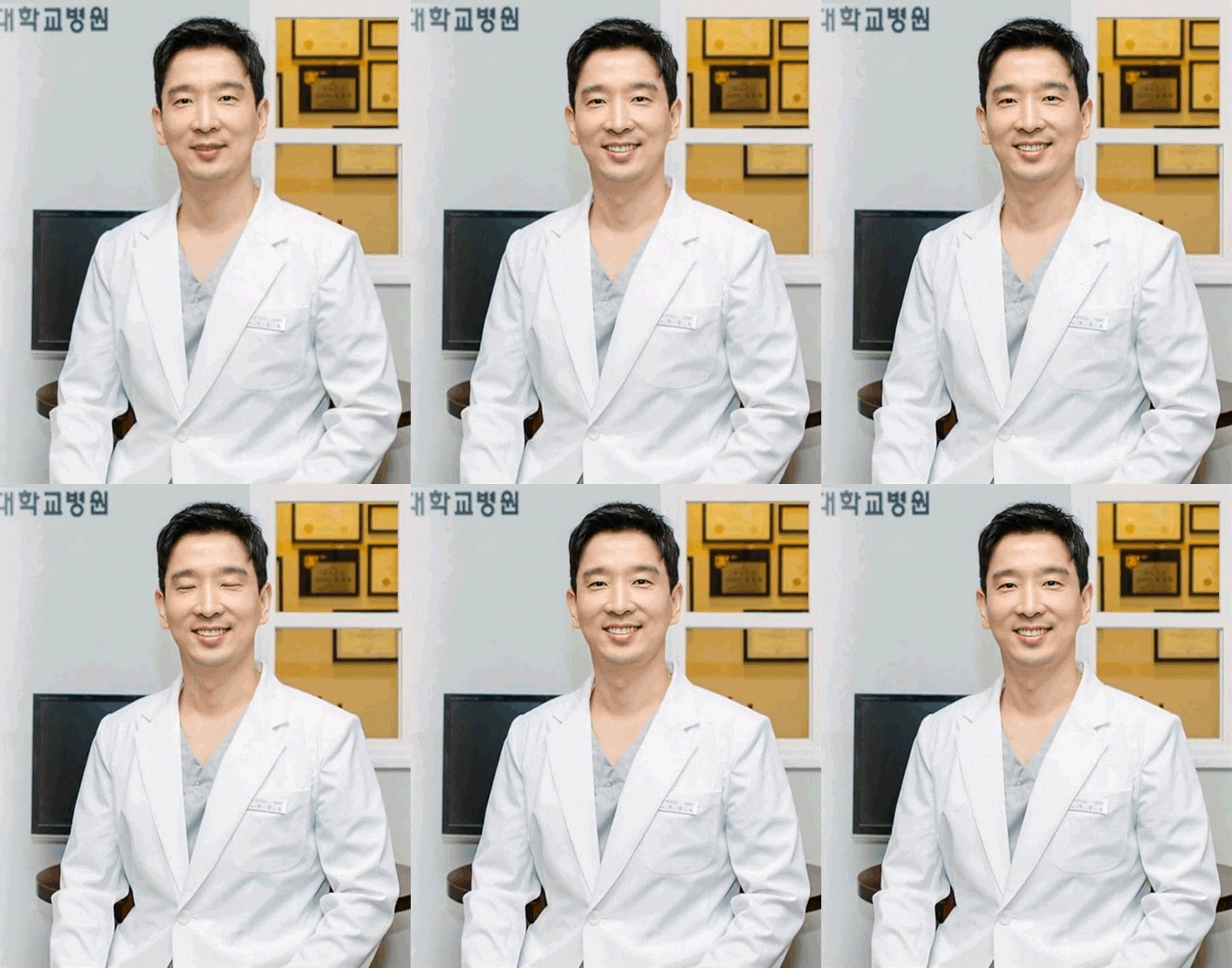
Chief Director Lee Jang-wook
A place that always thinks about
dental health,
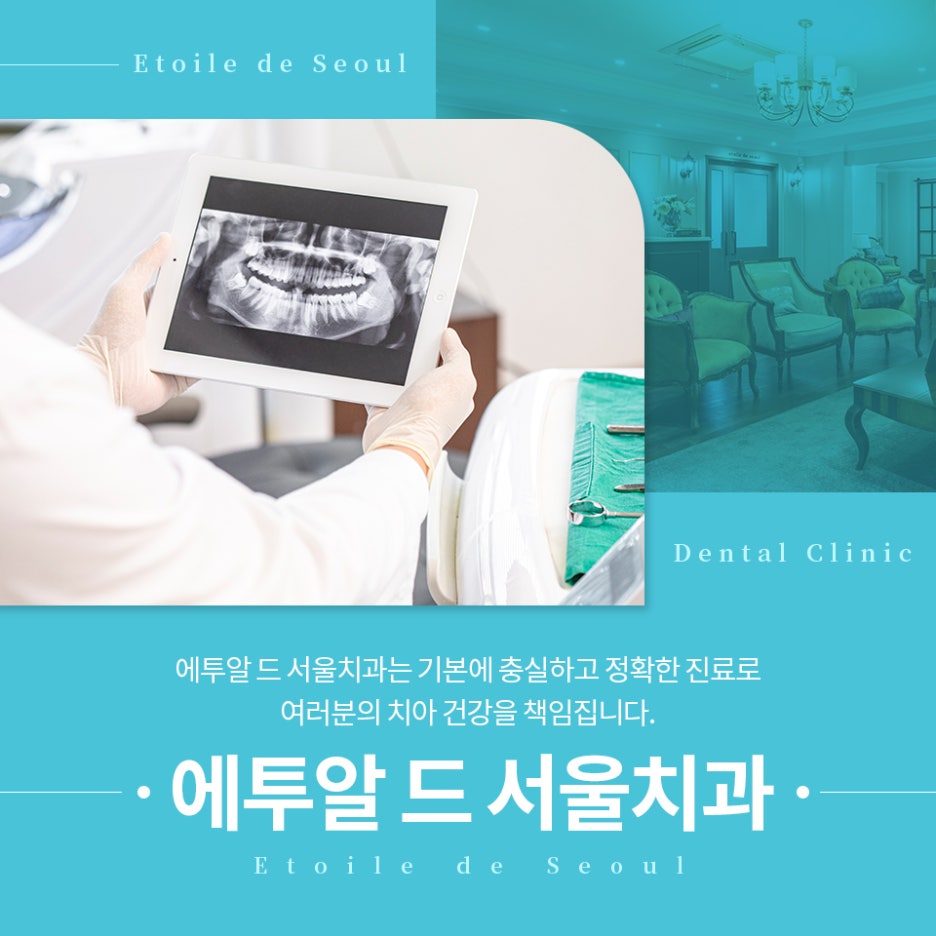
This is Etoile de Seoul Dental Clinic.
If you are reading this article today, I assume you may have lost several teeth, be tired of living with dentures for a long time, or be gathering information on behalf of a beloved family member.
The inconvenience of having no teeth goes beyond simply affecting chewing function and quietly influences everyday enjoyment and confidence as well.
In particular, many people may have developed an unspecified fear the moment they heard the word “bone graft” and postponed treatment. Today, let’s take a slow look together at the Gangnam full-arch implant, the No-Bone Arch method, which can be considered without the burden of bone grafting.
I hope this article helps organize your concerns, even if only a little.
When did an ordinary meal
become so heavy?
Among patients who have worn dentures for a long time, many end up giving up one favorite food after another because of the feeling that their dentures shift every time they eat. Because they cannot eat comfortably even at meals with family, time together can feel more like a burden than a pleasure.
Some people gradually avoid social gatherings, or find the meal itself becoming a source of worry.
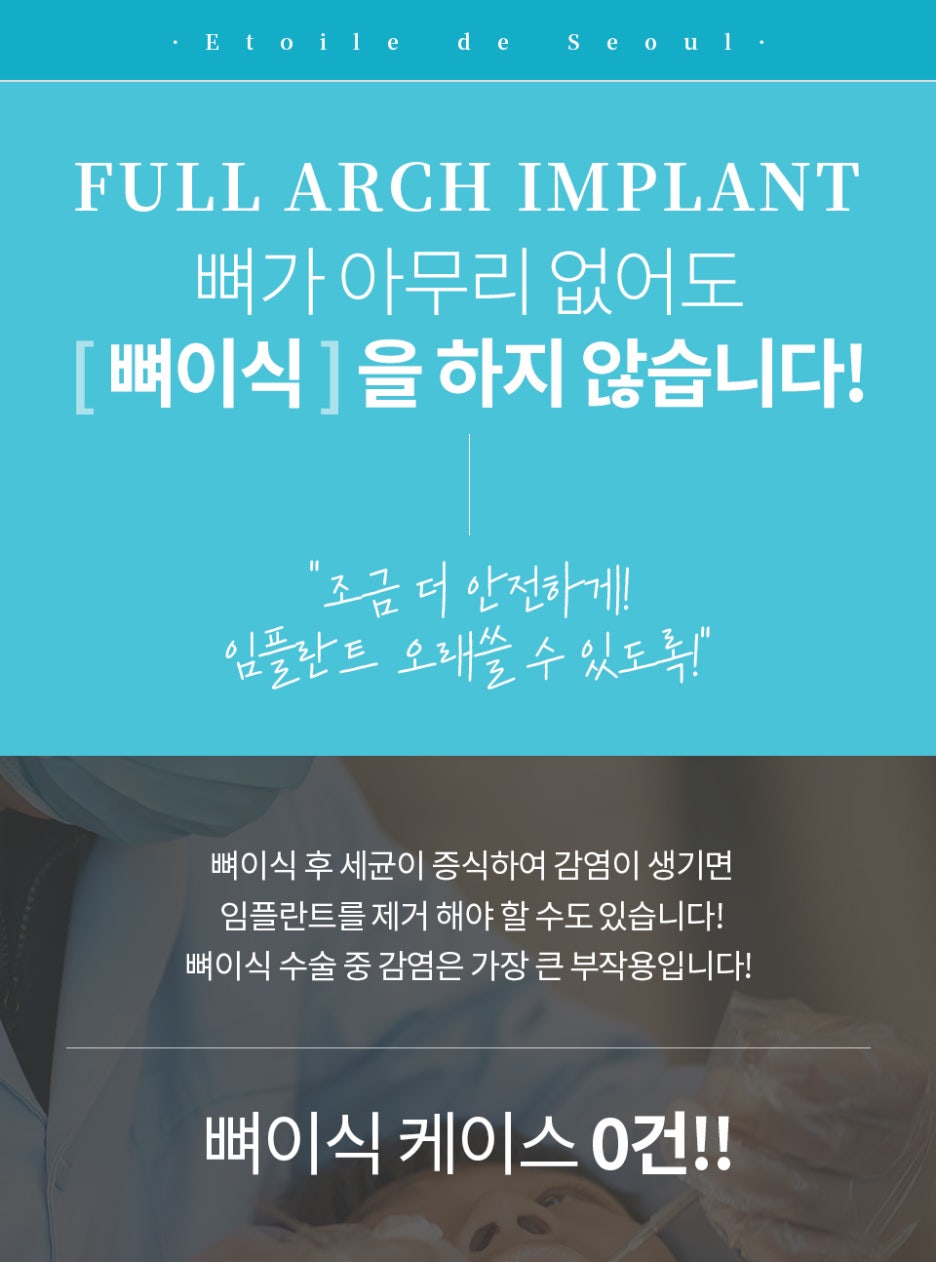
After looking into implants and hearing that the jawbone has been significantly lost and that a bone graft is needed, many people become fearful and delay treatment. This is often why people begin searching for the Gangnam full-arch implant in the first place.
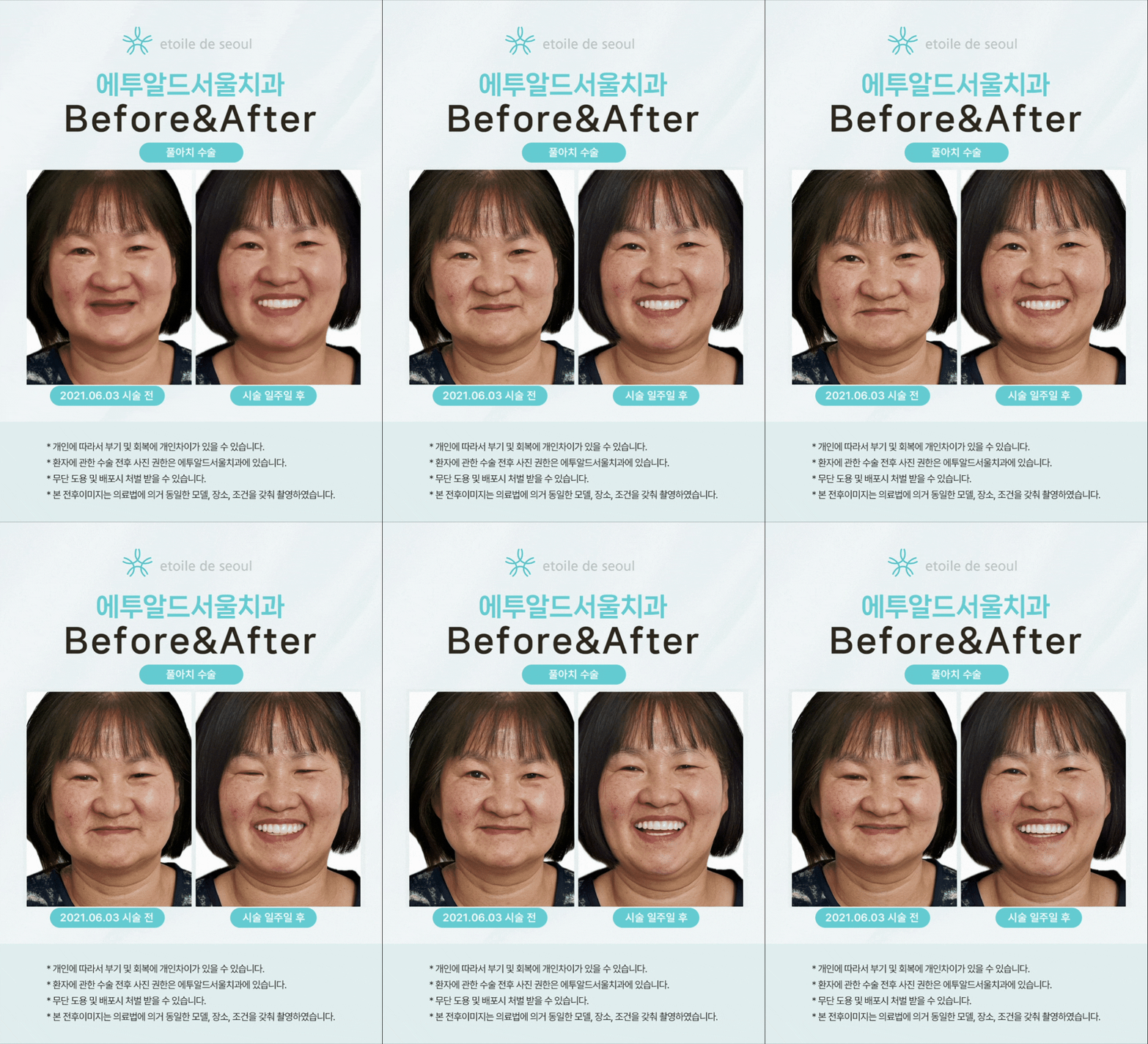 The No-Bone Arch method makes maximum use of the remaining bone
No-Bone Arch contains, as its name suggests, the concept of restoring an entire dental arch without bone grafting (“No Bone”).
In the past, when there was insufficient jawbone, bone had to be grafted first, and only after a certain period could implants be placed. The No-Bone Arch method uses 3D CT navigation before surgery to precisely analyze the oral structure and calculate the position and density of the remaining bone, placing implants at the most favorable angle and location.
This makes it possible to create a structure that supports the entire set of teeth with only 4 to 6 implants per arch, without bone grafting. It may be easier to understand if you think of it like finding the strongest parts of the existing ground when laying a building foundation and placing columns there—an approach that fixes the implants by making the most of the remaining bone.
Because the procedure is performed without bone grafting, the overall treatment period may be shorter than with conventional methods, and the burden of the surgical process may also be relatively reduced. For those who have hesitated to proceed because of the burden of bone grafting, No-Bone Arch can be an option worth looking into.
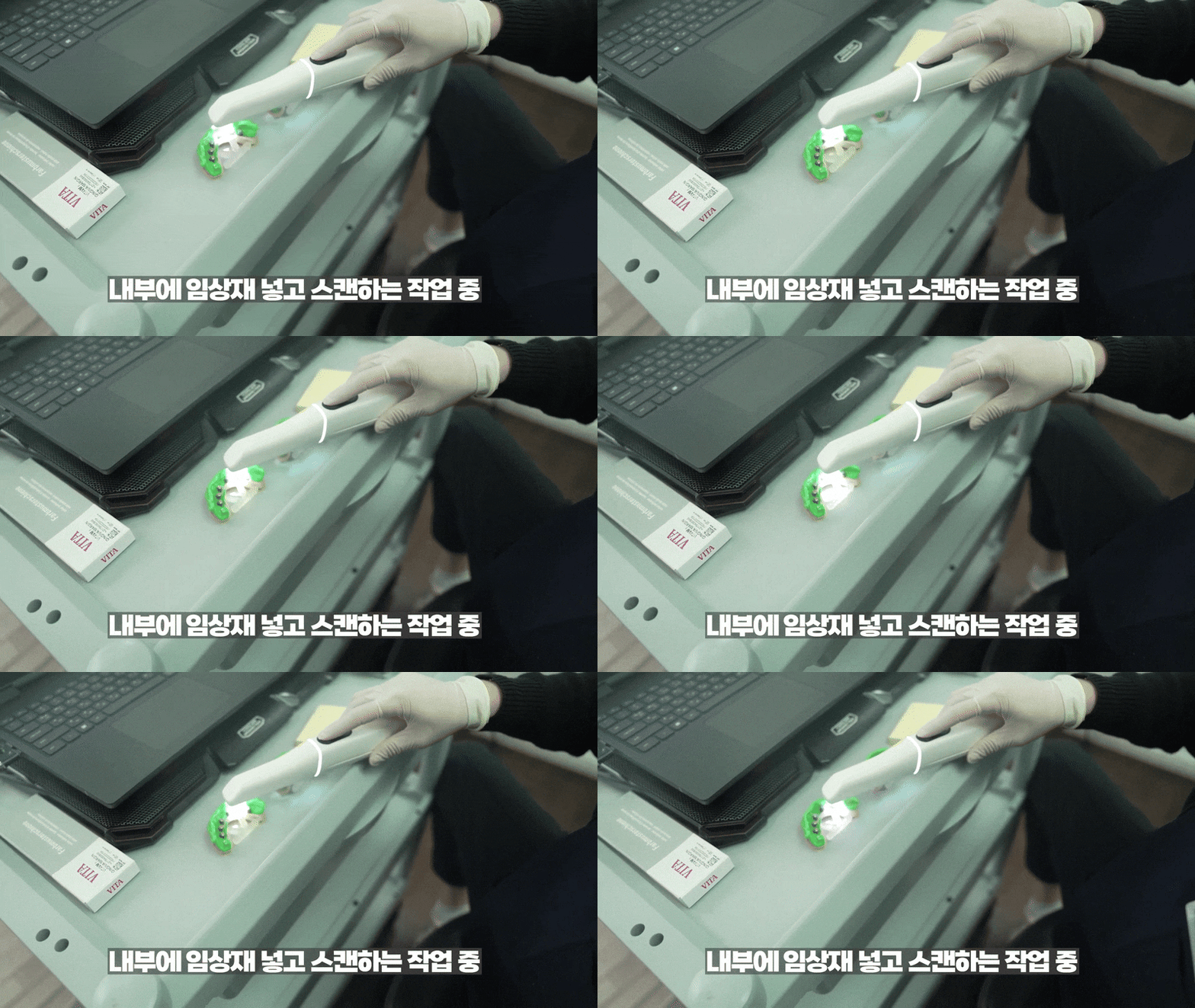
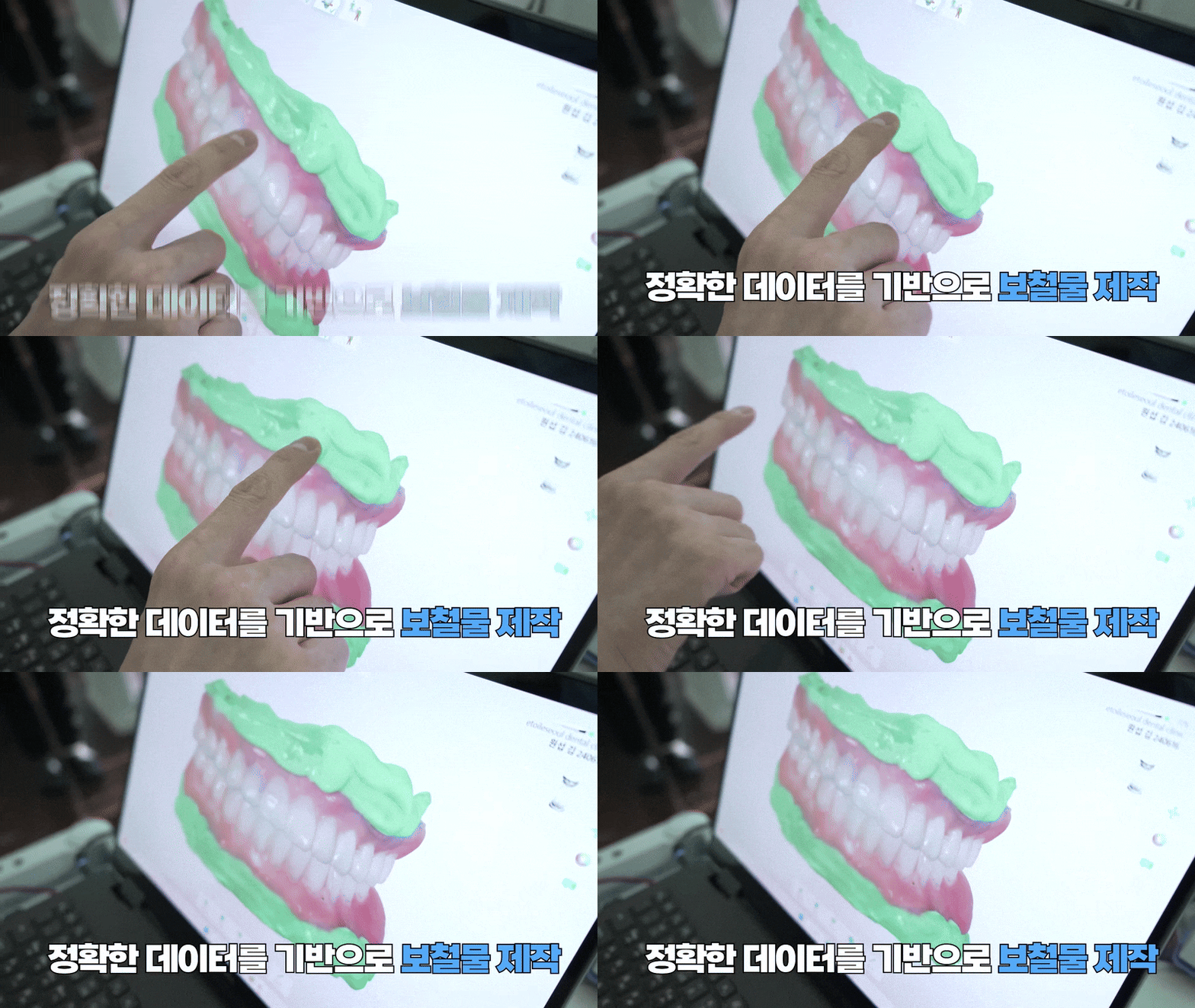 Let’s take a look at the step-by-step treatment process
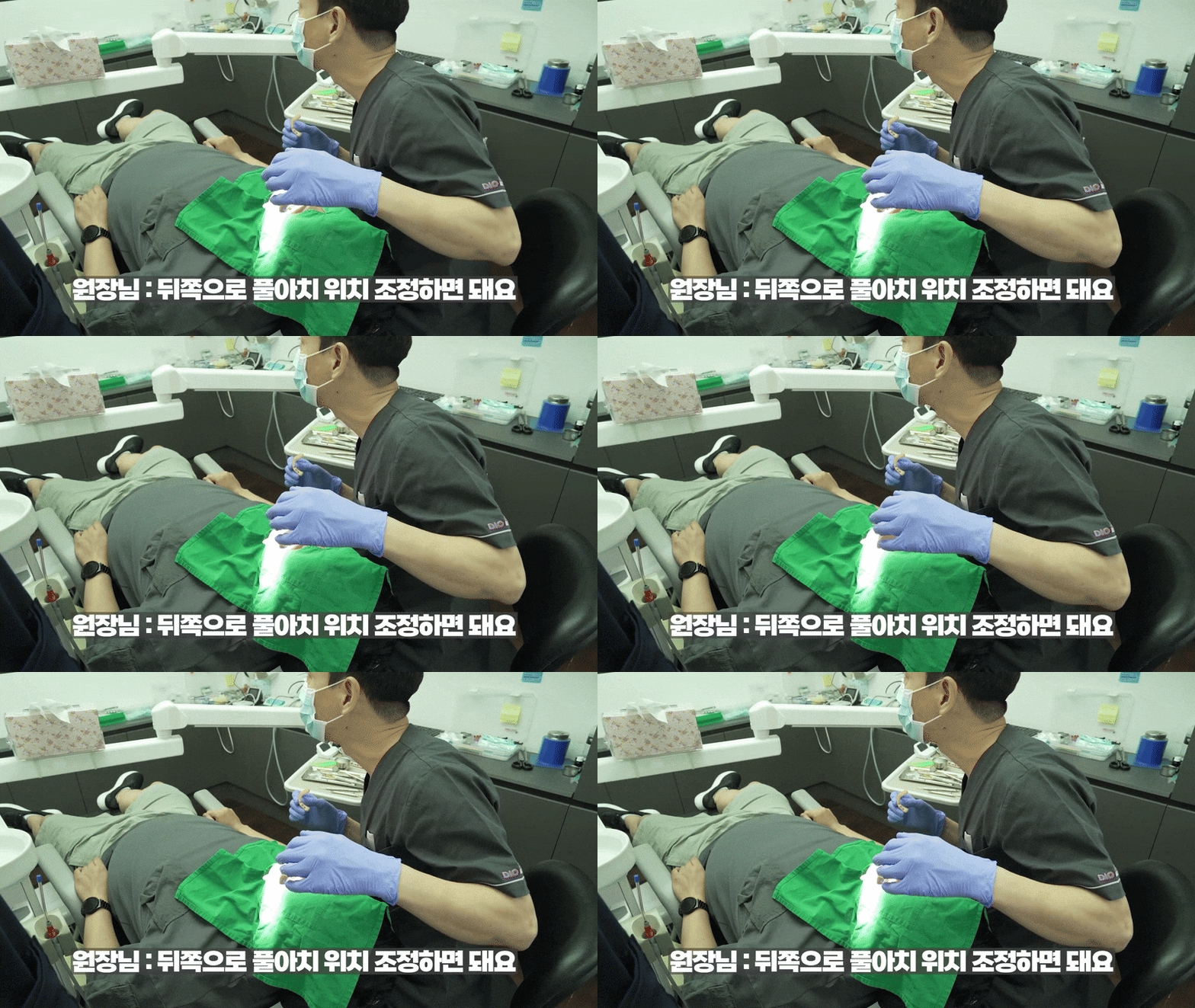
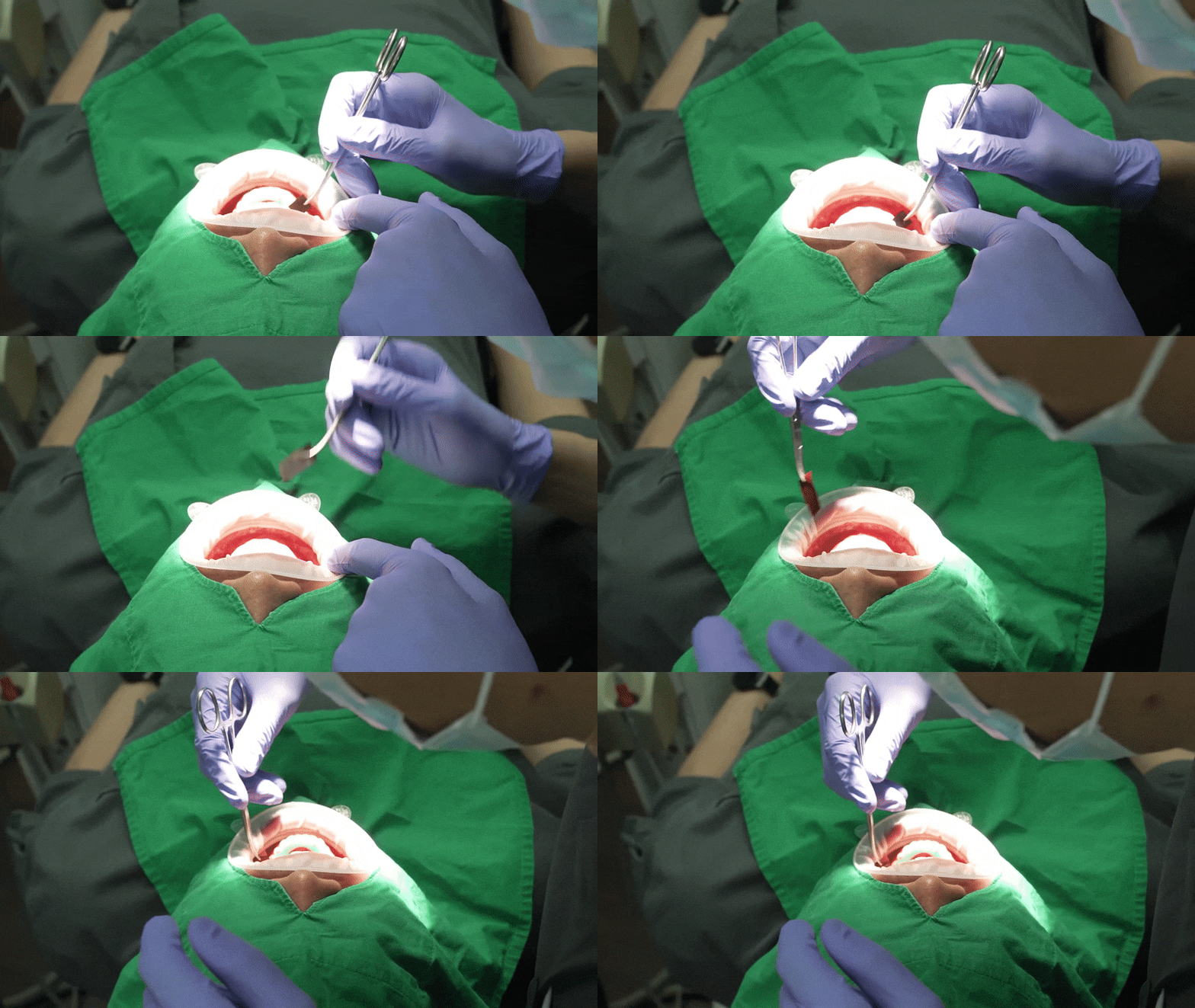
The treatment process consists of four main stages. First, a precise diagnosis is carried out using CT imaging and an oral scanner. Based on the collected 3D data, a computer simulation is used to plan the implant placement positions, and the prosthetic design is also prepared in advance.
In the third stage, the actual implants are placed, and a temporary prosthesis is fitted on the day of surgery.
Finally, after the gums have stabilized sufficiently, the final prosthesis is completed and fitted. I graduated from the Seoul National University School of Dentistry, and after 20 years of clinical practice, I personally establish and perform treatment plans tailored to each patient’s oral condition.
When considering the Gangnam full-arch implant, the first questions that usually arise—whether bone grafting is needed and how extensive the surgery will be—are also fully assessed and explained during this precise diagnostic stage.
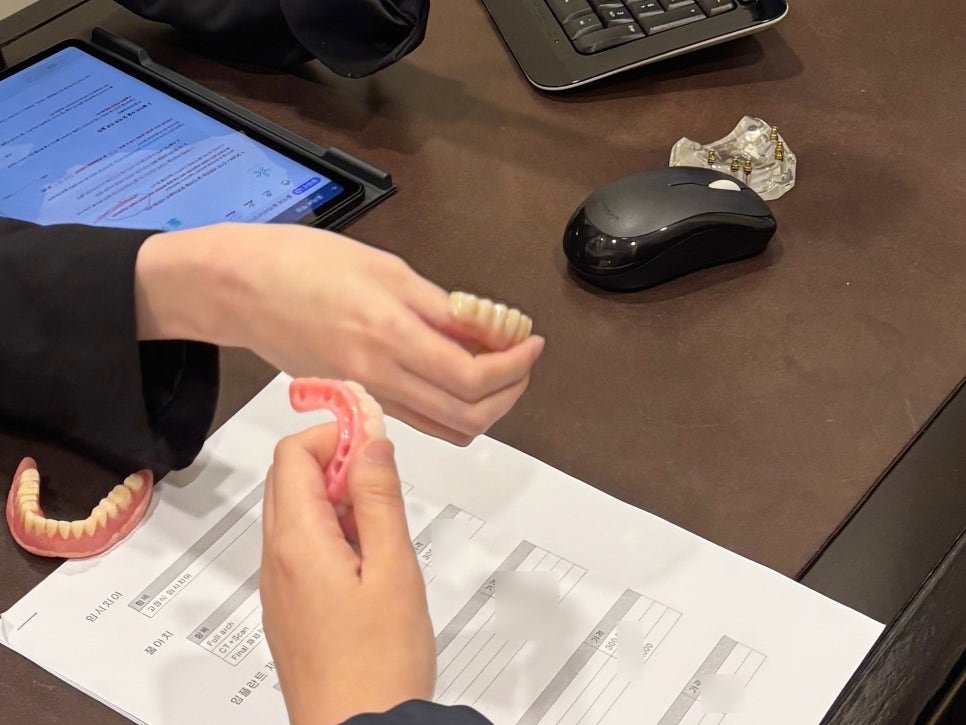
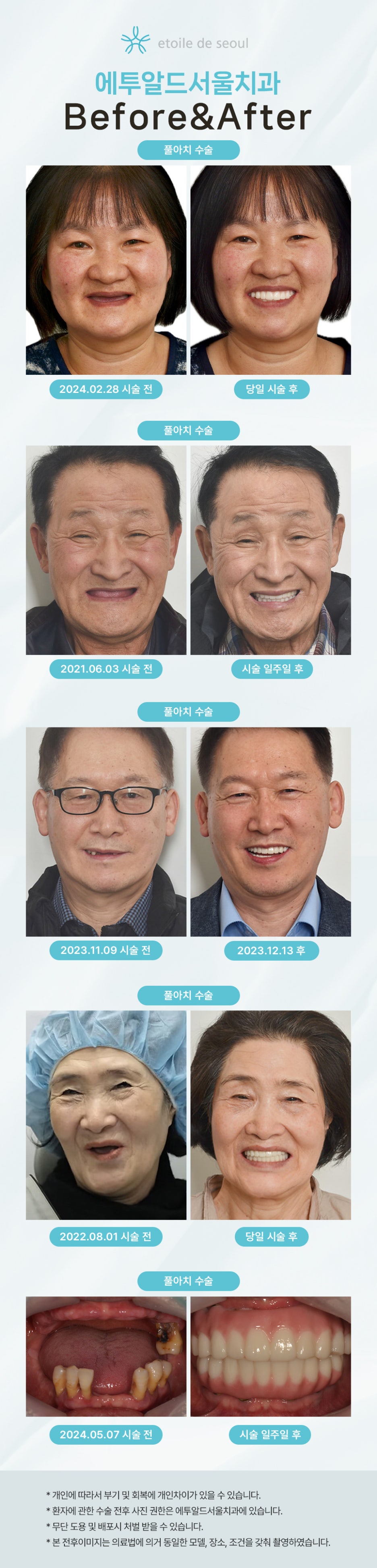
Another meaning of the No-Bone Arch method lies in its aesthetic completeness. The final prosthesis uses pink porcelain to delicately reproduce the color and shape of the gum line, while zirconia is used to naturally recreate the tooth portion.
Unlike dentures, it does not move in the mouth, and chewing strength is often restored to a level close to that of natural teeth. Even patients with chronic conditions such as diabetes or high blood pressure may consider treatment if their condition is well controlled, and a personalized plan is established through precise diagnosis.
Because a temporary prosthesis is often fitted on the day of surgery, many patients are able to return to daily life right away. This can be especially meaningful for older adults who find it difficult to visit the clinic multiple times, or for people with tight schedules. It is a method designed so that functional recovery and aesthetic satisfaction can be achieved together.
 Careful maintenance must continue even after treatment is finished
Implants do not end with the treatment itself; ongoing care greatly affects their long-term use.
The No-Bone Arch prosthesis should also be cared for every day with the same attention you would give natural teeth. Proper brushing and flossing are essential, and the use of interdental brushes to clean between the prosthetic parts is also recommended. It is advisable to have regular checkups every six months to monitor the implant condition and the health of the surrounding gums, along with scaling.
During the period when a temporary prosthesis is being used, it is recommended to avoid hard or chewy foods, and smokers are advised to refrain from smoking before and after treatment. Once the final prosthesis has settled in, most foods can be eaten without difficulty, and some people use it for many years through regular maintenance.
Even after Gangnam full-arch implant treatment, we provide guidance on care methods tailored to each patient and support aftercare as well.
 I hope this information helps reduce fear
If you have delayed treatment for a long time because of fear of bone grafting, it may be worthwhile to calmly consider what kind of option the No-Bone Arch method can be. Of course, it is not a method that applies to everyone. Suitability can only be determined after carefully checking the position and condition of the remaining bone and the overall health condition.
I, Director Lee Jang-wook, have closely accompanied the discomfort and emotional changes experienced by people who have lost teeth for a long time.
I understand well that deciding on treatment is not a simple choice.
The No-Bone Arch method is not a treatment that suits everyone, but for those who gave up treatment because of fear of bone grafting, it is worth learning about thoroughly at least once. For those interested in the Gangnam full-arch implant, I hope this article helps ease fear little by little and provides a small step toward accurate information.
It is important to confirm whether treatment is suitable through a precise diagnosis and consultation.

 Previous image
Next image
Previous image
Next image
▼ Etoile de Seoul Dental Clinic YouTube ▼