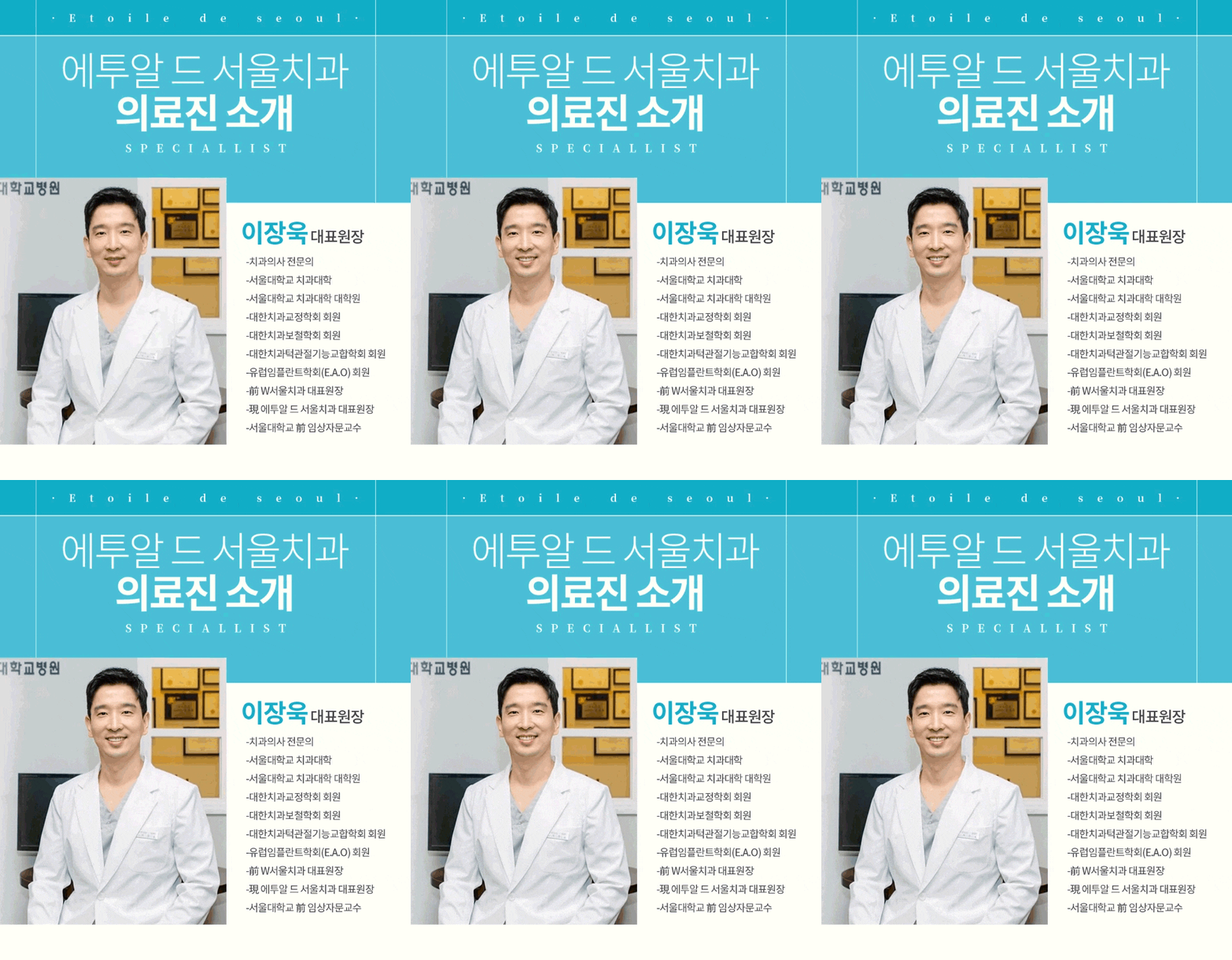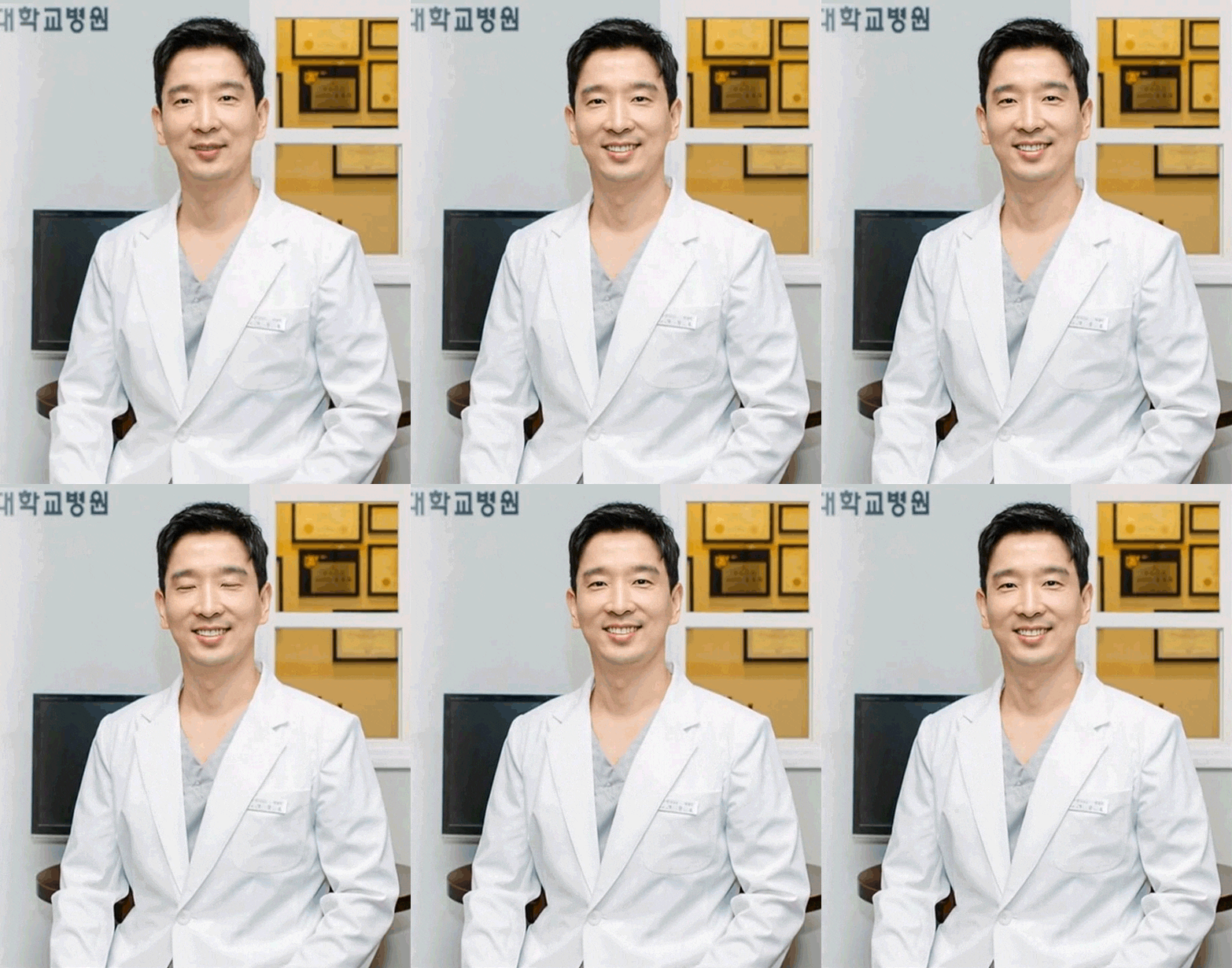
Lee Jang-uk, Chief Director
Not having teeth means
more than just the inconvenience
of chewing.
A life without teeth affects not only chewing function, but also confidence and the quality of daily life, quietly and deeply.
Among those who came to this post after searching for Shinsa-dong implant recommendations, many may have been living with dentures for a long time and feeling discomfort, or may have been hesitant to consider implants after being told there was not enough jawbone.
I hope this article can provide practical information for those carrying such concerns.
The growing burden of discomfort and self-esteem
as denture use continues
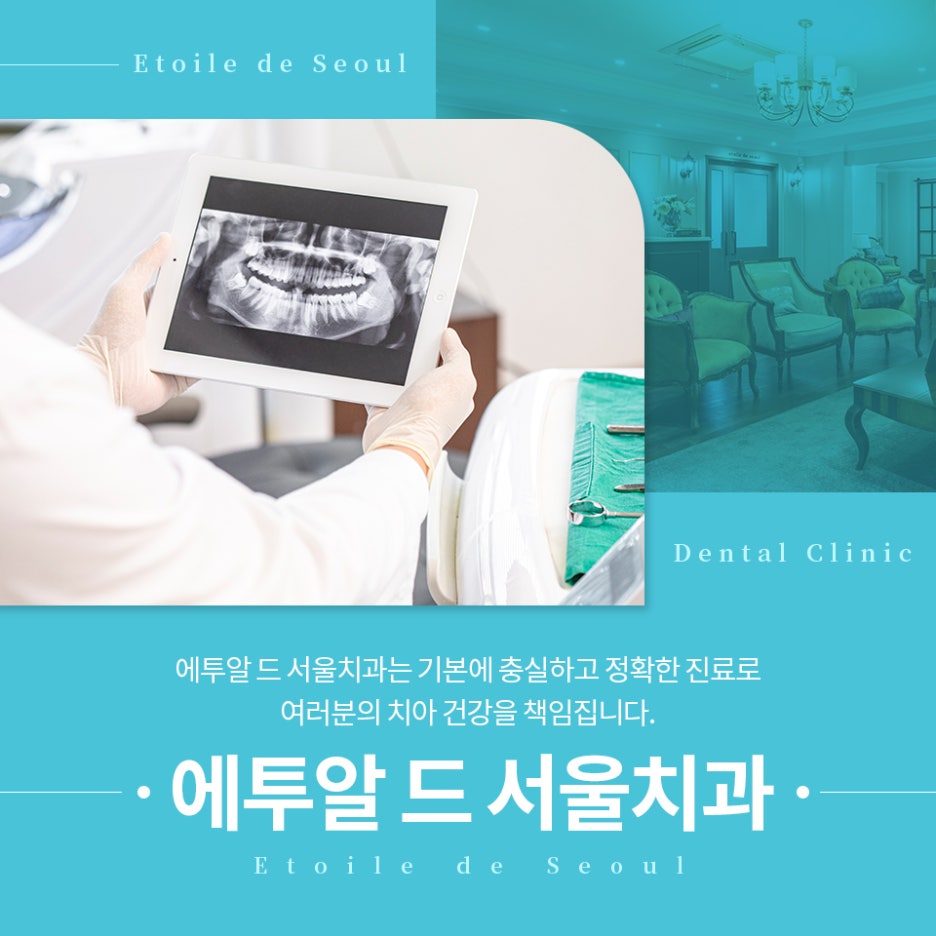
Depending on the condition of the mouth and the length of use, dentures can come with various inconveniences.
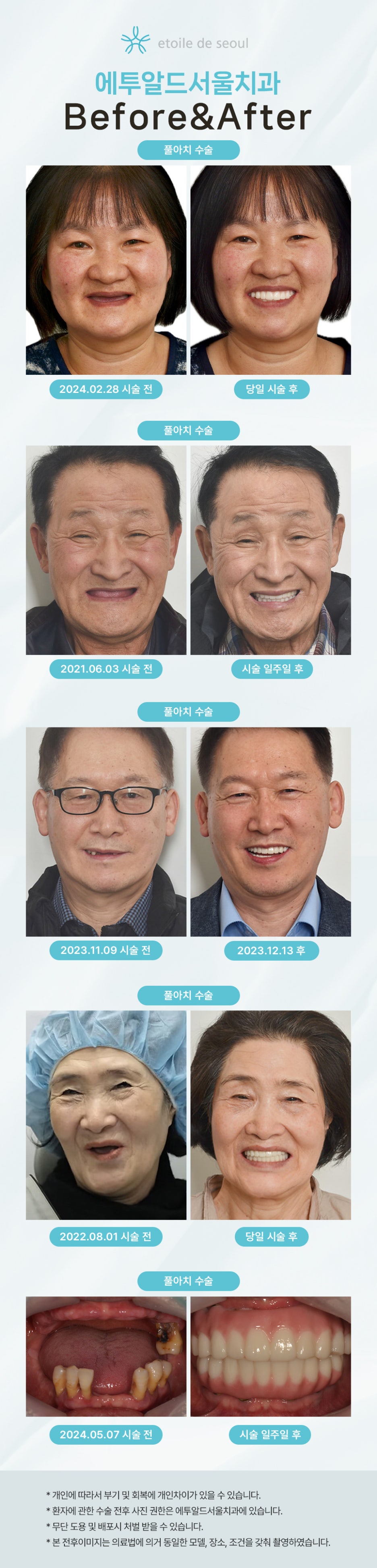
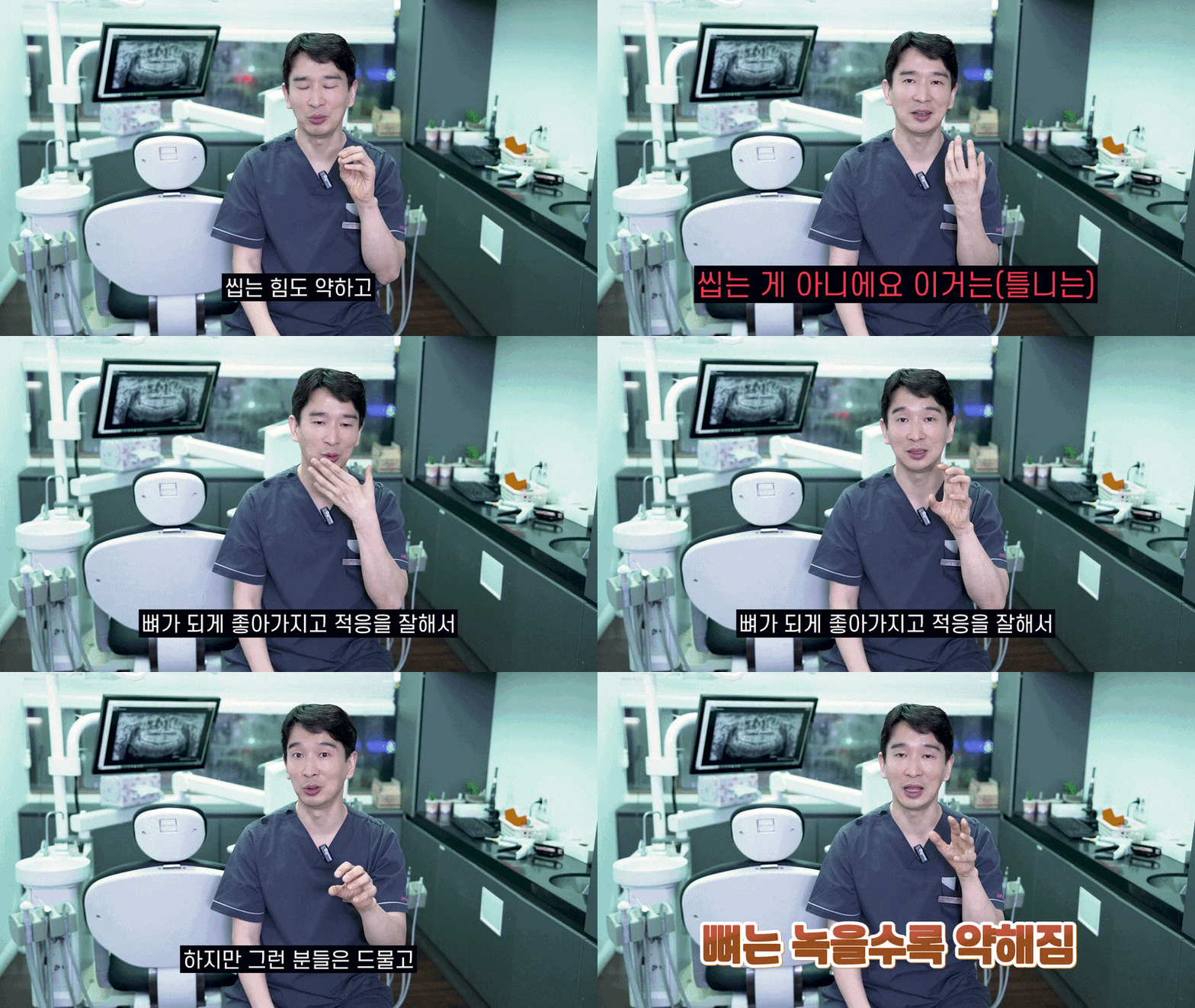
If they repeatedly shift while eating or food gets caught underneath, even mealtimes themselves can feel burdensome. With long-term denture wear, the jawbone continues to be resorbed, which can make later implant treatment planning more complicated. Among those considering Shinsa-dong implant recommendations, there may be people who gave up on treatment altogether after hearing that there was insufficient jawbone.
Nobon Arch is one treatment method that can offer another possibility in such situations.
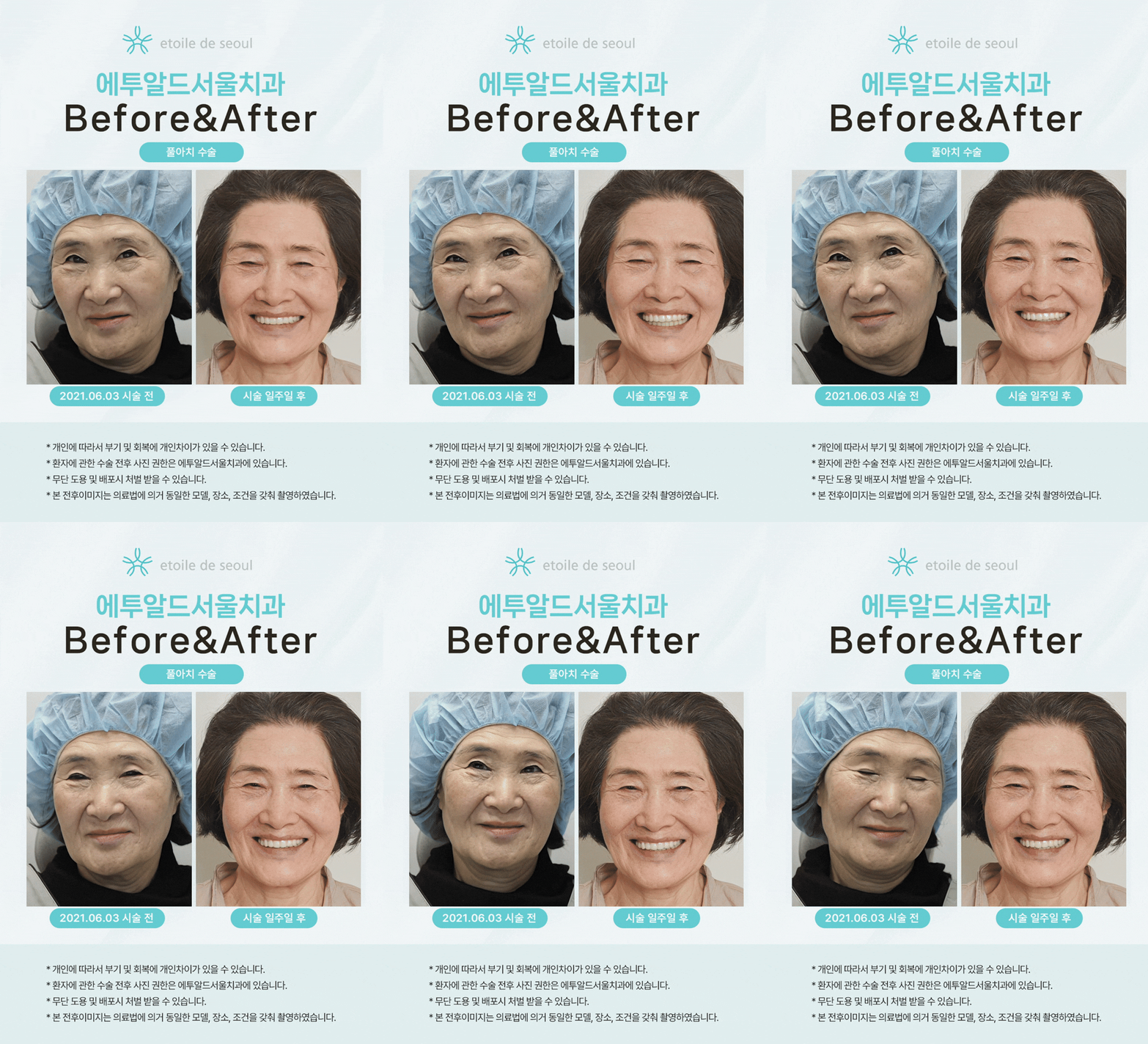 Nobon Arch, a structure that restores an entire arch with 4 to 6 implants
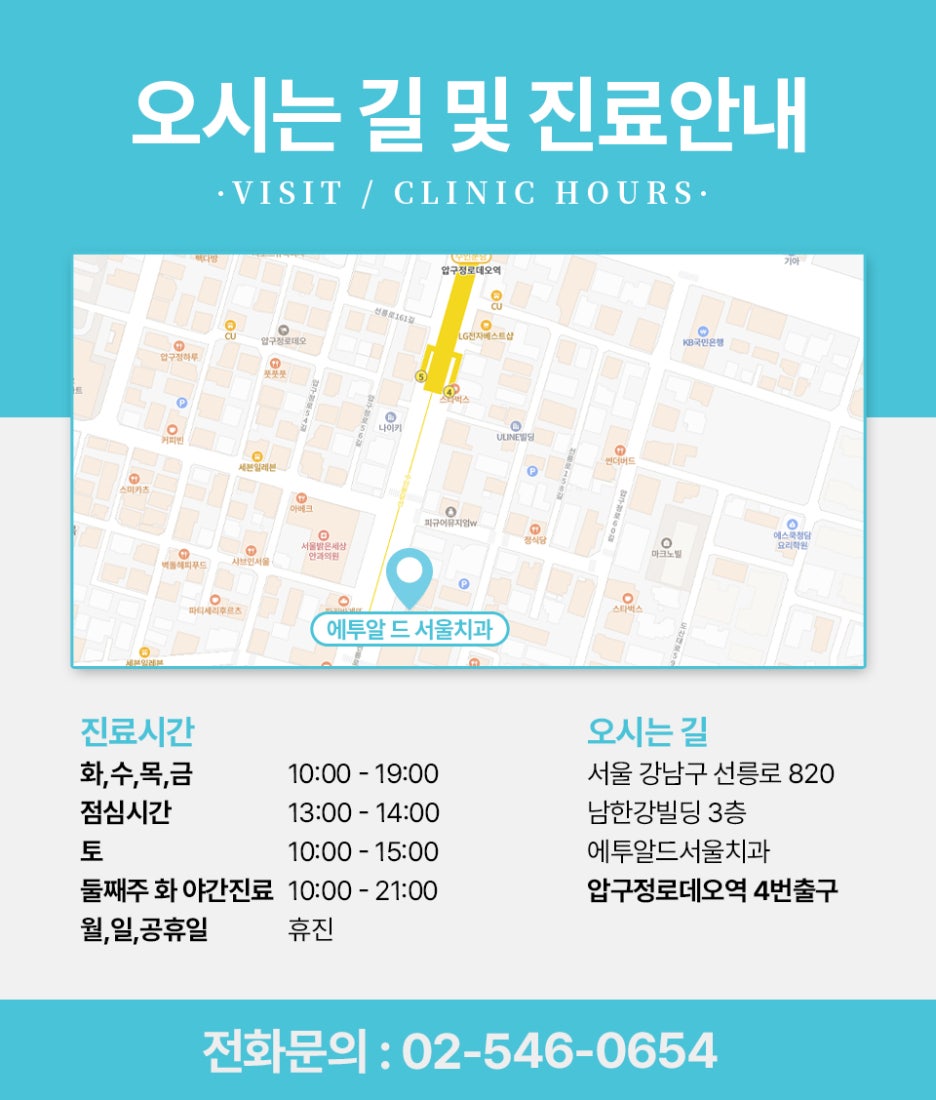
Nobon Arch is a full-arch implant system performed at Etoile Seoul Dental Clinic.
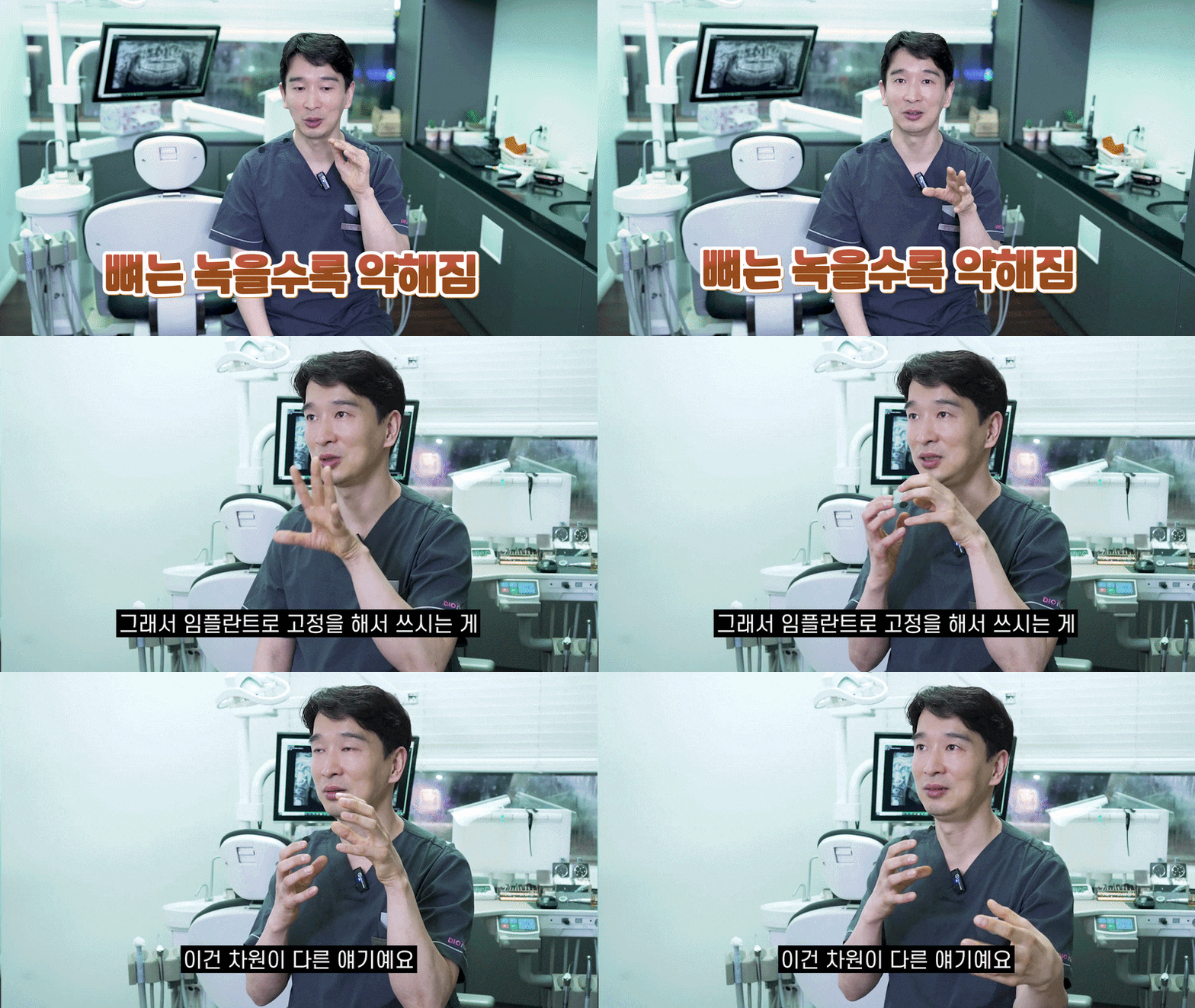
It restores the entire upper or lower jaw with just 4 to 6 implants, and structurally differs from full-mouth implant treatment, which replaces every tooth with an individual implant. Think of it as a form in which 4 to 6 implants firmly support the entire prosthesis, like pillars supporting a whole building.
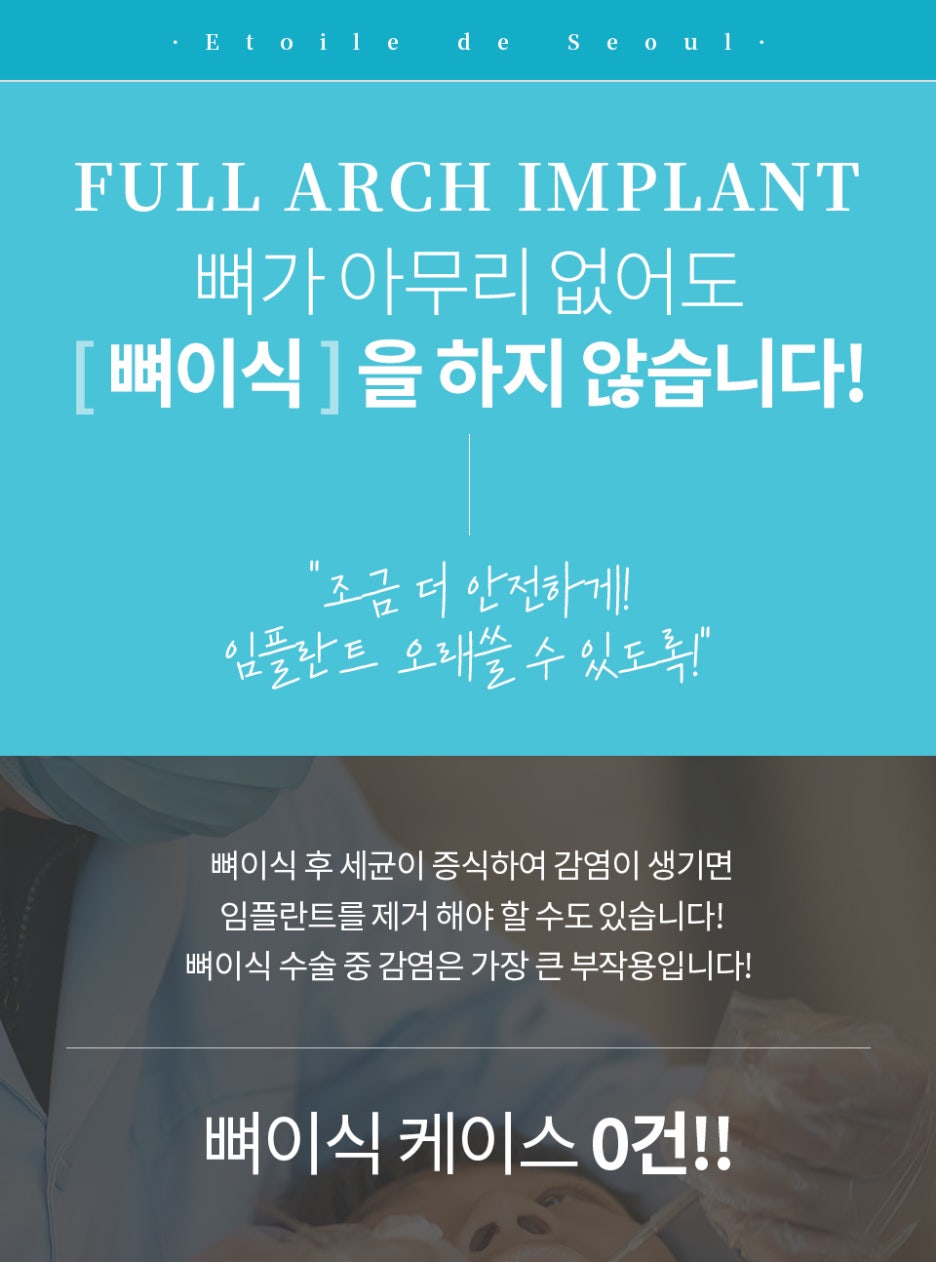
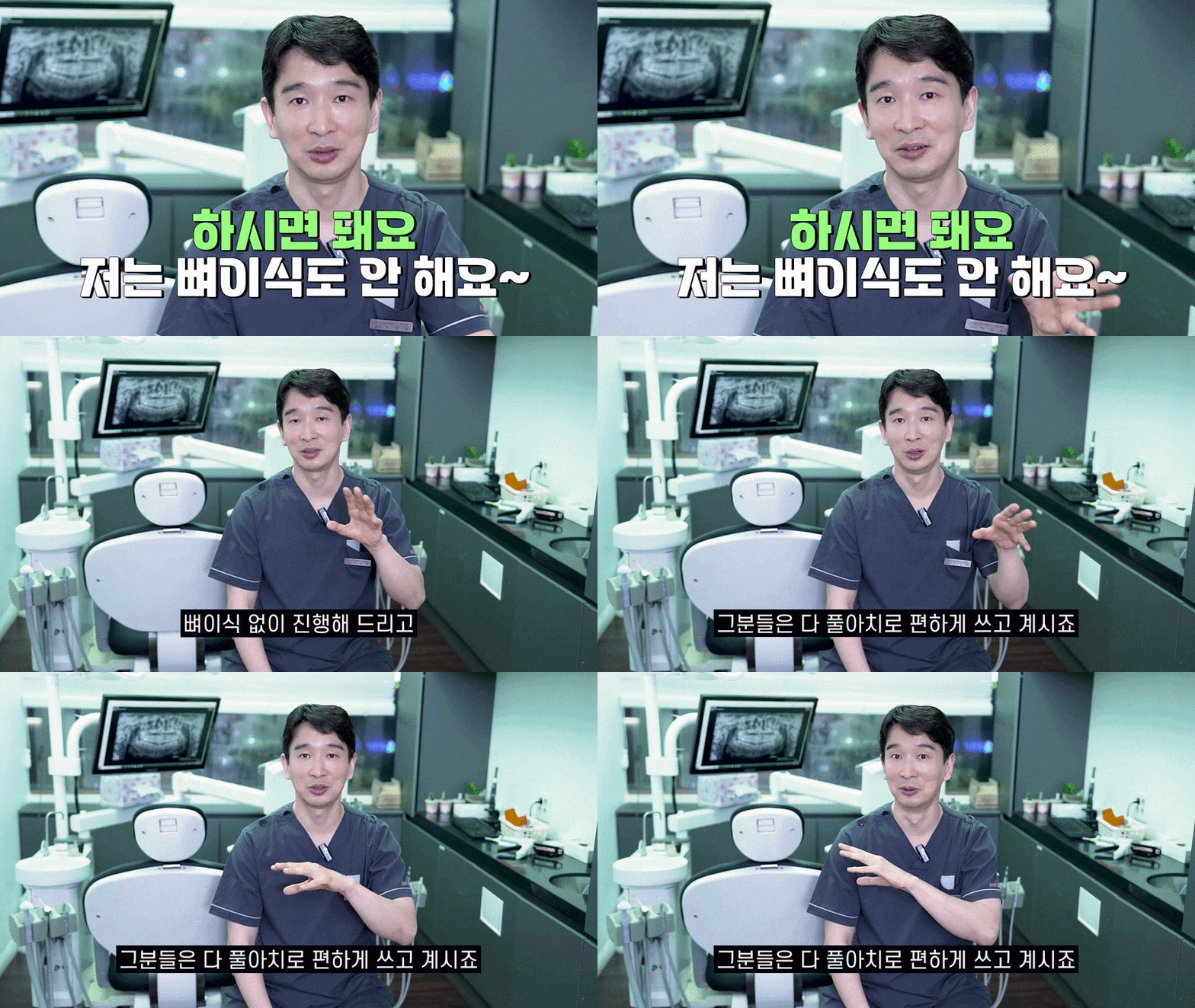
Even in cases with insufficient jawbone, there are situations in which treatment can proceed without bone grafting by placing implants at appropriate angles and positions. This is precisely why Nobon Arch can be another possibility for those who had previously given up on implants because of insufficient jawbone.
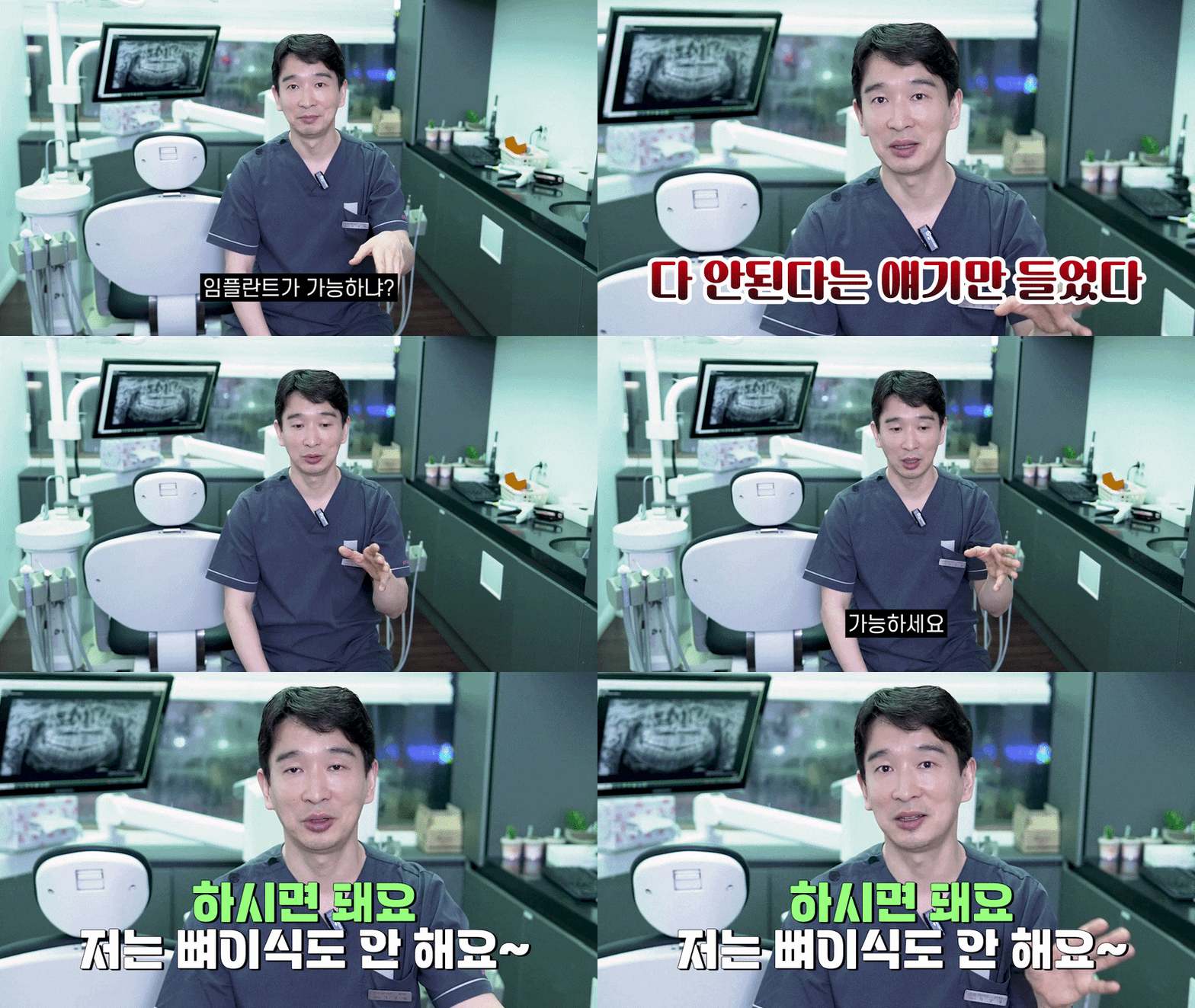
 A sense of stability in a systematic process, from consultation to prosthesis
Nobon Arch treatment begins with a precise diagnosis that includes 3D CT imaging.
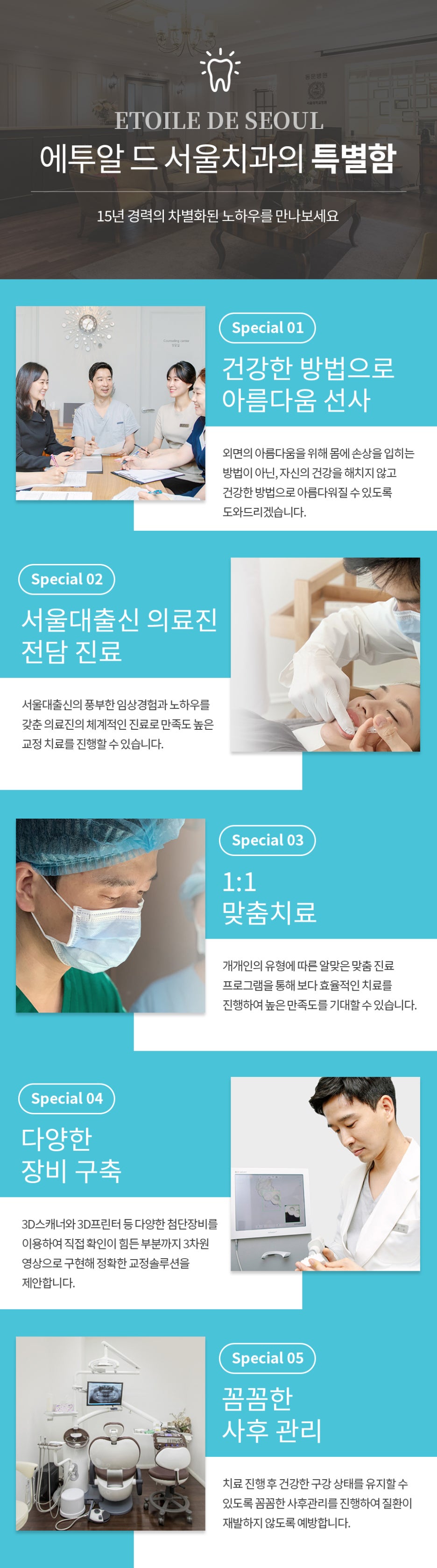
Based on the captured data, a computer-based simulation plan and prosthesis design are created. At Etoile Seoul Dental Clinic, 3D CT, an intraoral scanner, the Dio Navi guide, and a 3D printer are used to prepare for accurate implant placement at the planned positions. In some cases, a temporary prosthesis can be fitted on the day of surgery, and the final prosthesis may be completed about 30 days later, after the gums have stabilized.
For those considering Shinsa-dong implant recommendations and feeling vague fear about the treatment process, clear stages and thorough advance planning can make psychological preparation much easier.
 The change brought by recovering 90% of natural tooth chewing power
One of the advantages of Nobon Arch is the potential recovery of chewing force.
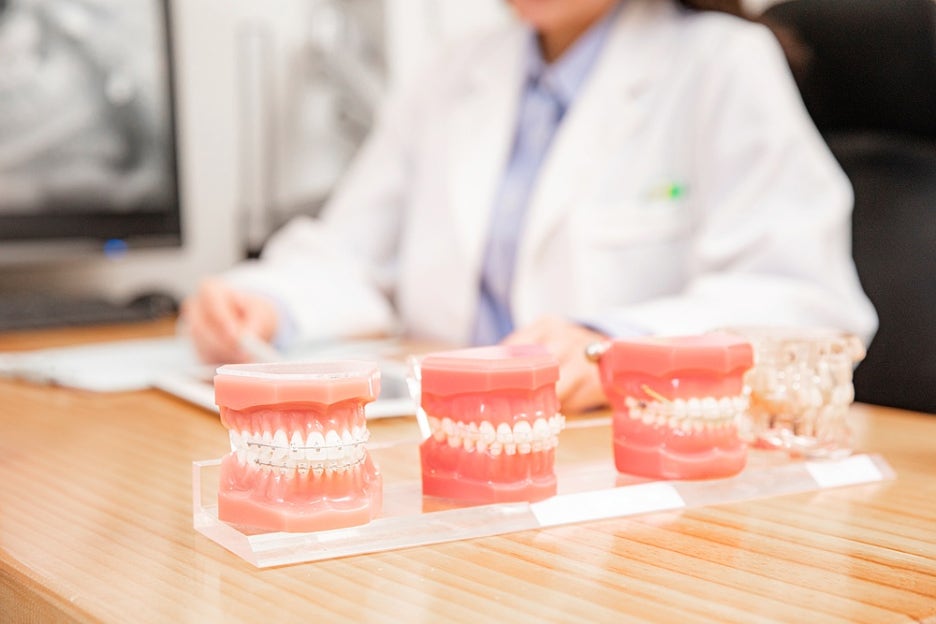
While dentures provide about 60 to 80% of the chewing power of natural teeth, Nobon Arch can be expected to provide about 90%, which may help with eating a variety of foods. Because the prosthesis is firmly fixed to the implants and does not move in the mouth, it can reduce concerns about dislodgement while eating. The prosthesis is made up of a gum line reproduced with pink porcelain and teeth made of zirconia, allowing for a natural appearance.
Positive changes in chewing function can also lead to greater comfort at mealtimes and the restoration of everyday confidence.
 Nobon Arch, like my own teeth, lasts longer with consistent care
Teeth restored with Nobon Arch, like natural teeth, require daily and consistent care.
Maintaining proper brushing habits and keeping the spaces between the prosthetic teeth clean with interdental brushes or dental floss is essential. After the final prosthesis is fitted, it is best to gradually adapt by focusing on soft foods rather than hard or chewy foods in the early period. It is also important to receive regular checkups every six months to continuously monitor the condition of the gums around the implants and the stability of the prosthesis.

At Etoile Seoul Dental Clinic, there is a treatment guarantee program that provides free treatment within 3 years for patients who received full-arch treatment, and for those considering Shinsa-dong implant recommendations, we also provide guidance on care methods tailored to each individual’s condition.
 What matters more than making a decision is knowing the right information
Dental problems, the longer they are postponed, the more jawbone loss can progress, which may make later treatment planning more complicated.
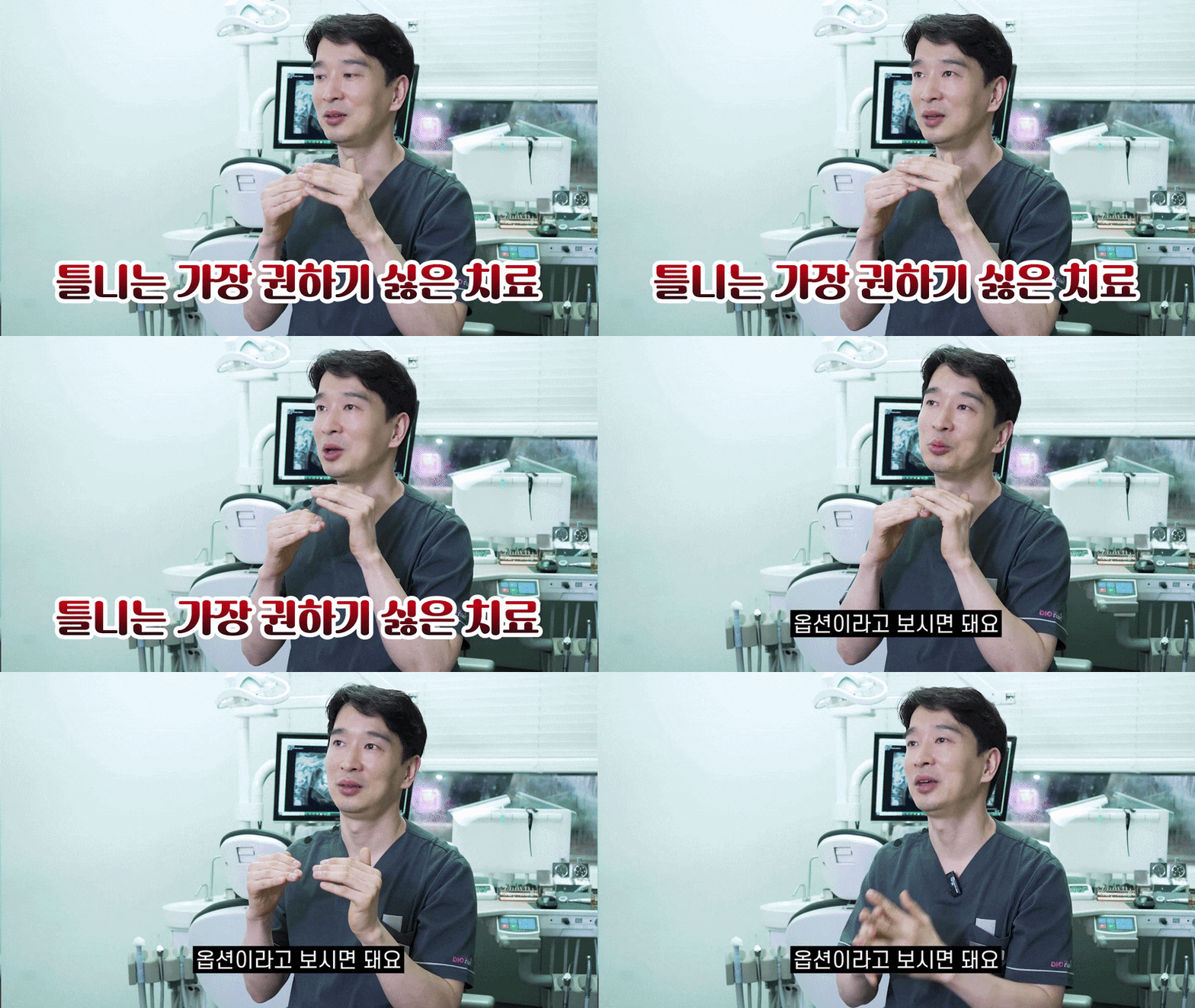
That is why it is important to determine which treatment is appropriate for your current oral condition. Nobon Arch cannot be applied equally to everyone, and treatment plans may differ from person to person depending on jawbone condition, overall health, and oral structure. Dr. Lee Jang-uk of Etoile Seoul Dental Clinic has over 20 years of clinical experience and creates treatment plans tailored to each patient’s condition.
We sincerely hope that everyone considering Shinsa-dong implant recommendations can make wise choices based on accurate information.
 Previous image
Next image
Previous image
Next image