Do dental implants always
require bone grafting?
At Etoile Seoul Dental,
we’ll explain.
�
Many people who look into dental implants hear, “There isn’t enough jawbone, so bone grafting comes first.” I have also seen how overwhelming that moment feels, right there in the treatment room.
It’s natural to feel afraid of the word “bone grafting” itself.
The burden of surgery, worries about a longer treatment period, and the feeling that you have to endure all of it. But today, there is something I want to tell you for sure: in some cases, dental implants without bone grafting are definitely possible.
I hope this article can be a small clue for those who have been hesitating for a long time.
✨ Watch the Chitterior YouTube video ✨
(Click)
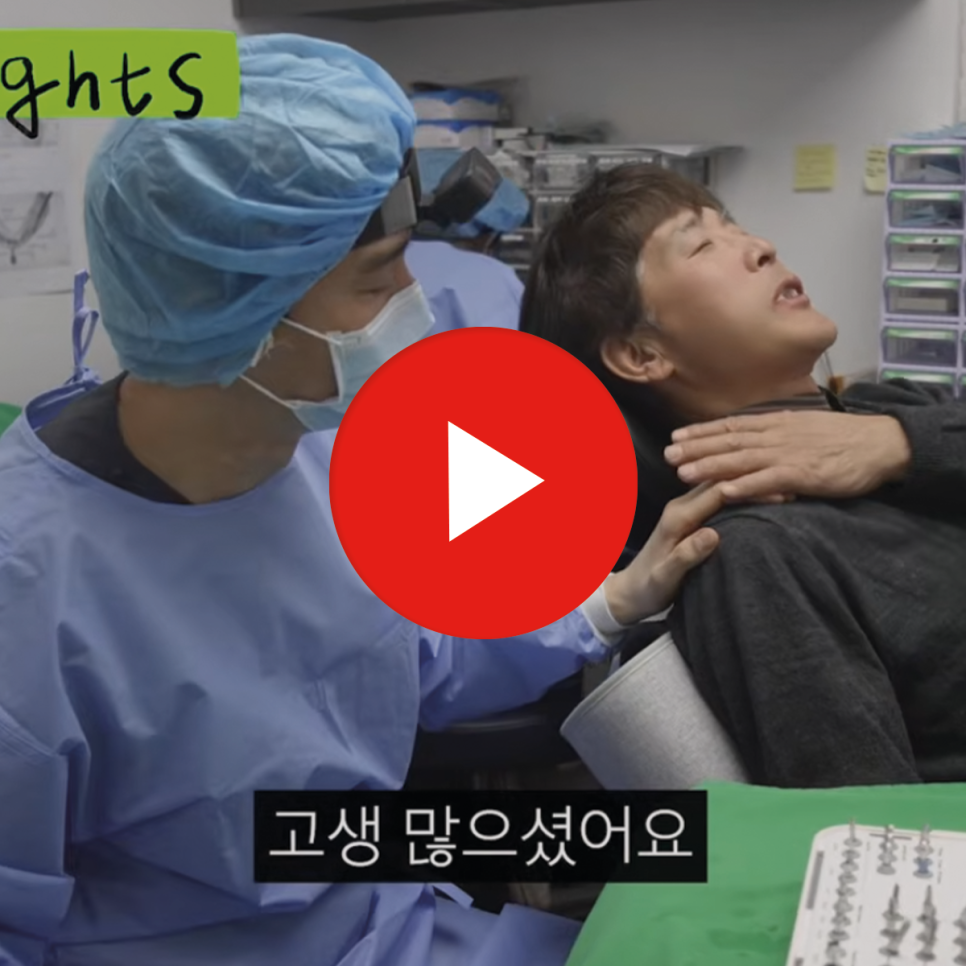
Seventy-something denture patient with very little bone..
❗Non-bone-augmented arch results revealed❗
Were you told that implants are impossible because there is no bone?
After 20 years with dentures, I could no longer
live like this.
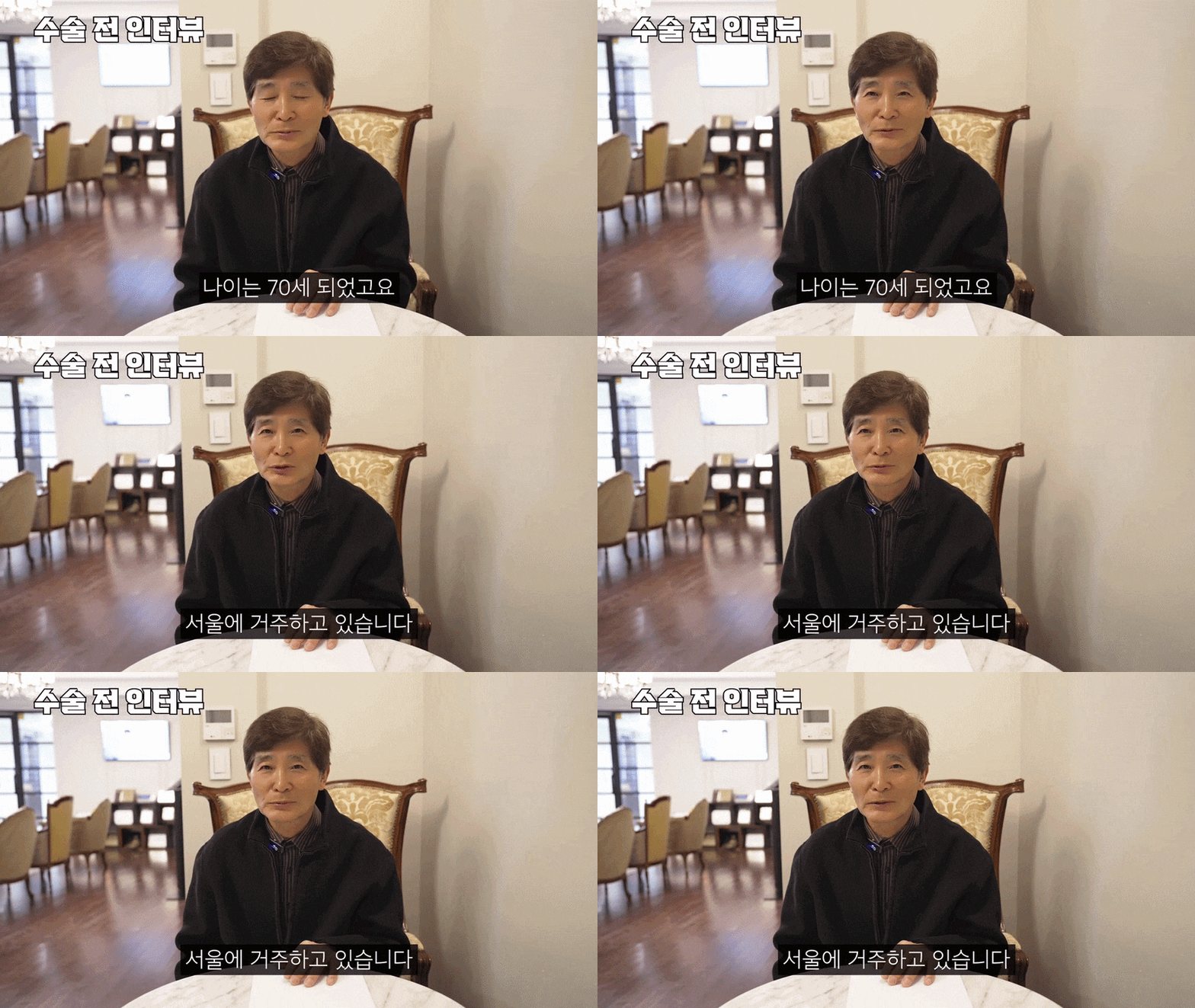
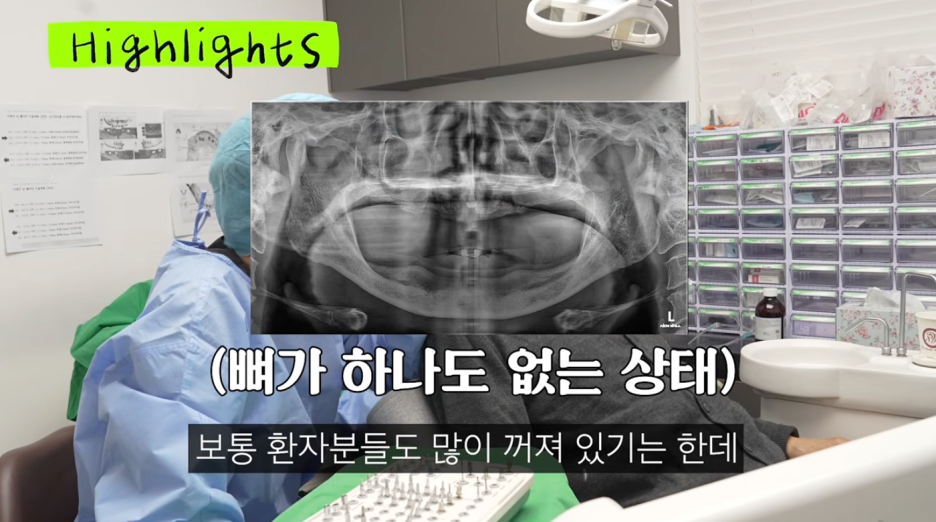
Not long ago, a patient approaching their seventies opened the clinic door. They had been wearing dentures for nearly 20 years, and in the middle of speaking, they could not open their mouth properly.
They said even their favorite seasoned vegetable side dishes were hard to chew, and when eating outside, they were always careful in case the dentures might come out. They had visited other clinics to look into implants, but after hearing, “Your jawbone has shrunk a lot, so bone grafting is necessary,” they became frightened and gave up.
The resignation in their expression is still vivid in my mind. I was concerned that, because bone grafting felt so frightening, they had decided to simply live with the long-standing discomfort.
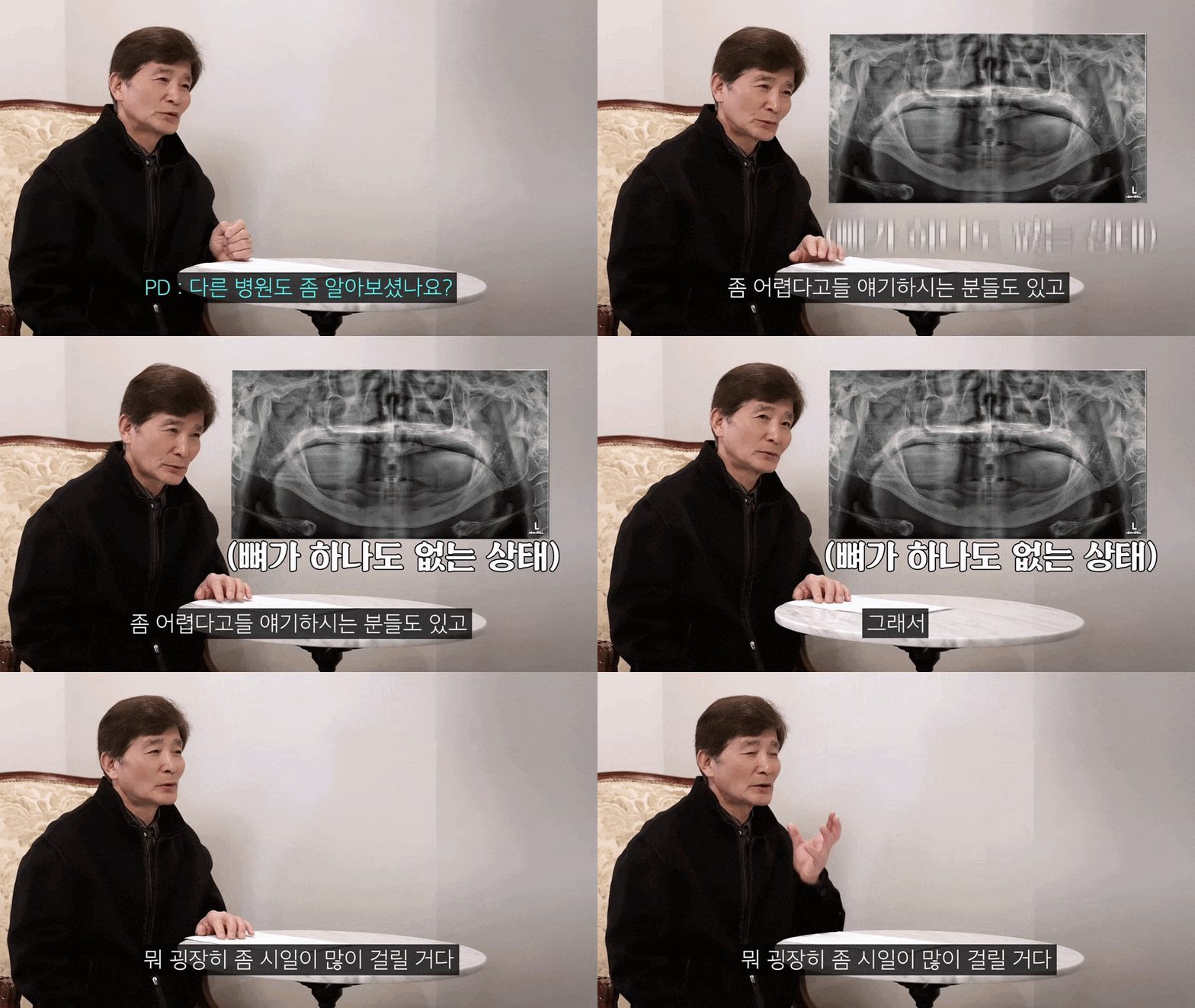
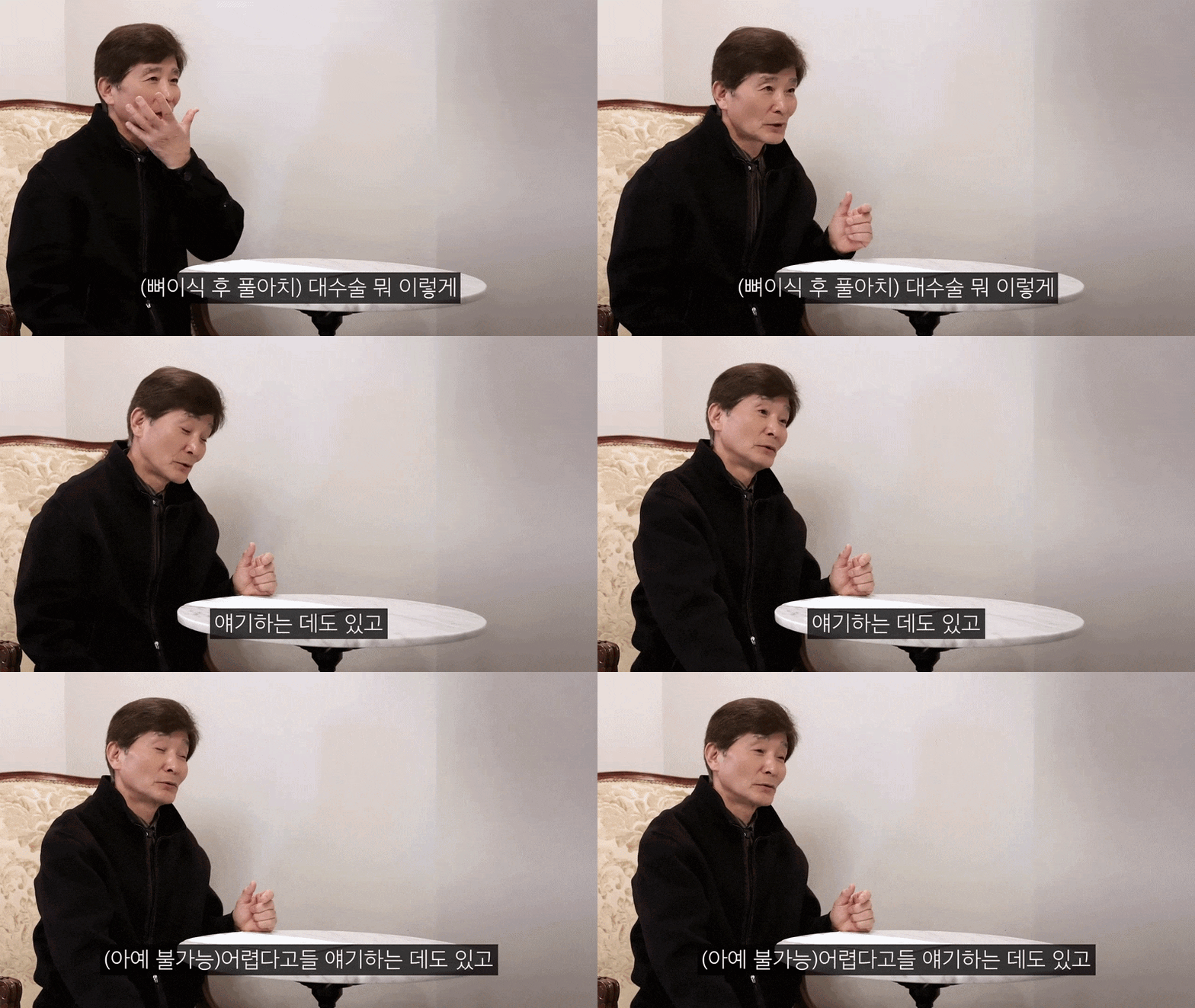

Why implants can still be possible even with insufficient bone
When dentures have been used for a long time, or teeth have been missing for an extended period, the jawbone tends to gradually shrink.
This happens because when teeth are absent, the bone no longer receives stimulation and is naturally resorbed. It is similar to how muscles weaken when they are not used for a long time. For this reason, many people are told before implant treatment that bone grafting is necessary.
However, dental implants without bone grafting involve carefully analyzing the location and density of the remaining jawbone with 3D CT and an oral scanner, then placing the implant at a specific angle to make the best use of the existing bone structure. Of course, this can only be determined through a precise diagnosis, and it does not apply to everyone.
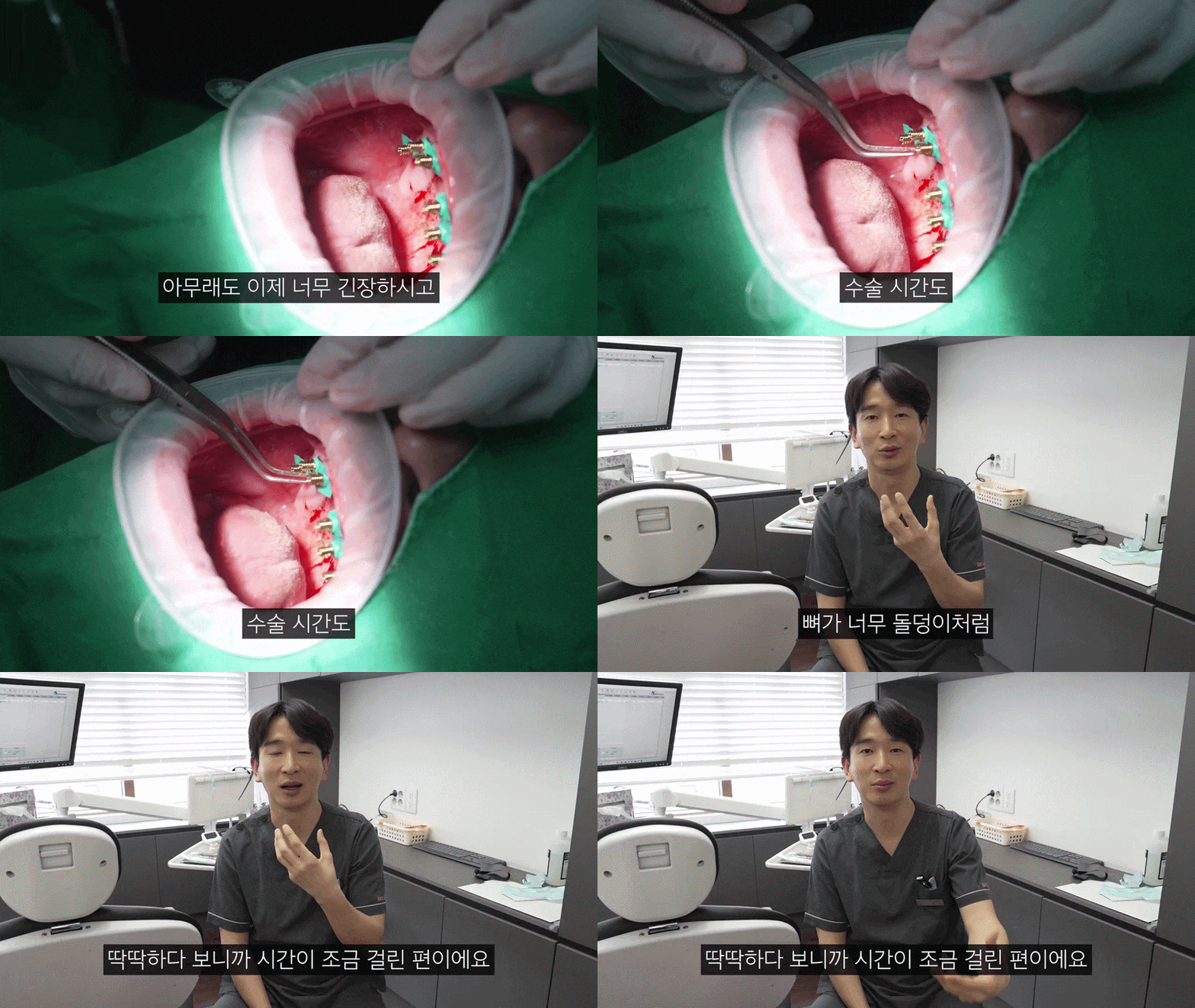
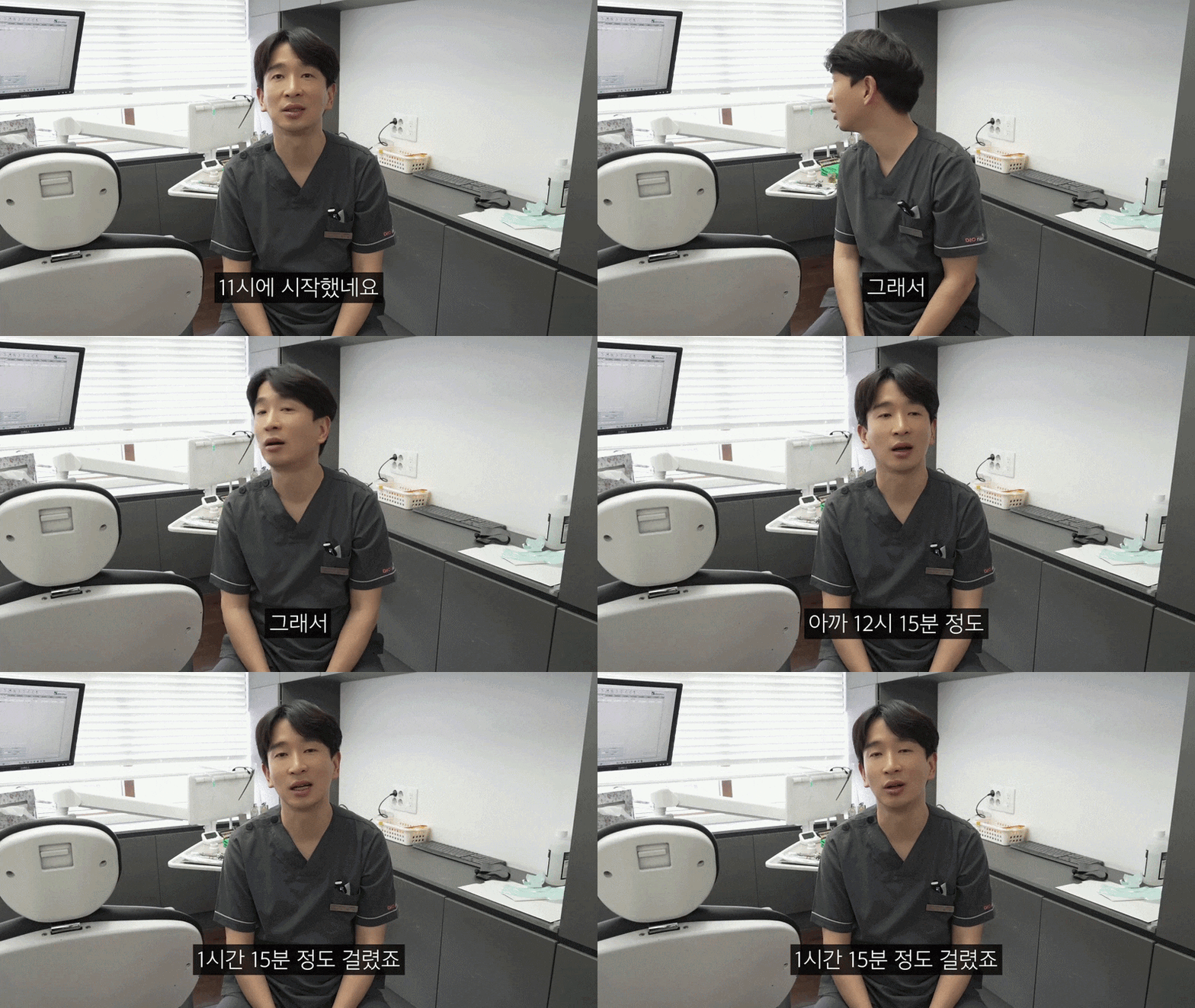
Non-bone-augmented arch: how is the treatment carried out?
Non-bone-augmented arch is a method of restoring the entire upper or lower jaw with 4 to 6 implants.
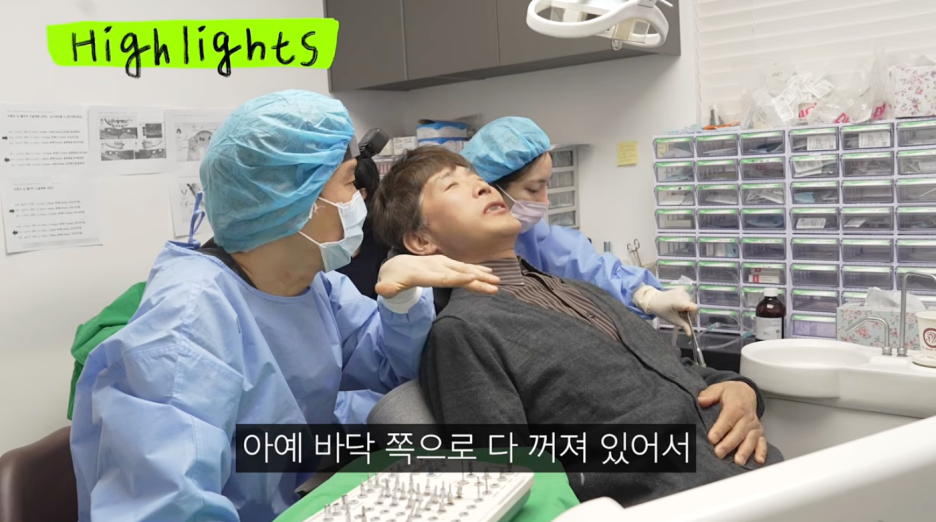
Treatment begins with a 3D CT scan and oral scan examination. Based on this information, computer simulation surgery is performed, and the implants are placed at the planned locations using a navigation guide.
For patients who are judged to be suitable for implants without bone grafting, fixation is achieved by placing the implants at a certain angle using the remaining jawbone structure. The procedure is carried out with a temporary prosthesis placed on the day of surgery, and the final prosthesis is completed after the gums stabilize, usually around 30 days later.

Non-bone-augmented arch: benefits
One of the main features of the non-bone-augmented arch is that it can reduce the burden of clinic visits and treatment time. Unlike methods that place individual implants for each tooth, it restores an entire jaw with only 4 to 6 implants, so the financial and time burden is relatively lower.
Because the gum line is recreated with pink porcelain and the teeth are made with zirconia, it is also a treatment option worth considering for those who want a natural-looking result.
It can also be a practical treatment option for older adults who have difficulty moving around or who cannot visit the clinic often.
Post-treatment care: please do this
Dental implants, like natural teeth, require consistent care. You should brush properly every day and keep the area around the prosthesis clean using interdental brushes or dental floss.
Having a regular checkup and scaling once every six months helps keep implants healthy.
During the temporary prosthesis period, avoid foods that are too hard or too chewy, and if you smoke, quitting is recommended. Care methods may differ depending on each person’s oral condition, so even after treatment, it is important to maintain oral health through regular checkups.
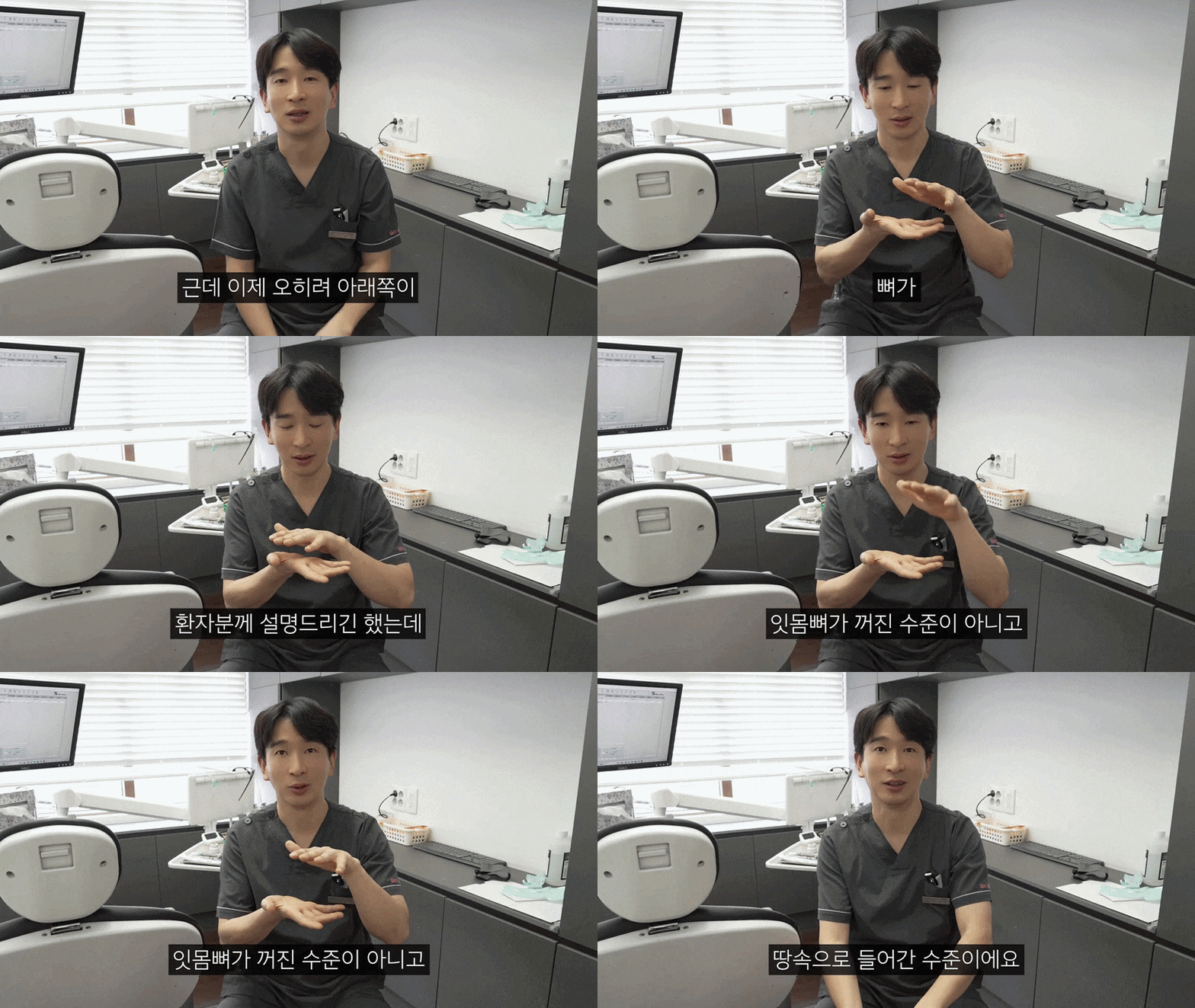
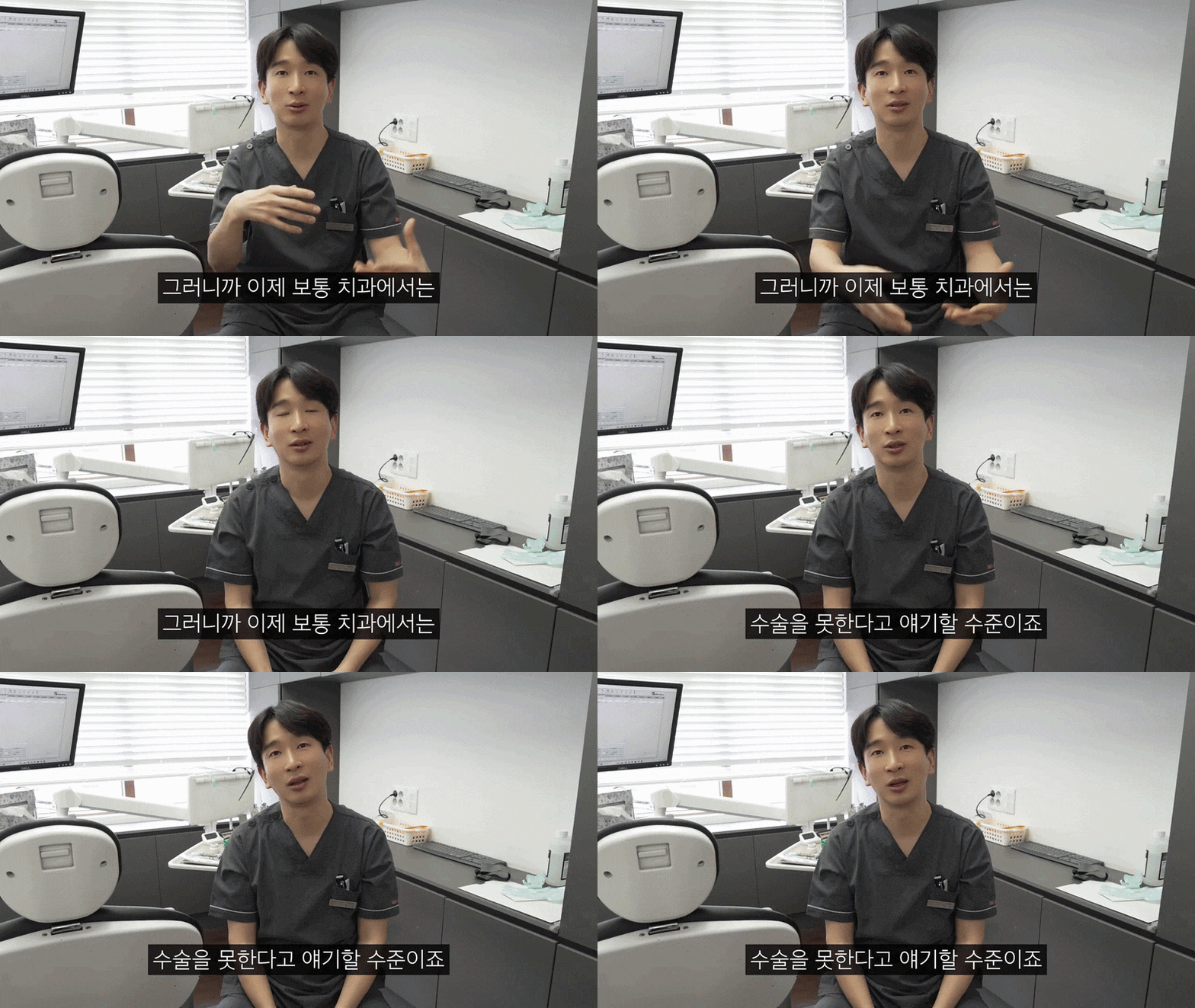
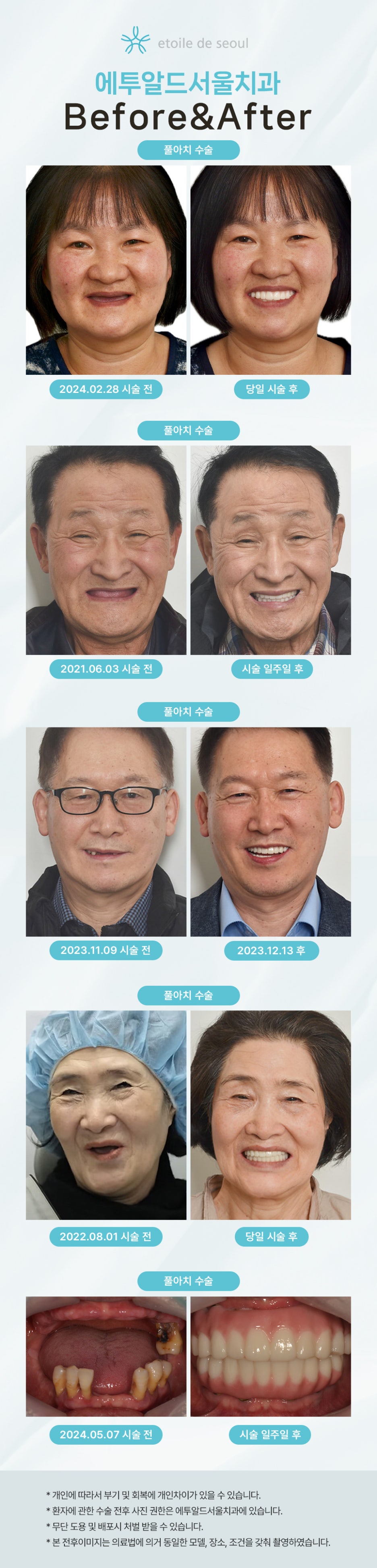
Here is how it turned out for that patient
The patient nearing their seventies was confirmed, through 3D CT and oral scan examinations, to be in a condition where implants without bone grafting were possible.
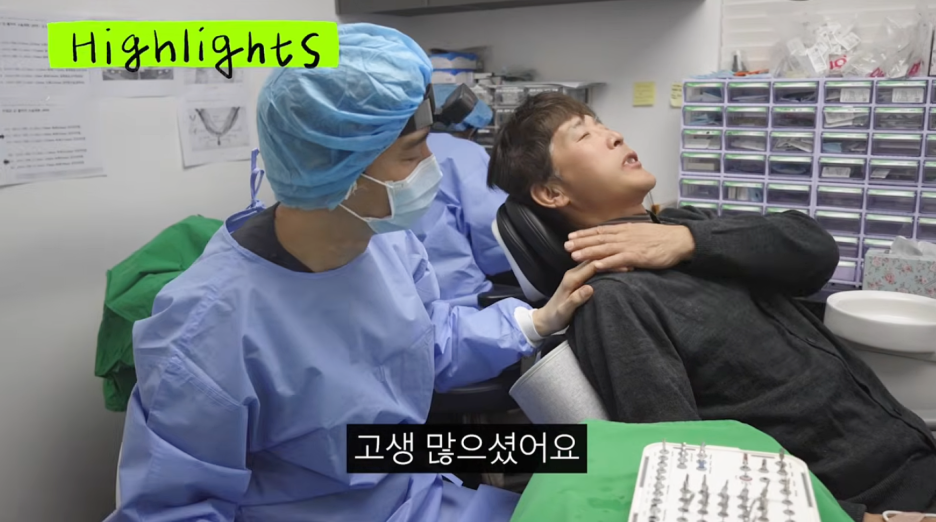
When I explained the diagnosis, their expression was different from when they first came in. I could see their resigned feelings gradually changing. It is always very rewarding to me when someone who has endured discomfort for a long time begins to open up to the possibility of treatment again. It is one of the most meaningful moments in the clinic.
Of course, every patient’s situation can be different. Still, I wanted to share today that you may not need to give up on treatment simply because there is not enough bone.

Don’t give up before getting a diagnosis
To anyone considering implants, I always say this.
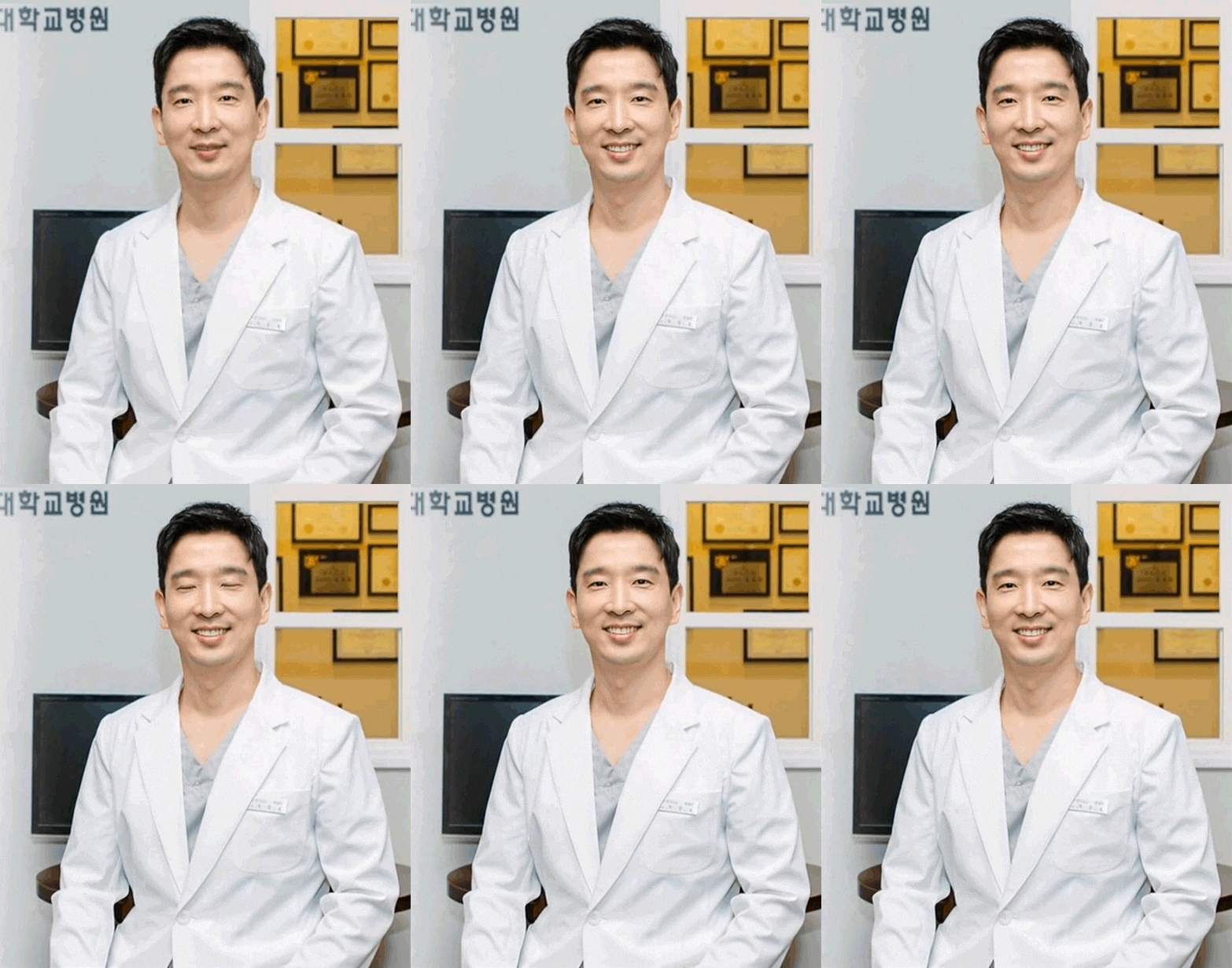
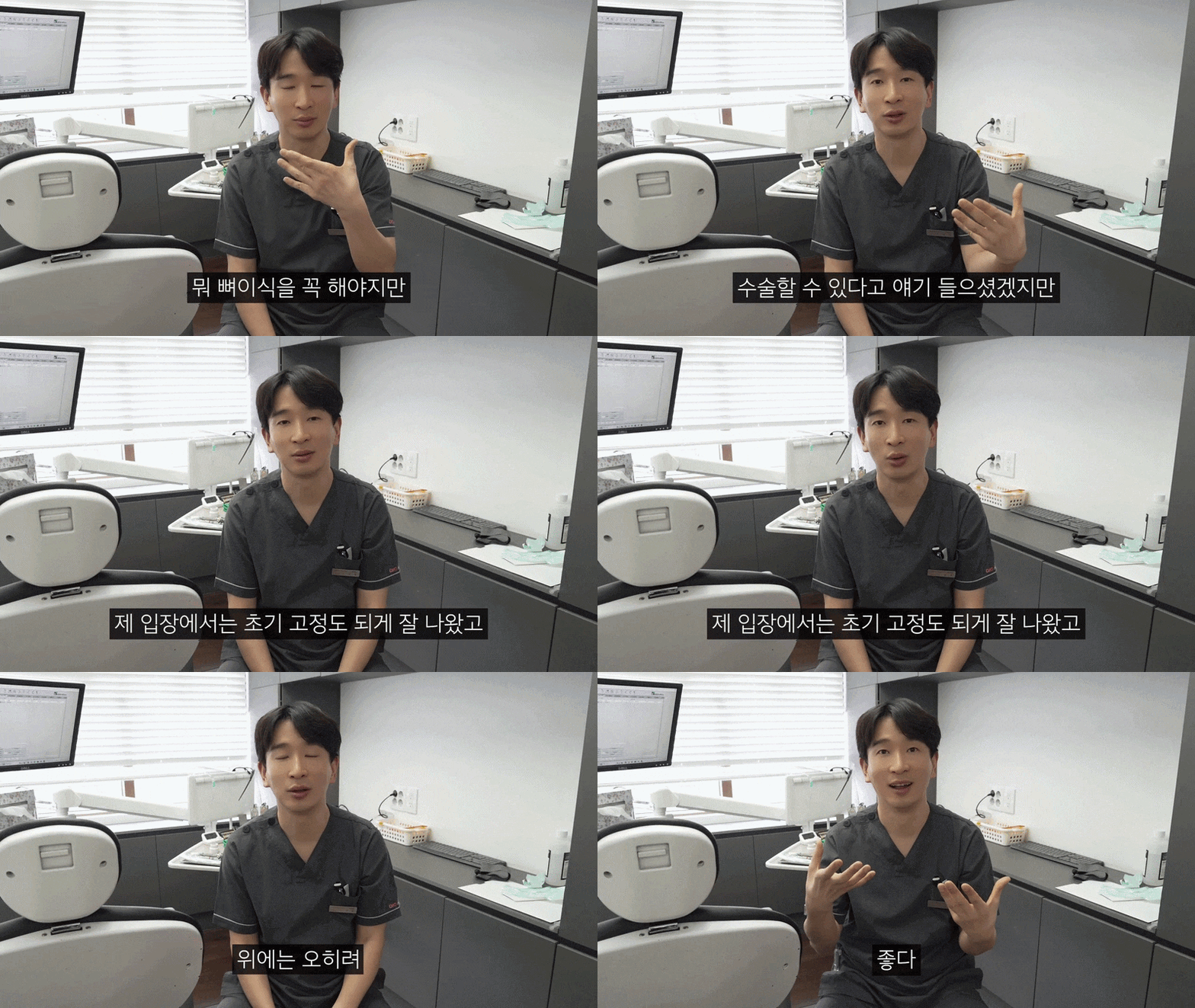
“Do not make a decision after hearing only one place’s opinion.” Whether implants without bone grafting are possible can only be determined accurately through a precise diagnosis that includes 3D CT. As someone who graduated from Seoul National University School of Dentistry and has treated patients in clinical practice for more than 20 years, I know better than anyone that even with the same lack of jawbone, each patient’s situation is different.
I fully understand how frightening and overwhelming this must feel. I sincerely hope this article was able to ease that feeling, even a little.




Previous image
Next image















Previous image
Next image









Previous image
Next image
�