
There is probably at least one concern about your teeth
that you have kept in your mind
for a long time.
Have you ever found yourself covering your mouth every time you smile, or making an awkward expression instead of a natural smile when taking photos?
For those who have simply put up with uneven tooth color or shapes they did not like, today we would like to talk about Gangnam no-prep laminate veneers.
If you have been putting off even a consultation because of the burden of having to shave down your teeth, or if you are interested in esthetic treatment but strongly want to preserve as much of your natural teeth as possible, we hope this article can serve as a small starting point.
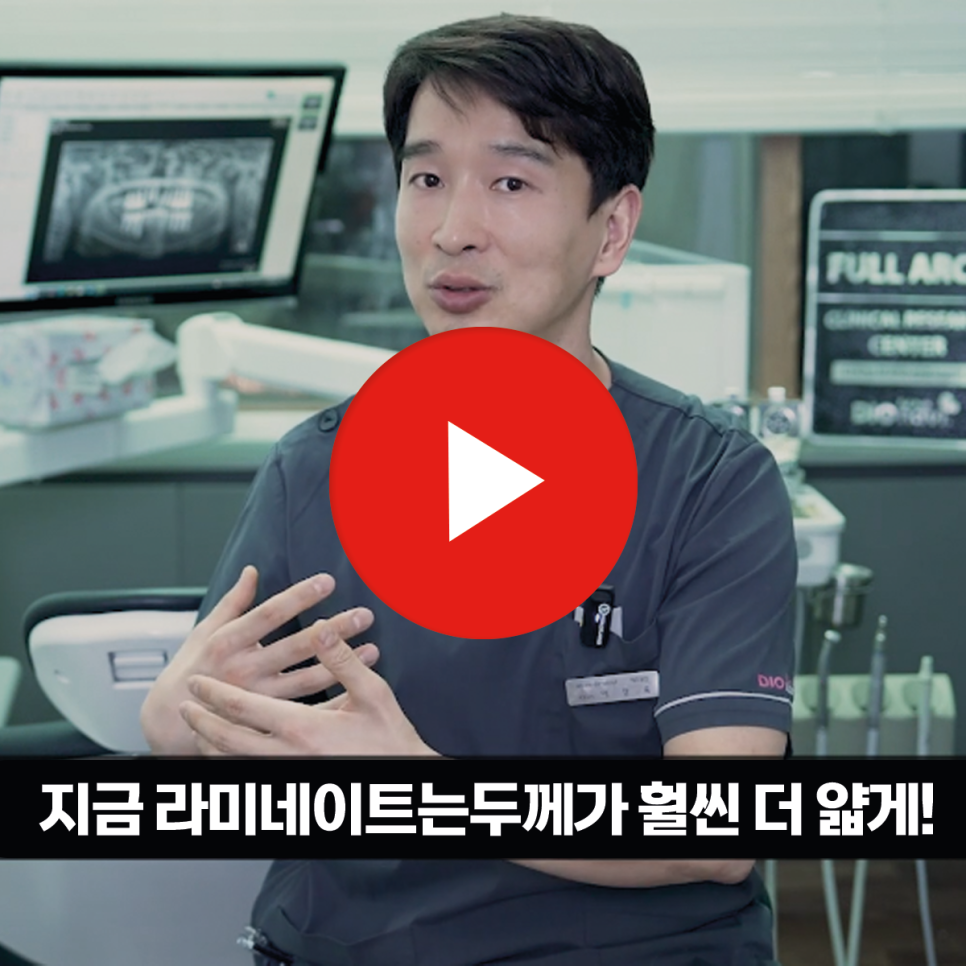
✨ Watch the Chiterior YouTube video ✨
(Click)
Everything You Didn’t Know About Laminate Veneers
❗Zeronate? Luminate?❗
Let us first listen to the concerns you have kept to yourself for a long time.
Concerns about tooth appearance are something many people quietly carry.
Some people develop a habit of covering their mouth whenever they speak because the front teeth are uneven in color or shape. Even smiling naturally during presentations at work or in everyday settings with acquaintances can feel like a burden.
As concerns that once felt minor begin to affect confidence, many people consider a dental consultation, but then delay the visit because they worry they will hear that a lot of tooth reduction is necessary.
Simply knowing in advance that there are options, such as Gangnam no-prep laminate veneers, that aim to preserve as much of the natural tooth as possible can make the psychological burden of consultation much lighter.

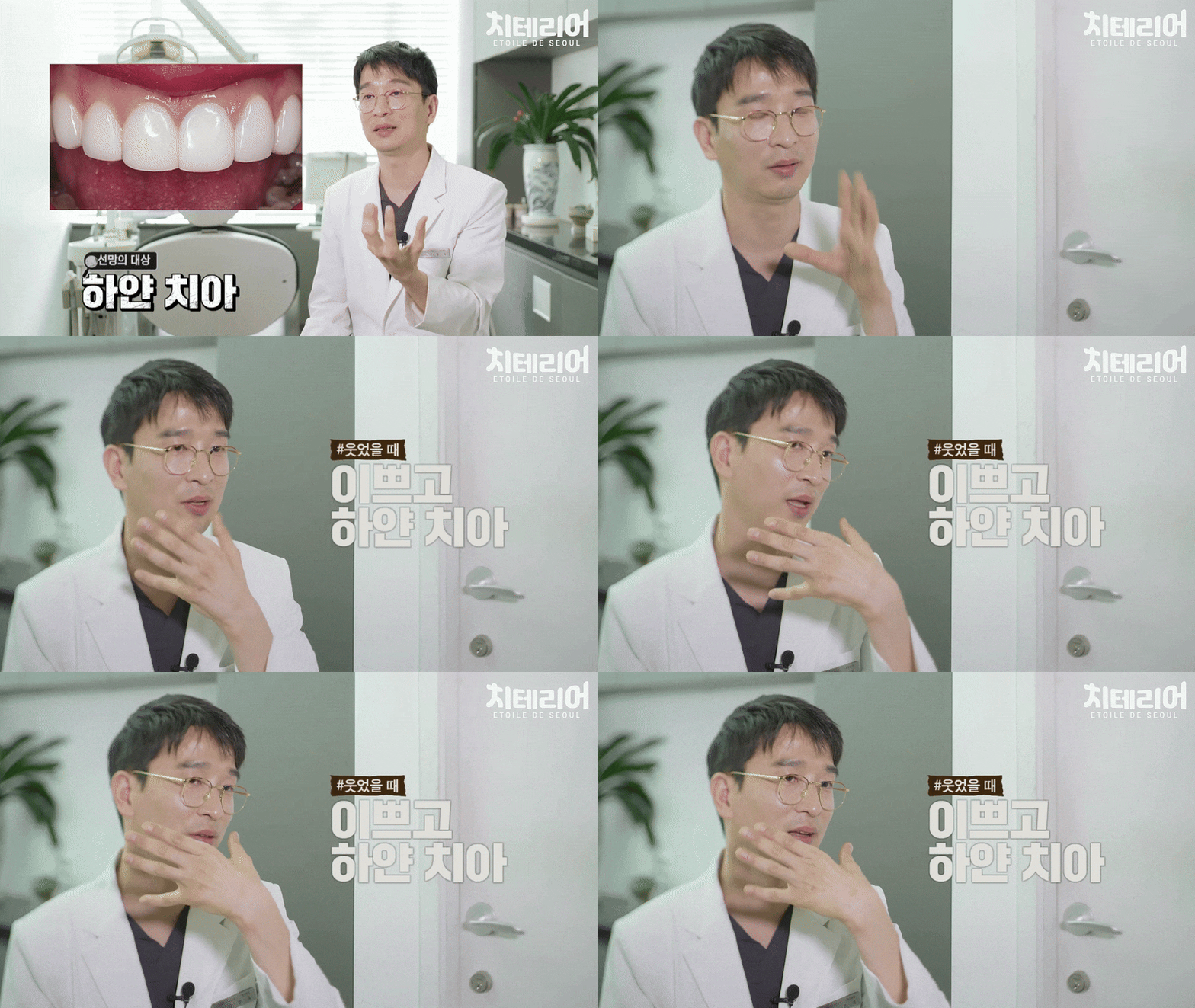
What is no-prep laminate veneer treatment?
No-prep laminate veneer treatment is an esthetic dental procedure in which a thin ceramic material, about 0.3 to 0.5 mm thick, is bonded to the tooth surface after no tooth reduction, or only minimal reshaping.
Unlike conventional laminate veneers, which require part of the tooth surface to be shaved down in order to attach the restoration, the no-prep method seeks external changes while preserving the tooth’s original structure as much as possible.
The key point of this treatment is that a ceramic layer thinner than a fingernail can naturally change the color, shape, and symmetry of the teeth.
The materials used for laminate veneers are broadly divided into ceramic (porcelain) and resin types. Ceramic materials offer translucency and gloss similar to natural teeth, making them advantageous for color expression, while resin materials have the characteristic of being relatively affordable and applicable over a shorter period.
Which material is appropriate depends on the condition of the teeth and the oral environment, so it is important to discuss this thoroughly during consultation.

Why should you look into it, and who can benefit?
Gangnam no-prep laminate veneers may be considered as an option for those who want to achieve esthetic changes while preserving the natural structure of the teeth.
They can be applied in situations that cause everyday discomfort, such as tooth discoloration, slight differences in size, or minor wear or defects.
Many people show interest when they want their teeth to look natural while appearing a little more even and brighter in color and shape.
In particular, it can be introduced as an option for people who feel burdened by tooth reduction, want to preserve their teeth as much as possible, or want esthetic changes in a natural way.
However, the suitability should first be carefully determined after thoroughly checking the condition of the teeth, bite alignment, and gum health.
Since the no-prep method is not applicable to everyone, it is important to accurately understand whether it is appropriate for your oral condition.

What does the treatment process look like?
The treatment process is largely divided into consultation and oral diagnosis, customized design, and bonding.
First, the color, shape, and bite condition of the teeth are carefully checked, and a customized laminate veneer is made while discussing the direction desired by the visiting patient.
The fabricated laminate veneers are precisely bonded to the tooth surface using dental adhesive materials, and a careful process of adjusting color and shape so they blend naturally with the existing teeth is carried out at the same time.
When several teeth are treated at once, careful work is done to match the shape and shade of each tooth individually, and sufficient communication with the patient during this process affects satisfaction with the result.
It may take a few days for the finished laminate veneers to settle onto the teeth, and if you feel any discomfort, it is best to discuss it thoroughly with the treating doctor and make adjustments.

Post-treatment care: please remember only this
Even after Gangnam no-prep laminate veneers are bonded, everyday care habits play an important role in long-term maintenance.
-
Brush your teeth lightly with a soft-bristled toothbrush, and it is best to avoid brushing with excessive force.
-
Use dental floss every day to prevent food from remaining between the laminate veneer and the tooth.
-
Strongly pigmented coffee, black tea, red wine, and similar drinks should be avoided at first after bonding, or you should brush your teeth immediately after consuming them.
-
Be careful, as the habit of biting hard or chewy foods directly with the front teeth can also affect the lifespan of the laminate veneers.
-
If you have a habit of grinding your teeth, you may want to consider using a night guard (a mouthpiece worn during sleep).
-
Having a regular checkup once every six months is also helpful for maintaining a good condition for a long time.


Finally, a word from Director Lee Jang-wook
Once teeth undergo a change, it is not easy to reverse it.
That is why the initial choice matters, and why a thorough review is necessary.
If you are considering Gangnam no-prep laminate veneers, it is important first to determine whether your teeth are suitable for this method.
Because multiple factors such as bite alignment, gum condition, and tooth thickness must be comprehensively reviewed, receiving a sufficient diagnosis from the start is especially important.
Director Lee Jang-wook, a graduate of Seoul National University School of Dentistry with more than 20 years of clinical experience, always works together to consider the direction that preserves each patient’s teeth as much as possible.
We hope this article today has been a small help with a concern you have been putting off for a long time.
Thank you for reading to the end.




Previous image
Next image












Previous image
Next image









Previous image
Next image