Why people in their 70s
consider implants
One of the most common things I hear when sitting across from patients in their 70s in the treatment room is concern about dentures. Many have lived with dentures for a long time, but because they continue to experience wobbling while eating or difficulty with pronunciation, they begin to consider implants instead of dentures.
Today, for those people, I will calmly explain what the No-Bone Arch system is and why this option is drawing attention.
✨ Watch the Chiterior YouTube video ✨
(Click)
No-Bone Arch, said to be better than full-arch …
❗We asked directly!❗
Dentures,
what structural limitations do they have?
Dentures are removable prosthetics placed on top of the gums.
Because they are not fixed directly to the jawbone like natural tooth roots, they may move or come loose while chewing.
Their chewing force is only about 20–30% of that of natural teeth, making it difficult to eat hard or chewy foods. Over time, as the jawbone is resorbed, the fit of the dentures also changes, requiring ongoing adjustments.
A more fundamental problem is that, because the jawbone is not stimulated, bone resorption gradually accelerates.
In this way, dentures have long-term limitations in both convenience and oral health.
 How is this different from conventional individual implants?
Individual implants are a method of replacing each tooth one by one with its own implant, which creates a significant treatment-time and cost burden.
In particular, for people who have used dentures for a long time, jawbone loss has often already progressed, so bone grafting may need to be performed first.
Bone grafting itself adds an additional burden, and for older patients or those with systemic conditions such as diabetes or hypertension, it becomes a heavier option.
One of the reasons people hesitate even when they want implants instead of dentures is precisely the burden of bone grafting.
 How does the No-Bone Arch system work?
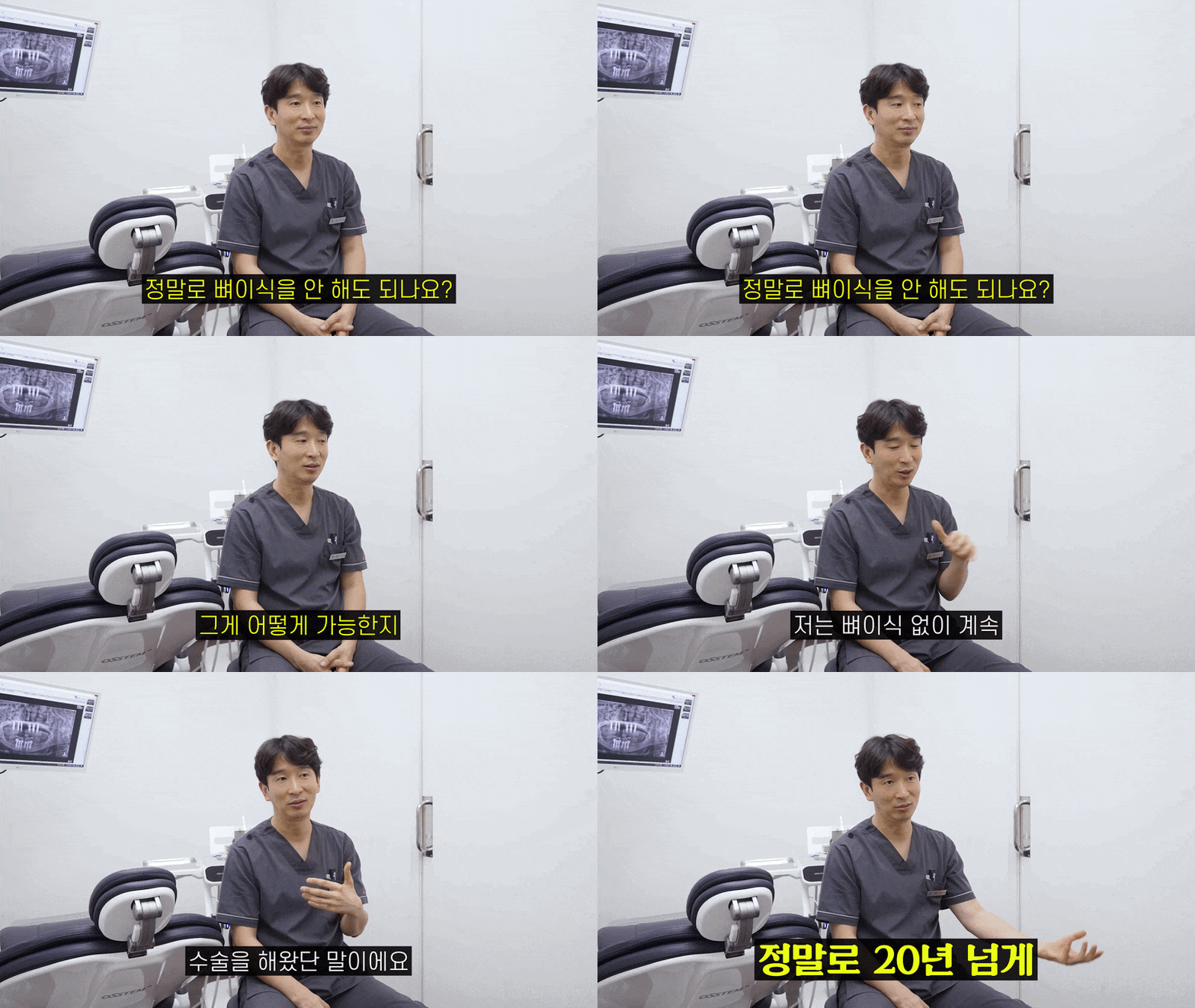
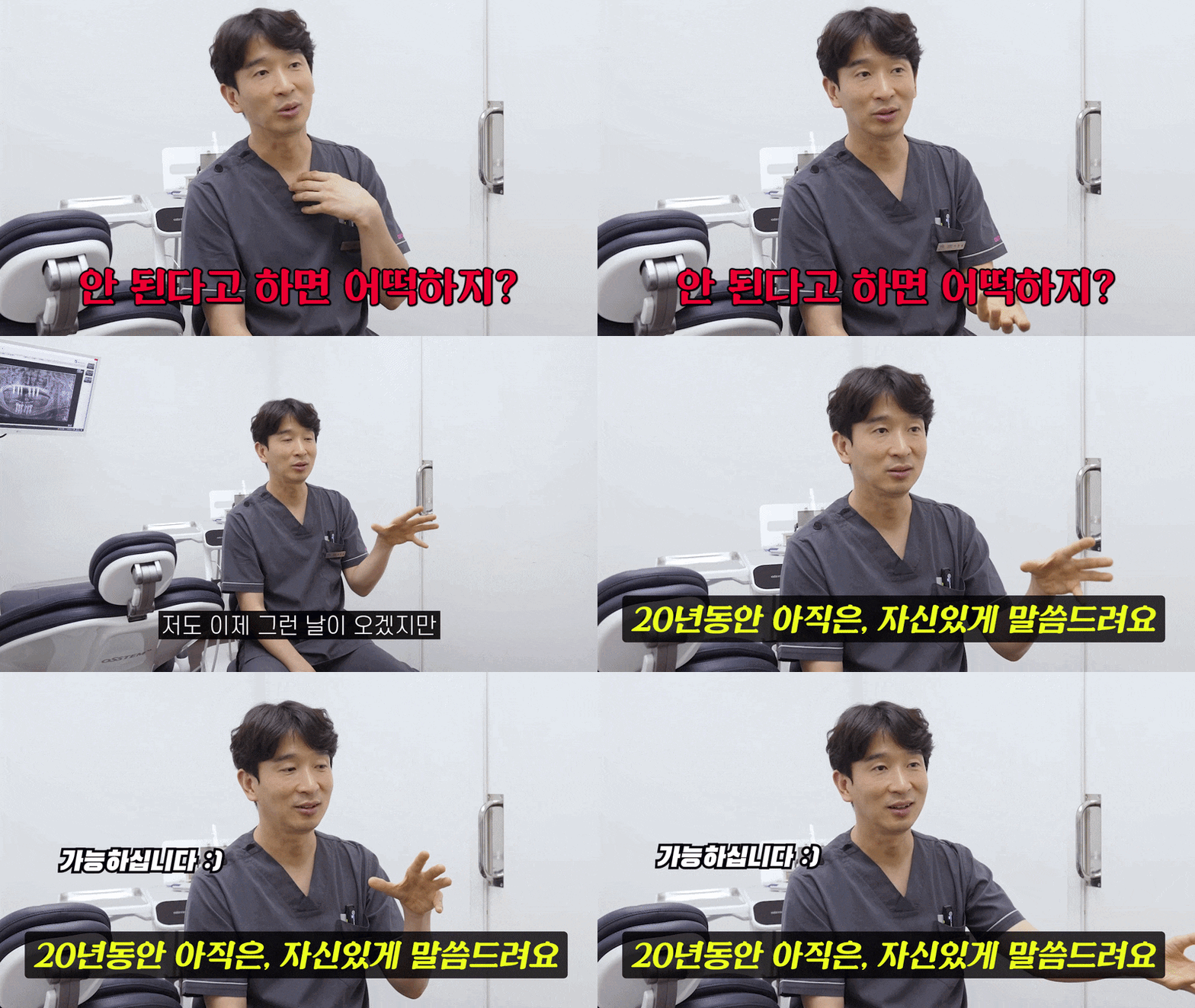
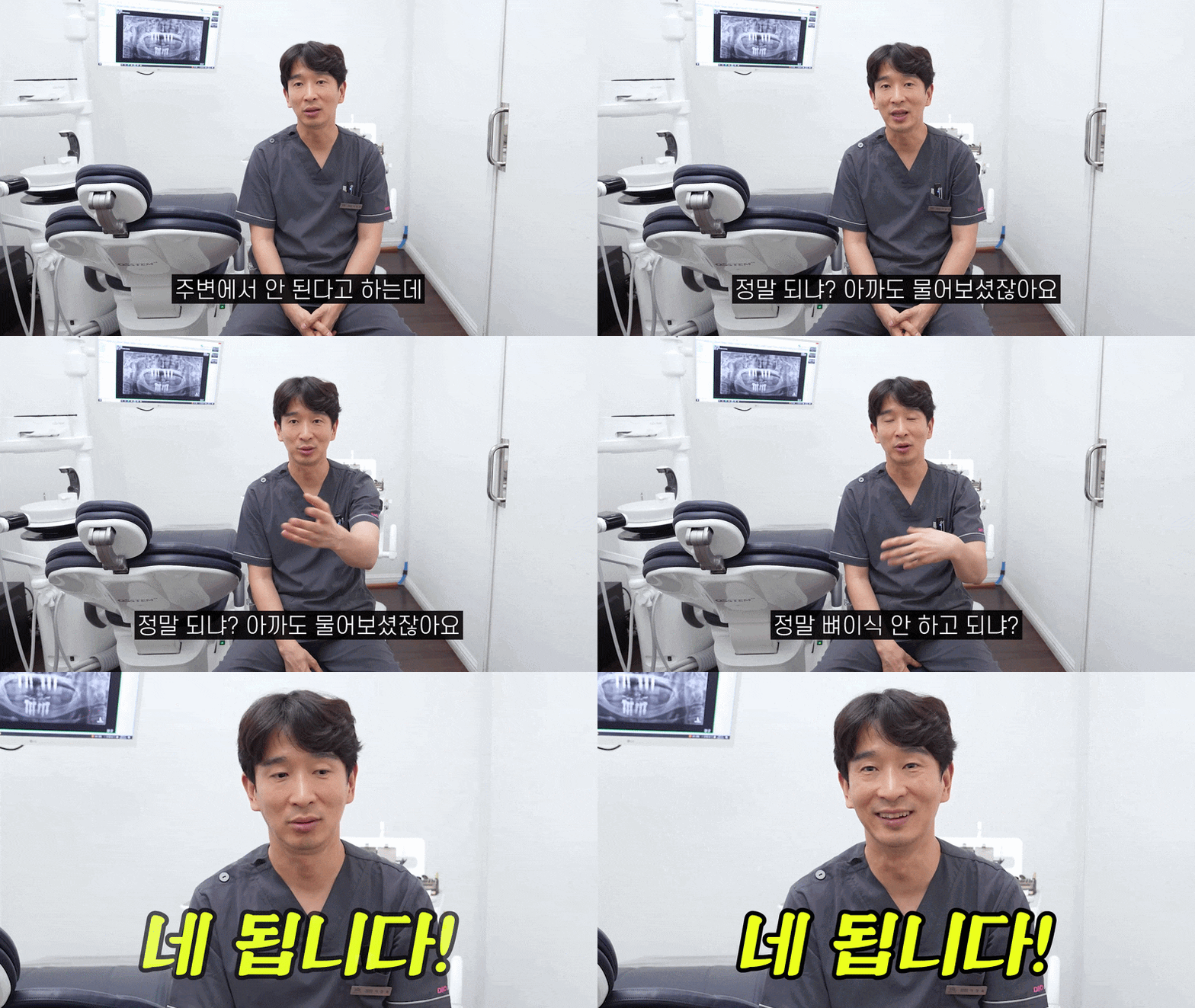
The No-Bone Arch system was developed for people who want implants instead of dentures but are burdened by bone grafting.
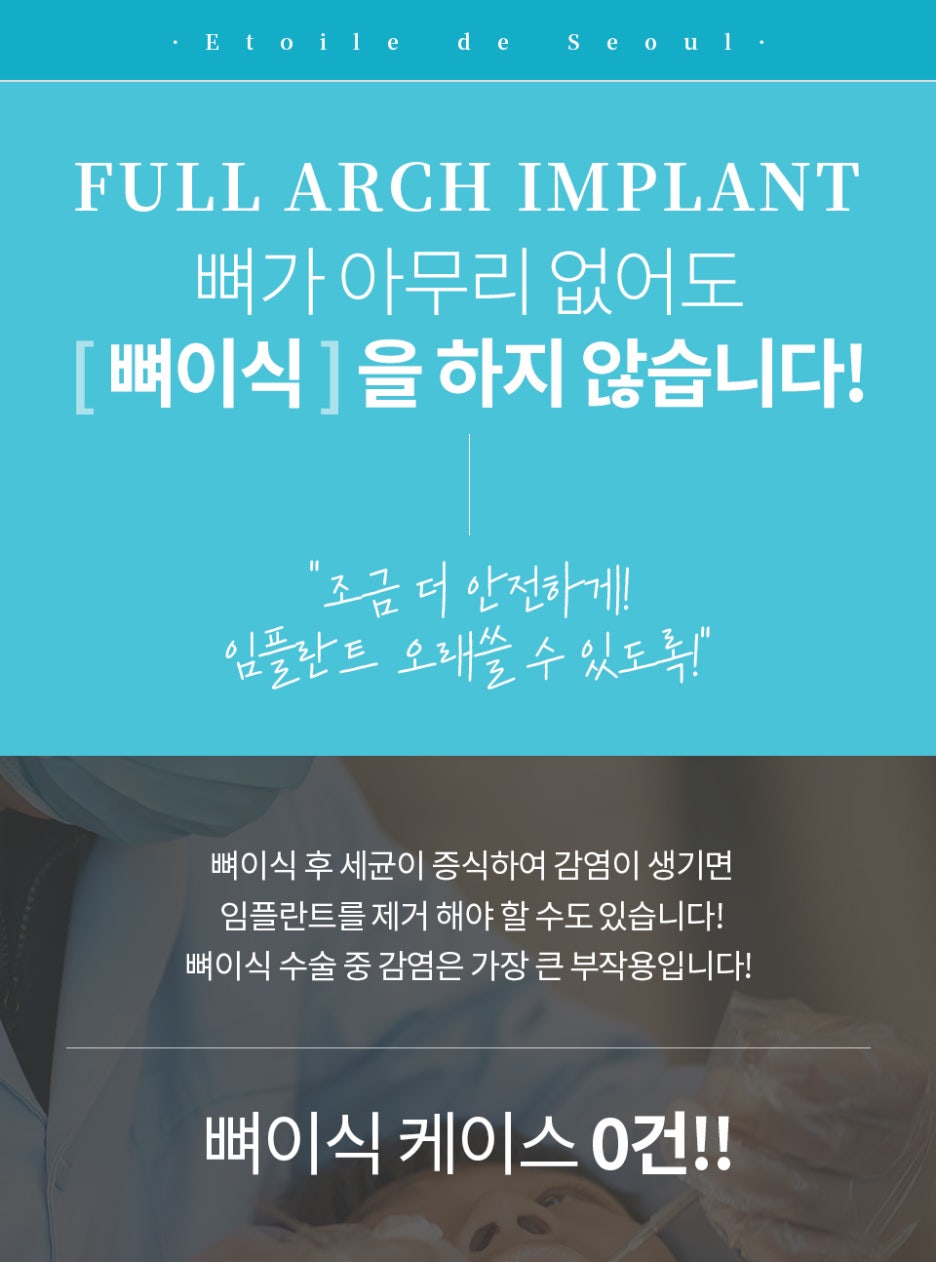
By placing 4 to 6 implants per arch at clinically planned angles and positions, it makes the most of the remaining jawbone.
Before surgery, a precise placement plan is established through 3D CT imaging, oral scanning, and computer-based simulated surgery, and the implants are placed according to the planned positions using a 3D navigation guide.
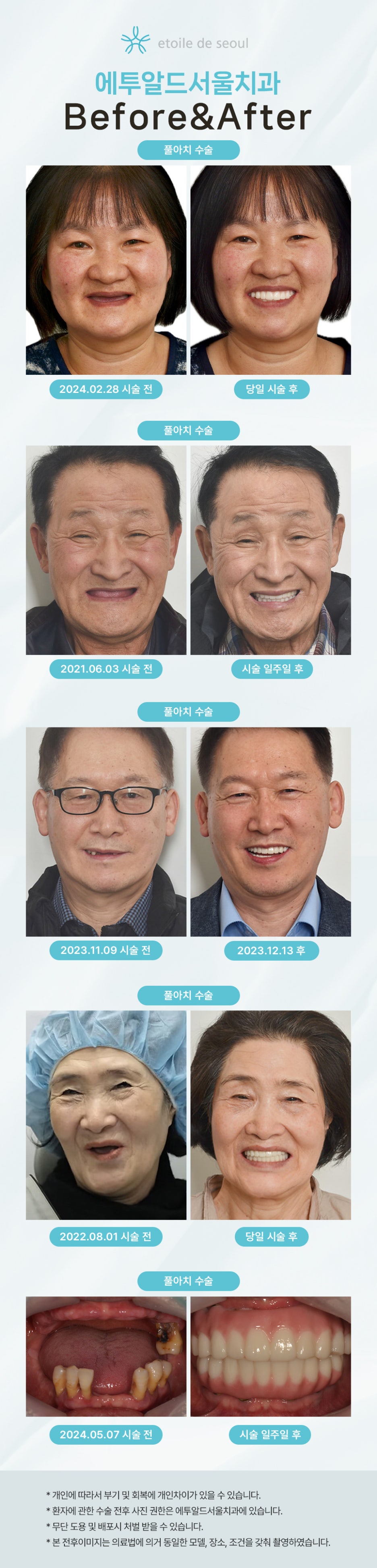
Because the procedure is performed without incisions, the burden of recovery after surgery is reduced, and a temporary prosthesis can be attached on the day of surgery, shortening the period of living without teeth. The final prosthesis is made from zirconia and pink porcelain materials, naturally recreating the teeth and gums, and in many cases chewing ability is restored to a level close to that of natural teeth.
Unlike implant dentures (a removable structure), a key feature of this method is that it does not move inside the mouth.
 Who is it suitable for?
There are cases we often encounter when consulting about the No-Bone Arch in the treatment room.
Typical examples include people with significant jawbone loss due to long-term denture use, people who want full-arch implants without bone grafting, older patients who have difficulty making frequent visits, and people whose systemic conditions such as diabetes or hypertension are under control.
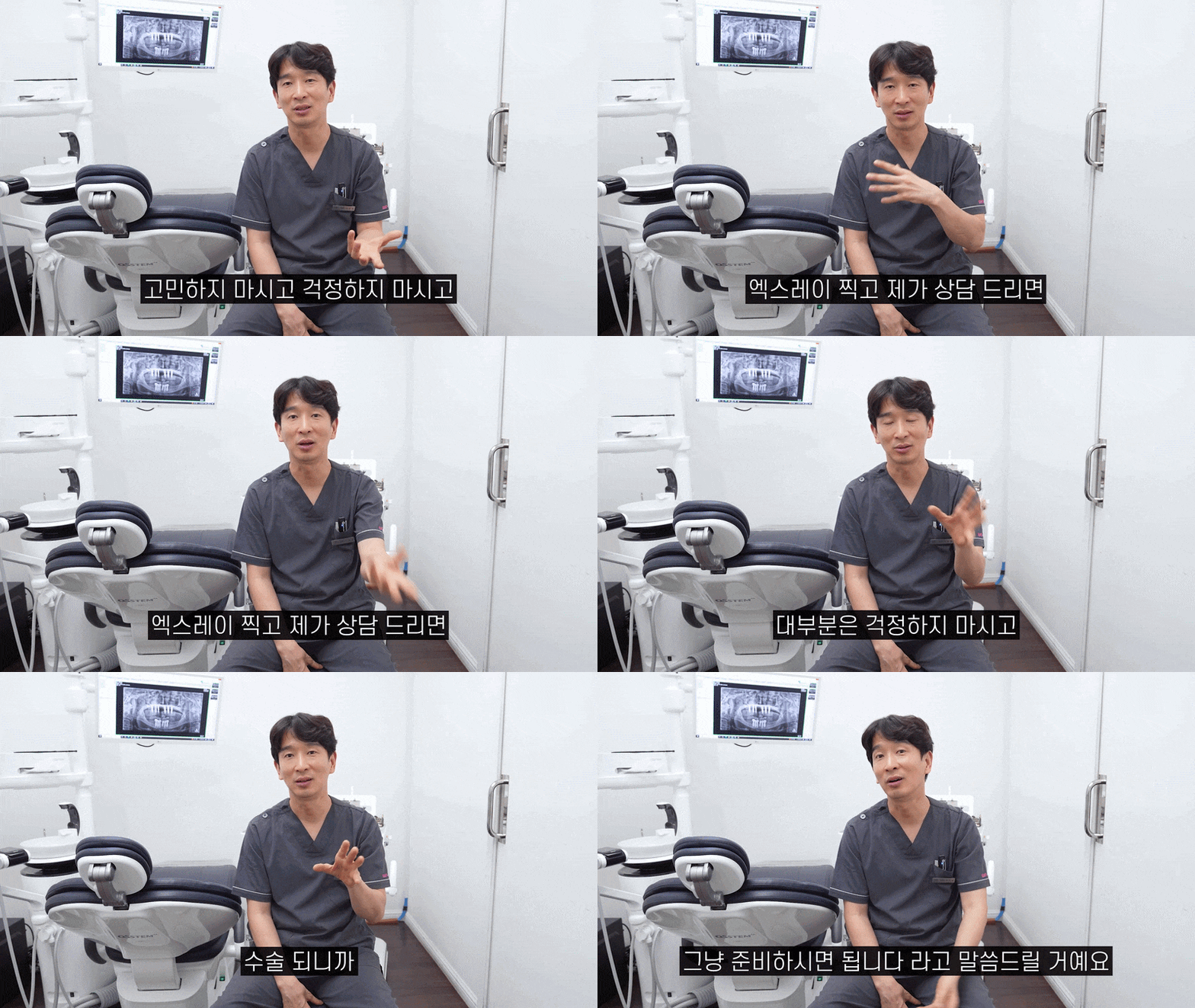
Of course, there are individual differences depending on overall health status and the amount of remaining jawbone, so an accurate diagnosis, including 3D CT, must come first.
If you are considering switching to implants instead of dentures, accurately understanding your current oral condition is the starting point.
 How should it be managed after treatment?
No-Bone Arch implants, just like natural teeth, require careful daily brushing and flossing.
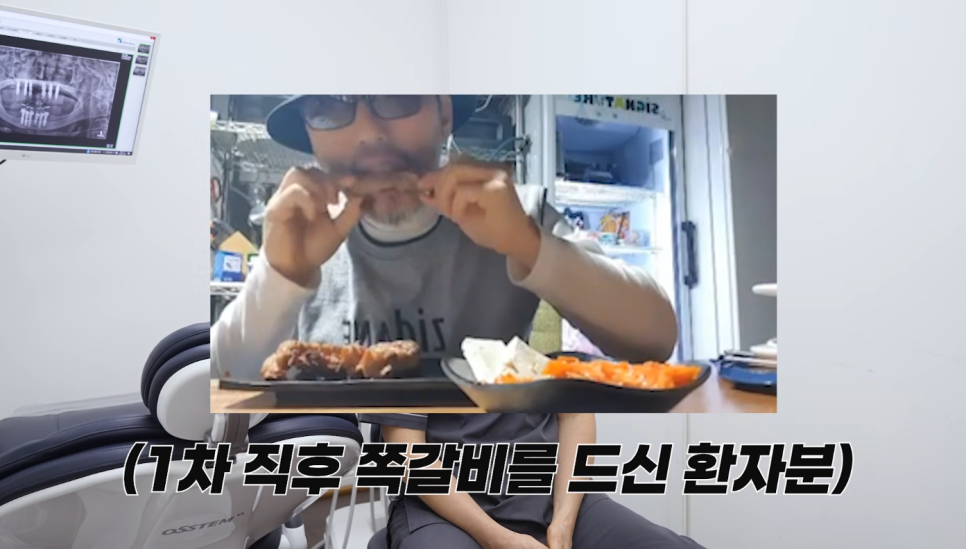
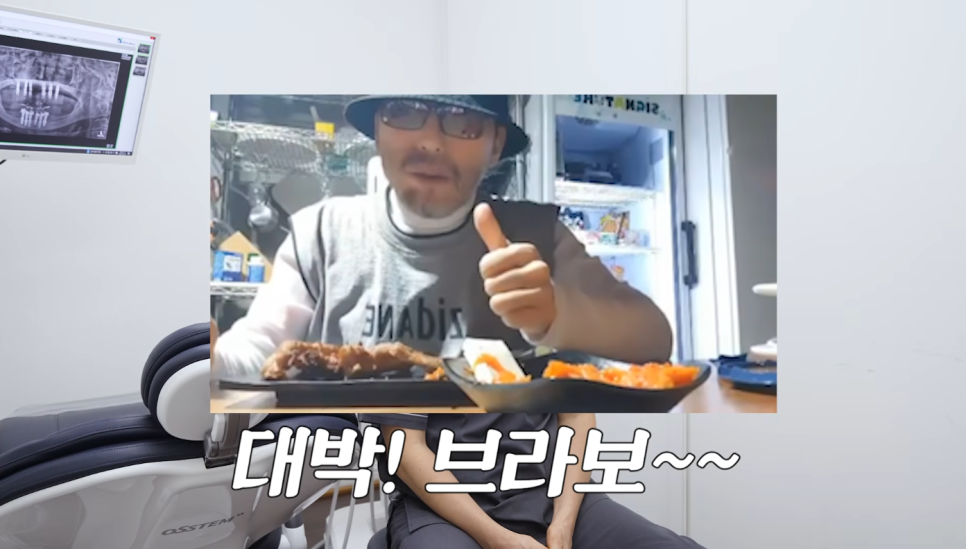
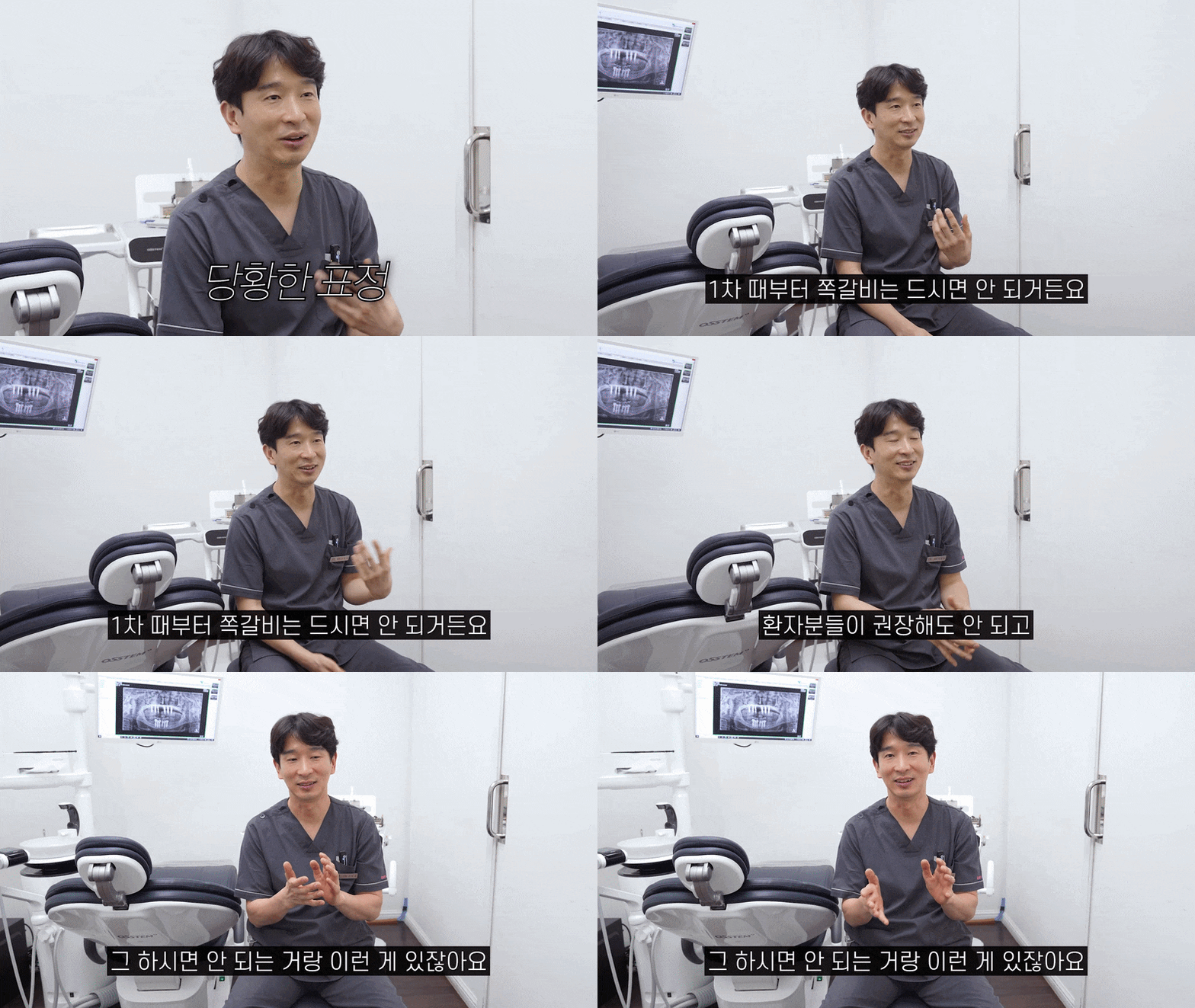
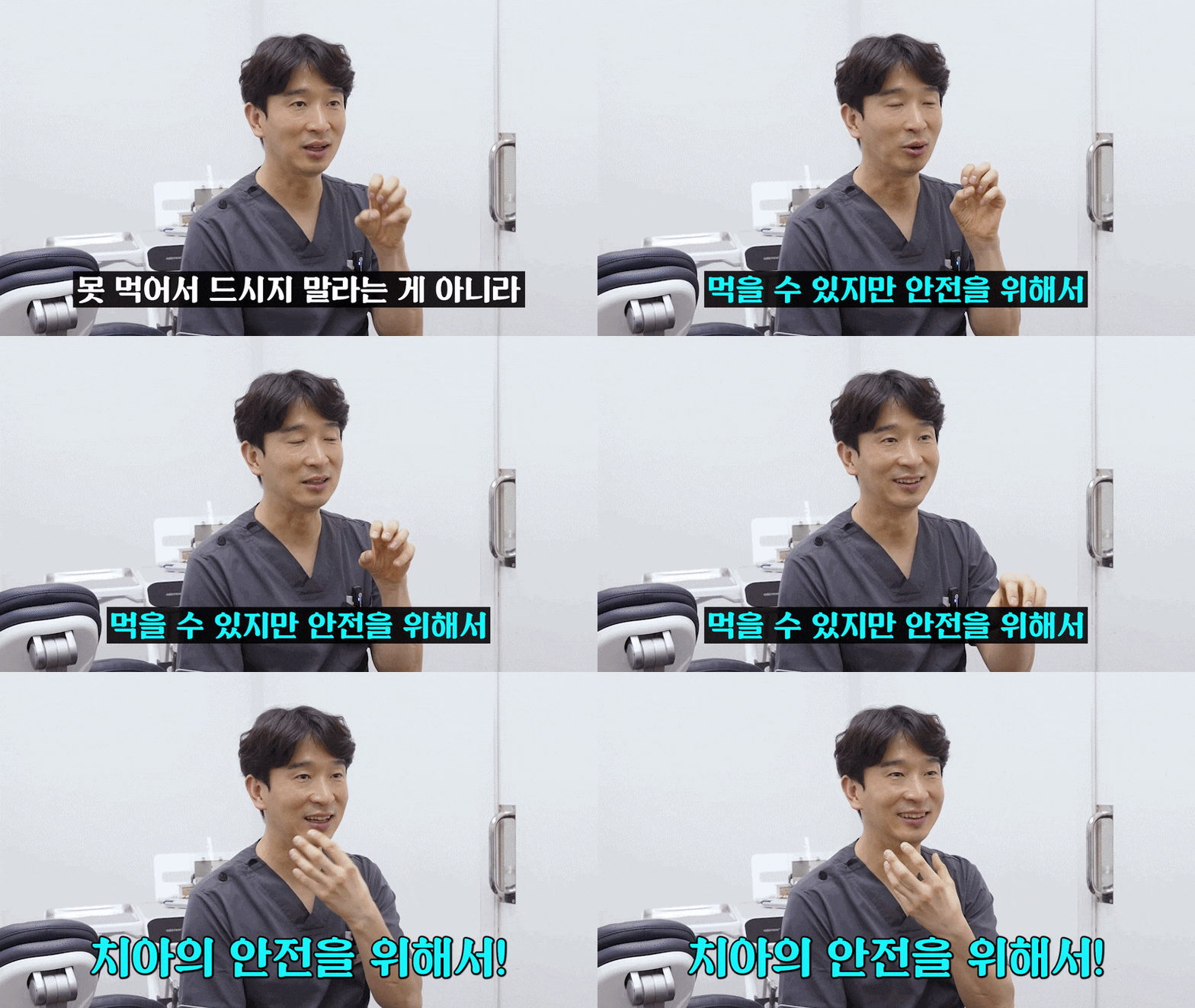
During the period when the temporary prosthesis is attached, please avoid hard or chewy foods, and even after the final prosthesis is attached, it is important to have regular checkups every six months to check the condition of the gums around the implants and the condition of the prosthesis.
For smokers, because smoking can affect implant osseointegration, quitting before and after surgery is recommended.
Please remember that even if there is no discomfort, keeping up with regular checkups is directly tied to the lifespan of the implant.
 Once teeth are lost, they do not come back.
When considering implants instead of dentures, you need a 1:1 customized diagnosis that takes into account not only filling in the visible teeth, but also the health of the jawbone and overall systemic health.
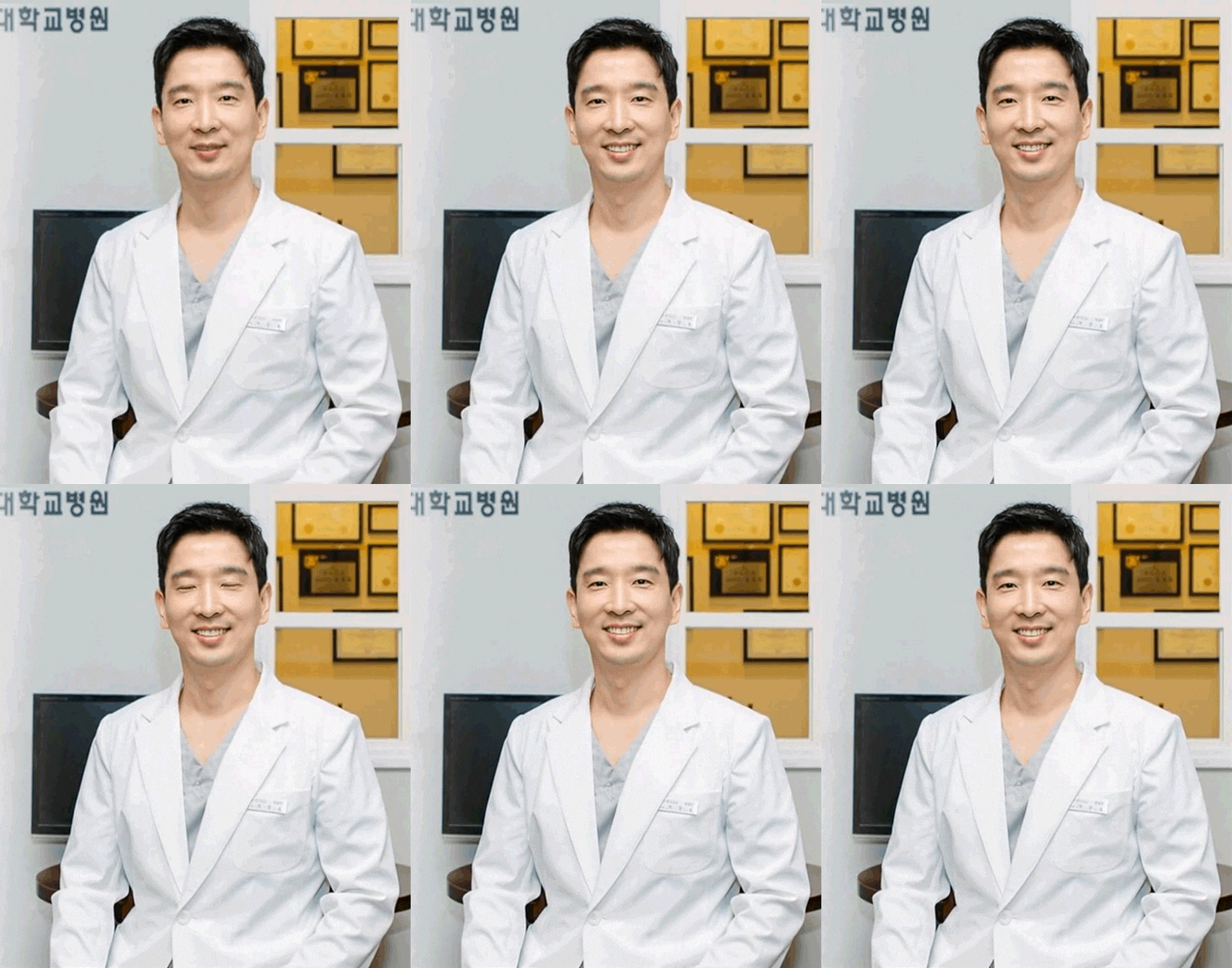
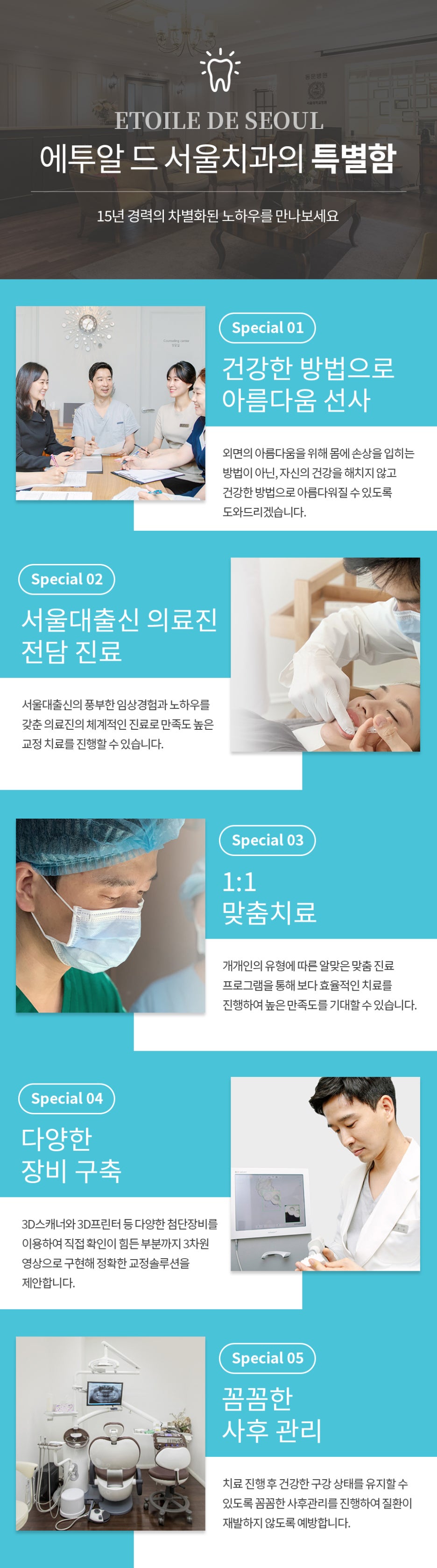
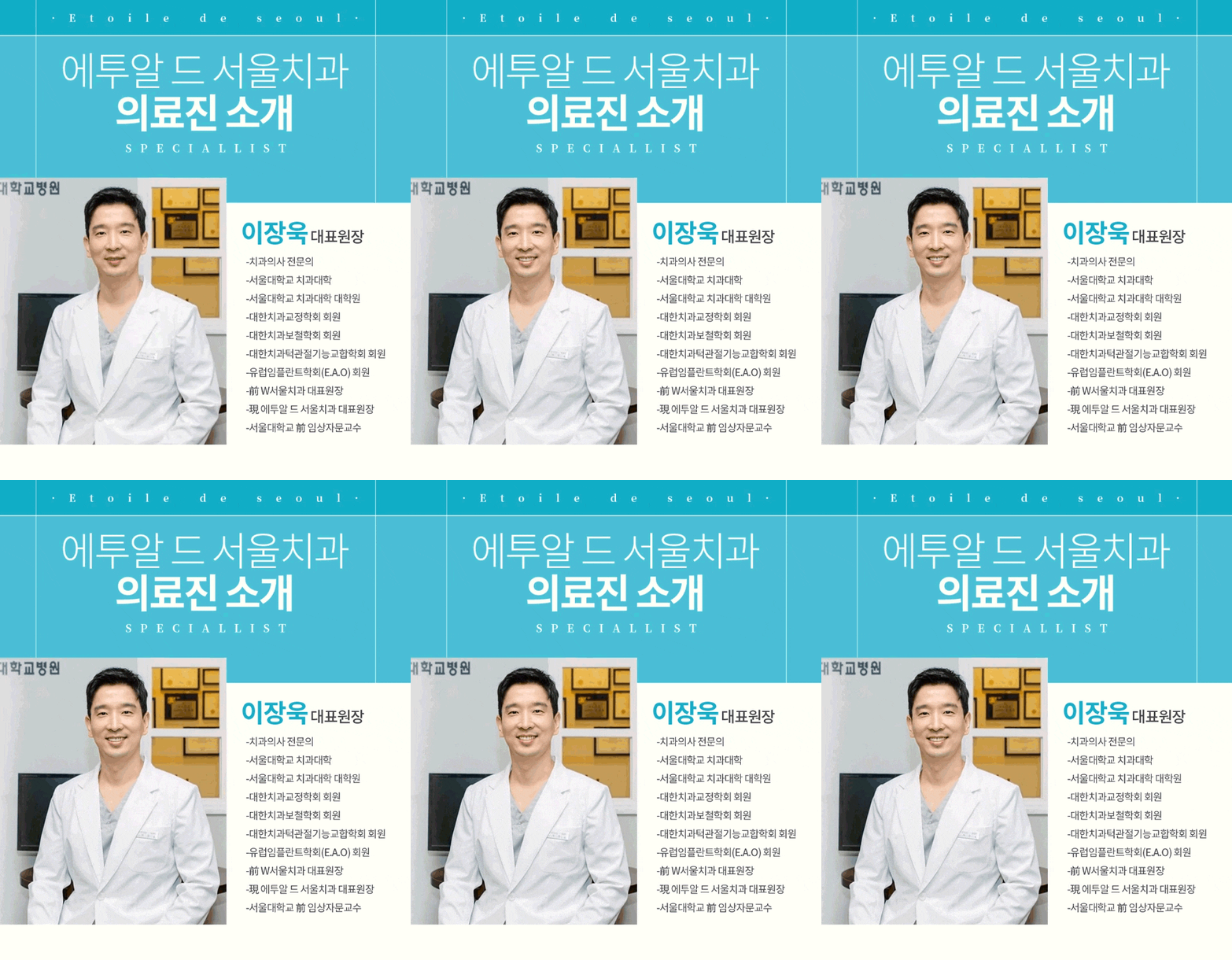
Director Lee Jang-wook studied at Seoul National University School of Dentistry and does his best to establish treatment plans suited to each patient's oral condition.
 Previous image
Next image
Previous image
Next image









 Previous image
Next image
Previous image
Next image








 Previous image
Next image
Previous image
Next image