The most common question
Etualde Seoul Dental Clinic
will answer for you.
�
�
One of the questions I hear most often after full-arch implant treatment is:
�
"Doctor, how long can I use these implants?"
�
The lifespan of full-arch implants is not determined solely by the quality of the materials or the precision of the surgery. Today, along with the reason why, I would like to share the points I always emphasize for keeping implants healthy for a long time.
�
�
�
✨ Watch the Chiterrier YouTube video ✨
(Click)
�
Worried about lifespan?
❗If it breaks, how can it be fixed?❗
�
How are dentures and full-arch implants
different?
The representative options for edentulous patients are dentures and implants.
Dentures are a structure that rests on the gums, so their chewing force remains at about 60% to 80% of that of natural teeth, and they can be inconvenient because they may wobble or come loose while eating.
Over time, the jawbone gradually resorbs, the fit of the dentures changes, and in the clinic we often see cases where that pressure burdens the oral tissues.
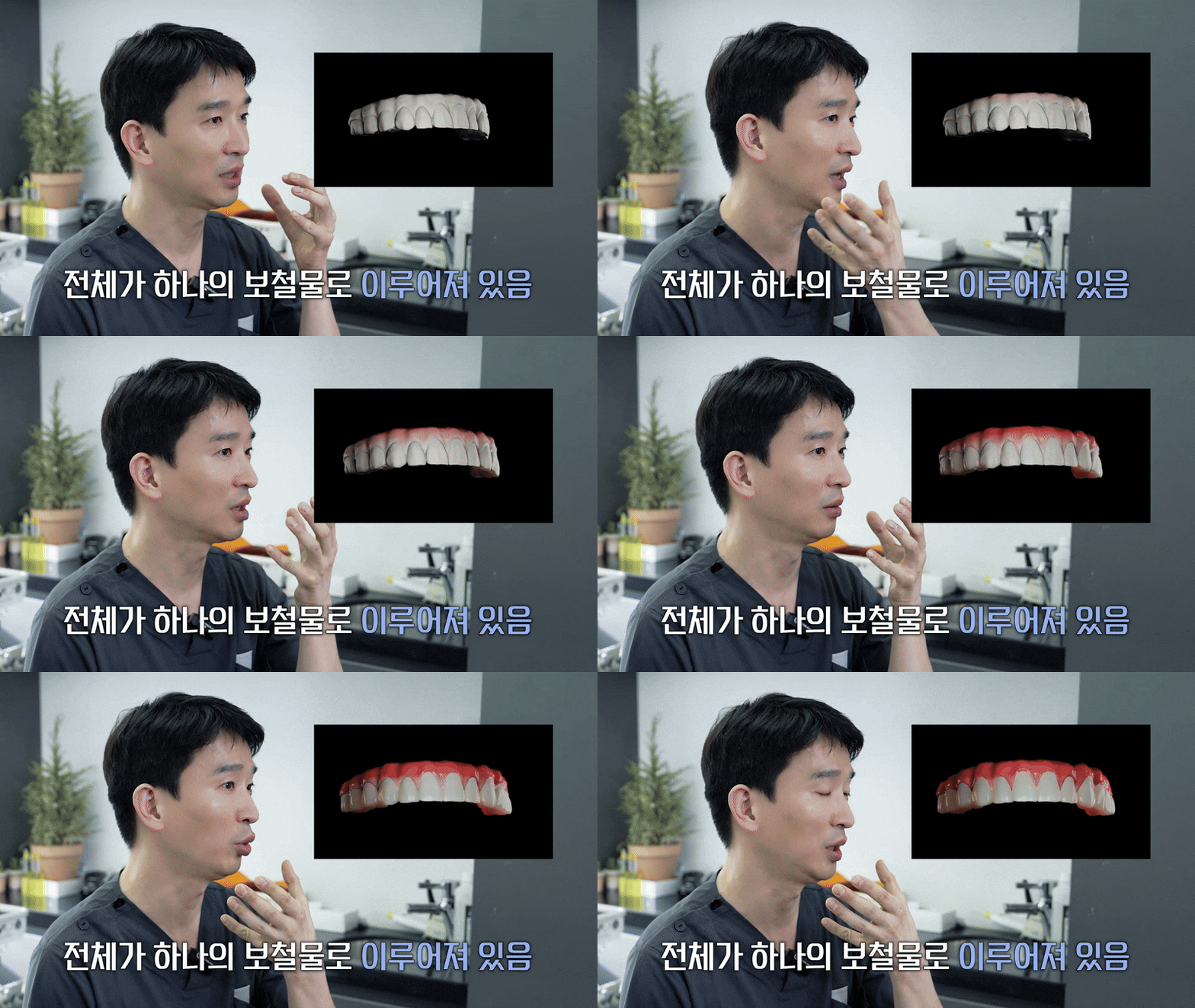
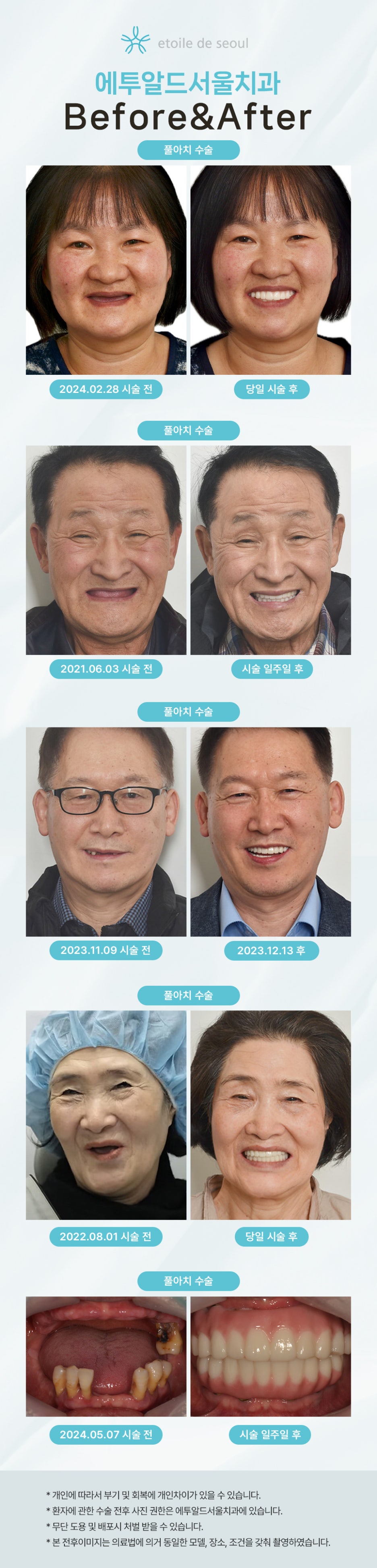
Full-arch implants were designed to address these limitations. They support the entire upper or lower jaw with 4 to 6 implants and hold a fixed prosthesis in place.
The prosthesis does not move in the mouth, and chewing force is restored to about 90% of natural teeth, but I want to emphasize that the lifespan of full-arch implants can vary greatly depending on how they are cared for.
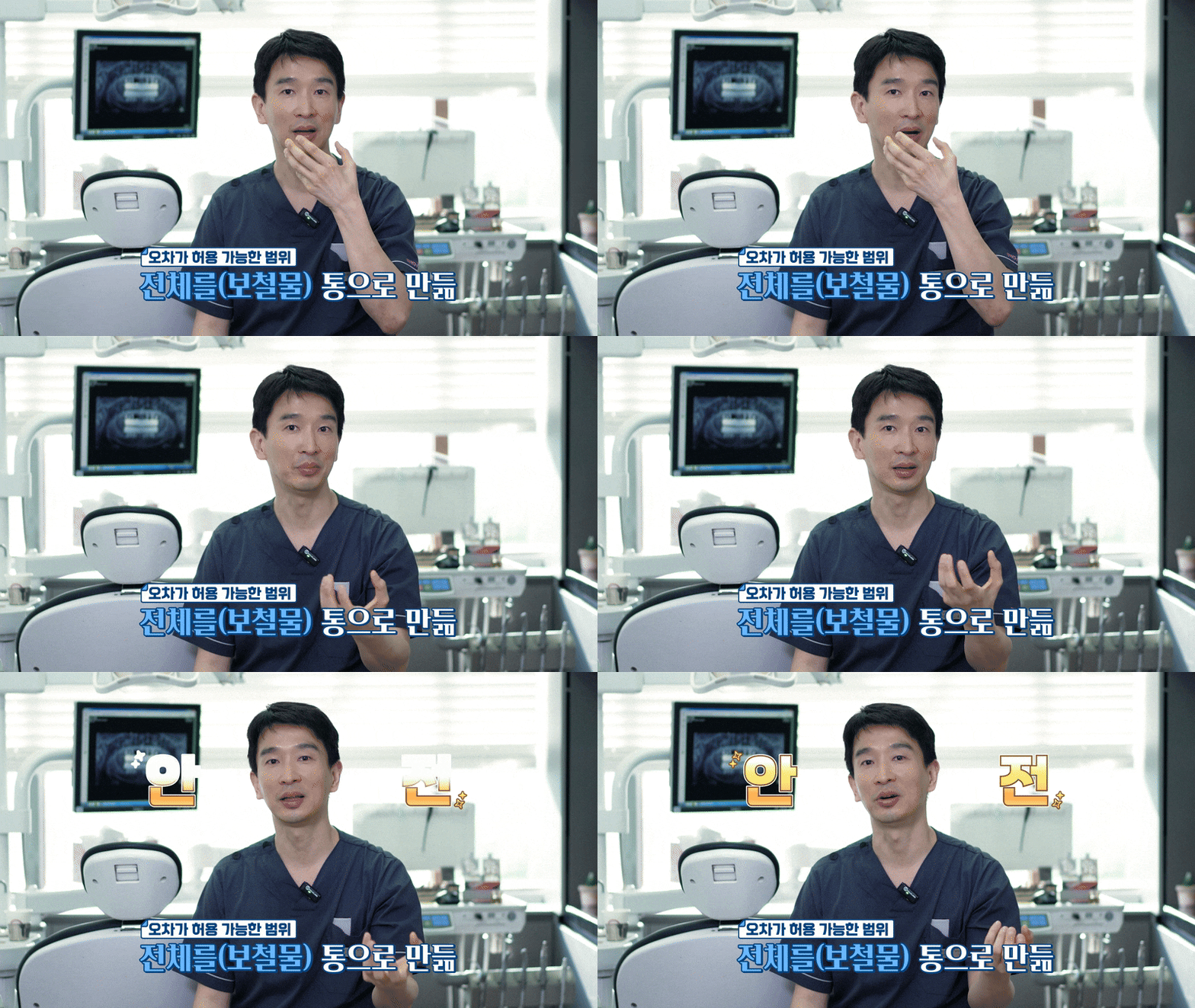
The health of the surrounding tissues is key
The factor that most greatly affects the lifespan of full-arch implants is the health of the tissues around the implants.
Unlike natural teeth, implants do not have periodontal ligaments, so their ability to sense bacteria or inflammatory reactions is lower than that of natural teeth.
If food debris remains around the prosthesis for a long time, inflammation can develop in the surrounding tissues, which may lead to jawbone resorption.
This is called peri-implantitis, and if left untreated, the stability of the implant itself can weaken.
Because the full-arch structure covers a wide area, it is difficult to clean the boundary between the prosthesis and the gums sufficiently with a regular toothbrush alone.
If this area is neglected, bacterial film accumulates, inflammation progresses, and the long-term stability of the implant is threatened.
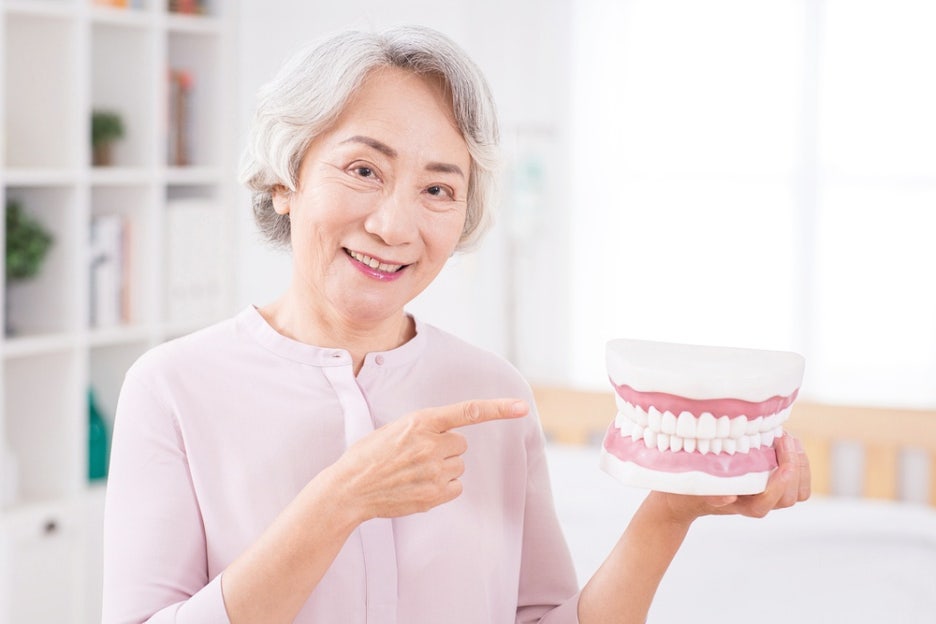
Proper oral hygiene habits are important
The most basic step is not skipping brushing after meals.
In addition to a regular toothbrush, using interdental brushes or an oral irrigator can help remove debris from the narrow spaces under the prosthesis and around the implants.
Flossing methods may vary depending on the prosthesis design, so at first it is best to follow the instructions given in the clinic.
During the period when a temporary prosthesis is in place, avoiding hard or chewy foods helps with the initial stabilization of the implants.
Even after the final prosthesis is attached, extremely hard foods can place stress on the prosthetic material, so please be careful.
Smoking can reduce blood flow to the gums and affect immune responses, which may weaken the health of the tissues around implants, so it is recommended to refrain as much as possible.
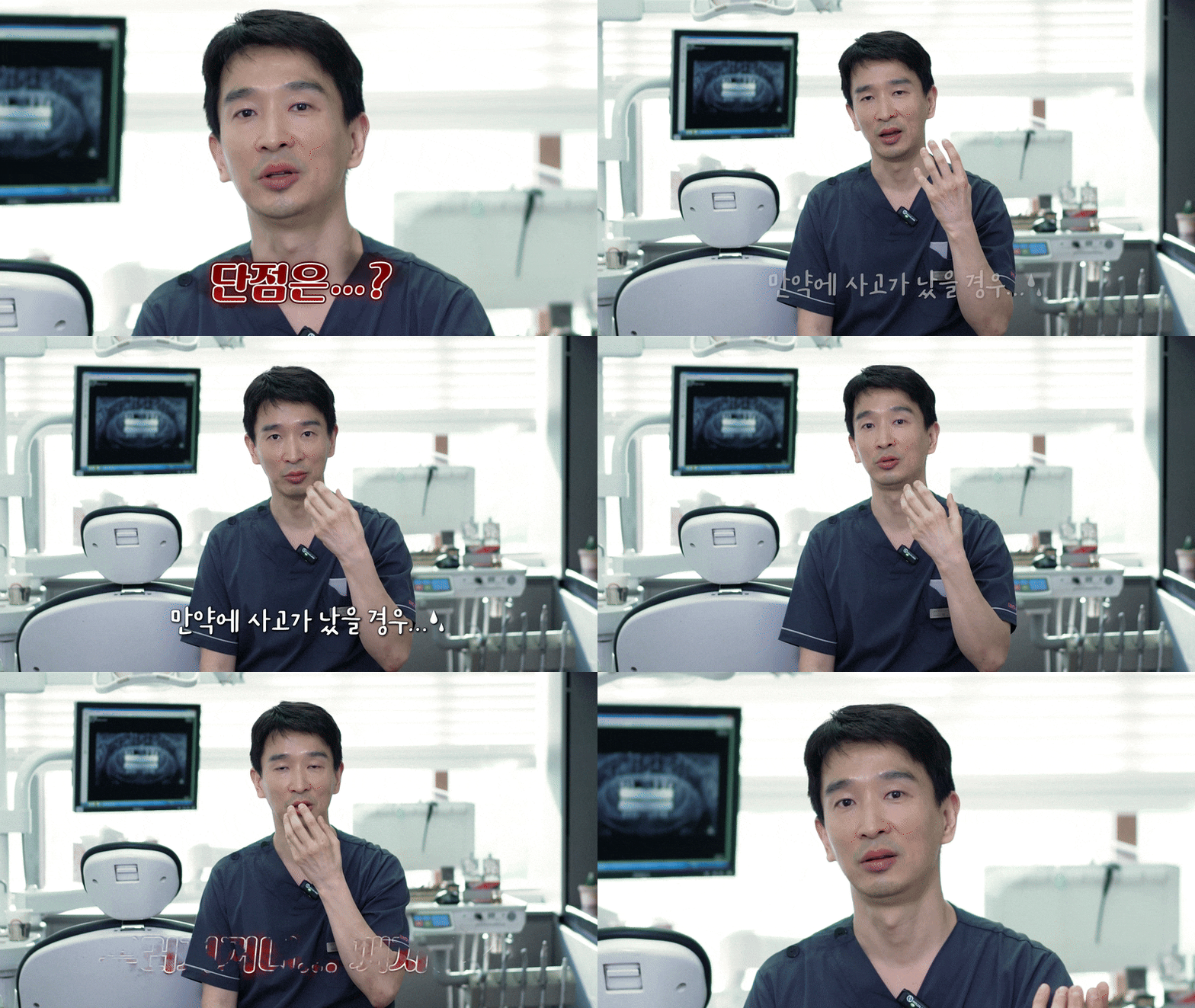
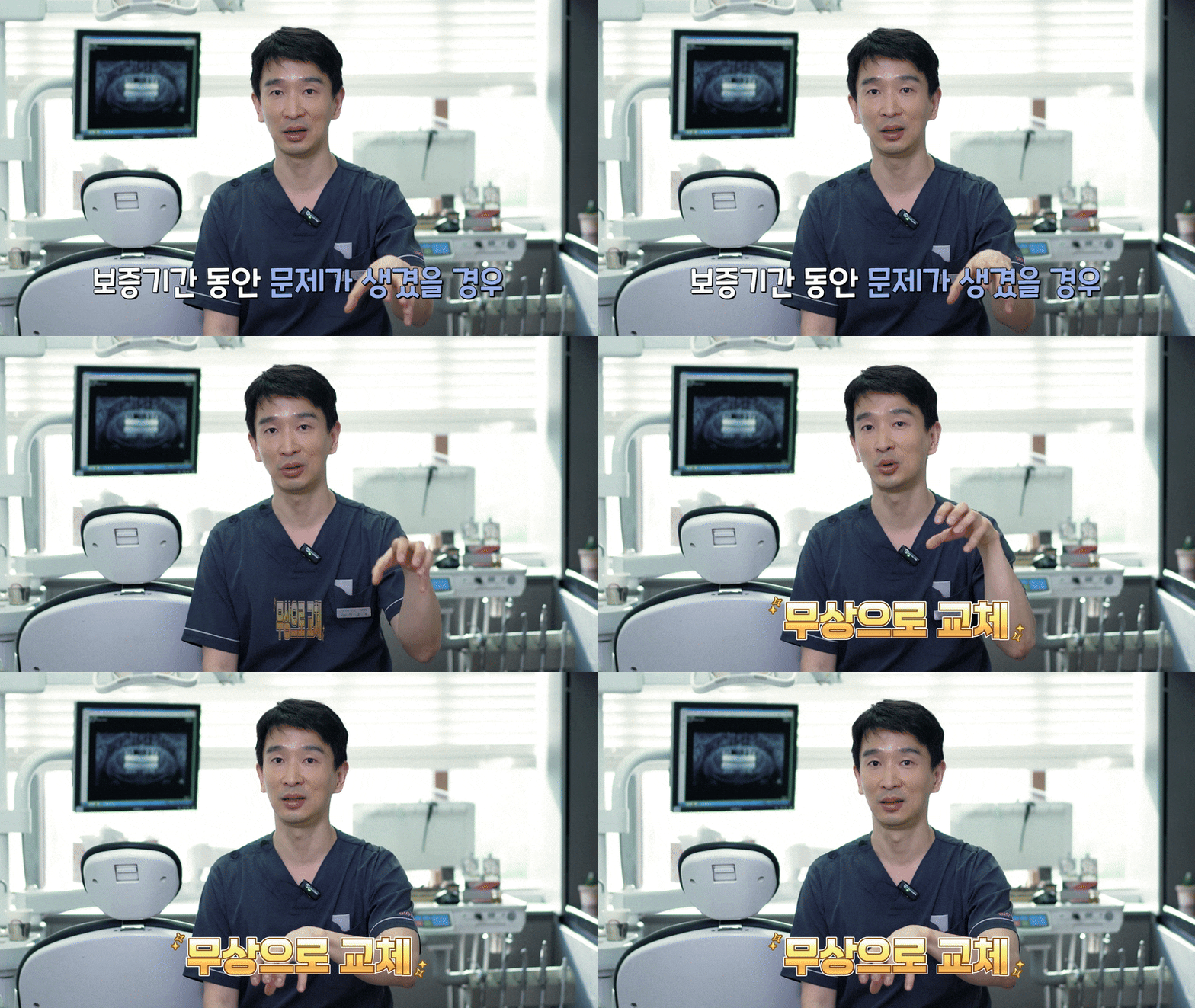
Regular checkups are not optional; they are essential
Regular checkups are extremely important for extending the lifespan of full-arch implants.
Peri-implantitis often has no clear early symptoms, so by the time you notice it yourself, the inflammation may already have progressed significantly.
By visiting every six months to check the connection of the prosthesis and receiving scaling care, problems can be addressed early before they become serious.
Director Lee Jang-wook provides free full-arch-related care within 3 years for those who have undergone full-arch implant treatment, and also guides each patient on care methods suited to their individual oral condition.
A follow-up care system is not the end of treatment; it is a process of managing the results together so they can last a long time.
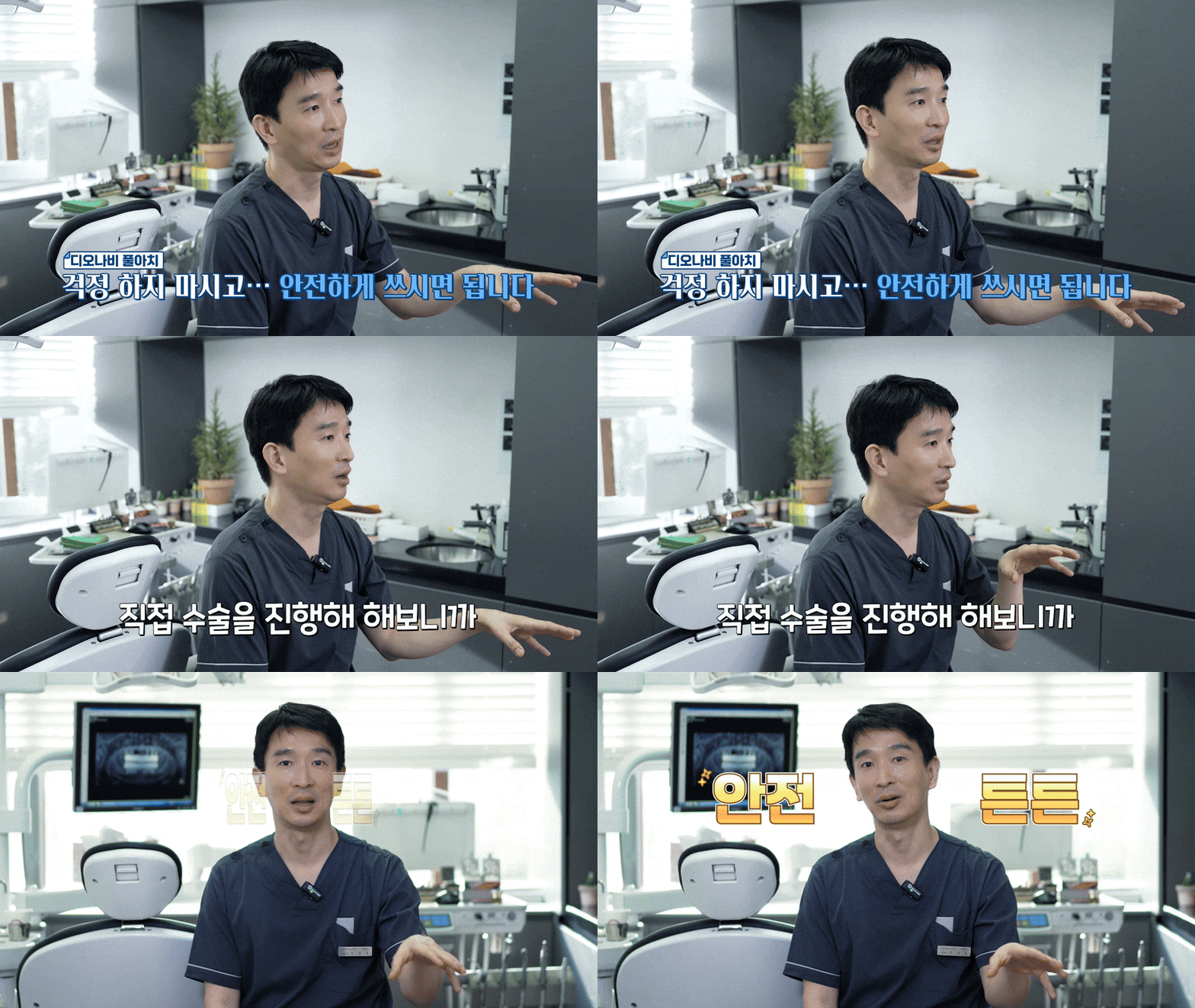
When careful planning and trust come together, implants last longer
In the clinic, I do not simply place implants; I carefully plan from the pre-treatment stage so that the oral health of the person visiting us can be maintained for a long time.
This is why I thoroughly assess each oral environment, including gum bone condition, occlusion, and gum condition, through 3D CT and create a placement plan suited to the individual situation.
After treatment, when the habits of self-care and regular checkups build up, implants can truly fulfill their function for a long time.

If you have questions about oral health or are having difficulty managing your implants, please feel free to visit at any time.
The lifespan of full-arch implants is ultimately extended when careful daily care and regular checkups accumulate after treatment.
We will continue to protect your healthy smile together.
 Previous image
Next image
Previous image
Next image



 Previous image
Next image
Previous image
Next image
�





�
�
�
�
�
�
�
�
�
�
�
�
�
�
�
�
�
�
�
�
�
�
�
�
�
�
�
�
�
�
�
�
�
�
�
�
�
�
�
�
�
�
�
�
�
�
�
�
�








 Previous image
Next image
Previous image
Next image








 Previous image
Next image
Previous image
Next image