Restoring oral function
is directly linked to quality of life
Whenever I meet people who have lived for a long time with missing teeth and discomfort, I am reminded once again that restoring oral function goes beyond simple dental treatment and is closely tied to overall quality of life.
Today, I’d like to calmly organize the things that people considering full-mouth implants in their 60s should 반드시 review before treatment.
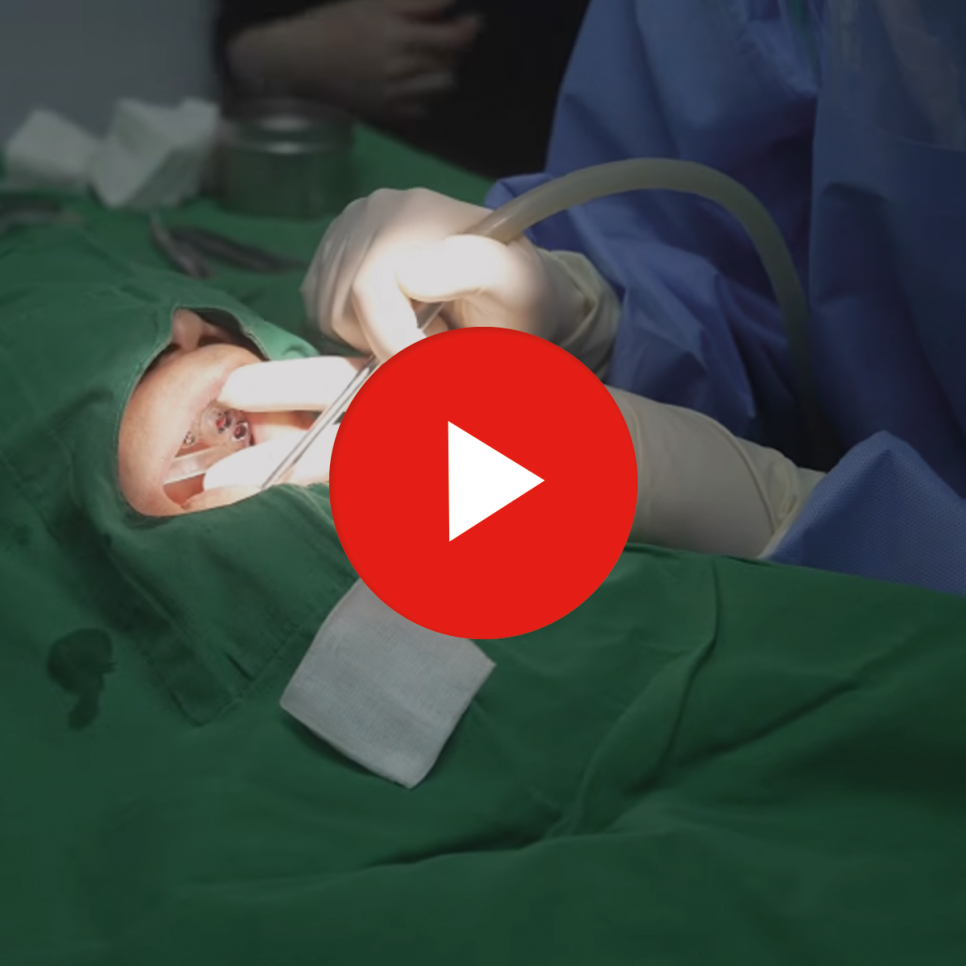
✨ Watch the Chitterior YouTube video ✨
(Click)
The method without bone grafting that everyone is curious about!
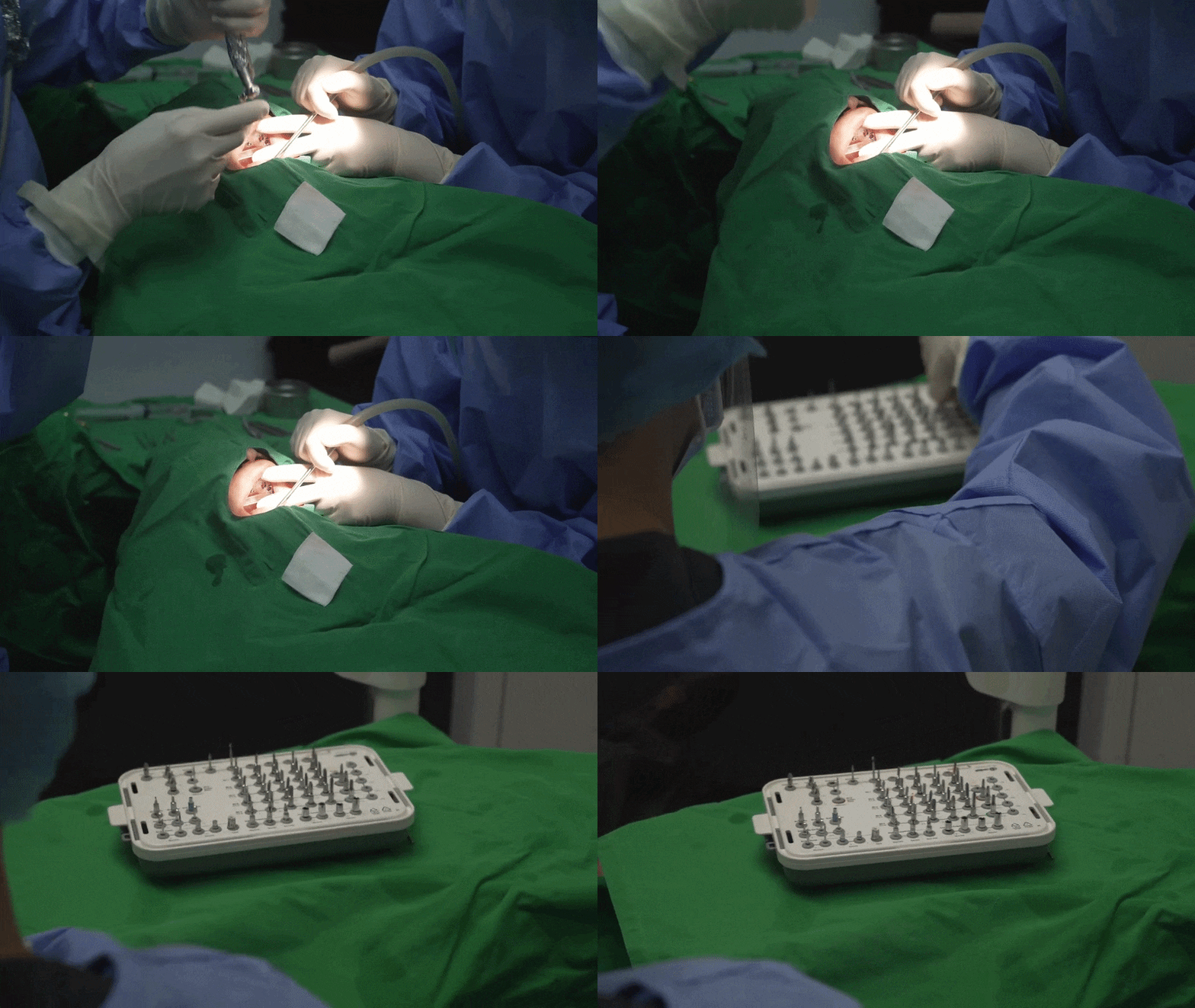
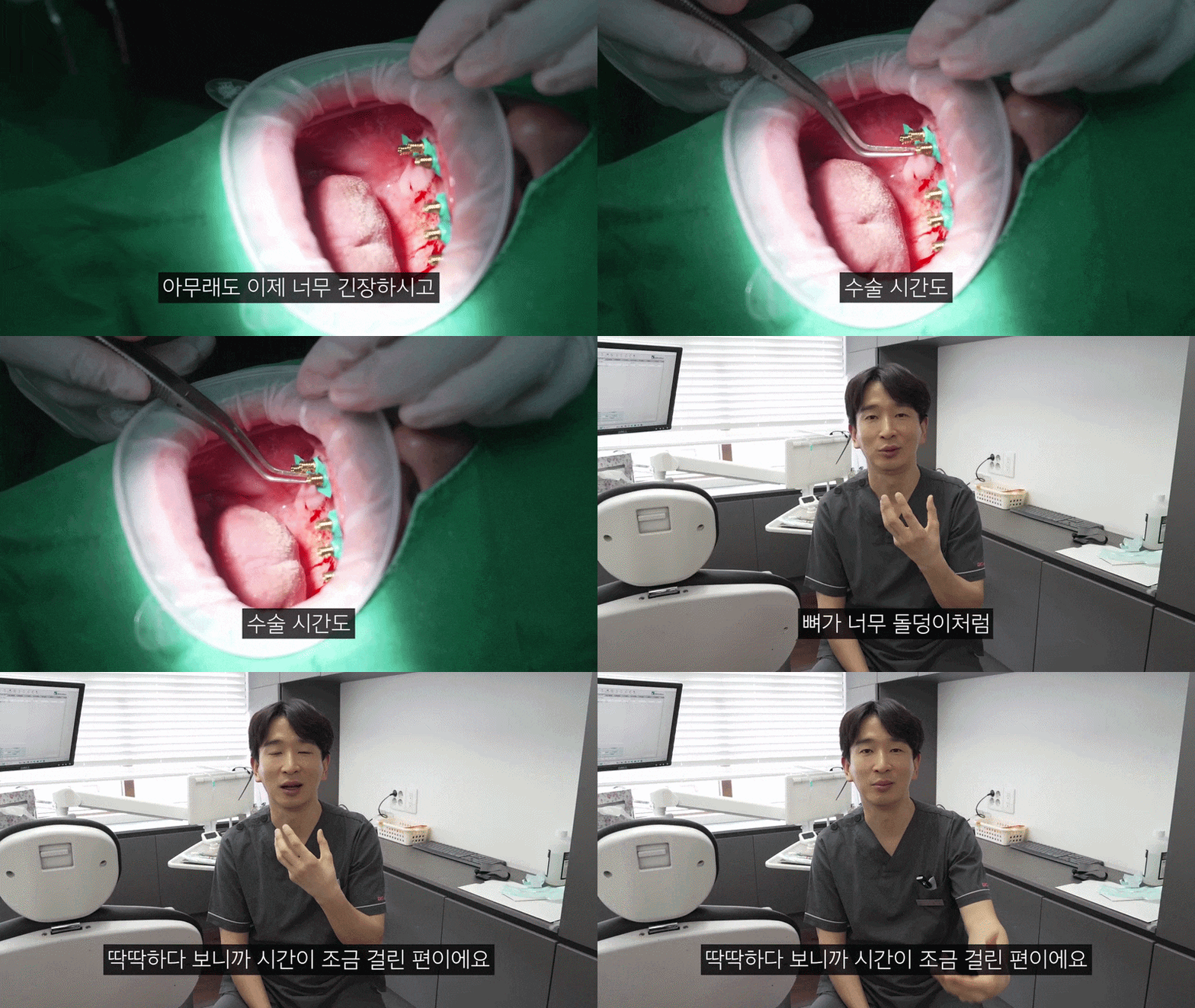
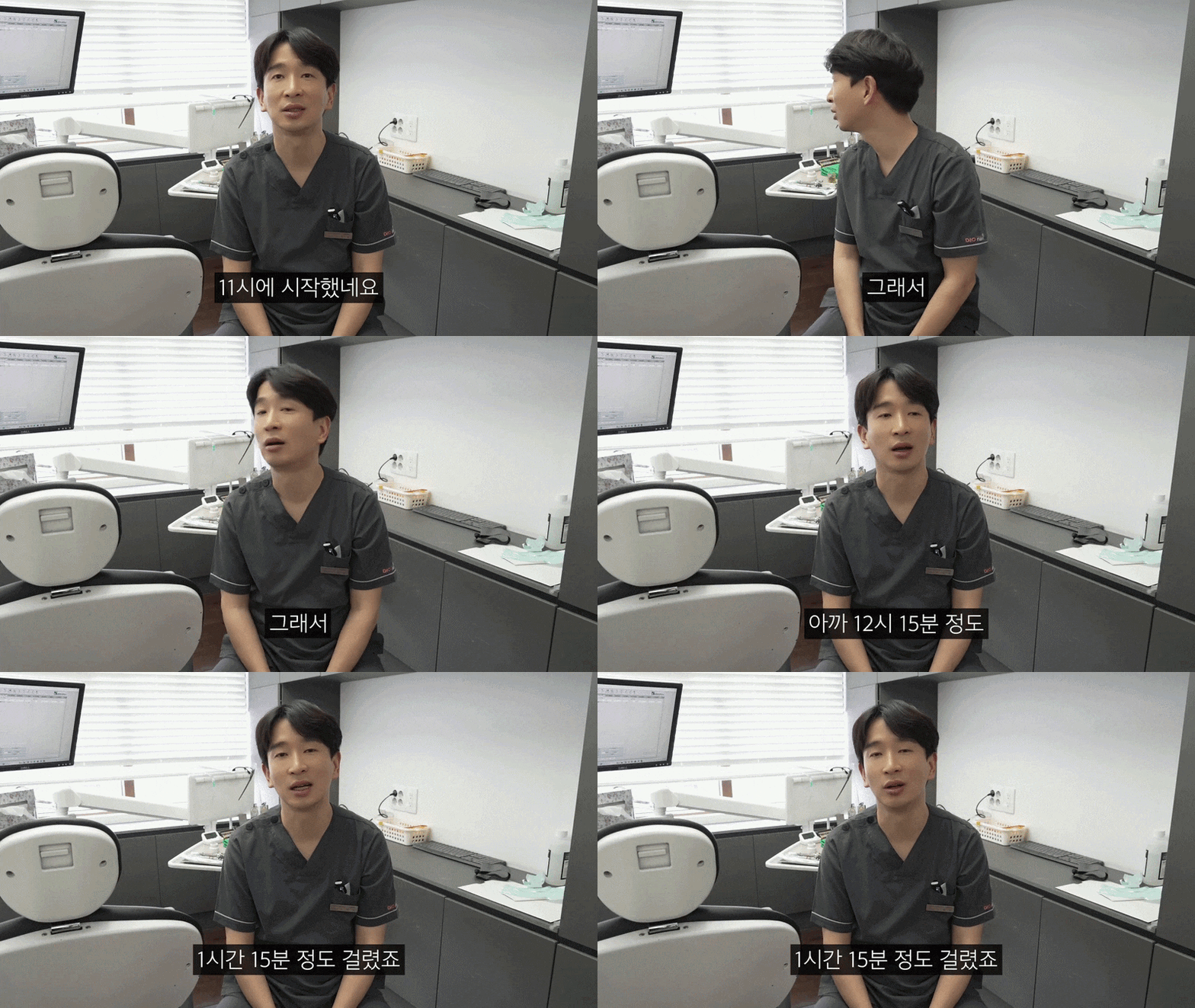
❗Check the actual surgical process❗
The causes of tooth loss
are more complex in your 60s
By the time you reach your 60s, the causes of tooth loss are not simple.
In most cases, they involve a combination of long-accumulated gum disease, tooth structure damage from wear, and bite imbalance.
In particular, the alveolar bone continues to resorb in the area where a tooth has been lost, so for patients who have worn dentures for a long time, the amount and density of bone are often significantly reduced.
If systemic health conditions such as diabetes, high blood pressure, or osteoporosis are added on top of this, careful review is absolutely necessary at the planning stage for full-mouth implant treatment in your 60s.
Because there are many people in such complex conditions, the diagnostic stage should not be rushed.
 What should be used as the 기준 for judgment?
Before deciding on treatment, the first thing to check is whether your current oral condition and overall health are suitable for implant treatment.
To do this, it is essential to assess the amount, density, and location of the alveolar bone through 3D CT imaging, and blood pressure and blood sugar control, as well as the types of medications you are taking (especially those that affect blood clotting), are also reviewed.
Because the implant placement location and angle vary depending on the condition of the remaining bone, the precision of the diagnostic stage determines the direction of the entire treatment that follows.
Along with this, there is something I always check.
Rather than rushing to extract teeth, the basic principle is to first review whether it is possible to preserve as many teeth as can be saved; if remaining natural teeth can be used as supports, the number of implants may be reduced and the burden on the entire mouth can also be lowered.
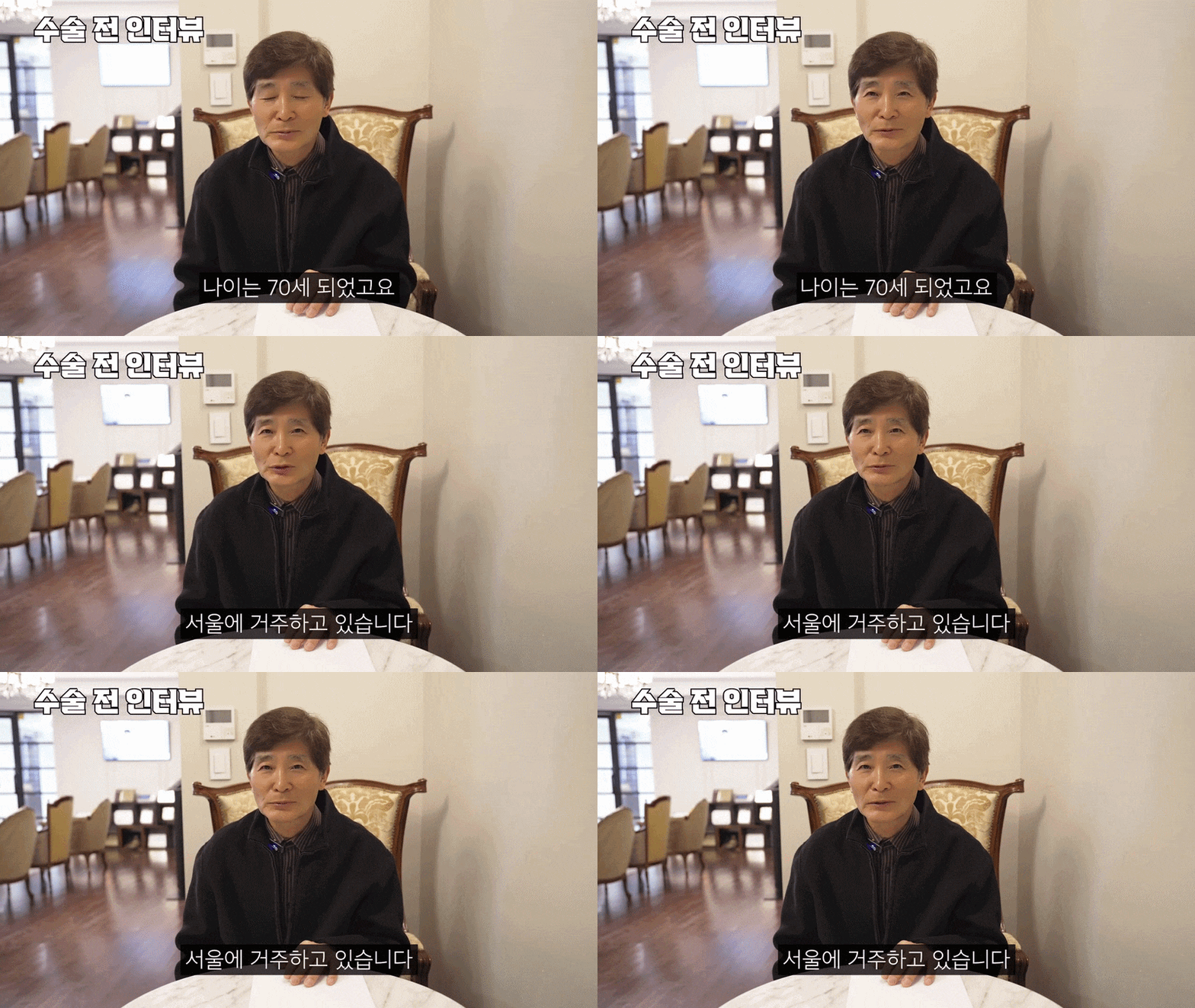
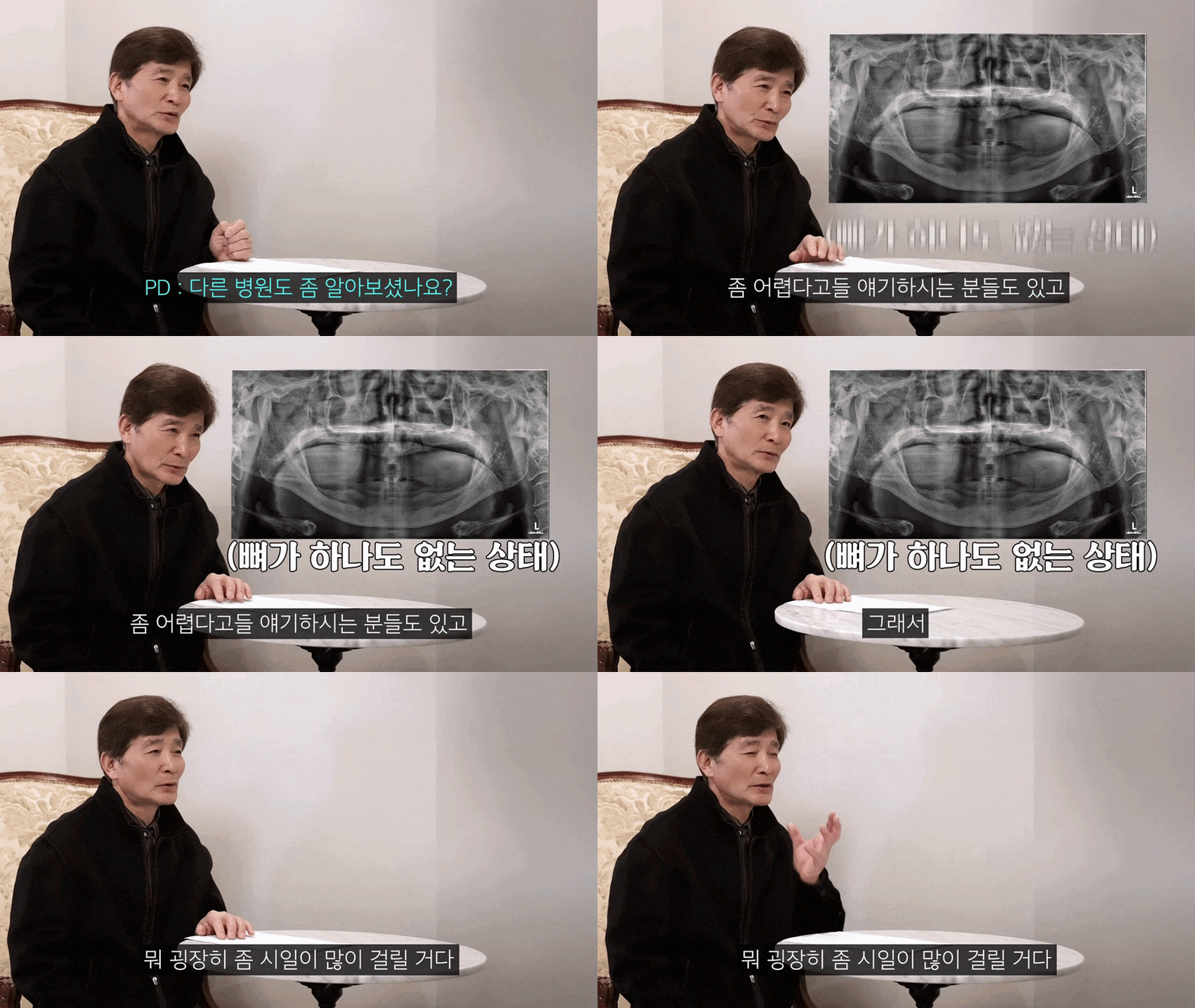
Even if bone is 부족, it may still be possible
Among those considering full-mouth implants in their 60s, there are not a few who come in convinced that “if there is no bone, implants cannot be done.”
Of course, the condition of the bone is an important variable.
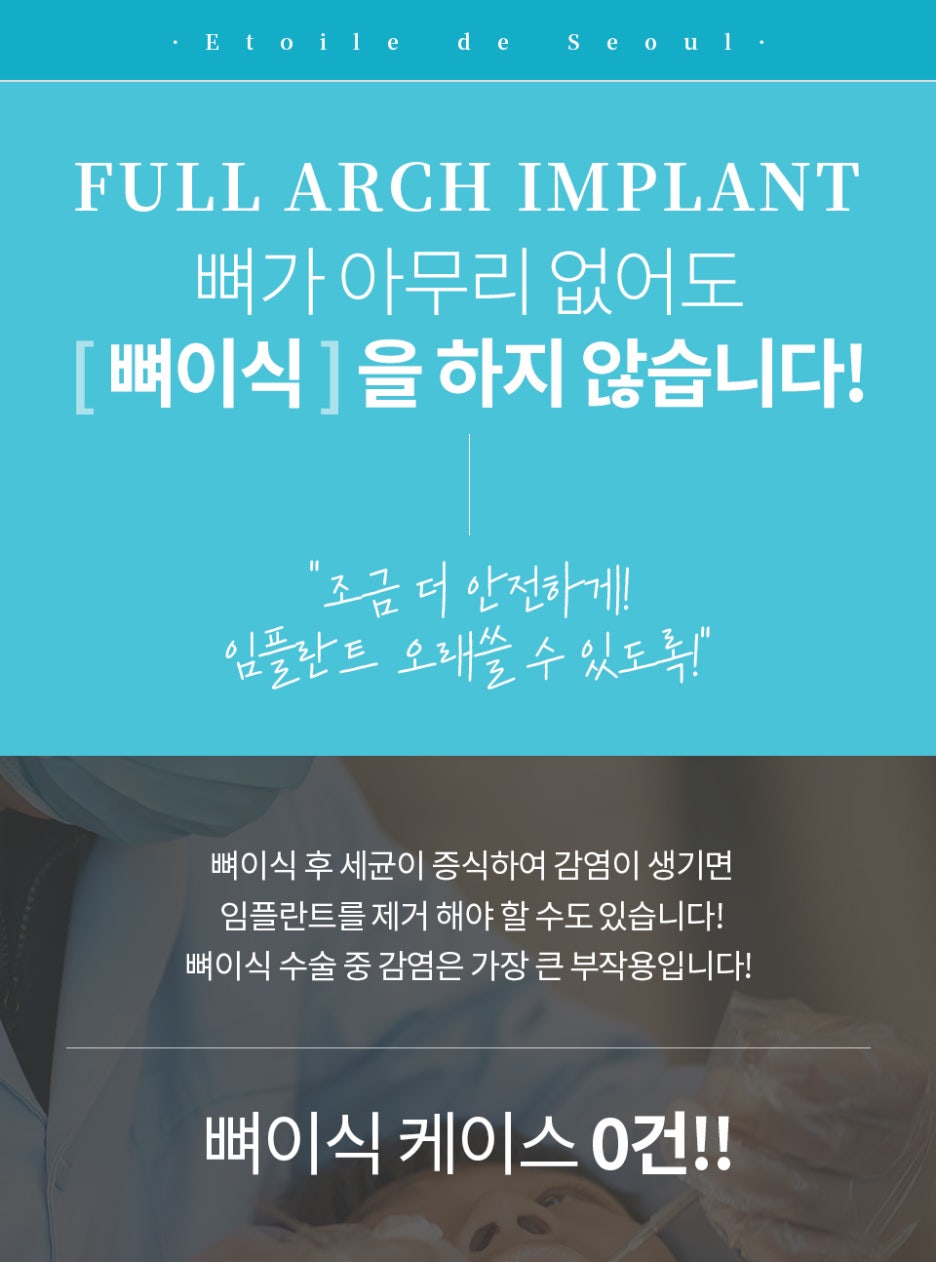
However, there are cases where treatment can still be carried out without bone grafting by placing the implant at a specific angled tilt or selectively using areas where the remaining bone is sufficient.
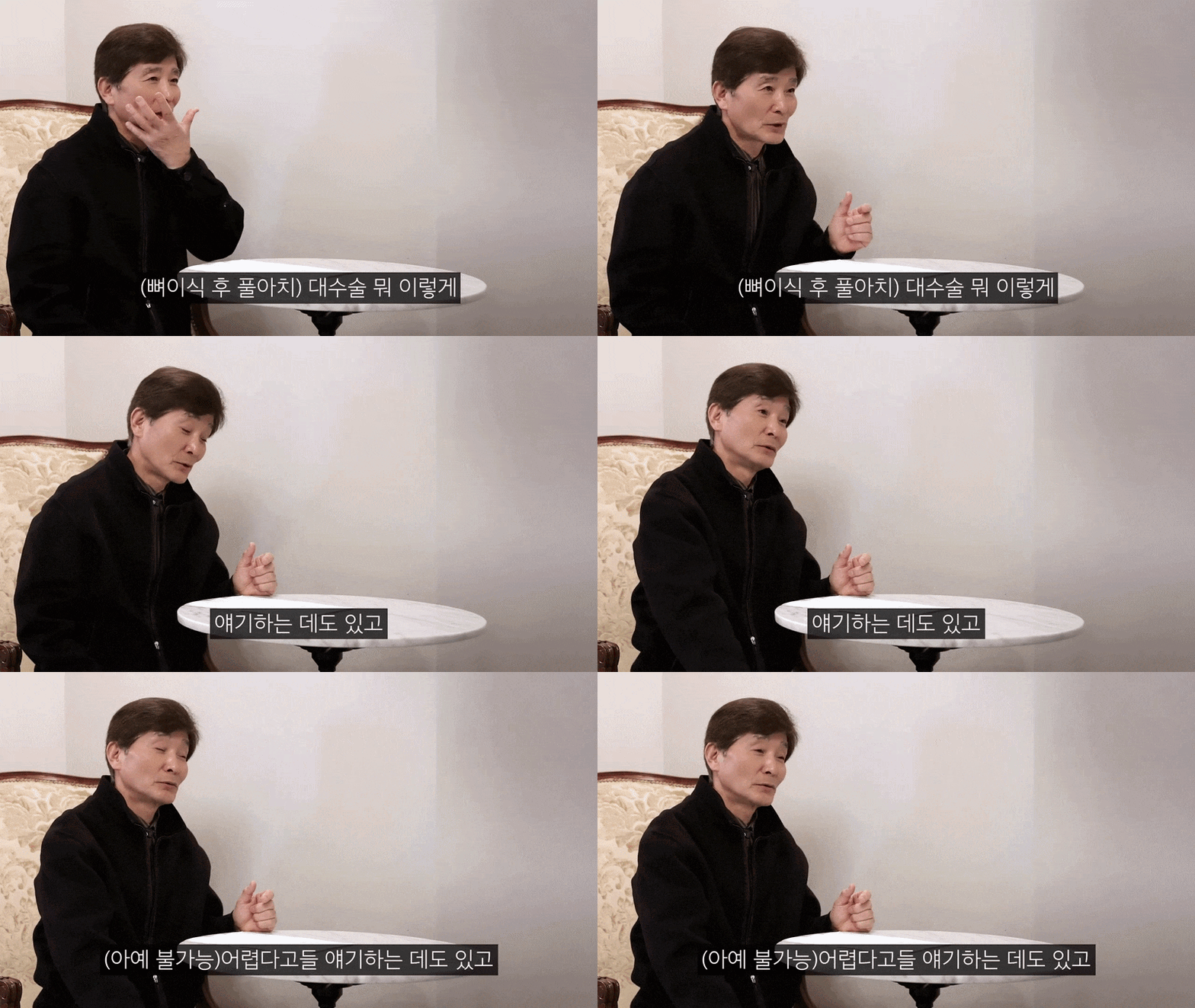
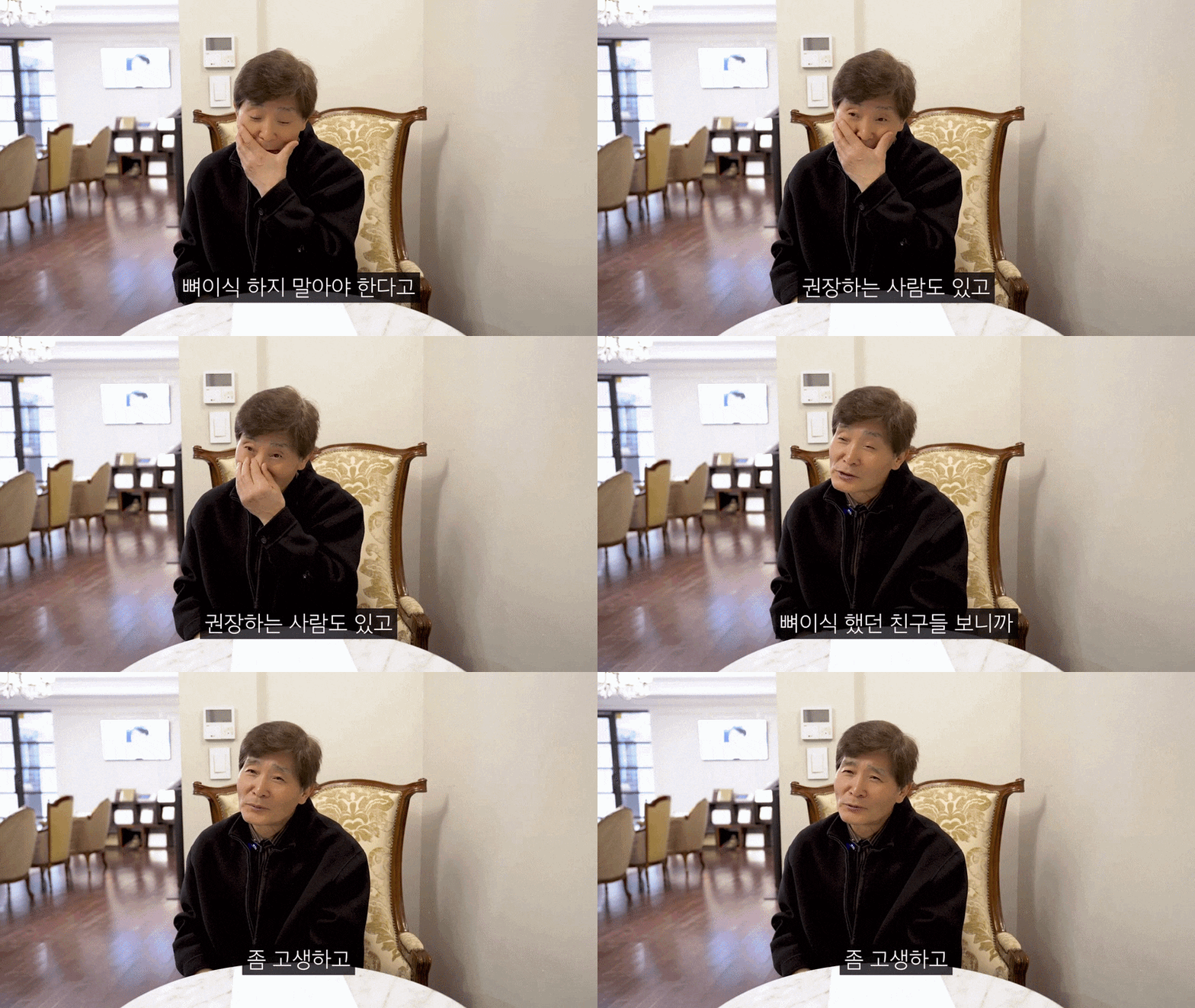
I use a 3D navigation system to pre-design the placement position and angle before treatment.
This planning stage, which also uses CT scans, oral scans, and 3D-printed guides, plays an important role in improving the accuracy of the actual treatment.
 From the day of surgery to recovery, understand it in advance
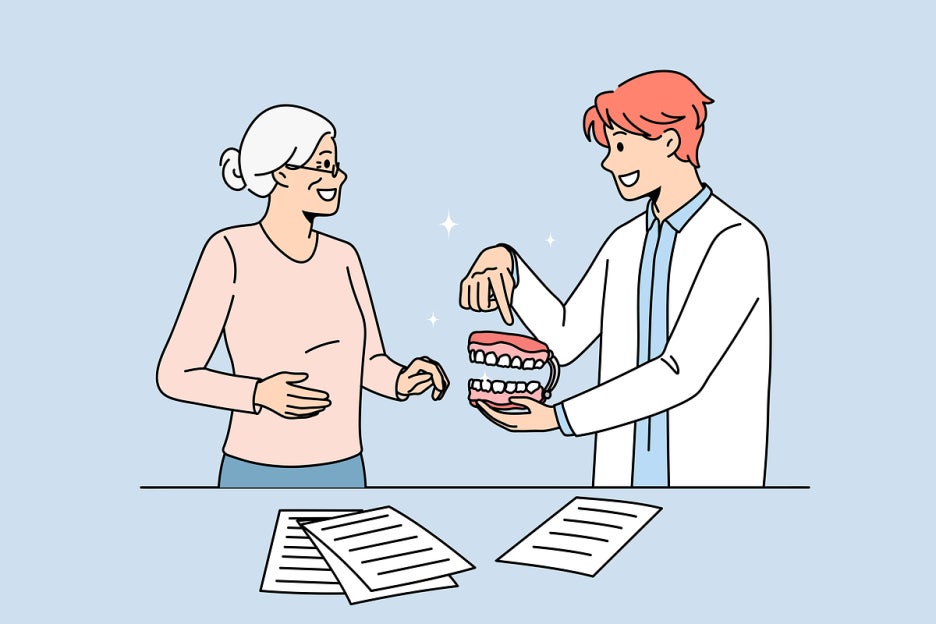
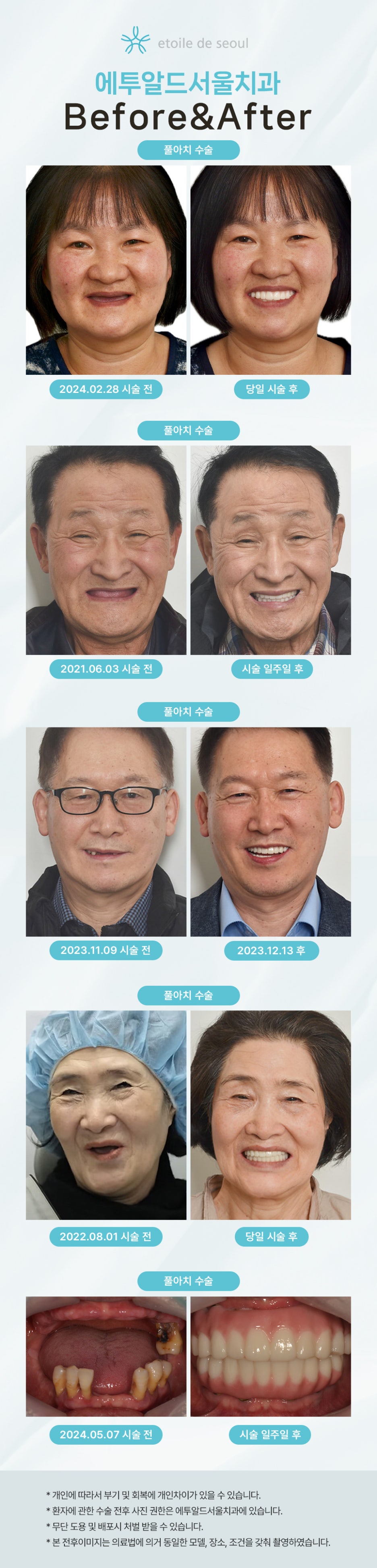
In some cases, it is possible to leave with a temporary prosthesis on the day of surgery and return to daily life.
However, during the period when you are wearing the temporary prosthesis, you must avoid hard or chewy foods, and careful attention is needed for hygiene around the implants.
The final prosthesis is placed after confirming the stability of the gums and bone, and the gum line reproduced with pink porcelain and the zirconia teeth create a natural appearance.
After that, regular checkups, thorough tooth brushing, and flossing are essential for maintaining the implants for a long time.
Understand your condition first before choosing a dental clinic
When I treat patients, I am much more pleased to hear, “What choice is right for my condition?” than “Where would be better?”
If you are considering full-mouth implants in your 60s, before choosing a dental clinic, you should first understand your own oral condition, overall health, and whether the results you expect are realistically achievable.
My principle is to tell patients honestly after diagnosis if treatment is not necessary.
That is because my treatment philosophy is to find, together with each visitor, a direction that can preserve their teeth and oral health for as long as possible without overtreatment.
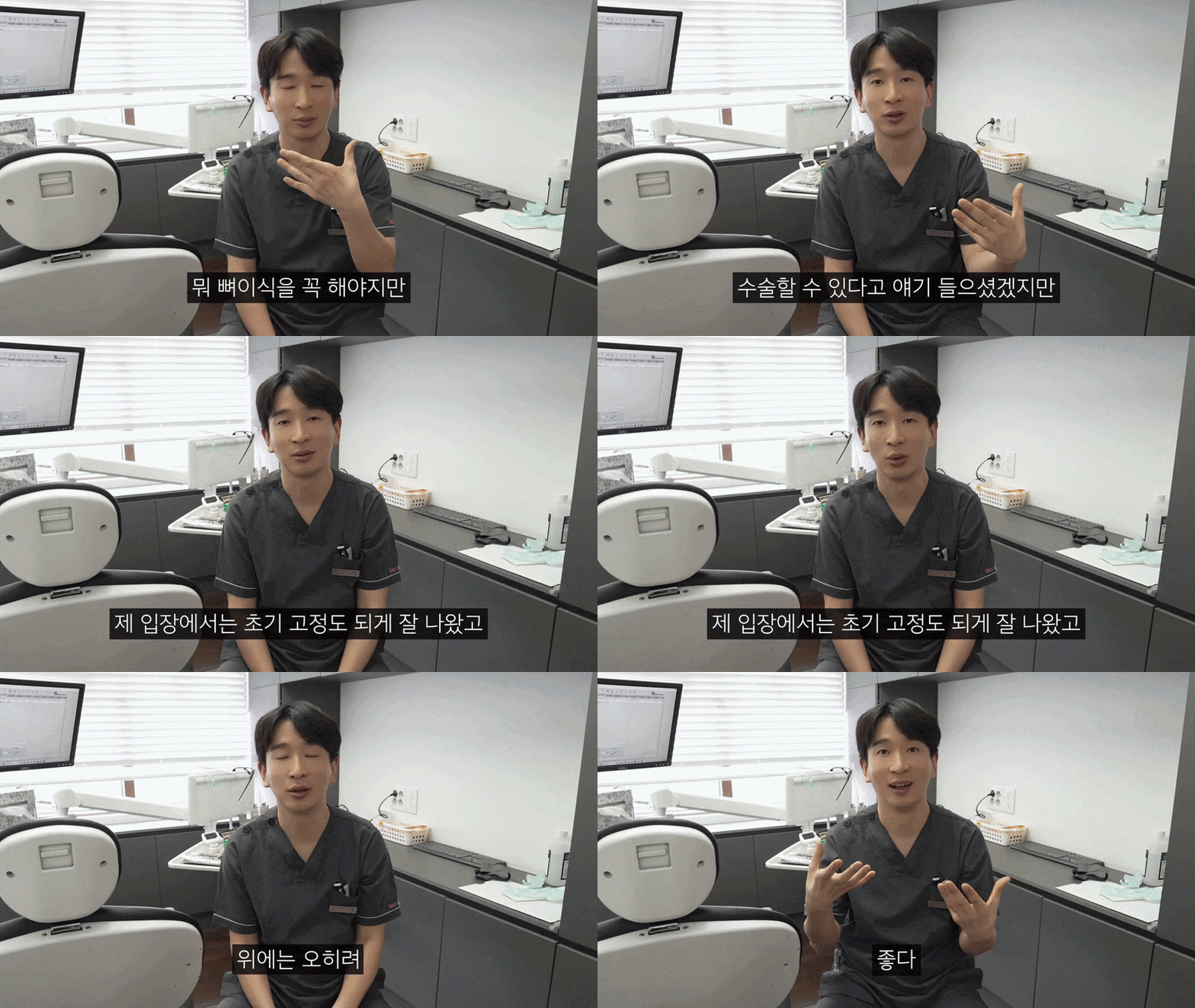
To those who are worried before treatment
I hope today’s content can serve as a small guide for those who feel overwhelmed before treatment.
Because full-mouth implants in your 60s may require different treatment directions depending on an individual’s oral condition and overall health, I recommend making a careful decision based on sufficient information and a precise diagnosis.
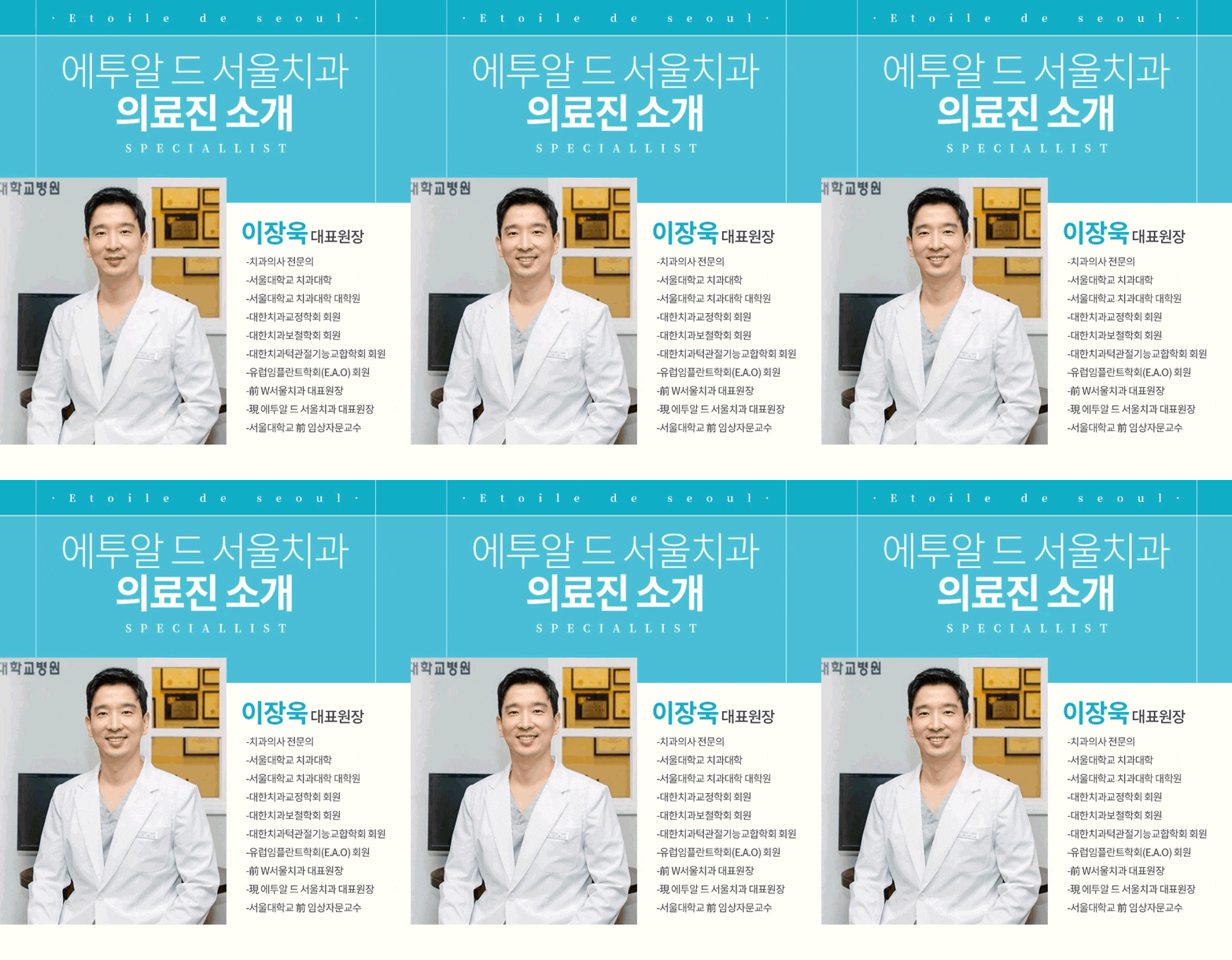
This has been Director Lee Jang-wook.

Previous image
Next image










Previous image
Next image









Previous image
Next image