Rather than rushing into a decision,
it is important to first
understand the process accurately.
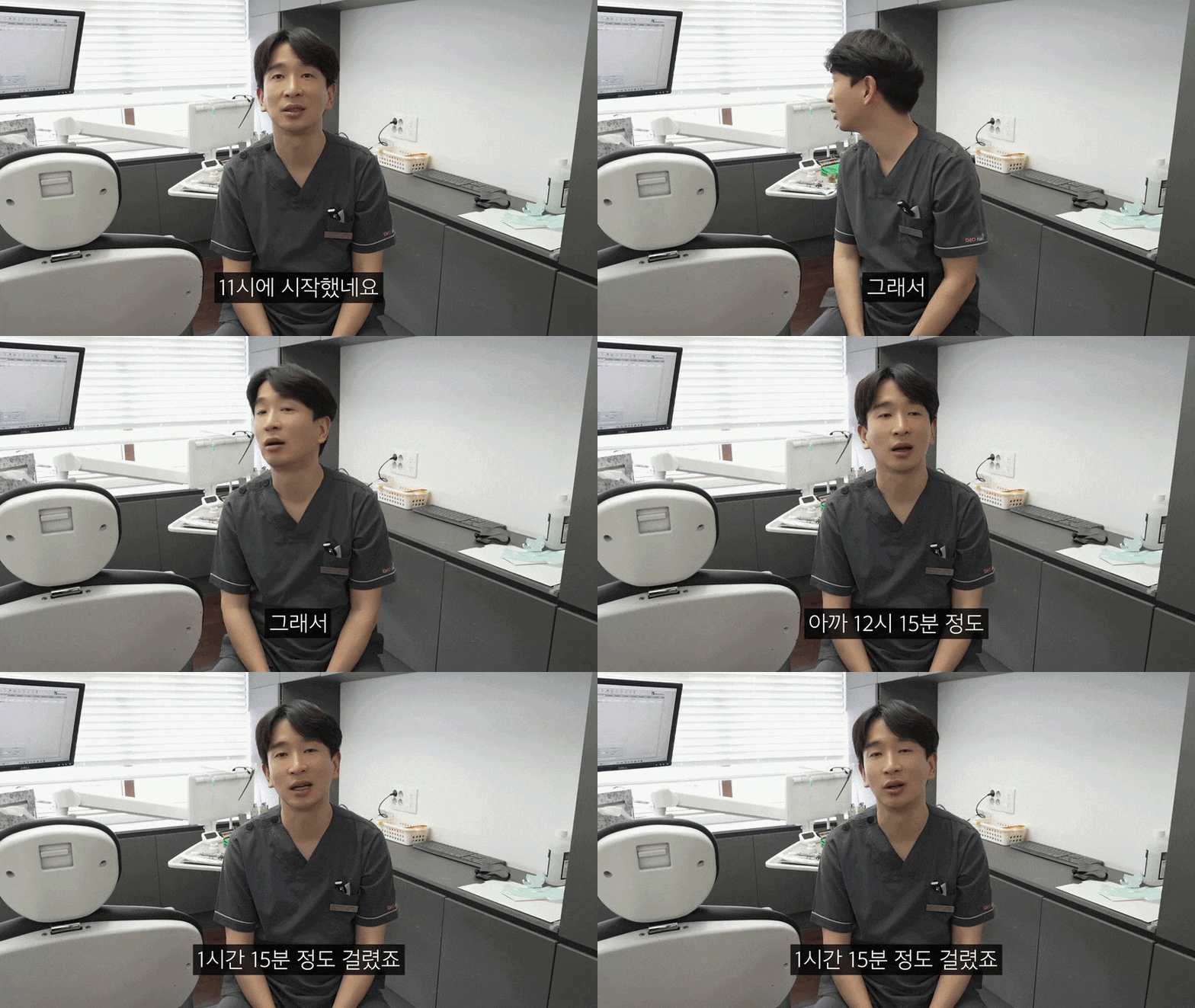
When discussing full-arch implants in the consultation room, one of the first questions that often comes up is how long the surgery takes.
Questions such as “Can everything be completed in one day?” and “How long will I have to lie down?” often arise not from vague anxiety, but from practical concerns about preparing to return to daily life.
Today, I will calmly explain how the duration of full-arch implant surgery is determined and what needs to be checked during the process.
✨ Watch the Chiterior YouTube video ✨
(Click)
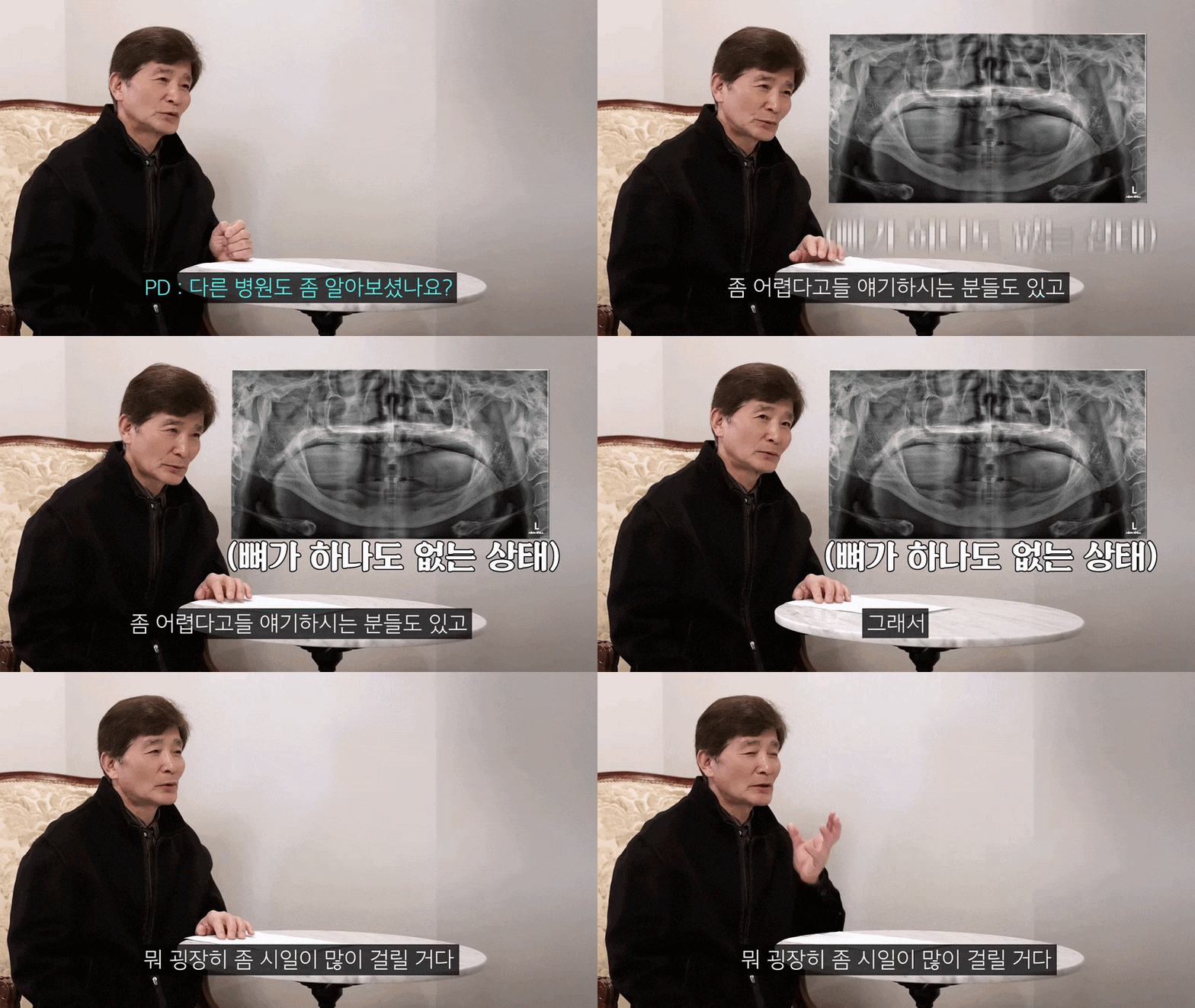
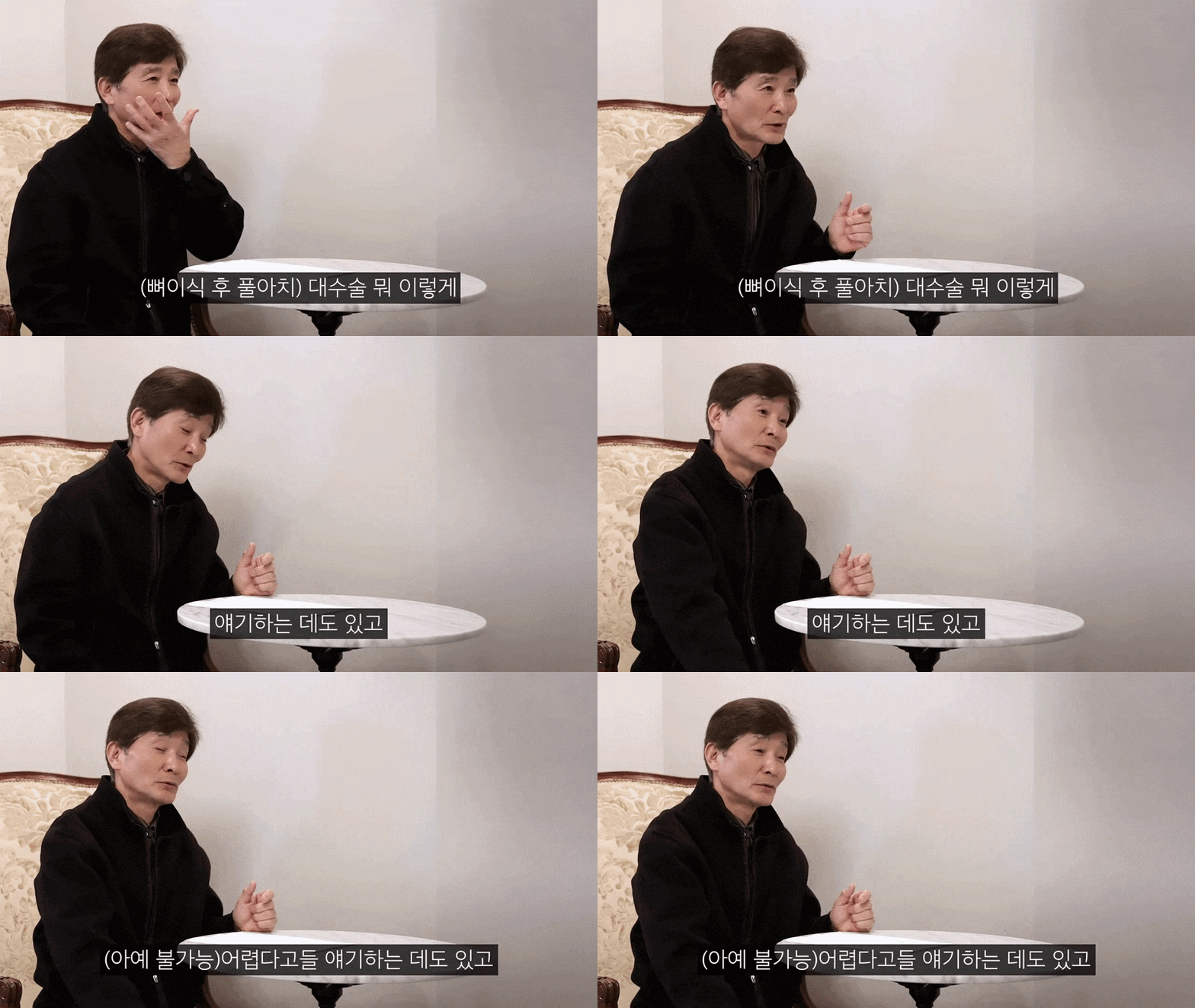
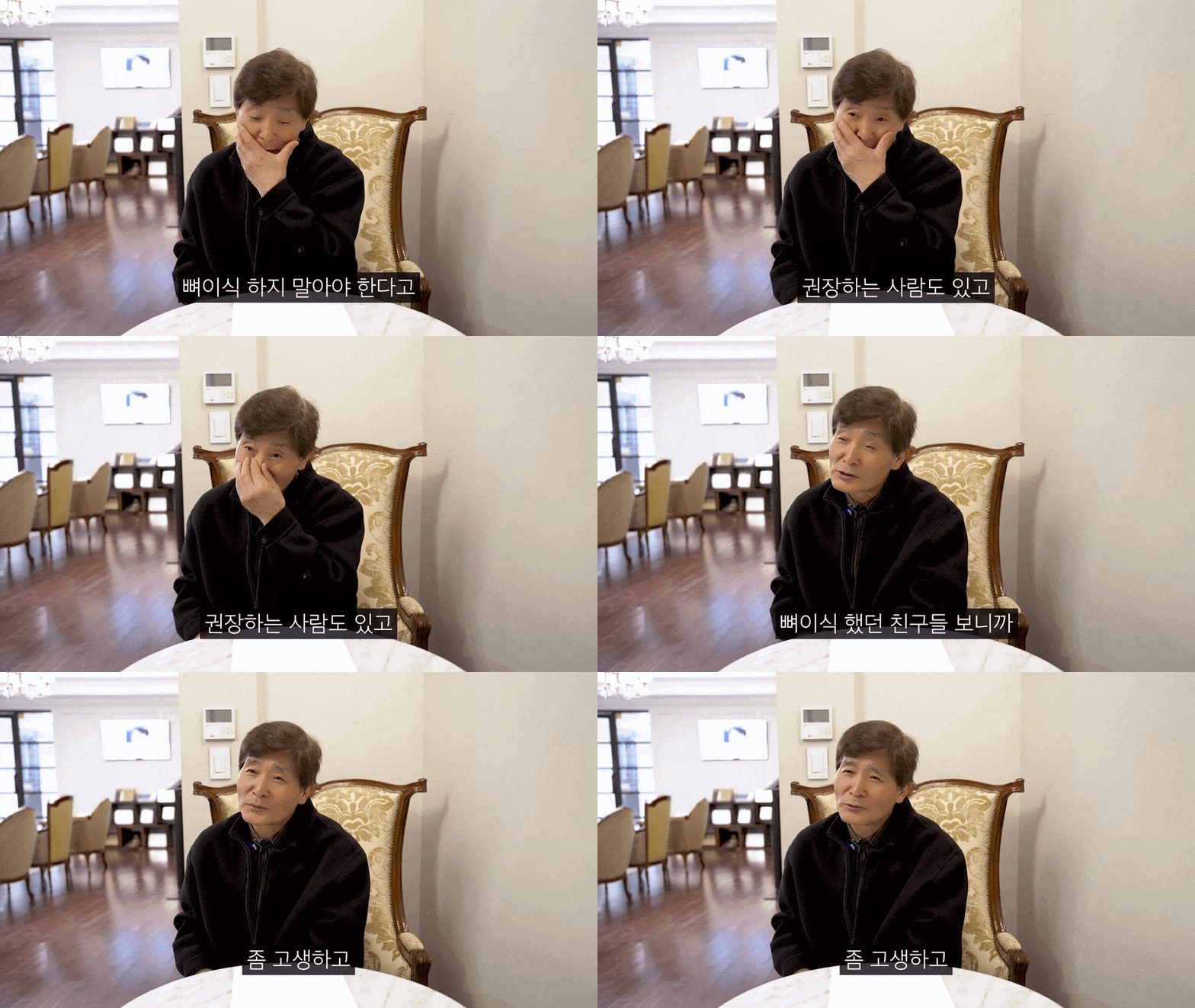
Can people in their 70s undergo the procedure without bone grafting?
❗Learn about reviews of full-arch implants❗

A longer surgery is not necessarily better,
and a shorter one is not necessarily minor.
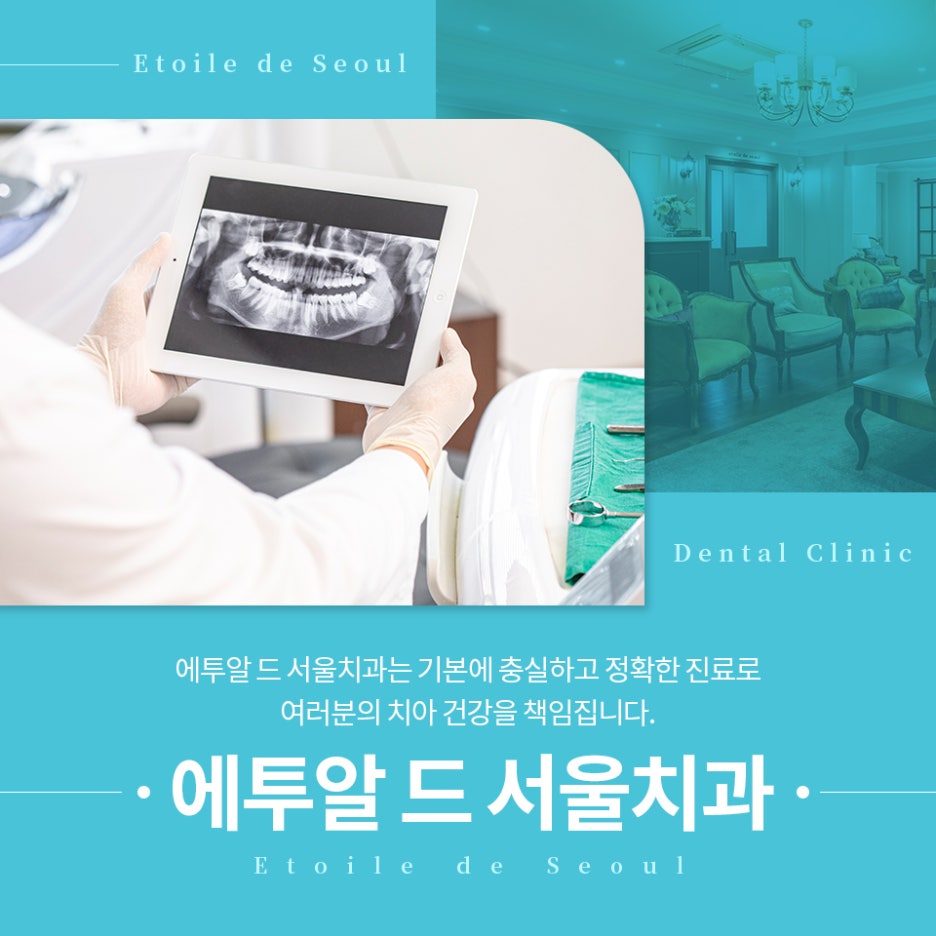
Full-arch implants are a complex prosthetic treatment intended to restore the function of all the teeth in one arch—either the upper or lower jaw—with 4–6 implants.
Unlike the traditional approach of placing an implant for each individual tooth, this method supports the entire dental arch with a small number of fixtures. Therefore, planning the placement positions and angles is extremely important. How precisely this plan is established before surgery can greatly affect the amount of time actually required in the operating room.
The important factor is personalized diagnosis, not the average procedure time.
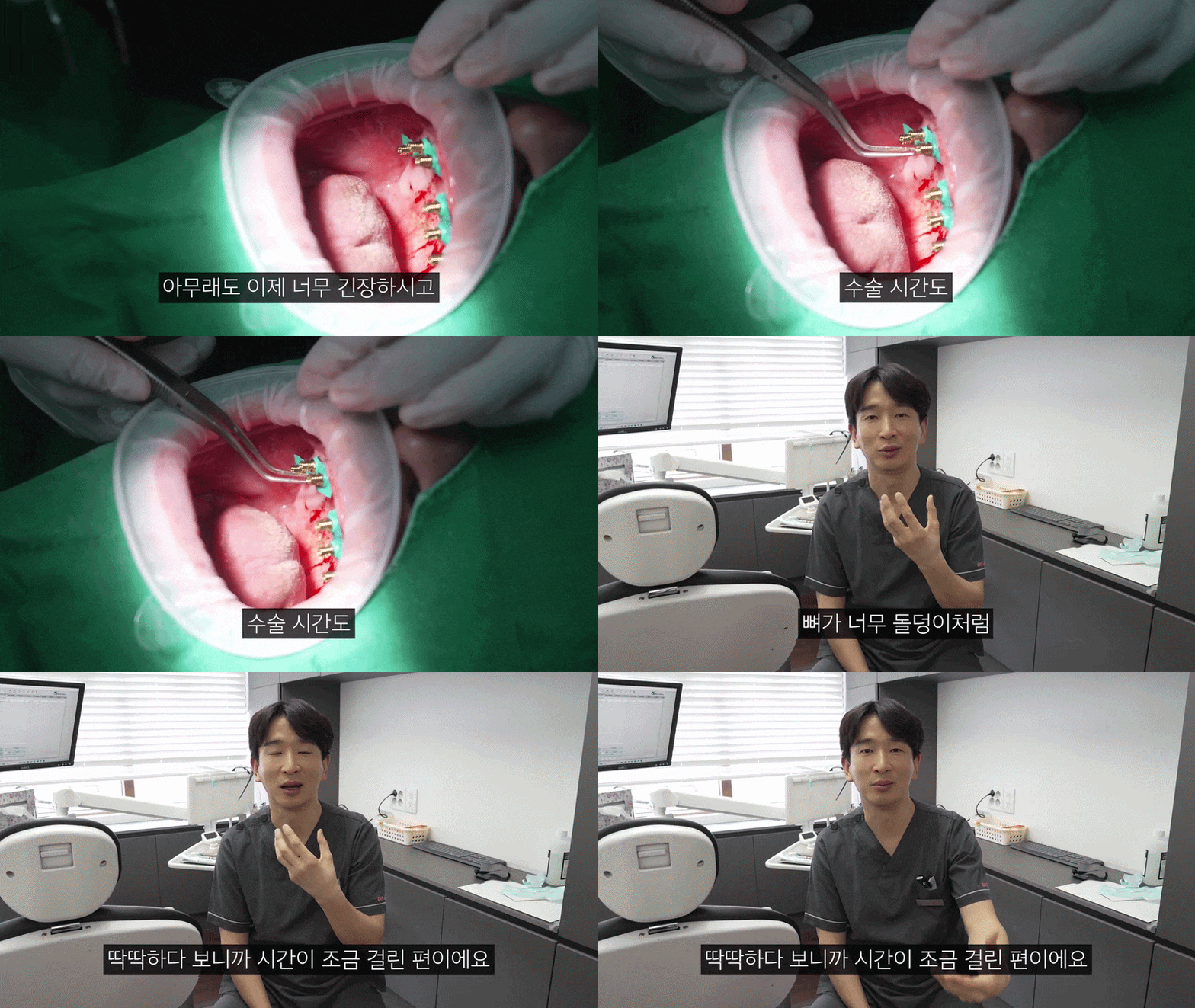
In general, full-arch implant surgery tends to take approximately 2–3 hours for one arch.
However, this is an average estimate. The procedure may take somewhat longer if remaining teeth need to be extracted or additional treatment is required depending on the condition of the gums.
Conversely, when a digital-based surgical plan has been thoroughly established, the procedure may sometimes be completed in less time.
The precision of the preoperative plan determines the flow of surgery on the day of the procedure
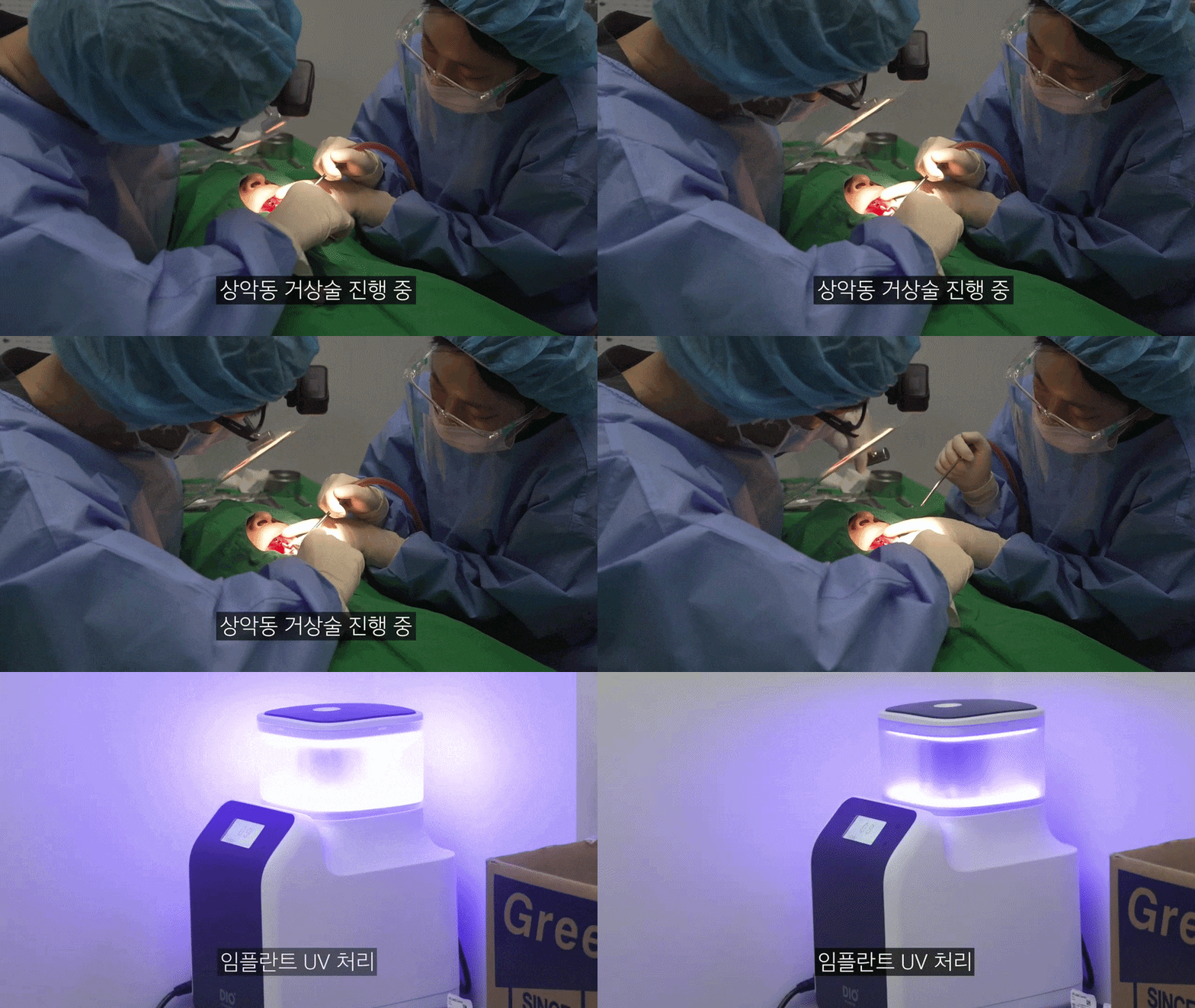
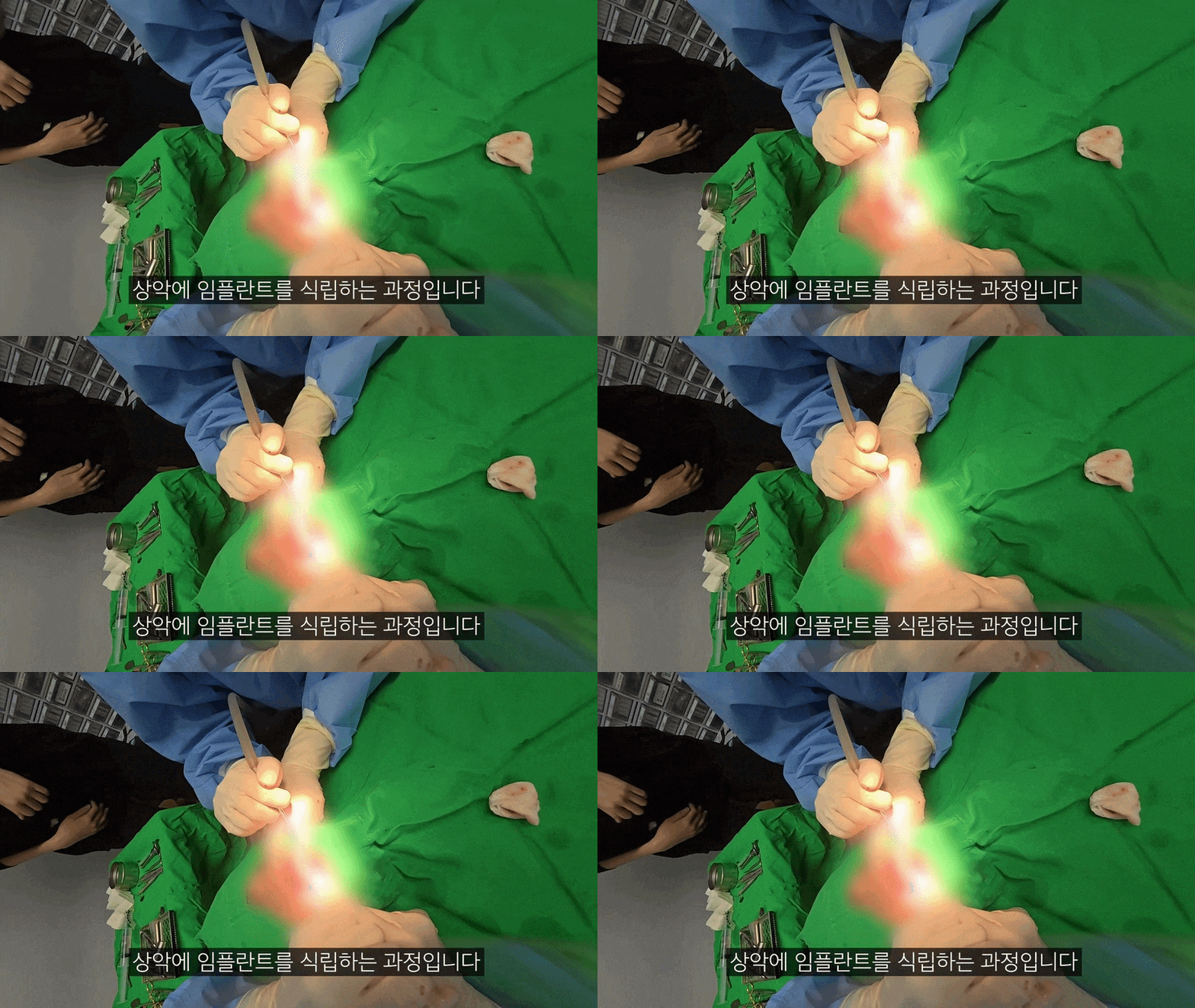
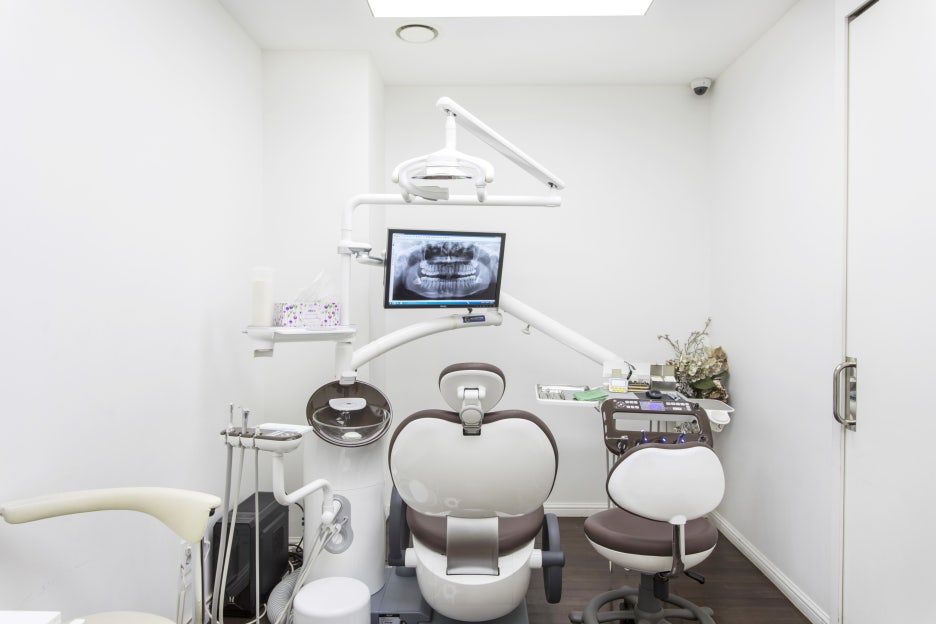
At our clinic, we use 3D CT scans, an intraoral scanner, and the DIO Navi Guide system to carry out a computer-based preoperative planning process.
At this stage, the position, angle, and depth of implant placement are designed in advance, and guides are made accordingly.
As a result, the procedure can follow the planned path on the day of surgery, allowing treatment to proceed without unnecessary steps.
In many cases, the procedure is performed in a way that reduces the extent of the incision, which tends to lessen discomfort during postoperative recovery.
Thus, the duration of full-arch implant surgery can vary considerably depending on the completeness of the preoperative plan.

A temporary prosthesis is fitted on the day of surgery to help you return to daily life
One related question we are frequently asked about full-arch implant surgery is whether a prosthesis can be fitted on the same day.
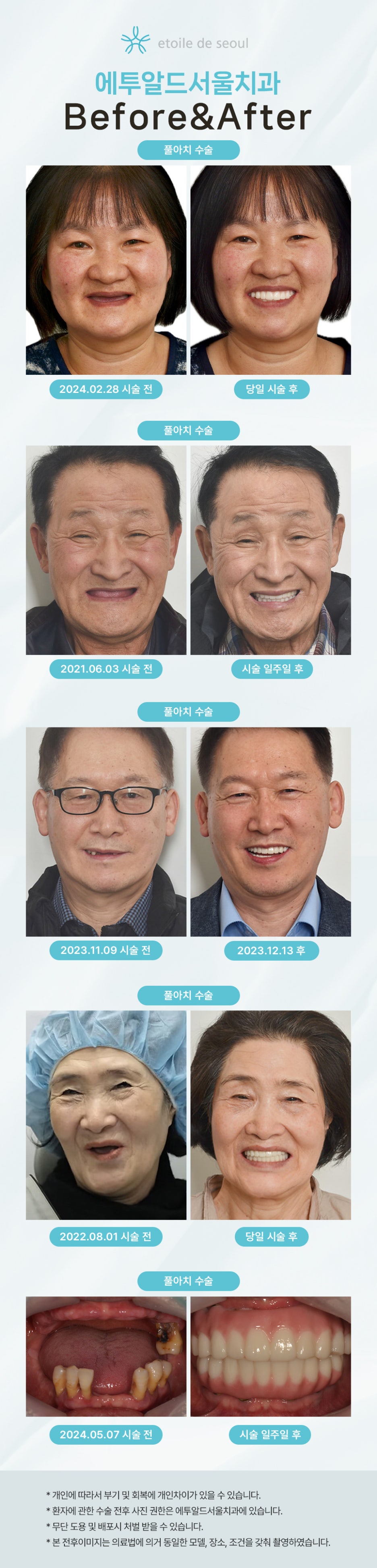
At our clinic, a temporary prosthesis is secured on the day of surgery, so you do not need to live without teeth after the procedure.
You will wear the temporary prosthesis while the gums and implants stabilize. The final prosthesis is completed within approximately 30 days. It uses pink porcelain to recreate the gum line in detail and zirconia to reproduce the teeth, providing a natural appearance.
An individualized plan tailored to your bone condition and overall health is important
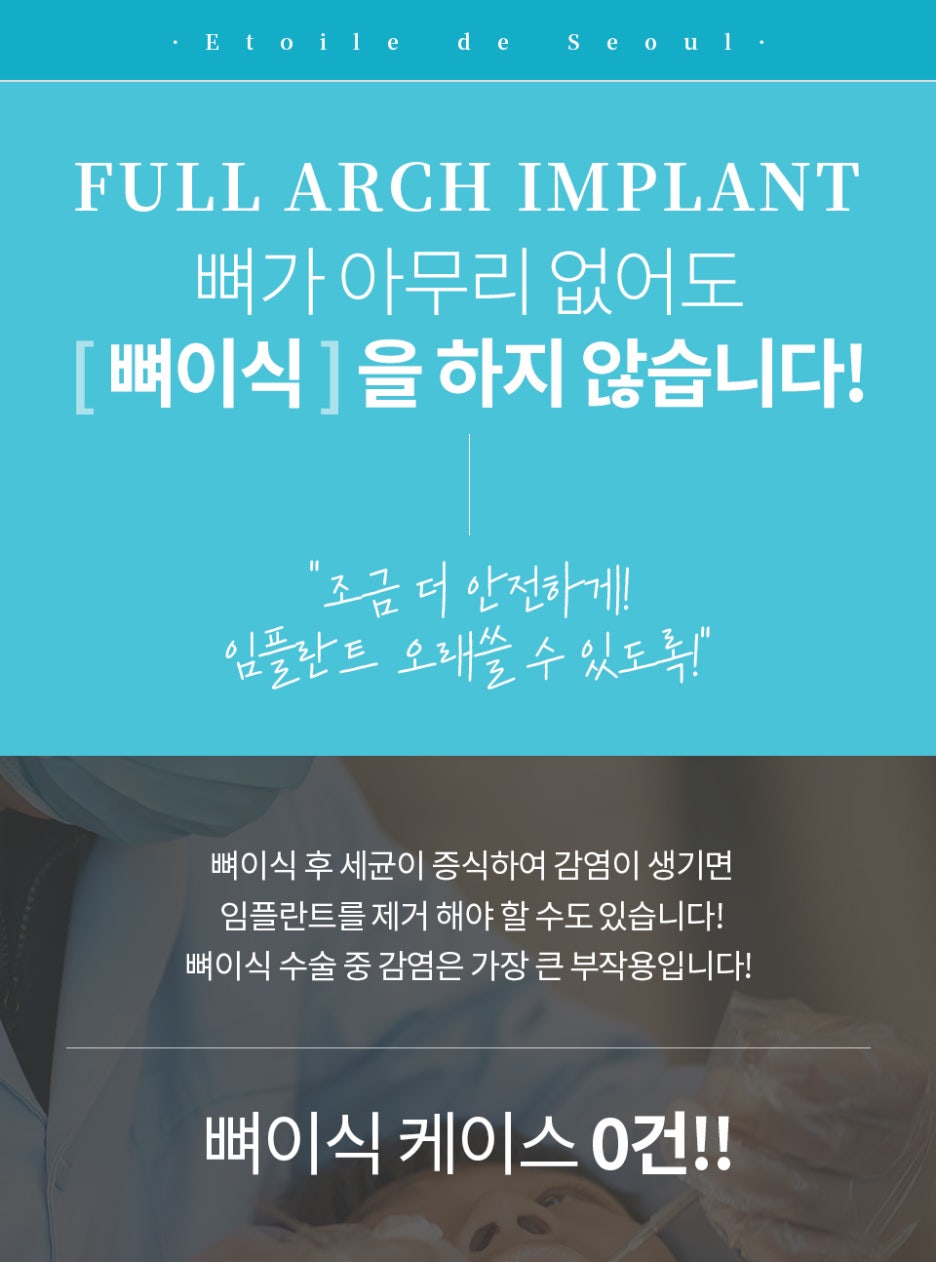
Even when considerable gumbone has been lost, implants may sometimes be placed without bone grafting by positioning them at an angle.
Of course, this approach does not apply to everyone. A plan is established after a detailed diagnosis using CT scans to assess the individual’s gumbone thickness and height, the location of the nerve canal, and other factors.
Even for people with systemic conditions such as diabetes or high blood pressure, surgery may often be possible if the condition is well controlled. However, a preliminary diagnosis must also be completed in these cases.
While wearing the temporary prosthesis, it is advisable to avoid hard or chewy foods.
To maintain gum health around the implants, proper brushing and flossing are needed every day, and regular checkups every six months are recommended.
We provide related medical care at no charge within three years to patients who have completed full-arch implant treatment with us.

A thorough plan from the beginning is essential for teeth you will use for many years
Many of the people who visit us have already found a great deal of information online before their appointment.
However, each person’s oral structure, gumbone condition, and overall health are different, so general information does not always correspond to an individual’s situation.
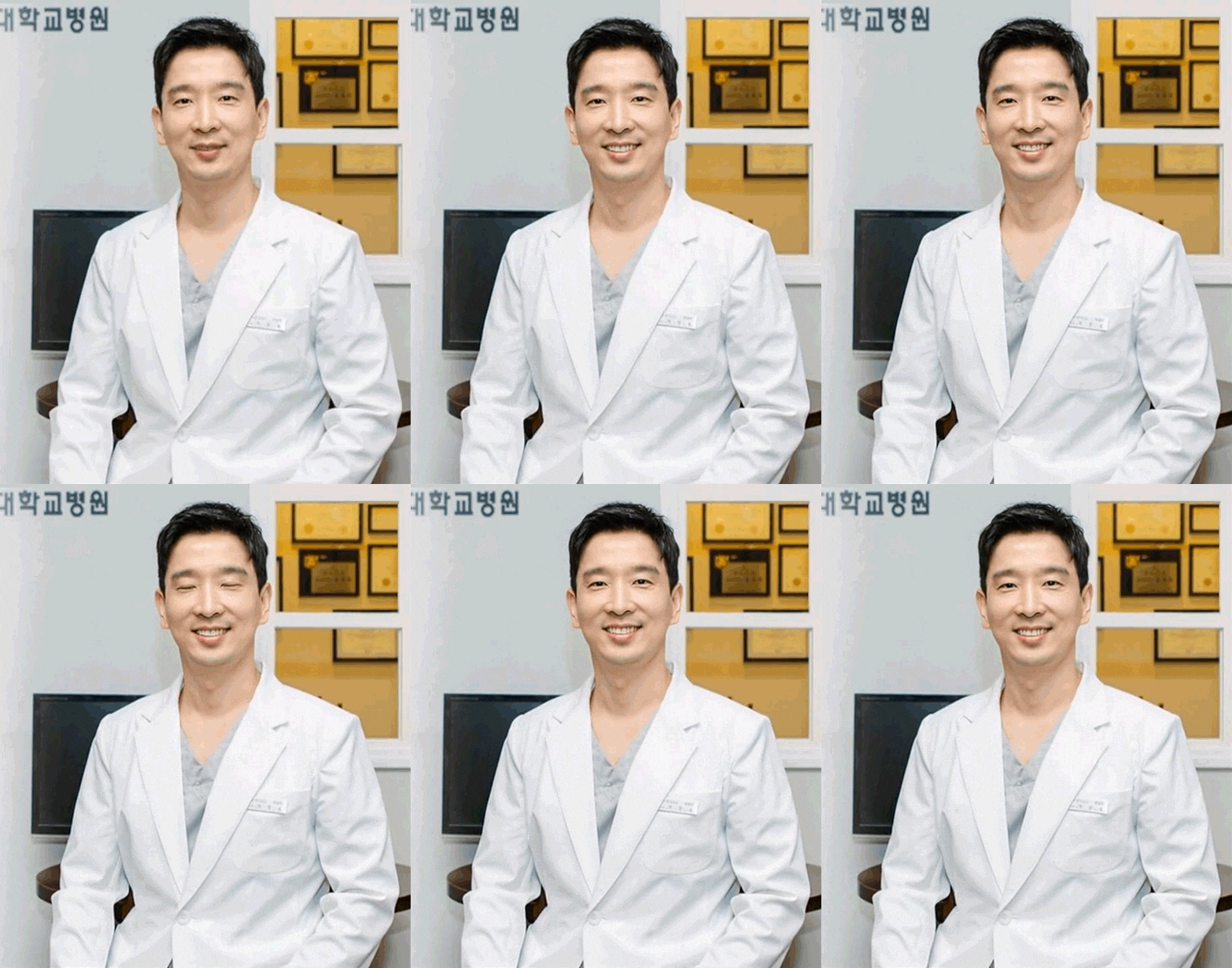
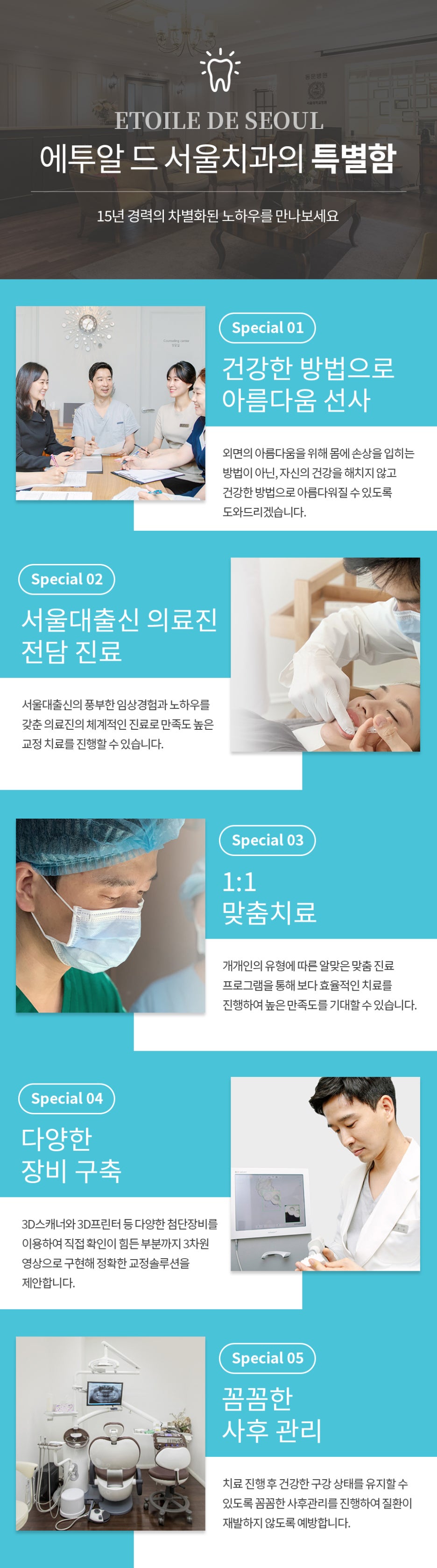
Since graduating from the Seoul National University School of Dentistry, I have continued my clinical practice for more than 20 years. Through my clinical experience, I have repeatedly confirmed that the precision of preoperative planning affects treatment outcomes, especially in complex implant surgery.
I personally perform all procedures and make it a principle to establish treatment plans suited to the oral structure and overall health of each individual who visits us.
If you would like to know more about the overall treatment process, including the duration of full-arch implant surgery, the first step is to accurately assess your condition through a detailed diagnosis using CT scans and an intraoral scan.
Thank you for reading to the end today.
Previous image
Next image











Previous image
Next image









Previous image
Next image