
Natural Results Through
The Principles of Shade Design
In the consultation room, one of the questions I hear most often when discussing veneers is this:
“Doctor, won’t veneers make my teeth too white?” Many people worry that their veneers will look unnatural or that others will notice them right away.
Those considering Apgujeong veneers often ask about this first. Today, I will calmly explain, from a dental perspective, the principles of veneer shade selection and what should be considered to achieve a natural result.
Why Do Tooth Colors
Differ?
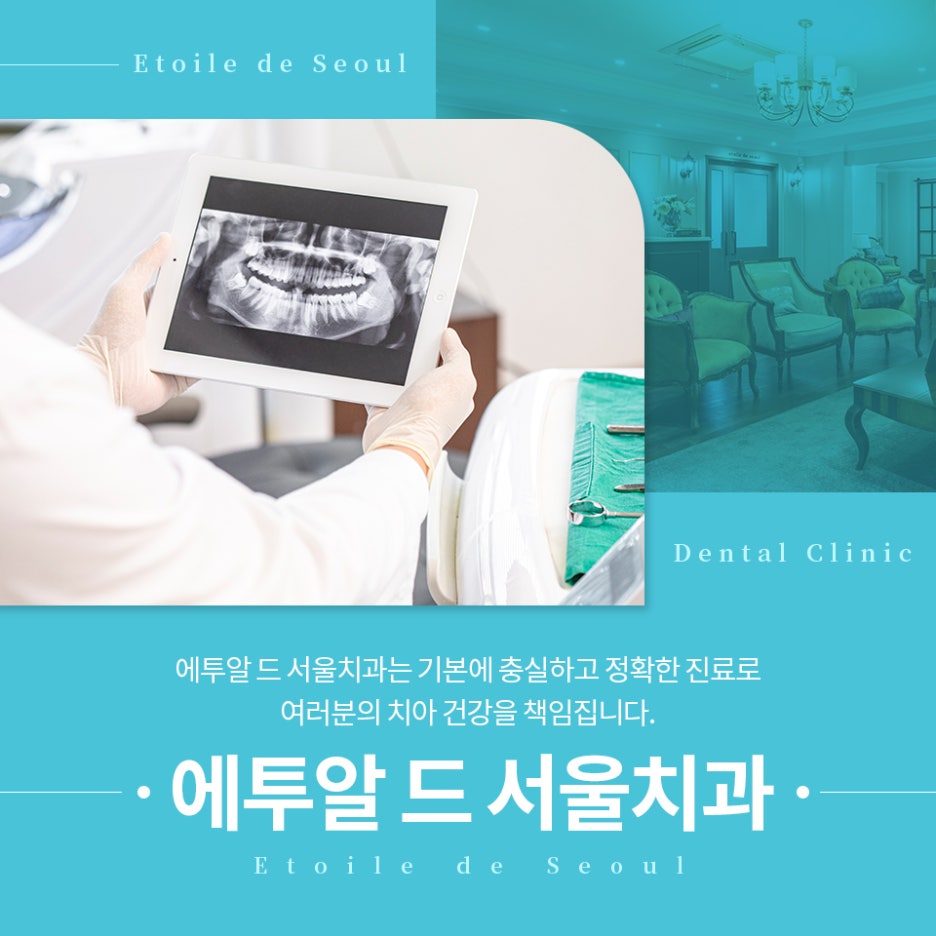
Tooth color is determined by the combined effects of the thickness, translucency, and shade of the enamel and the dentin beneath it.
As we age and the enamel becomes thinner, the yellowish tone of the dentin shows through more strongly. Pigmented foods and drinks such as coffee, tea, and wine, as well as smoking, leave deposits on the enamel surface and gradually darken the teeth.
Teeth may also become discolored internally after trauma and root canal treatment, while congenital enamel hypoplasia or excessive fluoride deposition can produce a mottled appearance.
As these examples show, there are many causes of tooth discoloration, and in some cases, it is difficult to expect a noticeable change from surface whitening alone.
That is when veneers may be considered as a dental and cosmetic option.


What Are Veneers, and How Is Their Color Determined?
Veneers are a restorative treatment in which a thin ceramic shell is bonded to the front surface of a tooth.
They are usually about 0.3–0.7 mm thick—about as thin as a fingernail.
When this thin ceramic sheet is bonded to the tooth surface, it can cover areas where the existing tooth’s shade or shape is less than ideal and recreate the desired appearance.
There is an important point here.
The final color of a veneer is not determined solely by the color of the material itself.
The opacity and color of the ceramic shell, the color of the bonding cement, and the remaining color of the underlying tooth all overlap to create the final result.
Therefore, it is not true that veneers will “always come out white.” Accurately assessing and planning for these three variables is the key to achieving a natural result.
If you are considering Apgujeong veneers, it is a good idea to first check how carefully the shade-selection process is approached.

How Is a Natural Shade Determined?
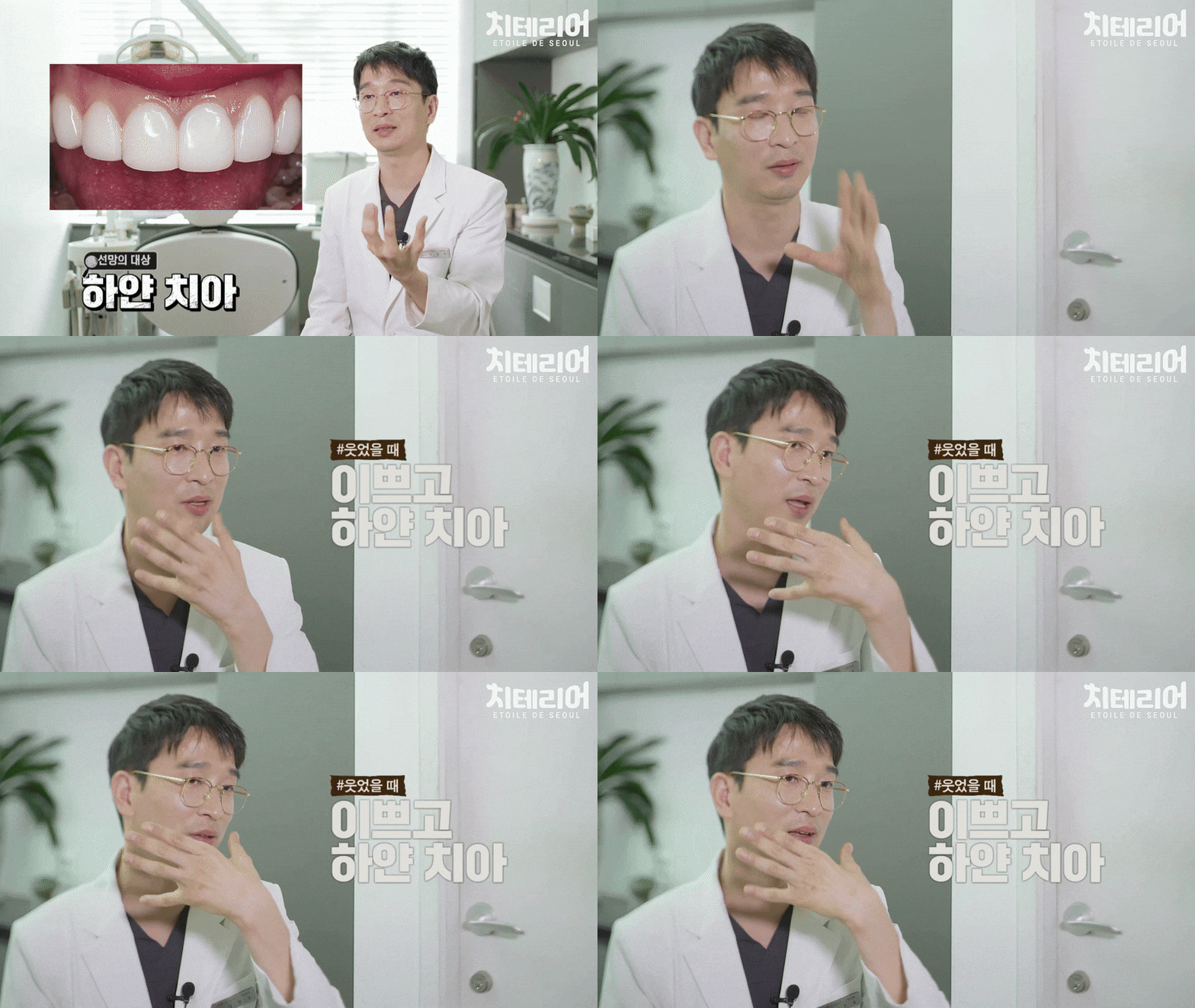
When selecting a shade, standard color references such as the VITA shade guide are used. Digital shade-measuring equipment can also help reduce errors caused by subjective judgment.
Rather than simply choosing a particular “shade number,” it is important to consider the patient’s skin tone, lip color, the brightness of the whites of the eyes, and the overall harmony with the existing natural teeth.
Choosing a shade that is excessively bright may make the teeth look artificial, while choosing one that is too dark may result in less change than desired.
During consultations, I try to find a realistic balance between the level of brightness the visitor hopes for and the actual conditions inside the mouth.
A step-by-step simulation process can be helpful in achieving a result that looks naturally brighter.


Is Tooth Reduction Always Necessary?
Another important part of the veneer restoration process is the amount of tooth reduction.
With conventional veneers, a small amount of reduction is generally performed within the enamel to create enough space for the restoration to sit naturally.
The greater the amount of reduction, the greater the ability to mask the underlying color. However, this also means sacrificing more tooth structure.
In my treatment philosophy, which places tooth preservation at the center, I follow the principle of performing only the minimum reduction necessary.
When no-prep or minimal-prep veneers are possible, I consider that approach first.
The same principle applies during consultations for Apgujeong veneers.

How Should Veneers Be Maintained After Bonding?
Ceramic veneer restorations are highly resistant to discoloration, and their smooth surfaces are less likely to retain stains from food.
However, care must be taken to avoid physical impact.
If you forcefully bite hard foods with your front teeth, bite your nails, or have bruxism, the restorations may develop cracks. It is therefore advisable to discuss these factors thoroughly with your dentist before treatment.
To help maintain the lifespan of Apgujeong veneer restorations, it is important to carefully brush the restorations and the boundary between the restorations and gums with a soft toothbrush, and to maintain hygiene around the bonded areas with dental floss or an interdental brush.
It is also a good idea to have the bonding condition and gum health checked together during regular examinations.

Why Occlusal Balance Should Also Be Evaluated
Although veneers are cosmetic restorations, I always check the occlusion—the way the upper and lower teeth come into contact—first.
If veneers are bonded when the occlusion is uneven, force may become concentrated on certain teeth, causing premature damage to the restorations or placing strain on the natural teeth.
Aesthetic changes and functional stability cannot be separated.
I believe that understanding the role of each tooth within the balance of the entire mouth is the beginning of a proper diagnosis.
I hope the information shared today will be of some help to those considering Apgujeong veneers.
Veneers are a restorative treatment in which the shade, amount of reduction, occlusion, and material must all be designed according to the individual’s oral condition.
At 에투알드 서울치과, the chief dentist personally participates from diagnosis through completion.
Thank you for reading.















Previous image
Next image









Previous image
Next image