The discomfort of dentures
and tooth loss,
what should
you look into first?
Having treated many patients who have lost a large number of teeth, there is something I have noticed in the dental office. Most people hesitate for a long time before deciding to undergo treatment.
You may have found eating difficult because your dentures keep moving, and although people around you have recommended implants, you may have felt overwhelmed about where to begin.
Among these concerns, many people postpone their decision because they do not know approximately how much full-arch implants cost or what the treatment process involves. Today, I would like to answer those questions, even if only to a small extent.
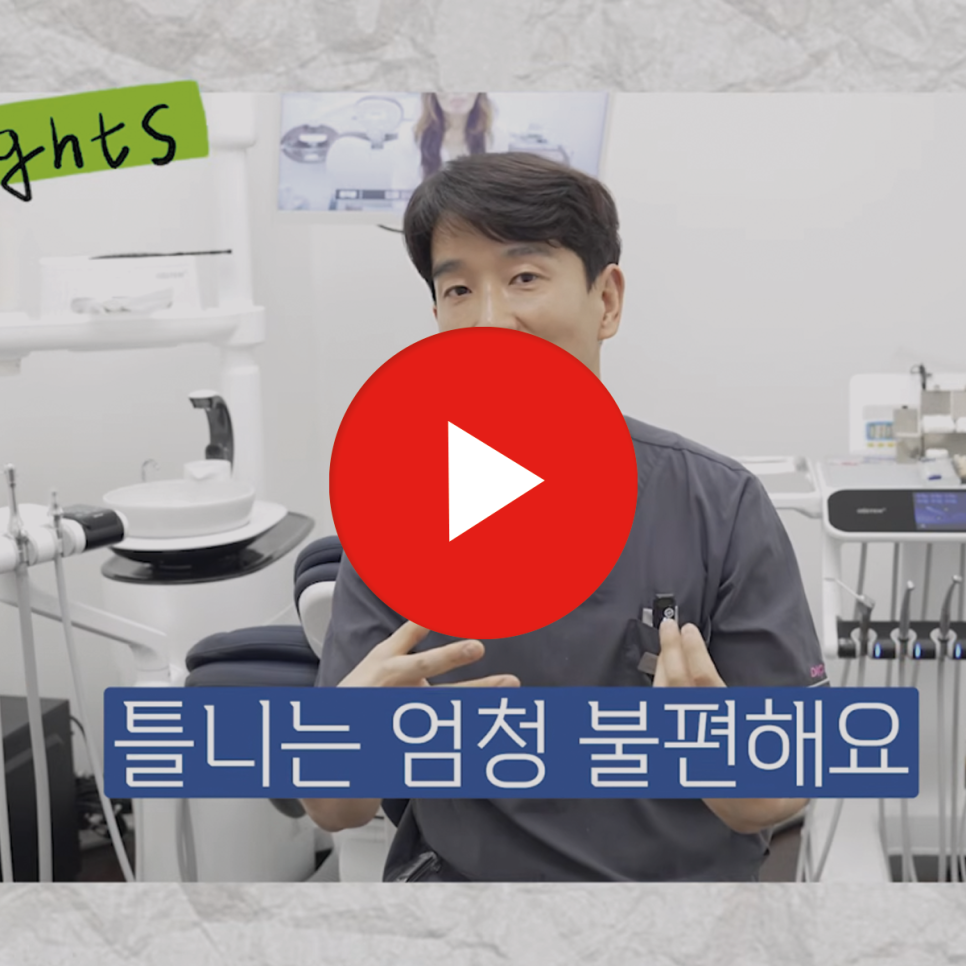
✨ Watch the Chiterior YouTube video ✨
(Click)
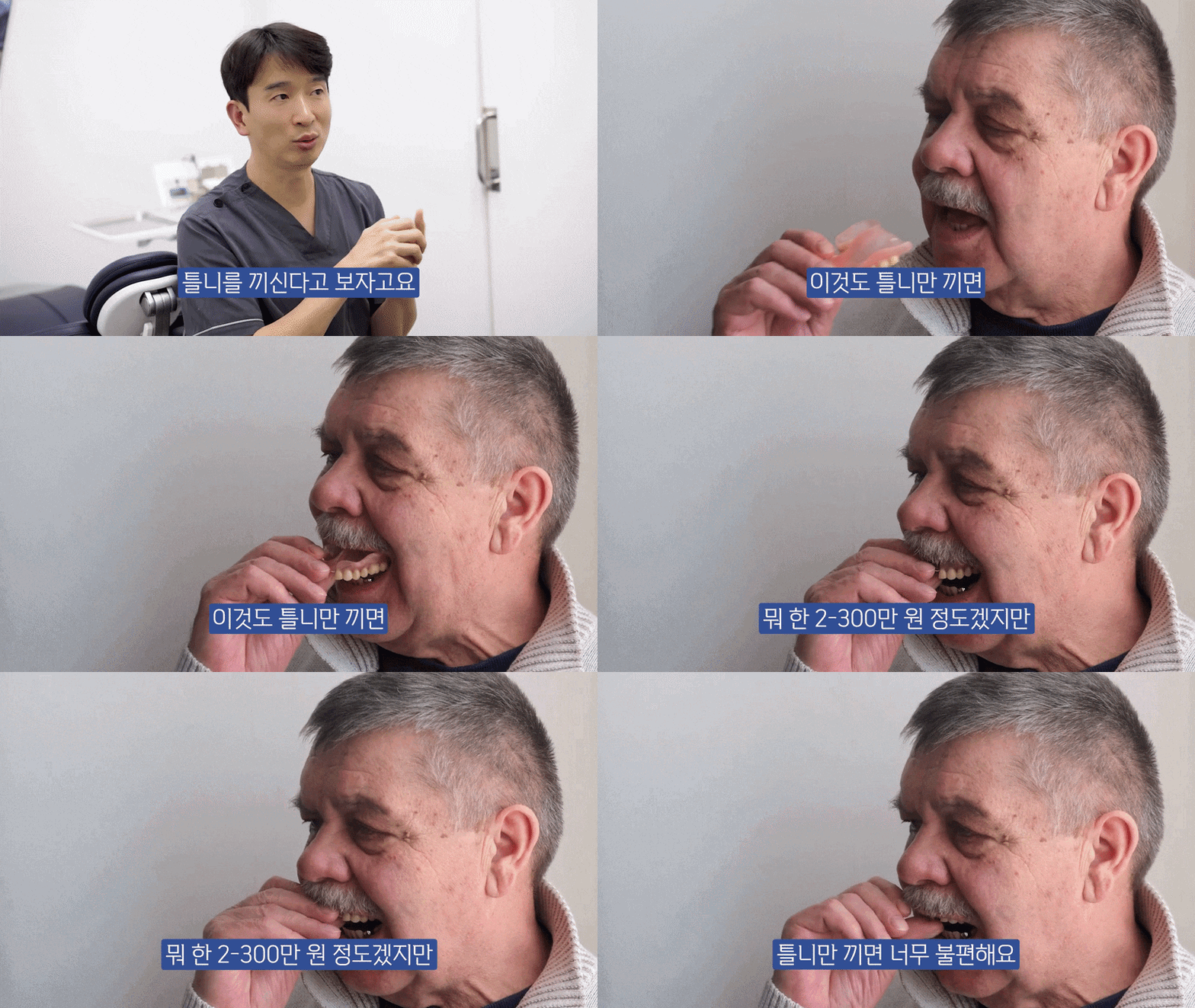
You all know how uncomfortable dentures can be, right?
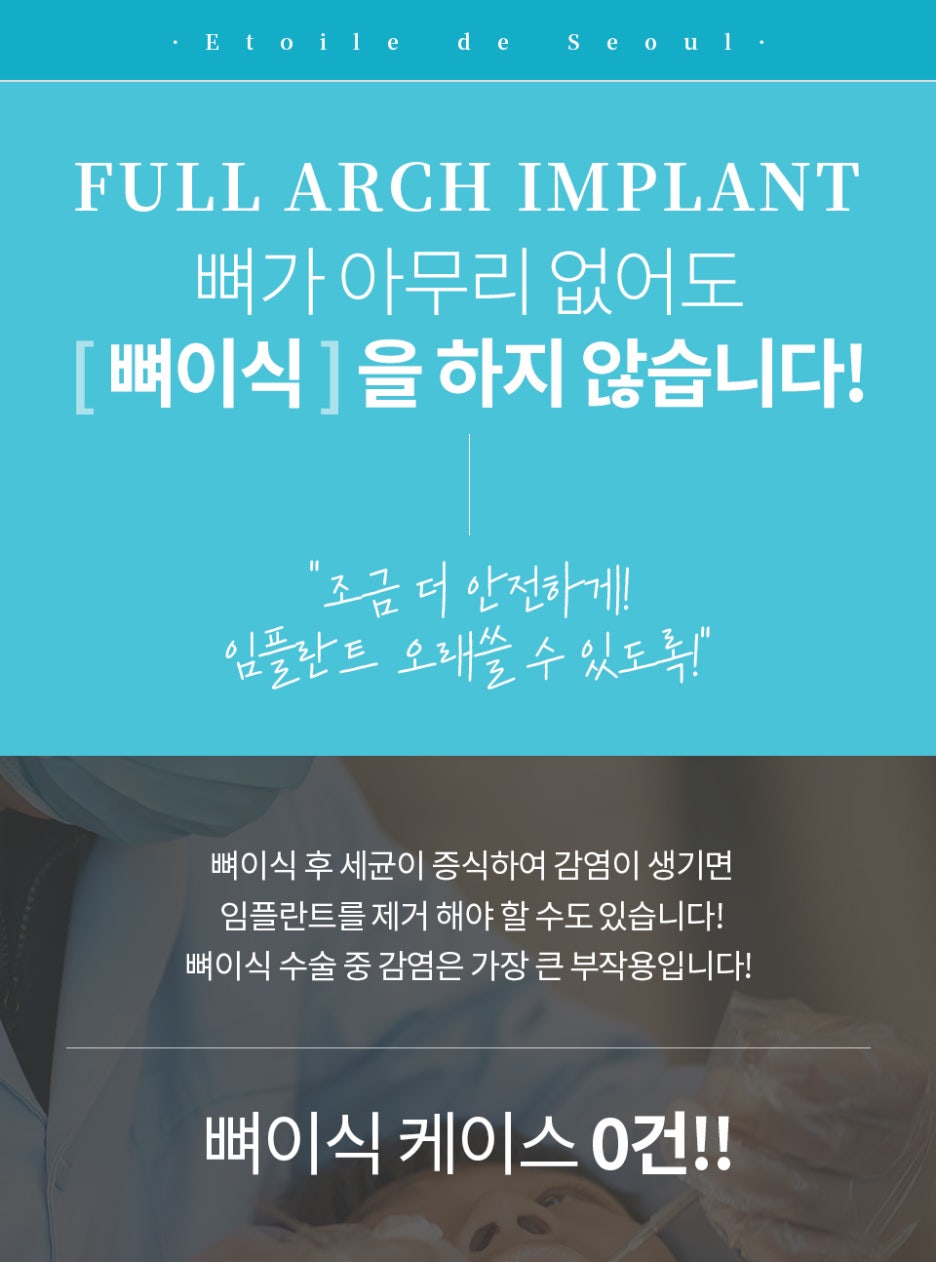
❗Why choose the No-Bone Arch procedure❗
What changes occur in the jawbone
when teeth are lost?
The areas where teeth have been lost undergo invisible changes over time.
The jawbone where the tooth roots were located—the alveolar bone—gradually begins to resorb when the stimulation from chewing disappears.
This change is especially pronounced in people who have worn dentures for a long time. As the height and width of the jawbone decrease, the contours of the face may sometimes appear sunken.
Because dentures cannot provide sufficient functional stimulation to the jawbone, long-term use can create a vicious cycle in which bone resorption continues.
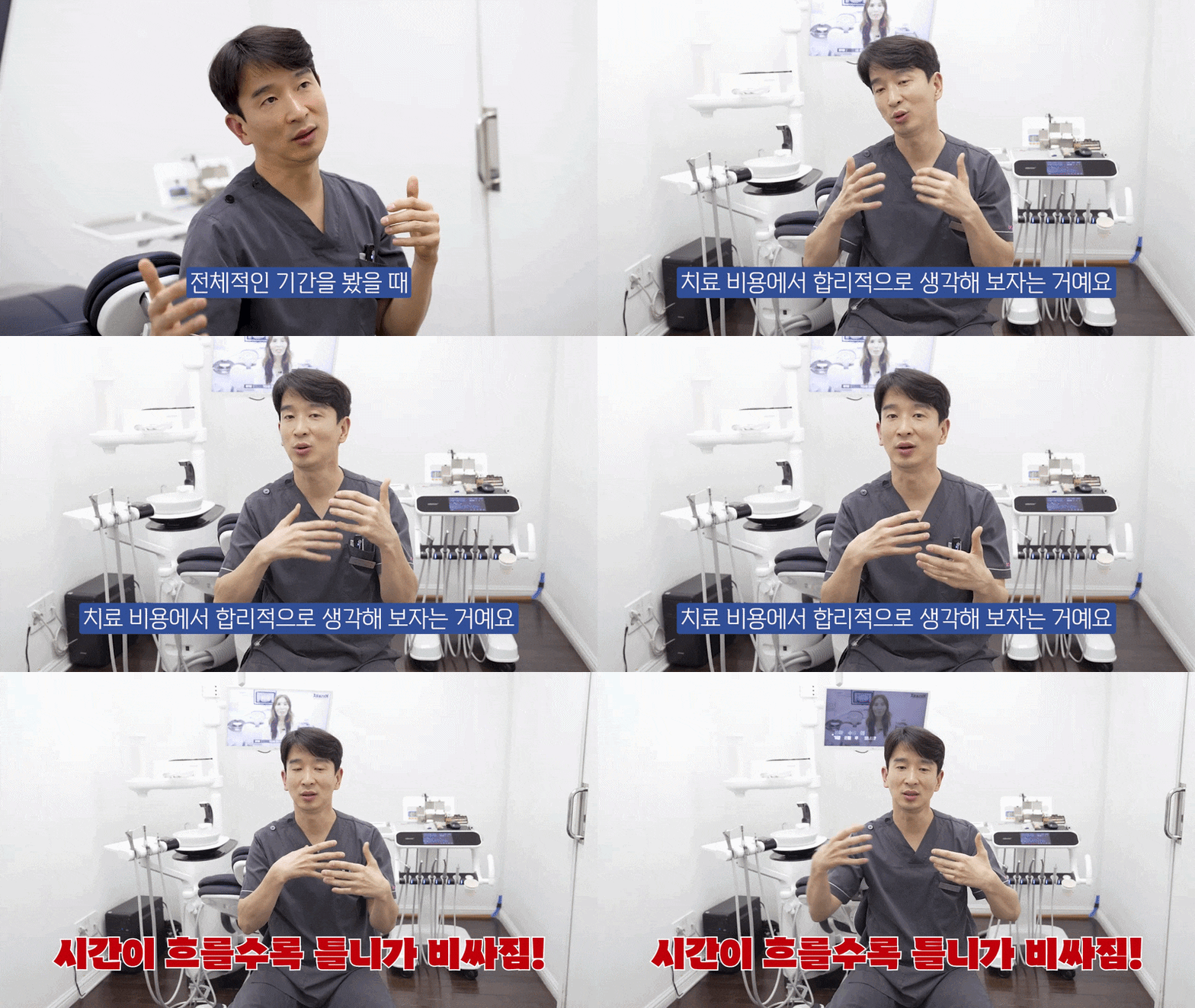
Understanding this background often leads people to view the cost of full-arch implants not simply as an expense, but as an investment in maintaining their oral health going forward.
The principles and structure of full-arch implants
Full-arch implants restore the entire upper or lower jaw using only 4–6 implants.
Unlike placing one implant for each individual tooth, implants are placed at strategic positions and angles, and a fixed prosthesis is connected on top of them.
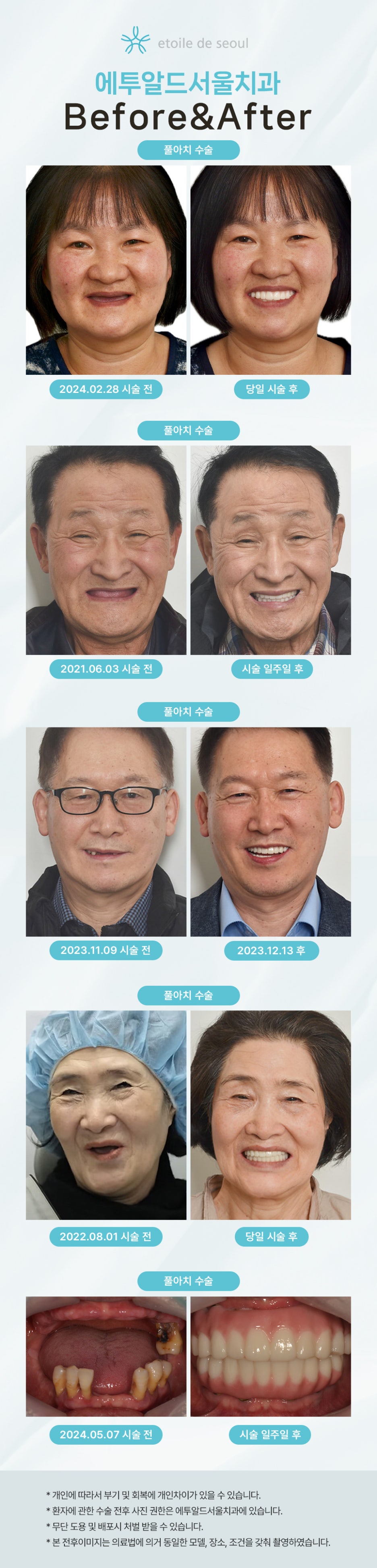
The chewing force is known to reach approximately 90% of that of natural teeth, and because the prosthesis does not move inside the mouth, patients can expect a level of stability fundamentally different from that of dentures.
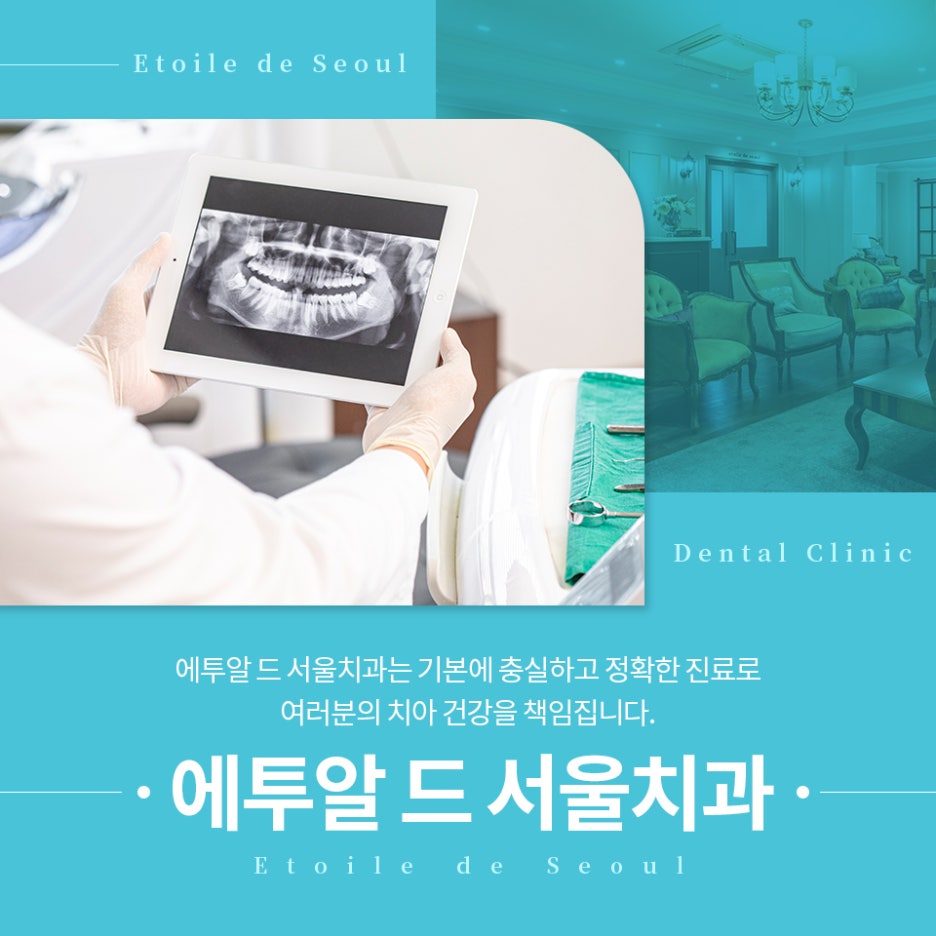
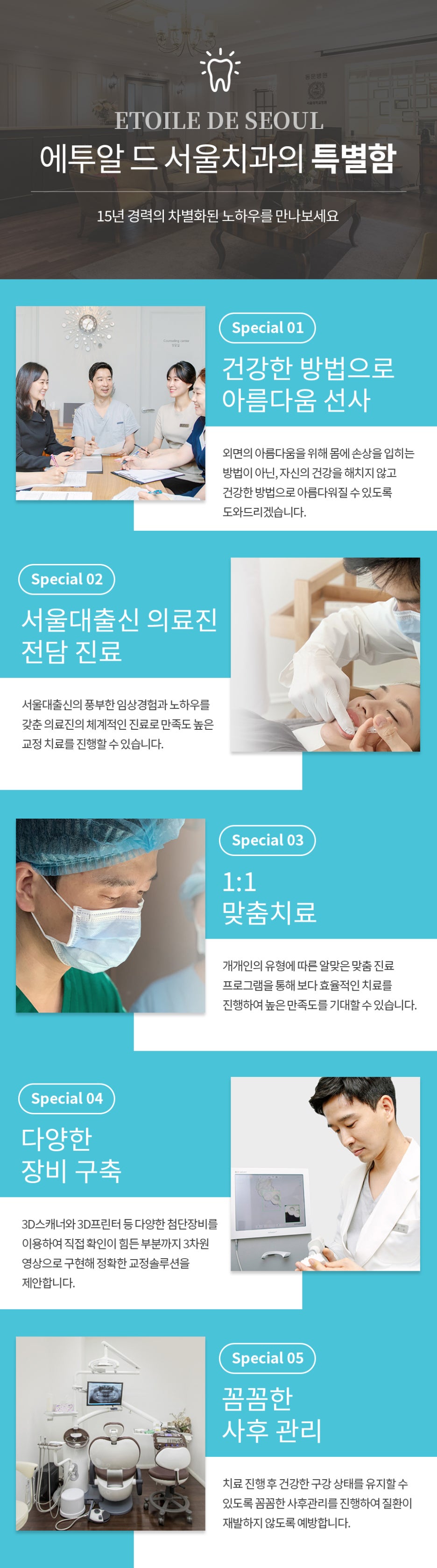
At Etoile Seoul Dental Clinic, computer-assisted mock surgery is performed before the procedure using 3D CT scans, an intraoral scanner, and a 3D navigation guide.
This helps plan the position and angle for implant placement in advance and reduce errors during surgery. The prosthesis uses pink porcelain to reproduce the gum line in detail, while zirconia is used to create the natural color and shape of the teeth.
How is the cost determined?
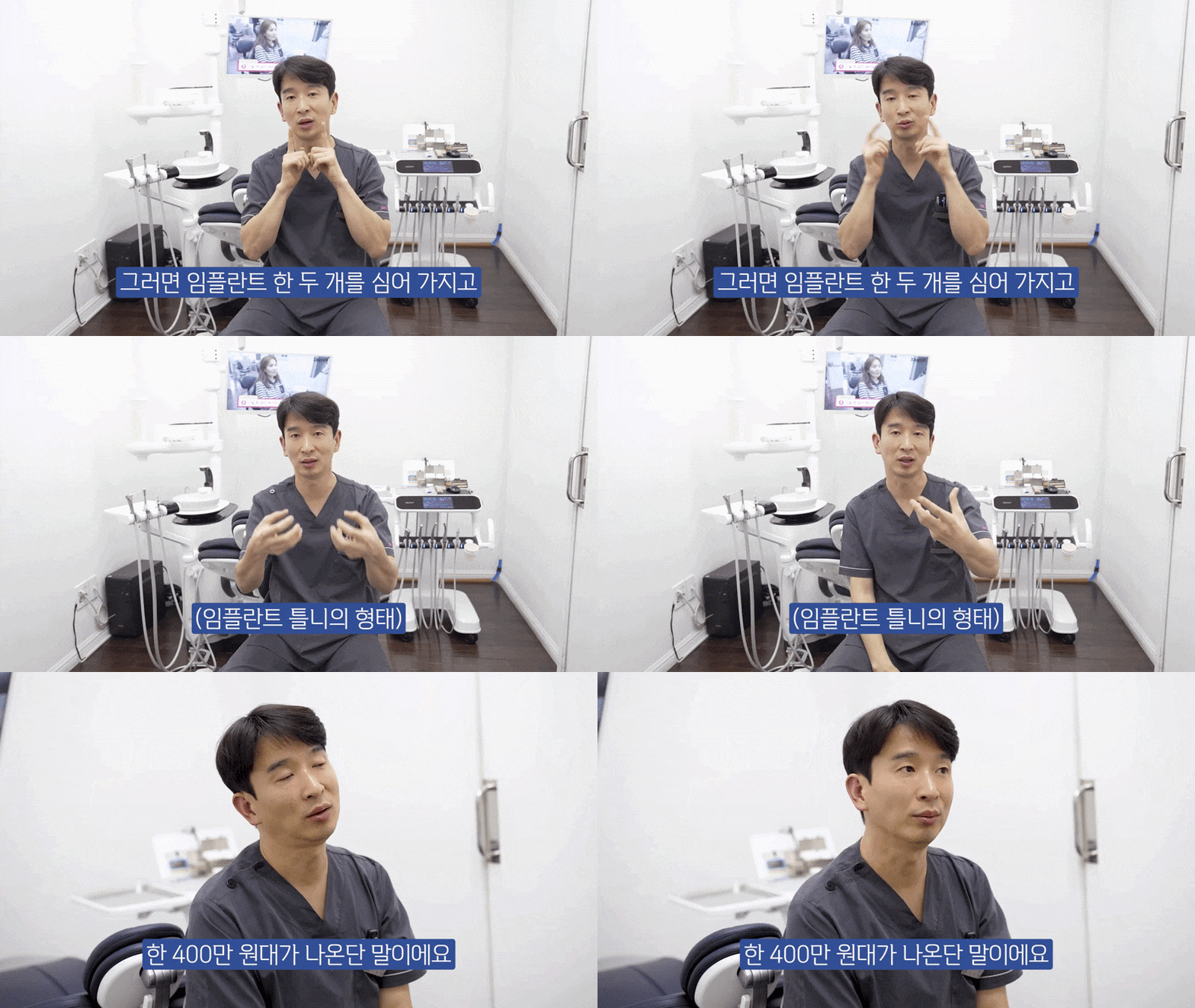
One of the first questions many people ask is how much full-arch implants cost.
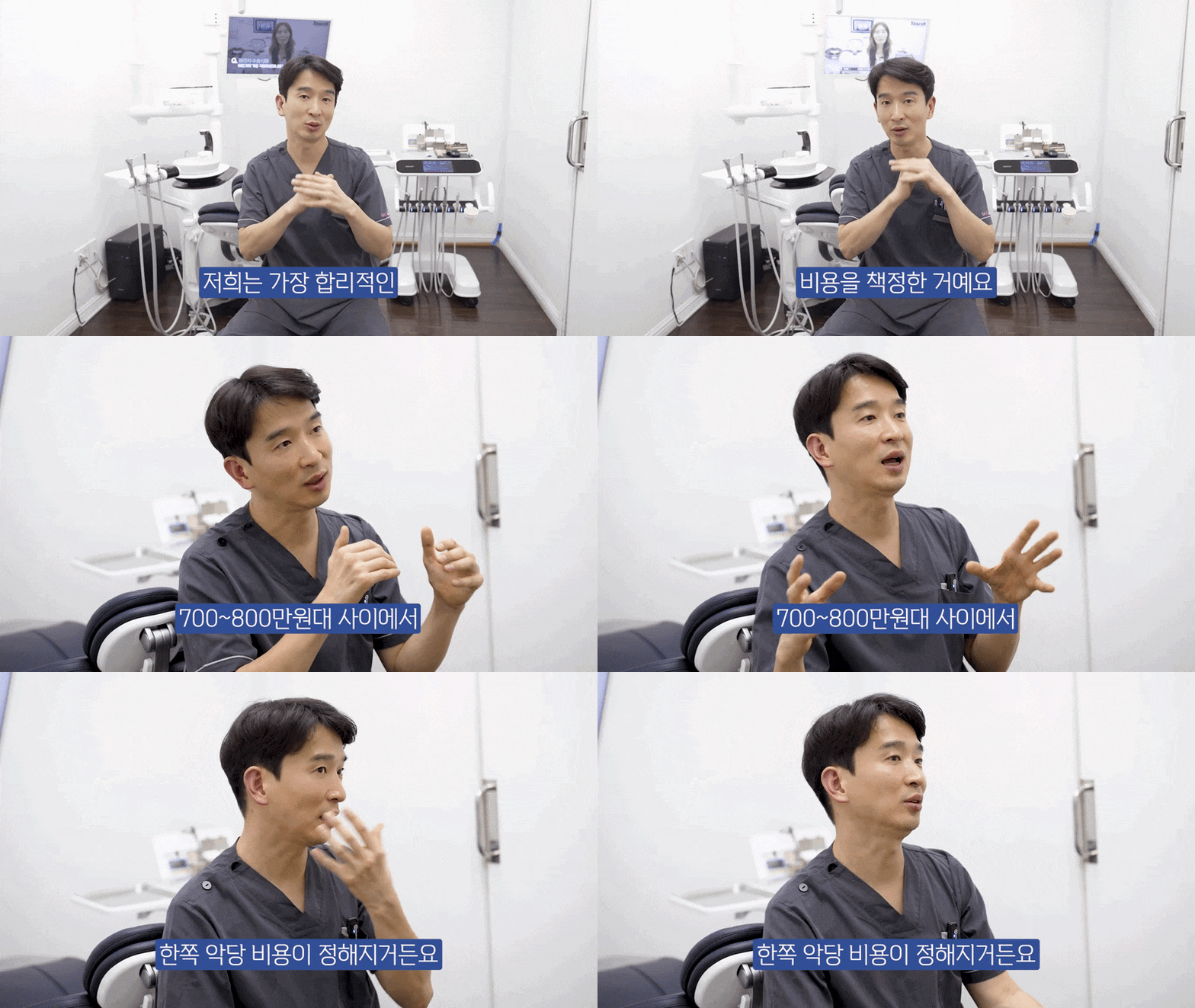
To give you the conclusion first, the cost varies depending on the patient’s oral condition, the materials used, and whether additional procedures are required.
The amount and density of the jawbone, the number of implants needed, whether bone grafting is required, and the extent of extraction of existing teeth are all considered together.
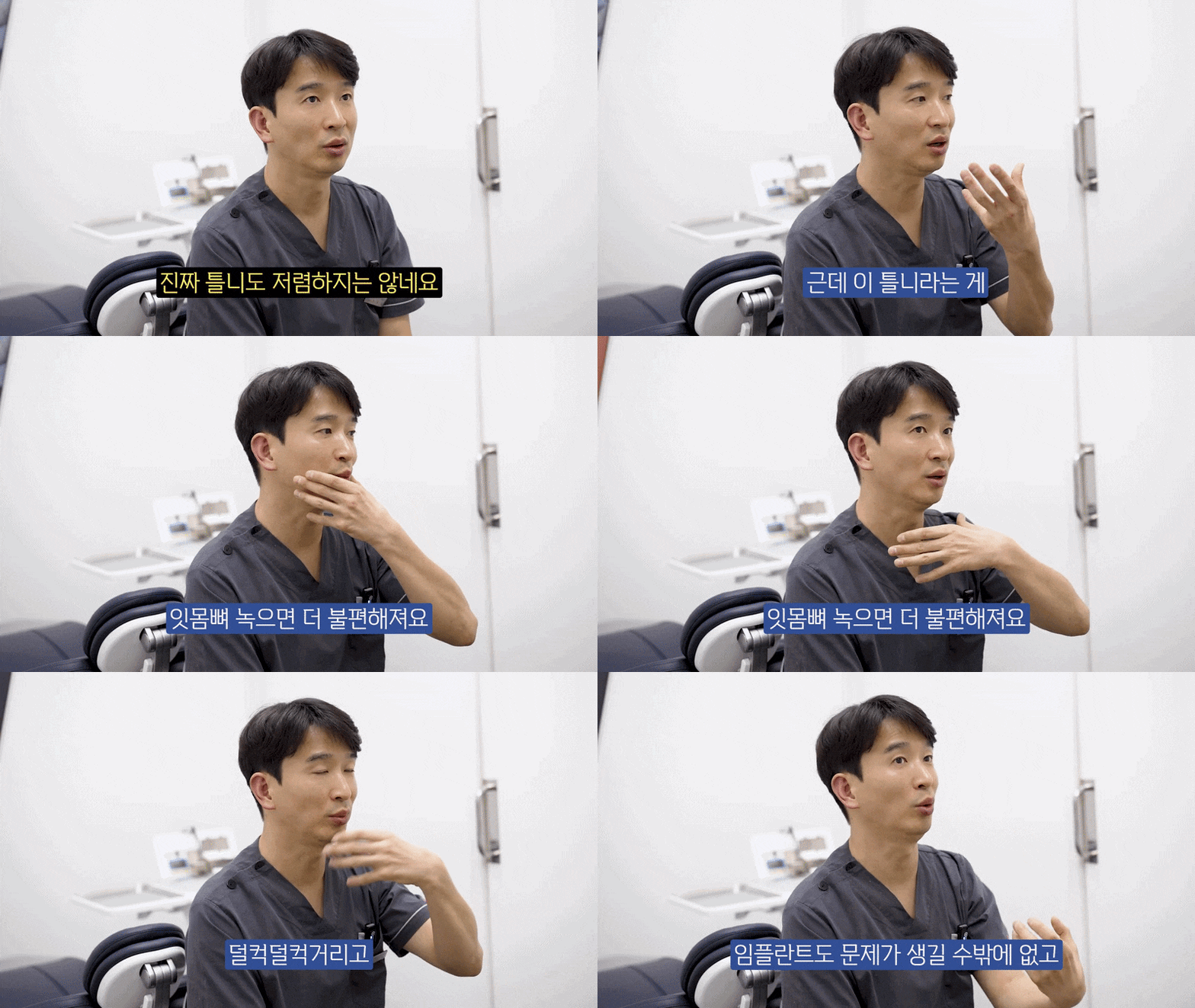
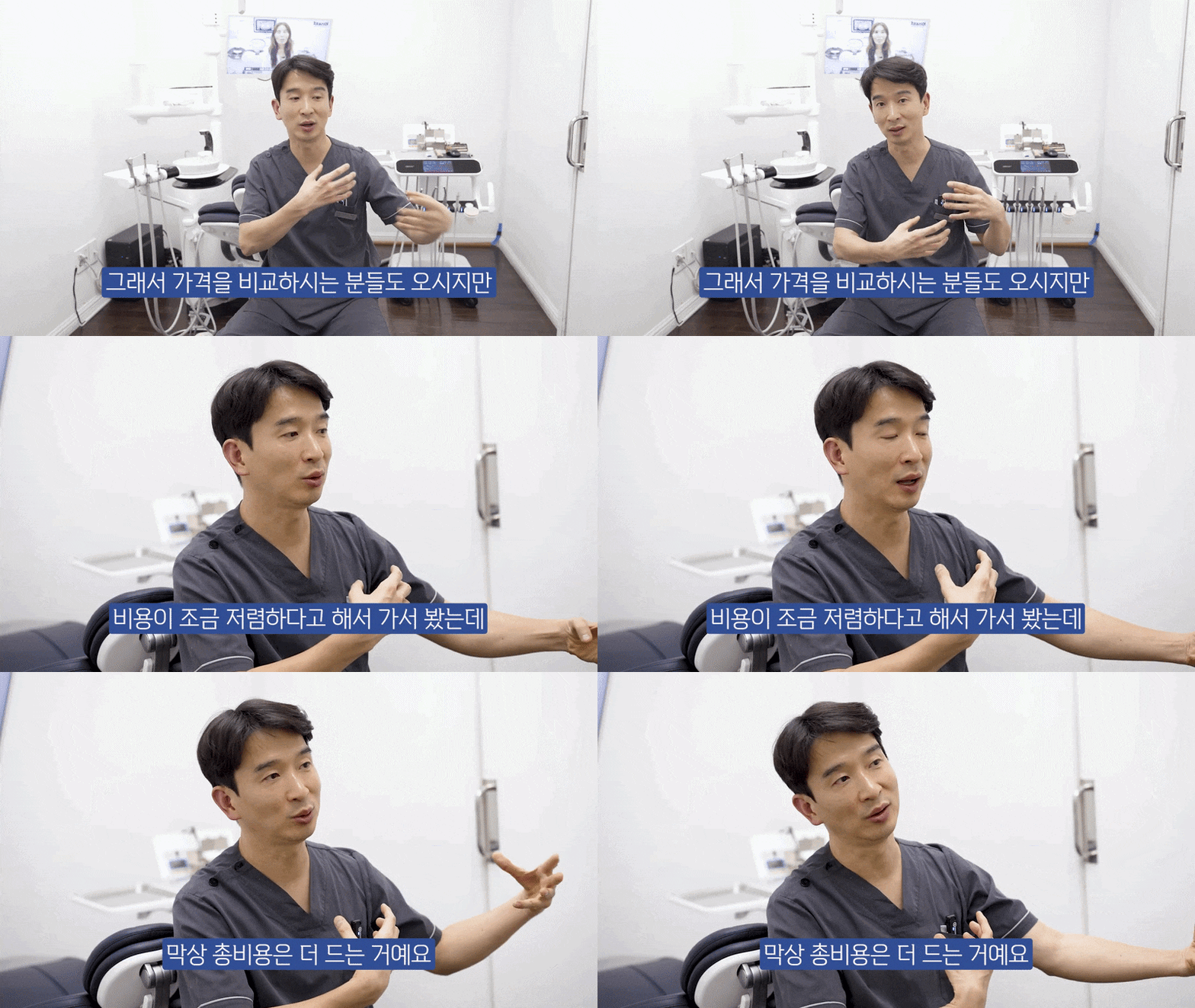
Compared with replacing each tooth individually with an implant, the full-arch approach is often more economically reasonable.
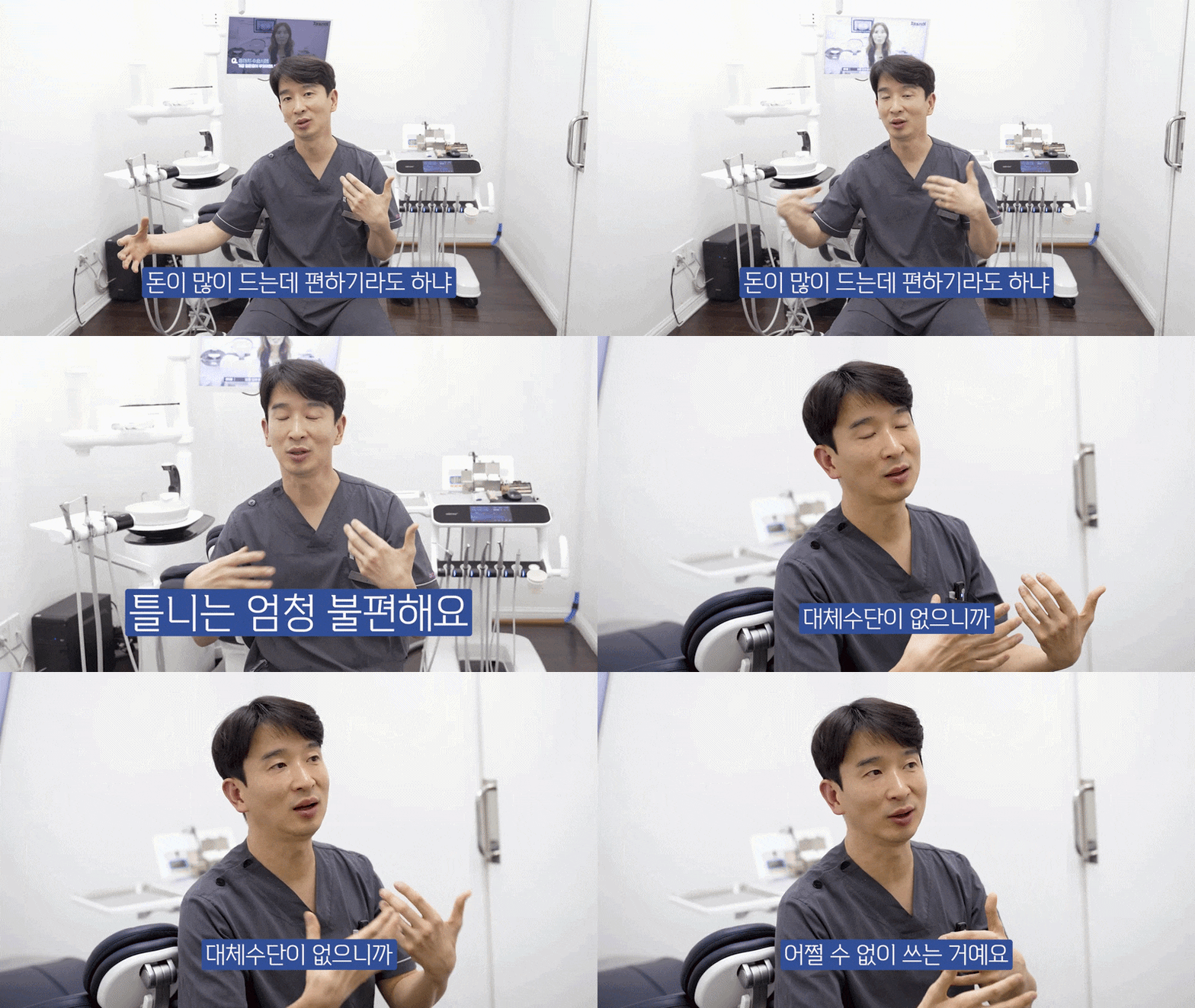
This is because the same function is achieved with fewer implants.
However, the implant products, digital equipment, prosthetic materials, and post-treatment care systems used differ from one clinic to another. Rather than making a simple comparison based only on the number, it is important to carefully check what is included in the quoted cost.

The surgical process and recovery
Full-arch implant treatment at Etoile Seoul Dental Clinic consists of four main stages.
The sequence is: detailed diagnosis through CT scans and intraoral scans; computer-assisted mock surgery and prosthesis design; implant placement and attachment of a temporary prosthesis on the same day; and completion of the final prosthesis within approximately 30 days after the gums and implants have stabilized.
Because a 3D navigation system is used, the incision area is small, and postoperative discomfort can often be managed with standard pain medication.
Older adults and people with systemic conditions such as diabetes or high blood pressure may also be able to proceed with treatment if their conditions are well controlled. However, this must be individually confirmed through a detailed examination and consultation.
How should you care for your implants after treatment?
Implant prostheses need to be cared for as carefully as natural teeth to help maintain their lifespan for as long as possible.
It is important to brush your teeth properly every day and clean between the prosthetic teeth using dental floss or an interdental brush.
During the period when you are wearing the temporary prosthesis, it is best to avoid hard or tough foods. Even after the final prosthesis is attached, be careful with foods that may subject it to excessively strong impact.
Regular checkups every six months to examine the condition of the gums around the implants and the connection of the prosthesis can help maintain its lifespan.
At your initial consultation, checking in advance how this post-treatment care is included in the cost of full-arch implants can help you understand the overall course of treatment.
Etoile Seoul Dental Clinic operates a post-treatment care program that provides free treatment within three years for patients who have undergone full-arch implant treatment.
Losing teeth is not simply a loss of function.
The recovery process should likewise be carried out carefully, according to each person’s circumstances.
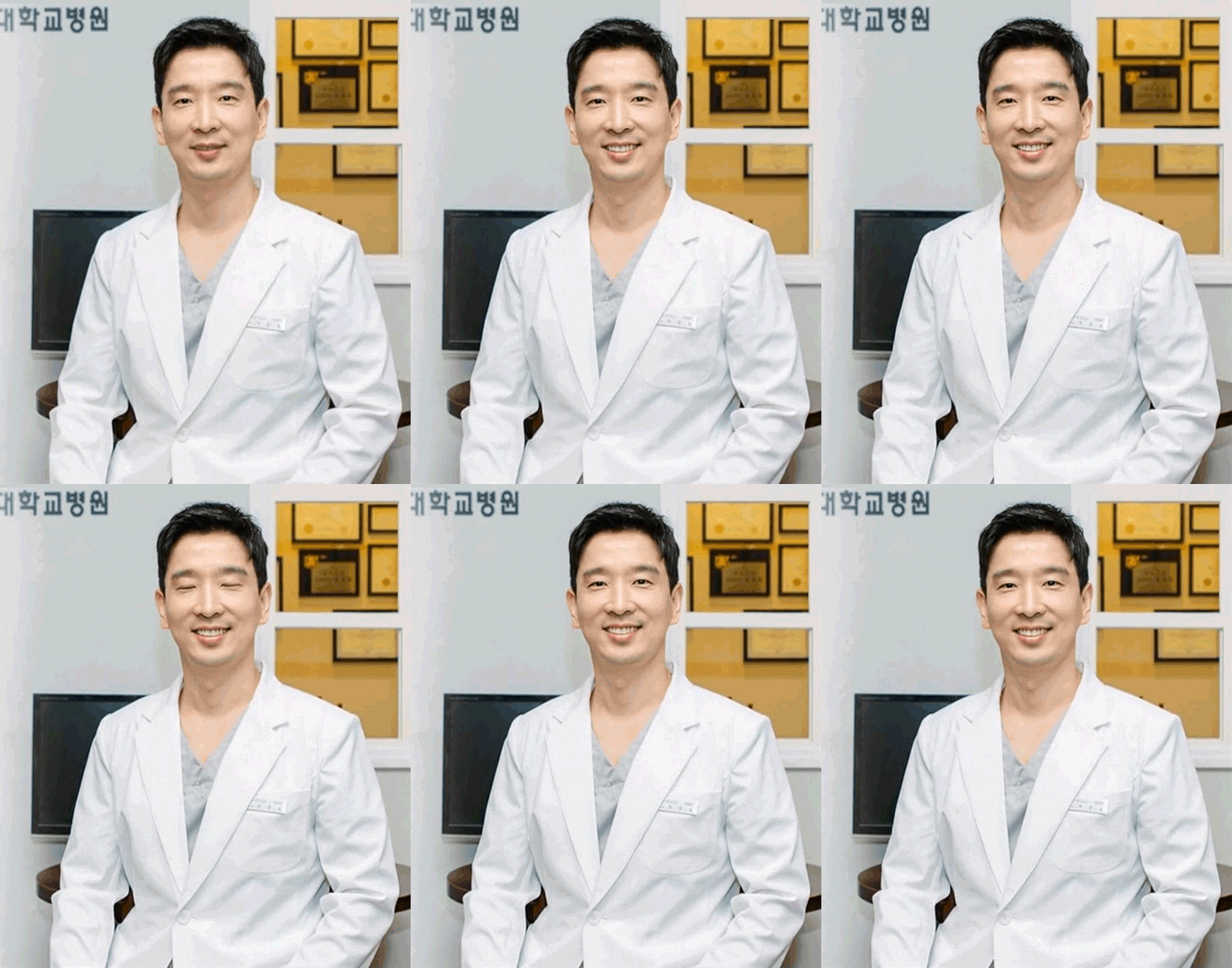
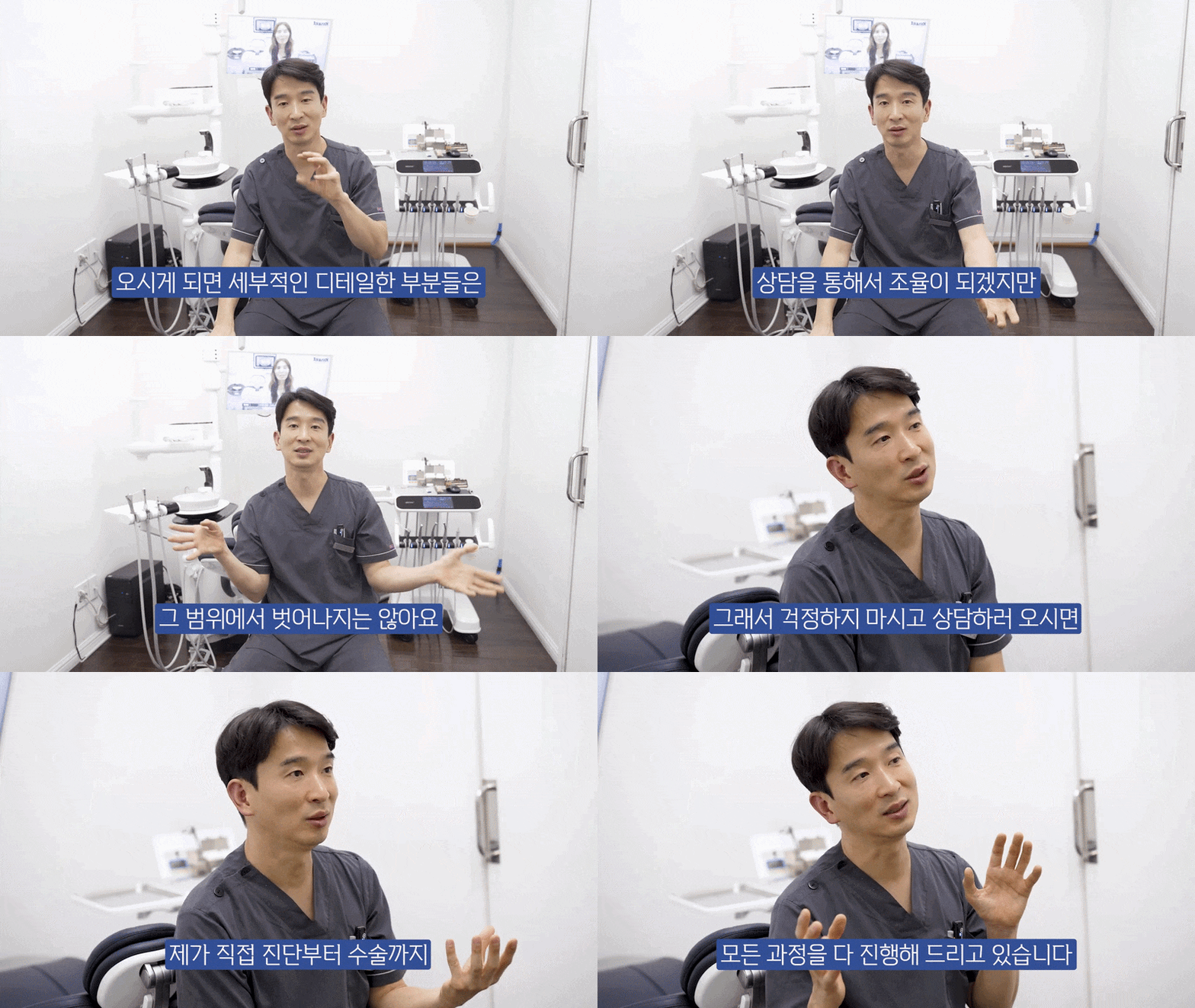
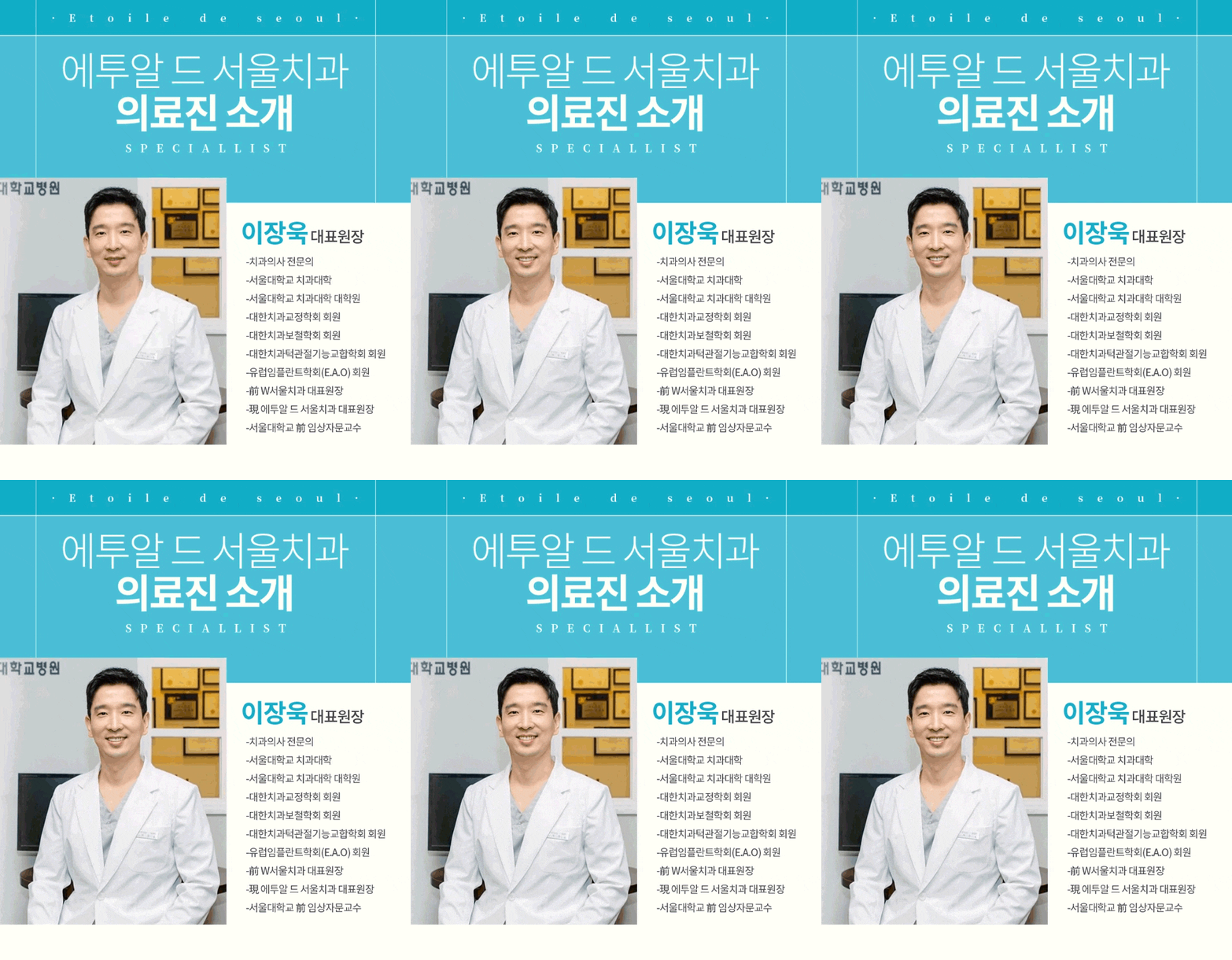
Dr. Lee Jang-wook, a graduate of Seoul National University College of Dentistry, personally works with patients at Etoile Seoul Dental Clinic from diagnosis through treatment and post-treatment care.
I hope this article has been of some help to those who were curious about the cost and process of full-arch implants.










Previous image
Next image









Previous image
Next image