Long-delayed concerns about being toothless,
Let’s start with the information.
Many people who have lost several teeth and relied on dentures for a long time experience discomfort because their dentures shift during meals or press against their gums.
This concern is not simply limited to losing a few teeth; it is also closely connected to everyday convenience.
In particular, when a significant amount of jawbone has been lost, many people hesitate to begin treatment because conventional implant placement may be difficult. Today, we will carefully review how Nobon Arch implants, one option that may be considered in such situations, work.
✨ Watch the Chiterior YouTube video ✨
(Click)
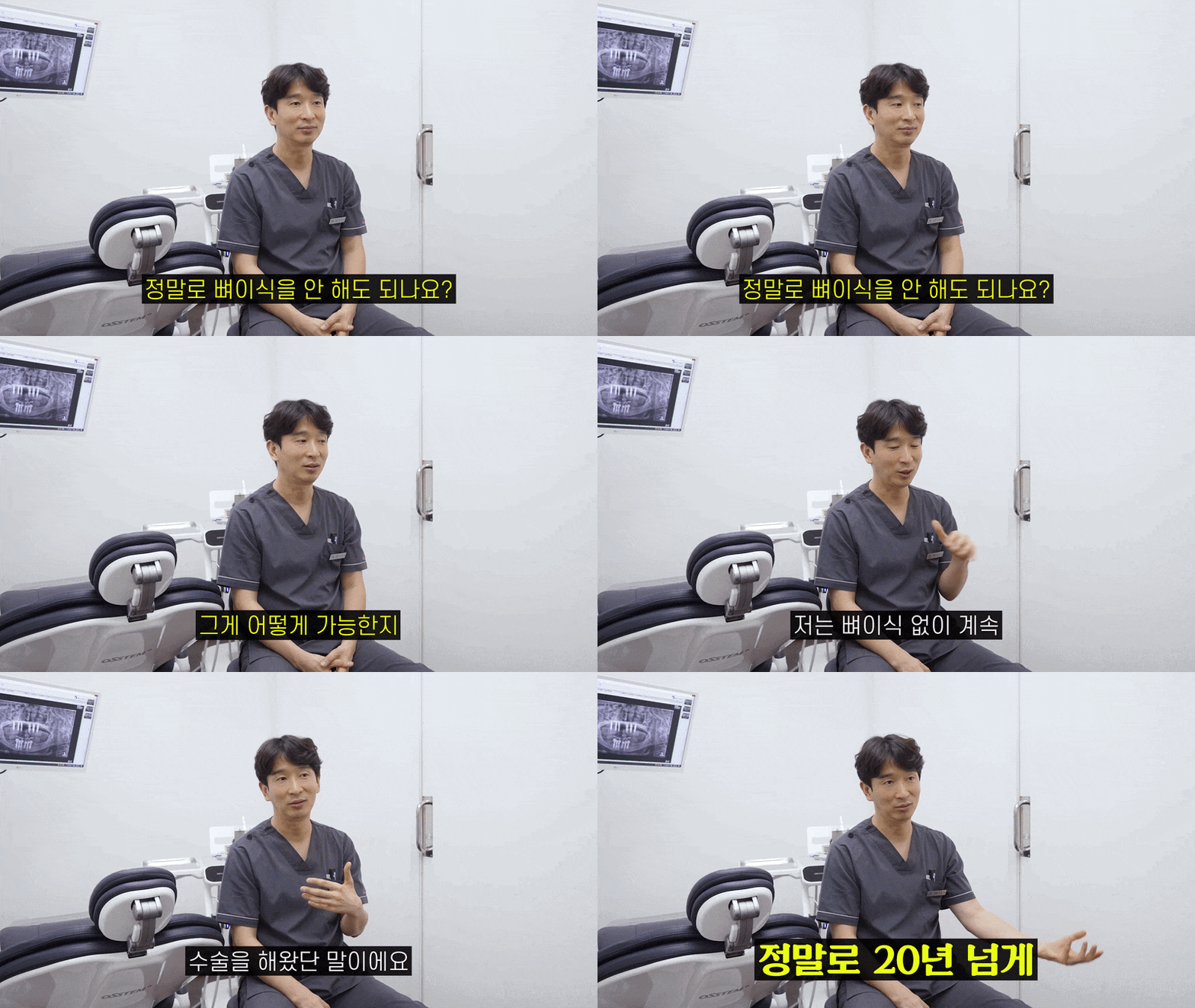
Is bone grafting really necessary?
❗We’ll explain what Nobon Arch is❗
What happens to the jawbone
when a tooth is lost?
After a tooth is lost, the jawbone at that location, known as the alveolar bone, tends to be gradually resorbed and decrease over time.
This happens because the role of the tooth root in stimulating the bone and helping maintain bone volume is lost. Cases in which several teeth have been missing for a long time commonly involve a reduction in the width and height of the bone.
In this condition, there may not be enough of a foundation for conventional implant placement, so in the past, patients often had to undergo bone grafting first.
Many people hesitate to proceed when faced with this bone-grafting process.
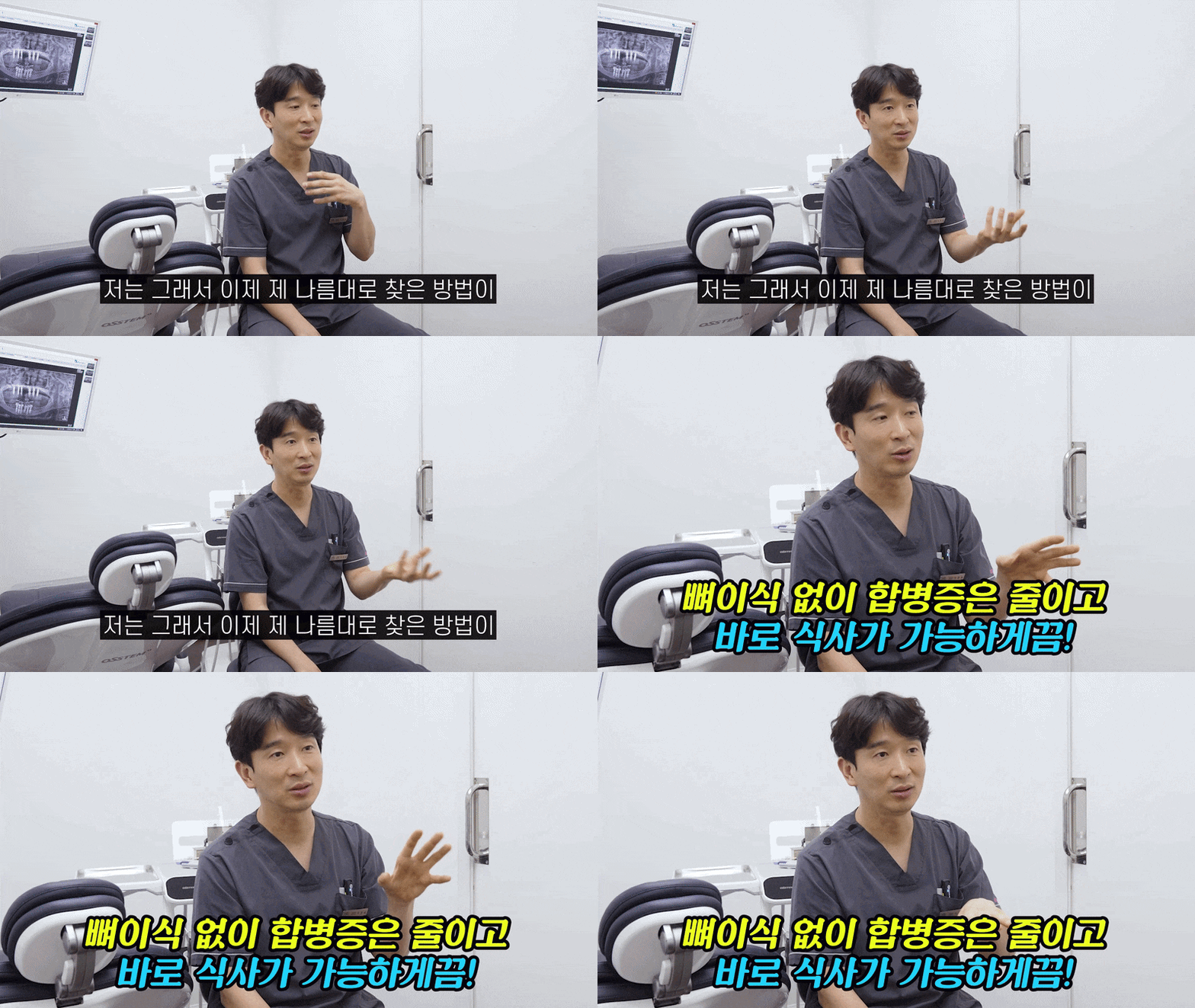
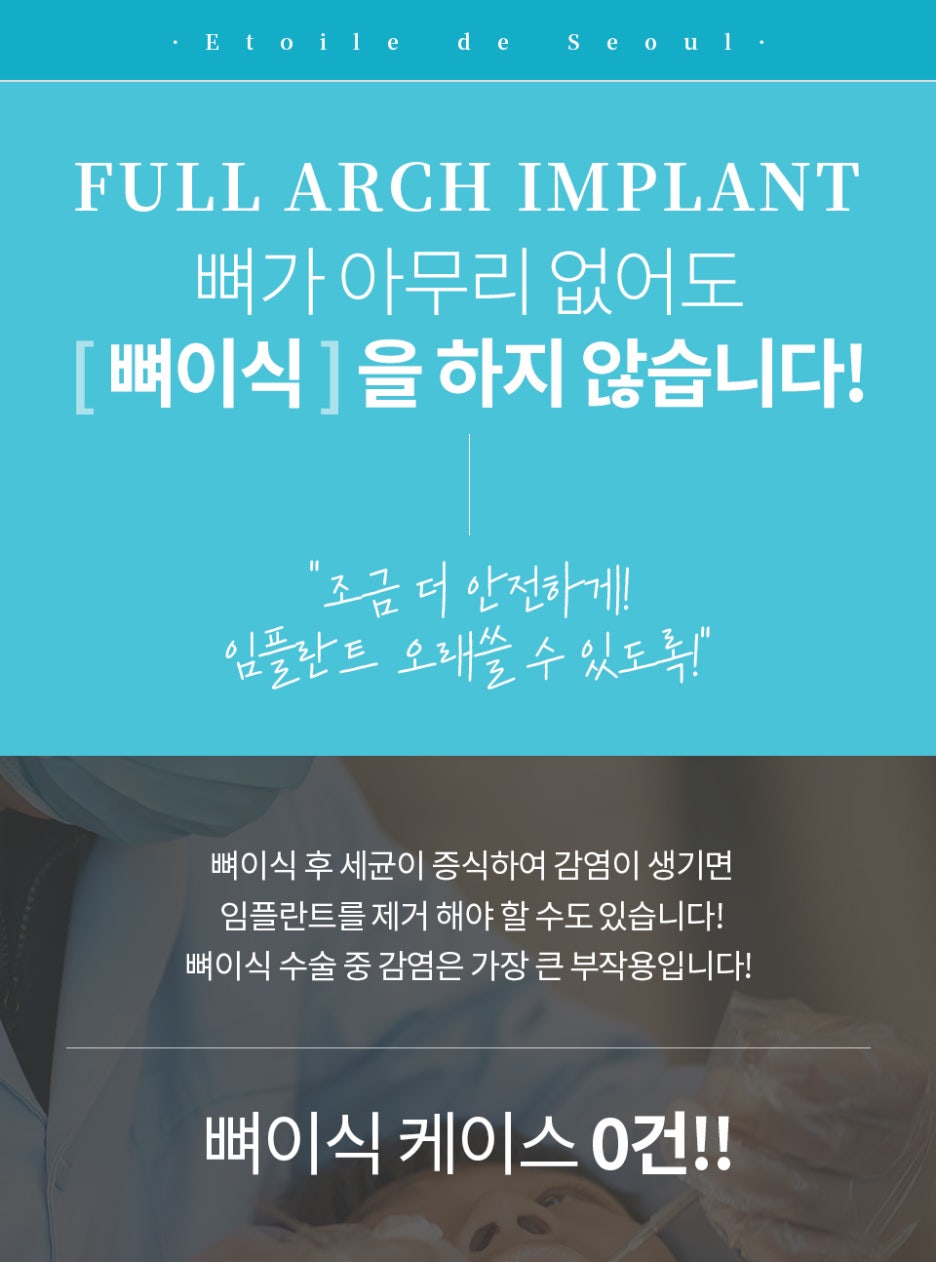
Nobon Arch implants are known as a method designed to reduce this burden.
The principle of supporting an entire arch with a small number of implants
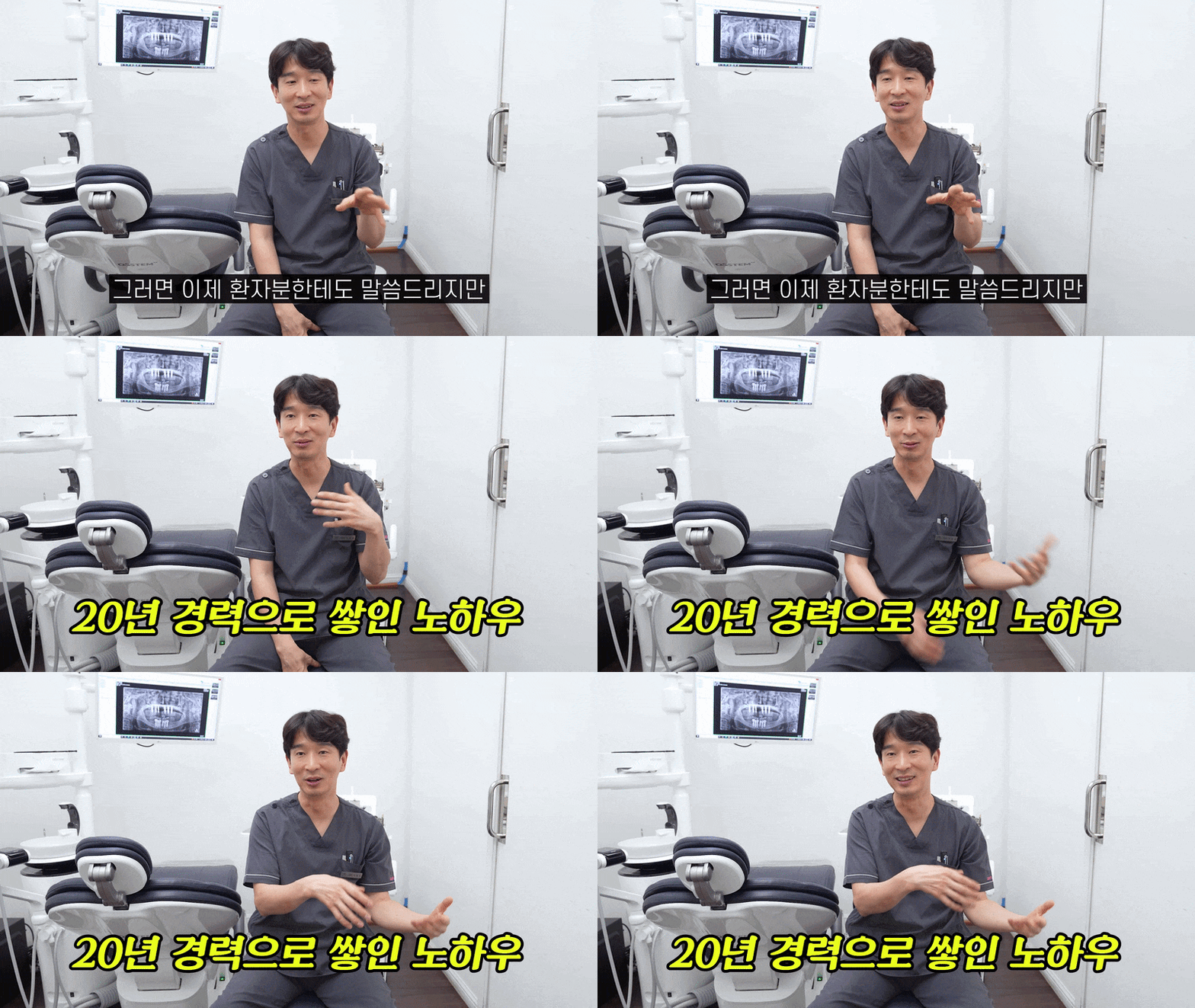
The key is a fixed prosthetic approach that supports one arch—that is, the entire upper or lower jaw—with approximately four to six implants.
The angle at which the implants are placed to make maximum use of the remaining bone is important.
By selecting areas where the bone remains relatively strong and placing the implants at an angle, it is often possible to create a foundation for supporting the prosthesis without a grafting procedure to fill areas of insufficient bone.
Rather than densely placing posts throughout soft ground, this can be compared to selecting firm ground and positioning several posts at precise angles to support an entire structure.
This method focuses on evenly supporting the entire arch with a small number of implants.
Points considered during preliminary diagnosis and the prosthetic process
An important part of this process is preliminary diagnosis using 3D CT.
Based on the captured images, a simulated implant placement is performed on a computer, and the location and angle of implant placement are planned in advance to avoid nerves and blood vessels.
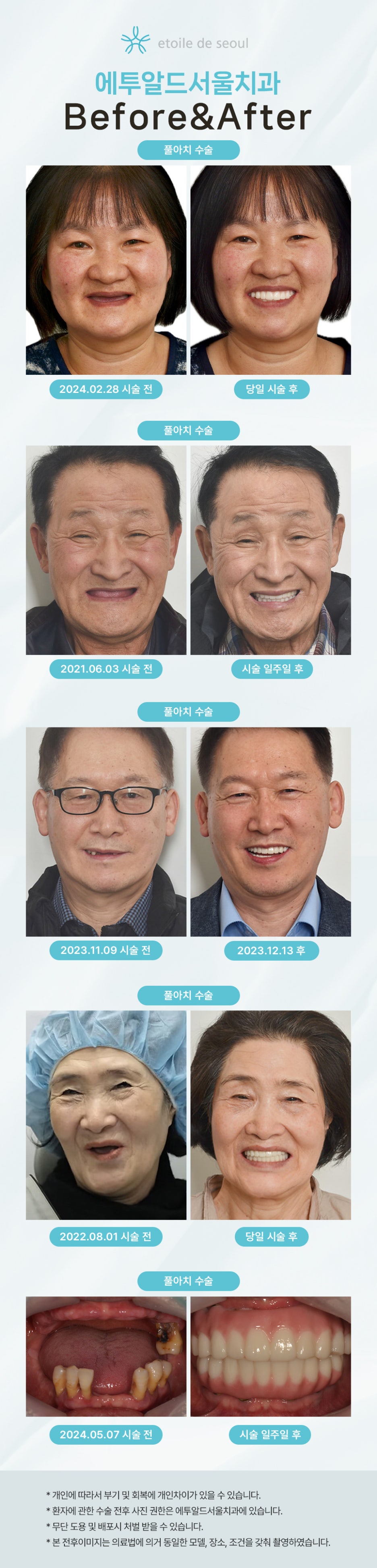
Because the implants can be placed in the planned locations while minimizing incisions, some cases proceed with temporary prostheses being fitted on the day of implant placement.
However, the timing of returning to eating and everyday activities may vary depending on the condition of the gums and bone, so there can be individual differences.
After the gums have healed and the implants have become settled, the final prostheses are completed after an appropriate period using materials such as zirconia.
Nobon Arch implants also proceed through these steps.
How to maintain them for long-term use
Even a well-made prosthesis may have a different service life depending on how it is maintained.
While using temporary prostheses, it is better to avoid hard or chewy foods and choose soft meals to give the gums and implants time to stabilize.
After the final prostheses are fitted, daily brushing, flossing, and use of interdental brushes are necessary, just as with natural teeth. This is because food debris and bacterial plaque accumulating around implants can cause inflammation in the gums.
Regular dental visits for checking the condition of the implants and surrounding gums, along with scaling, may help with maintenance.
Smoking can delay the healing process of the gums, so reducing or stopping smoking before and after implant placement is recommended.
Every mouth is different
Even when a person has no teeth, the amount and location of the remaining bone, the bite between the upper and lower jaws, and overall health differ from person to person.
Therefore, rather than applying a fixed answer uniformly, it is necessary to examine the patient’s condition through CT and an oral scan and discuss a plan suited to that individual.
Nobon Arch implants are not equally suitable for everyone. If there is still a possibility of preserving natural teeth, examining that option first may take priority in some cases.
It is advisable to make these decisions based on sufficient diagnostic information.
A decision based on thorough consultation
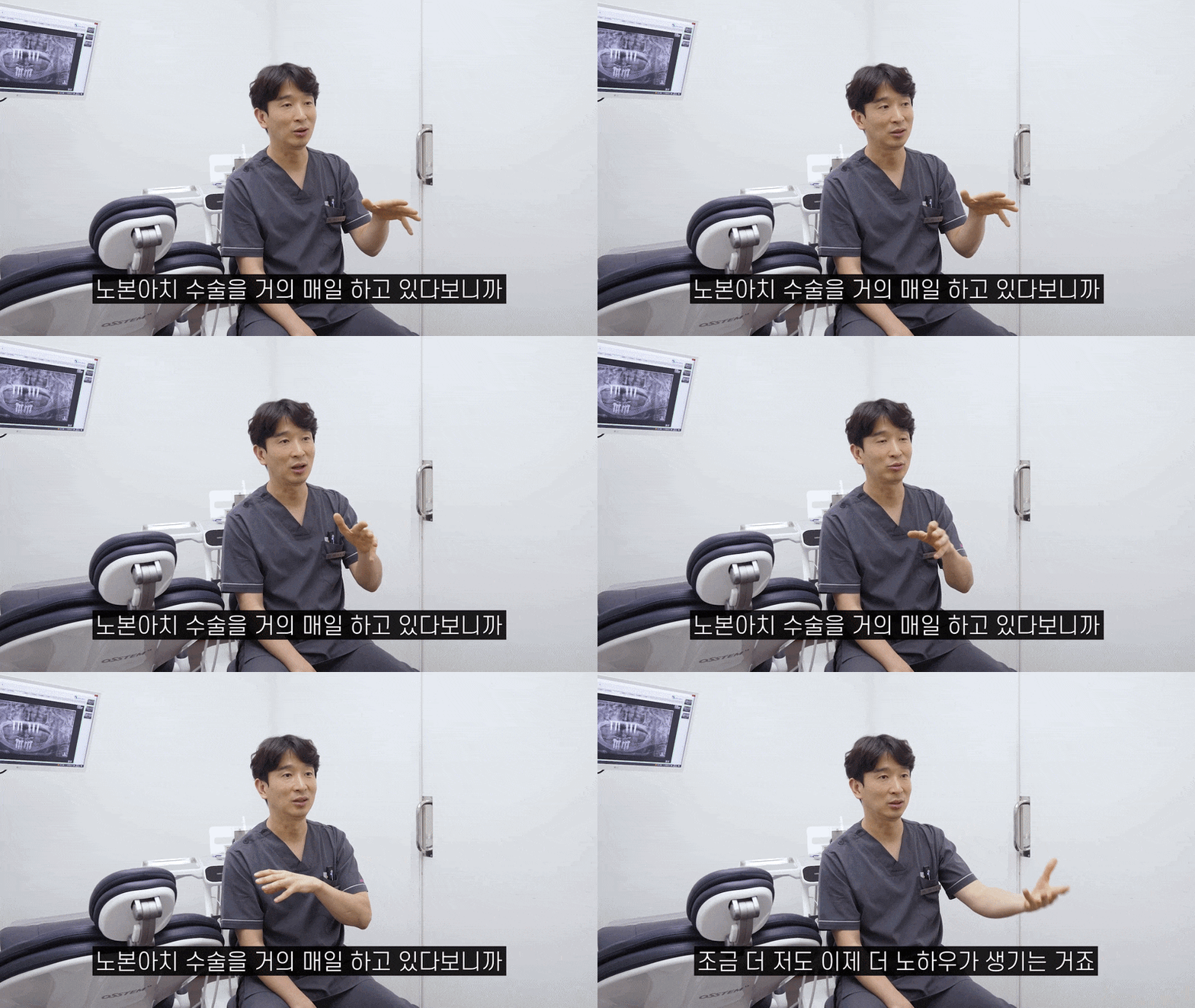
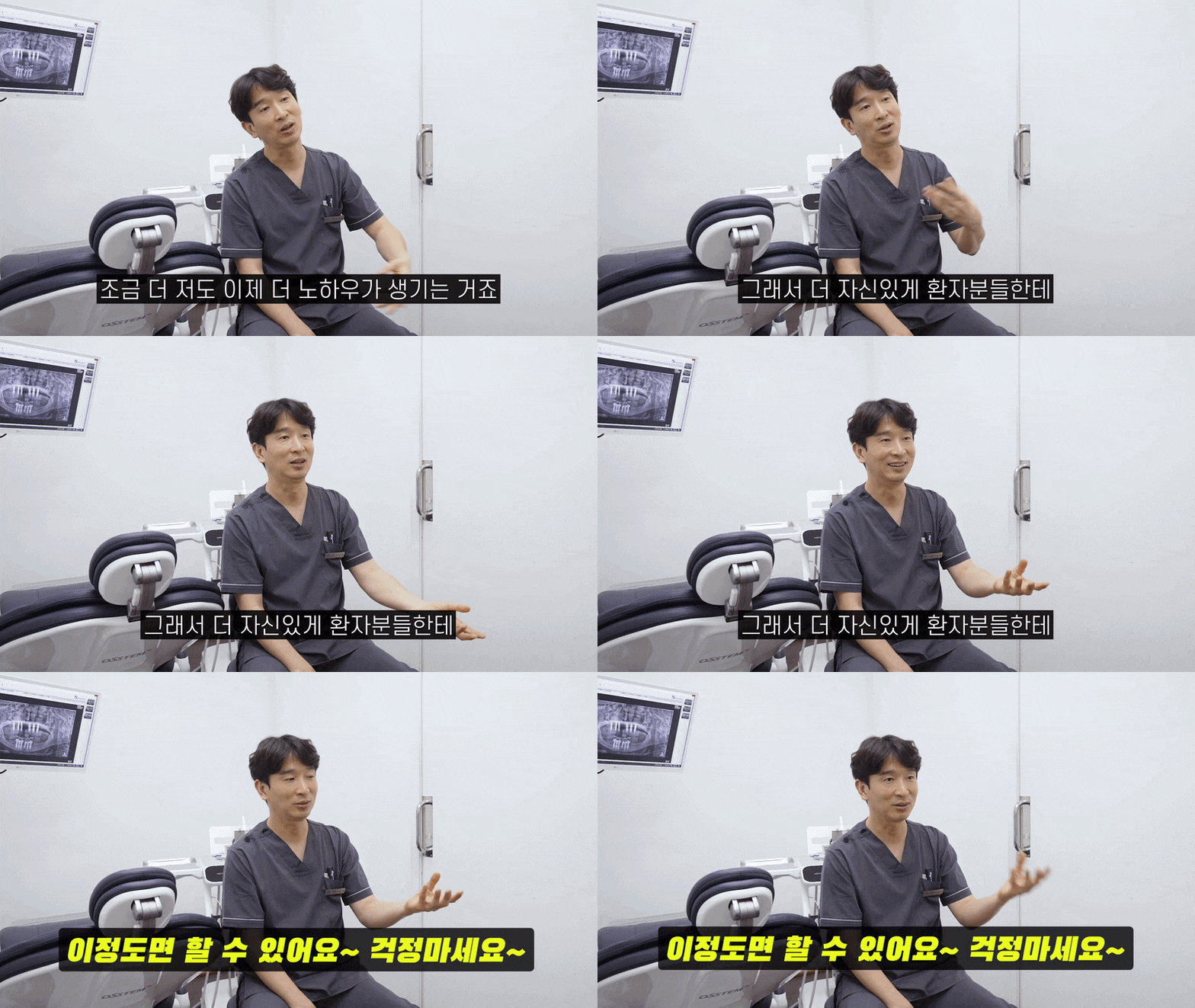
If you have been concerned for a long time about having no teeth or insufficient jawbone, the starting point is to accurately examine the condition of your own mouth.
Nobon Arch implants are one option that may be considered when the jawbone is insufficient, but they are not applied in the same way to every situation.
It is advisable to determine the appropriate direction after considering each person’s bone condition, overall health, lifestyle, and other factors together.
Carefully comparing the options and making a decision based on accurate information may help you make a sound choice.











Previous image
Next image









Previous image
Next image