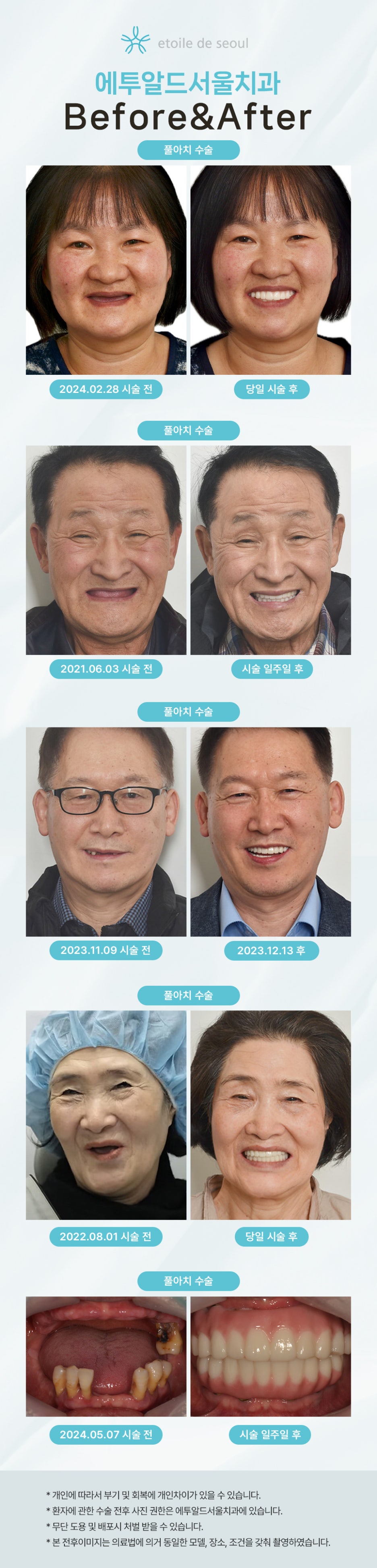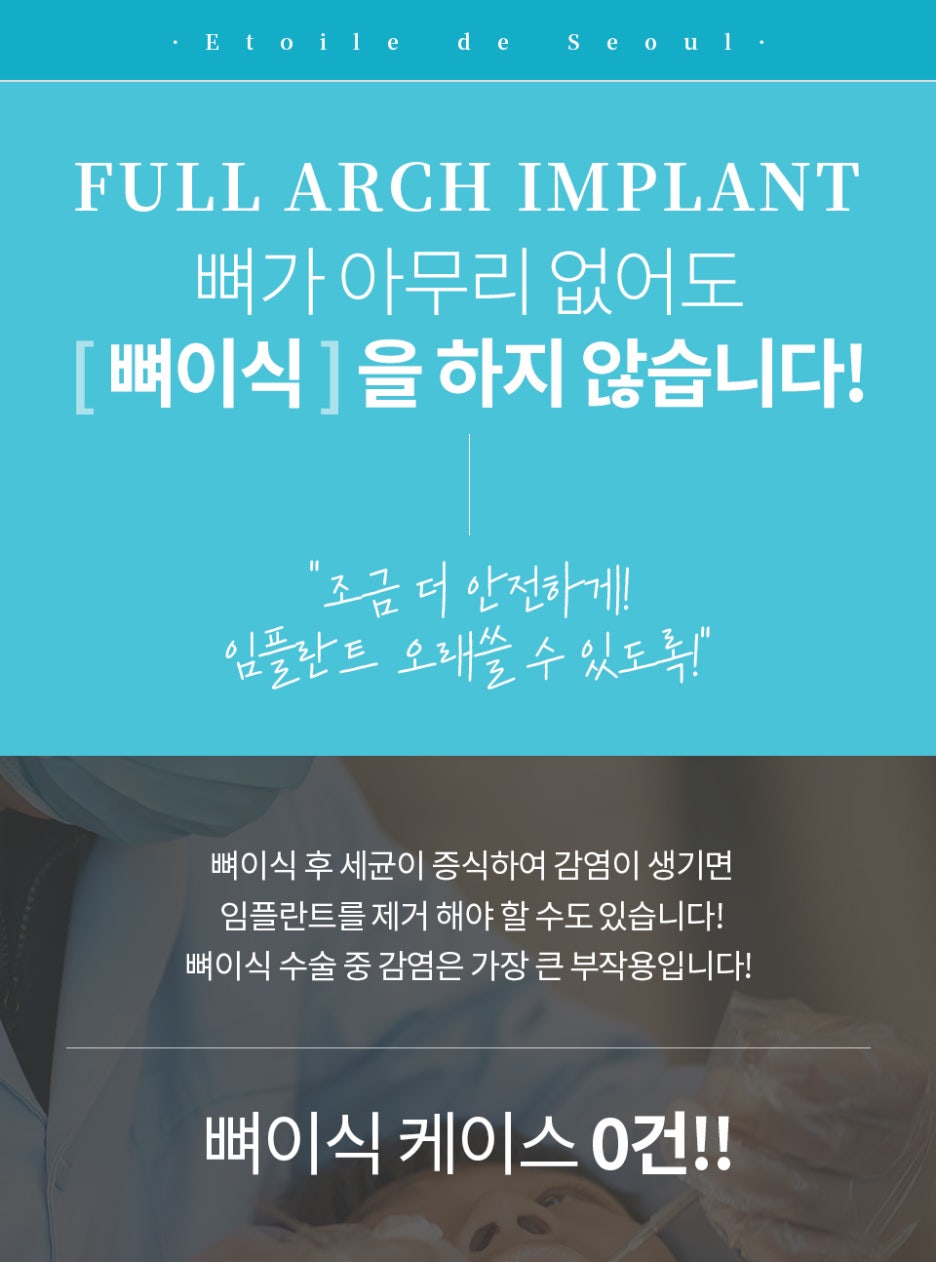
After years of getting by with dentures,
it may be time to consider a different path
If you opened this post today, you may have been struggling for a long time after losing the joy of eating comfortably.
Some of you may be looking into options on behalf of your parents, thinking, “My parent can’t even eat their favorite foods because their teeth may be hurting. Is there any other option besides dentures?”
Others may find every meal difficult because their long-used dentures keep moving around or falling out. Perhaps you searched for “the difference between full-arch implants and implant dentures” and ended up here.
I’ll explain the three options just as I actually discuss them in the consultation room, so that you can organize them clearly in your mind through this one post.
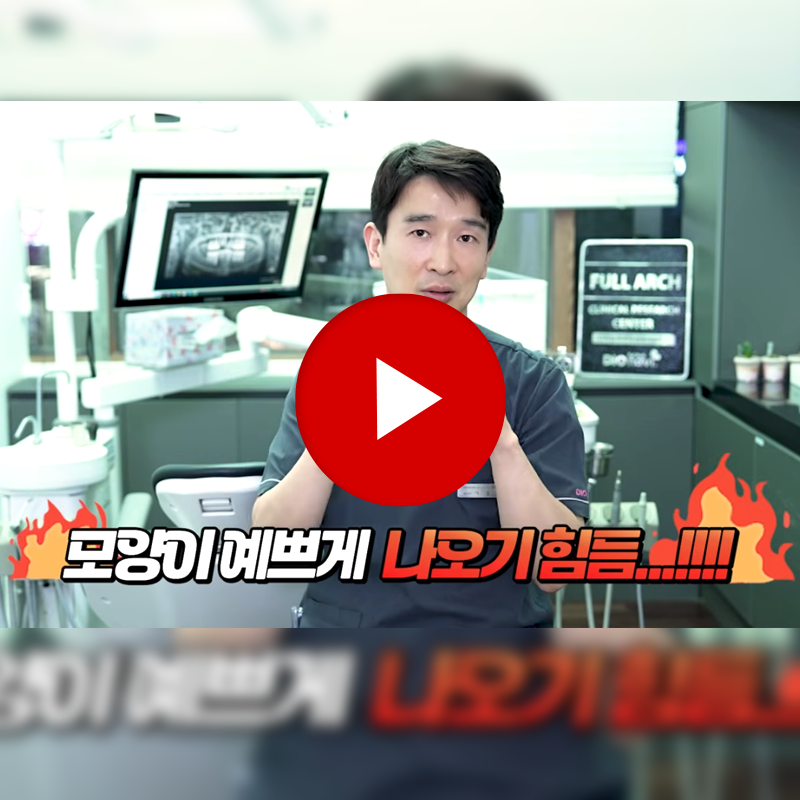
✨ Watch the Chiterior YouTube video ✨
(Click)
Full-mouth implants, implant dentures, and full-arch implants
❗How to save 10 million won at the dentist with one video!❗
I understand the concern
you have been putting off for so long
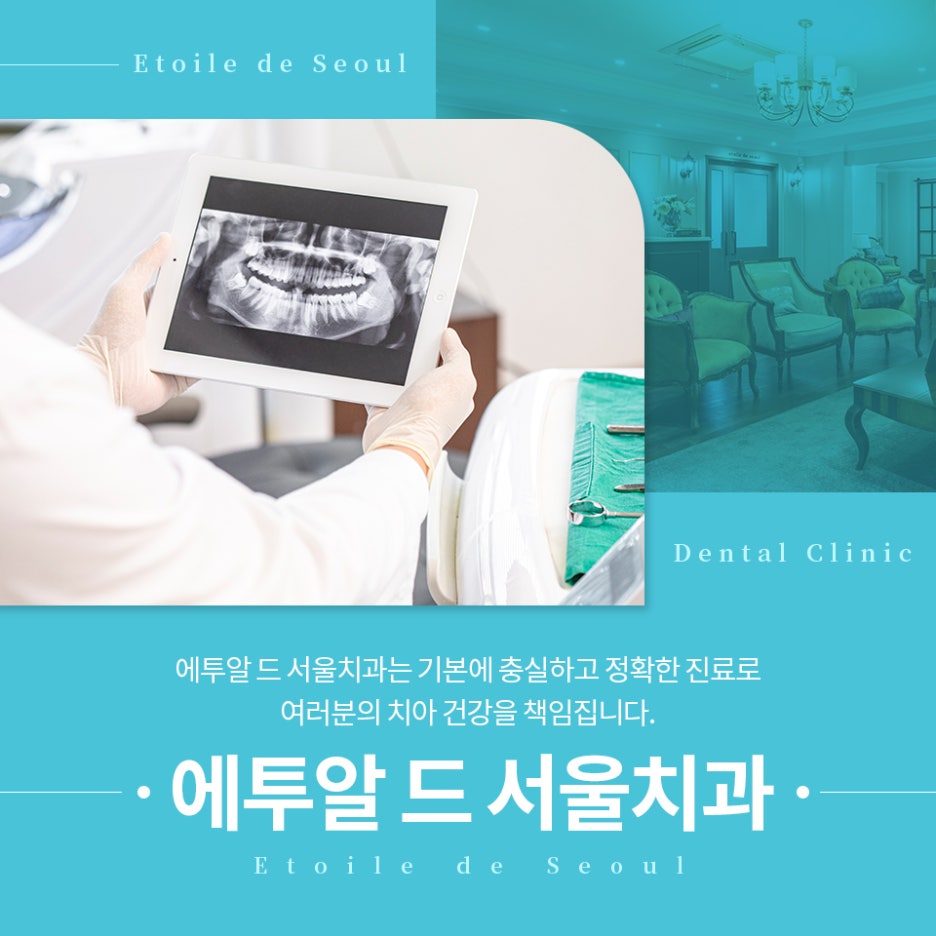
I know how much courage it can take just to lie back in a dental chair.
When the sound of the equipment, vague fears, and various stories you have heard from others all pile up, it is not easy to take that first step.
In particular, if you have lost several teeth—or all of them, a condition known as edentulism—you may be worried, thinking, “Can I handle major surgery at my age?”
Having faced these concerns in the consultation room for more than 20 years, I’ll explain things one by one using simple comparisons rather than difficult or frightening terms.
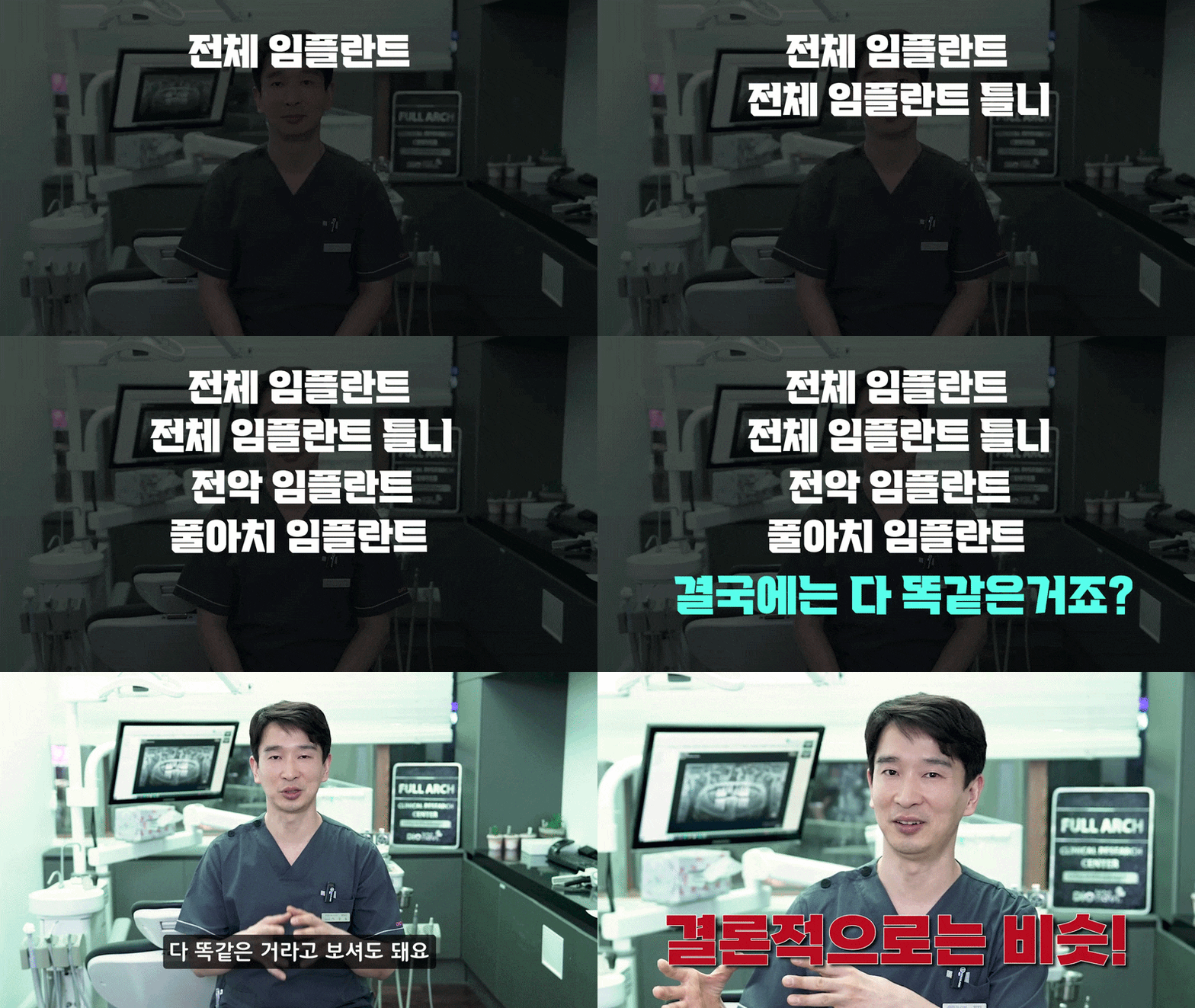
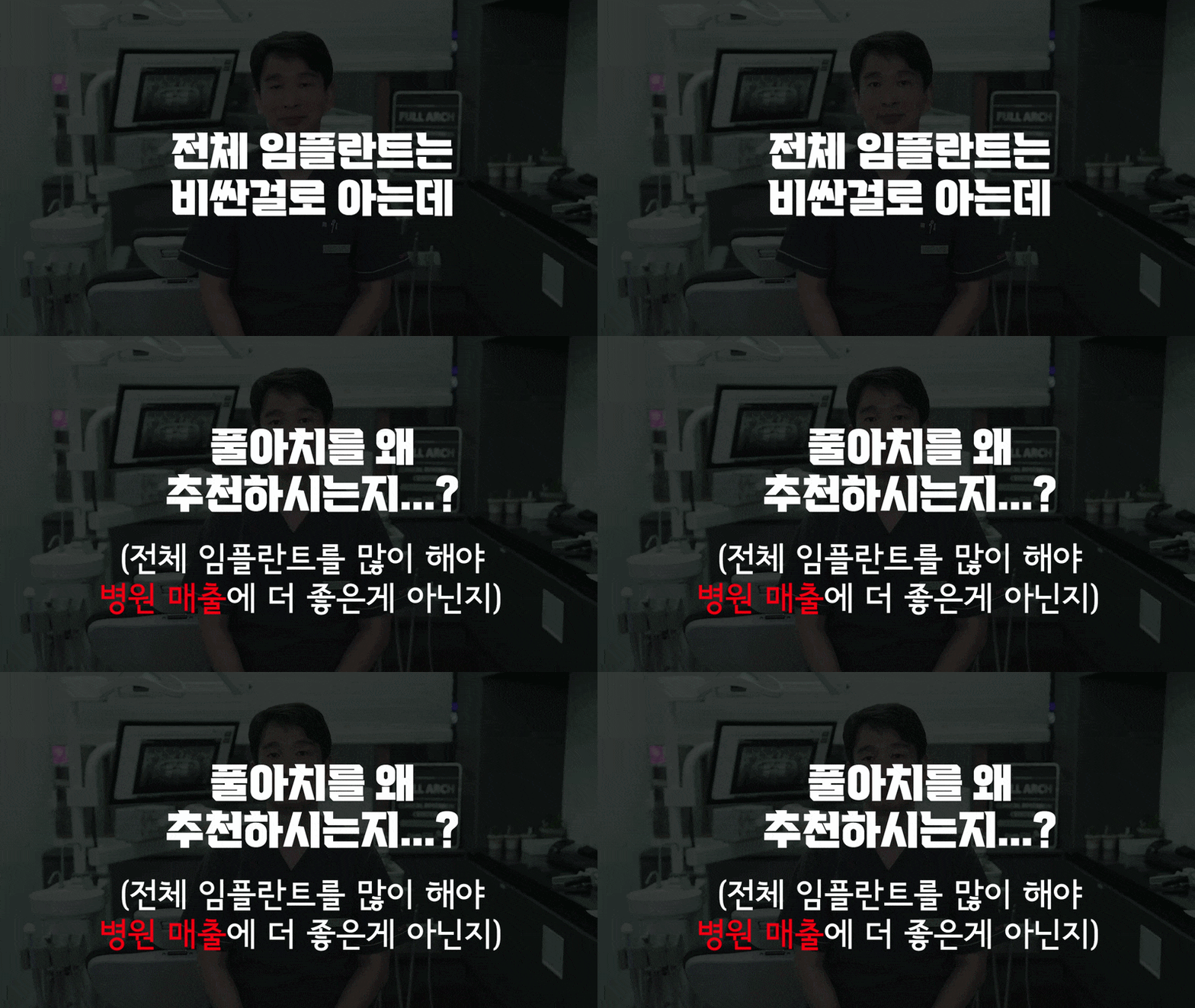
What exactly is full-arch implant treatment?
Before discussing “the difference between full-arch implants and implant dentures,” let’s first clarify what “full-arch” means.
When all the teeth in one arch—the upper or lower jaw—are missing, placing one implant for every tooth increases the number of implants, the cost, and the physical burden.
Full-arch implant treatment involves securely placing just four to six implant posts and placing an entire bridge on top of them.
The principle is similar to supporting the entire deck of a long bridge with several piers. As a result, even for people with insufficient jawbone, implants can often be placed at an angle to reduce the need for bone grafting.
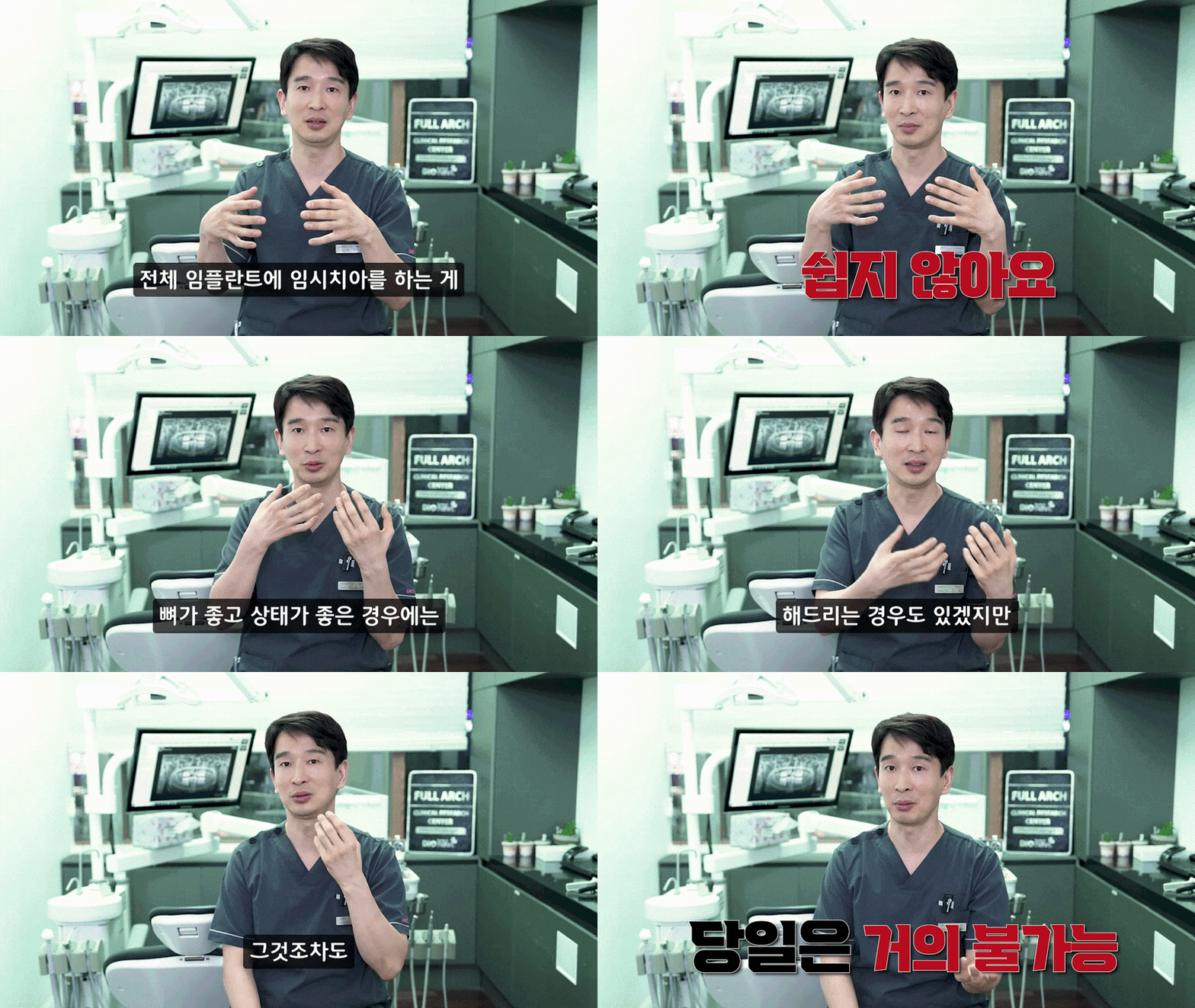
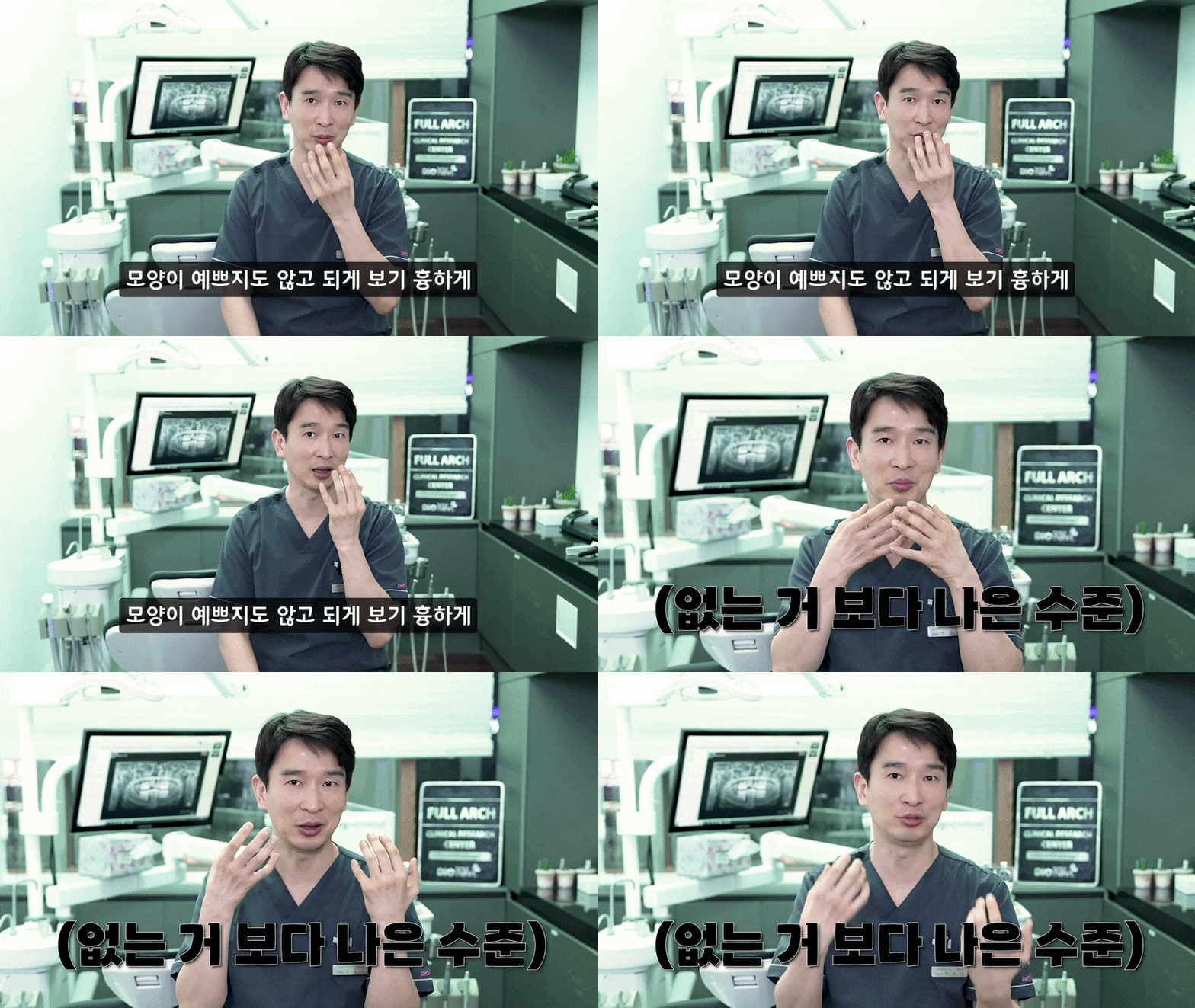
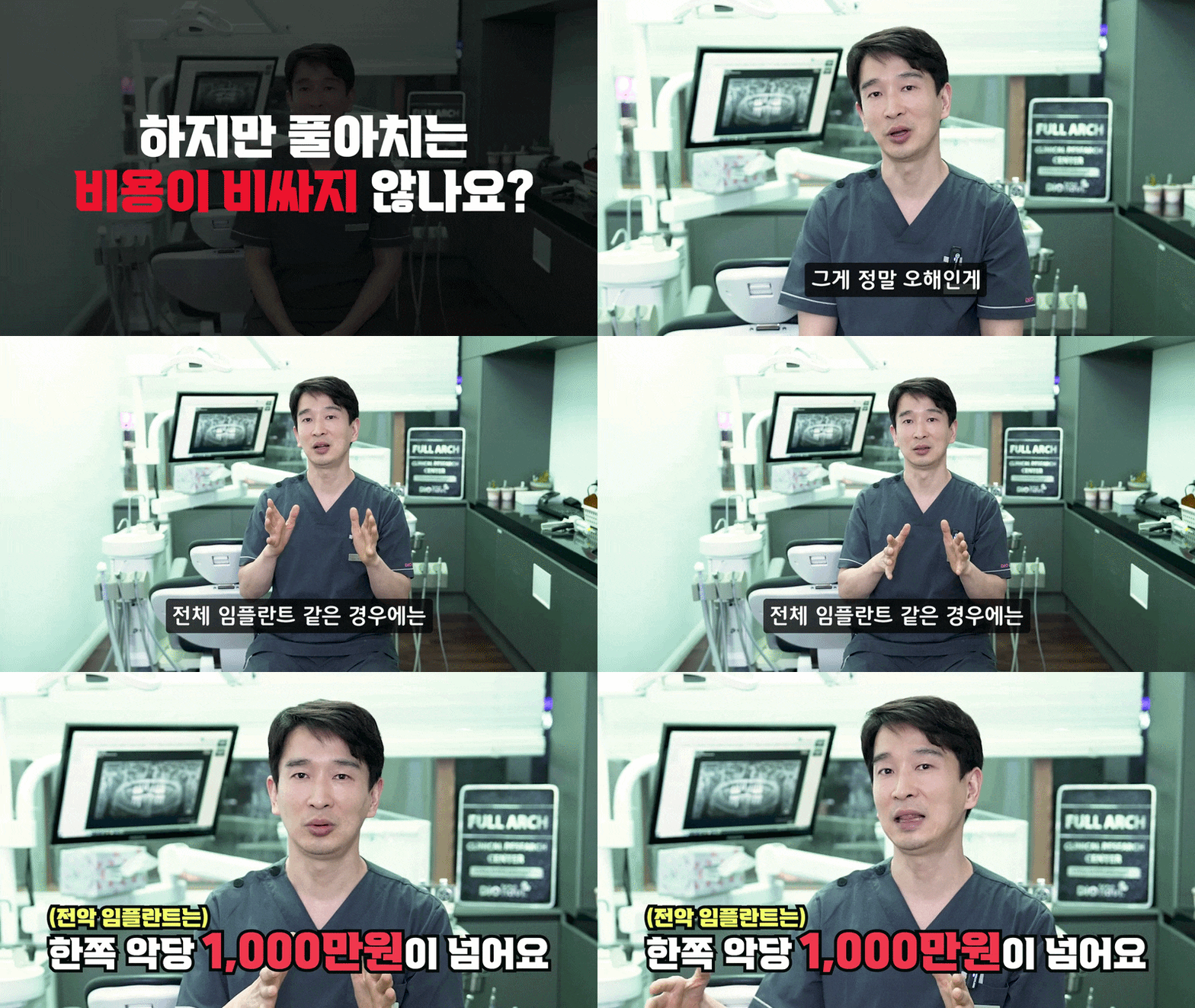
Three paths
Conventional implants, implant dentures, and full-arch implants
When you ask me about “the difference between full-arch implants and implant dentures,” I explain the options as follows.
First, conventional implants are placed individually for each missing tooth. They are sturdy, but the burden increases as the number of implants grows.
Second, implant dentures involve placing several posts in the gums and attaching and removing a denture on top of them.
The inconvenience of removing and cleaning them every day remains, and chewing ability is generally reported to be about 60–80% that of natural teeth.
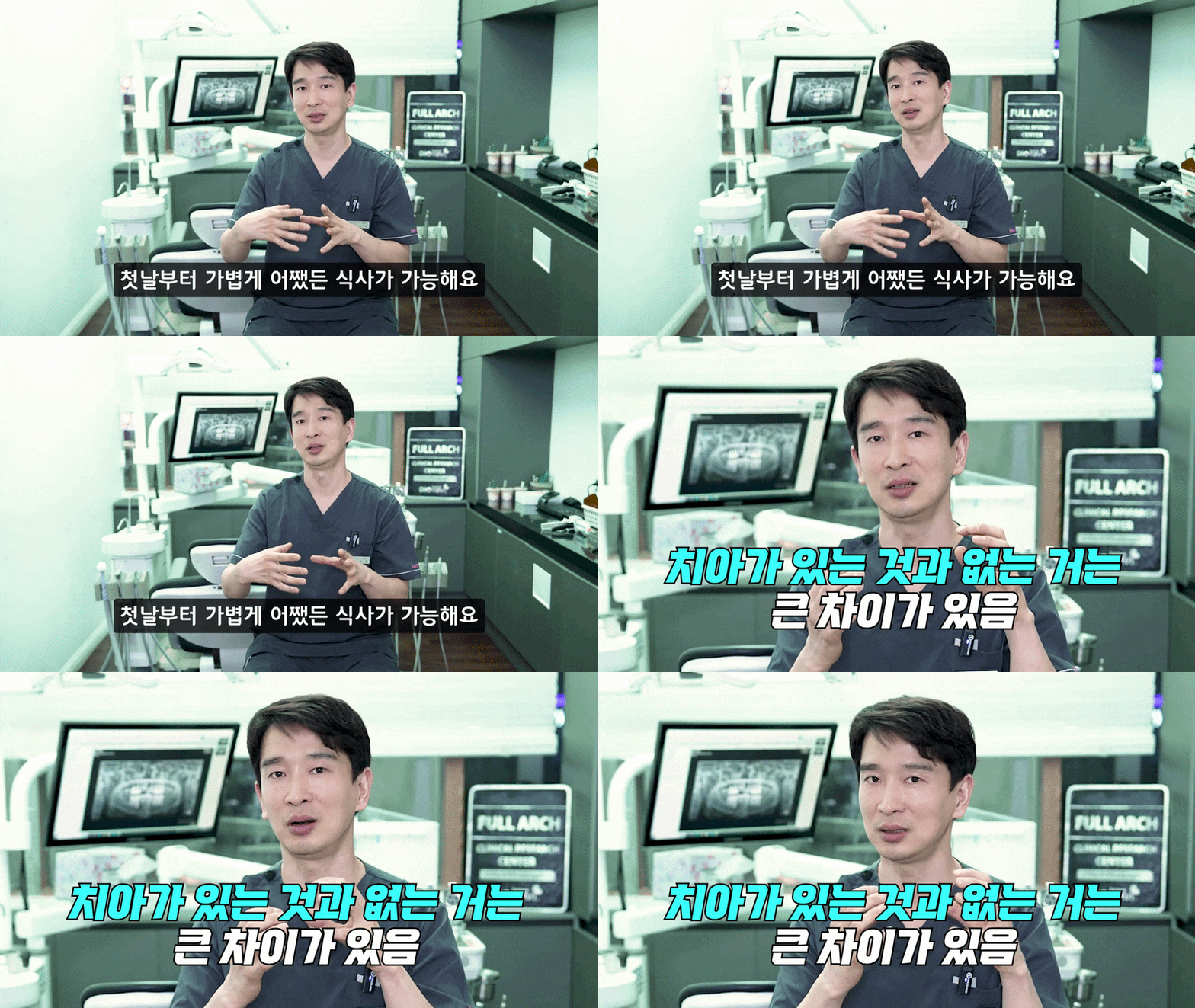
Third, full-arch implants involve permanently fixing the prosthesis to those posts, so it does not move inside the mouth. Chewing ability is also reported to recover to approximately 90% that of natural teeth.
Unlike removable dentures, they can be cared for by brushing, as you would your natural teeth.
Each approach has clear advantages and disadvantages, so the key is to choose according to the condition of your jawbone and your lifestyle.
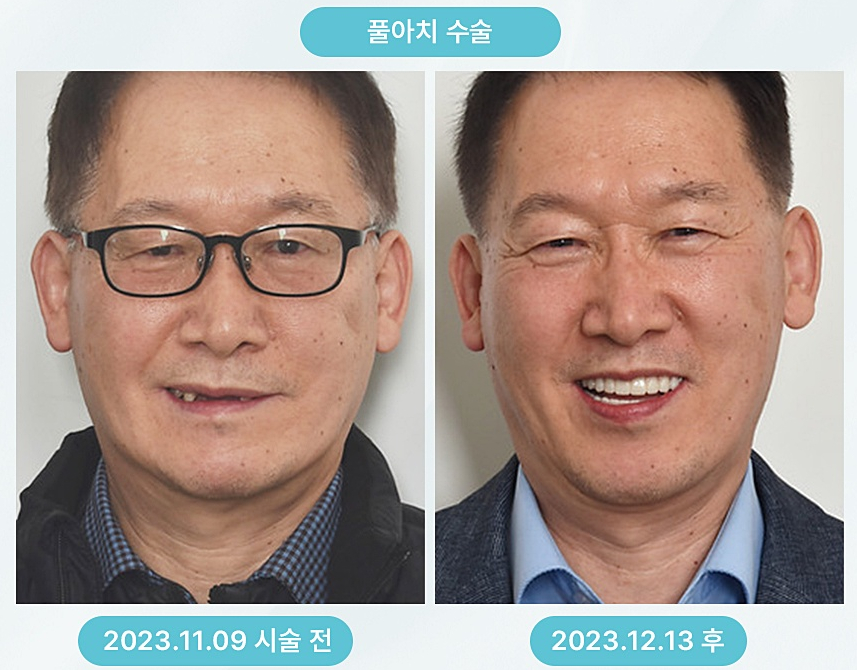
The questions I hear most often in the consultation room
It is rare for a question to come up more often in the consultation room than “the difference between full-arch implants and implant dentures.”
I have selected and included just a few of the most common ones.
Q1. What is the actual difference between full-arch implants and implant dentures?
A. The biggest difference is whether they are “fixed or removable.” Implant dentures are structured so that a denture is attached to posts. They can be removed for cleaning, and chewing ability is about 60–80% that of natural teeth.
With full-arch implants, the prosthesis is fixed in place and does not move inside the mouth. Chewing ability is also known to reach approximately 90% that of natural teeth. If convenience in care and the sensation of chewing are important to you, a fixed option may be a better fit.
Q2. I have very little jawbone. Is this still possible for me?
A. Treatment is often possible even when bone is insufficient. By planning in advance with a 3D CT scan and placing the implants at an angled position, the posts can be stabilized while reducing the need for bone grafting. However, there are significant individual differences, so imaging and diagnosis come first.
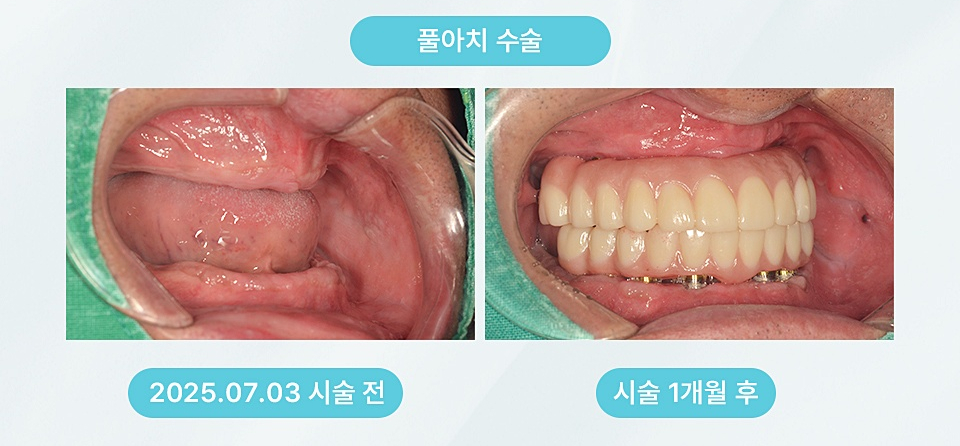
Q3. Can my elderly parents undergo this treatment as well?
A. It can be a good option for people who have difficulty making multiple visits or for older adults who find dentures uncomfortable. Even if they have diabetes or high blood pressure, treatment is generally possible when these conditions are well controlled. We first check their overall health before making a plan.
Q4. How much does it cost?
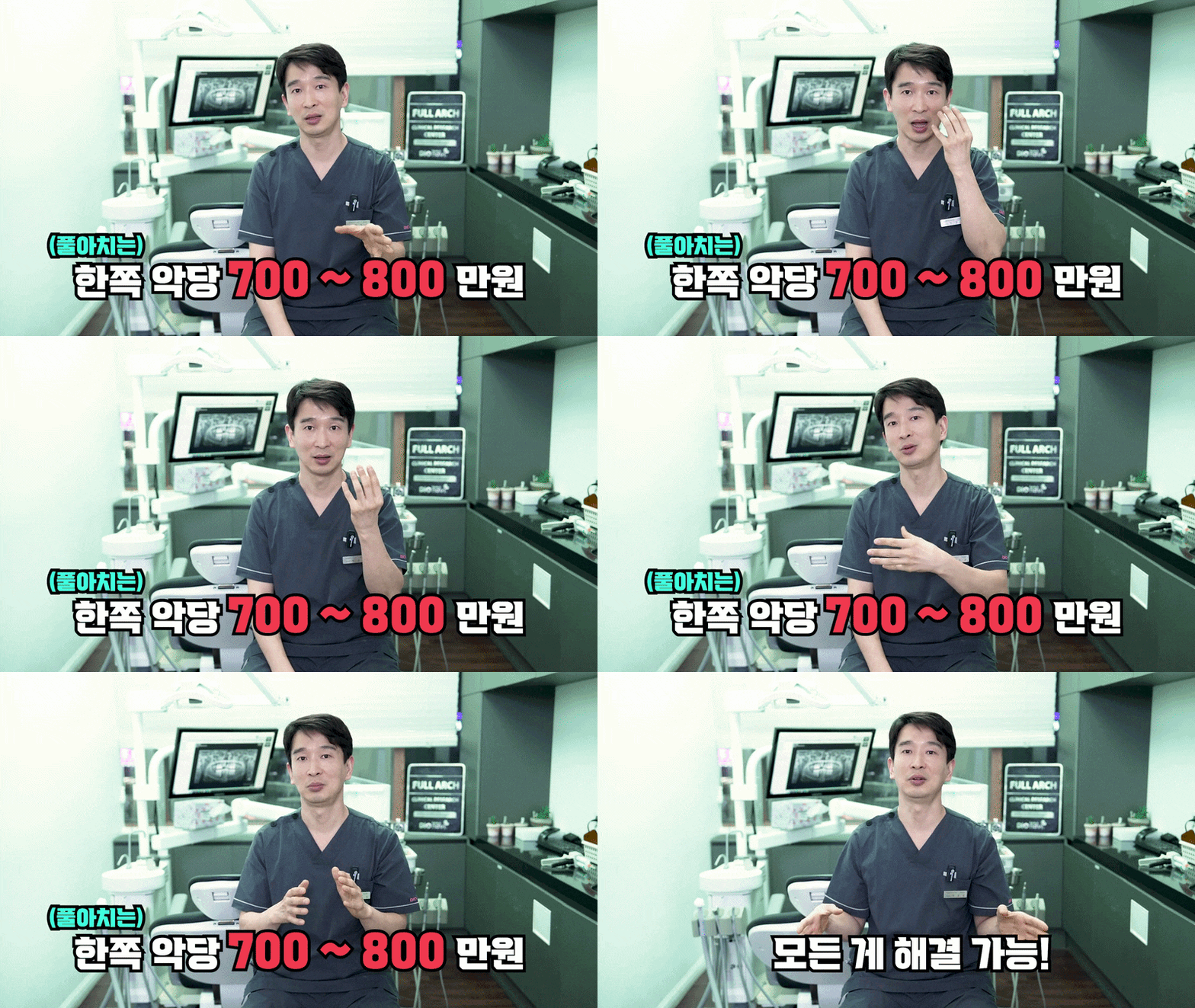
A. The cost varies depending on the condition inside the mouth, the materials used, and whether additional procedures are needed, so it is difficult to give a single fixed price. However, because fewer posts are needed than when replacing every tooth individually with an implant, the burden is often reduced. Like a custom-made suit tailored to your body, the exact cost is explained after diagnosis.
Finally, information about appointments
If you have read this far, I hope “the difference between full-arch implants and implant dentures” is now somewhat clearer in your mind.
All three approaches have their own place, so I hope you will take your time and consider which path best suits your situation based on the criteria reviewed today.
Below are directions and appointment hours.
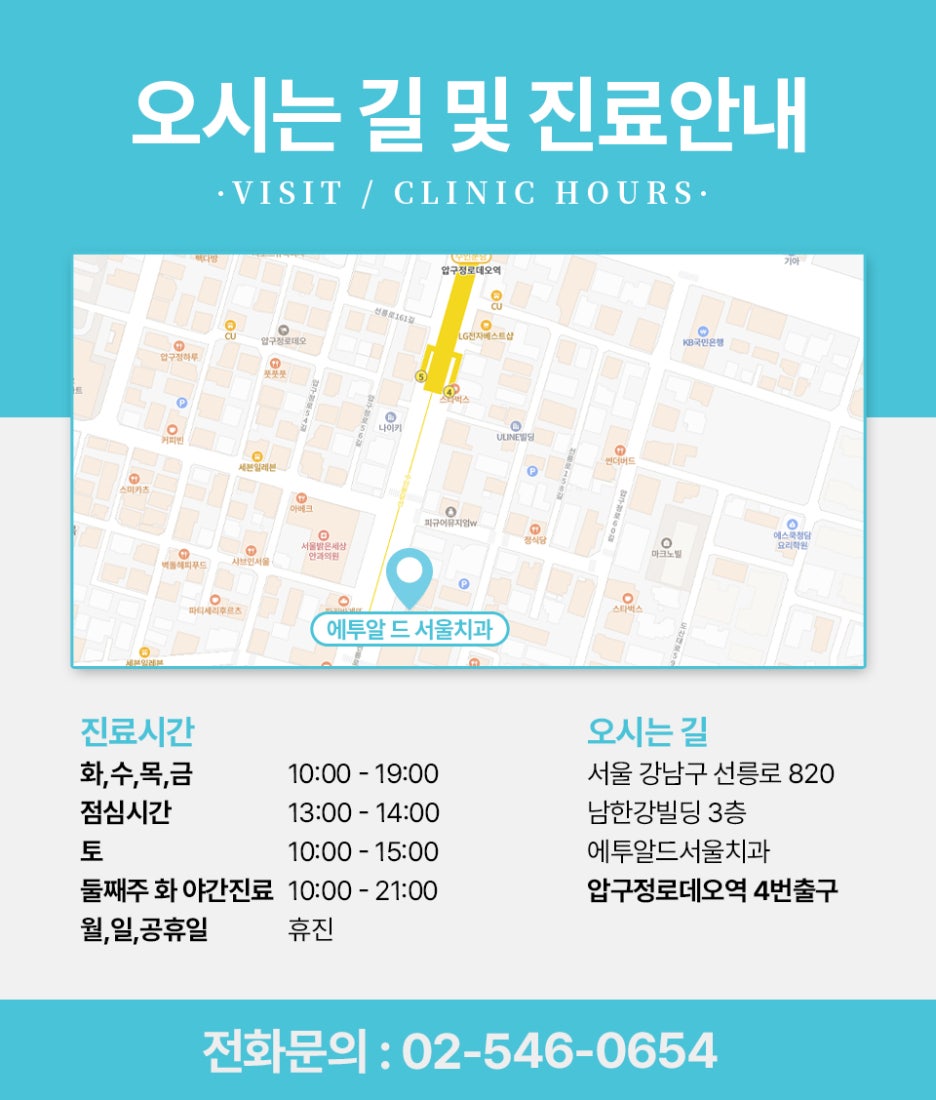
📍 3rd Floor, Namhangang Building, 820 Seolleung-ro, Gangnam-gu, Seoul
📞 02-546-0654
🕙 Appointment hours
· Tuesday–Friday 10:00–19:00 (Lunch 13:00–14:00)
· Saturday 10:00–15:00
· Evening appointments until 21:00 on the second Tuesday of each month
· Closed on Mondays
I hope this post will be of even a little help as you sort through the decision you have been putting off for so long.