The person who covered her mouth
as soon as she sat down in the consultation room
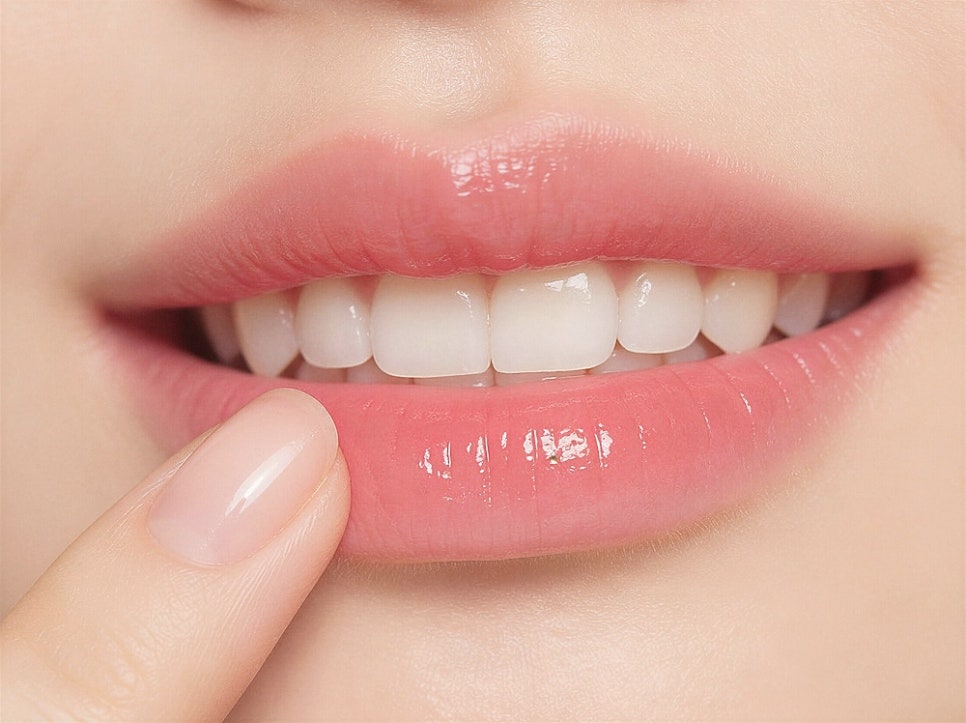
A woman in her mid-30s covered her mouth with her hand as soon as she entered the consultation room.
Even as she began speaking, she could not lower her hand.
She said that her two front teeth had gradually become dark and gray over the past several years. One day, after seeing a photo of her face taken while she was giving a presentation at a meeting, she could not sleep that night.
She then learned about no-prep veneers in Apgujeong, but said she had actually turned away from the hospital entrance three times.
When I asked why, she replied, “It’s good that they don’t require shaving, but I heard that they can come off quickly or not last more than a few years.”
I would like to share the conversation we had that day just as it happened.
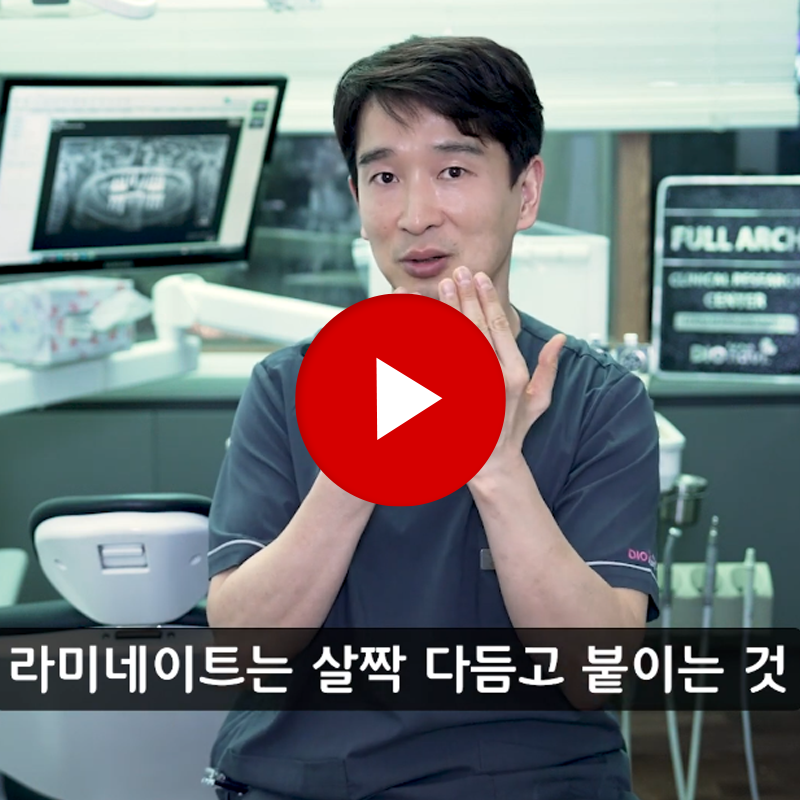
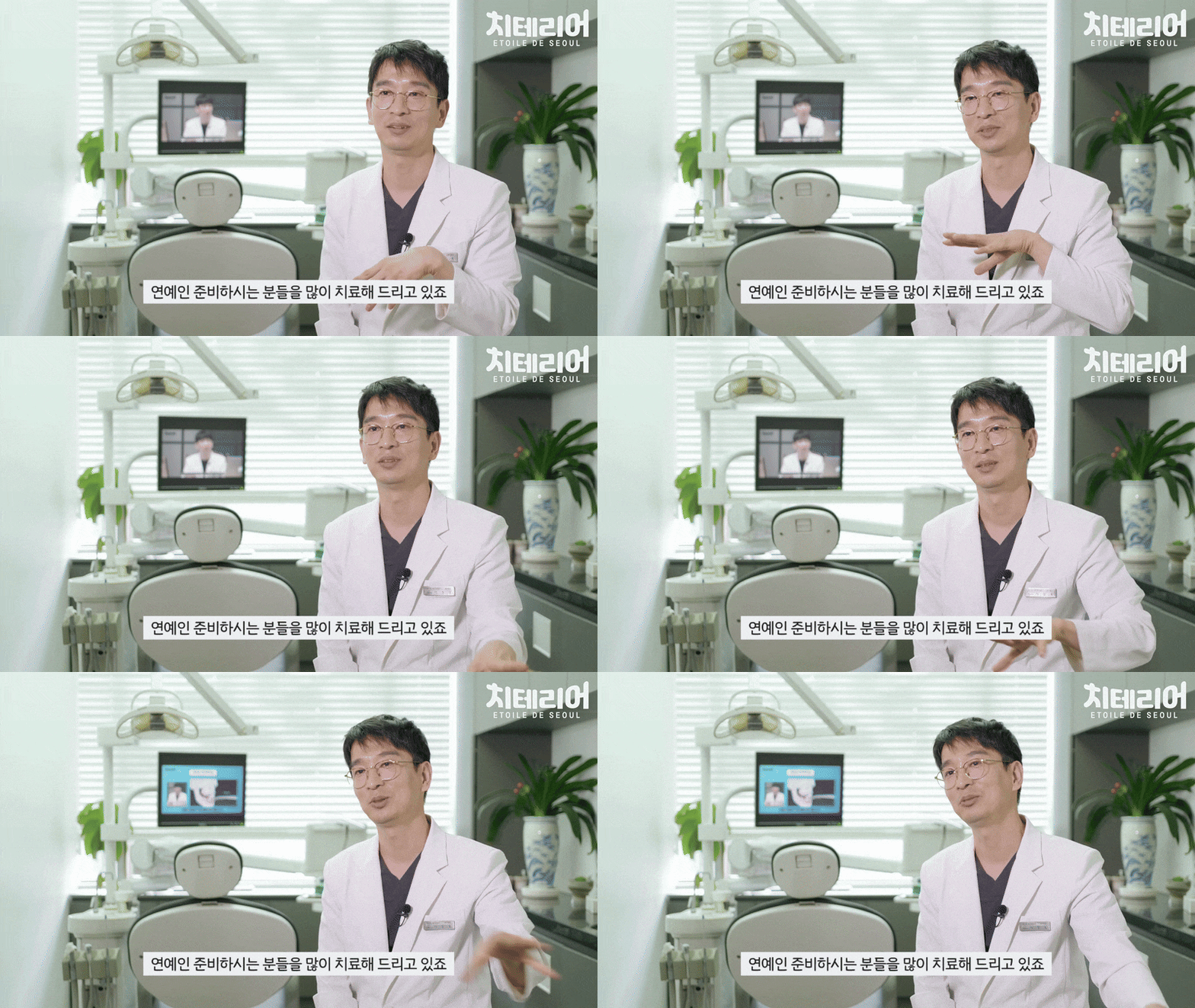
✨ Watch the Chiterior YouTube video ✨
(Click)
A clear and brighter-looking smile
❗A way to reshape teeth without removing tooth structure❗
What she was
really afraid of
As I listened more closely, I realized that her concern actually had two layers. On the surface, it was “I’m afraid they won’t last long,” but underneath was the fear that “I might unnecessarily interfere with my perfectly healthy teeth and lose them.”
She said she had heard stories from people around her who experienced prolonged sensitivity after having their front teeth shaved down.
When she asked, “Am I being unusually scared?” I told her that was not the case at all.
The front teeth are the first part of the face people notice, and she instinctively understood that once they were altered, it would not be easy to reverse the process. Her hesitation had, in a way, helped protect her teeth.
I explained that these two concerns were not actually opposites, but came from the same root. The less tooth structure that is removed, the more room remains for reversal—and having that option can also be advantageous for long-term use.
The surface called enamel
The outermost layer of a tooth is called enamel. It is the hardest tissue in the human body, but once it is gone, it does not grow back.
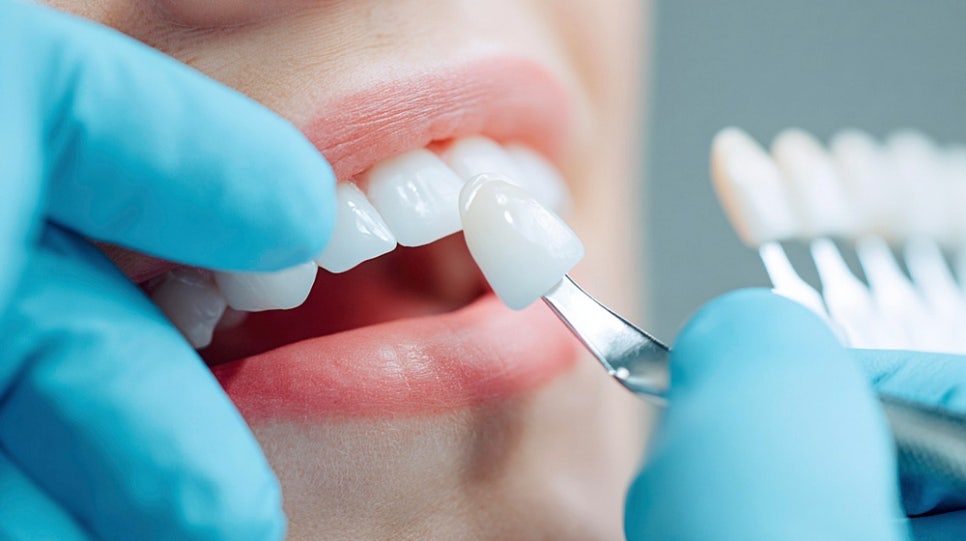
Just as attaching wallpaper to a cement wall differs from attaching it to wet plasterboard, ceramic bonds most firmly when it is attached to enamel.
However, when too much tooth structure is removed, the layer underneath—dentin—becomes exposed. Dentin contains more moisture and is softer, making it relatively less favorable for bonding.
This is where the common belief that no-prep veneers in Apgujeong do not last long is turned on its head. They are not weak because the teeth were not shaved down; rather, because they were not shaved down, the surface available for bonding remains intact.
So why do they sometimes come off?
At this point, she asked another question: “But why do we hear about cases where they actually came off?” It was a good question. The causes of ceramic veneers coming loose or breaking generally fall into three categories.
First, the bite. If the angle and force at which the upper and lower front teeth meet are concentrated on one side, the thin ceramic is placed under strain.
Second, teeth grinding and clenching. The force applied unconsciously throughout the night can be much greater than the force used for chewing.
Third, the precision of the bonding process. If even a drop of saliva or a small amount of moisture reaches the bonding surface, the bond strength can noticeably decrease.
That is why I explained that no-prep veneers in Apgujeong are not a “simple treatment,” but rather a treatment that requires more meticulous preparation precisely because the teeth are not shaved down.
The answer I gave her
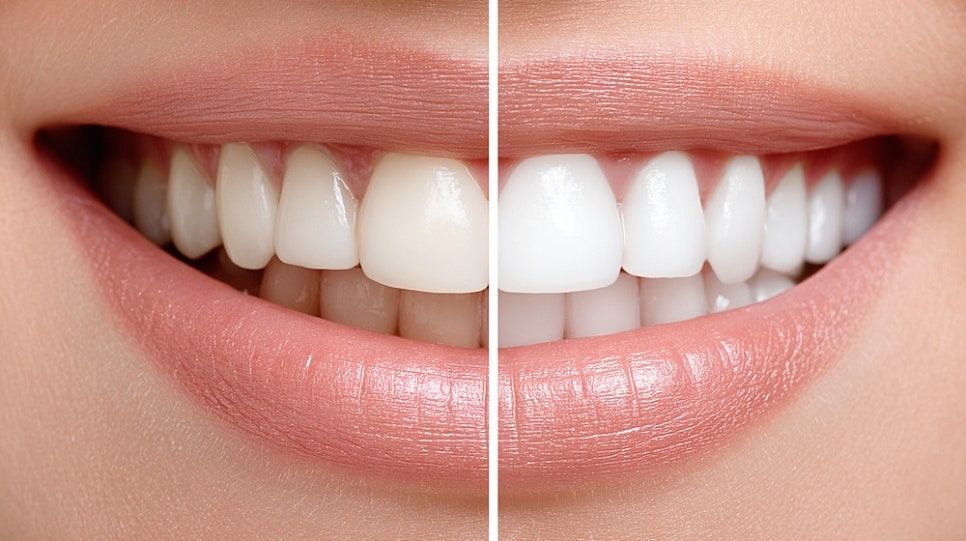
First, I suggested using a 3D intraoral scanner to reproduce the shape of her teeth and examine her bite. The thickness and angle can only be determined after checking the direction in which force is applied to the front teeth.
Next, I explained the mock-up process. This is the stage where the anticipated final shape is made in advance and placed over the teeth for evaluation. It is similar to having a garment basted before it is fully tailored.
At this stage, she could look at the result herself and choose whether the length was too long or too short.
Finally, because she showed signs of teeth grinding, I told her it would be advisable to use a night guard as well. When considering no-prep veneers in Apgujeong, habits like these are what should be examined before the material itself.
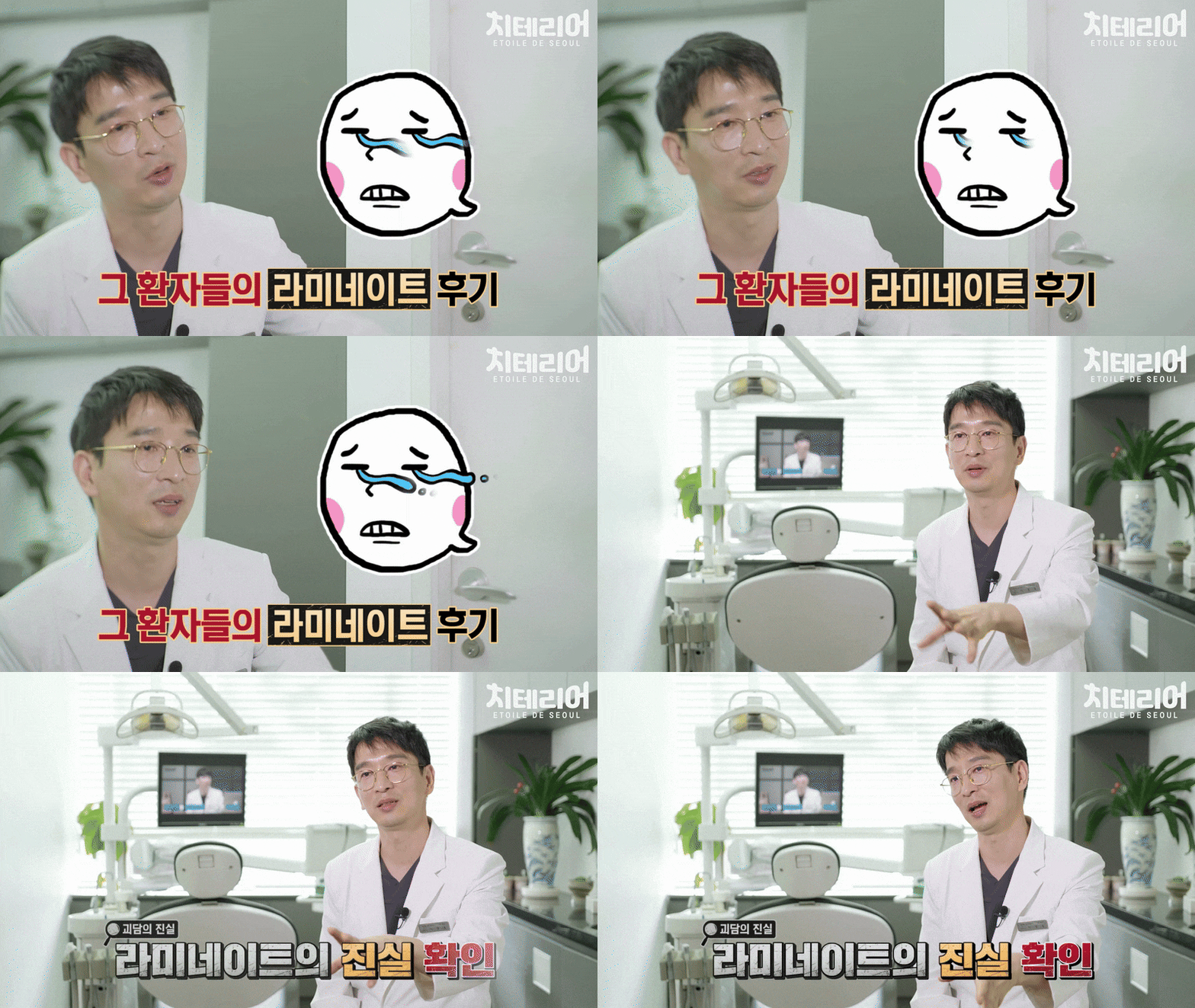
Frequently asked questions in the treatment room
Q1. Is it really possible not to shave the teeth at all?
A. It is not possible for everyone. If the teeth protrude or overlap significantly, slight reshaping within the enamel may be necessary.
Q2. How many years do they last?
A. It varies depending on the bite, habits, and level of care. Rather than stating a fixed number of years, it is better to have regular checkups to examine both the bonding surface and the gums.
Q3. Are there any side effects?
A. Sensitivity, gum irritation, and ceramic fractures may occur. Knowing about these possibilities in advance and preparing for them is different from experiencing them without any prior knowledge.
Q4. Can they be removed later?
A. The less tooth structure that is removed, the easier it is to return to the original teeth. This is also the primary reason for preserving the enamel as much as possible.
Q5. Does caring for the teeth become more difficult after the veneers are bonded?
A. Regular brushing and flossing are sufficient. However, habits such as biting your nails or chewing ice with your front teeth can place strain on thin ceramic. During regular checkups, it can be helpful to have the bonding margins examined as well.
As we finished the consultation that day
Toward the end of the consultation, she finally lowered her hand and smiled.
She said it was not because she had made a decision, but because she had sorted out what she needed to worry about and what she did not. If the thought that no-prep veneers in Apgujeong might not last long has been troubling you, I recommend shifting your focus from the material itself to the preparation process.
Because teeth do not grow back, I would like to consider with you how to remove less and use them for longer.
(This case was reconstructed from several consultations and does not identify any specific individual.)
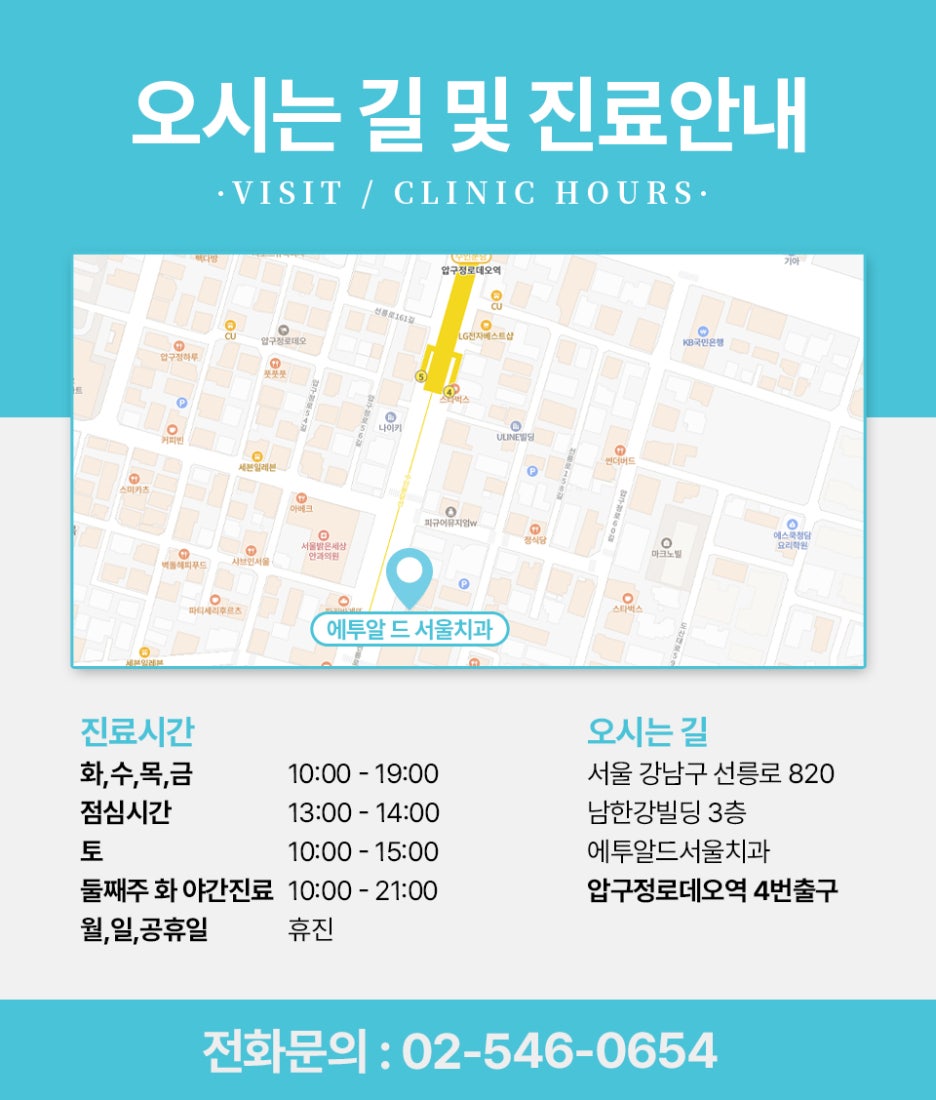
🏥 에투알드 서울치과
📍 3rd Floor, Namhangang Building, 820 Seolleung-ro, Gangnam-gu, Seoul
☎ 02-546-0654
Hours
· Tuesday–Friday 10:00–19:00
· Saturday 10:00–15:00
· Lunch break 13:00–14:00
· Evening appointments until 21:00 on the second Tuesday of each month
· Closed on Mondays