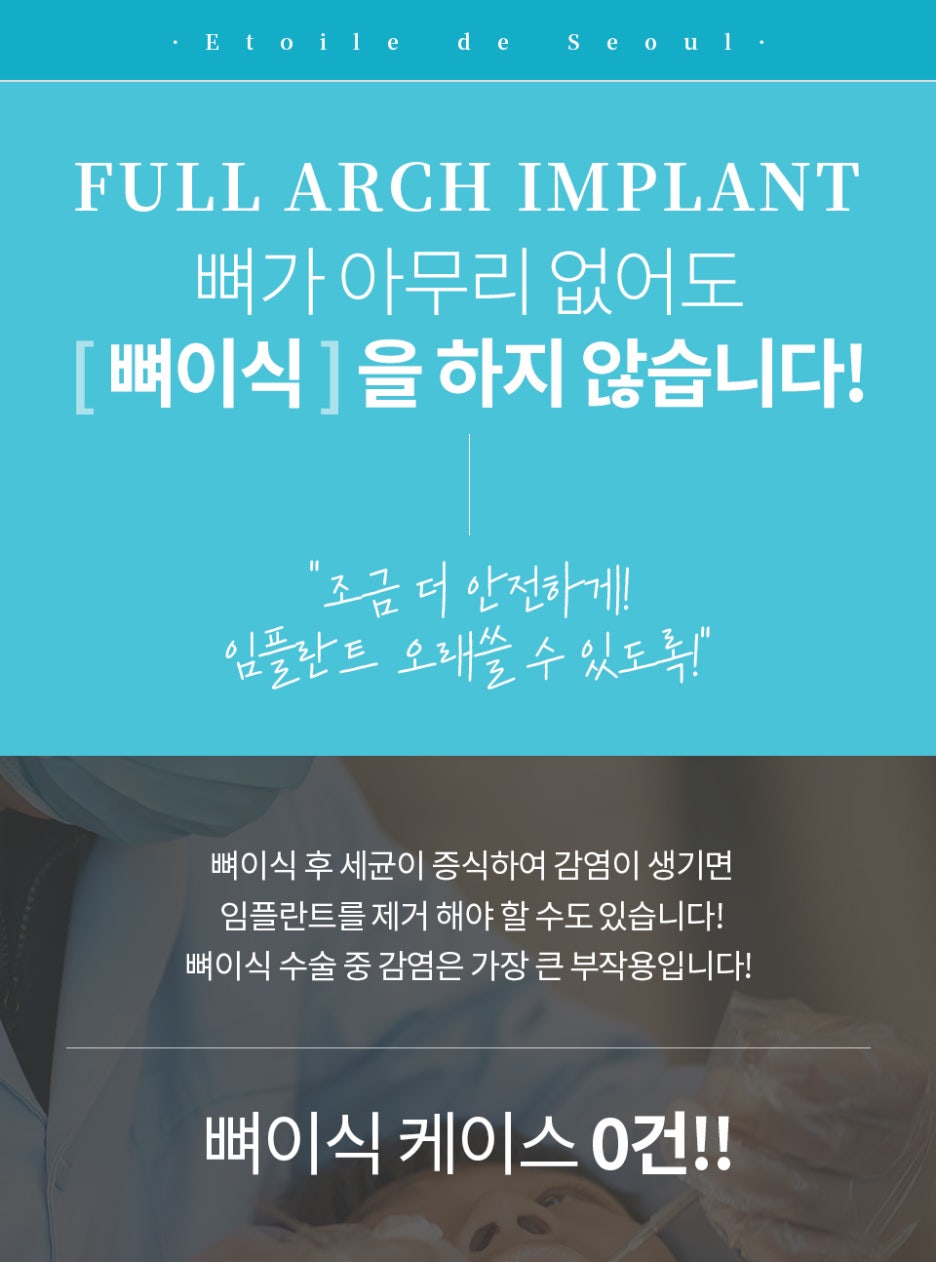
Have you been told that you do not have enough jawbone and have therefore given up on implants?
I would like to address together the concerns about pain from implants without bone grafting—something we hear very often in the consultation room.
Parents who say, “Even when my teeth hurt, I’m too afraid to go,” and those who say, “I don’t want dentures anymore. I want something fixed in place now.”
The thoughts of those who opened this article are probably not much different.
I believe that if I explain the reality behind those fears one by one, your vague concerns may feel a little lighter.
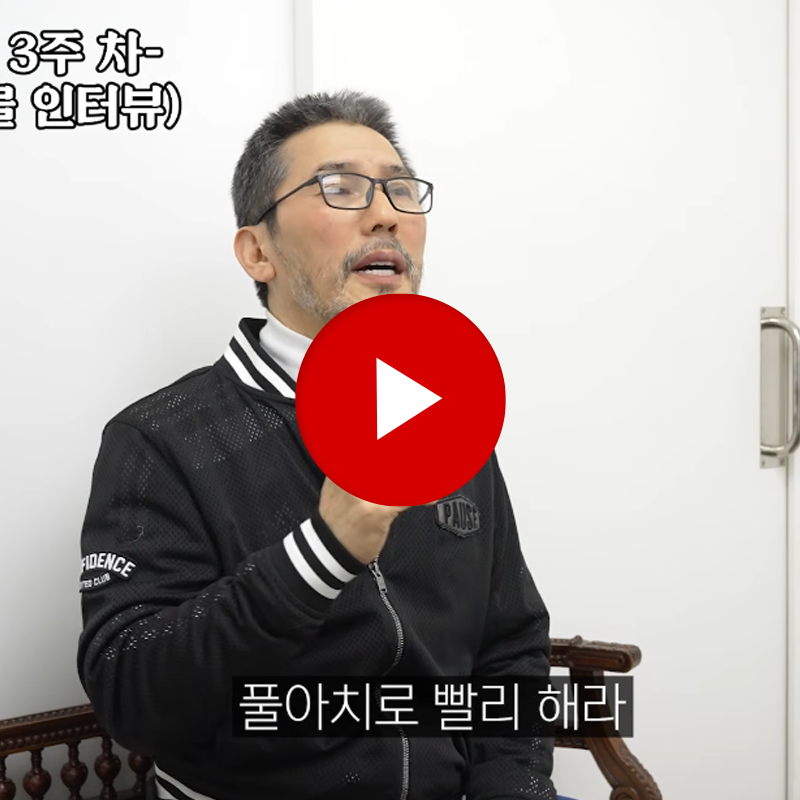
✨ Watch the Chitérieur YouTube video ✨
(Click)
Why are people told to get a full arch quickly?
❗Shall we take a look?❗
A story about someone
I met in the consultation room recently
A person well over sixty came in, holding their daughter’s hand tightly.
They had worn dentures for a long time, but the dentures kept moving and hurting, so they could no longer eat even the foods they enjoyed. Yet when the consultation actually began, the first thing they brought up was not their teeth but this:
“I heard that because I don’t have enough bone, I need to have bone placed, and that it is very painful and frightening.” That fear was the real reason they had postponed treatment for several years. Seeing their hand tremble slightly, I did not hurriedly bring up treatment. Instead, I listened to their feelings at length first.
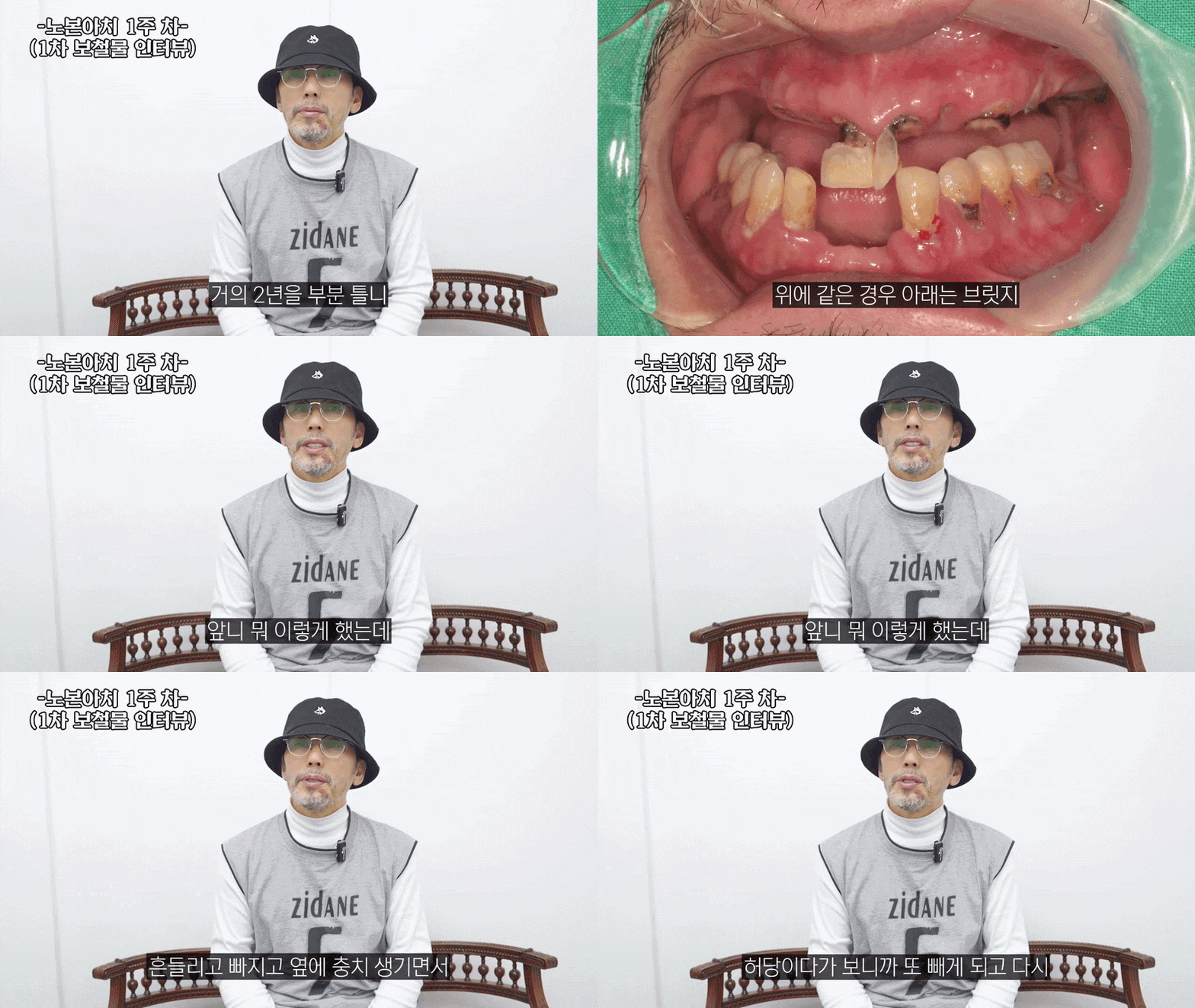
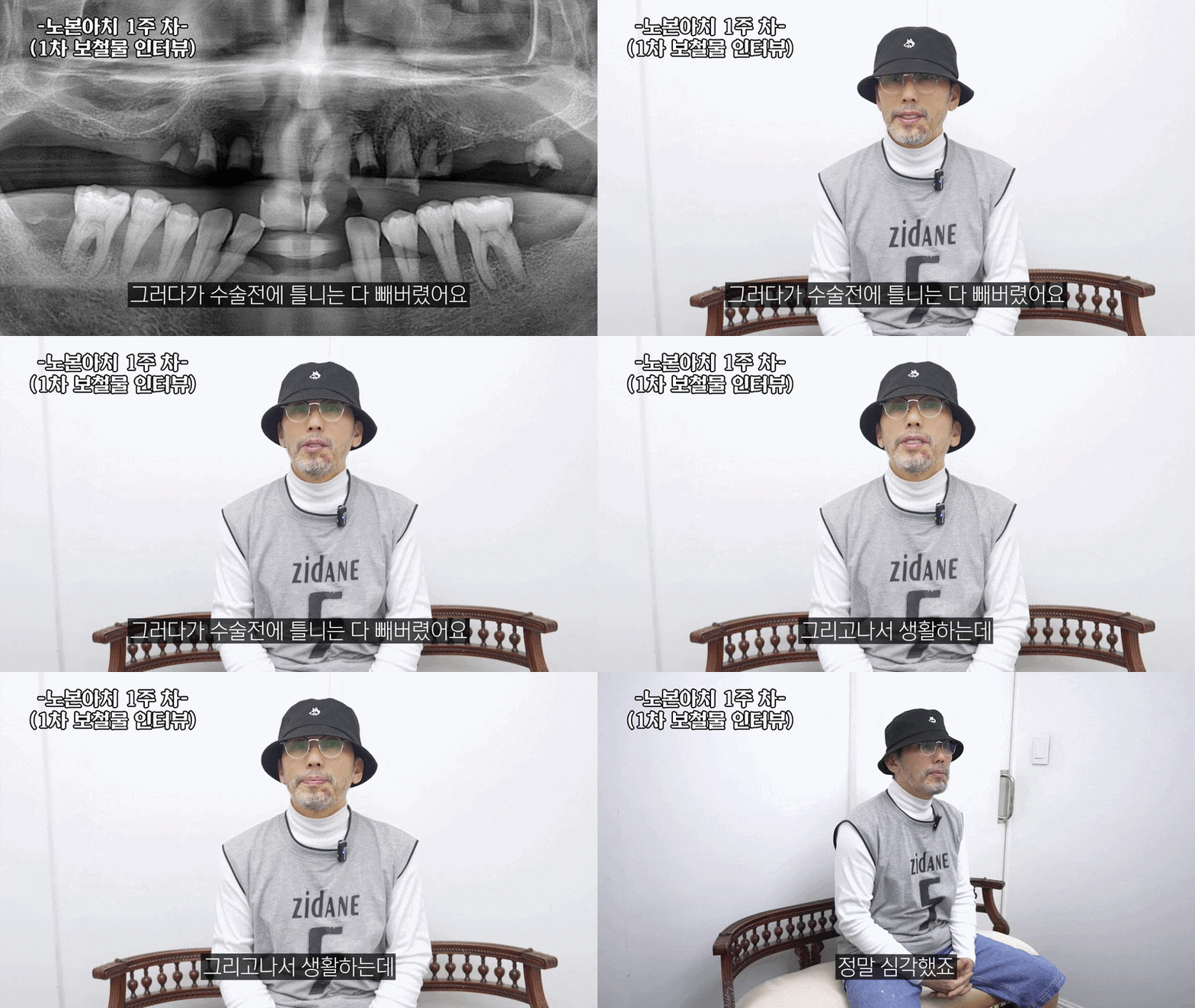
What exactly is an “implant without bone grafting”?
When there was not enough jawbone, it used to be necessary to supplement the bone first. For this reason, people who think about pain from implants without bone grafting are often mainly concerned about the burden of this grafting process.
These days, however, there is an approach that makes the most of the remaining bone by finding a strong position and placing the implant posts at a stable angle.
It may be easiest to understand it as being similar to building a house by driving posts at an angle into firm ground, rather than pouring in new soft soil.
Even when there is not enough jawbone, there are quite a few cases in which an entire side of the jaw can be restored using just four to six posts.
How we reduce the burden of pain
This is exactly the point that people are most curious about. We first use a 3D CT scan to assess the thickness of the bone and the location of the nerves, create a simulated plan on a computer, and then proceed in a way that avoids opening the gums extensively.
Please think of it as the difference between following a route after drawing a map in advance and wandering around without any information. Because this reduces the burden on the gums, the degree of pain from implants without bone grafting during recovery also tends to be considerably lighter. Of course, there are individual differences, and some discomfort for a while after treatment is a natural part of the process.
At that point, it can generally be controlled with the pain medication we prescribe, and many people say, “It was more bearable than I expected.”
Another advantage is the time involved. When the posts are placed in the planned positions, temporary teeth can often be fitted that same day, making it possible to eat and return to daily life right away. The final prosthetic teeth are completed after observing the healing process of the gums.
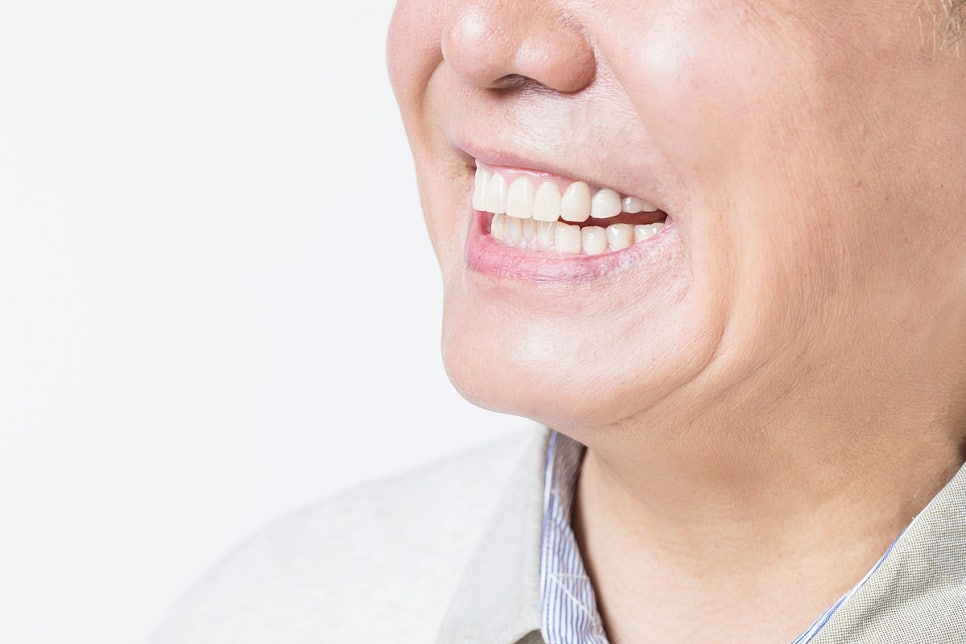
The teeth made this way naturally recreate the original gum line using zirconia and pink porcelain, so they are not very noticeable from the outside and you can feel more comfortable when smiling.
What I told that person that day
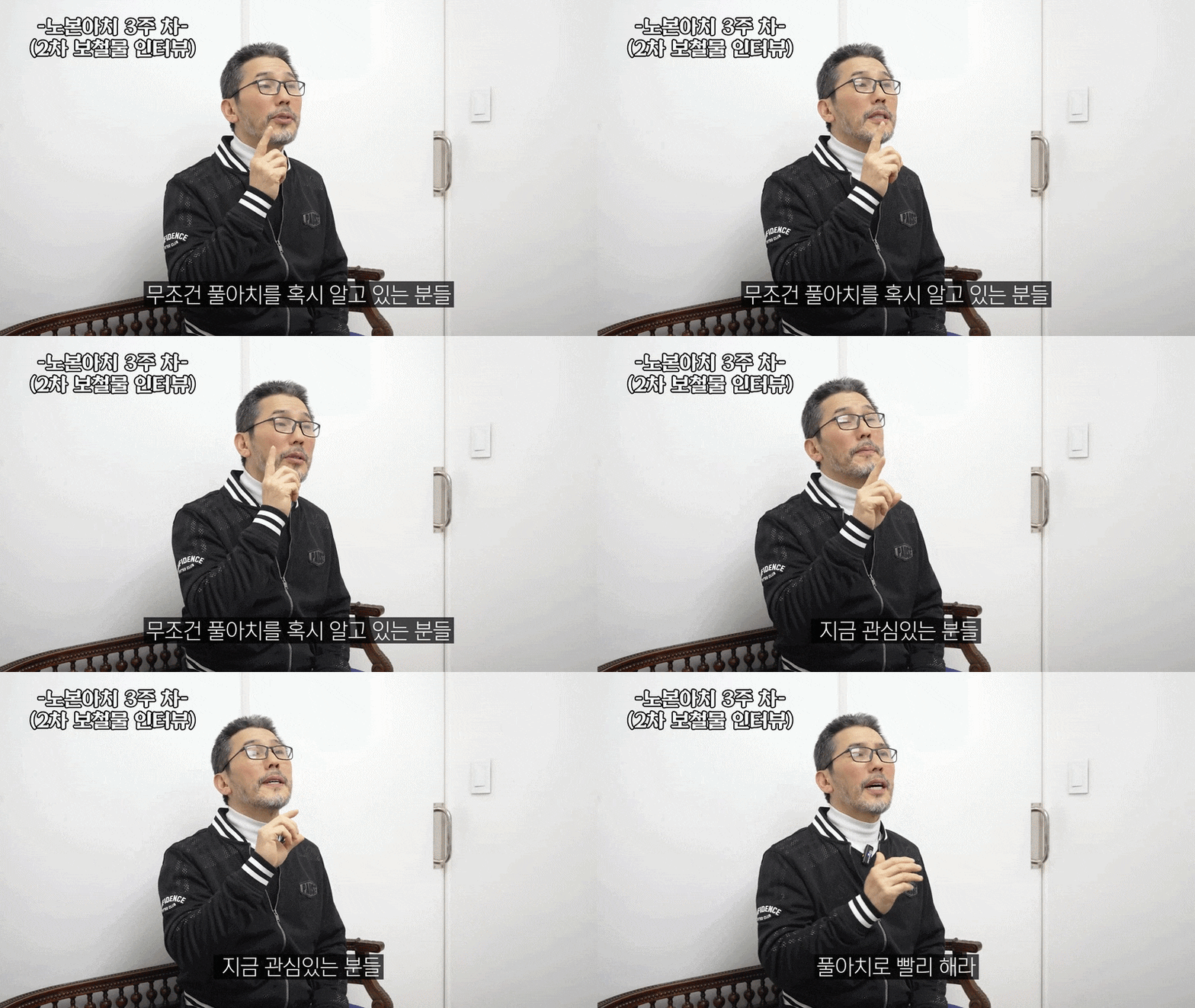
I told them, “There is an option that does not require you to go through the process of placing new bone.” When I looked at the CT scan with them and showed them exactly where and how much bone remained, they finally relaxed their shoulders.
That was the moment they learned that the pain from implants without bone grafting that they had been worried about could also be managed together through advance planning to reduce the burden on the gums and pain management.
Fear usually grows when we do not know, and once we understand, it becomes something we can handle.
Why choosing based only on the lowest price can be disappointing
If the price of No-Bone Arch implants is quoted unusually low, you should be sure to check whether something has been left out, such as the materials, the scope of the diagnosis, or follow-up care.
On the other hand, a higher price does not automatically mean that it is better.
What matters is whether you can understand and accept “whether the plan is appropriate for the condition of my jawbone,” “what materials are being used and why,” and “how care will continue after treatment.”
When you compare only the price in front of you, it is easy to overlook the materials and care items that you will actually use for a long time. Those details often end up determining how comfortable you will be several years later. For reference, we provide related complimentary treatment within three years for those who receive treatment here, in an effort to lessen the burden of follow-up care even slightly.
The director answers questions frequently asked in the consultation room
Q1. I was told that I have almost no jawbone. Is it really possible without grafting?
A. It depends on the amount and location of the remaining bone. If a firm position is found on the CT scan, treatment can often proceed without grafting by using that position. However, there are individual differences depending on the condition, so a detailed diagnosis comes first.
Q2. How much pain should I expect after surgery?
A. Proceeding in a way that avoids opening the gums extensively tends to reduce the burden. There may be some discomfort for several days, but in most cases it can be controlled with the prescribed pain medication.
Q3. Is it okay for older adults or people with diabetes or high blood pressure?
A. If chronic conditions are well managed, treatment is often possible. However, consultation and examination are necessary because your overall health must also be assessed.
Q4. How should I care for the implants after treatment?
A. Brush your teeth and floss every day, just as you would with natural teeth, and receive regular checkups and scaling. We also provide related complimentary follow-up care for up to three years.

One final thing I would like to say
Everyone has their own reasons for postponing treatment for a long time.
I do not want to pressure you about those feelings. However, if you have been giving up the pleasure of eating because of a vague fear of pain from implants without bone grafting, simply knowing the actual extent of that concern may make you feel considerably more at ease.
I hope this article has become the first clue toward that understanding.
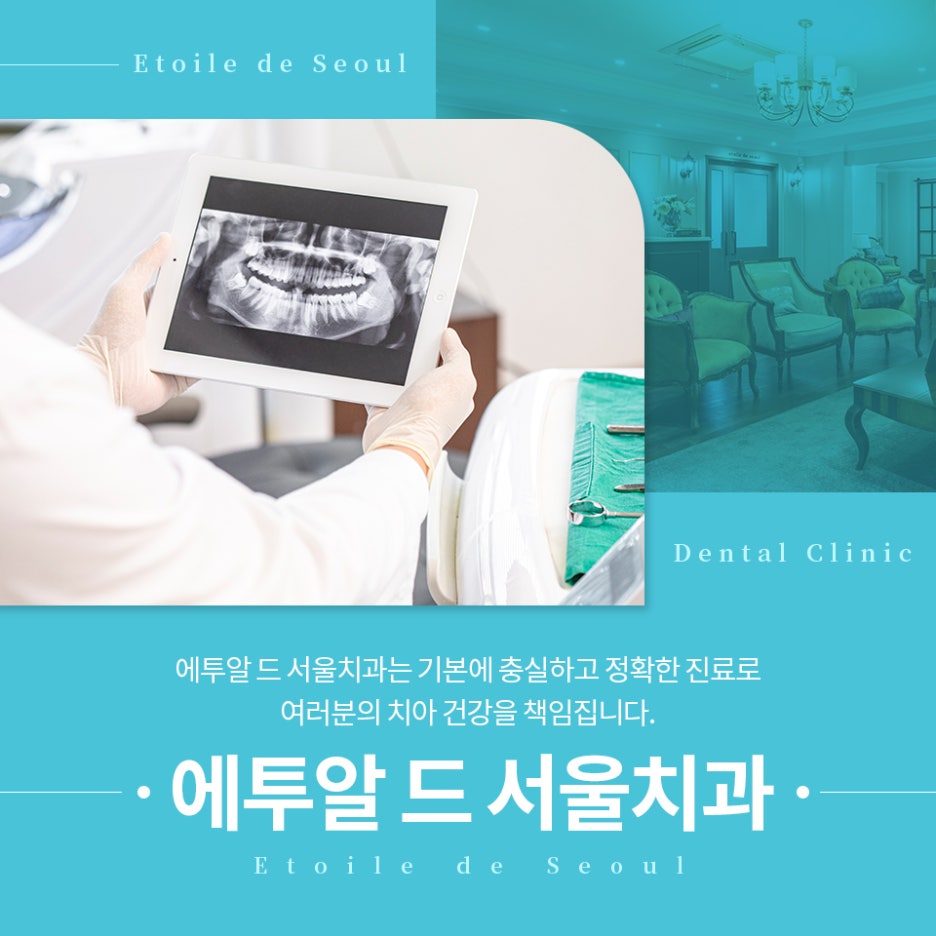
🏥 Etoile de Seoul Dental Clinic
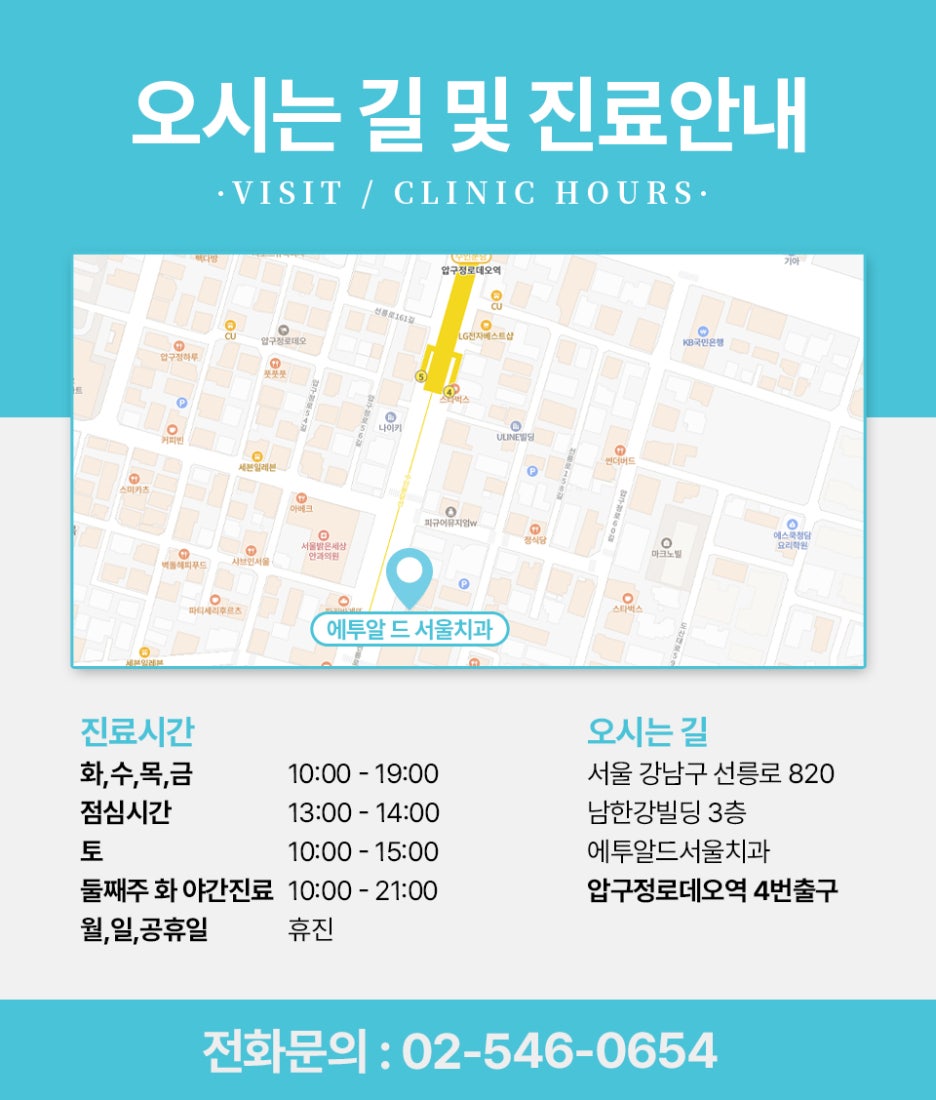
📍 3rd Floor, Namhangang Building, 820 Seolleung-ro, Gangnam-gu, Seoul
☎ 02-546-0654
🕒 Clinic Hours
· Tuesday–Friday 10:00–19:00 (lunch 13:00–14:00)
· Saturday 10:00–15:00
· Evening appointments until 21:00 on the second Tuesday of each month
· Closed on Mondays
When using the subway, get off at the nearest station and follow Seolleung-ro to find us on the third floor of Namhangang Building.