The thought you have postponed
because you were afraid it would hurt,
let’s start by addressing that concern
If you have lost several teeth at once and have relied on dentures for a long time, the first thought that comes to mind may be, “How painful will it be?” rather than getting new teeth.
This is especially true if you have experienced aching gums that kept you up groaning through the night.
If you read this article to the end, you will be able to form a specific picture of how painful full-arch implants actually are and what the recovery process is like.
I am Lee Jang-wook, a dentist at 에투알드 서울치과.
Because I understand better than anyone how you may have postponed treatment for years out of fear, today I would like to help ease those worries one by one.
✨ Watch the Chiterior YouTube video ✨
(Click)
What you should know before full-mouth implants
❗#FullArchImplant #All-on-X #No-BoneArch❗
The story of someone who had
postponed treatment for several years
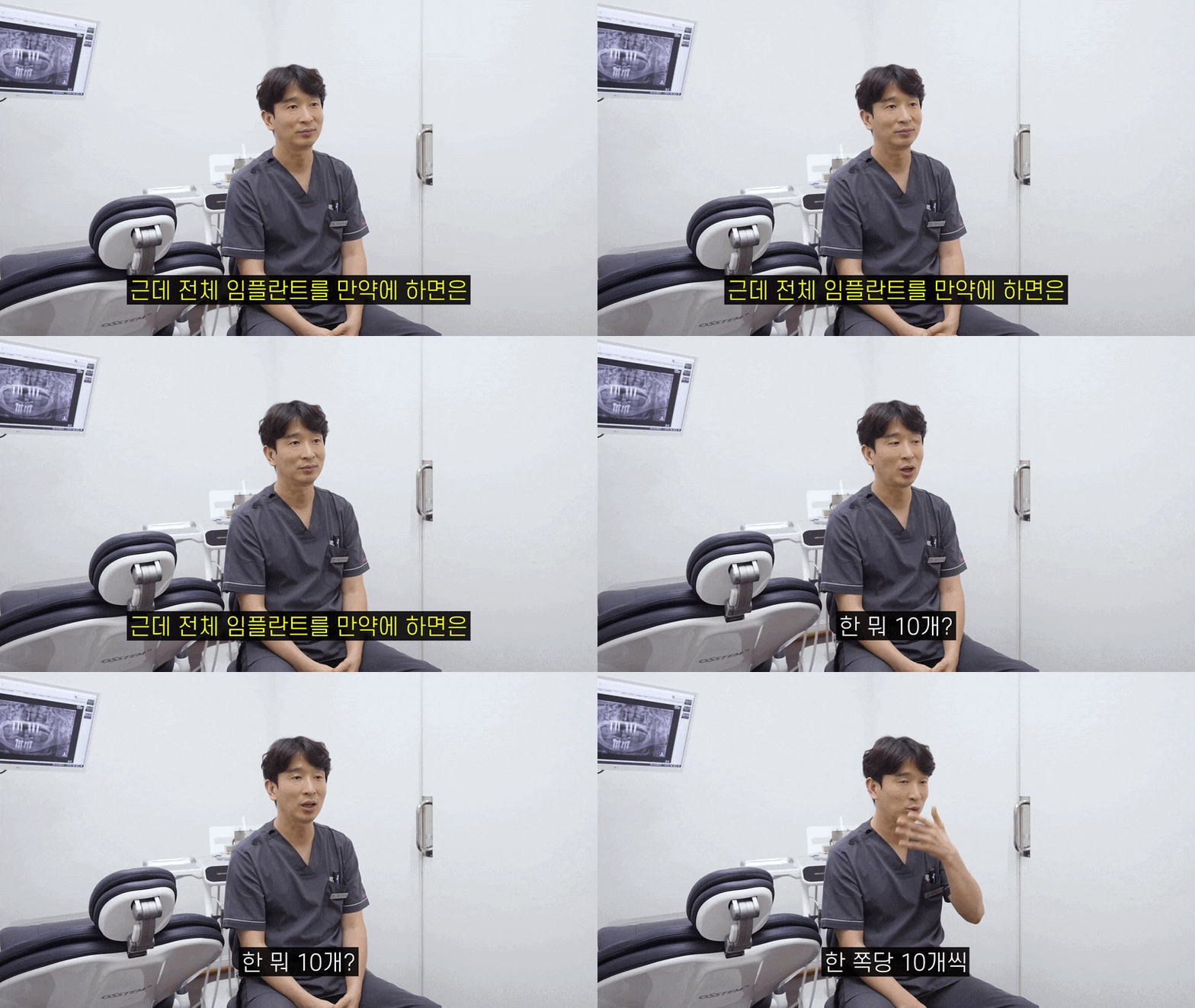
A patient once sat in the treatment room and said:
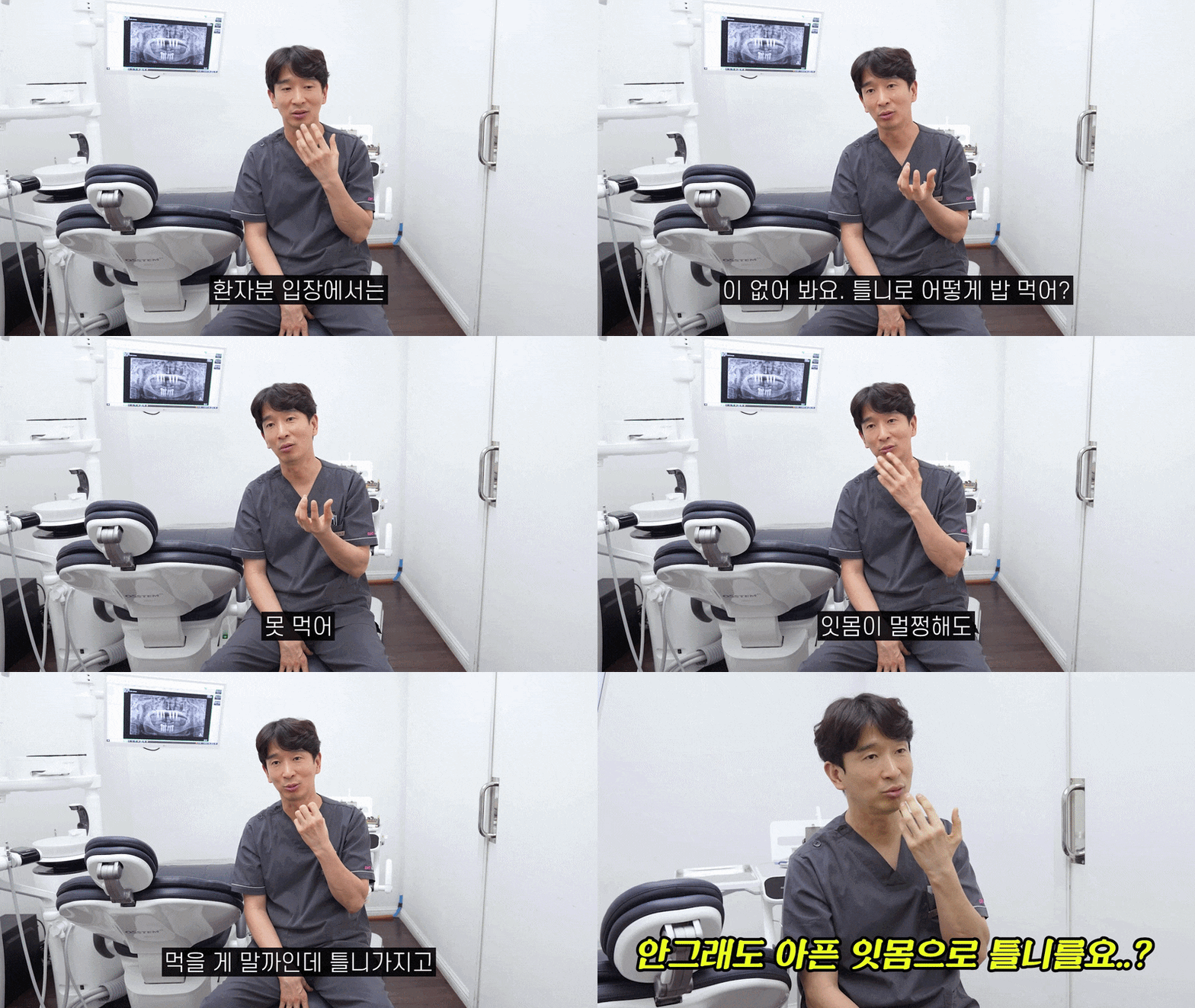
“Doctor, my dentures keep coming loose, so I’m afraid to eat. But if several implant posts are placed, will I be able to endure the pain?” After years of wearing dentures, this patient’s gums had become thin, and they said that lying down on the operating table was more frightening than the treatment itself.
Fear of pain is nothing to be ashamed of. It is a very natural emotion that helps protect your body.
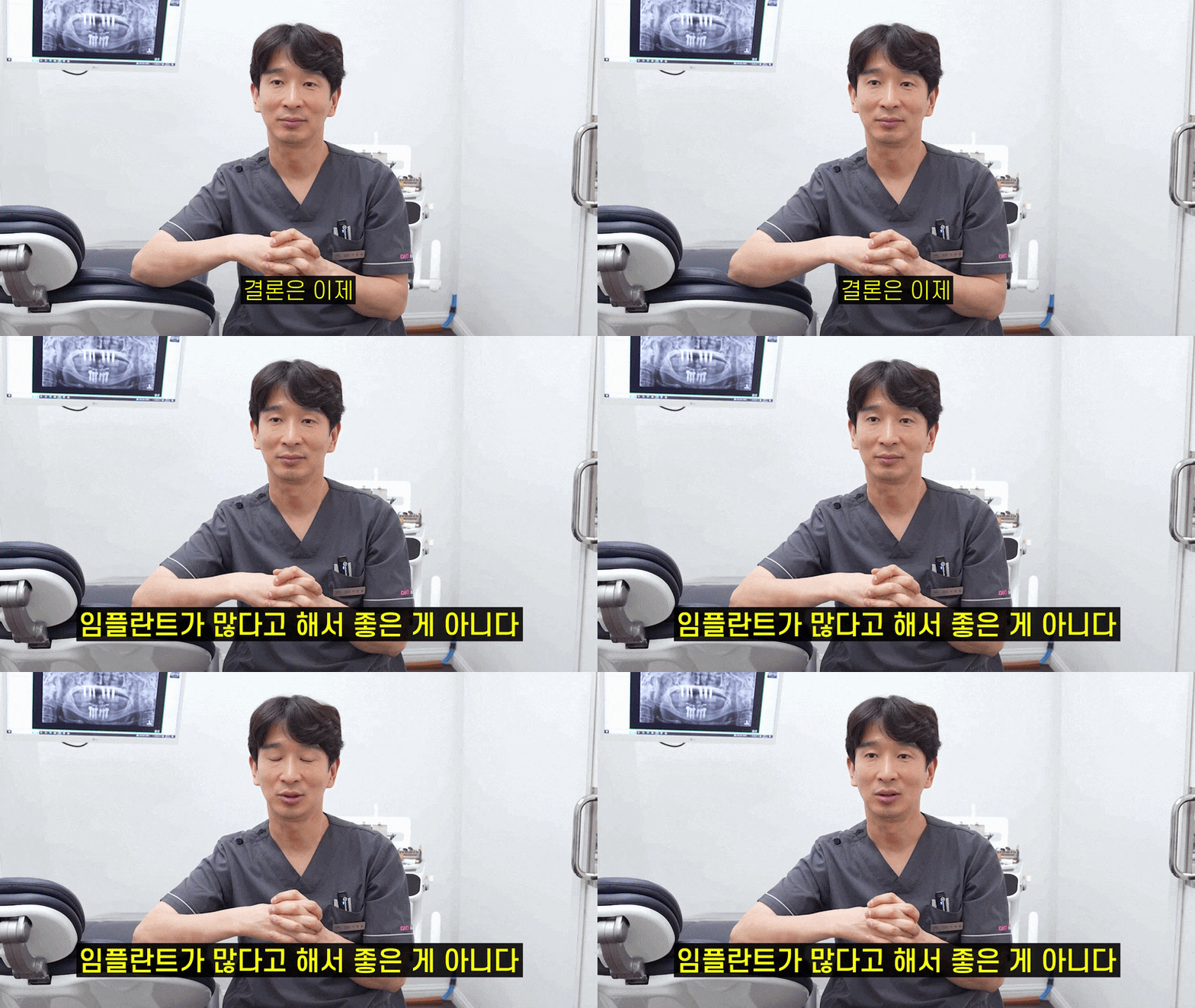
A way to restore an entire row of missing teeth
When all the teeth in one jaw, such as the upper or lower jaw, are missing, this treatment involves placing four to six implant posts and attaching a connected row of teeth on top of them.
It is similar to driving several stakes into the ground and placing a sturdy bridge on top of them.
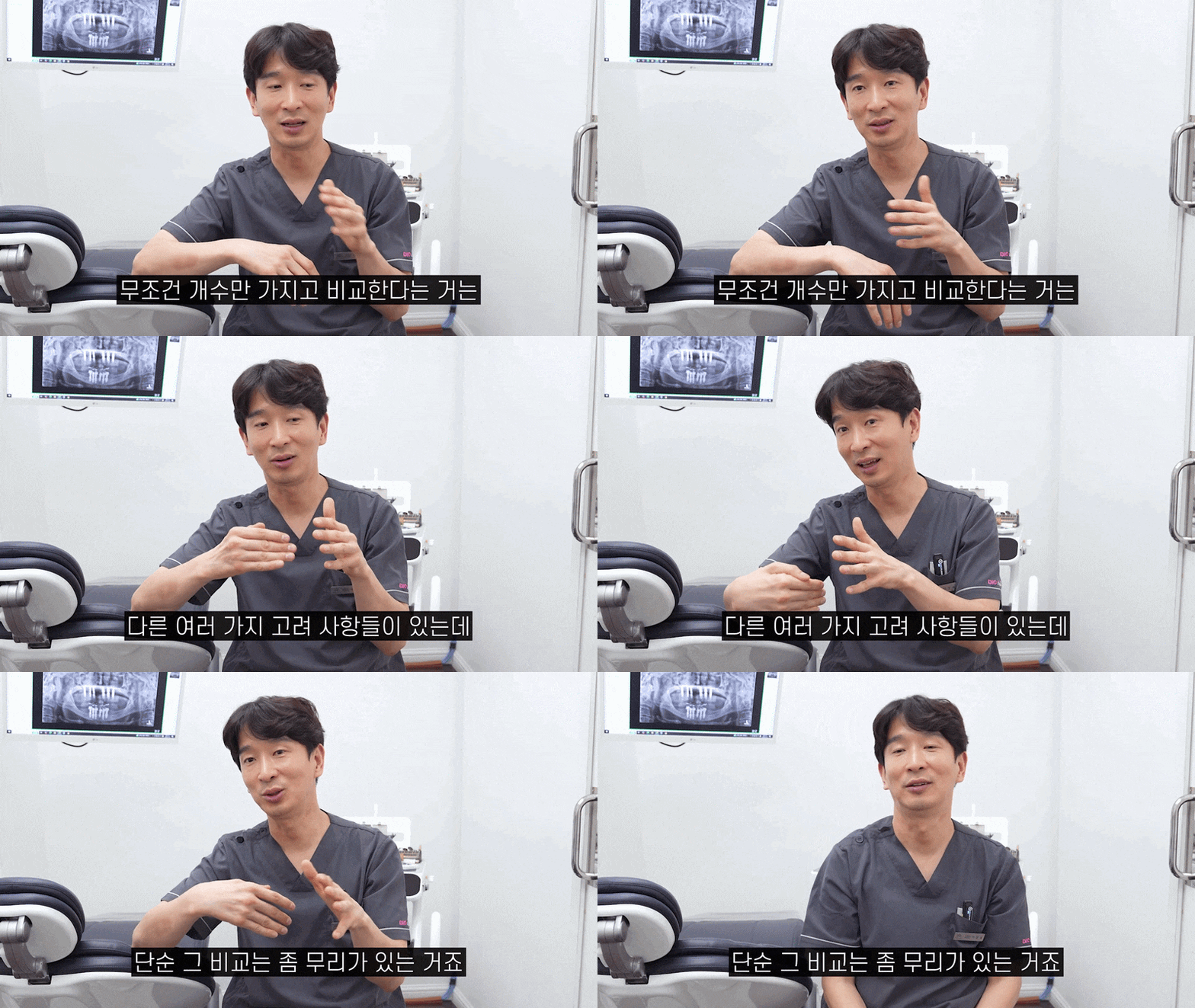
Because fewer posts are placed than in a method that uses one post for every tooth, the burden on the gums and bone is reduced accordingly.
That is why many people who worry about full-arch implant pain often say that it was not as severe as they expected.
Surgery time and what the day is like
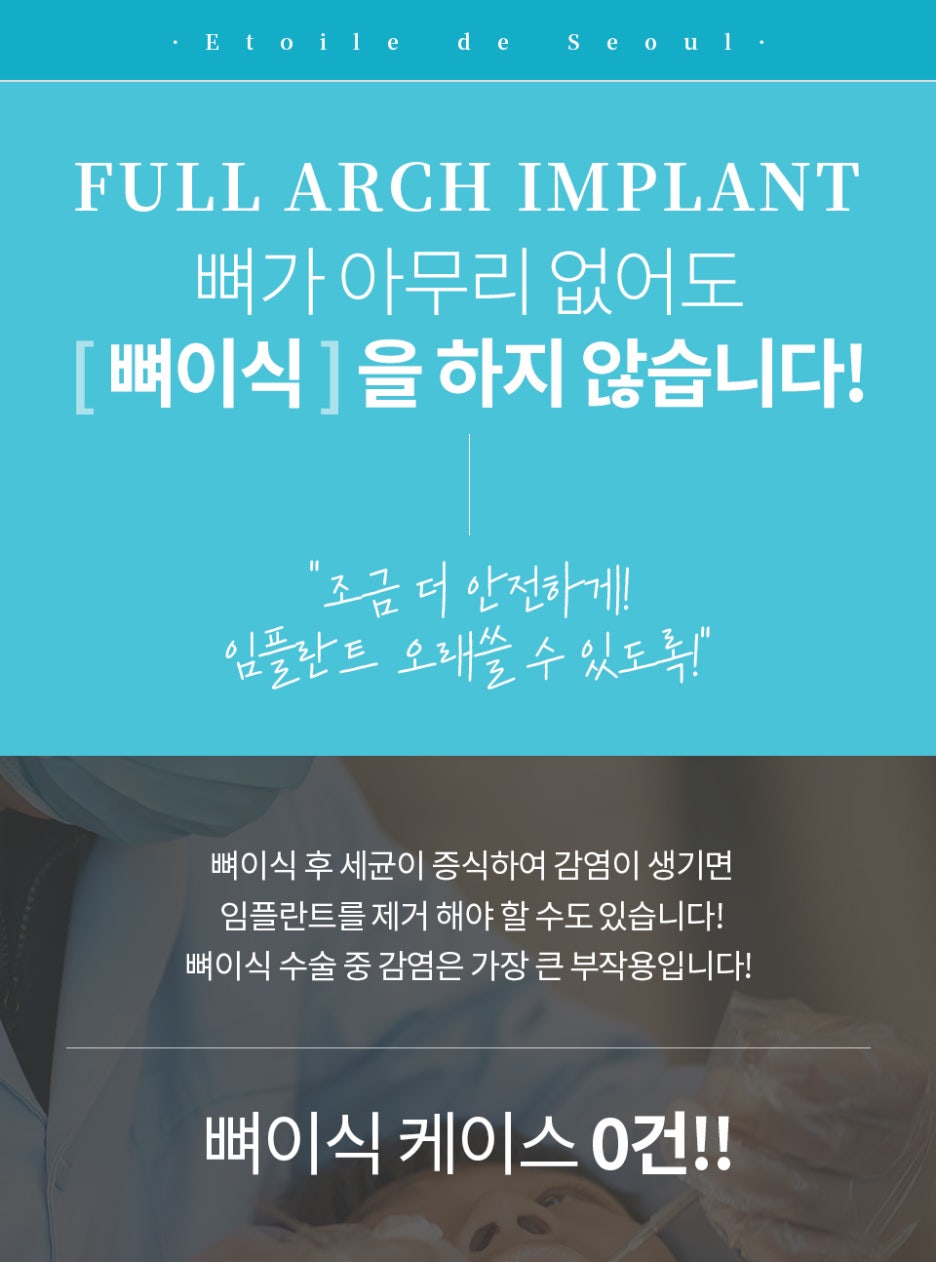
At 에투알드 서울치과, we first examine the shape and thickness of the jawbone using a 3D CT scan and an intraoral scanner before surgery.
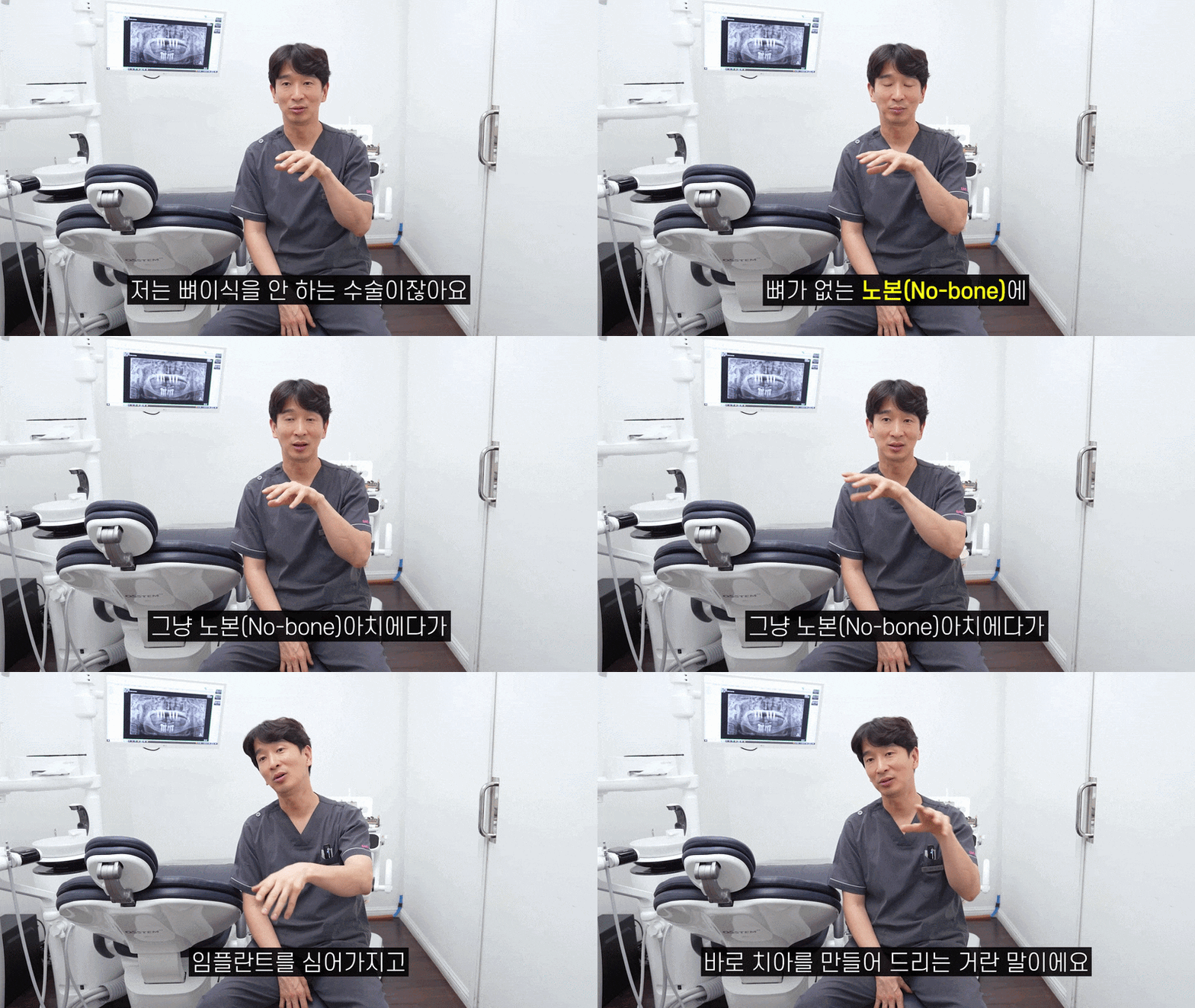
We perform a simulated procedure on a computer first, plan the placement and angles of the implants, and then proceed with the actual surgery.
By mapping out the path in advance, we can accurately place the implant posts in the planned locations without opening the gums extensively.
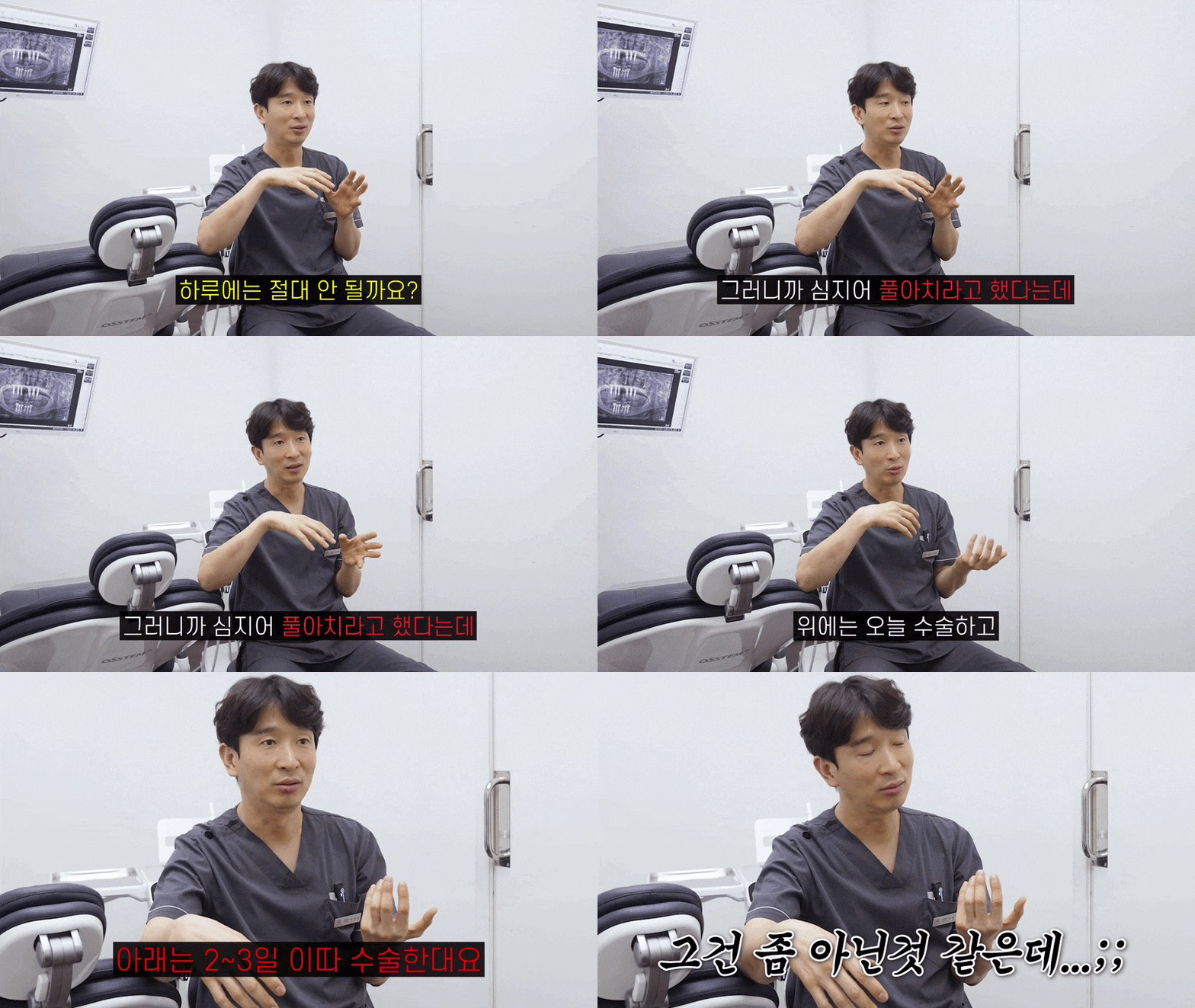
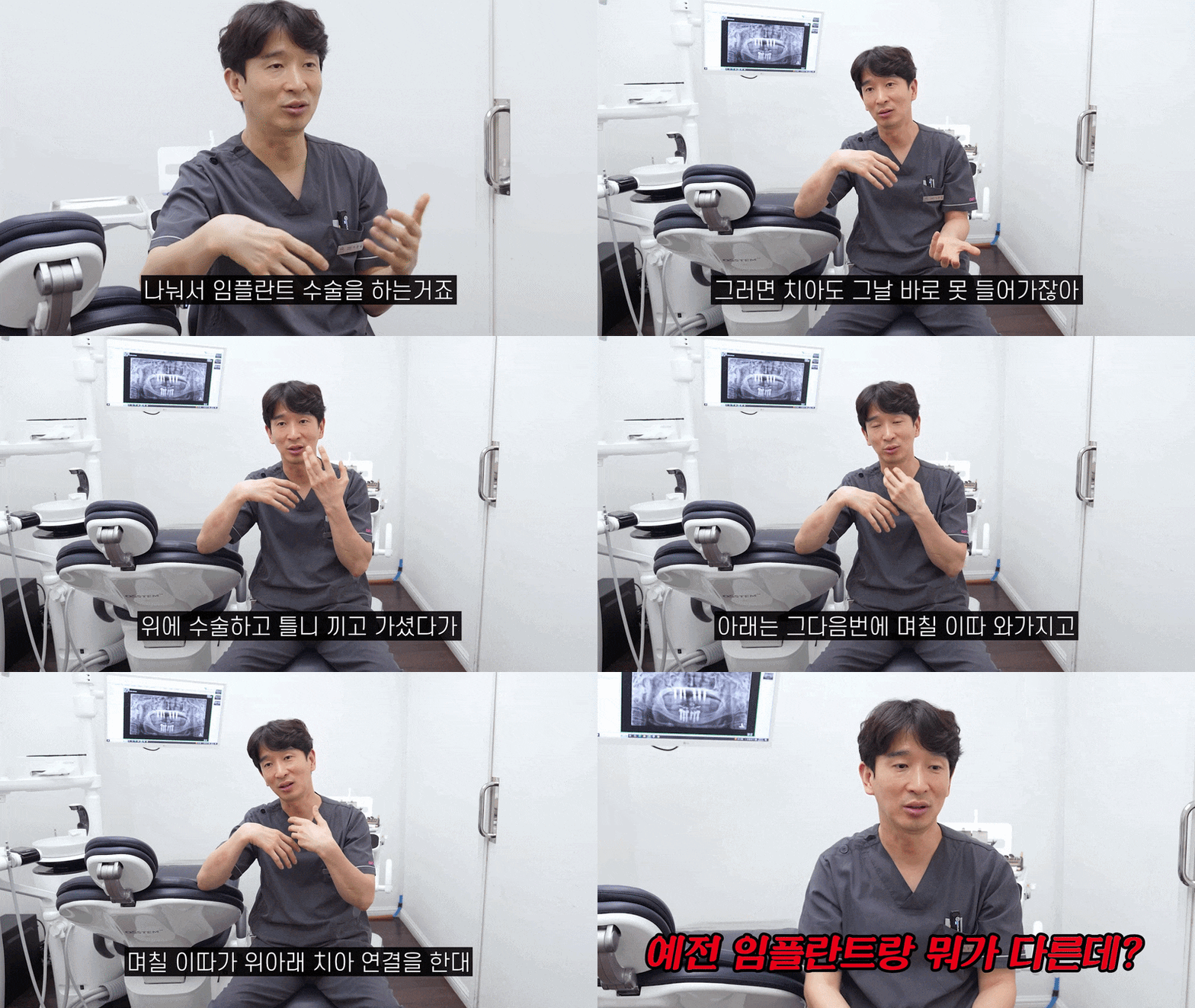
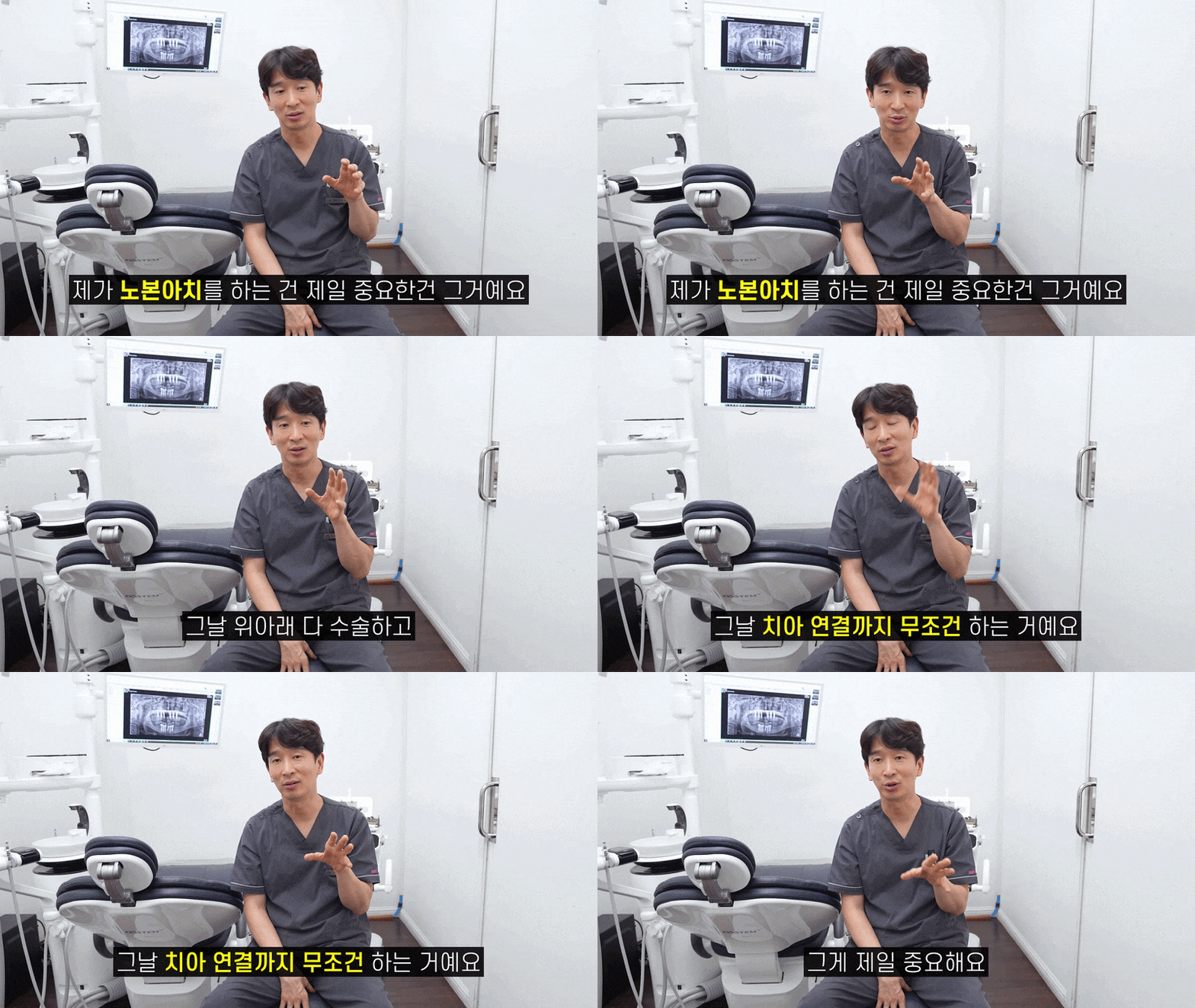
The actual surgery usually takes around two to three hours. Because temporary teeth are fitted on the same day, you will not have to spend a long time without teeth.
Simply knowing about this process in advance can greatly lessen the vague fear surrounding full-arch implant pain.
Recovery over the days after surgery and over the course of a month
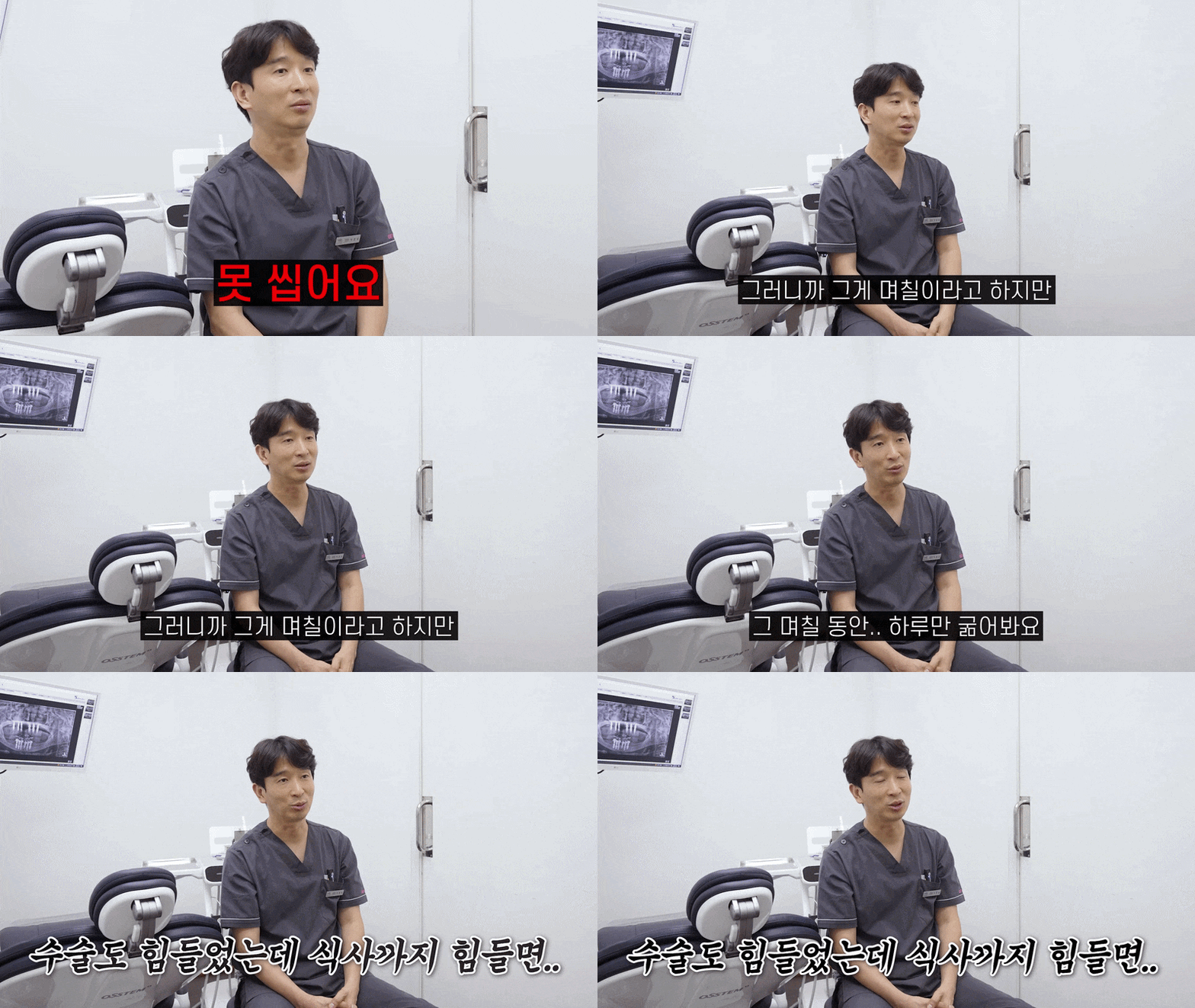
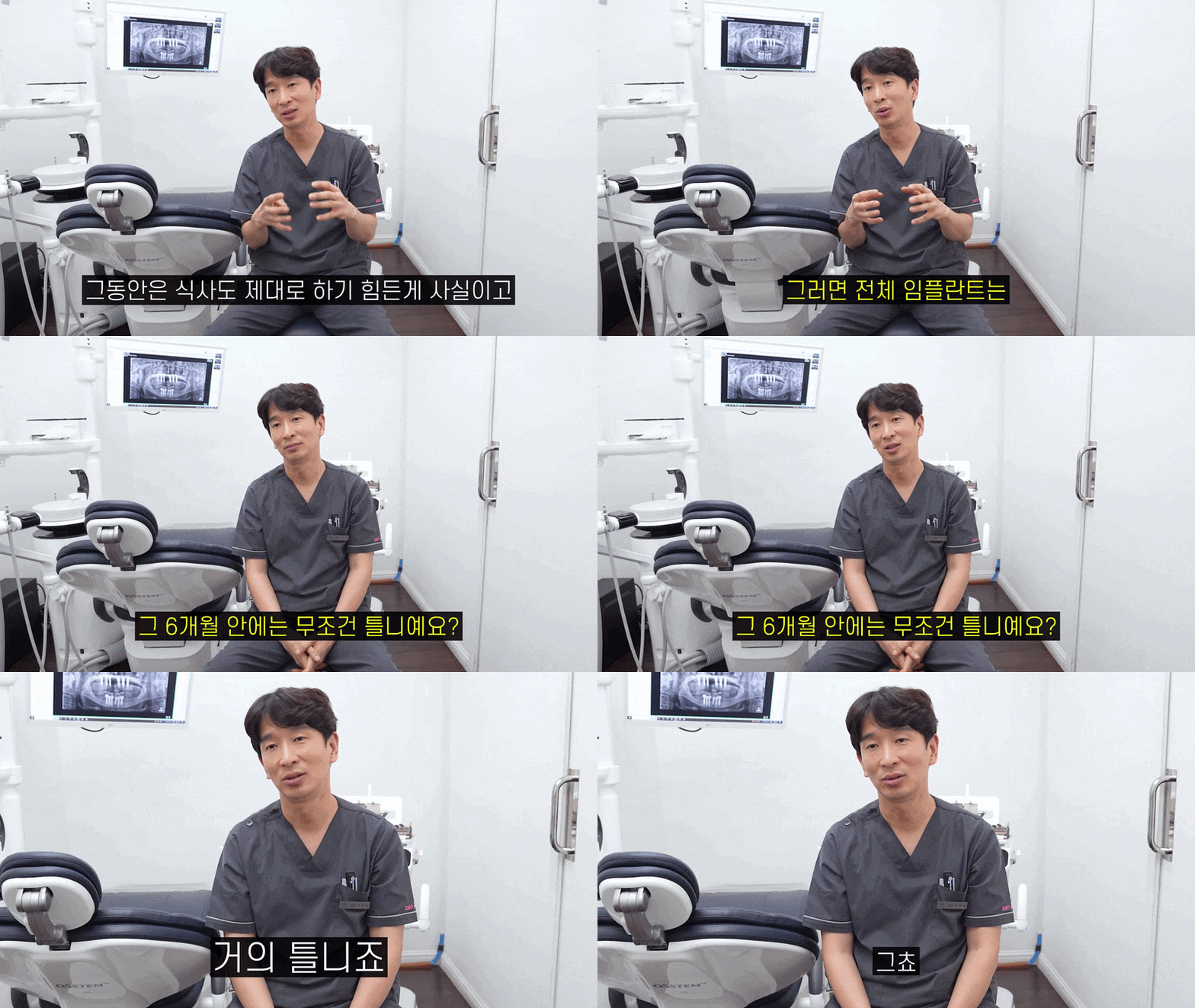
Immediately after surgery, your gums may remain swollen and feel numb or tingly for several days.
This is a natural response as the body works to heal the wound, and in most cases it can be managed with the pain medication prescribed for you.
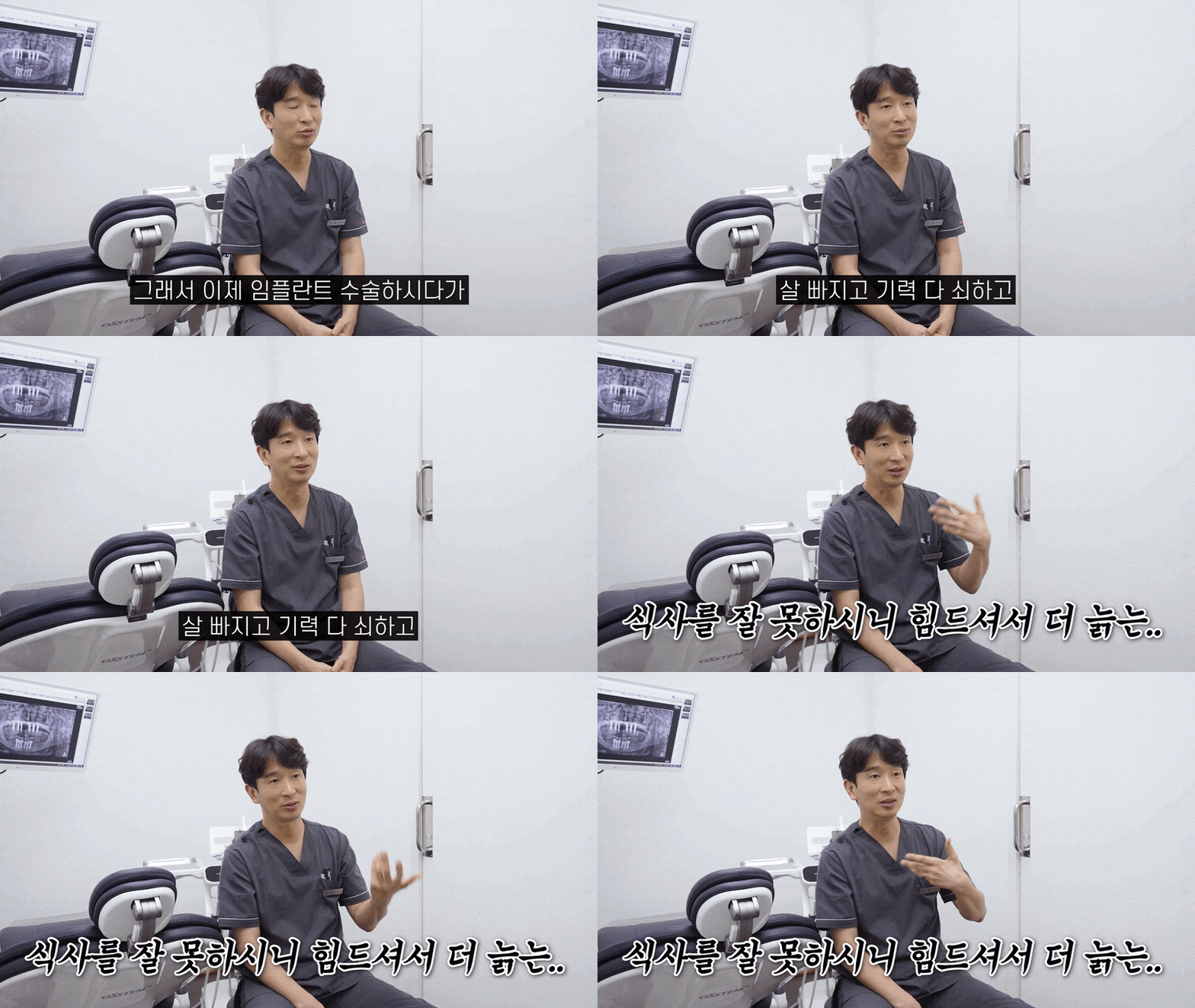
The swelling usually begins to subside after three or four days, and you can slowly begin eating soft foods with your temporary teeth.
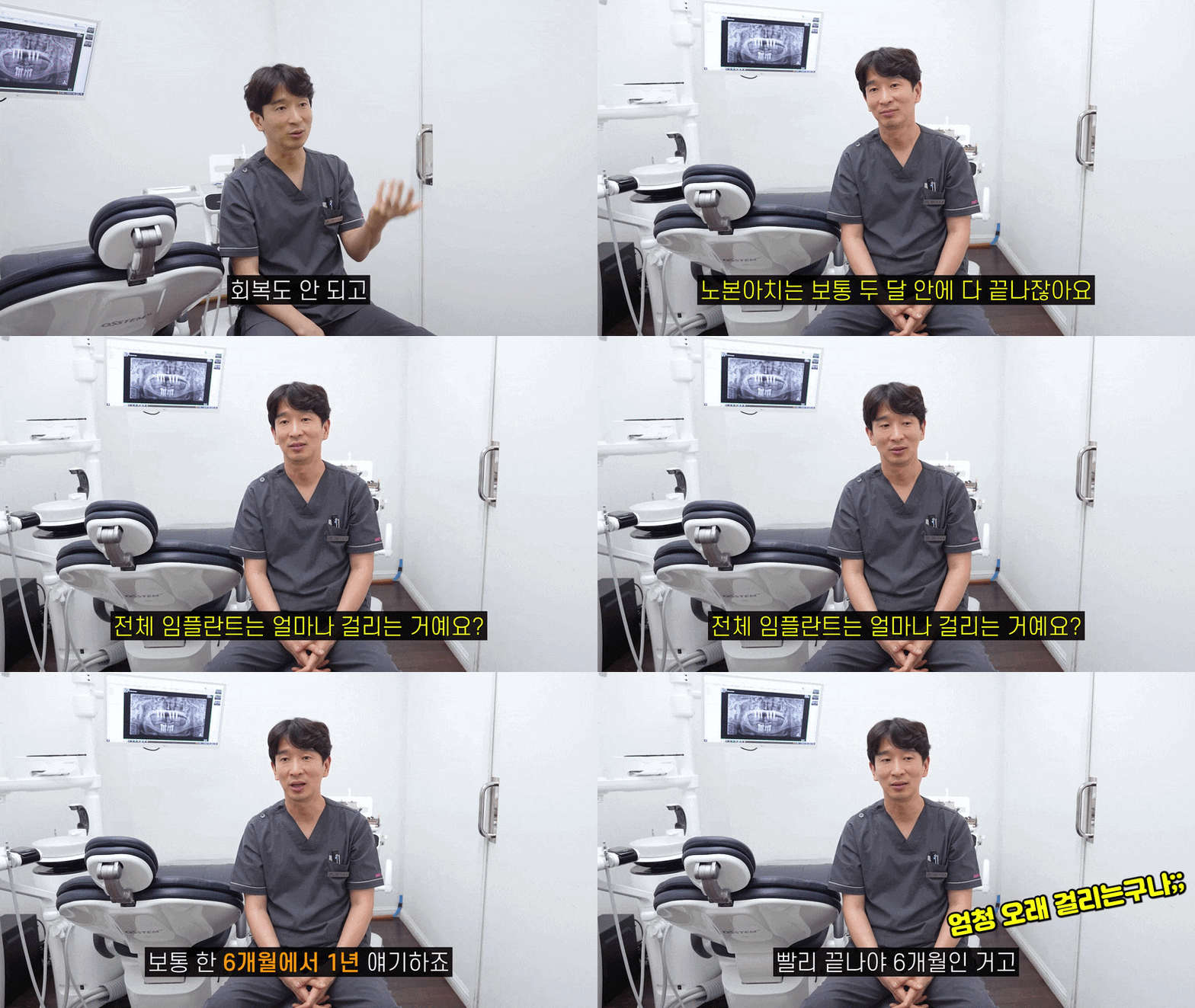
The final teeth are completed about a month later, after the gums have healed and the implant posts have settled into the bone. In this way, full-arch implant pain gradually fades over time, so knowing this progression in advance can make you feel much more at ease.
What that patient wanted to regain
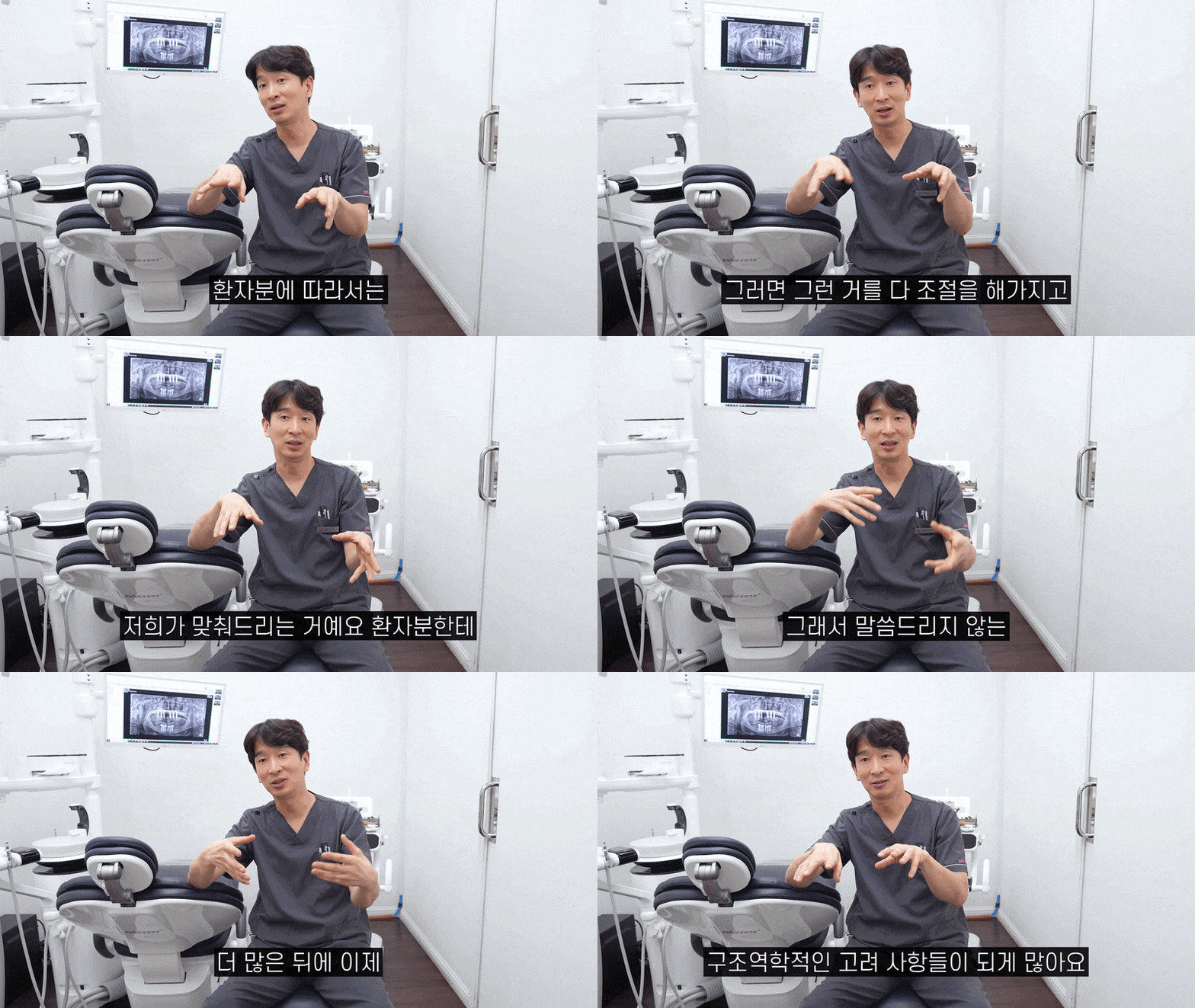
I also explained this process step by step to the patient mentioned earlier, using illustrations.
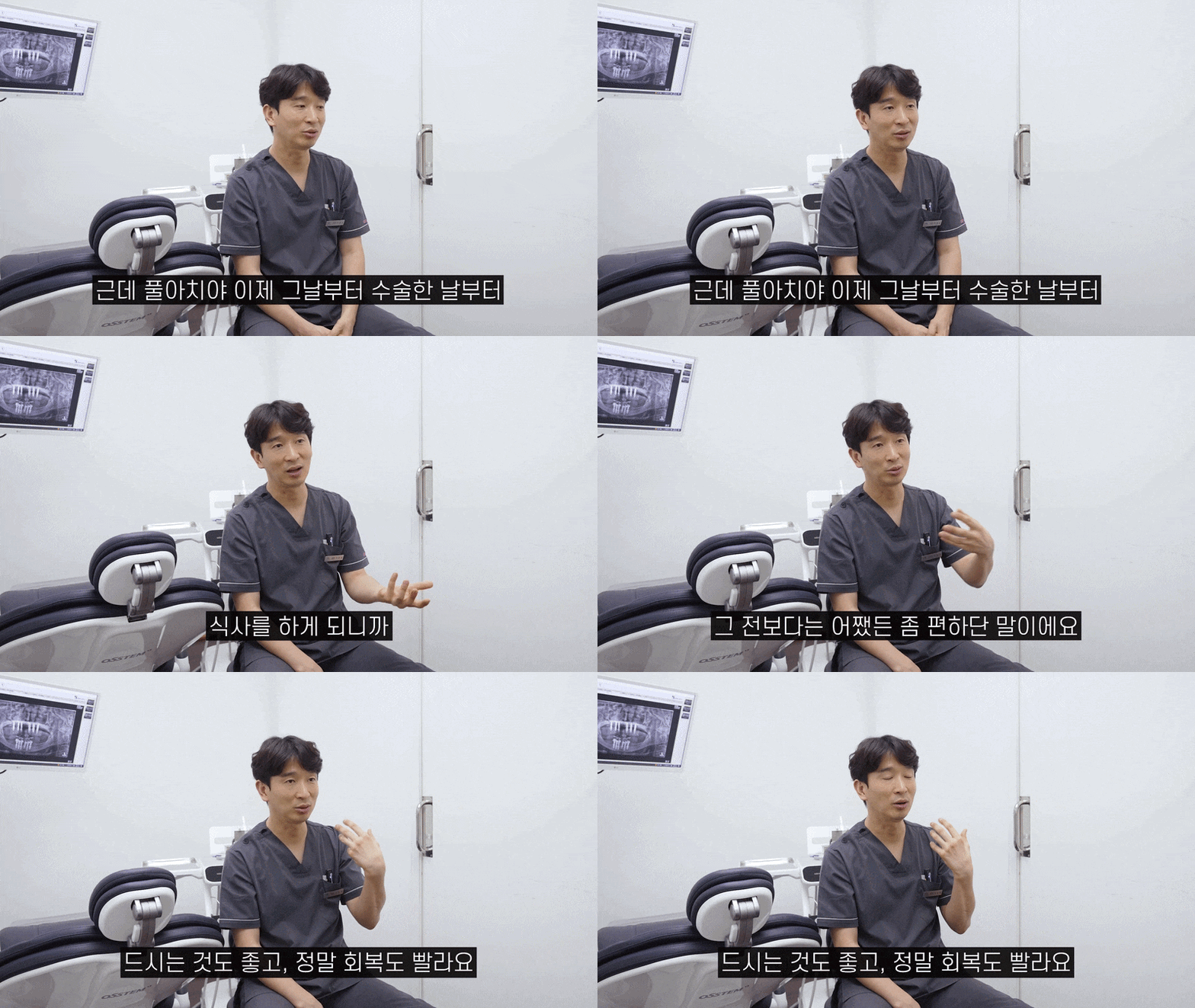
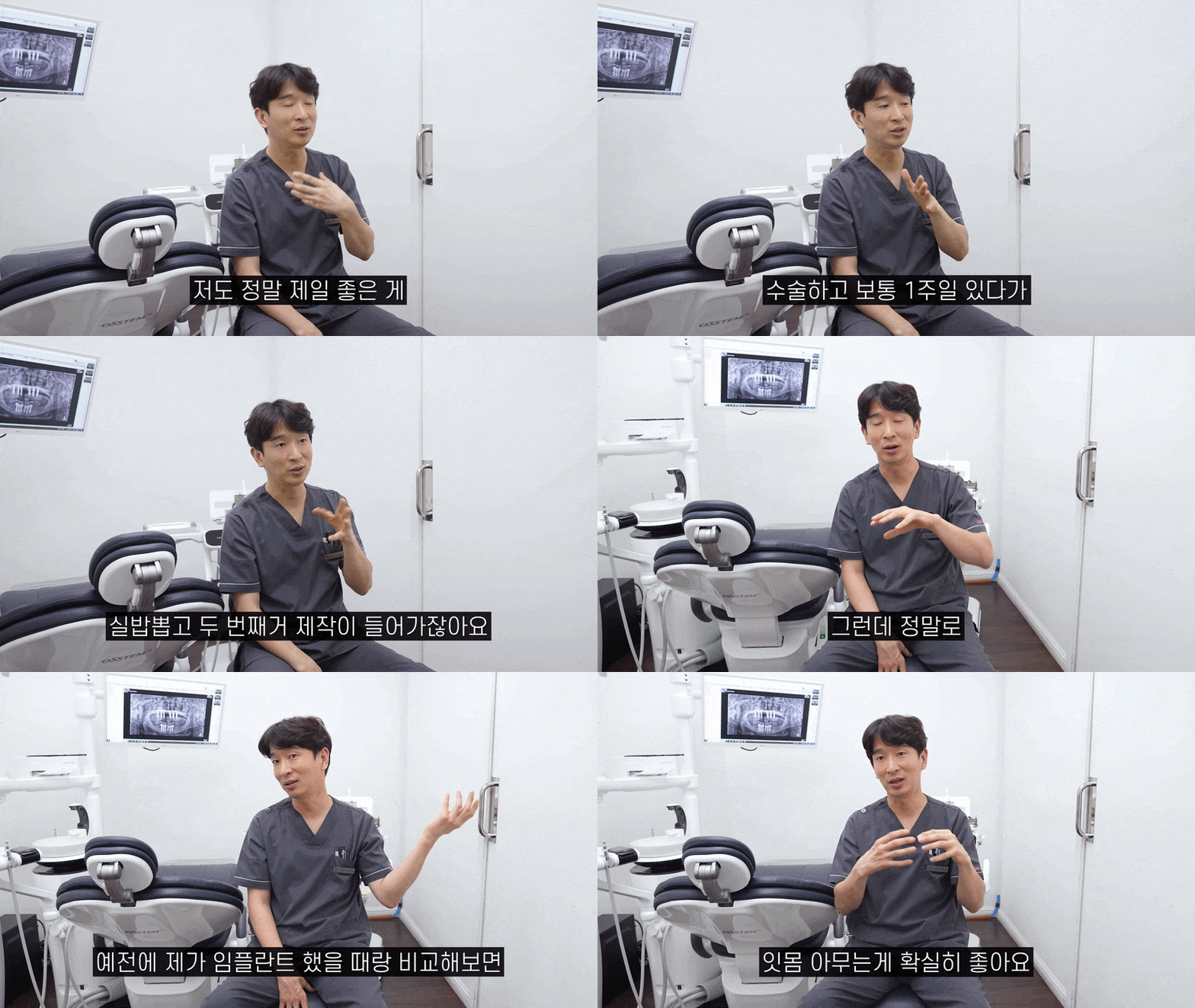
Once the patient understood in advance what would hurt and when the discomfort would subside, I could see the fear gradually fade from their expression.
Fear is greatest when you do not know what the pain is. Once you understand it, it becomes something you can endure.
In the end, what the patient wanted was not dazzling teeth, but an ordinary evening spent comfortably sharing a meal with their family.
Answers to questions we often hear in the treatment room
Q1. How is this different from conventional implants?
A. With conventional implants, one implant post is placed for each missing tooth.
By contrast, this method supports the entire upper or lower jaw with four to six posts, so the number of implants and the extent of surgery are generally reduced. This also reduces the burden on the body.
Q2. Can older adults receive this treatment?
A. In most cases, age alone does not prevent treatment.
In fact, it can be helpful for people who find it difficult to make multiple visits.
However, we develop a treatment plan only after carefully checking with CT whether conditions such as diabetes or blood pressure are well controlled and assessing the condition of the jawbone.
Q3. How long do the implants last?
A. It varies depending on how well they are maintained and whether regular checkups are carried out, but with proper care, they can be used for a long time.
For three years after treatment, we provide complimentary full-arch-related checkups, along with regular examinations and gum care every six months.
Q4. Will my chewing strength return to what it was before?
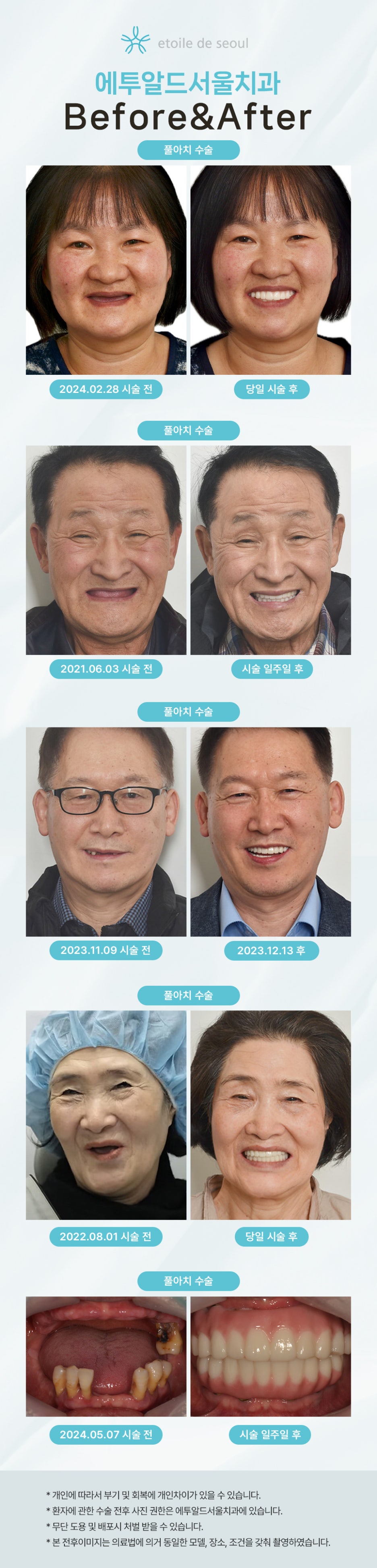
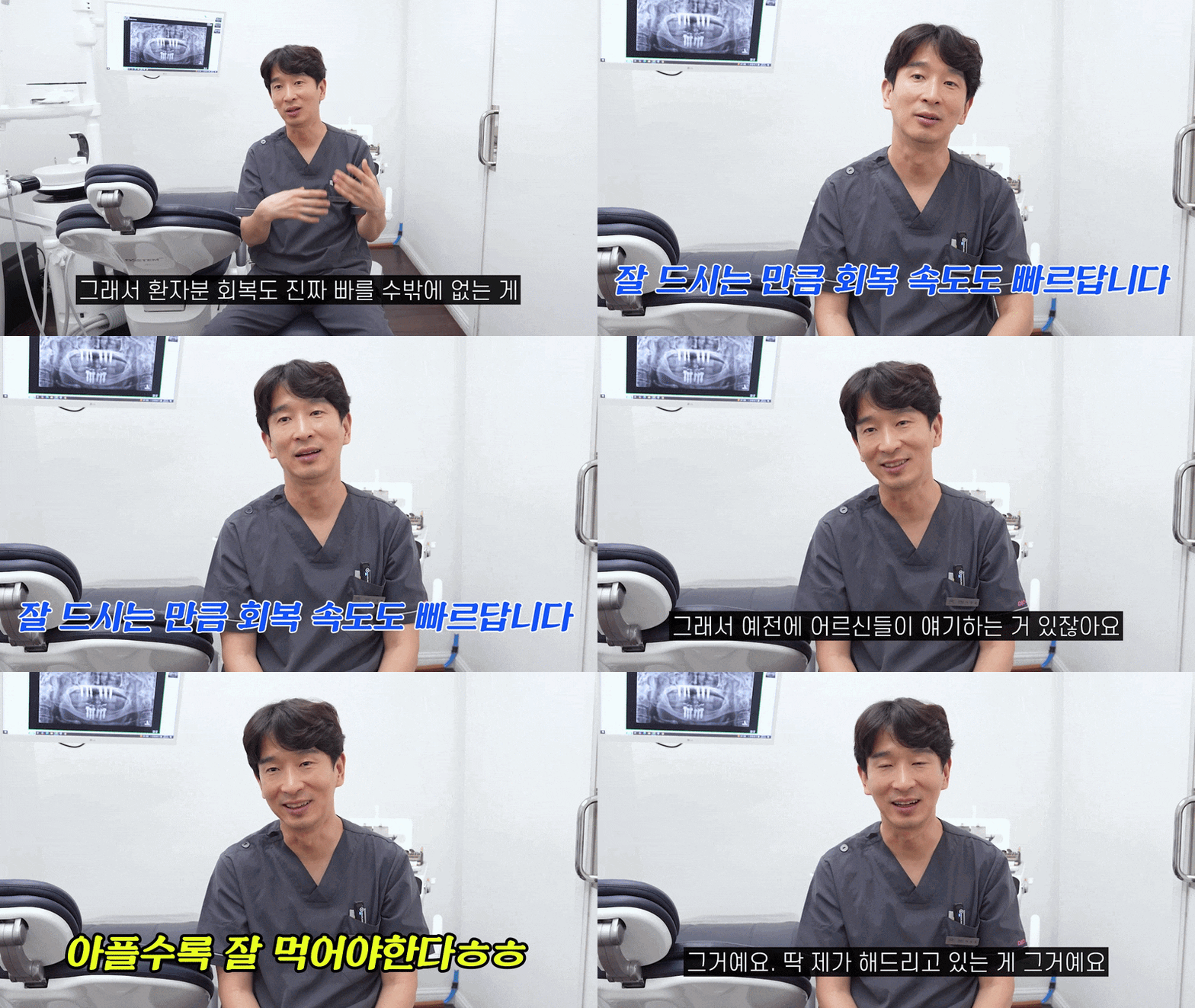
A. Unlike dentures, which move on top of the gums, these teeth are firmly fixed to the bone and do not move around in the mouth.
Using zirconia and pink porcelain to recreate a natural appearance for the teeth and gums, many patients gradually become able to enjoy firmer foods more comfortably.
Fear usually grows out of “not knowing.”
The reason we reviewed together today how much full-arch implant pain may be and the order in which recovery progresses is that I wanted to fill that lack of knowledge with understanding.
I cannot say that there will be no pain at all, but the pain has a clear beginning and end, and there are ways to manage it calmly.
I hope the step you have postponed for so long can be taken with a slightly lighter heart.
📍 Location | 3rd Floor, Namhangang Building, 820 Seolleung-ro, Gangnam-gu, Seoul
📞 Phone | 02-546-0654
🕒 Hours