Just hearing the words
“bone grafting”
frightened me so much
that I’ve already postponed
my consultation three times
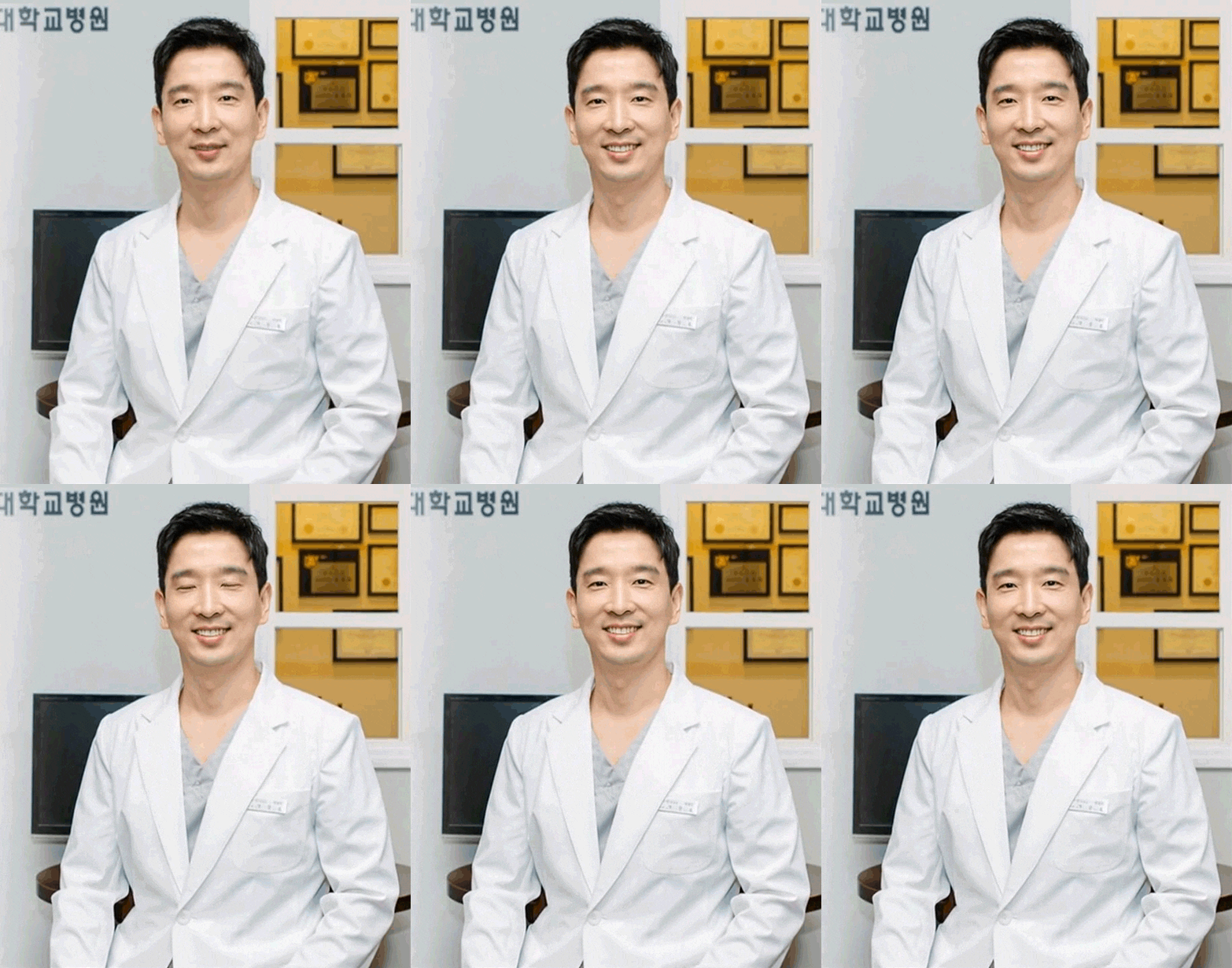
I’m Lee Jang-wook, the director of Etoile de Seoul Dental Clinic. I’m thirty-nine years old and a dentist who deals with jawbone and gumbone conditions every day in Seolleung, Gangnam.
Today, I’d like to carefully bring up one concern I hear very often in the treatment room.
If you opened this post, you have probably searched “how severe is the pain from bone grafting for dental implants?” over and over again in a search window late at night. I also hear many people say, “Dental implants are so painful and uncomfortable that I just can’t do it,” or, “My parents are so afraid that they can’t even bring themselves to walk through the hospital doors.”
I hope this post can make that overwhelming feeling a little lighter today.
✨ Watch the Chiterior YouTube video ✨
(Click)
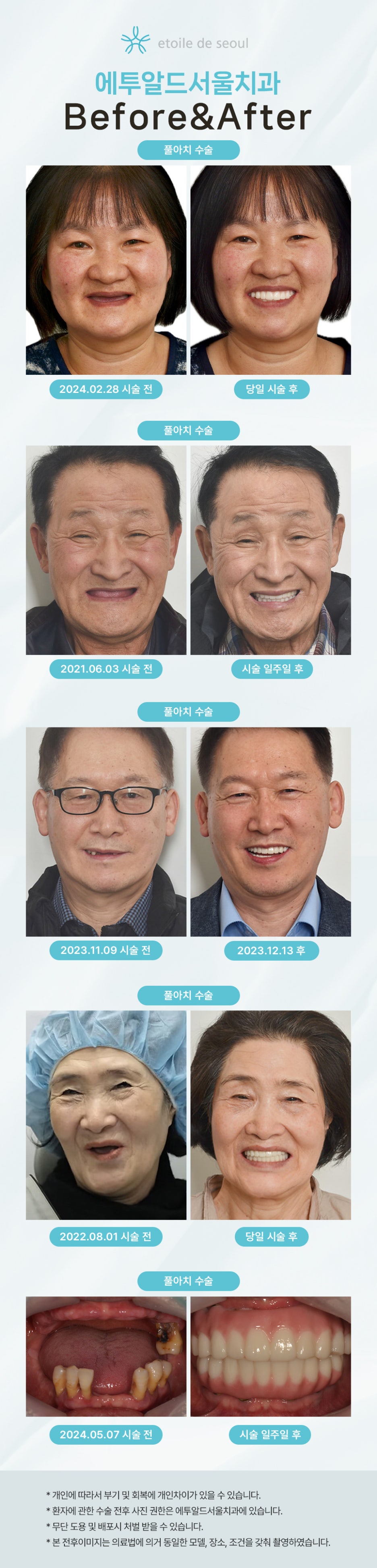
13 days after full-arch implants,
and all the way to the final teeth
❗A real patient review of the No-Bone Arch❗

A mother who kept
postponing treatment because she was afraid
A little while ago, a mother who had just turned sixty came to see me.
She told me that all of her lower teeth were loose and that her dentures kept falling out, making it impossible for her to comfortably eat even a bowl of soup.
But what was truly holding her back was her fear of pain.
“I heard that before getting implants, you have to put bone in first. They say it hurts like having your bone shaved down—is that true?” When she told me she had been lying awake at night worrying, I quietly nodded. I understand that feeling all too well.
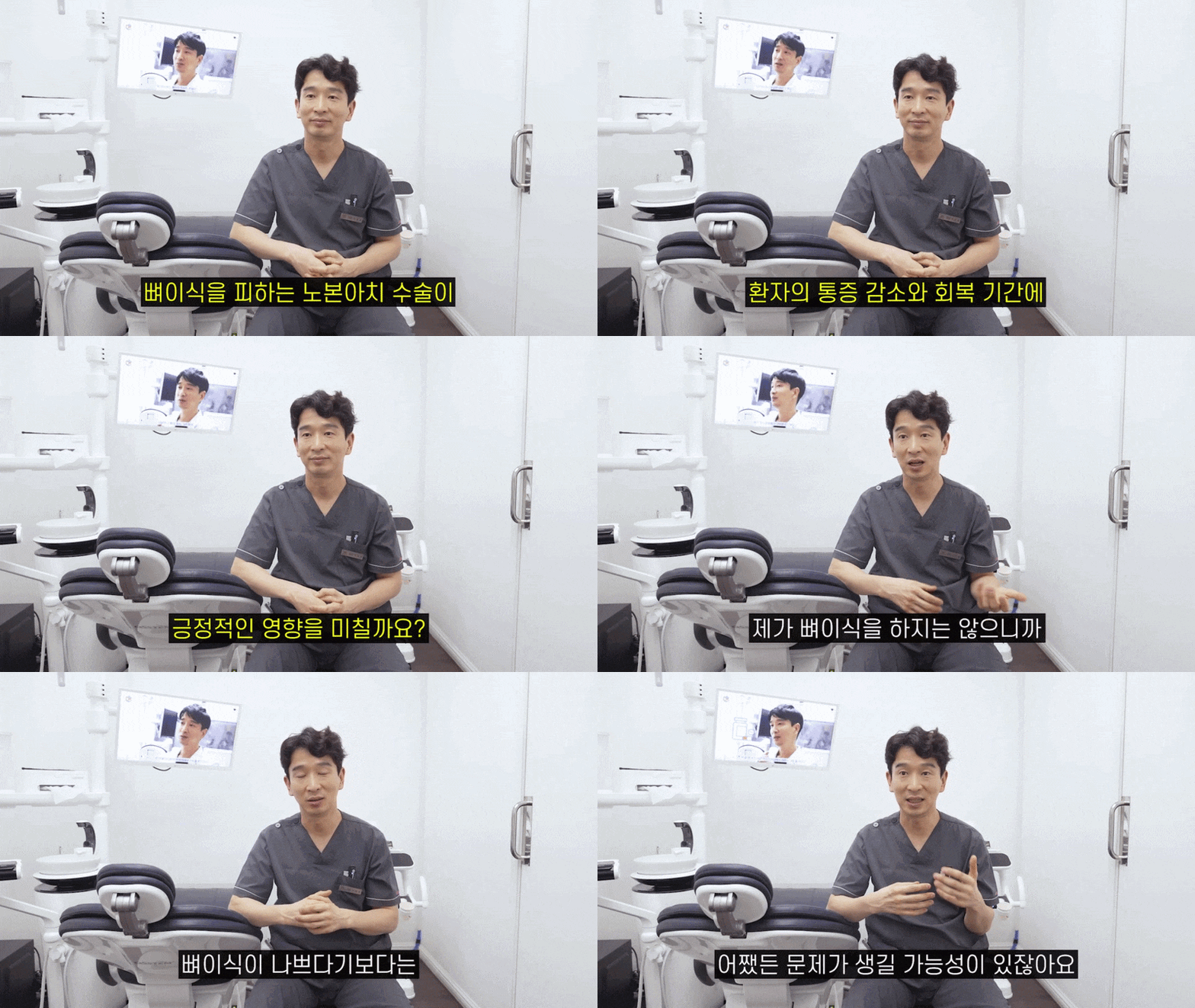
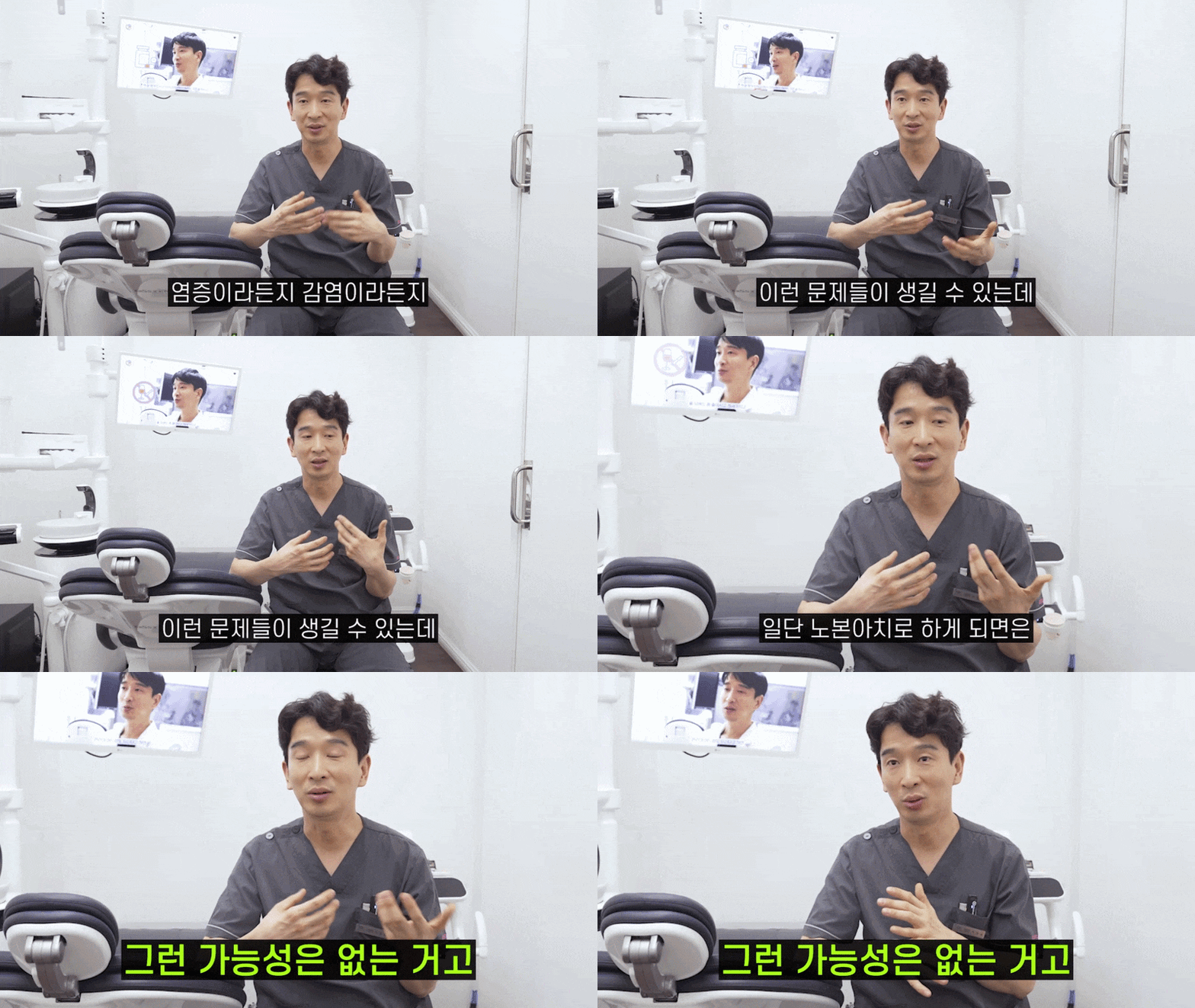
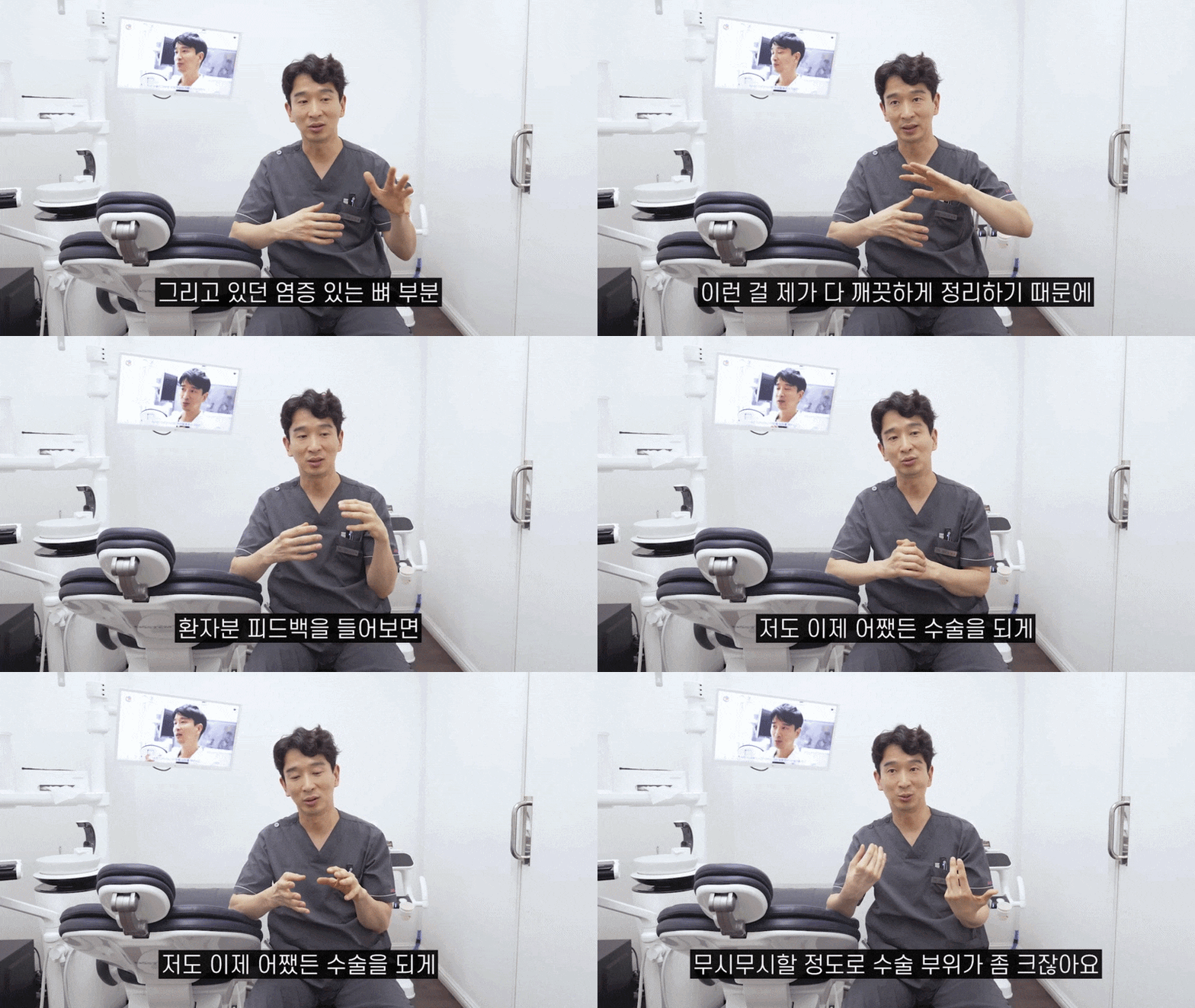
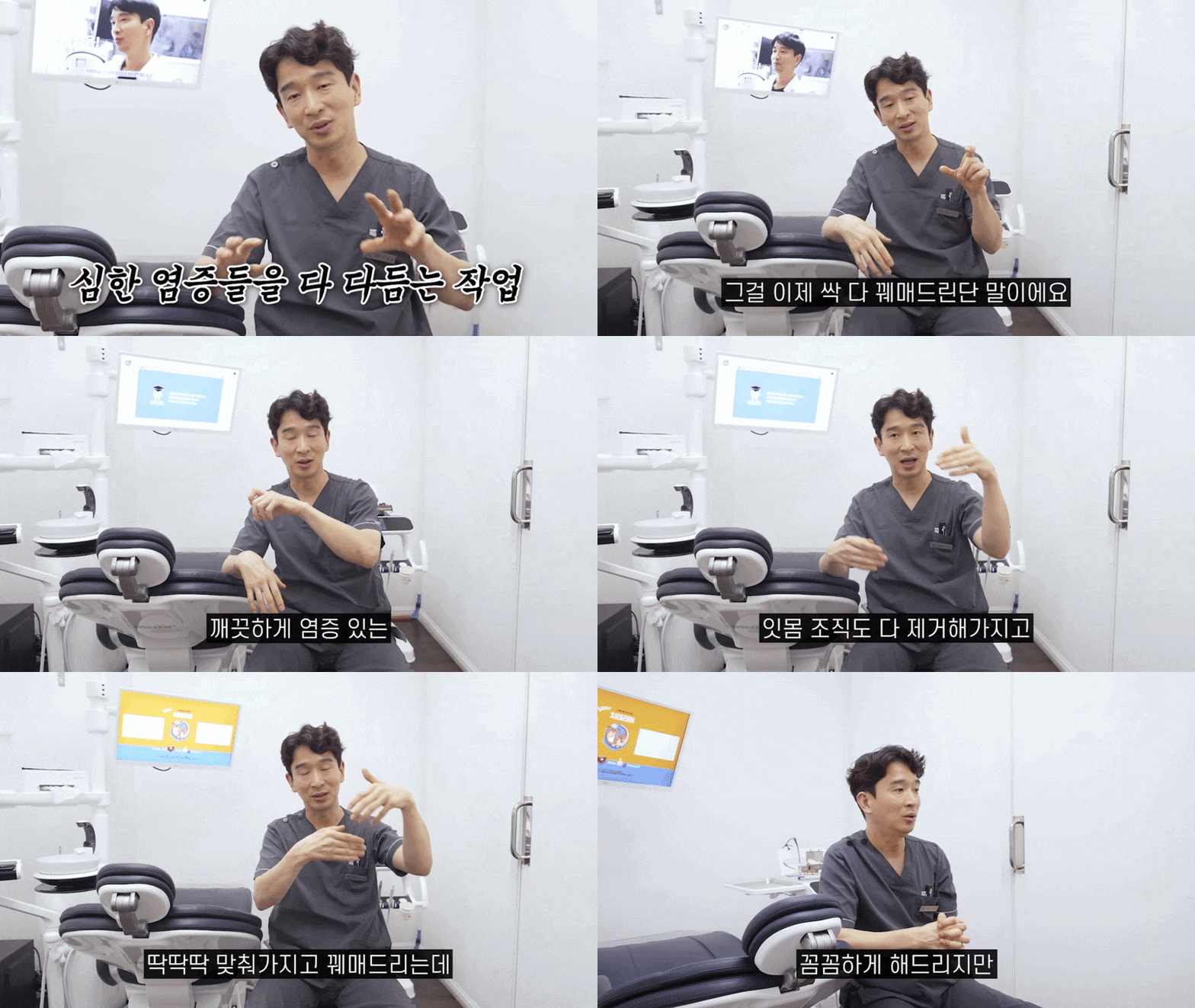
Why do people say there is not enough bone?
When a tooth has been missing for a long time, the jawbone gradually resorbs.
This is called “bone resorption.”
It is similar to the soil in a flower bed that has been left empty for a long time and is gradually washed away by wind and rain. To firmly place an implant post, there needs to be enough of that soil—in other words, bone. If it has become too shallow, the post may become loose.
The process of filling in the missing bone is what we call bone grafting for dental implants.
If your gums feel thinner or you feel that you cannot apply enough force when chewing, these may be signals from your body that the bone is decreasing.
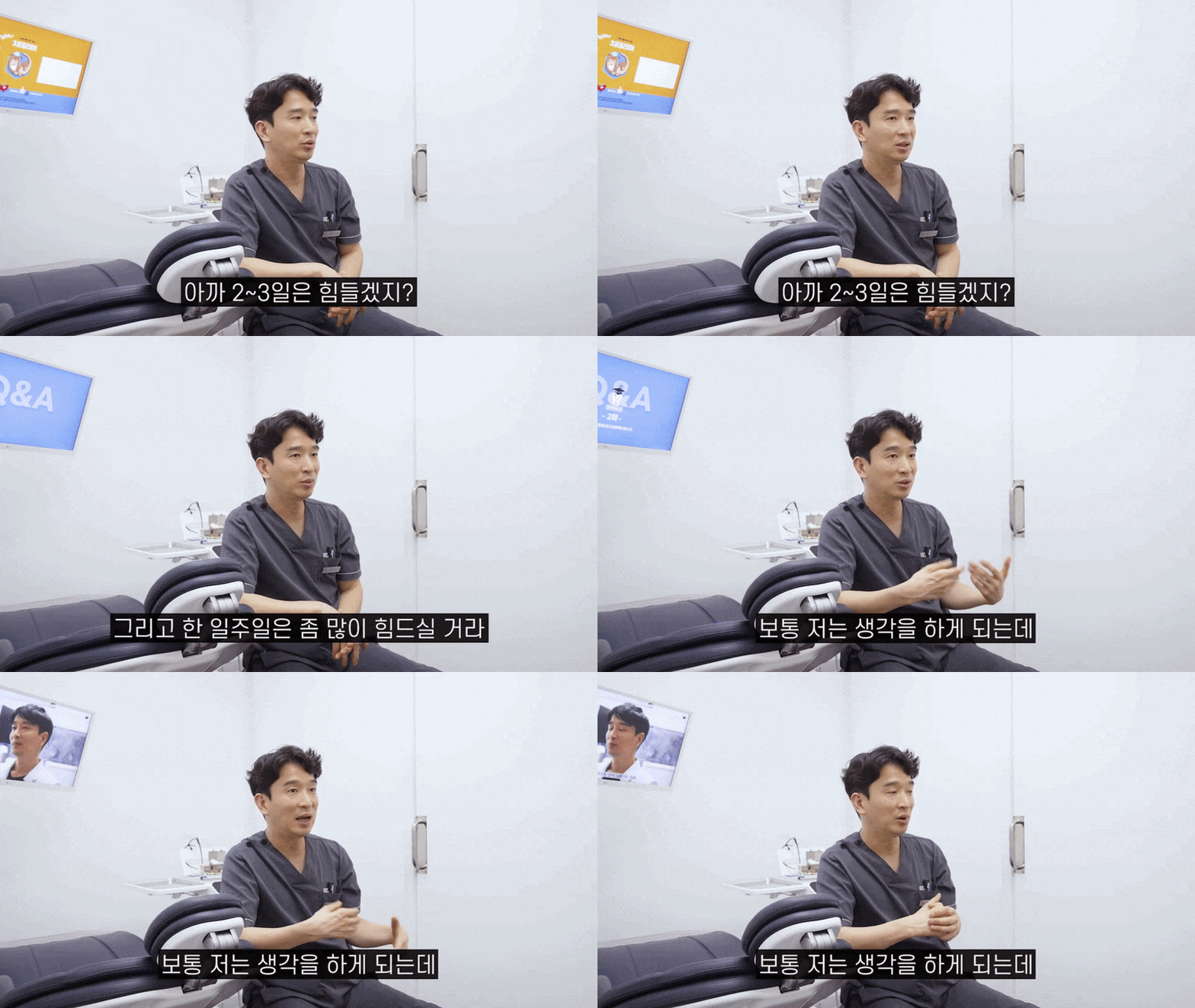
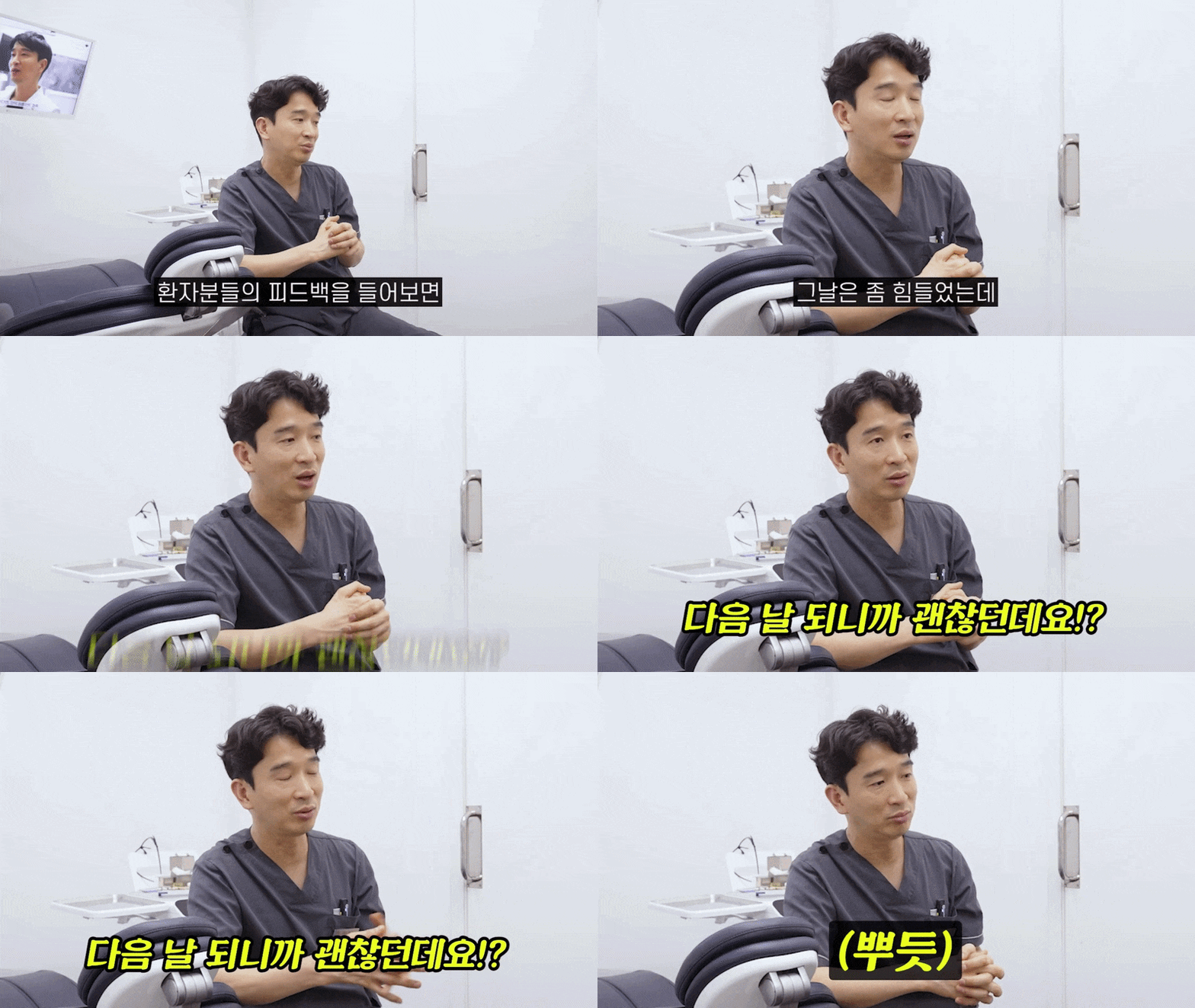
A No-Bone Arch that reduces the burden of bone grafting
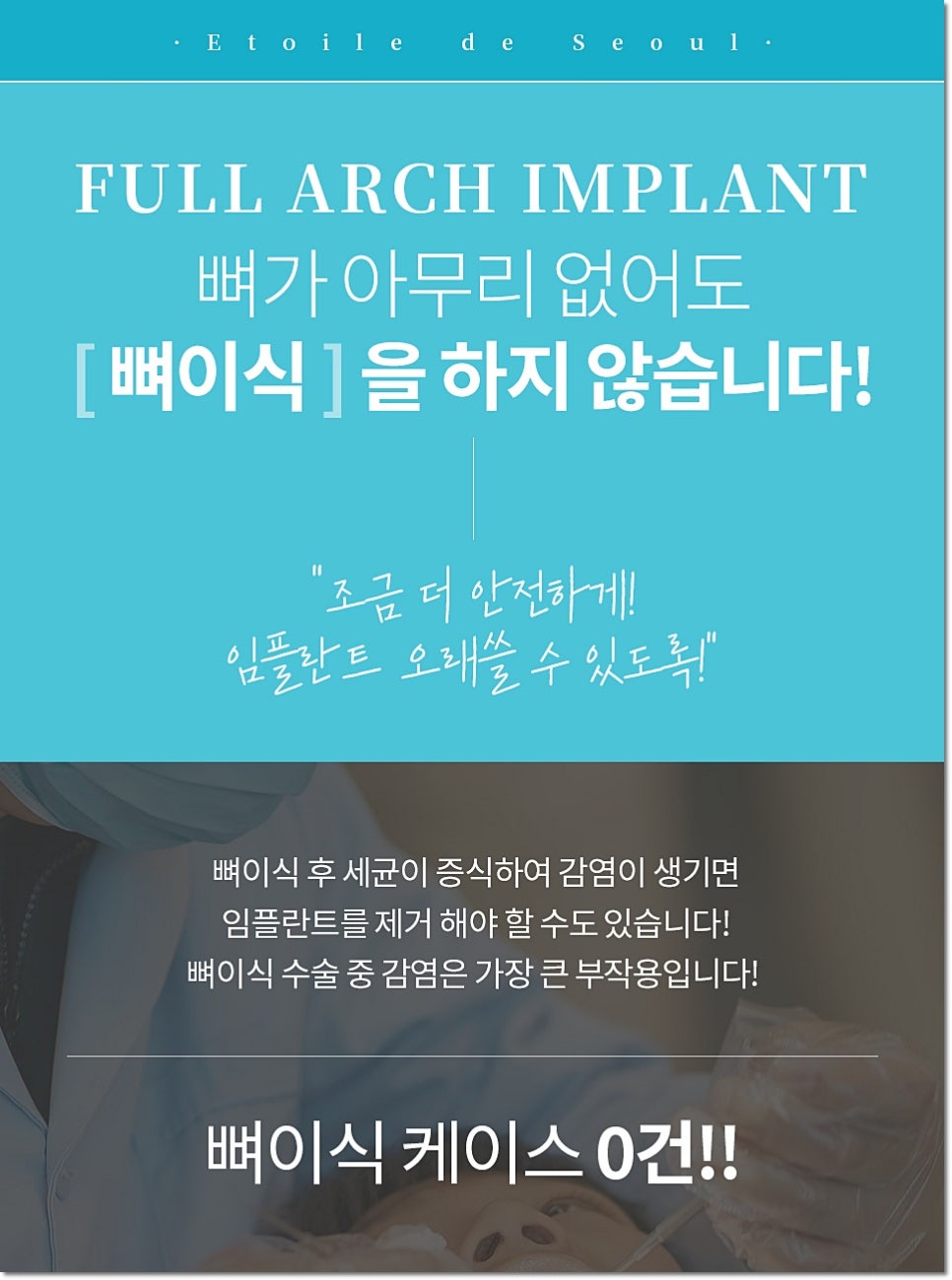
Fortunately, there is more than one approach. The No-Bone Arch at Etoile de Seoul Dental Clinic is a treatment method that uses the location and angle of the bone that remains firm, even in edentulous patients with severe bone loss—in other words, people who have few or no teeth remaining.
First, implants are placed at an angle in areas where the bone is strong. This often reduces or avoids the need for bone grafting for dental implants.
Second, a mock surgery is performed using a treatment plan created in advance with 3D CT and an intraoral scanner, allowing the implant positions to be planned precisely.
Third, the entire arch is supported by four to six implants in a fixed design, so it does not move around in the mouth and helps restore chewing strength closer to that of natural teeth.
There is also no need to repeatedly remove and reinsert it as with dentures.
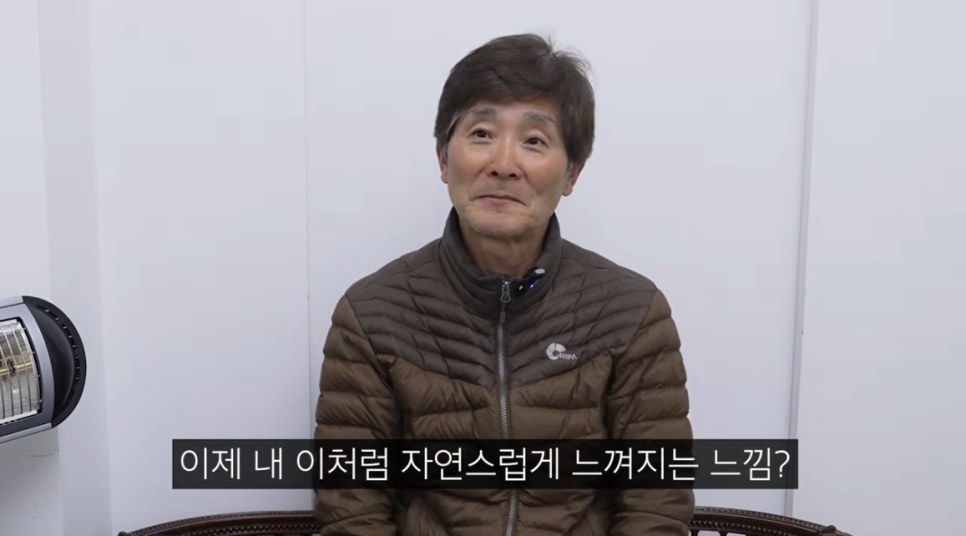
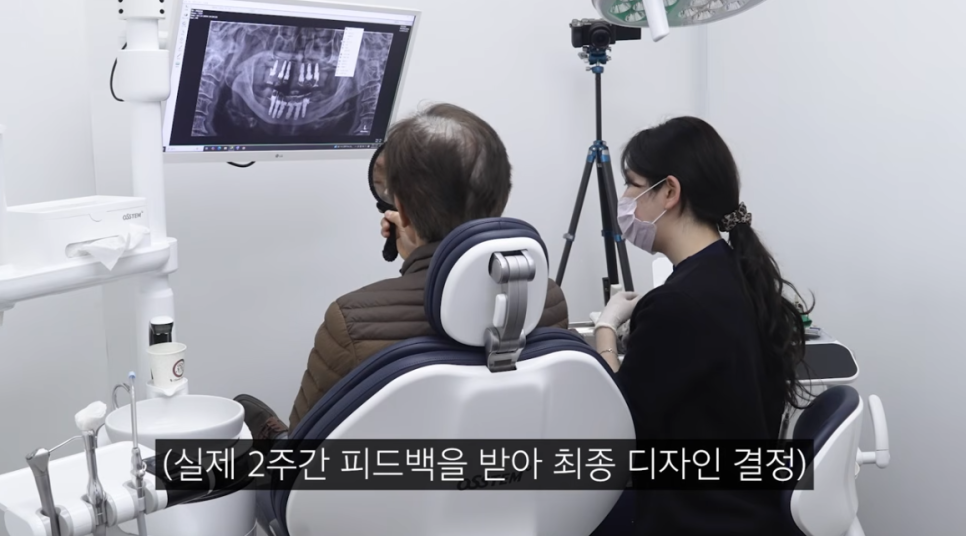
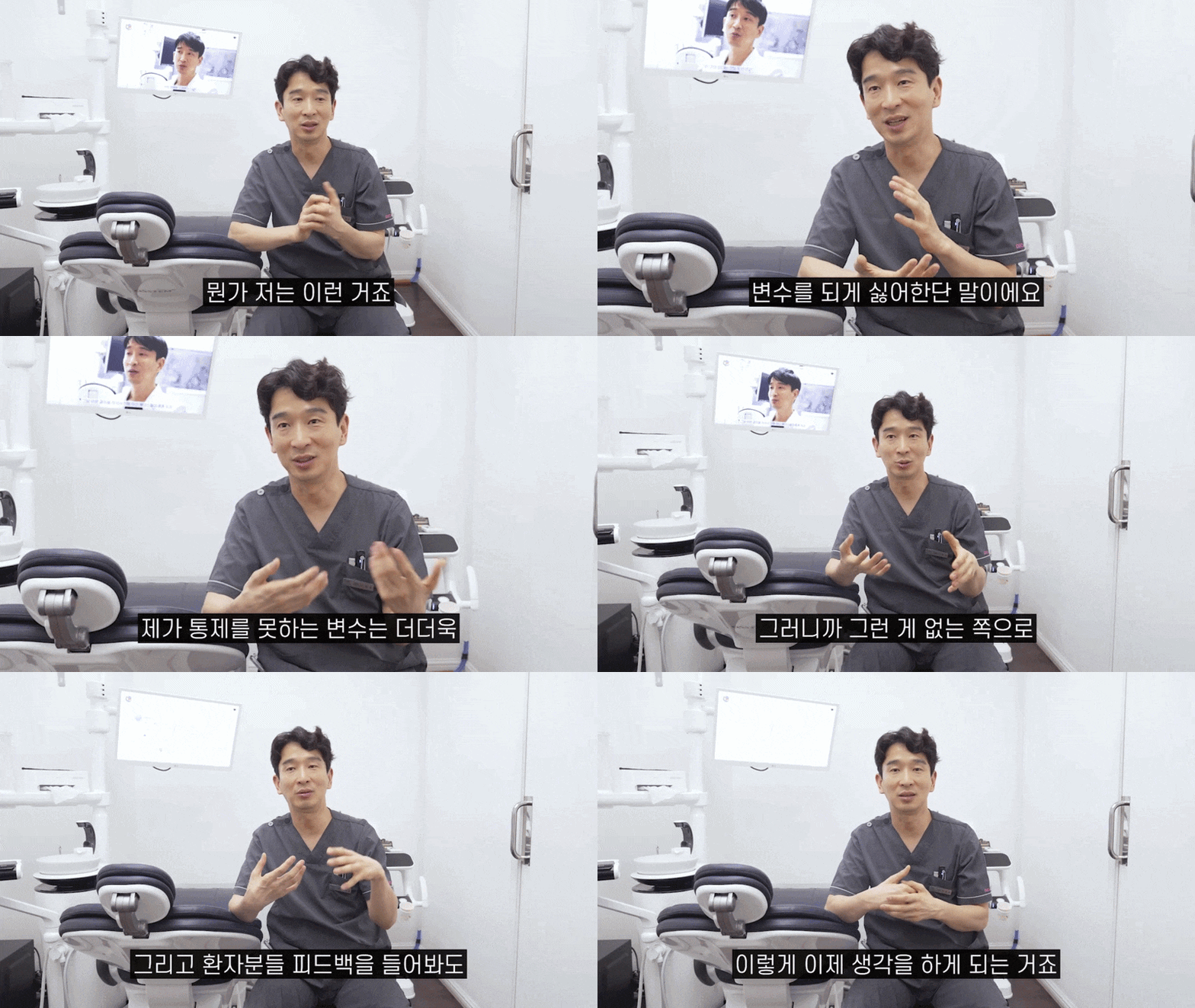
What I told her
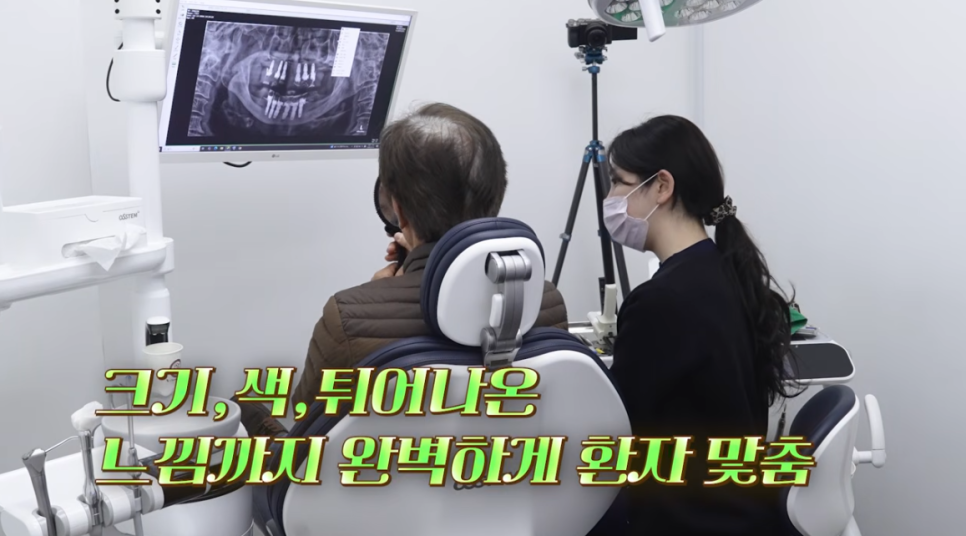
I sat beside her and looked over the CT images together with her.
“Ma’am, the bone around the inner molar area is still fairly firm.” Because the implant could be placed while making use of that area, it was possible to minimize the bone-grafting process.
I still remember the moment when her tense expression gradually began to relax as she listened to the explanation.
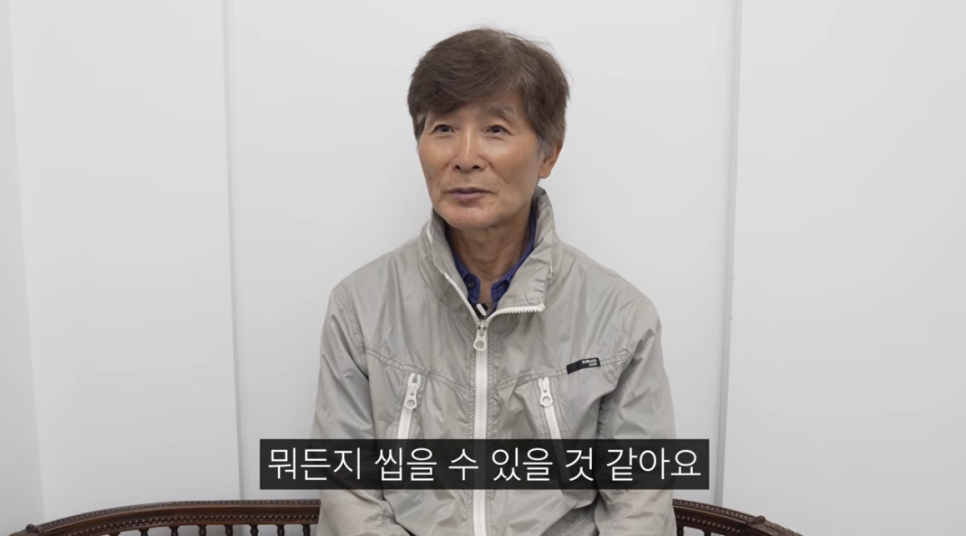
Of course, I did not tell her, “It won’t hurt at all.”
There may be swelling and soreness for several days after surgery.
However, I honestly explained that for most people, the discomfort is manageable with ordinary pain medication and that many say it was more tolerable than they expected. Rather than making promises I cannot keep, I share things as they are.
That is how I approach my patients.
For the part of you that has kept postponing treatment out of fear
If you have been unable to take even the first step because you are afraid of pain from bone grafting for dental implants, your hesitation is not an overreaction.
The days you postponed treatment because you were afraid it would hurt have accumulated, and your heart has probably become even heavier.
Bone grafting cannot be avoided in every case, but when the condition of the bone is examined accurately, there are certainly cases in which a way to reduce the burden can be found.
I hope this post has provided at least a little breathing room for your heavy heart today.
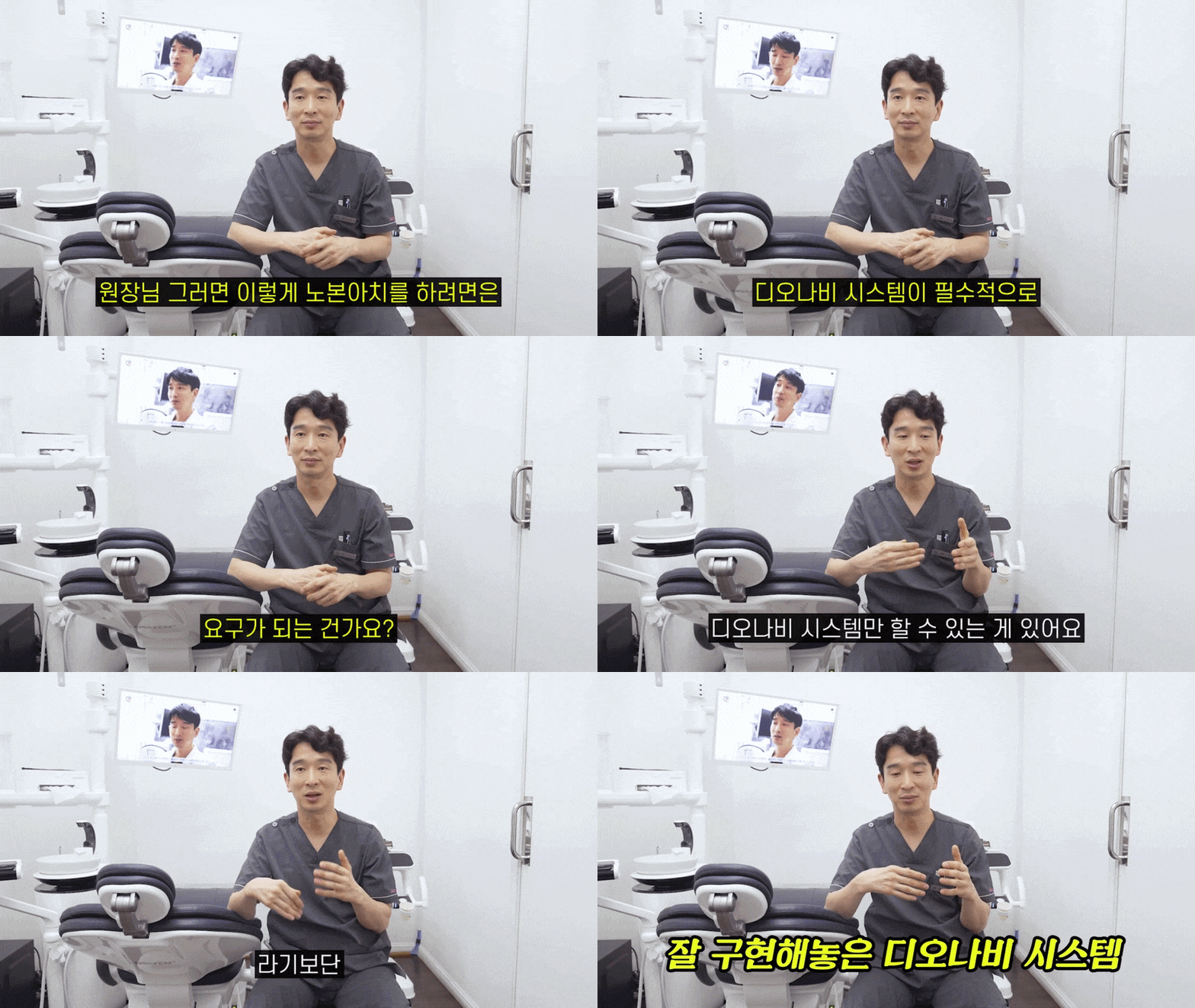
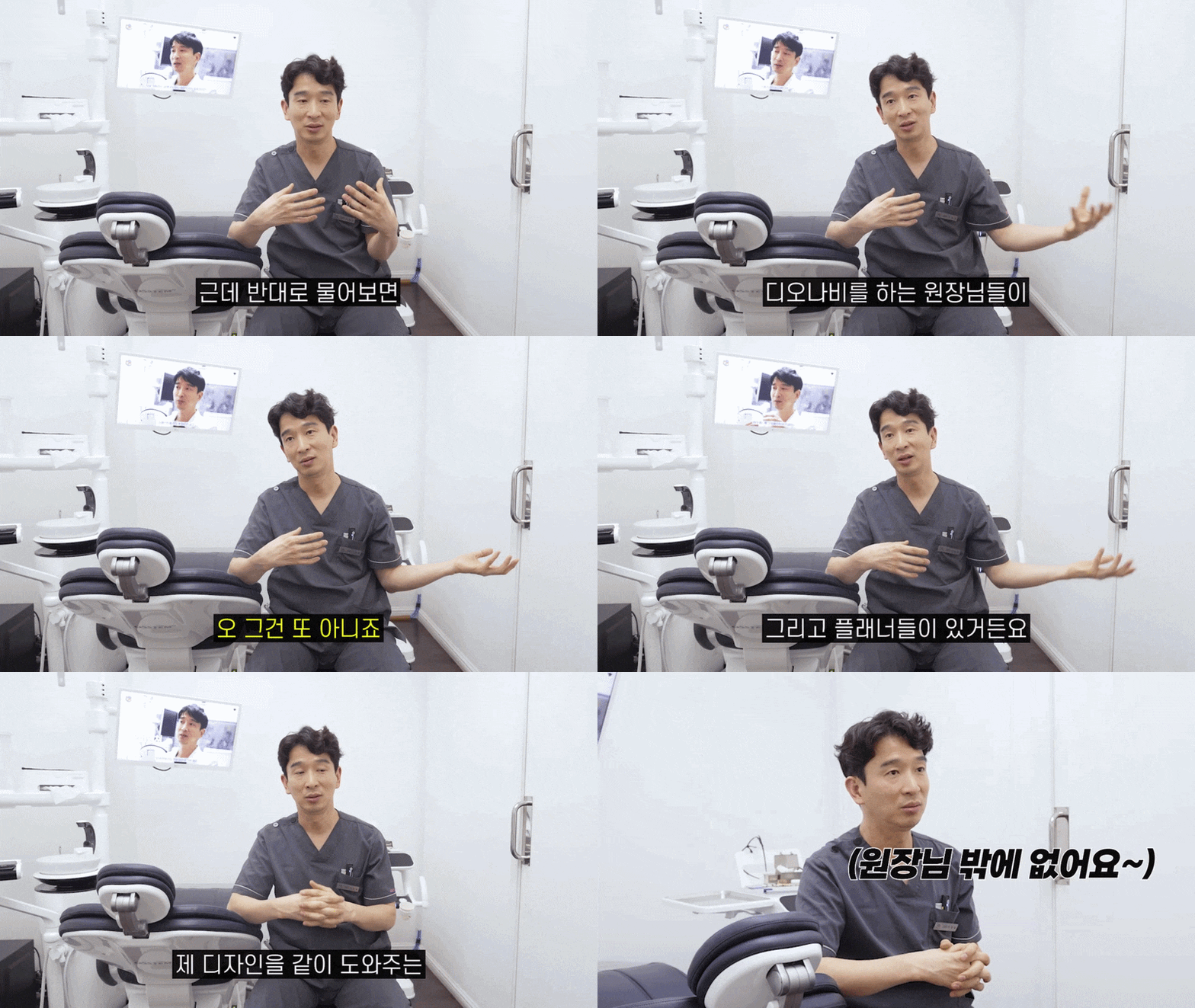
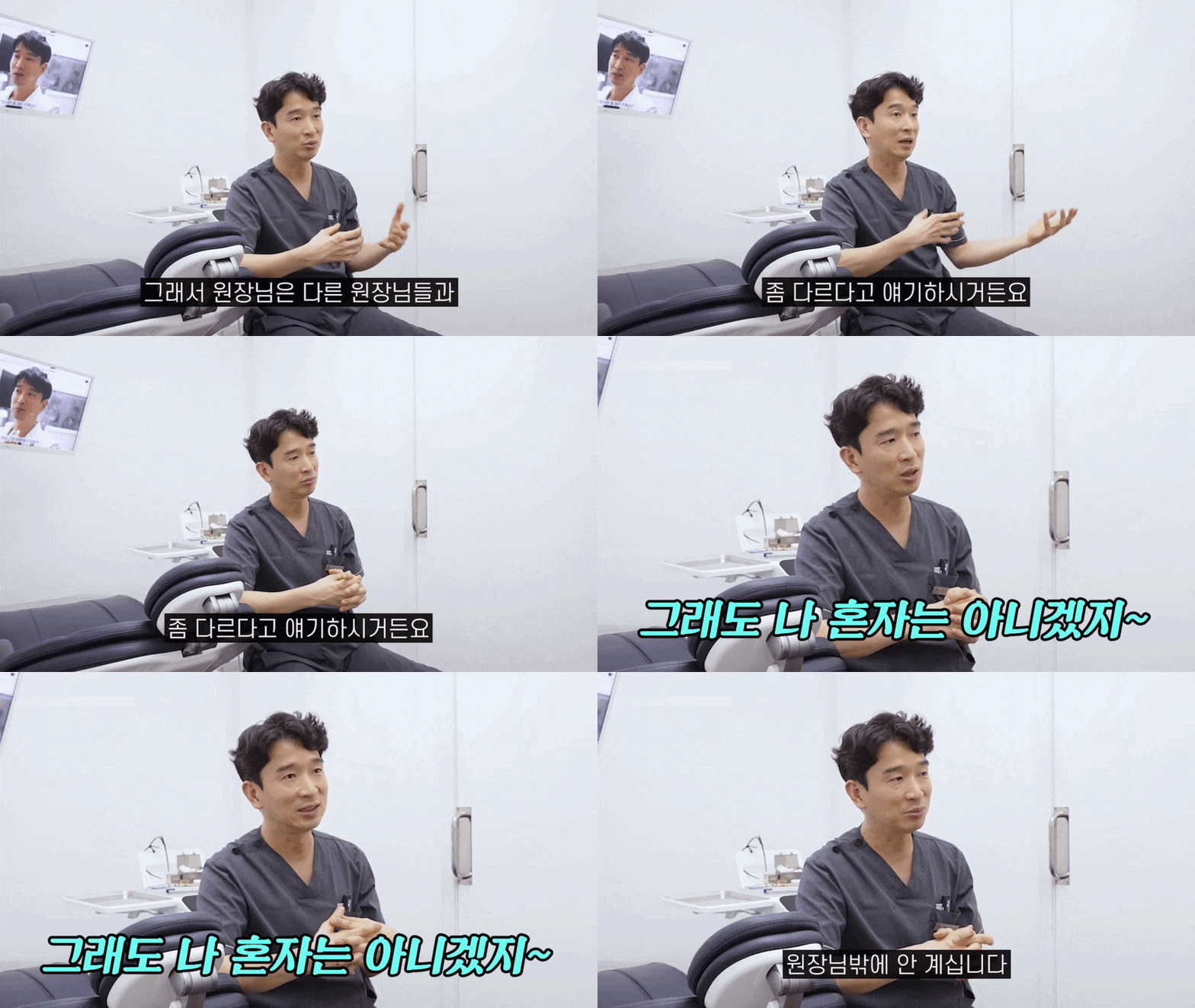
The director answers your questions directly
Q1. I was told that I have almost no bone left. Is a fixed restoration still possible?
A. We first need to use CT to check the location and density of the remaining bone. Even when the bone appears insufficient, there are often areas where implants can be placed by taking advantage of their angle. Rather than making a premature judgment, we recommend confirming the situation through a detailed examination.
Q2. Why does the No-Bone Arch involve less of a burden from bone grafting?
A. It is designed to select bone that is still strong and place the implants in alignment with its direction, rather than filling the collapsed area with new bone. You can think of it as setting a post where the soil in a flower bed remains firm.
Q3. How much pain can be expected after surgery?
A. It varies from person to person. There may be swelling and soreness for several days, but they are generally manageable with prescribed pain medication.
We cannot say that there will be no pain at all, so we explain the recovery process in detail beforehand.
Q4. Can I receive treatment if I have diabetes or high blood pressure?
A. In many cases, treatment is possible if the condition is well controlled.
However, this depends on your overall health, so we carefully determine whether to proceed by reviewing your general condition along with the CT images.
Q5. Are there no side effects at all?
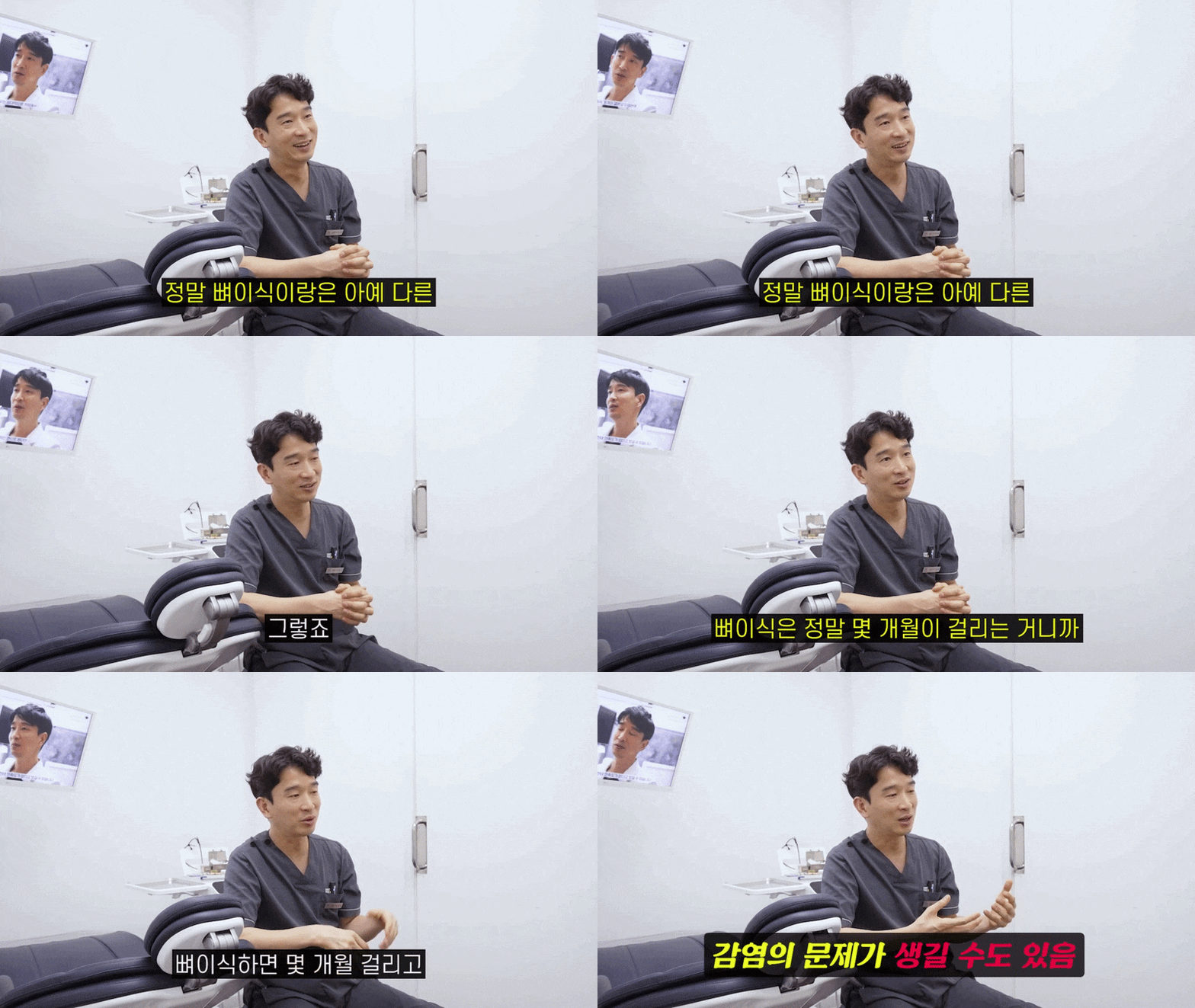
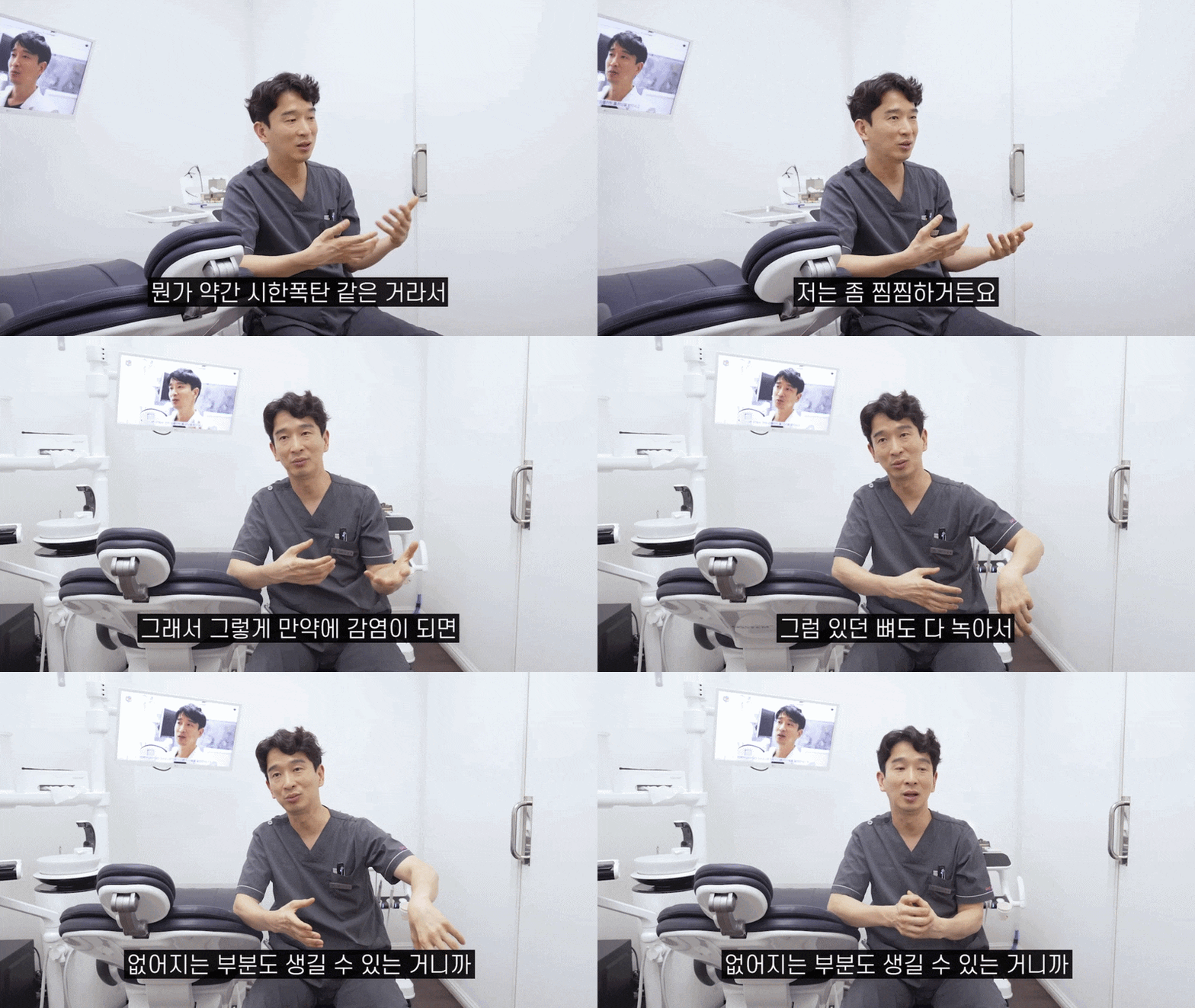
A. As with any surgery, it is impossible to completely rule out possibilities such as swelling or infection.
That is why we provide guidance on regular checkups and follow-up care, and aim to explain any concerns openly and honestly.
🦷 Information about Etoile de Seoul Dental Clinic
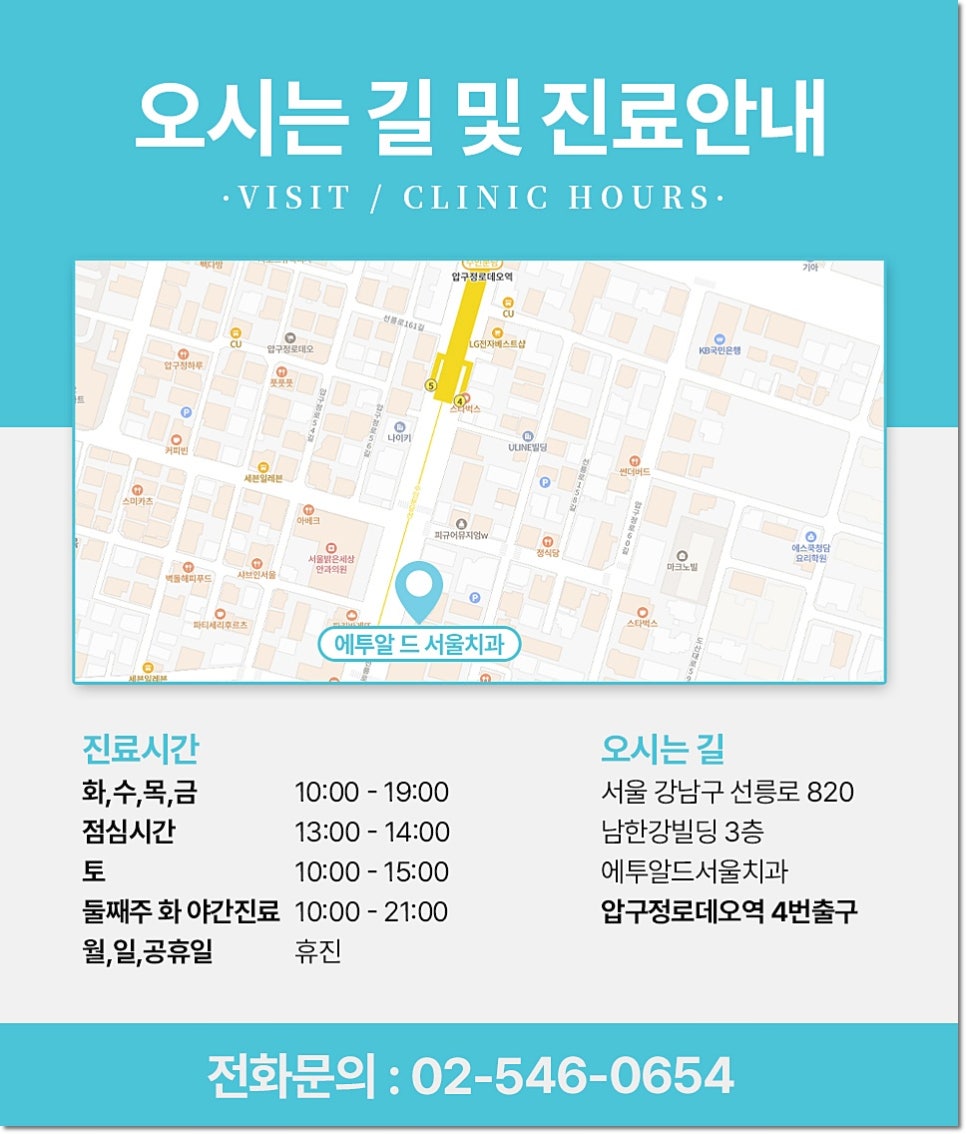
Etoile de Seoul Dental Clinic is located in Seolleung, Gangnam. Please refer to the information below.
📍 Address: 3rd floor, Namhangang Building, 820 Seolleung-ro, Gangnam-gu, Seoul
📞 Phone: 02-546-0654
🕙 Office hours
· Tuesday–Friday: 10:00–19:00 (Lunch: 13:00–14:00)
· Saturday: 10:00–15:00
· Second Tuesday of every month: Evening hours until 21:00
· Monday: Closed
Thank you for reading. I hope this post has helped make your heart a little lighter as you face a concern you have been putting off for a long time.