Dental implants for your parents
When you receive an estimate,
have you ever paused for a moment
at the numbers?
These days, the question we hear most often from daughters and sons who bring their elderly parents to the clinic is, “Is this actually covered by insurance?”
When you hear that a single implant can cost well over one million won, it can be difficult to make an immediate decision, even when you know treatment is necessary.
However, if you are over 65, there is a way to reduce that burden more than you might expect.
Today, I will explain step by step how much and how far national health insurance applies to dental implants for seniors, just as I would explain it in the treatment room.
✨ Watch the 치테리어 YouTube video ✨
(Click)
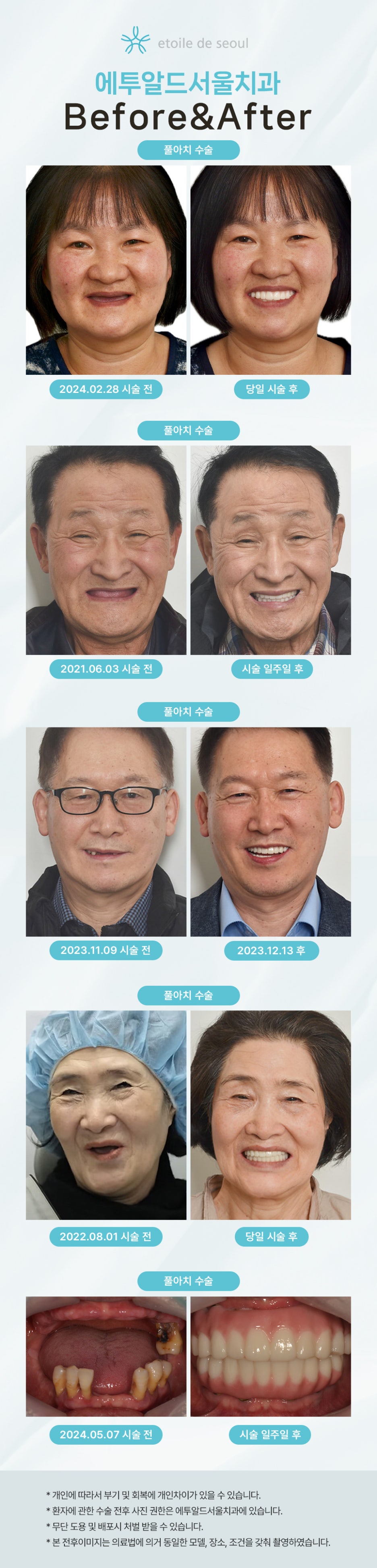
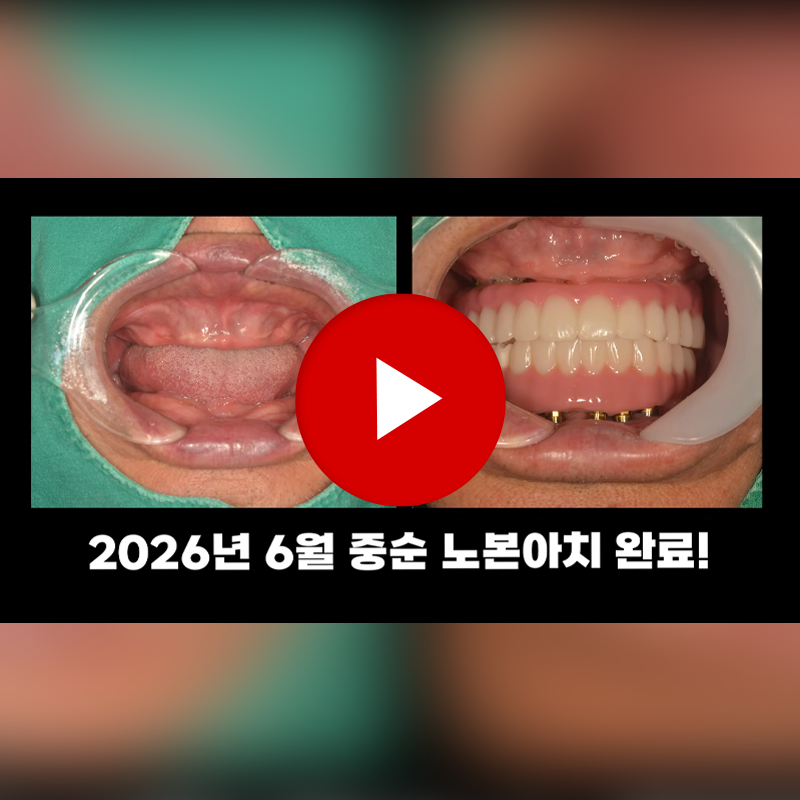
What process leads to the completion of the final teeth
after No-Bone Arch full-arch implant surgery?
❗What steps are involved?❗
About implant insurance,
- Who is eligible for national health insurance coverage?
The first things to check for senior implant coverage are age and gum condition.
National health insurance covers people who are at least 65 years old and have some natural teeth remaining in the mouth—a condition known as “partial edentulism.”
Many people find this confusing, but people with no remaining teeth at all—“complete edentulism”—are excluded from implant coverage and instead receive coverage for dentures.
In simple terms, you can think of it as needing to have at least some foundation left on which to place the implant posts before the door to implant coverage opens.
It is also worth remembering that you can apply once you have turned 65 after your birthday has passed.
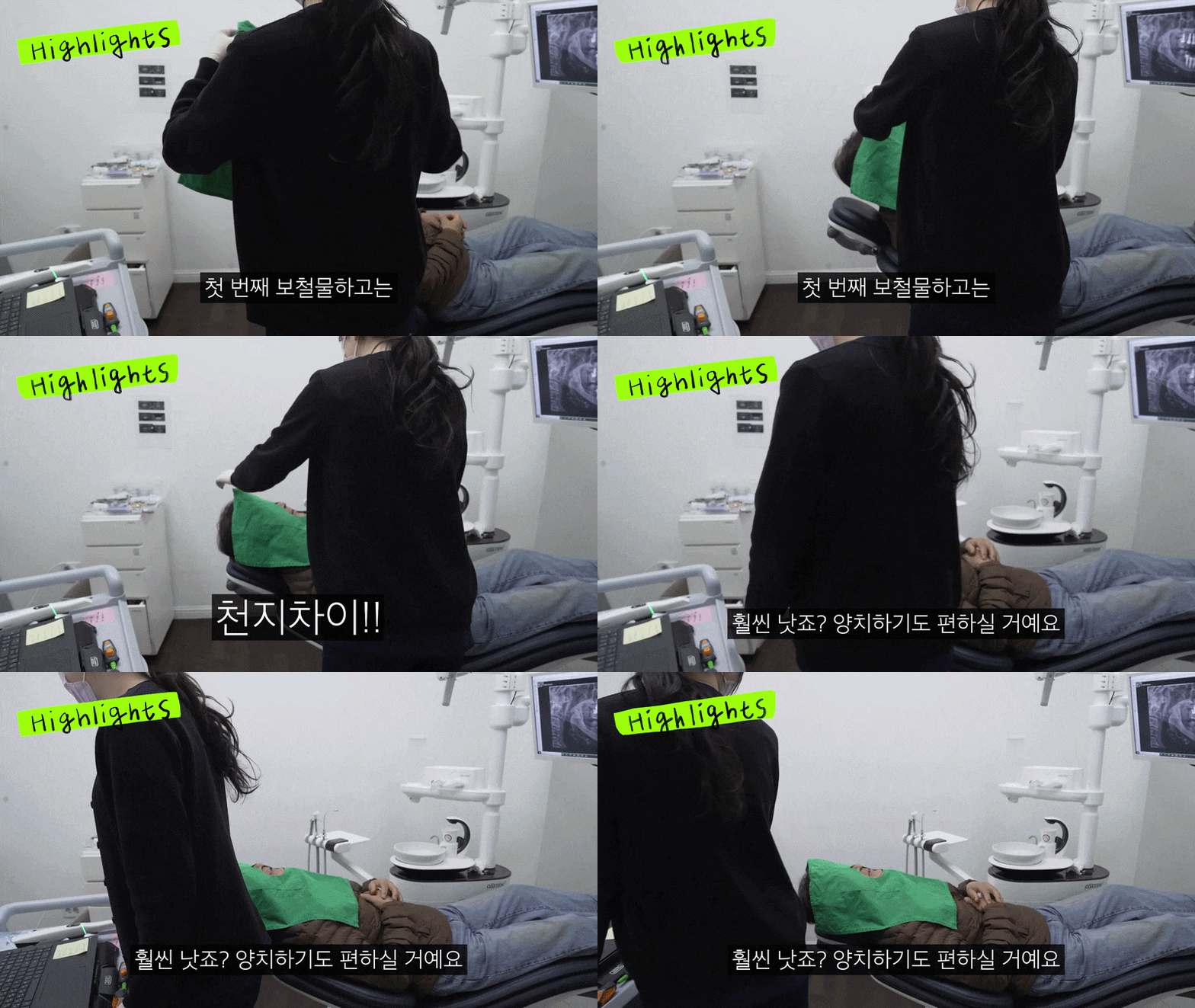
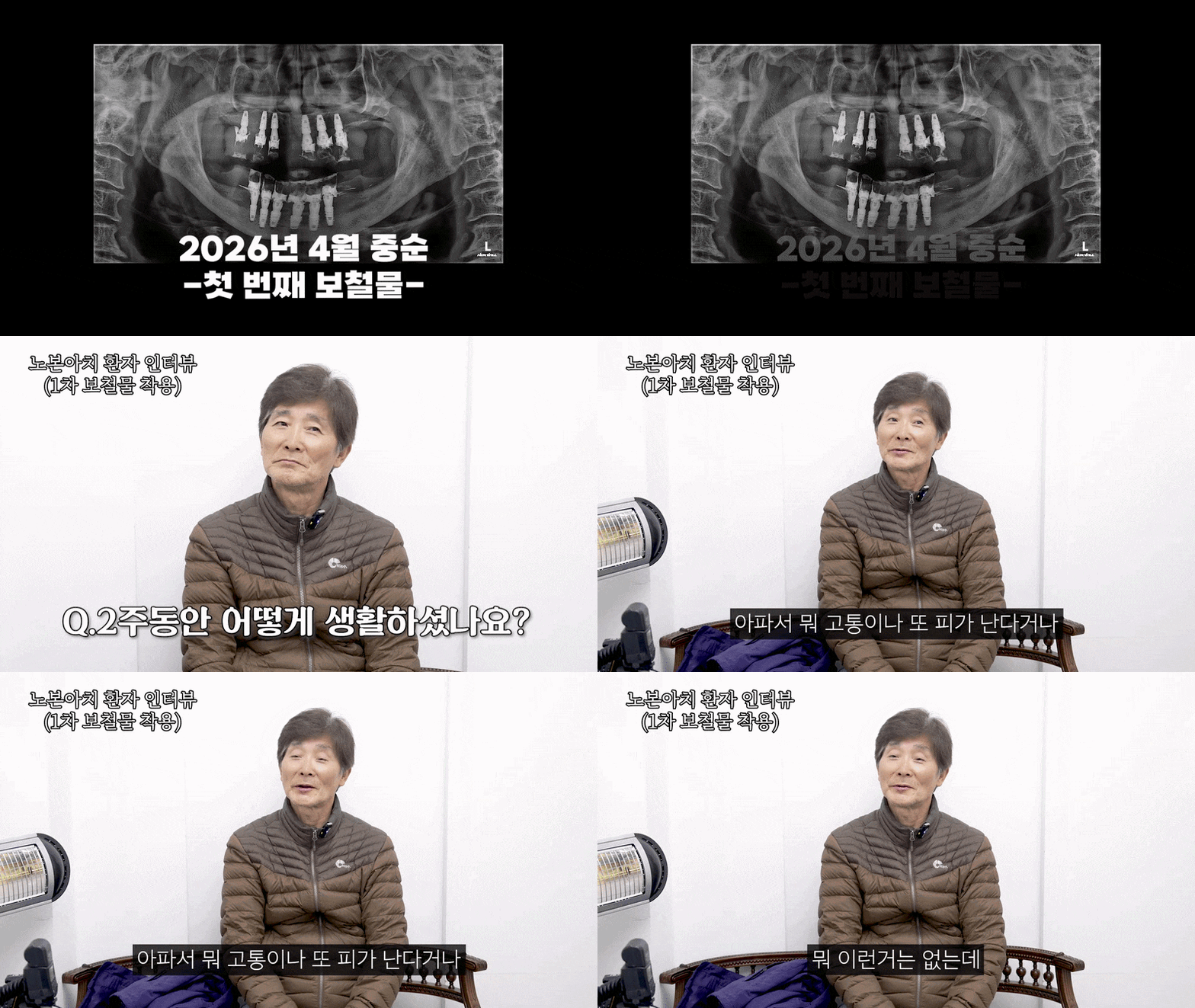
- How many are covered, and how much is the out-of-pocket cost?
The lifetime limit is two implants.
This means two in total across both the upper and lower jaws. You may receive two at once or have them placed separately several years apart.
For example, you could have one placed at age 66 and another at age 72.
In terms of cost, national health insurance subscribers generally pay about 30% out of pocket when treated at a clinic-level dental facility. Based on the 2026 fee schedule, this comes to approximately 370,000–440,000 won per implant.
For people receiving Medical Aid, the burden is lower: approximately 10% for Type 1 and 20% for Type 2.
As senior implants become non-covered services starting with the third implant, it is important to plan in advance where to use the two covered implants.


- How much of the zirconia crown and bone grafting is covered?
The material used for the prosthesis—in other words, the new tooth placed above the gums—is another topic patients often ask about.
Previously, only crowns with a visible metal component were covered, but since February 2025, coverage has been expanded to include white zirconia crowns.
This is welcome news for people who were concerned about appearance, especially for front teeth.
However, not every part of the process is covered.
If the jawbone has receded significantly and bone grafting is needed, the bone graft may be treated as a non-covered service separate from implant coverage.
Because the total cost varies depending on the condition of the bone, it is a good idea to clarify during the initial diagnosis which parts are covered and from where non-covered services begin.
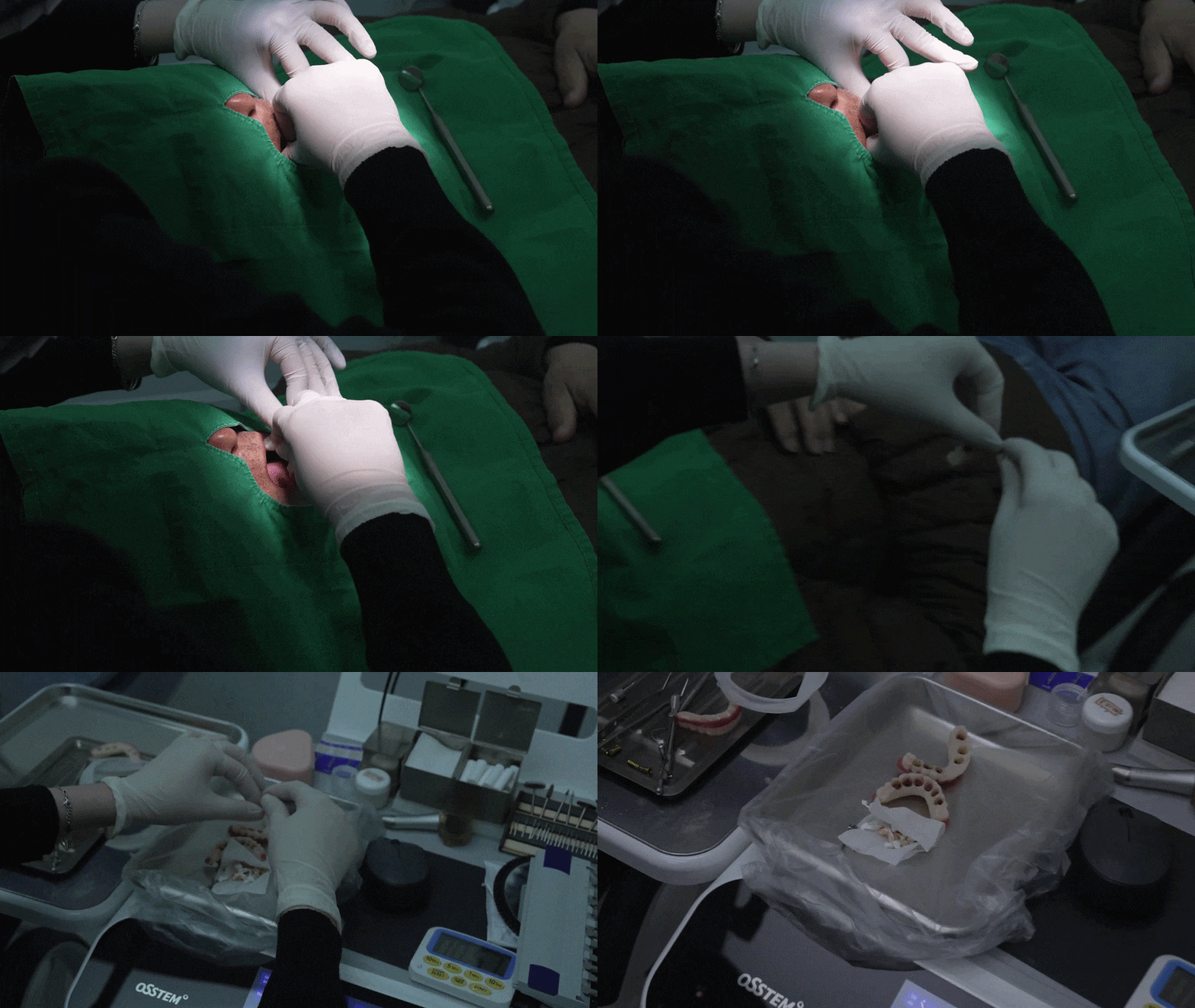
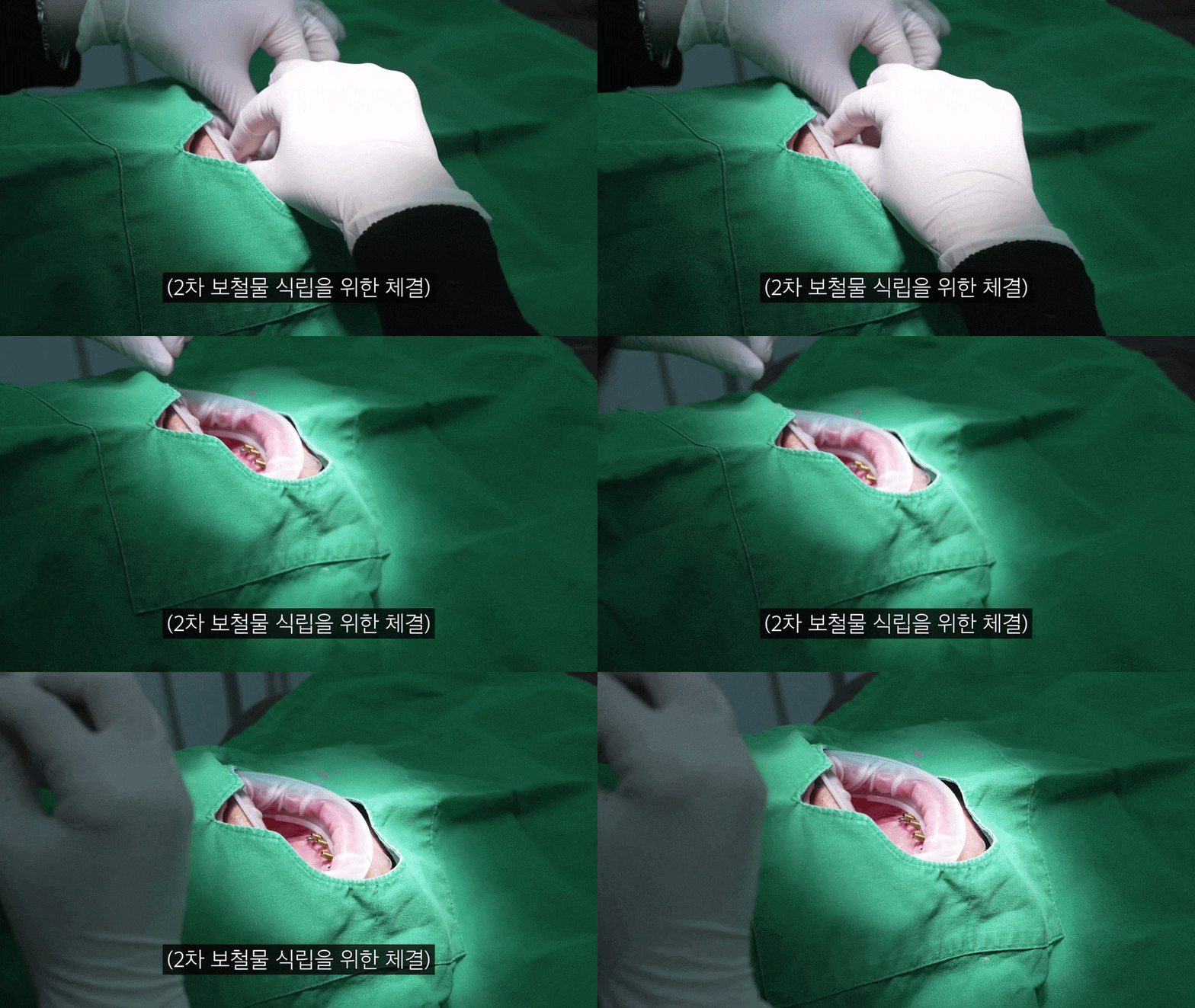
| 💡 A word from the director | When receiving an estimate, check whether the covered and non-covered items are listed separately. Even if implant placement itself is covered, additional procedures such as bone grafting or sinus procedures may be non-covered, changing the total amount. Asking about the two categories separately in advance can help reduce surprises about unexpected costs. |

- This is how application and registration proceed
The procedure itself is not complicated.
Patients do not need to submit separate documents to a government office. After the dental clinic completes the eligibility registration, coverage is applied according to the diagnosis, surgery, and prosthetic stages.
However, there are two things to keep in mind.
First, if you have already received an implant covered by insurance, you should check how many of your lifetime allotment remain before registration.
Second, changing dental clinics after a treatment stage has begun may restrict coverage.
Therefore, when choosing a clinic for senior implants, it is best to consider whether you can continue visiting that clinic through the end of treatment and whether traveling there will be manageable.

- How is this different from denture coverage?
People with complete edentulism will look into coverage for complete dentures or for dentures secured with several implants instead of receiving implants alone.
While implant coverage focuses on filling gaps in people who still have natural teeth, denture coverage places greater emphasis on restoring chewing function for people who have lost most of their teeth.
The out-of-pocket cost structure and coverage intervals also differ, so the first step is to determine which category your condition falls into.
The table below summarizes the broad differences between the two systems.
| Category | National health insurance implants | National health insurance dentures |
|---|
| Eligibility | Age 65 or older, partial edentulism | Age 65 or older, complete or partial edentulism |
| Number/scope | 2 over a lifetime (combined upper and lower jaws) | Based on the applicable complete- or partial-denture criteria |
| Out-of-pocket rate (subscribers) | Approximately 30% at clinic-level facilities | Generally lower than for implants |
| Prosthetic materials | Coverage includes zirconia crowns (from February 2025) | Varies by criteria, such as resin or metal-based dentures |
| Additional procedures | Bone grafting and other procedures may be separately non-covered | Varies according to criteria for pre- and post-treatment procedures |
Answers directly from the director
Q1. Do the benefits begin automatically when I turn 65?
A. Age is only one of the requirements.
The dental clinic will also check whether your gum condition qualifies as partial edentulism and whether you have any remaining lifetime allotment before determining your eligibility.
You can apply after your birthday has passed.
Q2. Can I have the two implants placed separately instead of at once?
A. Yes, you may receive them separately.
However, the lifetime limit of two remains unchanged, so it is a good idea to plan which locations will provide the greatest benefit for chewing.
Q3. Are there any side effects or precautions if the treatment is covered by insurance?
A. Regardless of insurance coverage, any implant procedure may be followed by reactions such as swelling or pain, and in rare cases, inflammation.
In particular, people with diabetes or high blood pressure should first have their condition assessed and controlled. Please provide accurate information during the diagnosis so that appropriate management can be planned together.
Q4. Is an estimate incorrect if it includes non-covered items?
A. No.
Even if implant placement is covered, additional procedures such as bone grafting may be non-covered, so it is natural for both categories to appear on the same estimate.
You only need to have each item explained so you understand what it means.



Even matters that seem overwhelming when viewed only as numbers can become more manageable when you go through the criteria one by one.
For senior implants, national health insurance provides solid support that can ease the burden on your parents.
However, gum condition, the number of remaining teeth, and the need for additional procedures vary from person to person, so the exact scope of coverage for you can only be determined after a diagnosis.
If you keep the main points summarized today in mind, you will at least feel less overwhelmed when looking at an estimate.
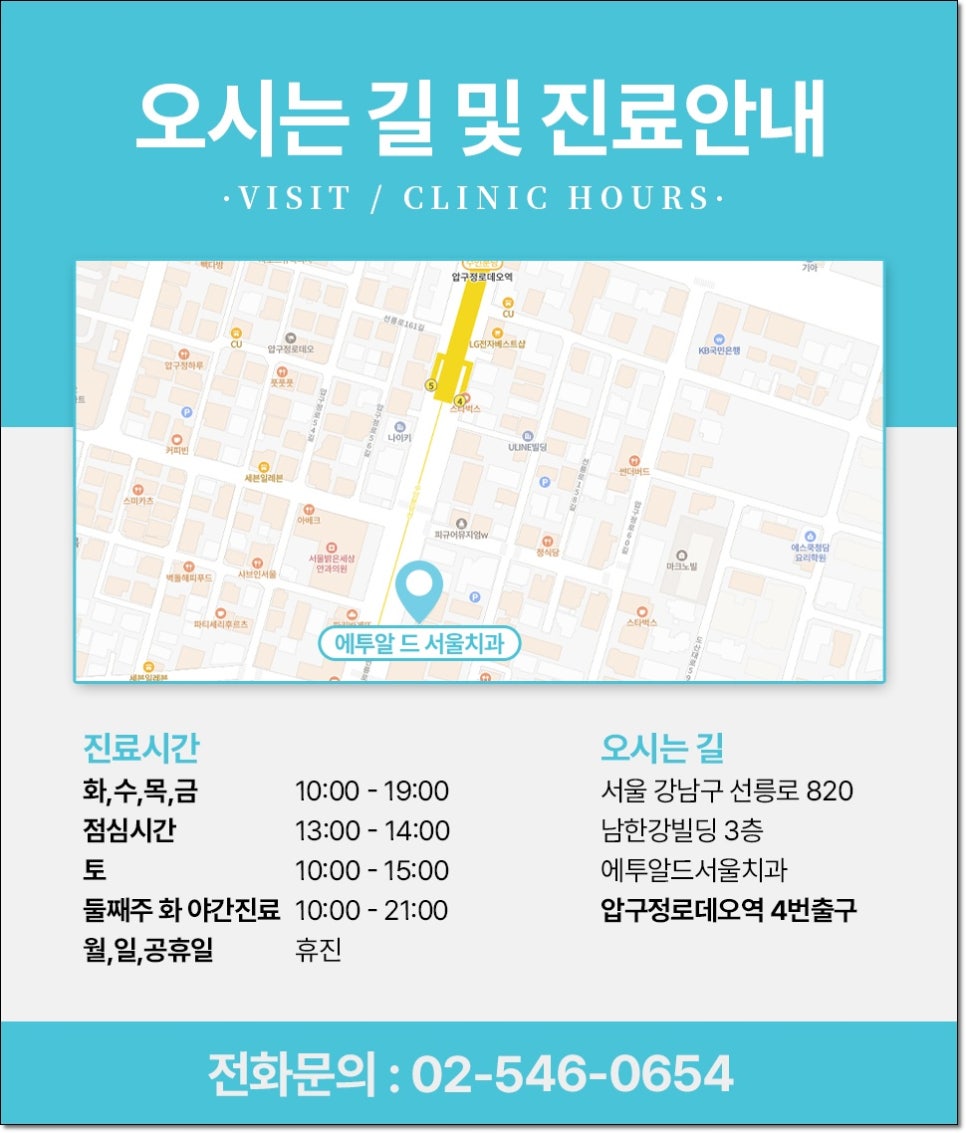
🦷 에투알드 서울치과 · Director Lee Jang-wook
📍 3rd Floor, Namhangang Building, 820 Seolleung-ro, Gangnam-gu, Seoul
📞 02-546-0654
🕙 Tuesday–Friday 10:00–19:00 (Lunch 13:00–14:00) · Saturday 10:00–15:00
Open until 9:00 p.m. on the second Tuesday of every month · Closed Mondays, Sundays, and public holidays