I understand that feeling—
that you are not sure
you can endure a long surgery.
I really do.
If you have been using dentures for a long time and they keep becoming loose, or if loose teeth have made you cautious about chewing food, I hope this article will be of some help to you.
And just as concerning is the worry, “Will my body be able to handle undergoing surgery for that long?”
In fact, many people ask about the duration of full-arch implant surgery before anything else during their dental consultation.
I am writing this article hoping that it will help you picture more clearly the actual length of time that may otherwise feel vague and uncertain.
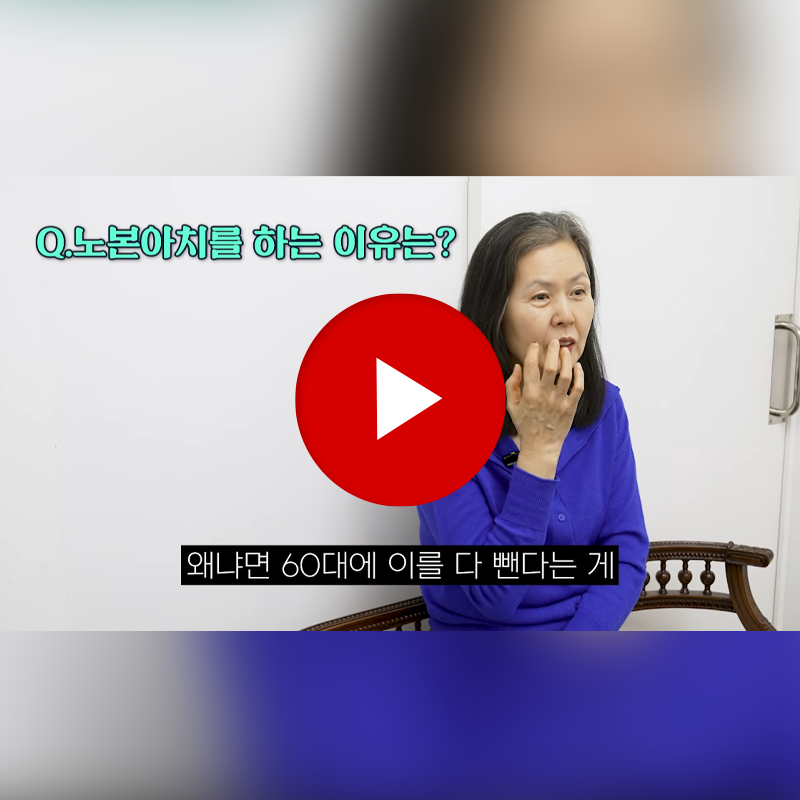
✨ Watch the Chiterior YouTube video ✨
(Click)
Can No Bone Arch be performed on the upper or lower jaw,
❗or on just one side of the jaw (one arch)?❗
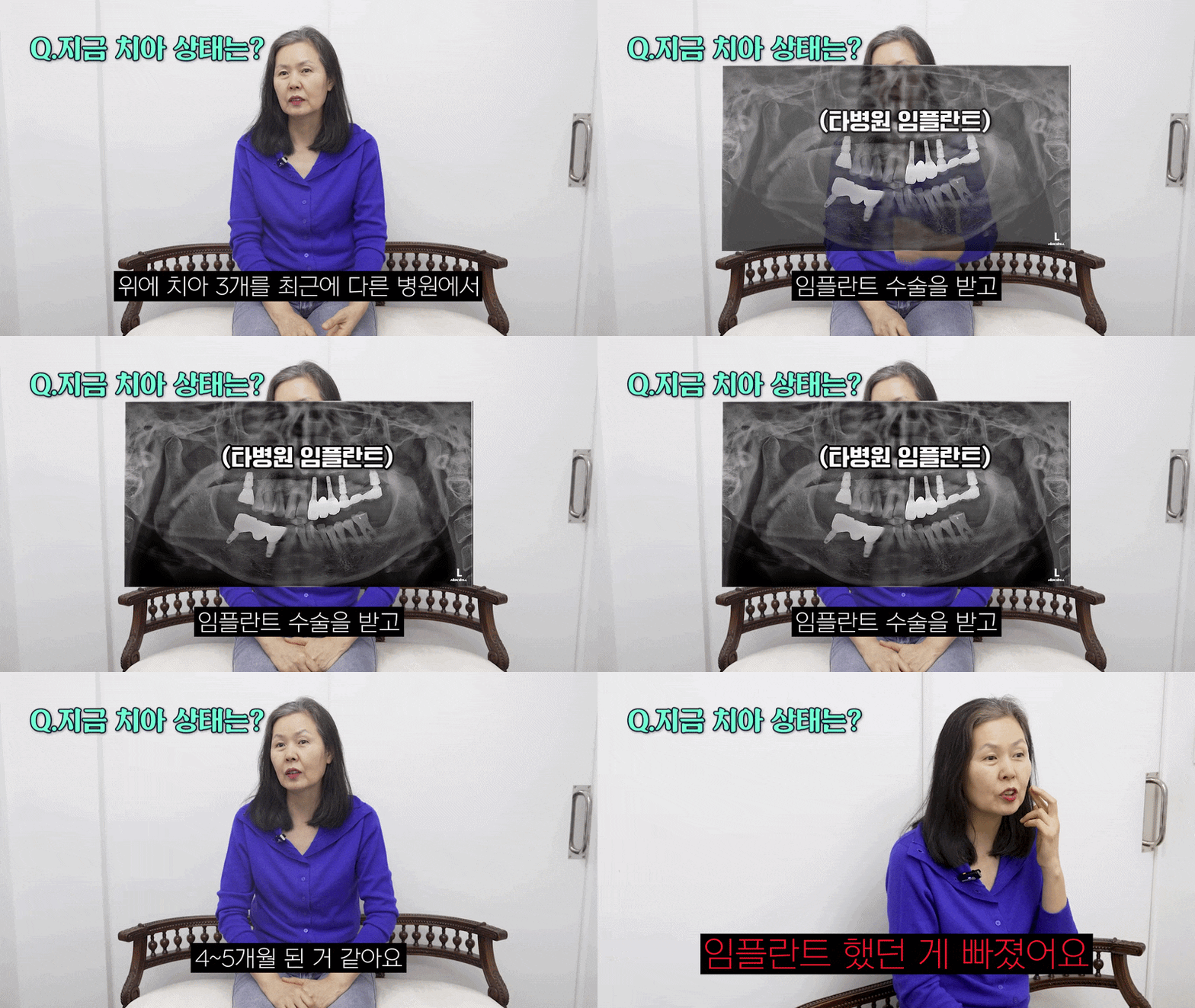
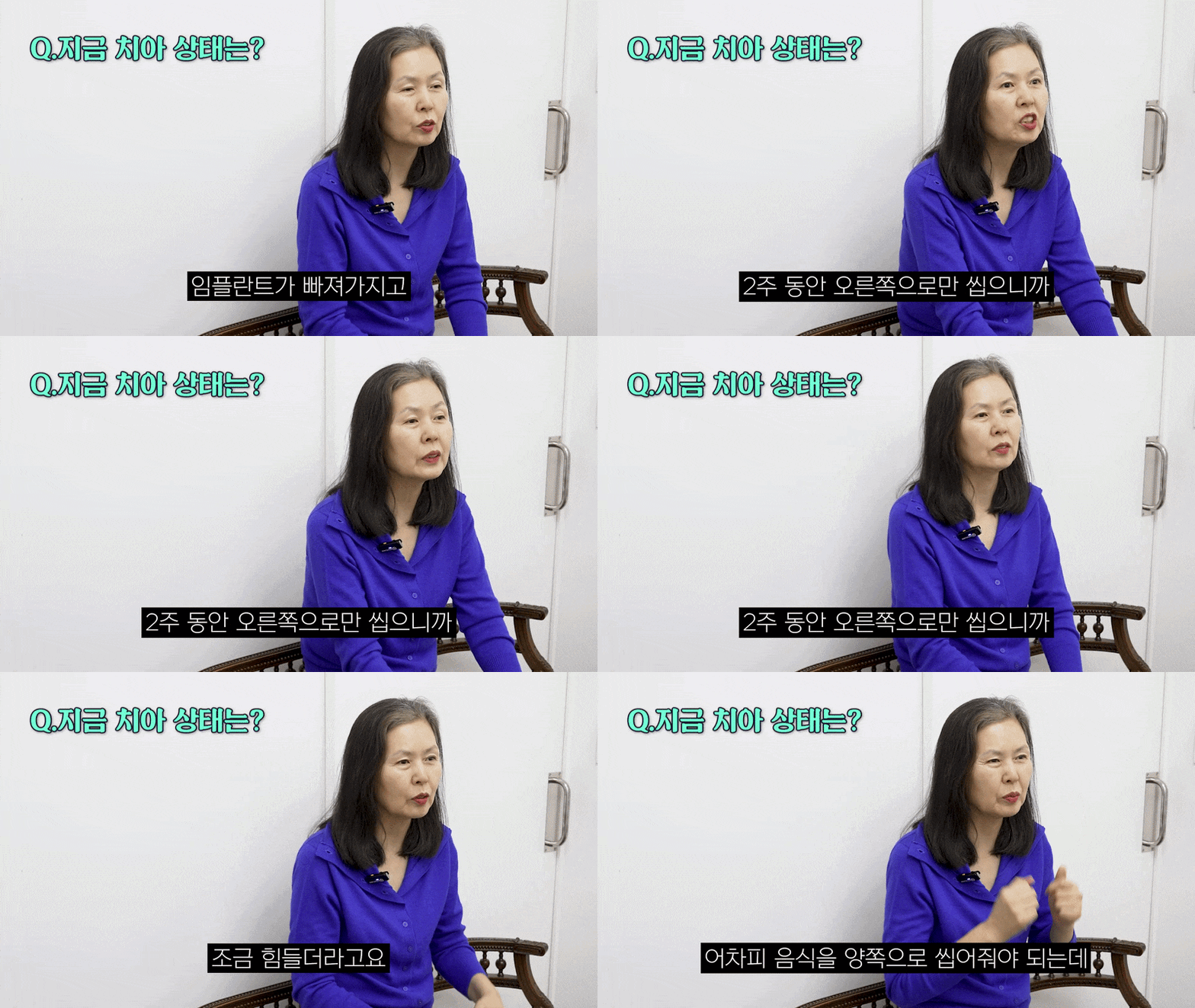
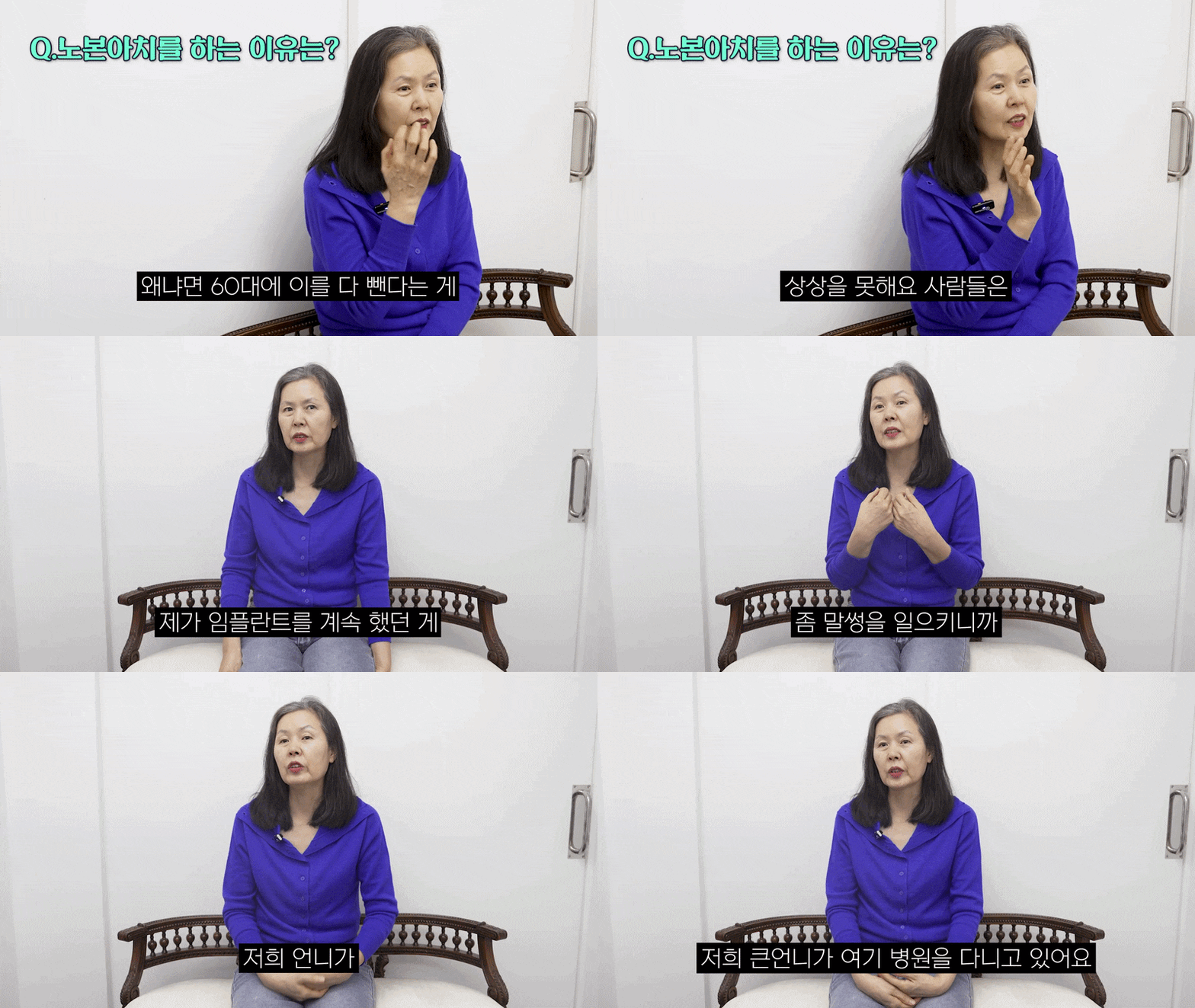
Not long ago, a daughter brought in her 68-year-old mother.
Her mother had been using dentures for more than a decade, but they kept becoming loose, and she said that she could now barely swallow broth-based foods.
“I want to replace them with fixed teeth, but because of her age, I am most afraid of how many hours she would have to undergo surgery and whether she could handle it.” Her words conveyed both her concern for her mother and her fear of a long operation.
What exactly are full-arch implants?
Let me first explain comfortably what this treatment involves.
The term “full-arch” refers to the entire row of teeth in either the upper or lower jaw.
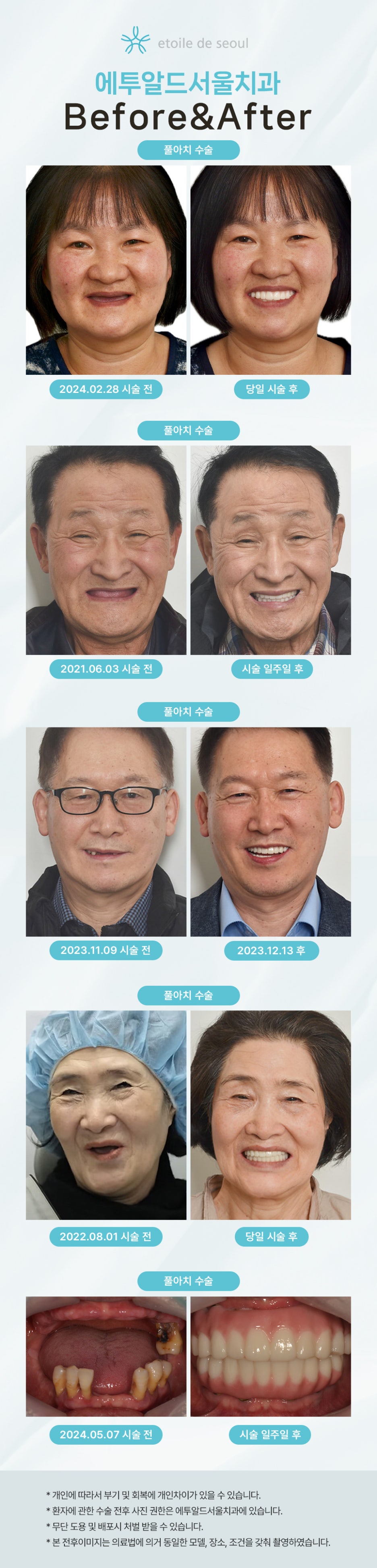
When very few teeth remain in a jaw, approximately four to six implants are placed like posts, and a connected set of teeth is secured on top of them as one unit.
While conventional dentures are placed “on top of” the gums, this treatment is more like driving posts into the ground and building a house on them.
As a result, the teeth move around less in the mouth, and chewing function can be restored to feel much more like that of natural teeth.
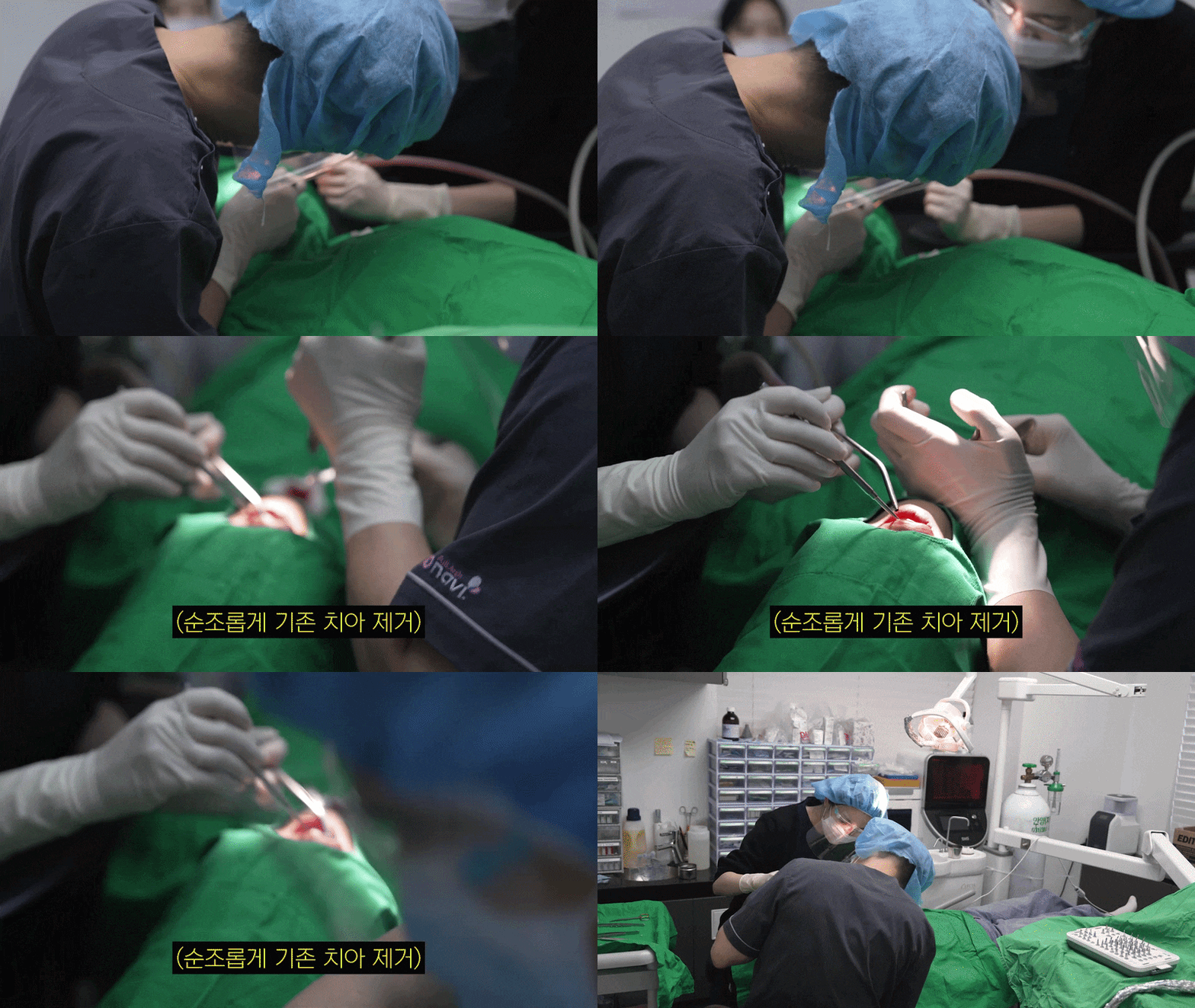
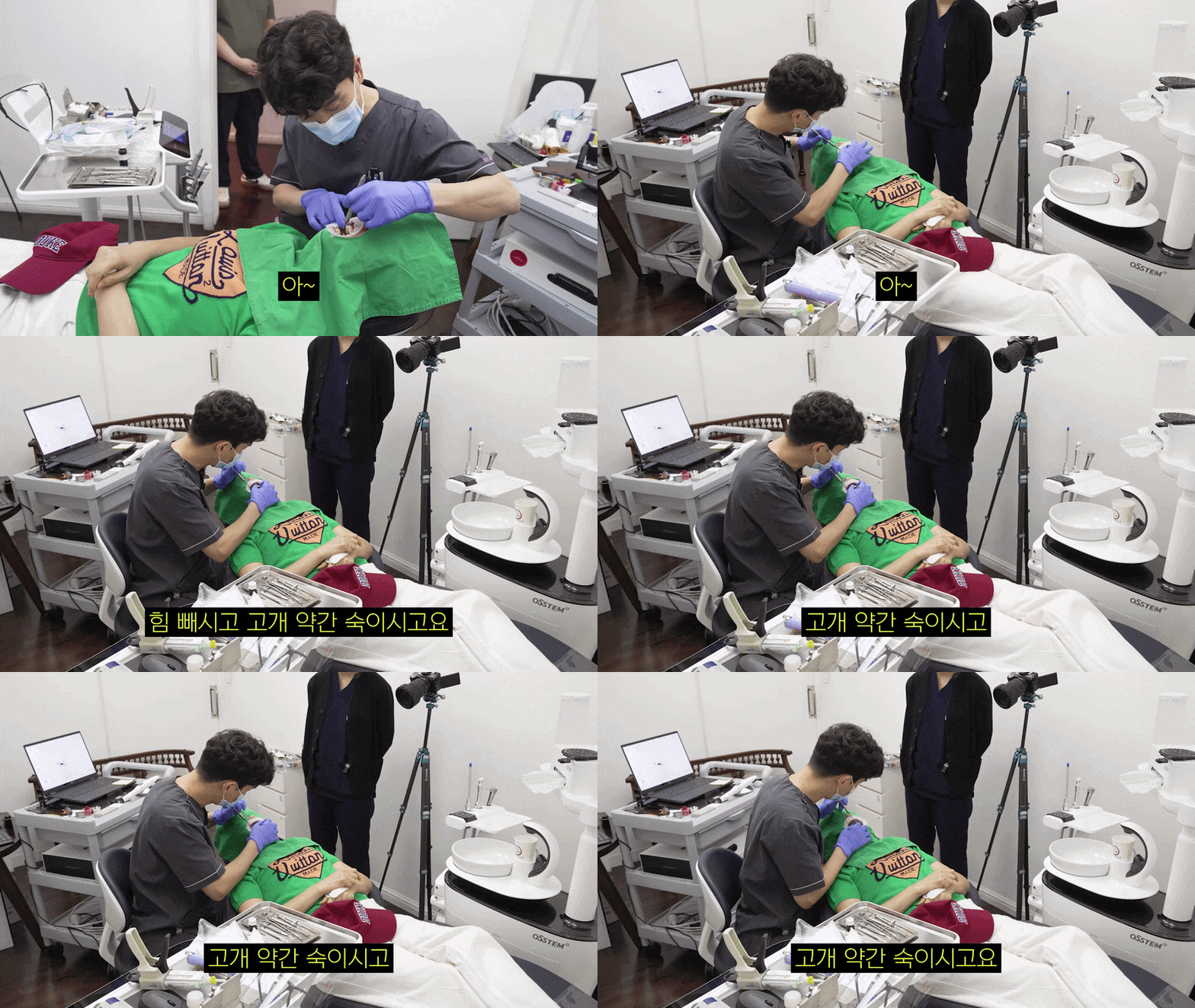
Two to three hours—and what happens during that time
So, how long does full-arch implant surgery actually take?
Although the duration varies depending on the condition of the jawbone and the number of implants being placed, it generally takes about two to three hours for one jaw.
That number may sound like a long time.
However, many steps are carefully carried out within that period.
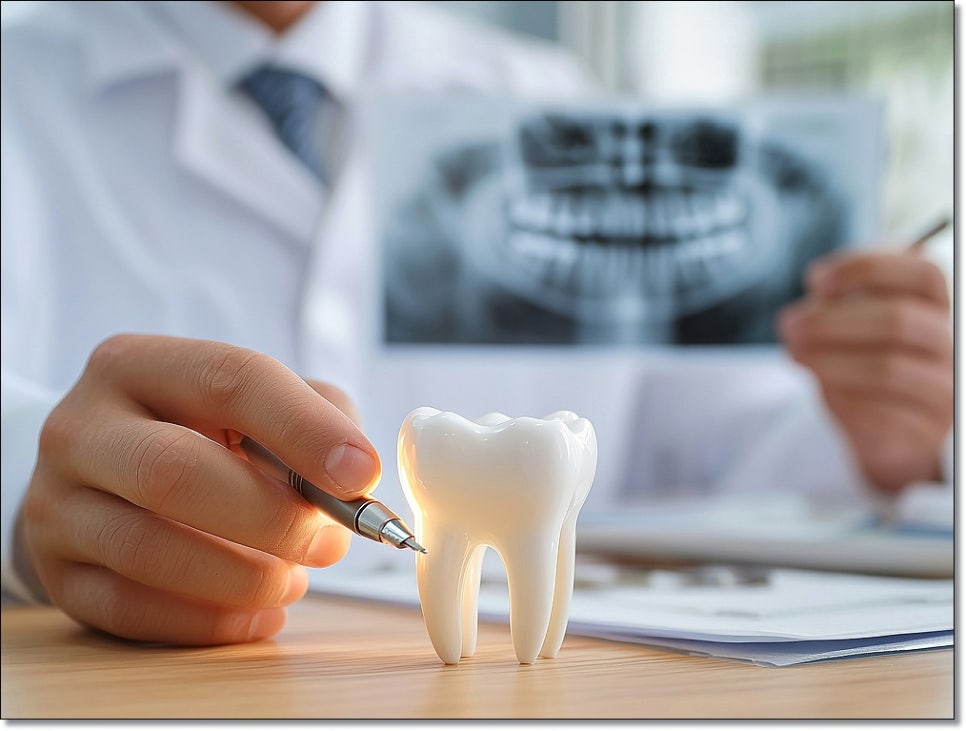
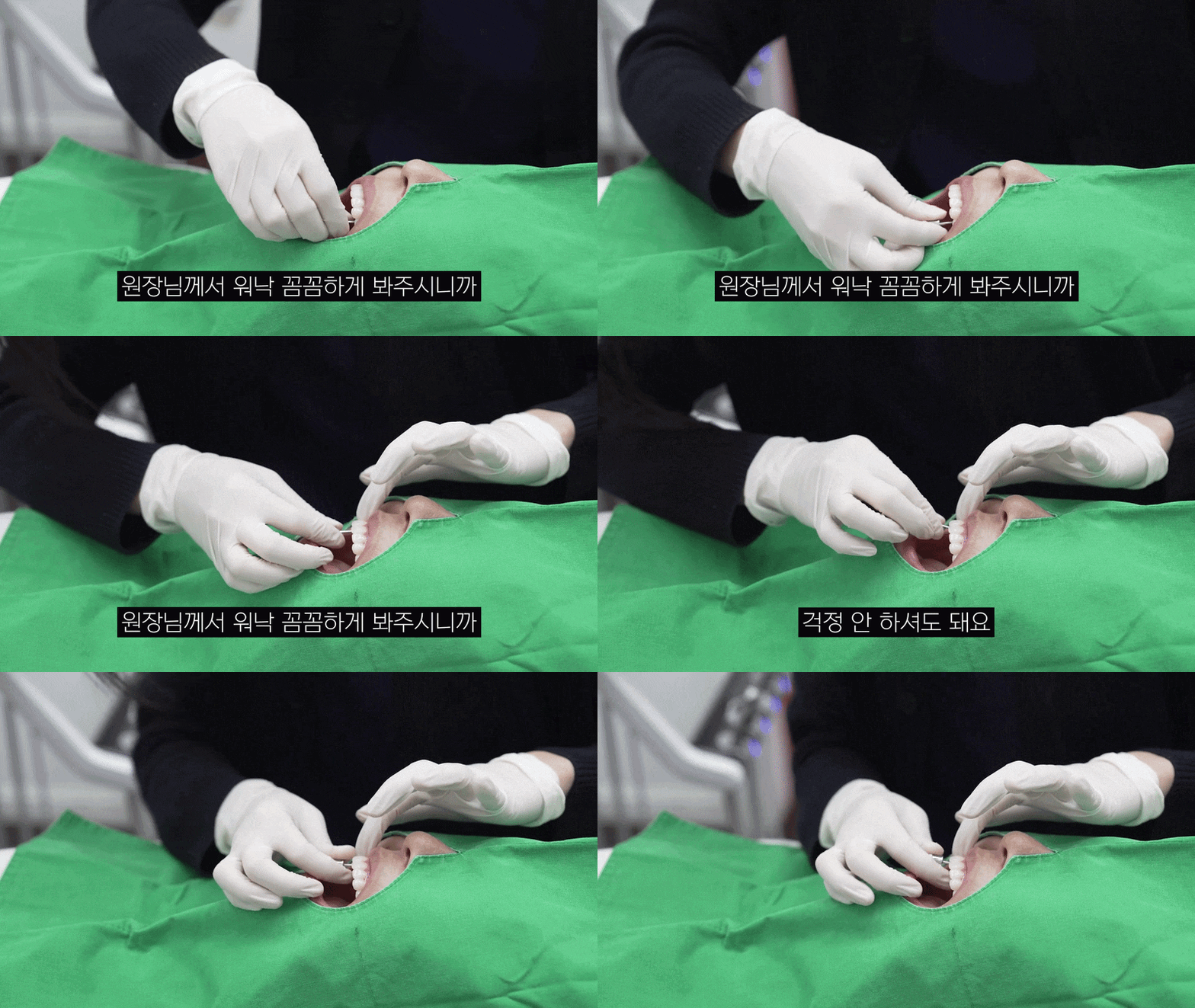
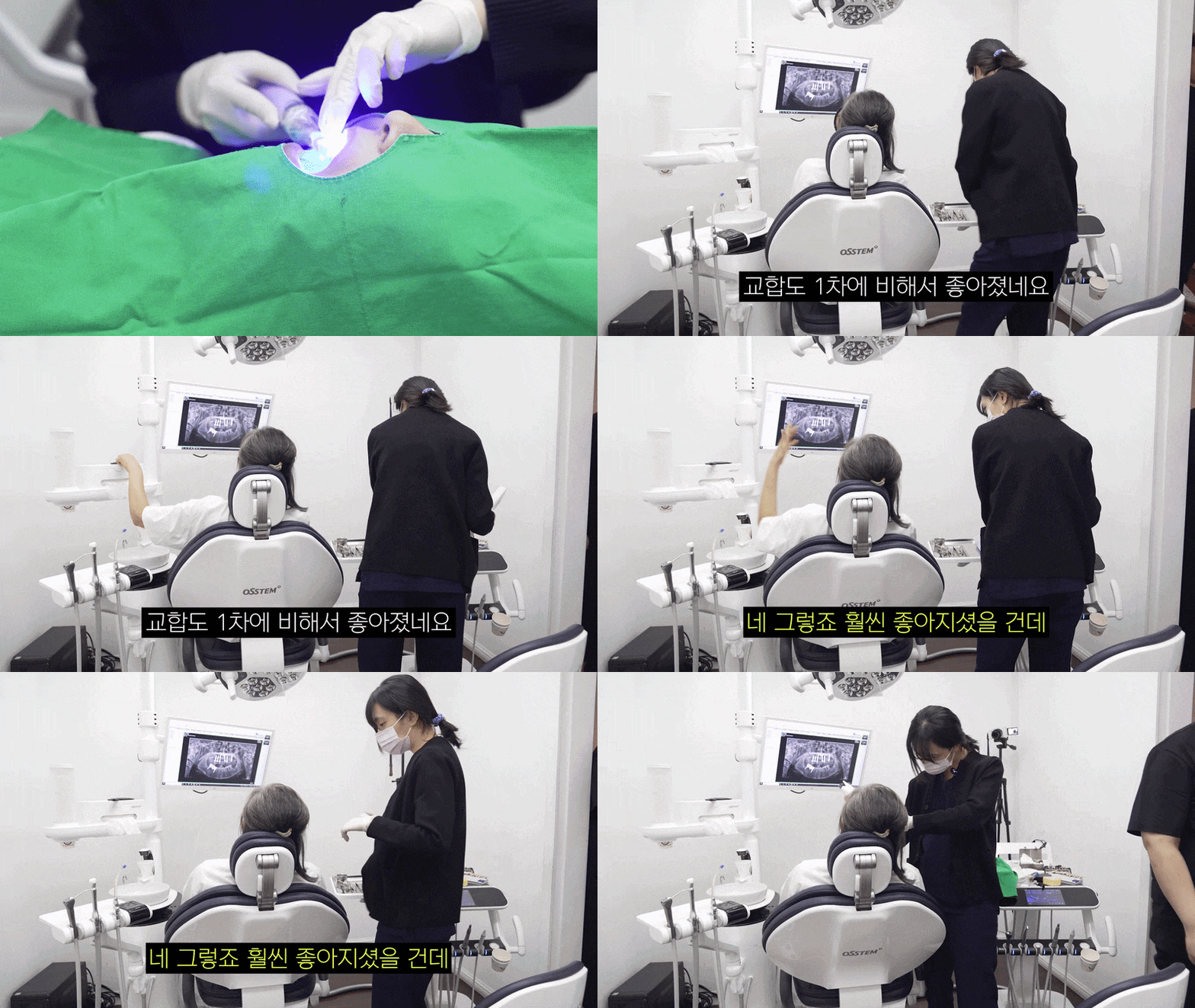
Before surgery, the thickness of the jawbone and the location of the nerves are assessed in advance using a 3D CT scan and an intraoral scanner. A virtual treatment plan is then created on a computer, the implants are precisely placed according to that plan, and the process continues with the placement of temporary teeth prepared in advance.
Why take that much time?
Rather than forcing full-arch implant surgery to fit into roughly one hour, proceeding calmly over two to three hours may be more beneficial for the patient.
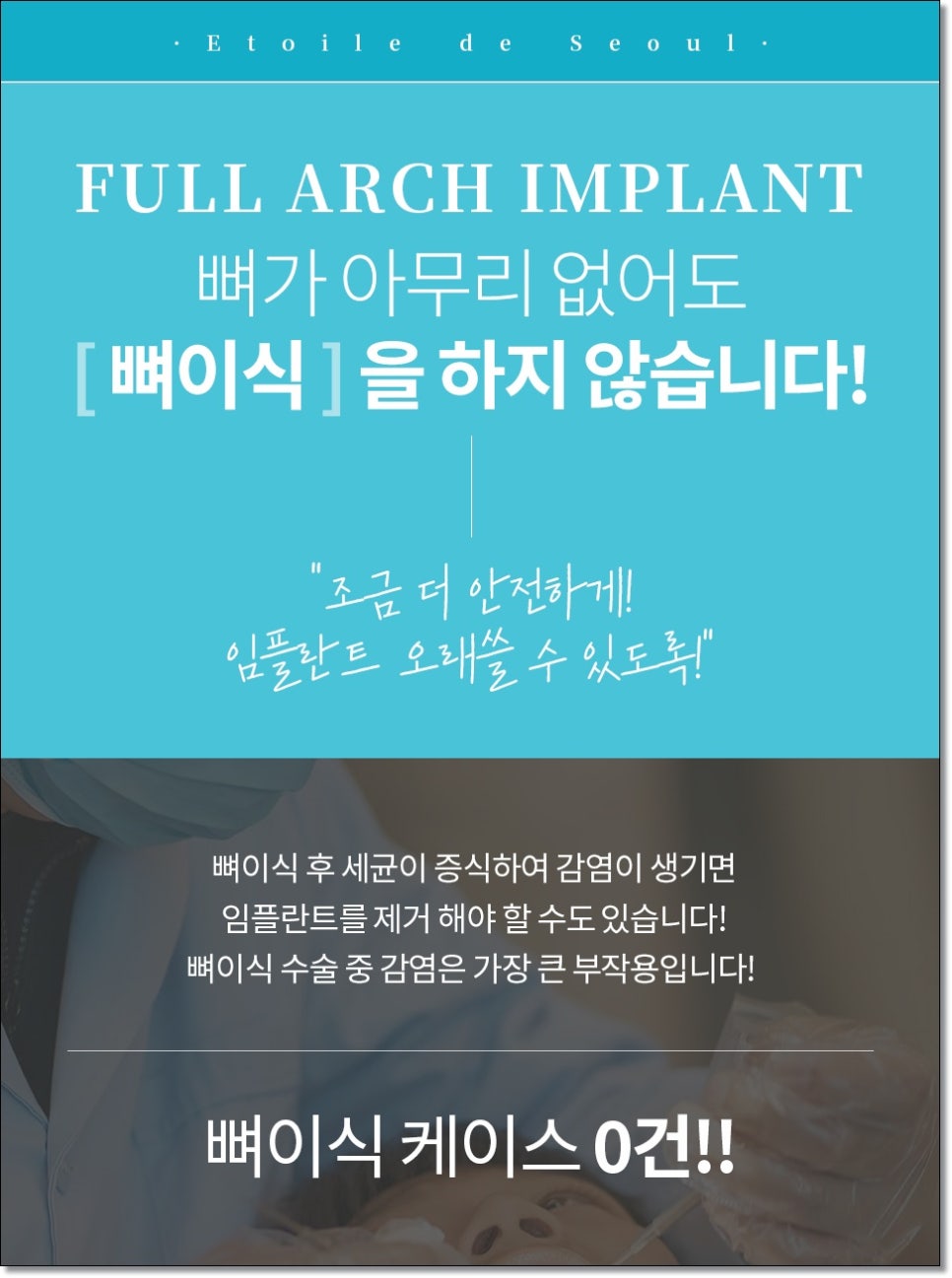
Because the procedure follows a treatment plan mapped out in advance using digital equipment, the implants can be placed in the planned positions without widely opening the gums.
In many cases, temporary teeth are placed on the day of surgery, reducing the amount of time a patient must spend without any teeth.
The two or three hours that may initially seem long are, in fact, time spent preparing teeth that the patient can use comfortably for a long time.
Important points to keep in mind
Of course, this does not apply equally to everyone.
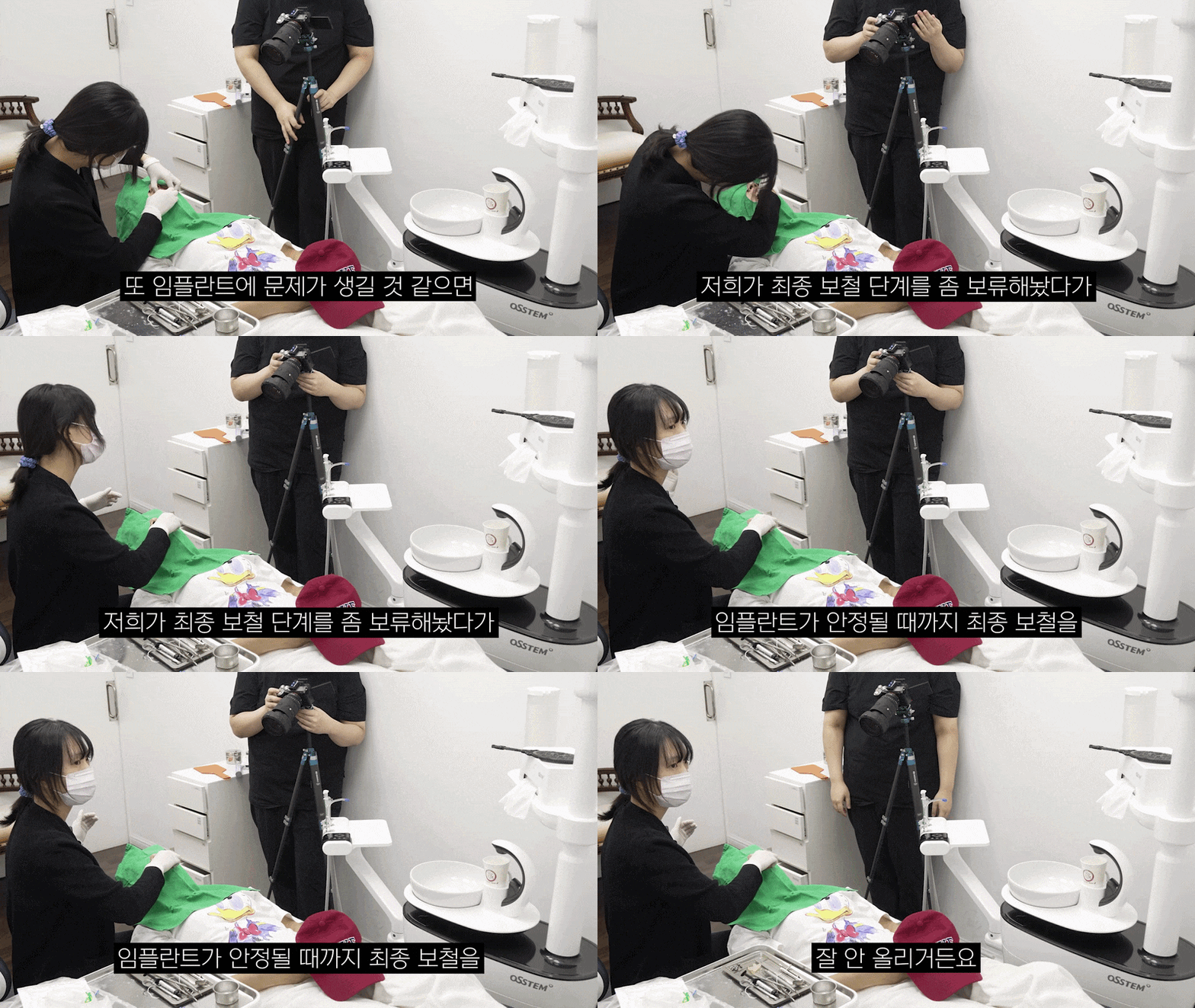
If a significant amount of jawbone has been lost, or if systemic conditions such as diabetes or high blood pressure are not well controlled, full-arch implant surgery may take longer, and one or two additional preparation steps may be necessary.
After surgery, swelling, a tingling or numb sensation, and mild pain may continue for several days, and smoking may affect the recovery process.
For this reason, regular checkups and consistent care are necessary over the long term.
I believe that knowing these points in advance makes both the process and the outcome more comfortable.
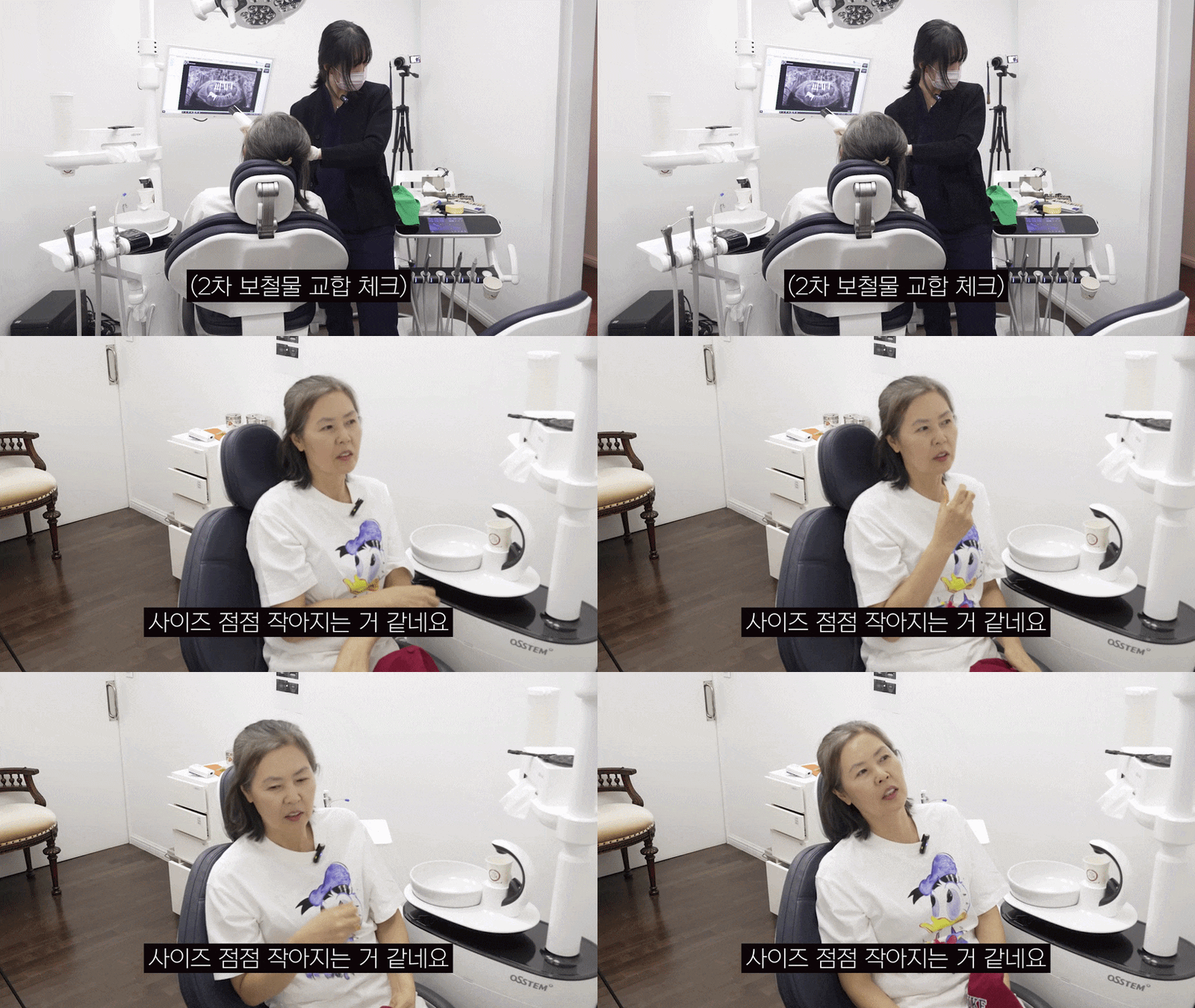
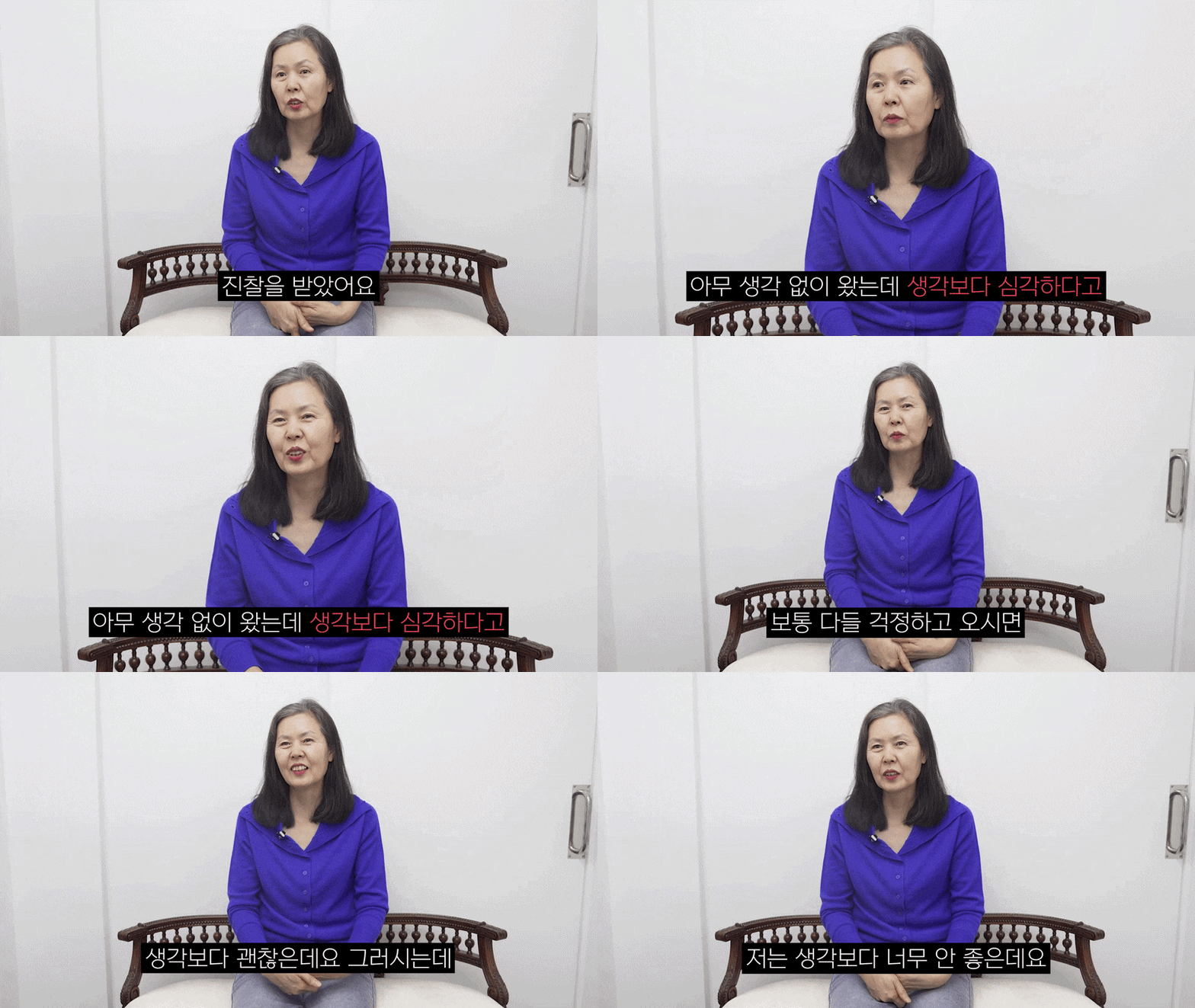
For that mother, we first carefully reviewed her CT scan and worked together to create a plan that would not place excessive strain on her body in a single day.
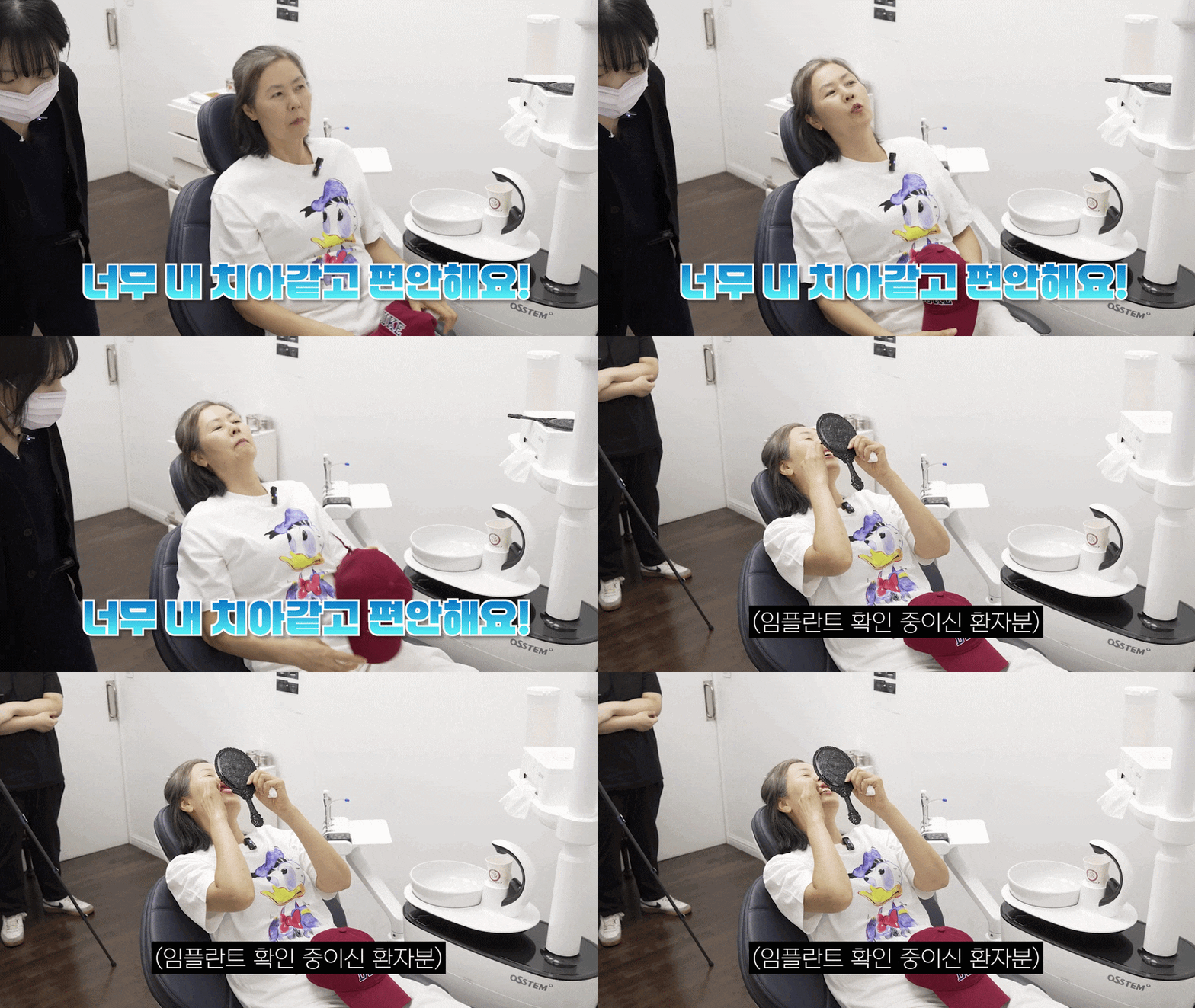
I still remember the daughter’s happy voice a few days later when she said, “Mom has finally taken a bite of an apple.” Of course, the pace and experience of recovery vary from person to person.
In the end, what matters is not simply how many hours the procedure takes, but how well that time supports the patient’s future meals and smiles.
If you opened this article because you were wondering about the duration of full-arch implant surgery, I hope you will consider the process contained within that number rather than being alarmed by the number itself.

Answers directly from the director
Q1. Can older adults receive this treatment?
A. Overall health is more important than age itself. For older adults who may find it difficult to make multiple visits, this treatment can sometimes be helpful. However, we first review their medications and existing medical conditions and create an individualized plan.
Q2. Is it really necessary to have a consultation and examination first?
A. Yes, we follow that order. Even when two cases appear to involve the same complete loss of teeth, the amount and shape of the jawbone differ from person to person. Rather than making a judgment based only on visual examination, discussing the case based on CT and intraoral scan data is, in my view, the honest approach that helps reduce future regret.
Q3. What are the main advantages of this treatment?
A. Many patients mention that, unlike dentures, there is no need to remove and reinsert them, and because the teeth do not move around in the mouth, discomfort during speaking or eating is reduced. However, the extent to which this is felt varies from person to person.

Q4. What side effects or discomfort can occur?
A. In addition to swelling immediately after surgery, it may take time to adjust to the temporary teeth. Poor care can also lead to gum inflammation, so we provide guidance on regular checkups as well as toothbrushing and flossing habits.
Q5. What should I look for when choosing a dental clinic?
A. I recommend checking whether the clinic uses 3D diagnostic equipment to examine the jawbone in advance and whether it explains the treatment plan carefully based on that data. It is also worth seeing whether the clinic continues to provide care after the treatment, rather than focusing only on the result.
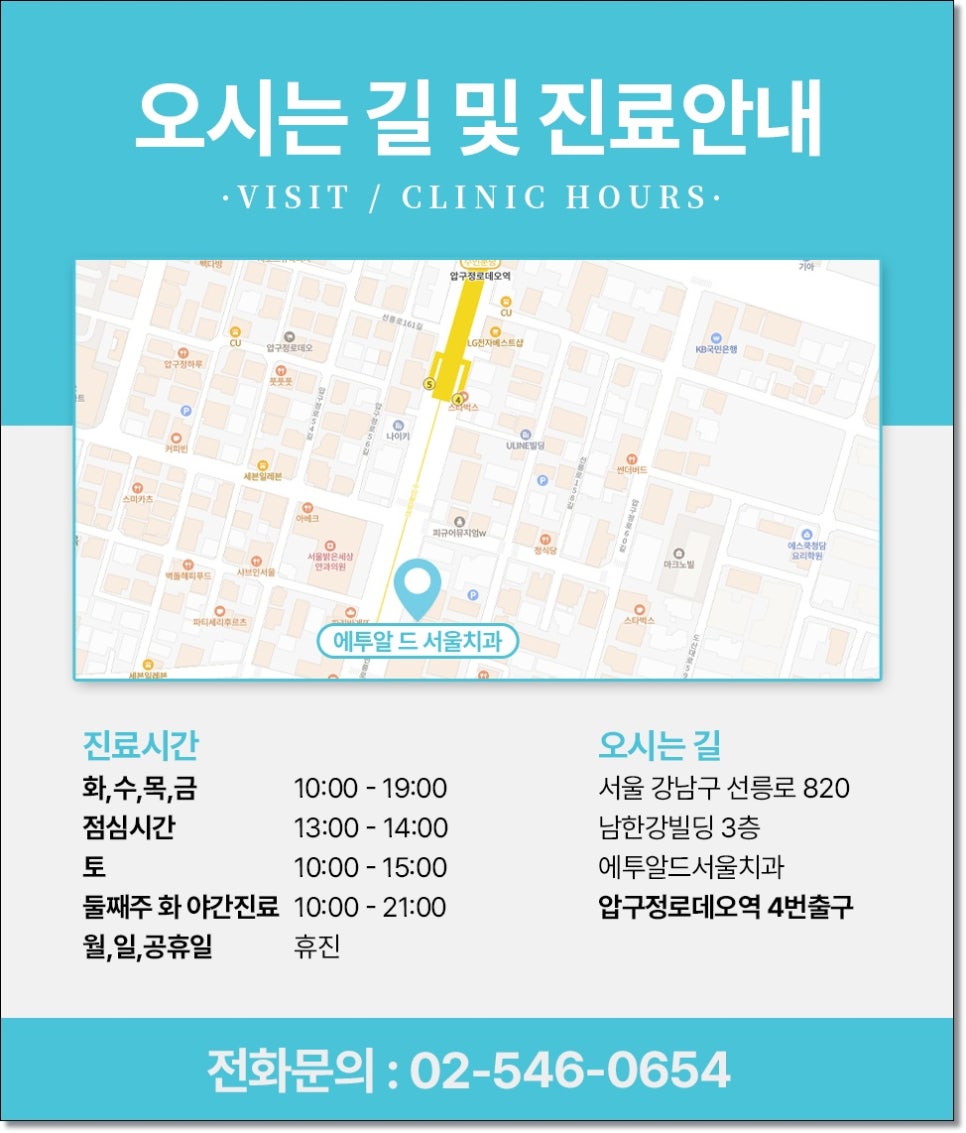
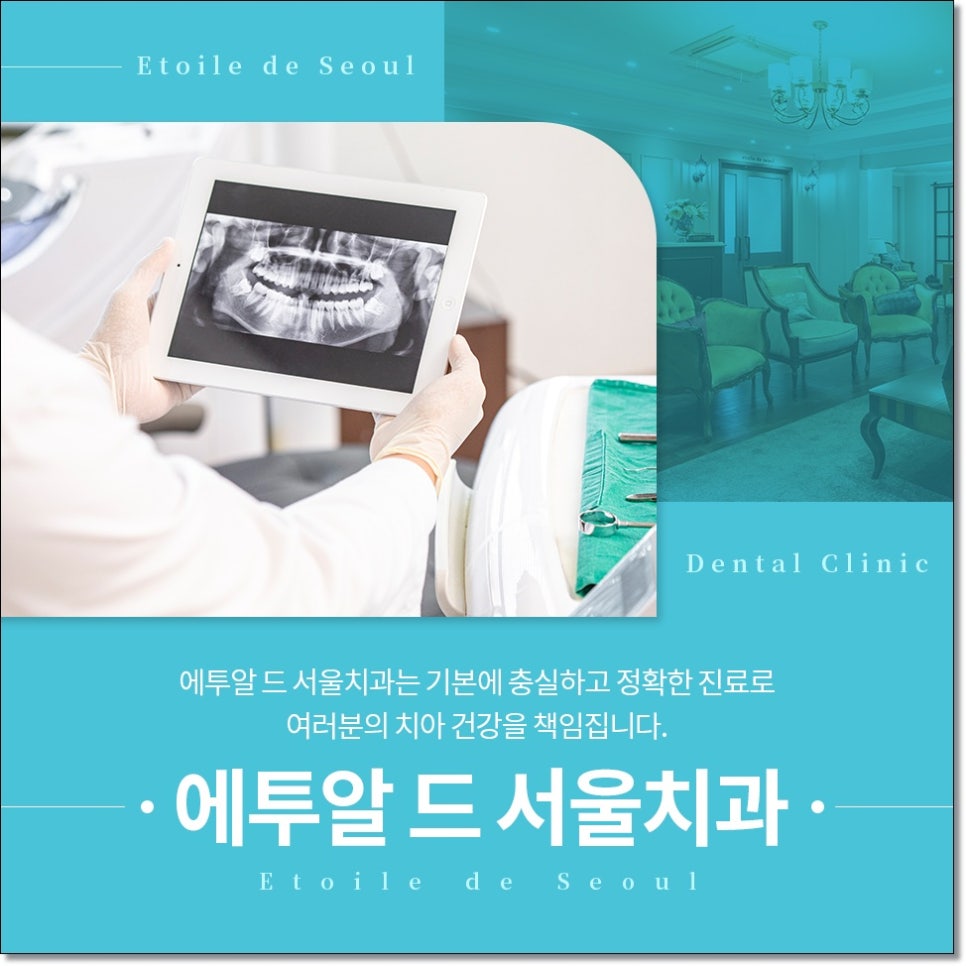
📍 Directions and treatment information for Etoile de Seoul Dental Clinic
For those who have been worried about their teeth for a long time, I have organized the information below.
-
🏥 Location: 3rd floor, Namhangang Building, 820 Seolleung-ro, Gangnam-gu, Seoul
-
☎️ Phone: 02-546-0654
-
🕙 Hours
-
Tuesday–Friday: 10:00 a.m. – 7:00 p.m.
-
Saturday: 10:00 a.m. – 3:00 p.m.
-
Second Tuesday of each month: Evening hours until 9:00 p.m.
-
Lunch break: 1:00 p.m. – 2:00 p.m.
-
Monday: Closed
We are open until 7:00 p.m. on weekdays and until 3:00 p.m. on Saturdays. On the second Tuesday of each month, we provide treatment until 9:00 p.m.