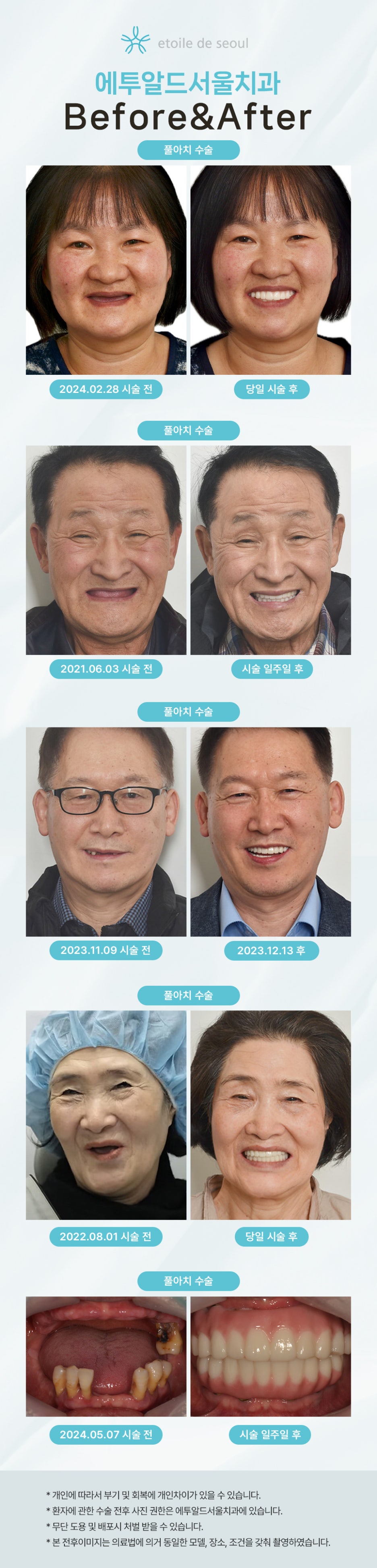
My parents only say,
“I'm fine,”
but that makes their children worry even more.
Today, I would like to carefully explain what people considering dental implants for someone with diabetes or high blood pressure should know.
“ My mother’s tooth hurts, but she is afraid and refuses to go to the hospital. She also has diabetes and high blood pressure, so is it even possible for her to get implants?” Not long ago, a daughter came to the consultation room holding her mother’s hand tightly and asked me this.
I hear questions like this very often. I understand the feelings of those who want to give their parents strong, healthy teeth but feel concerned about their chronic conditions when they see them repeatedly leaving behind the foods they used to enjoy.
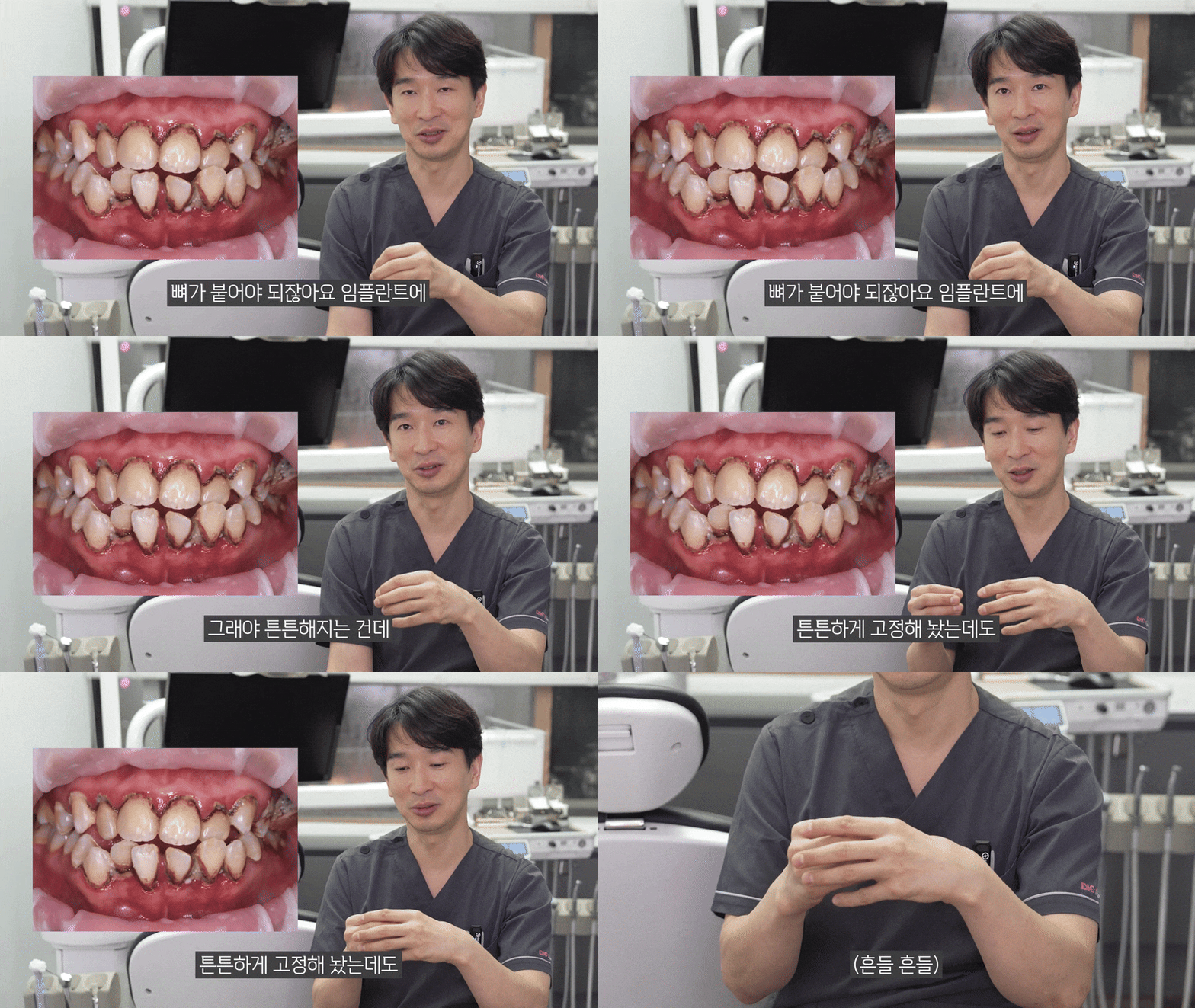
✨ Watch the Chiterrior YouTube video ✨
(Click)
Is there a reason you should not get a full-arch restoration?
❗Click if you are curious❗

Diabetes and high blood pressure,
First, understand your body

Diabetes is, simply put, a condition in which the amount of sugar in the blood remains higher than necessary.
When insulin, which acts like a key in the body, does not function properly, cells cannot take in sugar at the right time, leaving it in the bloodstream.
Frequent thirst, frequent urination, and slow-healing wounds are common signs.
High blood pressure is a condition in which the pressure of blood flowing against the vessel walls remains consistently high.
Because it often has no clear symptoms, it is called a “quiet visitor,” but if left unmanaged for a long time, it can place strain on the blood vessels.
Both conditions can affect wound healing and the body’s ability to defend against infection, so they are relevant to dental implants, which involve placing fixtures into the jawbone.



Why should people with chronic conditions be evaluated one more time?
When blood sugar is high, the body’s ability to fight bacteria may weaken, and the gums and bone may heal more slowly.
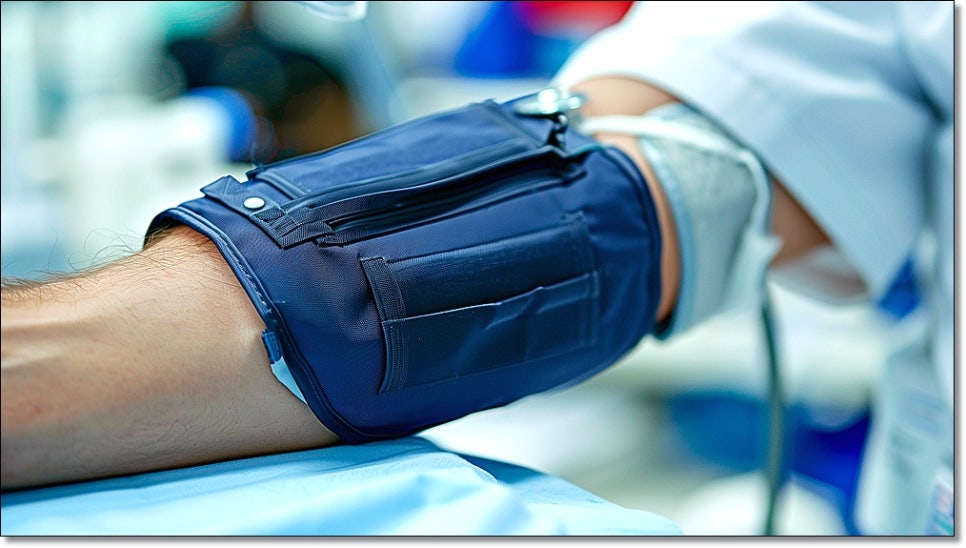
With high blood pressure, bleeding and changes in blood pressure during implant placement need to be monitored. The treatment plan may also need to be adjusted depending on the medications being taken, especially blood-thinning medication.
That is why dental implants for people with diabetes or high blood pressure are less a question of “Can it be done or not?” and more a question of “How should we prepare and manage the treatment?”
For diabetes in particular, we also consider a value called hemoglobin A1c, which reflects average blood sugar over the past two to three months. It may be helpful to think of it as a report card showing the body’s overall trend, rather than that day’s blood sugar level.
Checking whether this value is stable helps us assess whether the body is ready to undergo treatment.
In practice, people whose blood sugar and blood pressure are well controlled often receive treatment without substantial differences from those without chronic conditions.


So how is the treatment performed?
There are several possible approaches depending on the number of missing teeth and the condition of the jawbone.
First, there are individual implants, in which a fixture is placed for each missing tooth.
This approach is natural-looking and familiar to care for when many natural teeth remain.
Second, if a person has lost nearly all of their teeth, there is a fixed option in which one arch is supported by four or five fixtures.
Unlike removable dentures that rest on the gums and are taken in and out, these implants do not move inside the mouth, allowing chewing function to return closer to that of natural teeth.


The most important factor in dental implants for people with diabetes or high blood pressure is not the method itself, but designing the treatment to suit the individual’s health condition.
If the jawbone is insufficient, bone augmentation may also be considered. The more chronic conditions a person has, the more time and care we allow for this process.
We use 3D diagnostics to examine the bone thickness and the location of the nerves in advance, then create a plan intended to reduce the burden on the body.


| 💡 What happened to that mother? The mother mentioned earlier first consulted her internal medicine physician and began treatment after bringing her blood sugar and blood pressure within a stable range. We carefully examined her jawbone with a CT scan and made thorough preparations to reduce the risk of infection. Because she had chronic conditions, we proceeded more cautiously, one step at a time, but the way forward was not blocked. Of course, healing speed and outcomes vary from person to person, and there is also a possibility of side effects such as infection or bleeding in rare cases, so regular checkups are necessary. In this way, dental implants for people with diabetes or high blood pressure can feel much less daunting when chronic conditions are viewed not as an “insurmountable wall” but as “conditions to manage together.” |

Questions answered directly by the clinic director
Q1. If I have diabetes, does that mean I cannot get dental implants at all?
A. Not necessarily.
When blood sugar is well controlled, treatment can often proceed. However, healing may be slower when blood sugar is high, so we first check the level of control in consultation with an internal medicine physician.
Q2. I take blood pressure medication every day. Is it okay to have an implant fixture placed?
A. Treatment is possible in most cases even while taking medication.
However, blood-thinning medications and others may affect bleeding. If you tell us in advance which medications you are taking, we can adjust the treatment plan accordingly.
Q3. My parents are elderly. Will treatment be okay?
A. Overall health and control of chronic conditions are more important than age itself.
For older patients who find it difficult to make multiple visits, we may consider a treatment approach that reduces the number of visits.
Q4. Can I make a decision without a consultation?
A. The more chronic conditions a person has, the more important consultation and detailed diagnostic testing become.
Even with the same diabetes and high blood pressure, each person’s level of control and bone condition is different, so it is difficult to make a judgment based only on appearances.



If you have postponed treatment because of your parents’ chronic conditions, I encourage you to take a proper look at their current health status rather than giving up in advance.
Dental implants for people with diabetes or high blood pressure can be a viable path when accompanied by sufficient preparation and consistent management.
For the one goal of seeing your loved one enjoy comfortable meals again, we will carefully monitor every step through to the end.
🏥 Étoile de Seoul Dental Clinic · Clinic Director Lee Jang-wook (Graduated from Seoul National University School of Dentistry)
📍 Location: 3rd Floor, Namhangang Building, 820 Seolleung-ro, Gangnam-gu, Seoul
📞 Phone: 02-546-0654
🕐 Hours
· Tuesday–Friday: 10:00–19:00 (Lunch 13:00–14:00)
· Saturday: 10:00–15:00
· Evening hours until 21:00 on the second Tuesday of each month
· Closed on Mondays
We will now help you through the time you have spent worrying about your teeth.
Please feel free to leave us an inquiry.