Thinking of the person
who was about to give up on implants
after hearing that there was no jawbone,
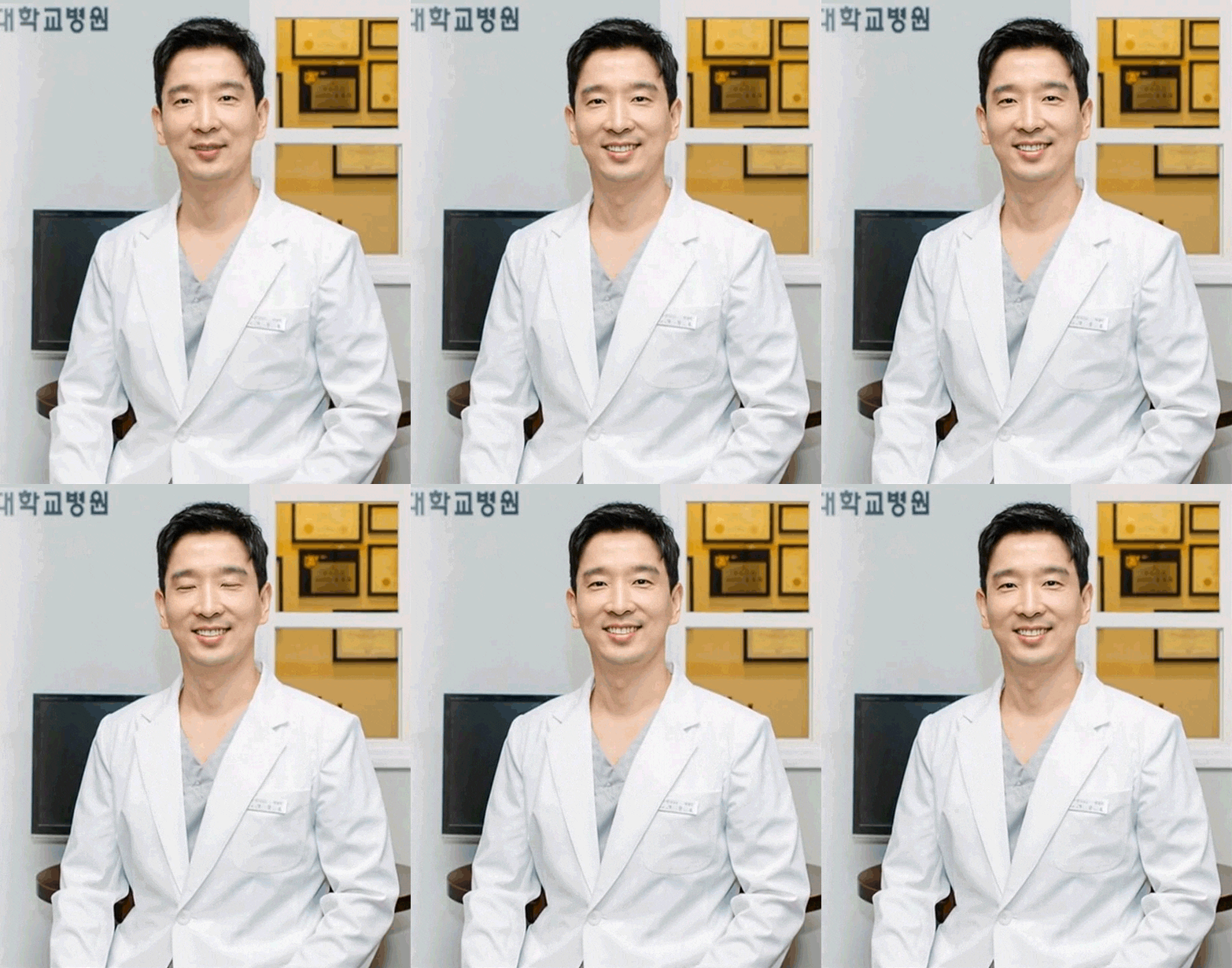
I am Lee Jang-wook, the director of Etoile de Seoul Dental Clinic. I graduated from Seoul National University School of Dentistry and have spent a long time focusing on full-arch implants.
Today, I would like to take a closer look at whether the recovery period for No-Bone Arch implants really differs when bone grafting is not performed.
If you opened this post because you have similar concerns, I hope you can leave with a little less uncertainty and fear.
A short while ago, a patient in their mid-60s was guided into the clinic by their son.
Because they had been missing almost all of their lower molars for a long time, they had relied on dentures. However, they said that their dentures kept slipping, making it difficult to comfortably enjoy even a bowl of galbitang, a dish they loved.
After visiting several clinics, they had been told, “There is too little jawbone, so implants may be difficult.” They had already begun to give up on the idea.
When I saw their expression, I could fully understand how their son felt when he said, “I hope they can get implants instead of dentures now.”
✨ Watch the Chiterior YouTube video ✨
(Click)
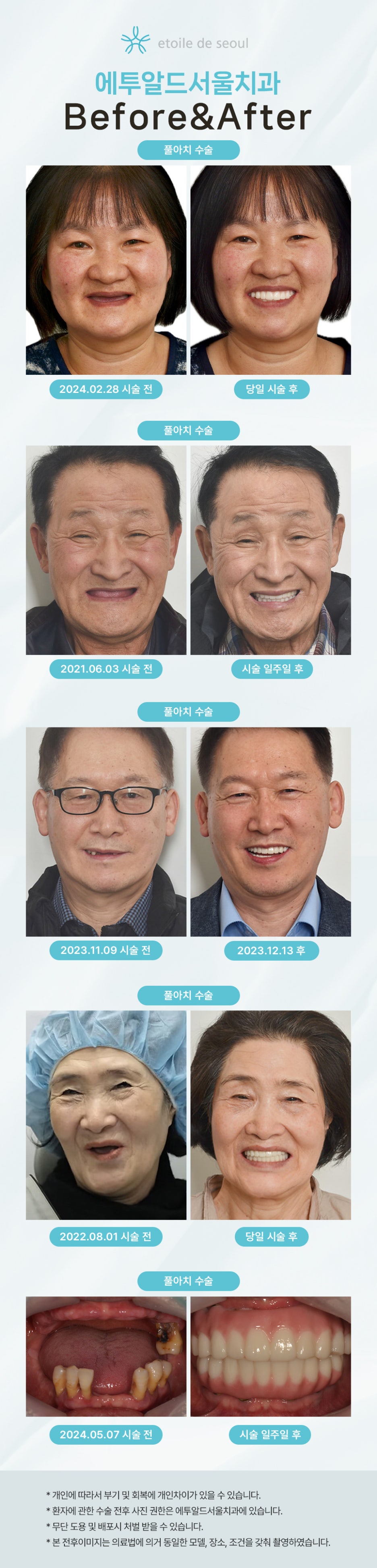
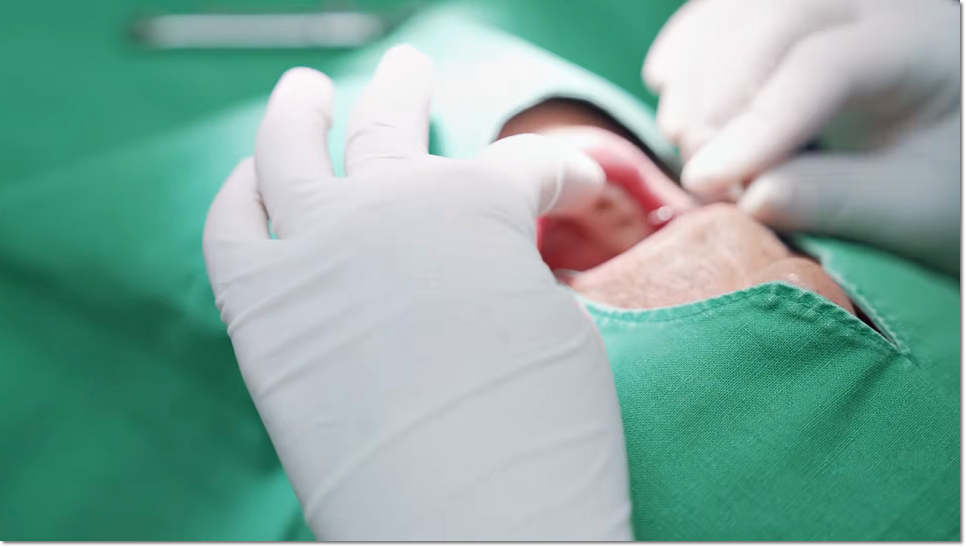
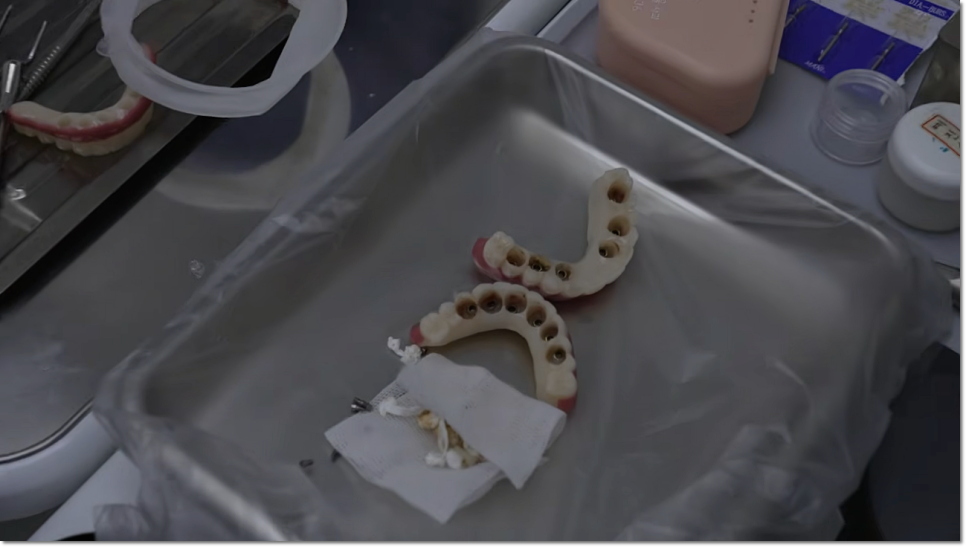
After No-Bone Arch full-arch implant surgery
❗The entire process up to seeing the final teeth❗

No-Bone Arch: the meaning behind the name
“even without sufficient bone”
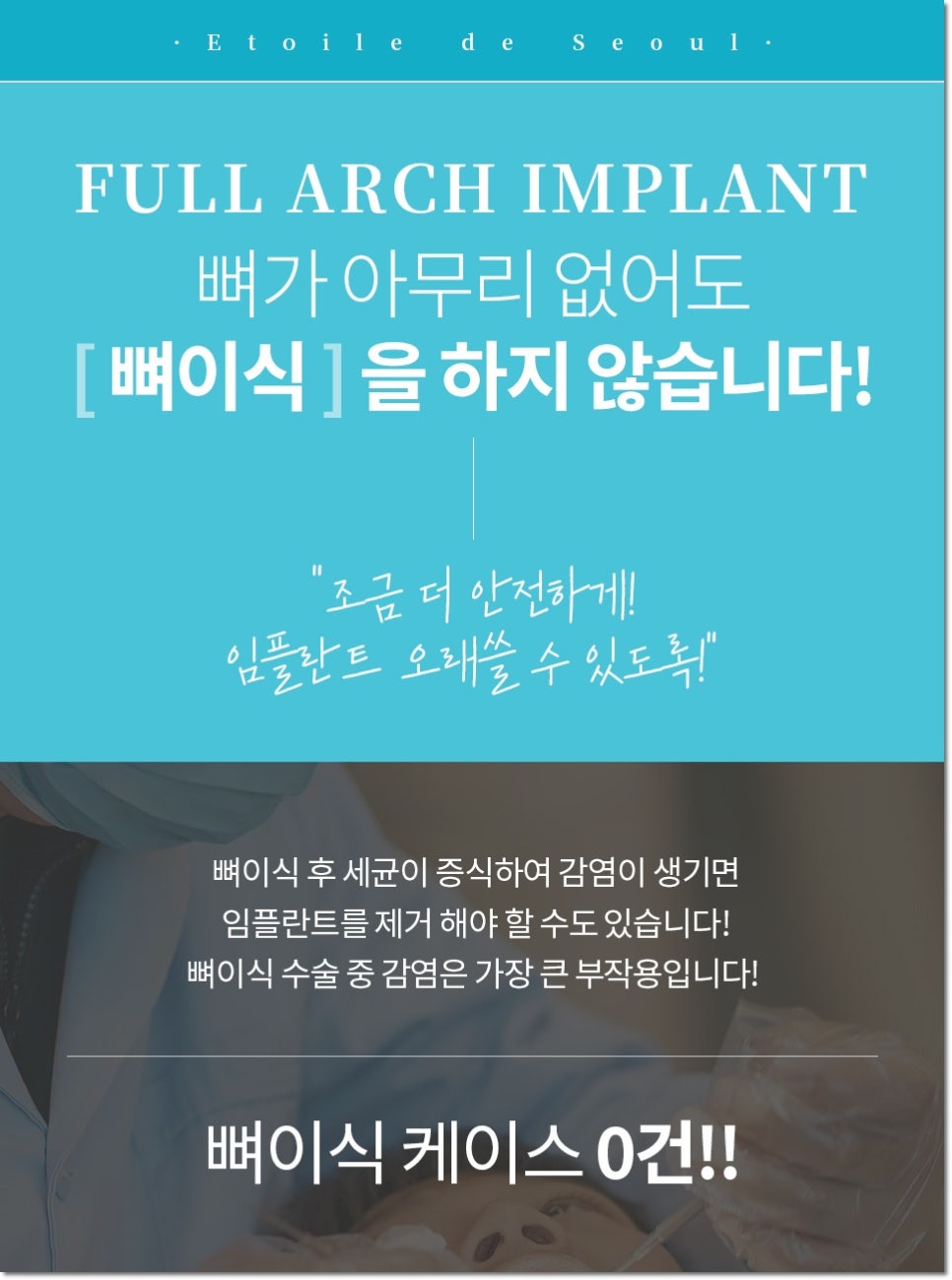
No-Bone Arch refers, as its name suggests, to a full-arch implant method for people with significantly insufficient jawbone.
When most teeth have been lost and the edentulous state continues for a long time, the jawbone loses the stimulation from chewing and is gradually resorbed and thinned, much like a dirt path slowly sinking when it is no longer walked on.
In the past, cases like this generally required bone grafting to build up the bone before the implant posts could be placed.
No-Bone Arch uses 3D planning to identify the locations of the remaining strong bone and determine where to place the posts, even adjusting their angles.
As a result, there are cases in which the bone-grafting process can be skipped. This is the first point to examine when discussing the recovery period for No-Bone Arch implants.
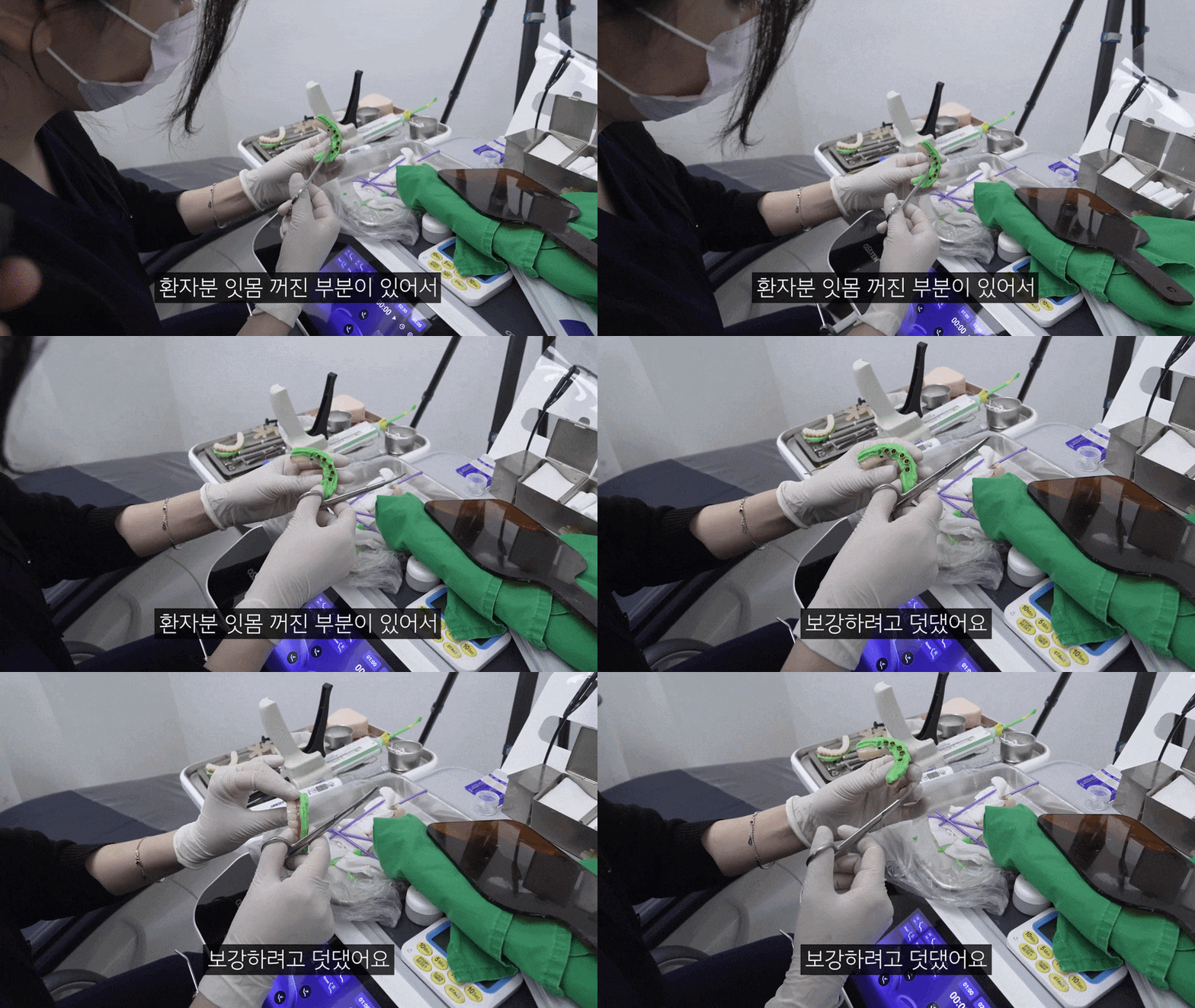
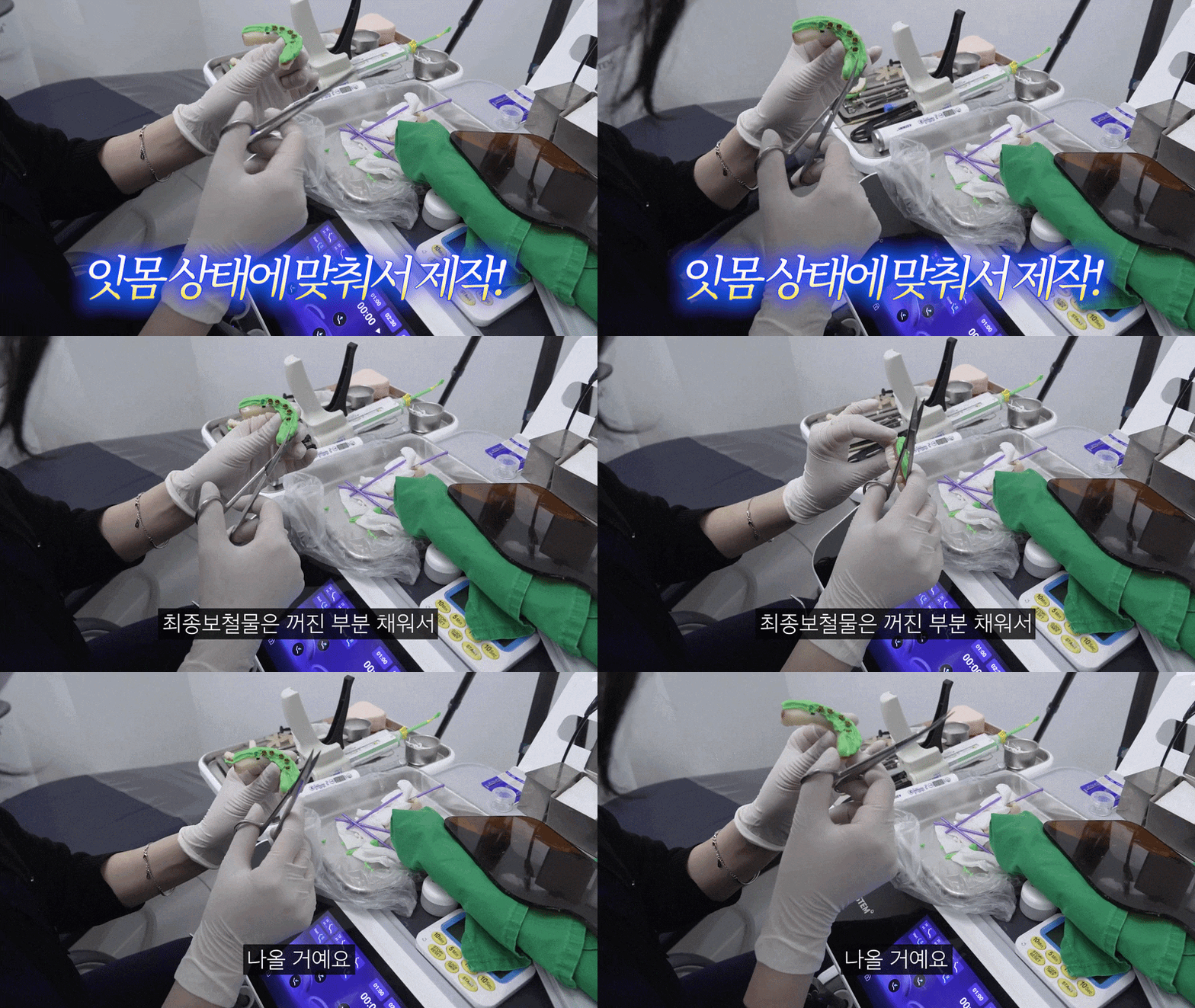
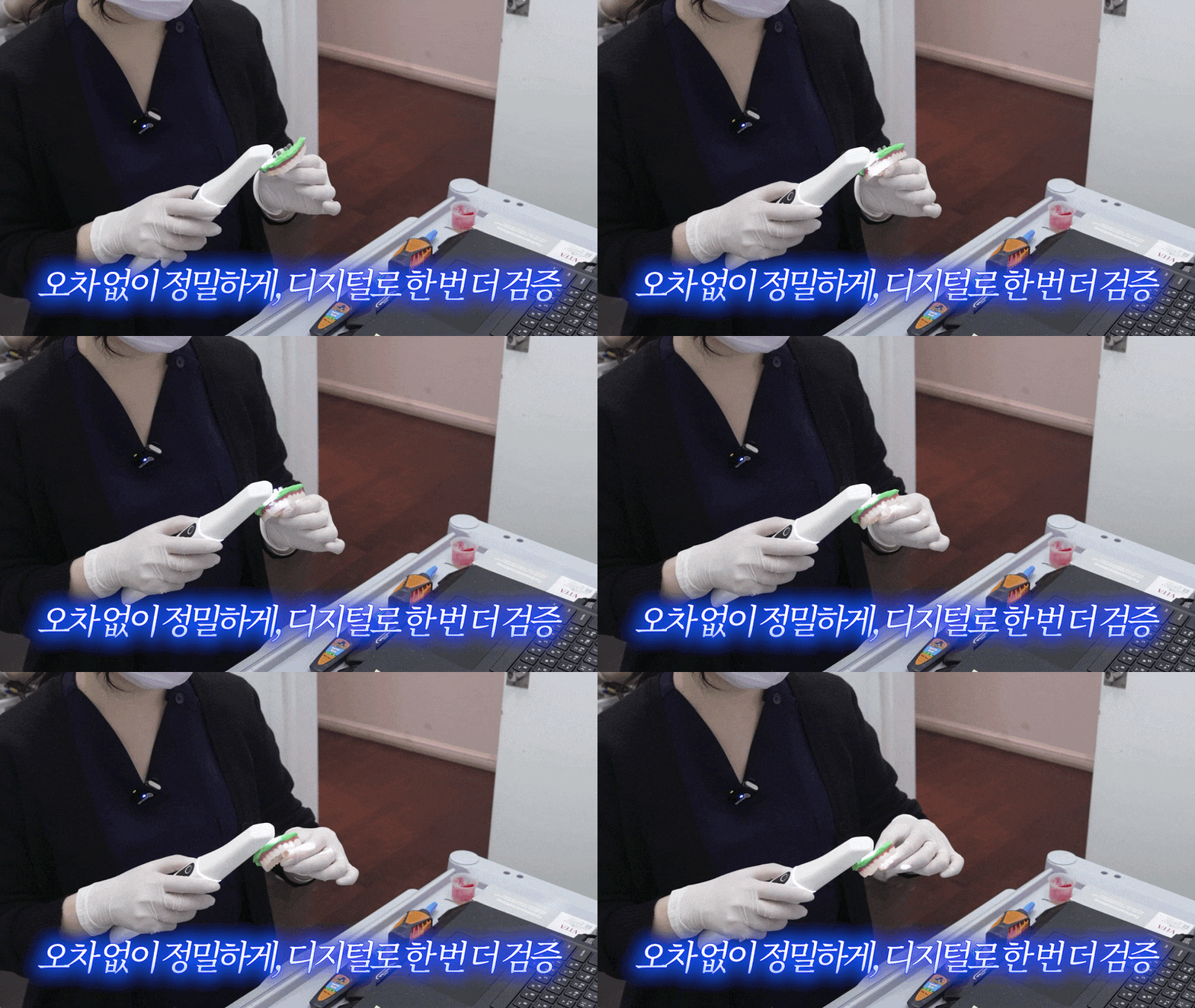
What difference does skipping bone grafting make for the body?
Simply put, bone grafting is like laying a foundation by firming up soft ground before building a house.
It provides a solid foundation, but the ground needs additional time to heal.
When bone grafting is performed, patients generally wait several months for the grafted bone to settle before moving on to the next stage.
By contrast, when implant posts are placed using the existing bone, as with No-Bone Arch, the stage of “preparing the ground and waiting” is reduced.
The treatment is designed to support the entire upper or lower arch with four to six posts, and digital equipment is used to determine their positions in advance. As a result, the area in which the gums are opened is generally relatively small.
Because the process the body must undergo becomes simpler, many people find that the recovery period for No-Bone Arch implants is less burdensome than when bone grafting is performed as well.
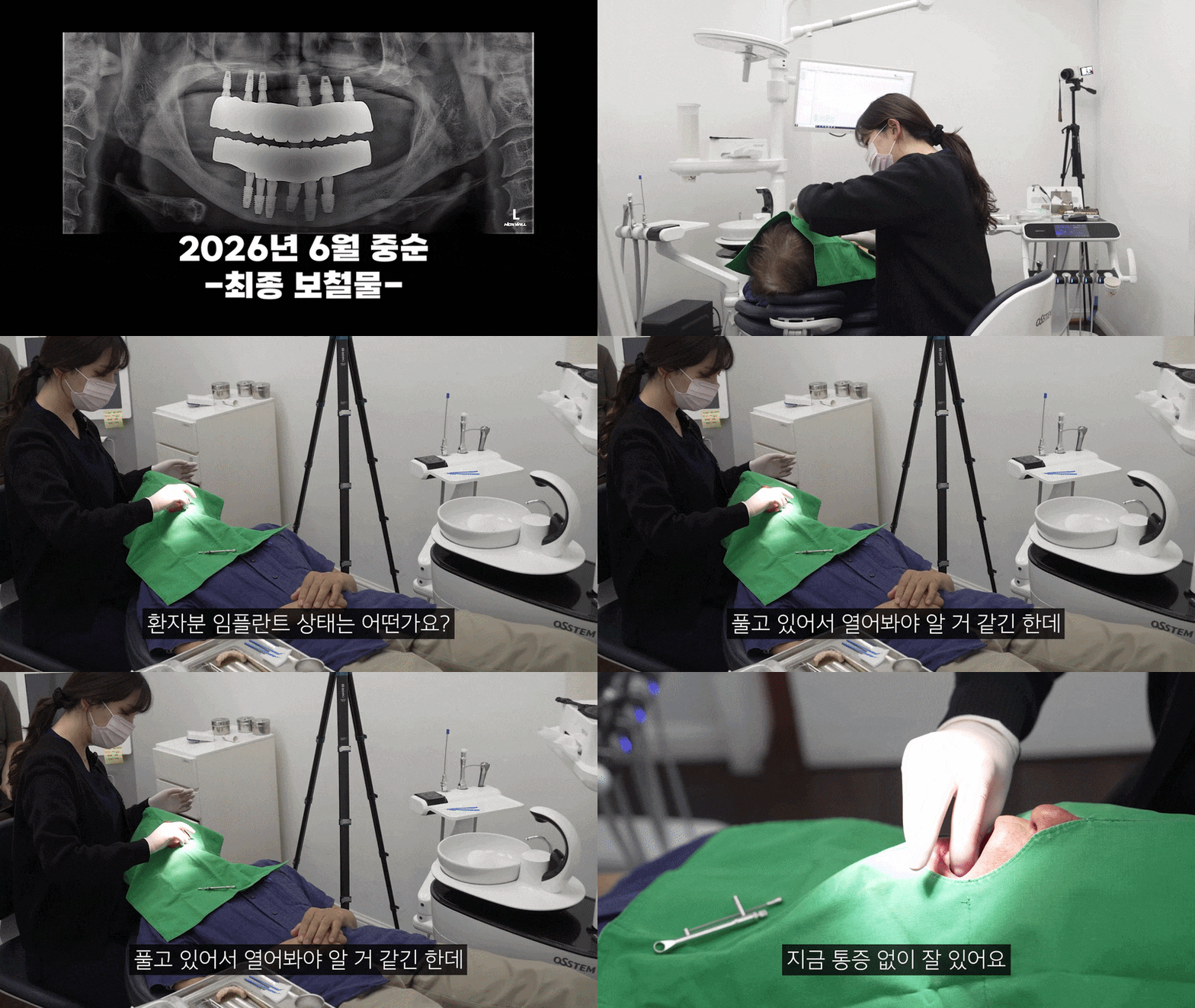
So, is recovery really easier without bone grafting?
To be honest, I cannot say definitively that “it will be over in a certain number of days for everyone.”
The rate at which the gums and bone heal varies from person to person, depending on factors such as overall health and usual self-care habits.
However, looking at the overall process, removing one major stage—bone grafting—clearly tends to shorten the overall journey and reduce the physical fatigue involved.
Many people receive temporary prosthetic teeth on the day of surgery, giving them the form of teeth from that day onward. As the gums heal, they then move on to the final prosthetic teeth. Although the timing varies by individual, many people can generally expect this process to take around one month.
Sufficient rest, soft foods, and taking prescribed medication as directed can also make the recovery process considerably more comfortable.
Therefore, rather than becoming impatient by comparing your No-Bone Arch implant recovery period with someone else’s, I would like to emphasize that the first step is to accurately assess the condition of your own bone and gums.
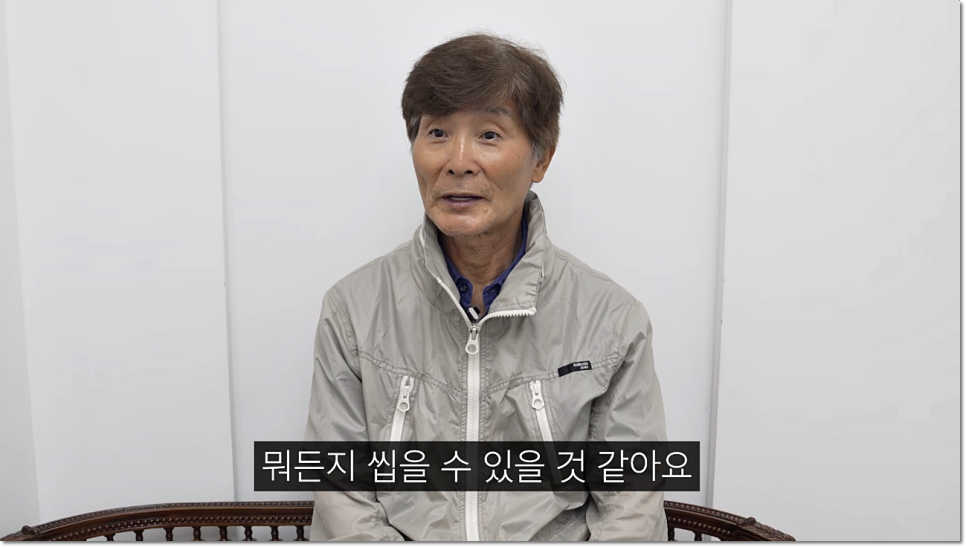
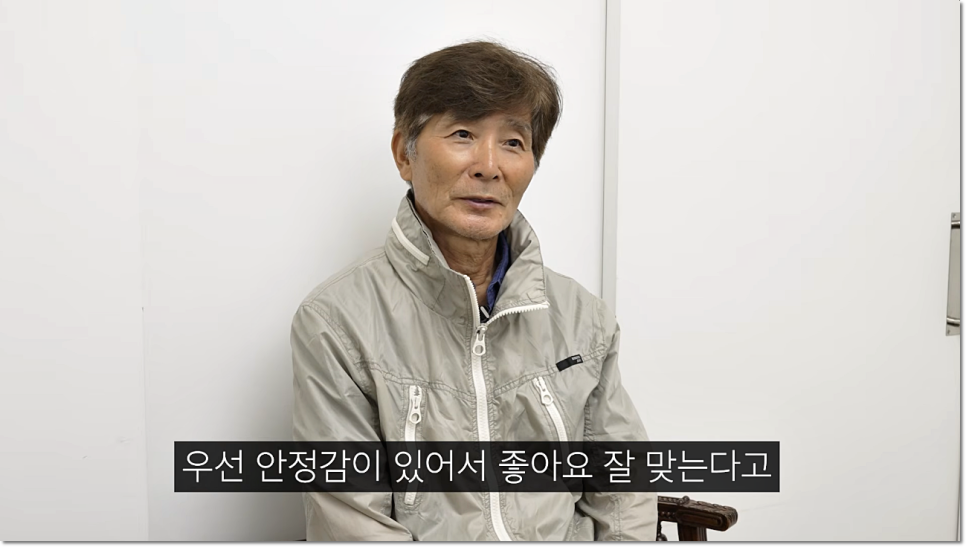
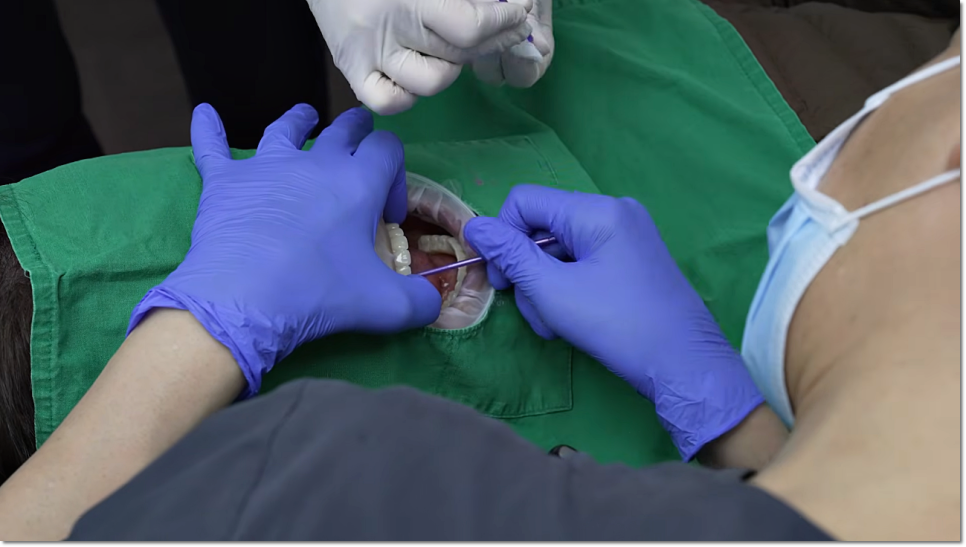
The director answers your questions directly
Q1. How long does recovery take if bone grafting is not performed? When can I return to my daily routine?
A. There are significant individual differences, but when the bone-grafting stage is omitted, there is less tissue for the body to heal, so the overall burden tends to be lower.
However, some swelling or discomfort may occur, so we recommend allowing a few days of flexibility rather than making an overly demanding schedule.
Q2. Why do you begin with a consultation and examination instead of performing surgery right away?
A. Whether bone grafting can be skipped depends on the amount and location of the remaining bone.
The treatment approach can only be determined by examining the actual condition through CT scans and an oral scan, so promising a result without an examination would actually be risky.
Q3. Can this also be recommended for parents who have used dentures for a long time?
A. It is often considered by people who find it difficult to make multiple visits or whose dentures repeatedly slip and cause discomfort.
Because the teeth are fixed in place, some people feel that this helps with chewing ability and stability.
- How is this different from denture coverage?
Q4. Are there any side effects or risks?
A. As with all treatments, there is a possibility of side effects, including infection, swelling, and nerve-related discomfort.
That is why pre-treatment diagnosis and regular follow-up examinations are important. We proceed only after explaining these aspects thoroughly.
Q5. Is it possible for people with diabetes or high blood pressure?
A. If the condition is well controlled, treatment is often possible, but the plan varies depending on the level of control.
We carefully assess the patient’s overall health before making a decision.
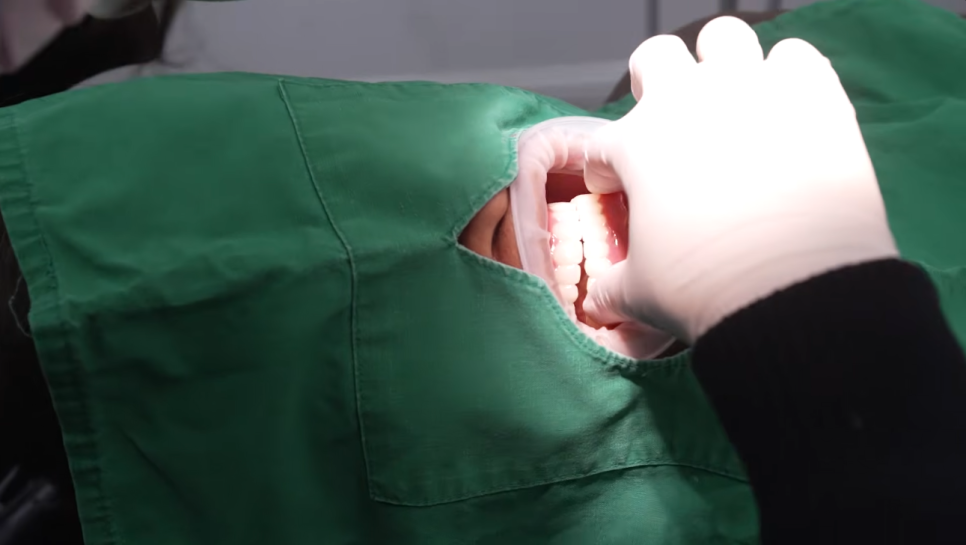
We have now looked at the differences in the recovery period for No-Bone Arch implants depending on whether bone grafting is performed.
To emphasize once again, the speed of recovery and the outcome vary from person to person, and the possibility of side effects cannot be completely ruled out with any treatment.
Therefore, rather than giving up in advance based on the words “there is no bone,” it is most important to properly assess your condition and find the approach that is right for you.
Just as the patient’s face looked more at ease when they left the consultation room that day, I hope this post leaves a small sense of reassurance in the hearts of those who read it.
📍 Directions | Etoile de Seoul Dental Clinic
3rd floor, Namhangang Building, 820 Seolleung-ro, Gangnam-gu, Seoul
The clinic is located on the 3rd floor of Namhangang Building at 820 Seolleung-ro, a convenient location to reach from the Gangnam area via Line 7 and the Bundang Line.
📞 Telephone inquiries | 02-546-0654
🕒 Office hours
· Tuesday–Friday | 10:00 a.m.–7:00 p.m.
· Lunch break | 1:00–2:00 p.m.
· Saturday | 10:00 a.m.–3:00 p.m.
· Second Tuesday of every month | Evening hours until 9:00 p.m.
· Monday | Closed
The clinic is open until 3:00 p.m. on Saturdays and offers evening hours until 9:00 p.m. on the second Tuesday of every month.
Please note that the clinic is closed during the weekday lunch break, from 1:00 to 2:00 p.m., and on Mondays before visiting.