A story about someone who spent a long time hesitating
with three estimates in front of them
Not long ago, a man in his fifties came to us after consulting several clinics.
He was concerned because the prices differed significantly from clinic to clinic, even though he needed the same number of implants. He was worried that choosing the least expensive clinic might lead to problems later.
In fact, the price difference is the concern most frequently shared by people researching implants at Apgujeong dental clinics.
Today, from the perspective of dental professionals, we will explain what to examine first before comparing prices alone.
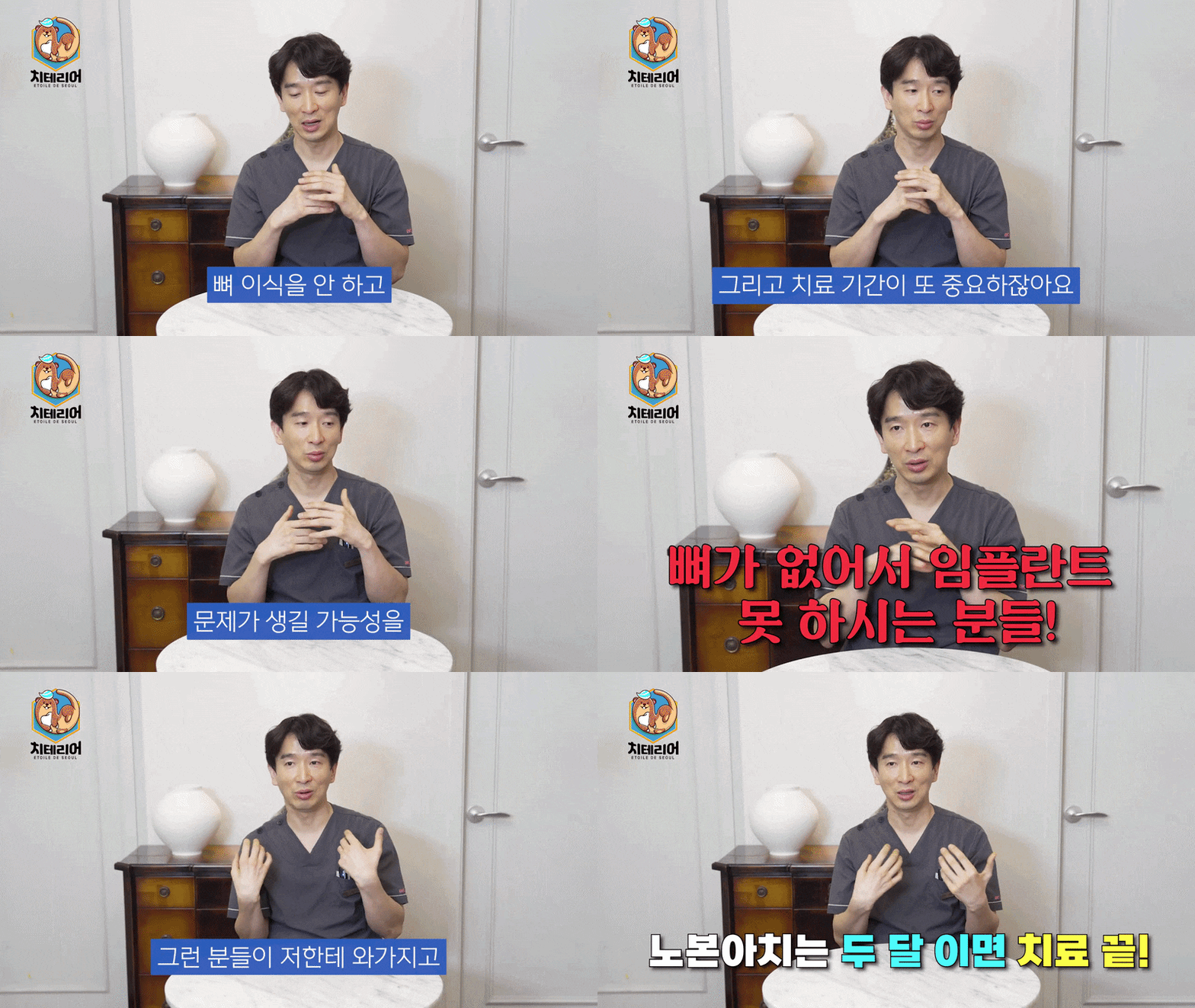
✨ Watch the Chiterior YouTube video ✨
(Click)
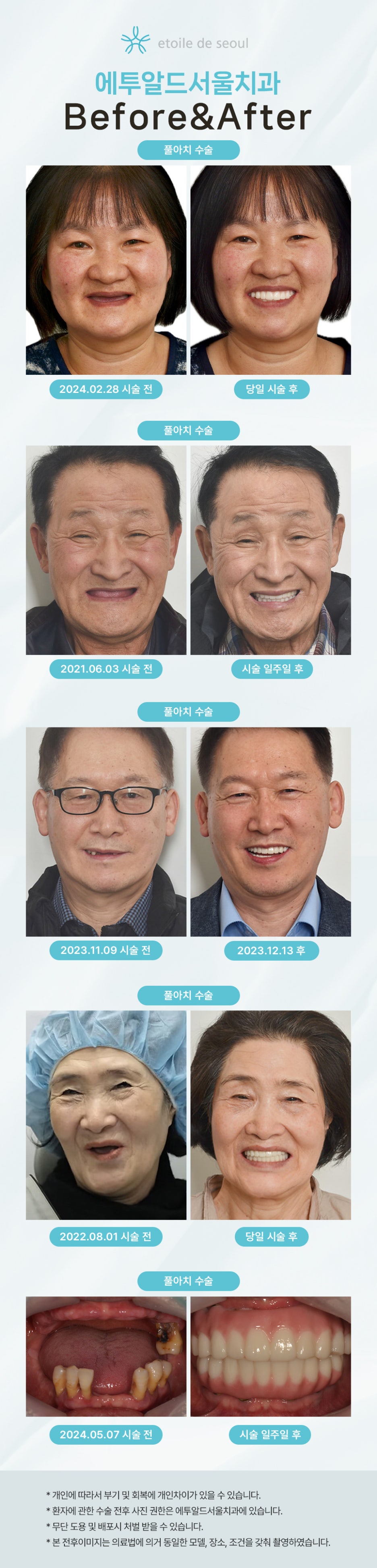
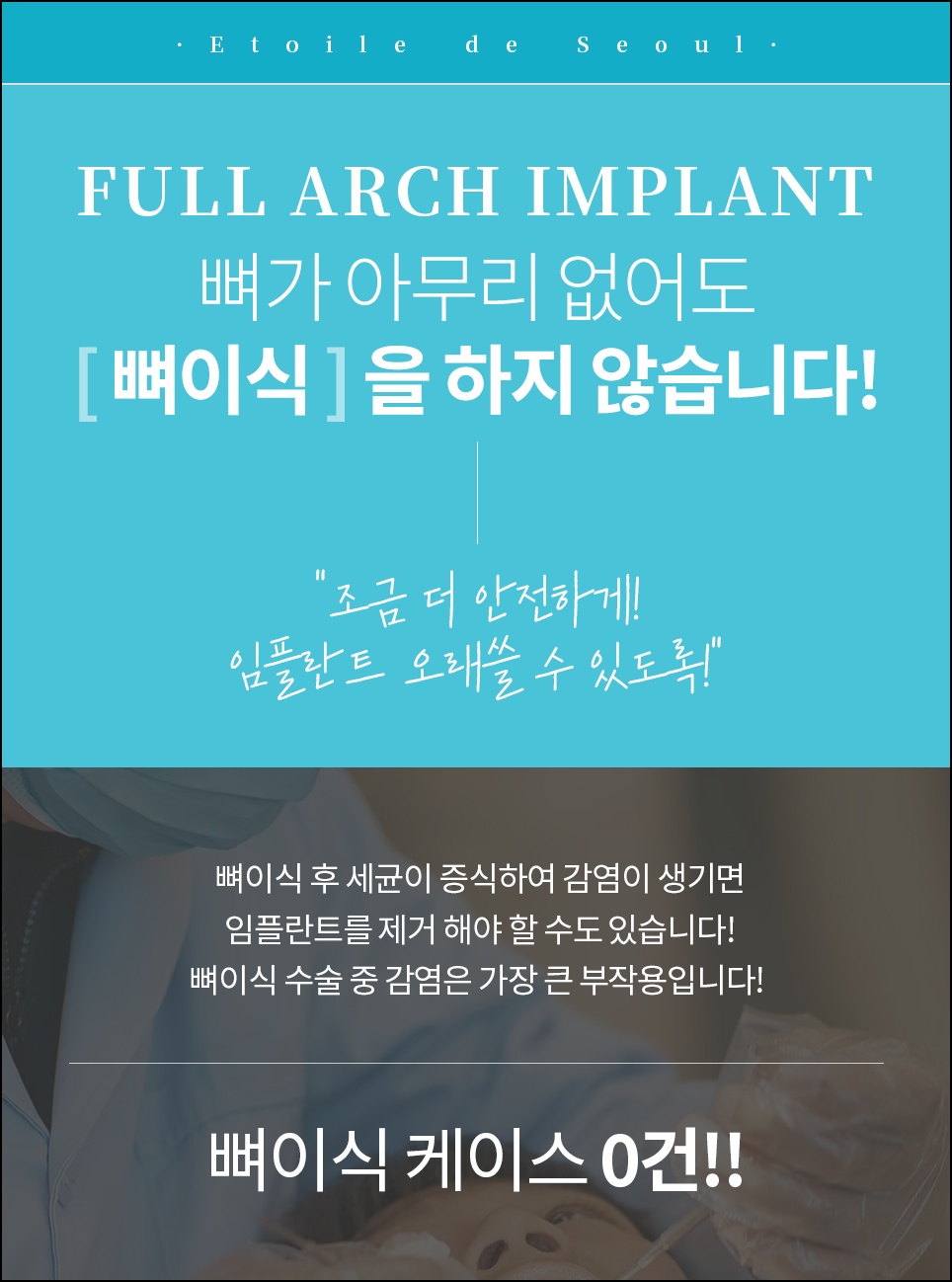
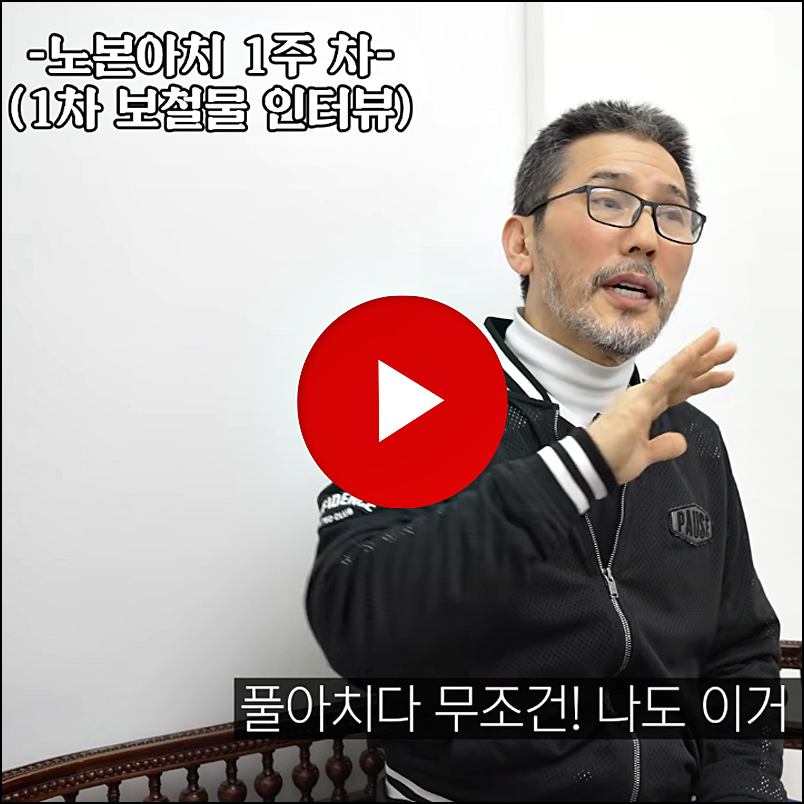
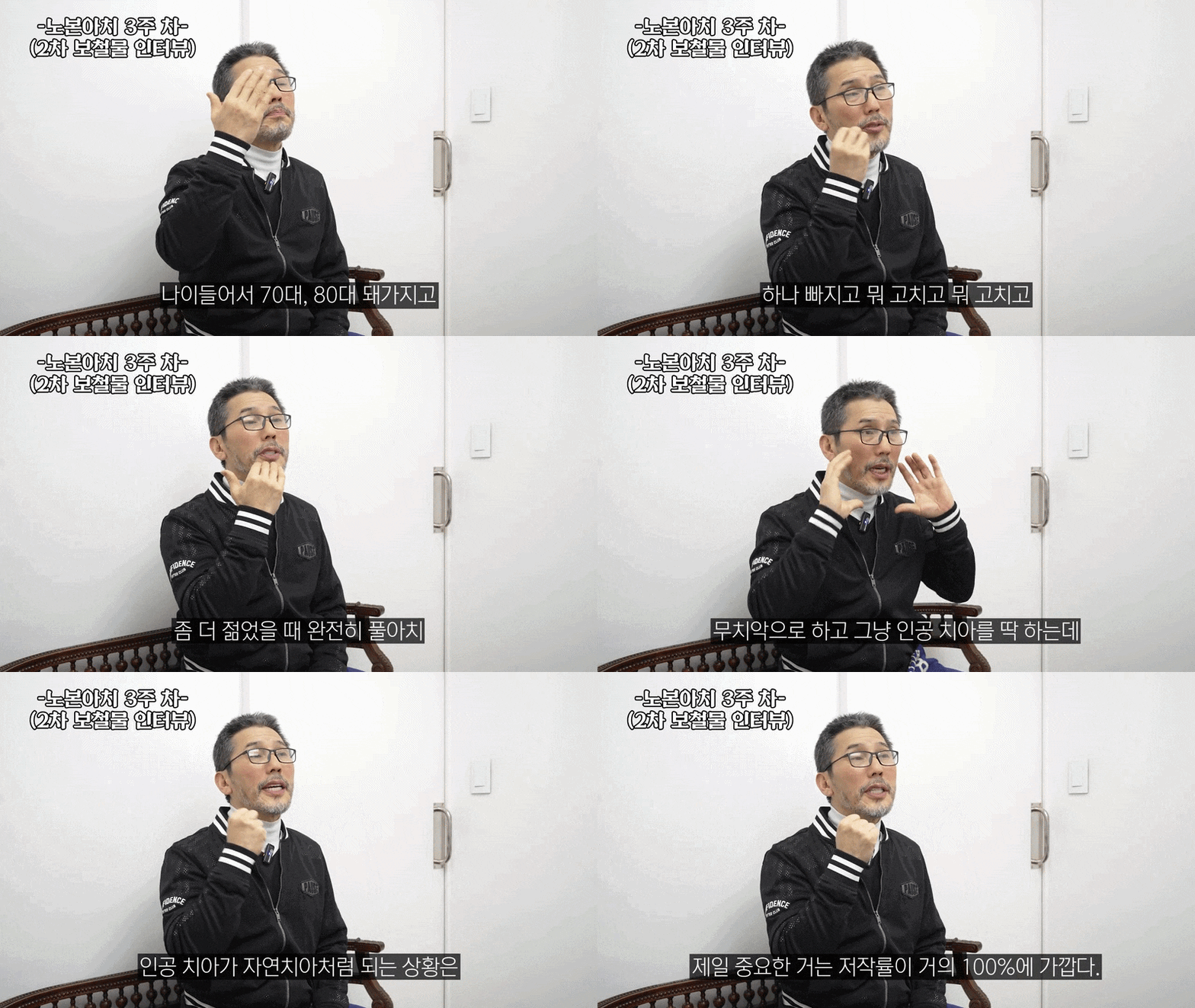
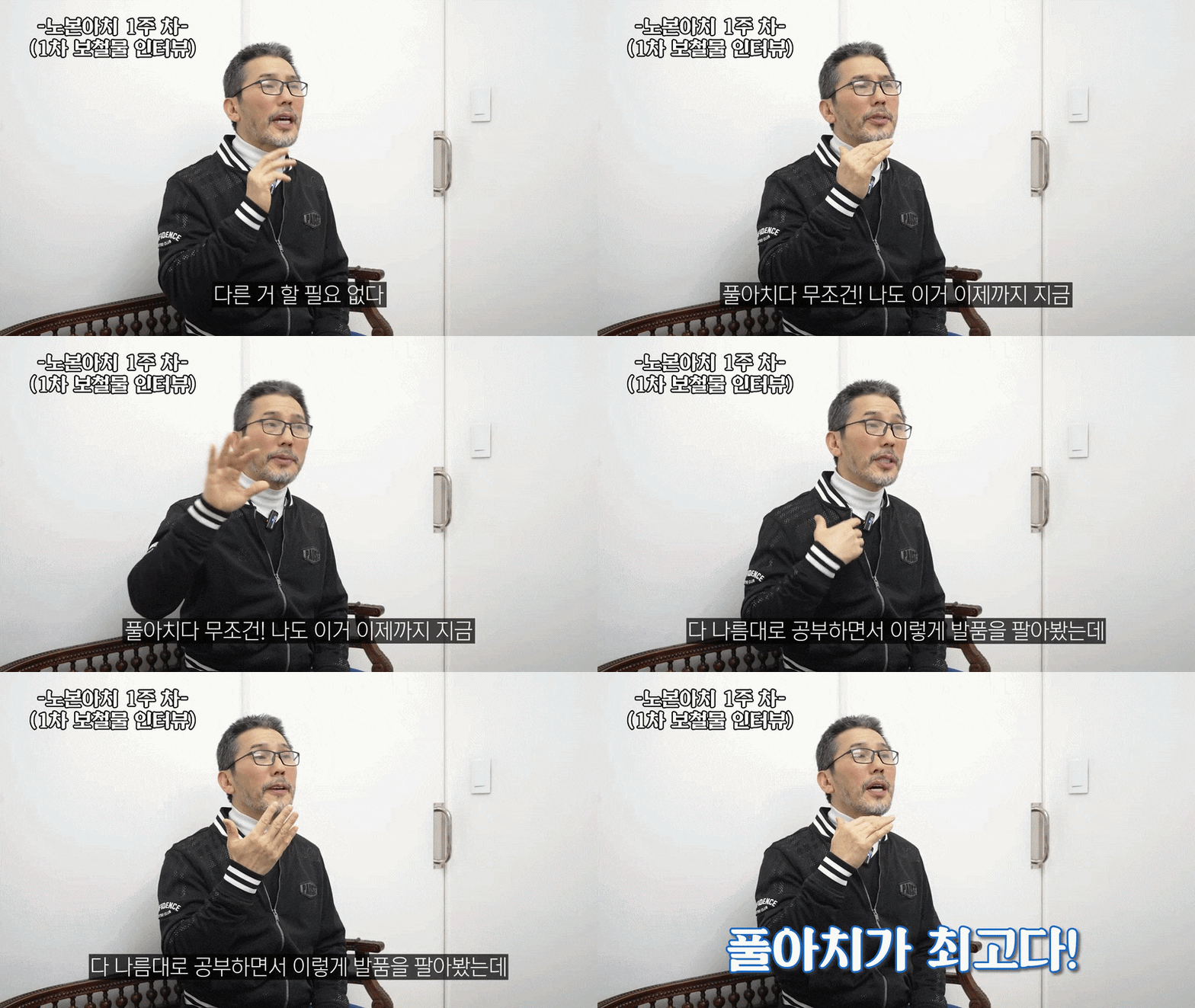
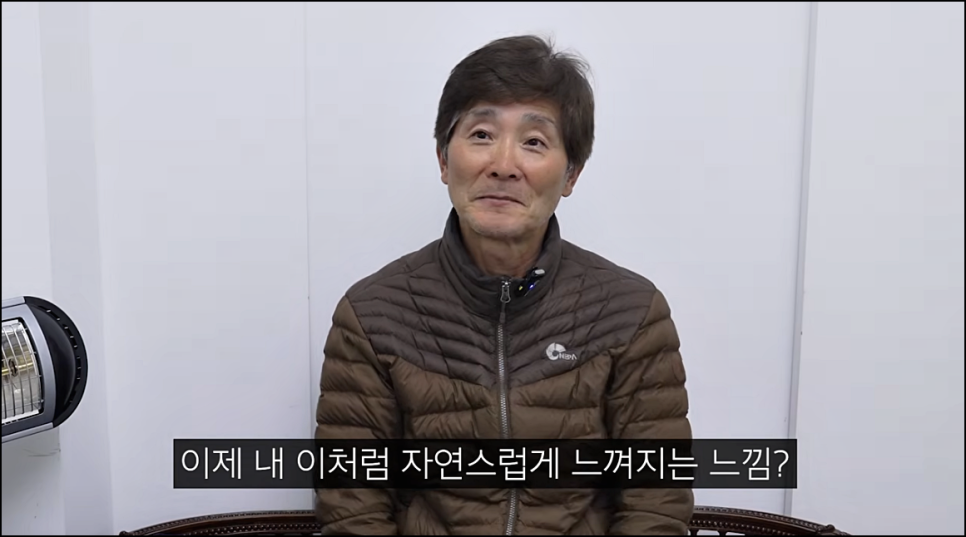
The actual no-bone arch treatment story of a 1964-born live café musician who had only nine teeth remaining and could not chew properly. ❗
Why do prices differ between clinics
when the number of implants is the same?
There are more factors determining the cost of implants than you might expect.
The first is the type of implant fixture and prosthetic material.
Prices differ by domestic and overseas manufacturer, and prosthetic materials such as zirconia, which take both aesthetics and durability into account, tend to increase the cost.
The second is the precision of the diagnosis and surgical plan.
Using CT scans and intraoral scans to examine the thickness of the bone and the location of the nerves three-dimensionally requires equipment and time.
The third is whether additional treatment is needed based on the condition of the jawbone.
If the bone is insufficient, bone grafting or gum treatment may be required first, and this is reflected in the price.
Therefore, when comparing implant costs at Apgujeong dental clinics, it is difficult to make a judgment based only on the figure showing the price per implant.


The long-term durability of an implant depends on osseointegration
The reason implants can withstand chewing forces like natural teeth is the process of osseointegration, in which the titanium fixture firmly bonds with the jawbone.
It usually takes several months for bone cells to grow into the surface of the placed fixture and interlock with it as one unit. How firmly this connection forms affects the lifespan of the implant.
Therefore, if the bone density is low or there are factors that can affect healing, such as smoking or diabetes, the plan must be made more carefully.
Rushing this process simply because the price is low may instead lead to an outcome in which the implant cannot be used for as long.
Why results can differ even with the same conditions and materials
Some people ask, “An acquaintance had the same brand. Why is my plan different?”
An implant is not a procedure in which the same item is placed in a fixed location. It must be designed differently for each person by considering the amount of bone, gum thickness, and even the direction of their biting forces.
People with sufficient bone may be able to receive standard implant placement, while those with thin bone or nerves located nearby require careful adjustment of the angle and depth.
This is why, when considering implants at an Apgujeong dental clinic, you should also look at who is performing the procedure, what diagnosis it is based on, and how the plan is developed.
The depth of diagnosis to examine before the price list
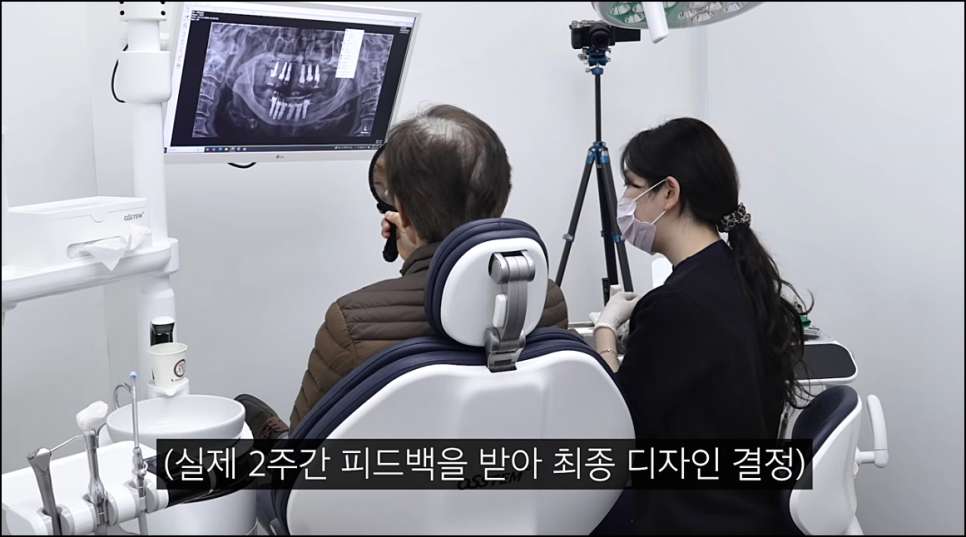
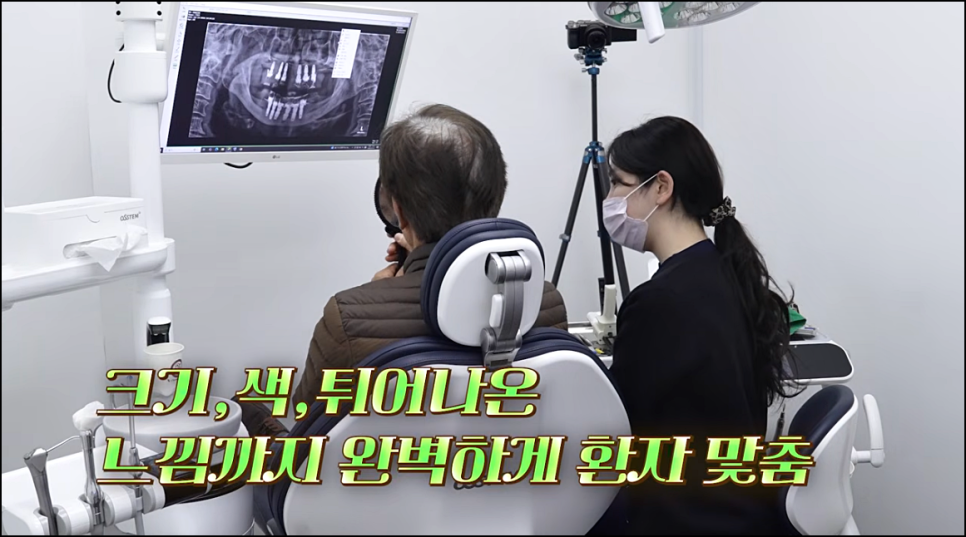
Etoile Seoul Dental Clinic considers it important to carefully examine each patient's bone condition and oral structure before providing an estimate.
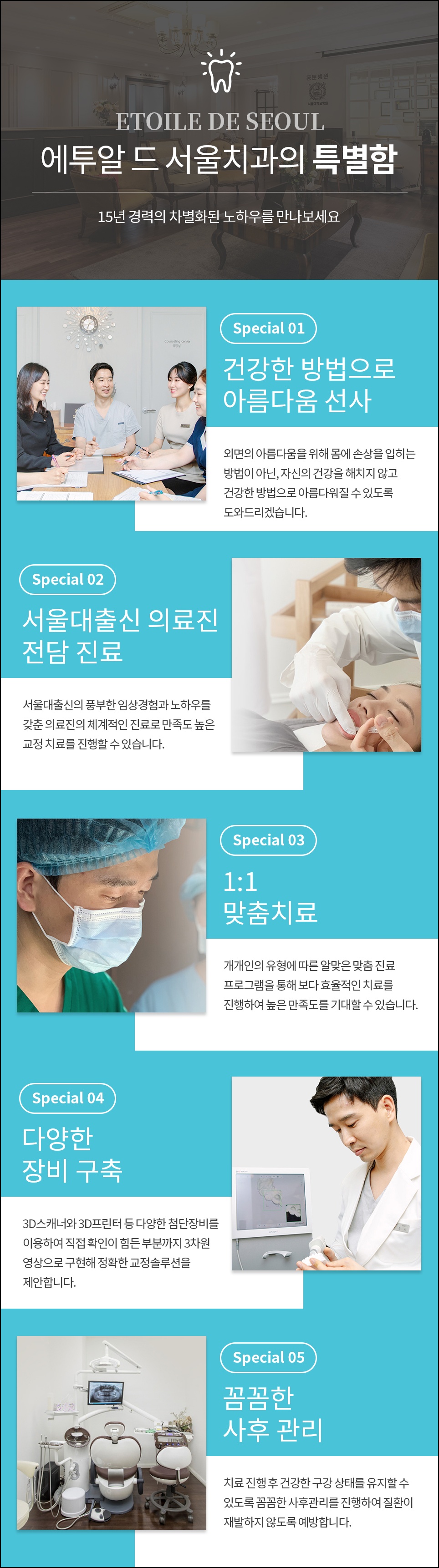
Using CT scans, an intraoral scanner, and three-dimensional (3D) diagnostic equipment, the clinic identifies the locations of the nerves and bone in three dimensions and uses this information to plan the implant placement position and angle in advance.
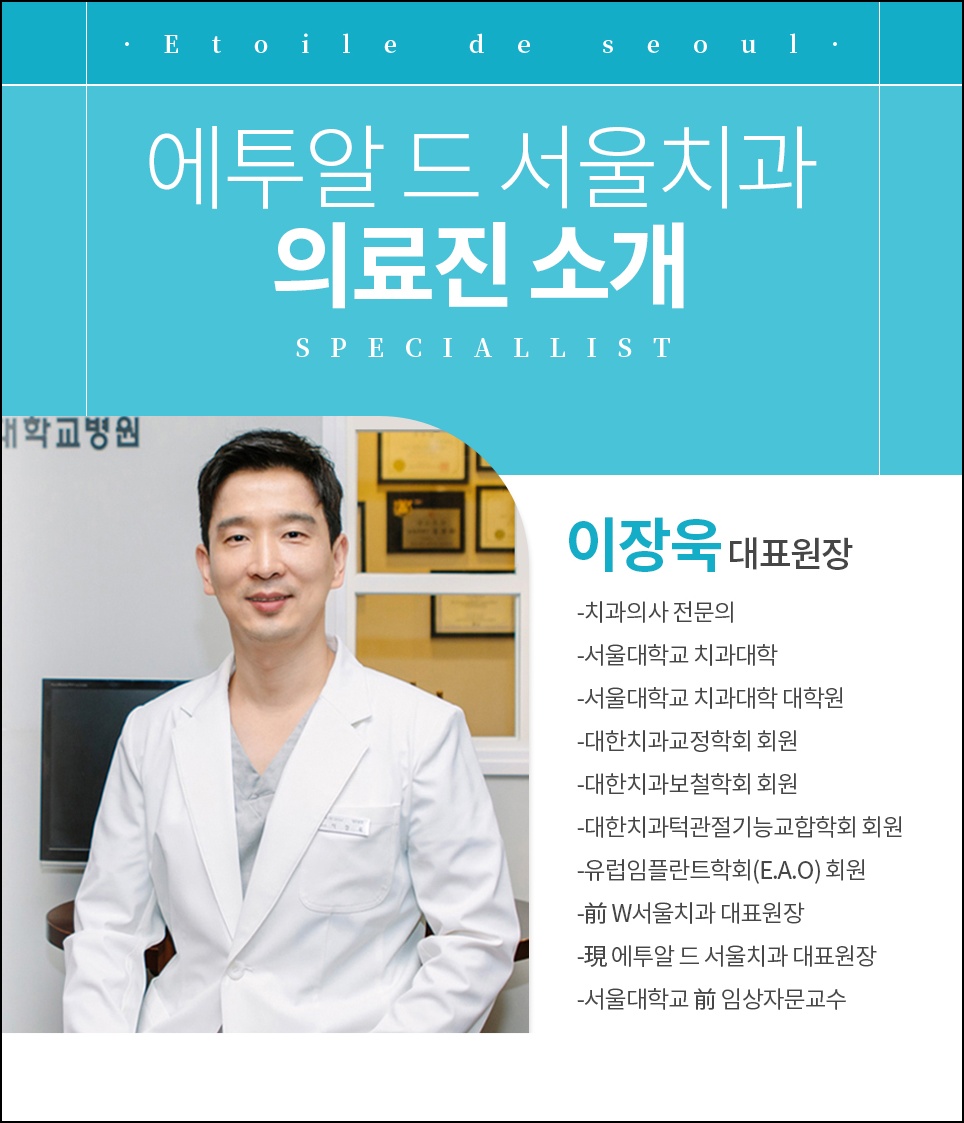
The clinic's director, Dr. Jang Wook Lee, a graduate of Seoul National University School of Dentistry, personally reviews everything from diagnosis through surgical planning and considers an approach that does not place undue strain on patients, including those with insufficient bone.
When researching implants at an Apgujeong dental clinic, checking the depth of this diagnosis and planning, rather than comparing price lists alone, can help reduce future regret.
It is also a good idea to check whether the clinic has a system that provides regular examinations and ongoing care after surgery.
Frequently asked questions
Q1. Can implants be used for life once they are placed?
It depends on how well they are maintained. With daily brushing and flossing and regular checkups every six months, implants can often be used for a long time. However, poor maintenance can shorten their lifespan due to gum inflammation.
Q2. Is there a significant difference between implant brands?
Manufacturers differ in the surface treatment and shape of their fixtures, as well as in the clinical data accumulated for each product. Above all, however, the important thing is to choose a product and plan suited to the patient's bone condition.
Q3. Can implants be placed even when there is not enough jawbone?
Even when bone is insufficient, treatment may proceed through bone grafting or implant placement with an adjusted angle. The amount of bone is first checked through a CT scan before making a decision.
Q4. Is treatment possible if I have diabetes or high blood pressure?
Treatment is often possible if the condition is well controlled. However, because these conditions may affect the speed of recovery, a diagnosis that also checks the patient's overall health is necessary.
Q5. What pain or side effects can occur after surgery?
Swelling or discomfort around the surgical site may occur for several days, and, rarely, infection or abnormal sensations in the nerves may develop. The degree of these reactions varies from person to person, so preoperative diagnosis and postoperative care are important.
What matters more than price is “a plan suited to my bone condition”
Implant outcomes vary from person to person depending on the condition of the bone, gum health, and lifestyle habits.
Swelling or pain, and in rare cases reactions such as infection or altered sensation, may occur, so it is advisable to fully understand these points before beginning treatment.
If you are researching implants at an Apgujeong dental clinic, rather than looking first for the least expensive option, receiving an accurate diagnosis of your bone condition and developing a suitable plan is the path to long-term use.
Etoile Seoul Dental Clinic
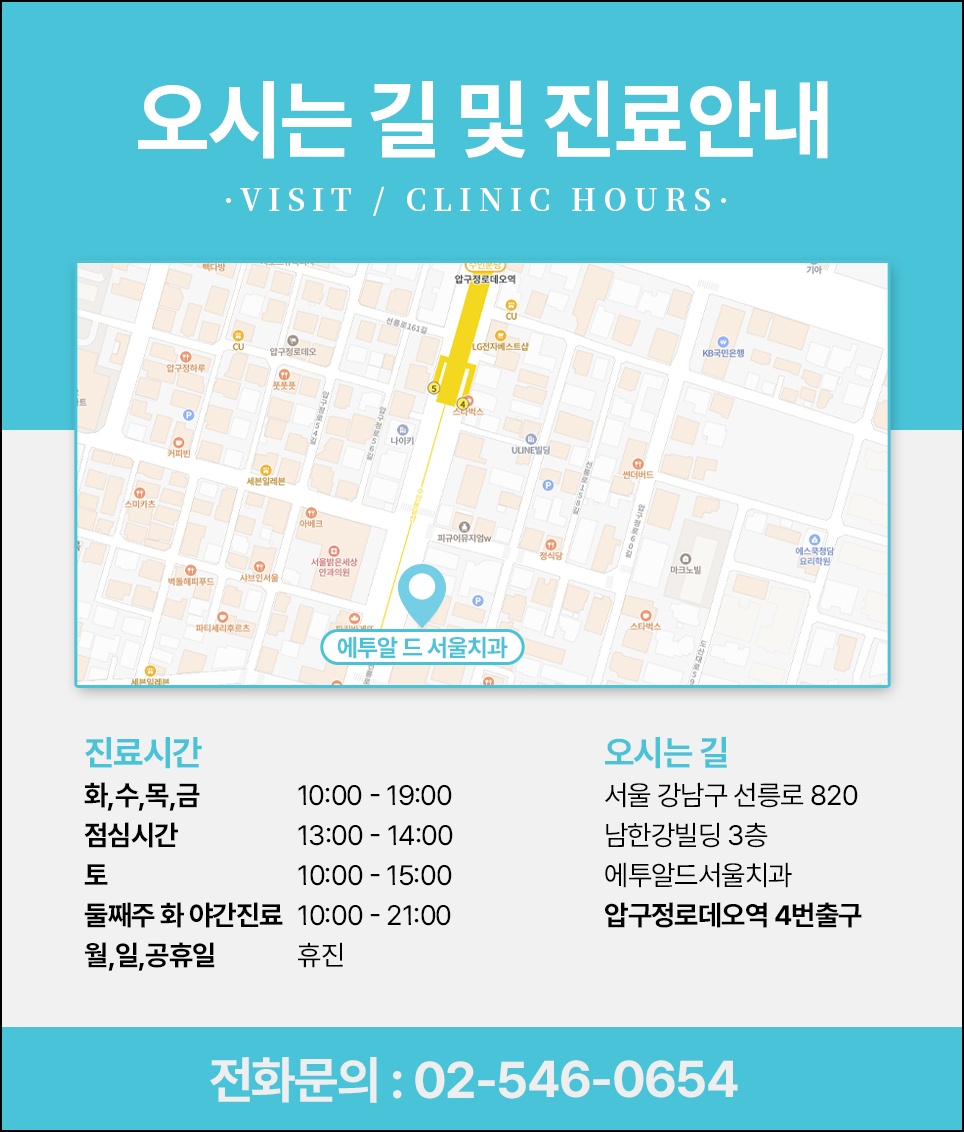
· Address: 3rd Floor, Namhangang Building, 820 Seolleung-ro, Gangnam-gu, Seoul
· Phone: 02-546-0654
· Office hours
Tuesday–Friday 10:00–19:00 (Lunch 13:00–14:00)
Saturday 10:00–15:00
Extended hours until 21:00 on the second Tuesday of each month
Closed Mondays