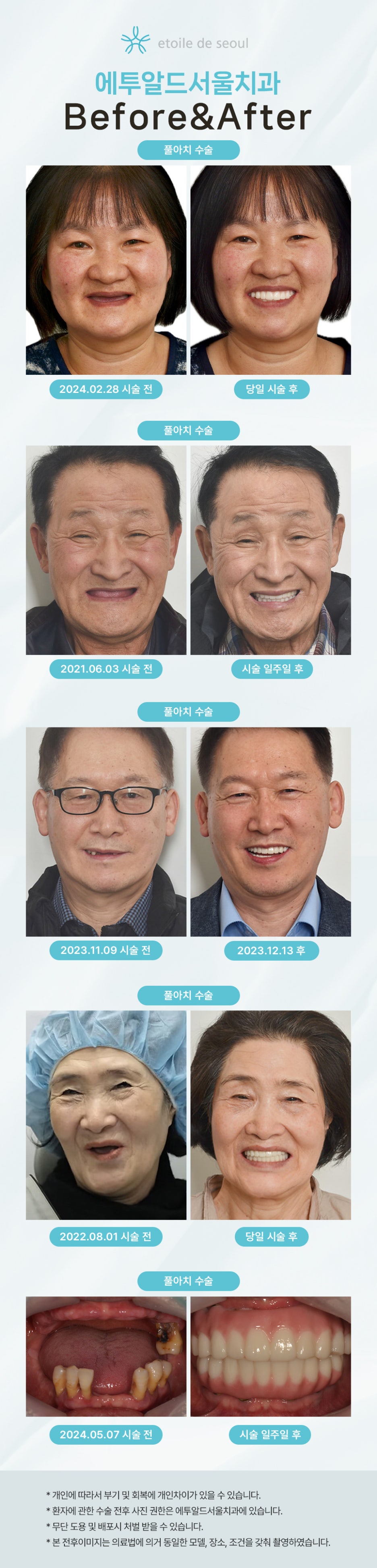
The discomfort commonly described by people who have used dentures for a long time
Every time they eat, the dentures lift; during conversations, they worry that the dentures might become loose; and pressure on the gums leaves behind a tingling pain.
These are concerns that people who have relied on dentures for many years often share when they visit a dental clinic.
When this situation continues, many naturally begin to consider a method that is fixed directly to the bone—in other words, full-arch implants.
However, when they start looking into it, they often find that each clinic has different placement methods and cost structures, leading to the concern, “I don’t know what criteria to use to make a decision.”
Today, I will go through those criteria one by one from a clinician’s perspective.
✨ Watch a 치테리어 YouTube Video ✨
(Click)
The Difference Between All-on-X and Full-Arch Implants
❗This video covers treatment planning that varies according to each patient’s condition.❗
Why the Method and Cost Vary from Clinic to Clinic Even When the Same Name Is Used
Methods for restoring a completely edentulous mouth can generally be divided into two types: a method that uses implants as supports to secure a prosthesis, and a method in which a removable denture is placed on several implants.
Even when restoring the same arch, the procedure and cost can vary depending on the number of implants placed, the prosthetic materials, the diagnostic equipment, and whether genuine components are used.
The first factor is the number of implants and the treatment design.
Because one arch is supported by a structure with four to six posts, the number of implants and the angles at which they are placed can greatly affect the outcome.
For people with thin jawbone, it may be necessary to locate areas with greater bone thickness and place the implants at an angle. As a result, the difficulty and preparation process can differ even for full-arch implants.
The second factor is the prosthetic material.
Using pink porcelain to recreate the gum line and zirconia for the tooth portion allows both a natural appearance and durability to be considered.
Costs vary according to the grade of the materials.
The third factor is the diagnostic and aftercare system.
The overall cost structure differs depending on whether the clinic checks bone thickness and the location of the nerves in advance using 3D CT and an intraoral scanner, and whether it has regular follow-up examinations and a warranty system after surgery.
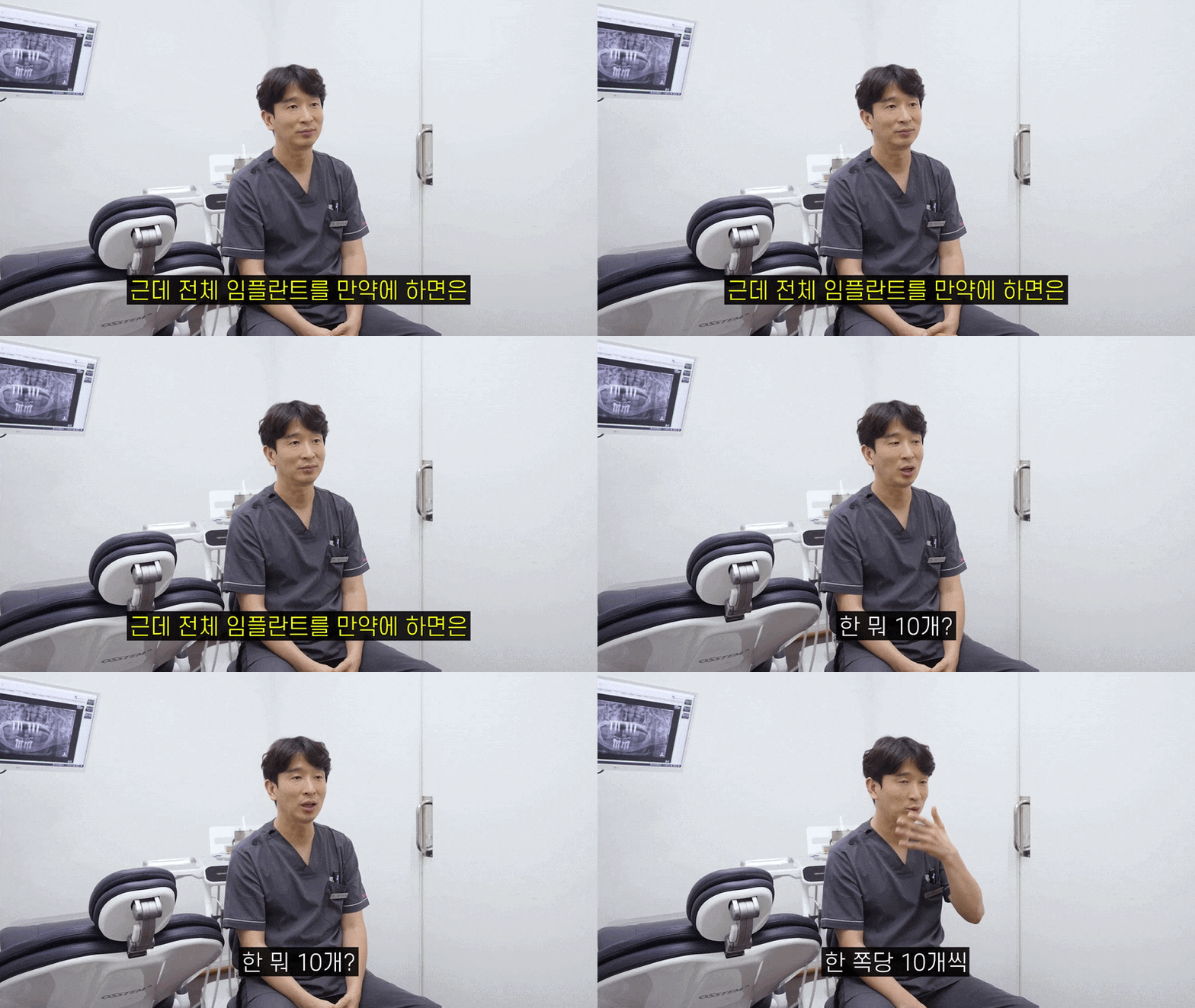
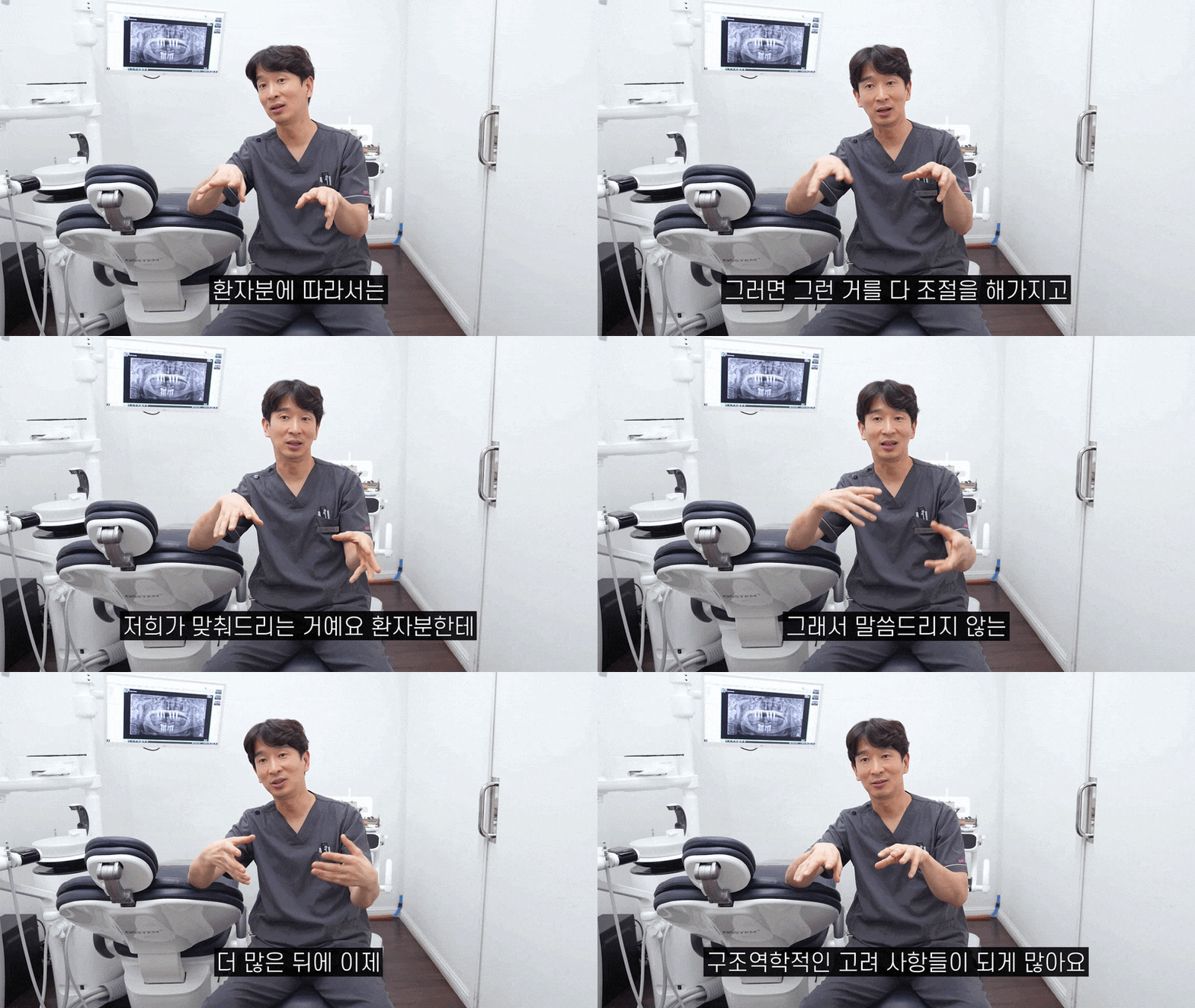
How Bone-Fixed Implants Fundamentally Differ from Dentures
When the roots of the teeth disappear, our jawbone is gradually resorbed and becomes thinner.
Dentures rest on top of the gums, so they tend to become loose and move more easily over time.
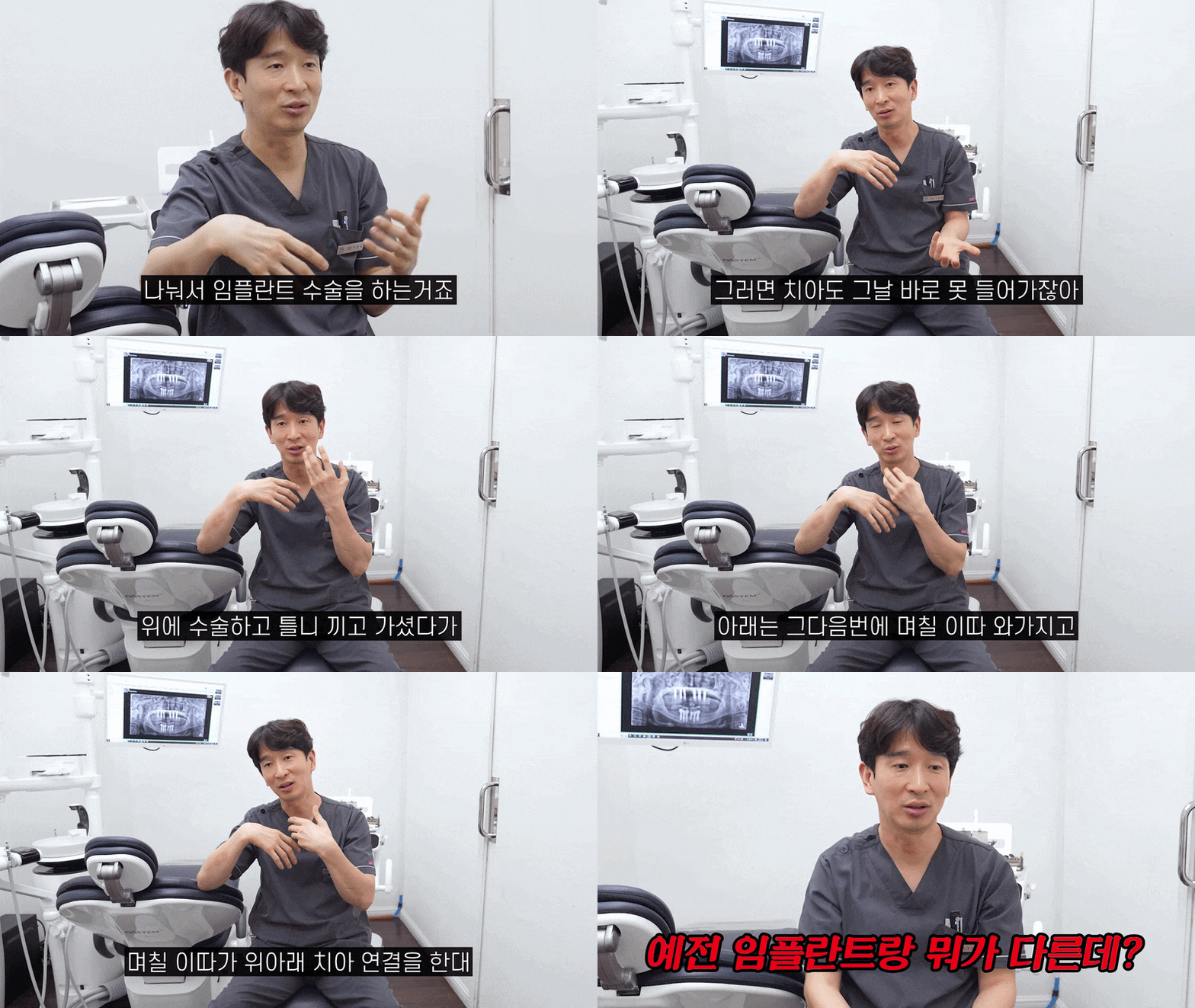
In contrast, full-arch implants connect a prosthesis to four to six posts fixed directly to the bone, allowing it to stay in place without moving inside the mouth.
There is also a difference in chewing force.
The chewing force of a method that uses implants as supports while keeping the denture removable is reported to be approximately 60–80% that of natural teeth, while the bone-fixed method is reported to restore it to around 90%.
However, these figures may vary from person to person depending on bone condition and maintenance habits.
Why Results Differ from Person to Person Even with the Same Method
Many people wonder, “Someone I know had a good result. Will I have the same experience?”
The key factors determining the result are the amount and density of the jawbone, along with individualized treatment planning.
When there is sufficient bone, placing the posts according to plan is relatively straightforward. However, when the bone has become thin after years of denture use, the placement position and angle must be calculated more precisely. This is why even full-arch implants need to be designed according to each person’s bone structure.
For this reason, the accuracy of the diagnosis performed before surgery determines a significant portion of the final result.
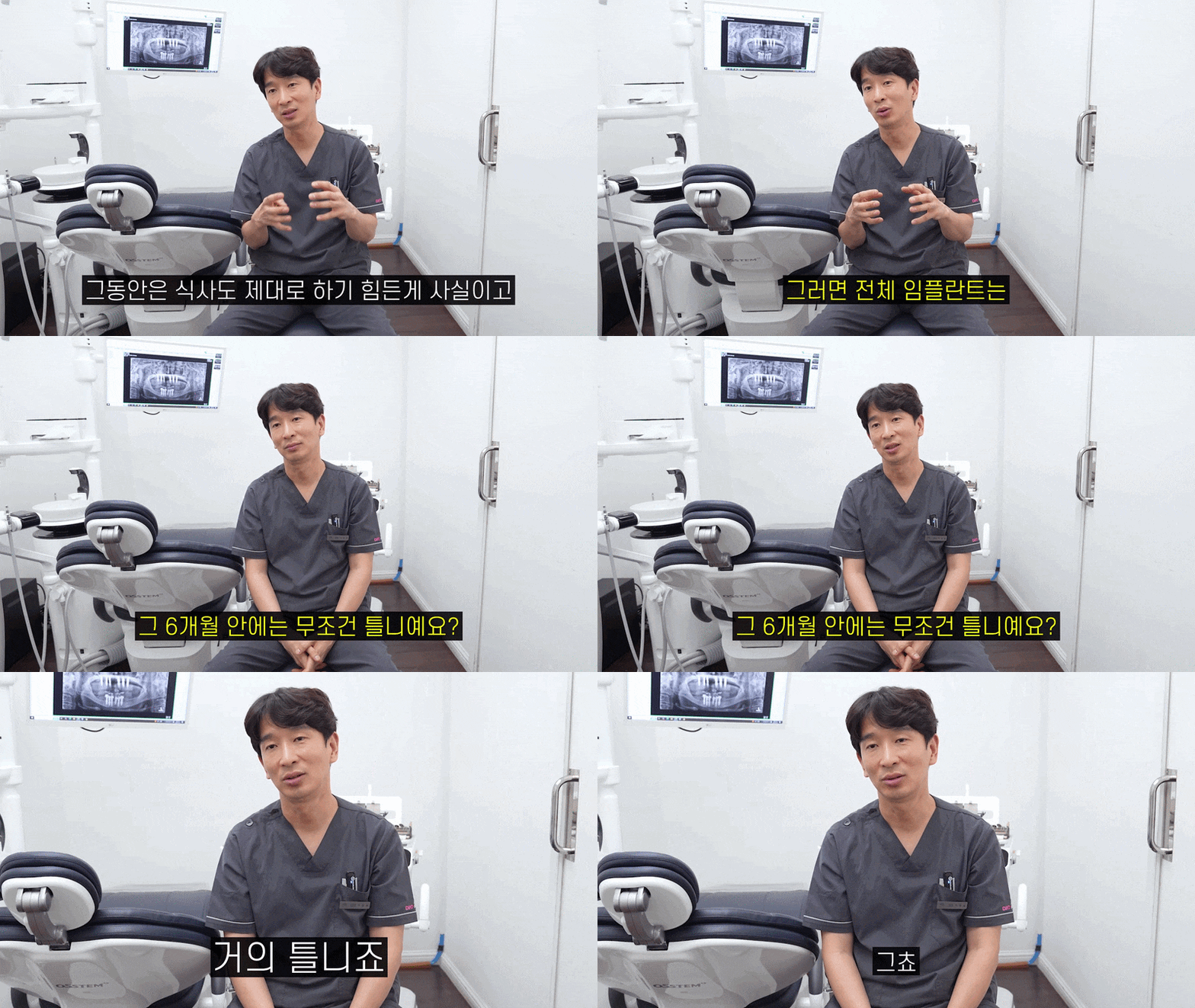
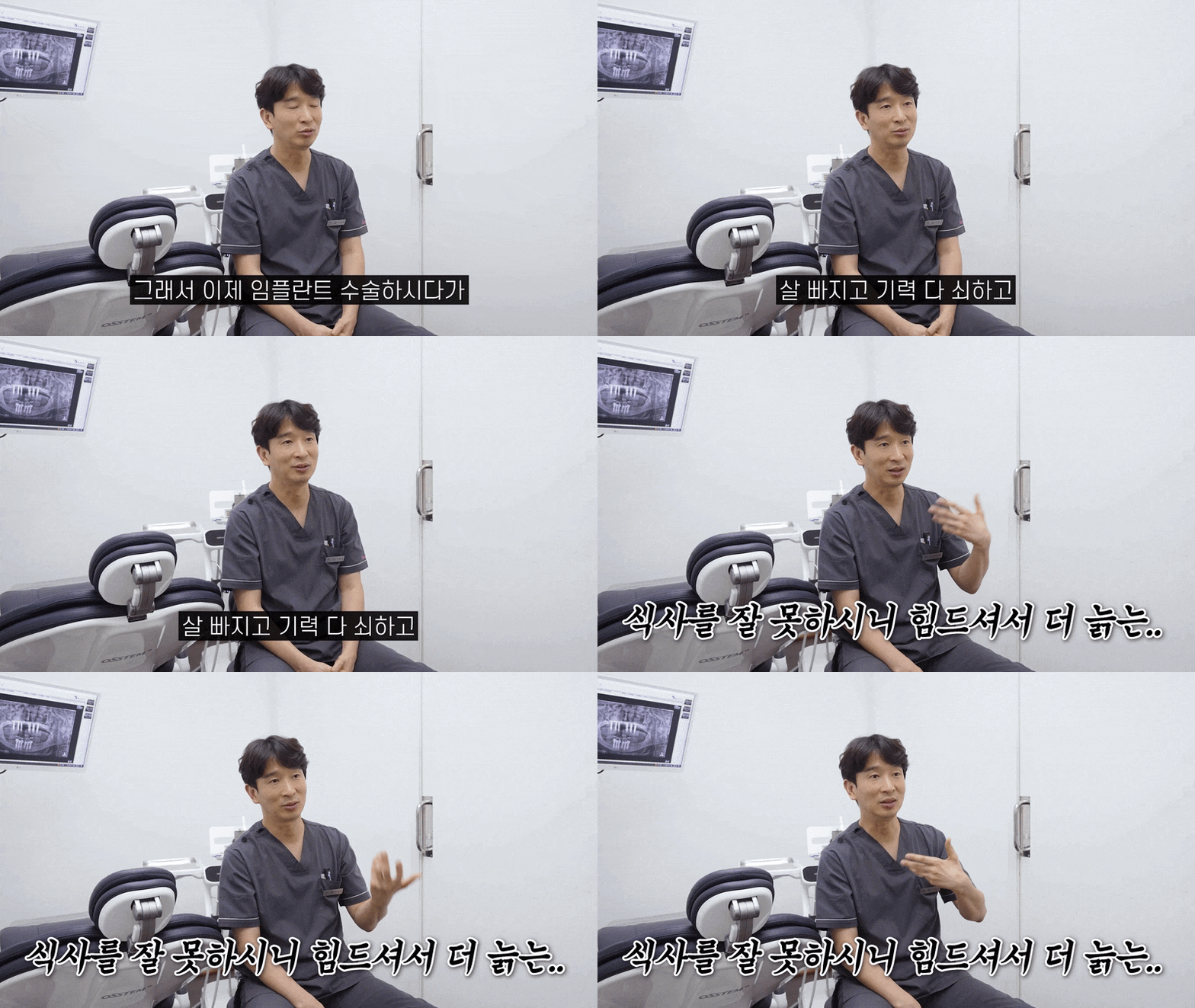
Why We Pay Particular Attention to the Diagnostic Stage
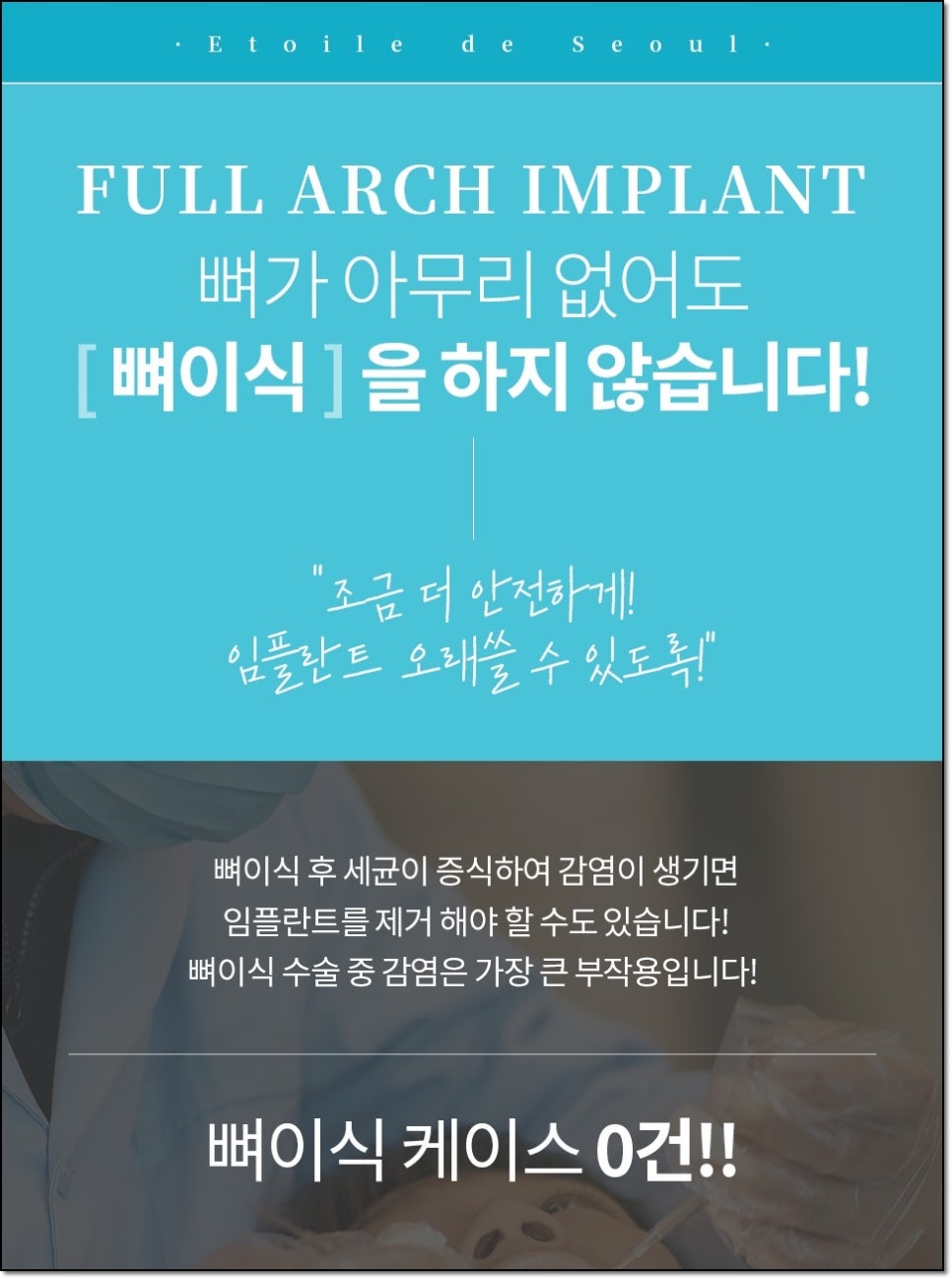
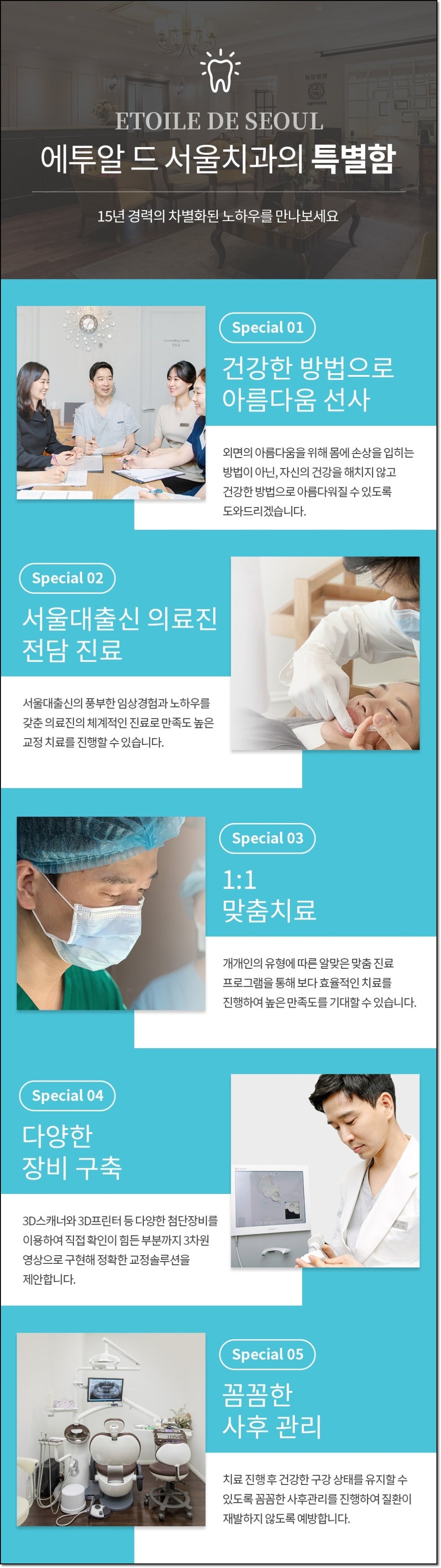
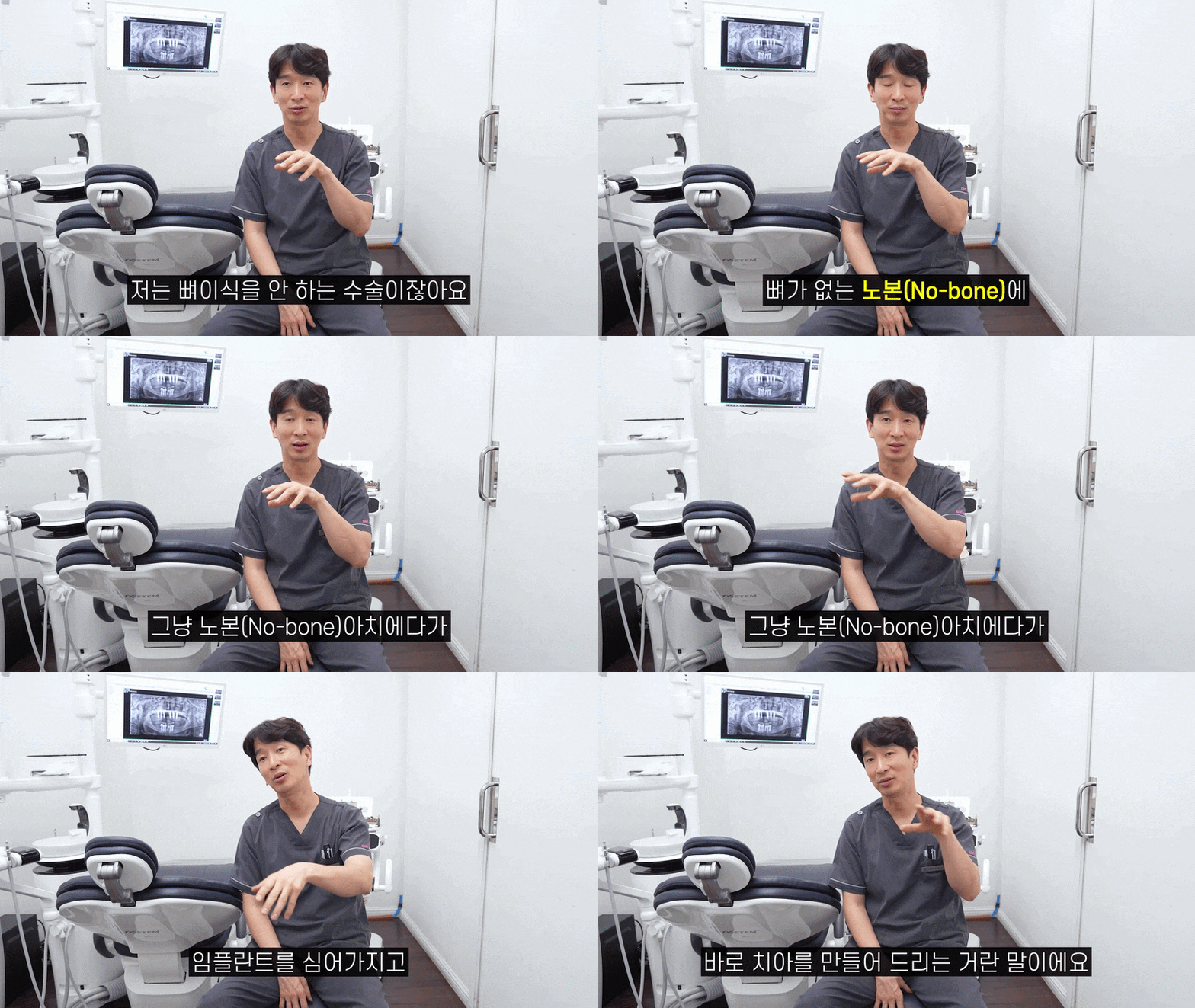
At our dental clinic, we use 3D CT before surgery to examine the thickness of the jawbone and the location of the nerves three-dimensionally. We then use an intraoral scanner and computer-assisted mock surgery to plan the implant positions and angles in advance.
Proceeding with actual placement based on this preliminary plan helps identify ways to reduce the burden of incisions and recovery.
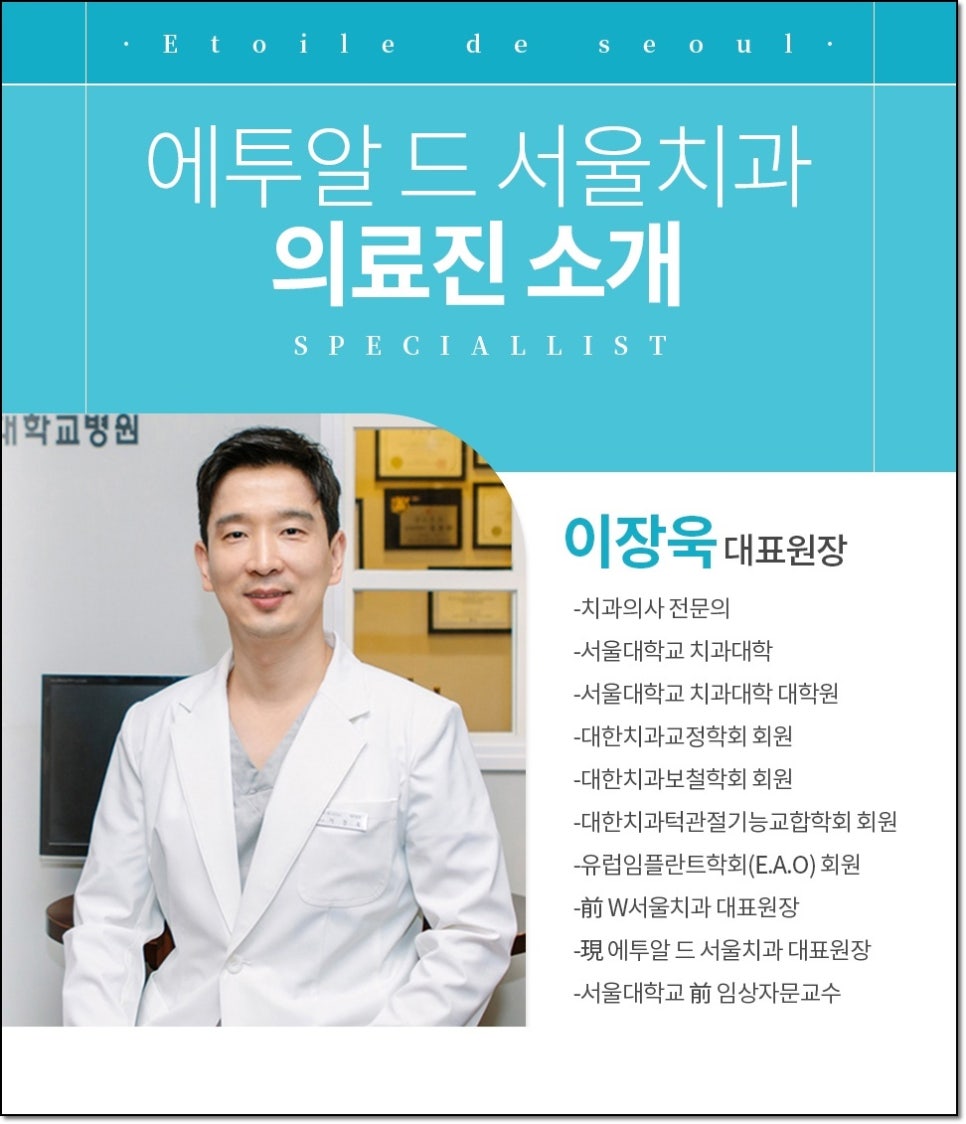
The clinic’s director, a graduate of Seoul National University, personally oversees everything from diagnosis through implant placement planning, and uses pink porcelain and zirconia to refine the gum line and tooth color as naturally as possible.
We use only genuine components and also operate a warranty system that provides complimentary related checkups for a certain period after treatment.
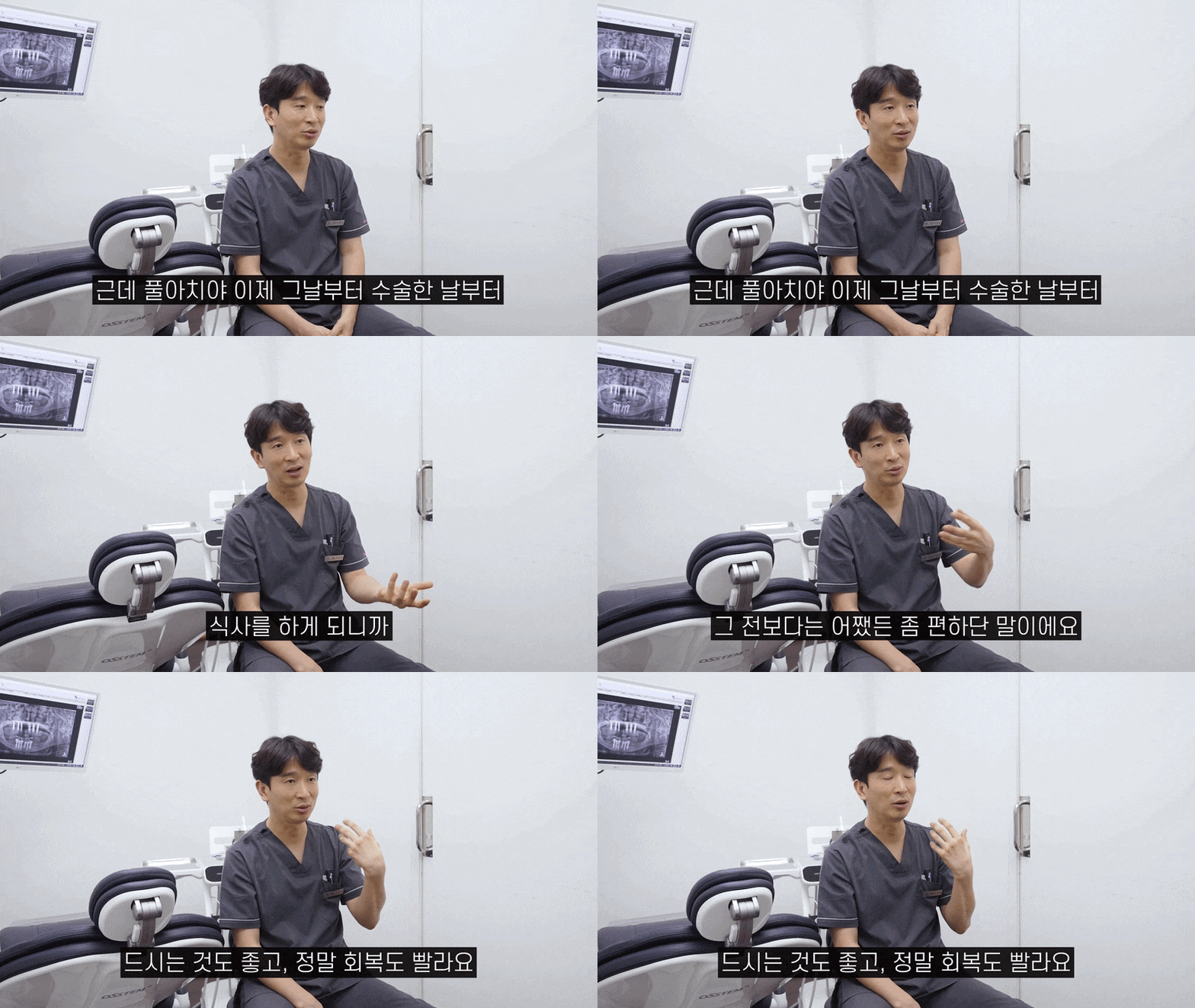
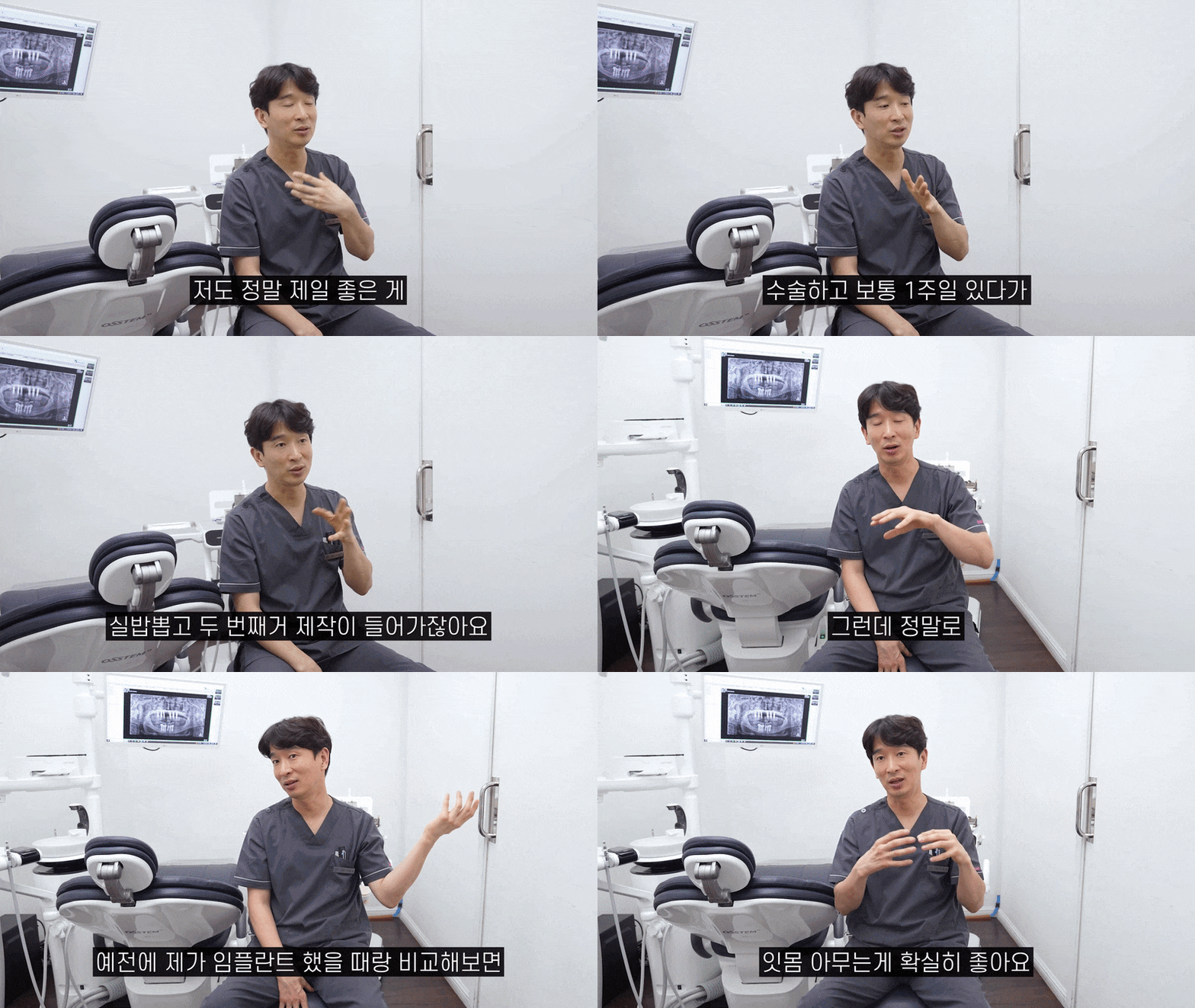
Frequently Asked Questions
Q1. Is it possible if almost no jawbone remains?
Even when bone is insufficient, there are cases in which implants are placed by finding areas with greater thickness and adjusting the angles.
However, bone grafting may need to be performed first depending on the extent of bone resorption, so a CT evaluation is necessary beforehand.
Q2. Can I chew immediately on the day of surgery?
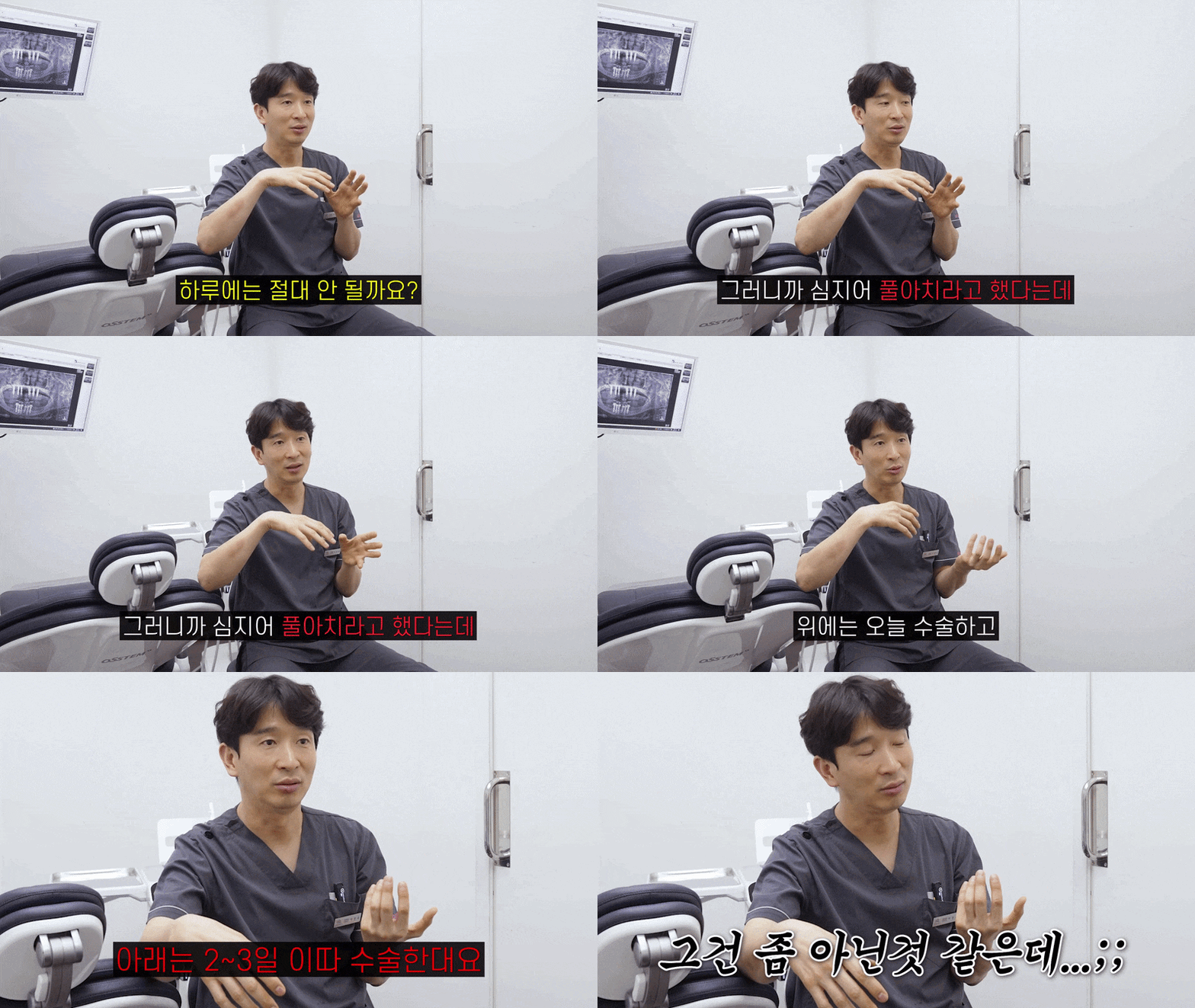
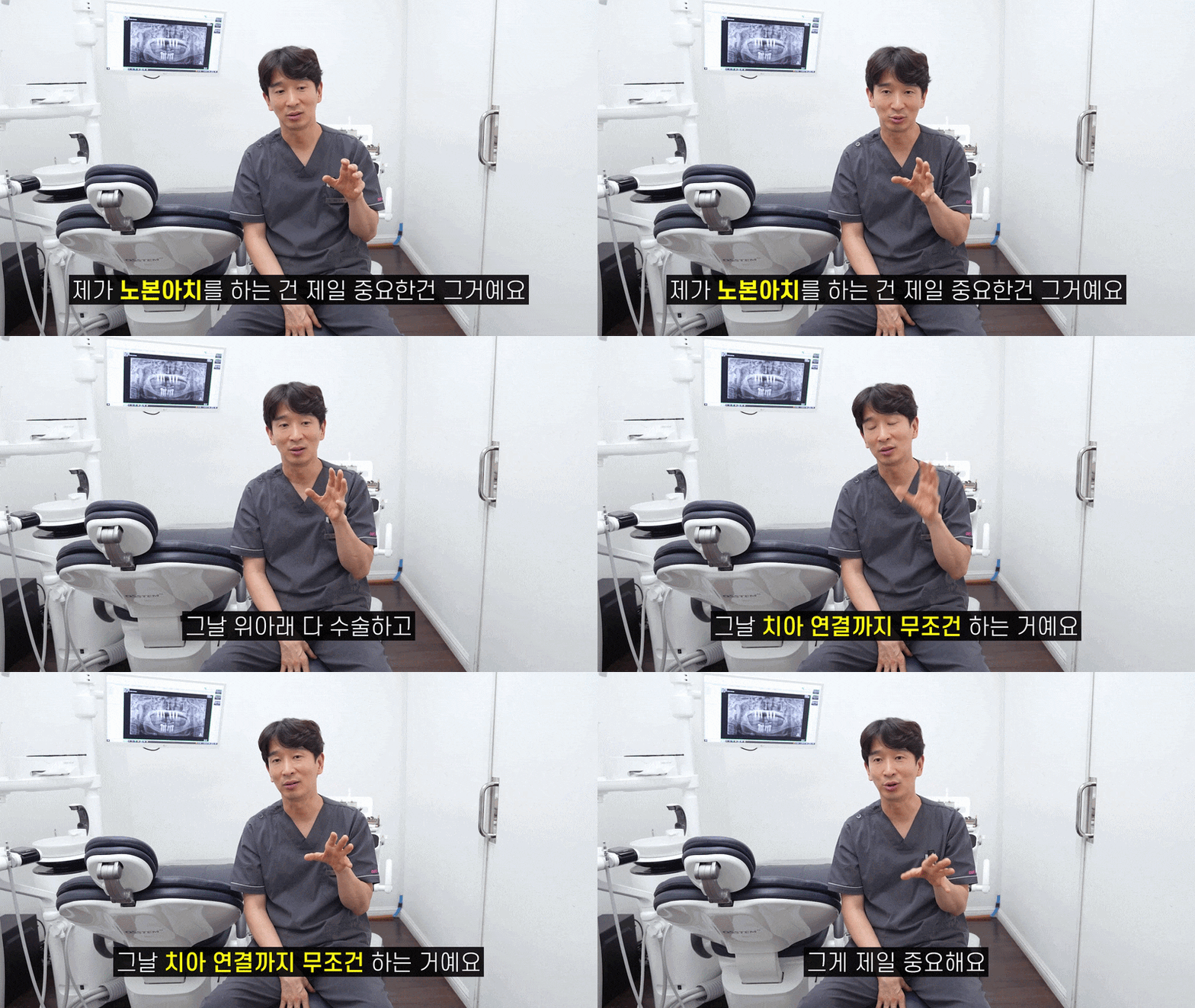
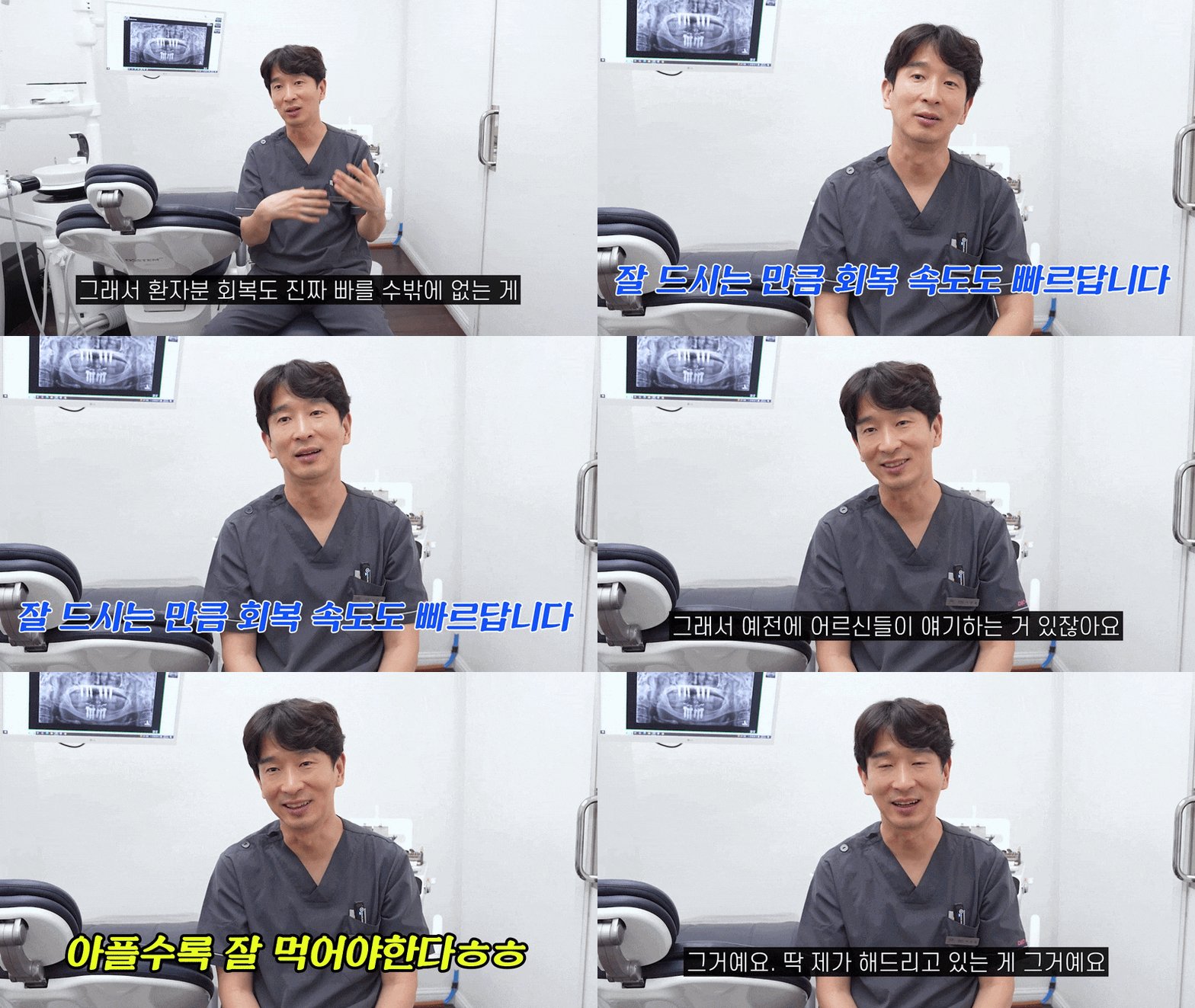
In many cases, a temporary prosthesis is connected on the day of surgery, allowing patients to return to their daily routines. However, the final prosthesis is completed after approximately 30 days, once the gums and bone have settled.
Soft foods are recommended during this period.
Q3. Is it possible for older adults or people with diabetes or high blood pressure?
Many older adults undergo the procedure, and it is generally possible when chronic conditions are well controlled.
Because there can be significant individual differences depending on overall health, consultation and examinations should come first.
Q4. Is maintenance very difficult?
As with natural teeth, we recommend brushing and flossing, along with regular checkups every six months.
One Last Thing to Remember
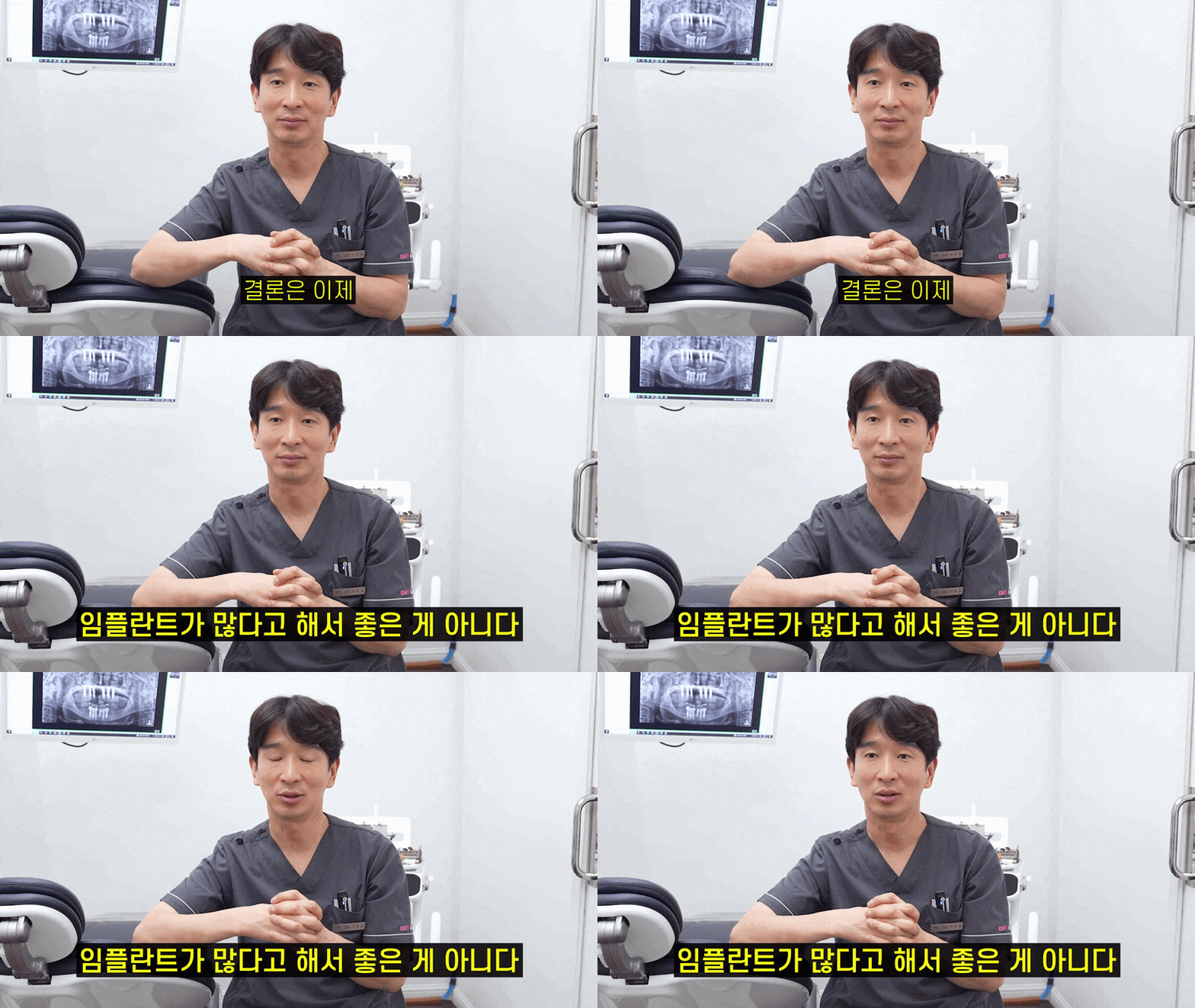
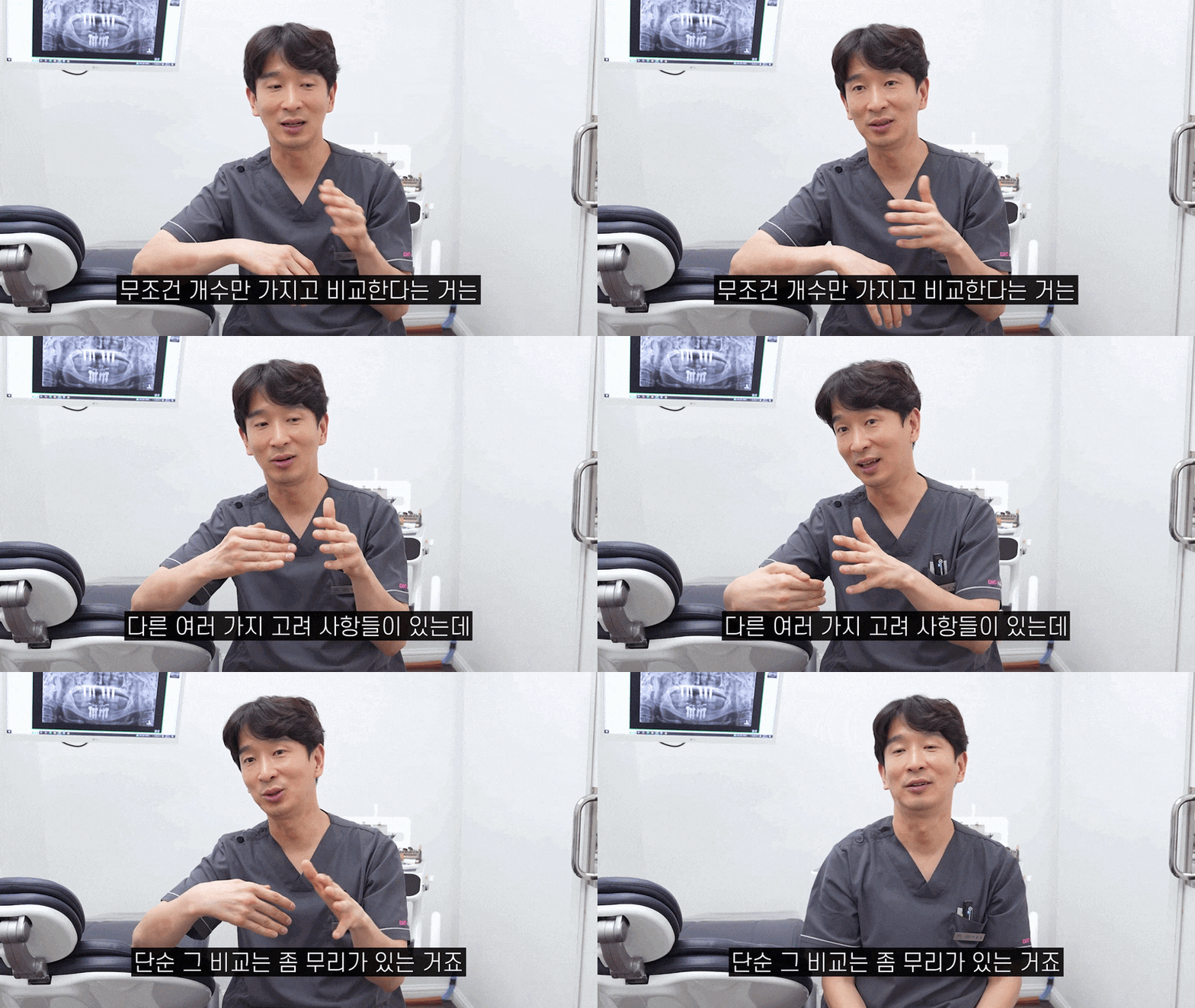
Full-arch implants are not a treatment that can be evaluated simply by the number of posts or the price.
A satisfactory restoration depends on the condition of the jawbone, the materials, and the precision of the diagnosis all working together.
In addition, recovery time and the final result vary from person to person depending on bone condition, overall health, and maintenance habits. Since side effects such as swelling, pain, and infection are also possible, it is best to make a decision after receiving sufficient examinations and explanations in advance.
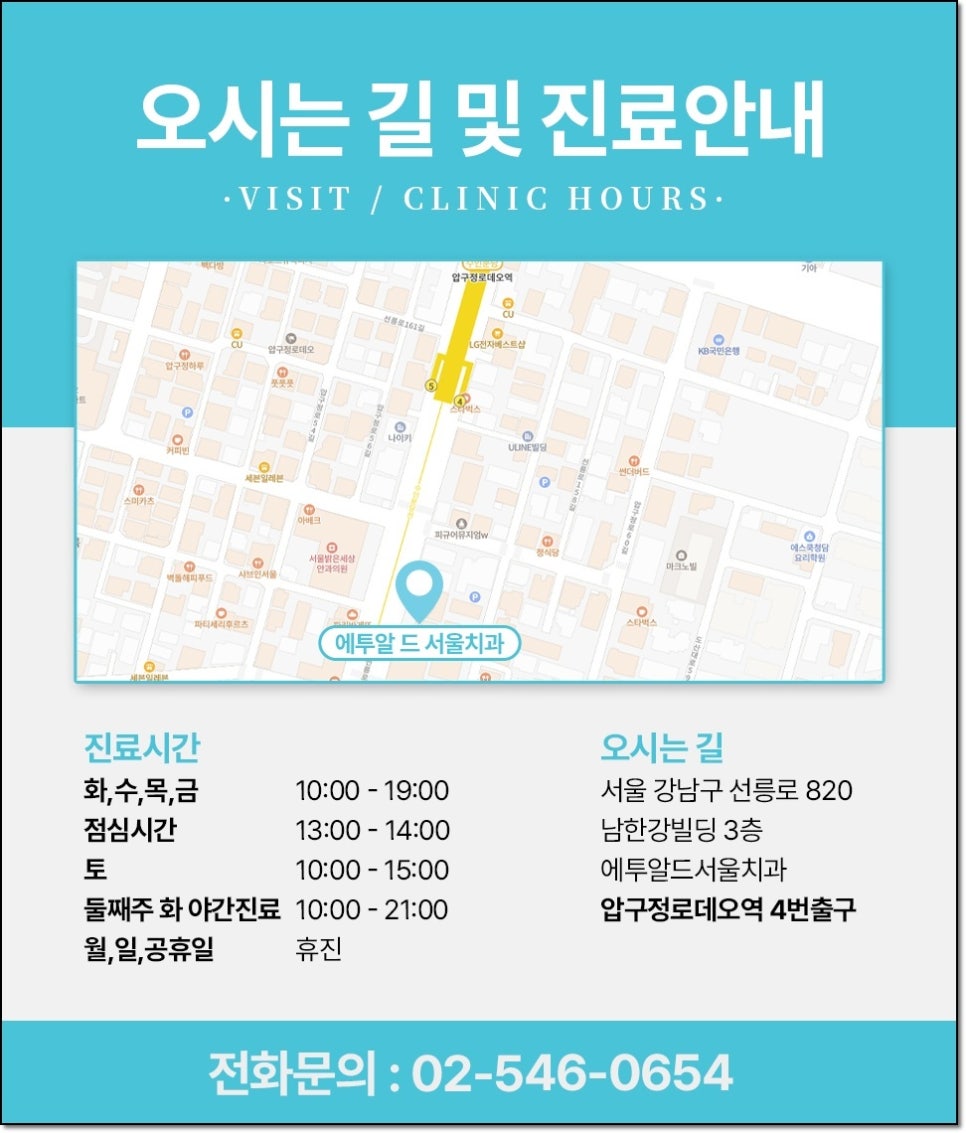
에투알드 서울치과
3rd Floor, Namhangang Building, 820 Seolleung-ro, Gangnam-gu, Seoul
Phone: 02-546-0654
Hours: Tuesday–Friday 10:00–19:00 (lunch 13:00–14:00) / Saturday 10:00–15:00 / Until 21:00 on the second Tuesday of each month / Closed Mondays