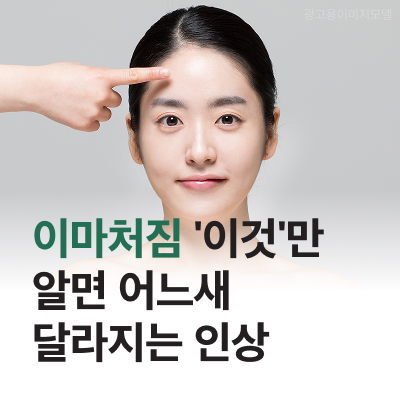
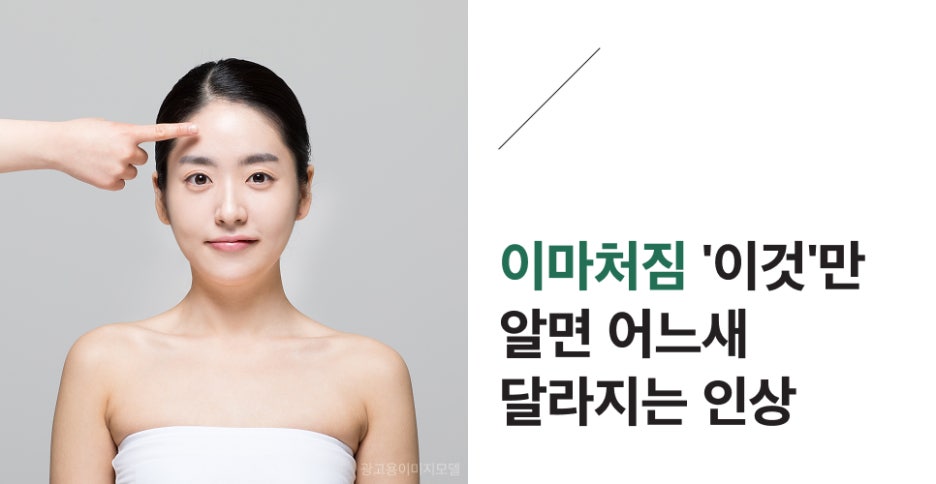
Forehead sagging is a natural phenomenon that occurs with age,
but it can be effectively improved if appropriate care is started early.
Sagging in the forehead is more than just a cosmetic concern;
because it affects the overall impression of the face, it has become a concern for many people.
Today, we will take a detailed look at everything from the causes of forehead sagging to effective management methods.
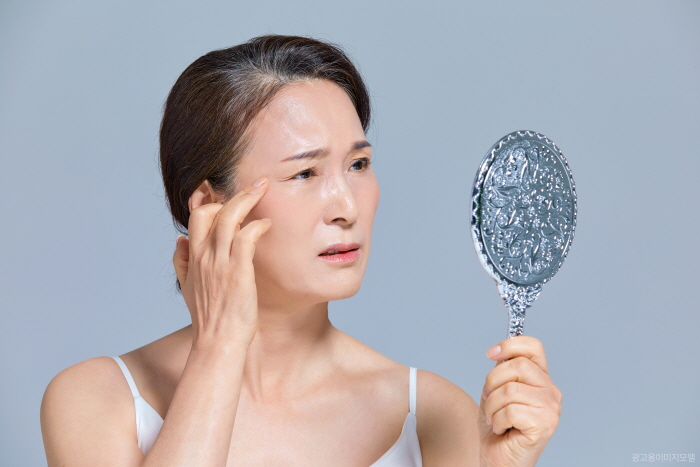
Why does forehead sagging begin to become a concern?
The forehead is made up of skin, muscles, and fatty tissue,
and these components undergo various changes as we age.
In particular, as collagen and elastin, which help maintain skin elasticity, decrease, the skin loses its elasticity
and gradually sags downward due to gravity.
This phenomenon generally begins in the late 30s
and tends to become more noticeable upon reaching the 50s.
External factors such as excessive UV exposure, stress, and lack of sleep
can also contribute to accelerating forehead sagging.

Forehead sagging also changes the overall impression of the face
- Skin aging and changes in facial expressions
The forehead occupies the upper part of the face, so its condition has a significant impact on the overall impression.
When the forehead sags, the eyes may appear smaller and the eyelids may look heavier,
creating an overall tired and downcast impression.
This goes beyond simply making a person look older and can change their facial expression itself,
so even a neutral expression may appear to convey emotions such as irritation or sadness.
- Changes in the forehead muscles
As we age, the muscle tone in the forehead decreases, causing wrinkles to form and the skin to sag.
These changes can lower the position of the eyebrows and make the upper eyelids feel heavier, which may narrow the field of vision.
Especially in men, when this occurs together with a widening forehead caused by a receding hairline,
it tends to appear even more pronounced,
and can make a person look 5–10 years older than their actual age.

How can forehead sagging be managed effectively?
There are various ways to manage forehead sagging, including improving lifestyle habits and skincare,
as well as more proactive treatment methods.
First, adequate hydration and a balanced diet should form the foundation,
and consuming vitamin C, which helps with collagen synthesis, is important.
Forehead massage to promote blood circulation may also be helpful.
| Forehead exercises: Consistently practice exercises such as raising the eyebrows and tensing and relaxing the forehead | Sun protection: Wear a hat when going outdoors and use sunscreen with SPF 30 or higher | Adequate sleep: Maintain 7–8 hours of quality sleep per day | Stress management: Reduce mental stress through meditation, yoga, and similar activities |
When it is difficult to see significant results through everyday care alone, more proactive methods may be considered.
Along with using cosmetics containing highly concentrated anti-aging ingredients,
forehead sagging that has already progressed may require a more effective management method.

What management methods are effective if forehead sagging is a concern?
- Restoring forehead elasticity with Densiti
Densiti is a treatment that can help improve forehead sagging,
using radiofrequency energy to deliver thermal energy to the deeper layers of the skin.
This process is expected to promote collagen production and firm the skin tissue.
After treatment, skin elasticity gradually improves,
allowing the forehead line to appear naturally lifted.
Densiti treatment has a relatively short recovery time, so it can be performed with little disruption to daily life,
which is one reason for its popularity.
- Strengthening deeper tissue with ultrasound lifting
Ultrasound lifting (HIFU)
is a treatment that uses high-intensity focused ultrasound to deliver thermal energy to the deeper layers of the skin.
This treatment stimulates the dermal layer and SMAS (fascial) layer without damaging the epidermis,
inducing collagen production.
It may be a good option for those seeking a natural forehead-lifting effect,
with considerable improvement possible after a single treatment.
Depending on the individual's skin condition, the effects generally last between six months and one year.
- Improving overall elasticity with Thermage
Thermage is a treatment that uses radiofrequency (RF) energy to deliver heat deep into the skin.
It works evenly from the surface to the deeper layers, promoting collagen regeneration
and helping improve the overall elasticity of the forehead skin.
It is suitable for people concerned about fine lines as well as forehead sagging,
and is characterized by more noticeable improvement as time passes after treatment.
Daily activities are possible after treatment,
but some people may experience slight swelling or a sensation of heat, so it is best to avoid treatment before important events.

Forehead sagging is a natural part of aging,
but it can be improved through consistent care and appropriate treatments.
Start by checking the small habits in your everyday life.
Basic care, such as forehead exercises, adequate hydration, and sun protection, should provide the foundation.
If more proactive care is needed,
it is important to choose a treatment suited to your skin condition and the degree of improvement you want.
Create a brighter overall impression with healthy, revitalized forehead skin.