Have you ever felt stinging and tightness after washing your face every morning?
In autumn and winter, it often feels like your skin becomes especially sensitive to external stimuli.
Even cosmetics you normally use may suddenly feel irritating,
and even a slight breeze can make your skin burn.
These symptoms may be a sign that the protective barrier surrounding the outer layer of your body has weakened.
Today, let’s talk about why this happens
and how to care for sensitized skin.
The skin, which has become vulnerable to external stimuli,
why does this happen?
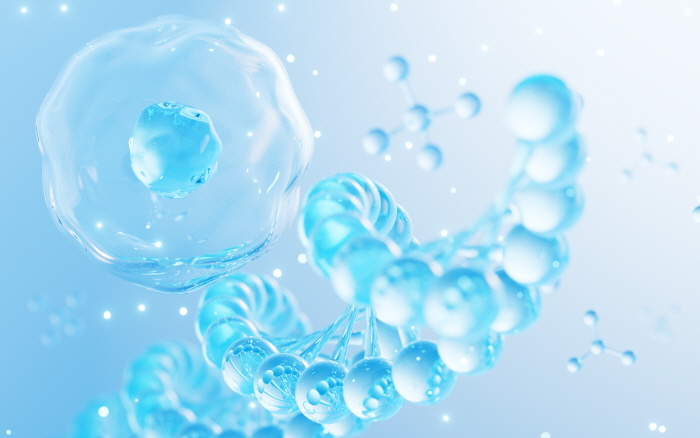
The skin we are always exposed to is not just the surface we see. In fact, it is a complex structure made up of multiple layers, and among them, the outermost stratum corneum plays an important role in protecting the inside from the external environment.
Just like a wall built by stacking bricks tightly so water cannot leak through, ingredients such as ceramides, lipids, and cholesterol must fill the gaps between skin cells without spaces in order to maintain a healthy barrier function.
However, this protective barrier can weaken due to excessive exposure to ultraviolet rays, frequent exfoliation, the use of harsh cleansers, stress, lack of sleep, and other factors. Like mortar between bricks gradually crumbling, when the barrier is damaged, moisture easily escapes and external irritants can penetrate more easily, leading to a sensitive condition.
The effects of sensitized skin,
can be more serious than you might think
- When dryness and irritation become part of daily life
If small cracks on the outer layer are left untreated, dryness gradually worsens, leading to uncomfortable symptoms such as itching, tightness, and stinging. Even after applying moisturizer, the skin can quickly feel tight again, and reactions may suddenly appear to products you normally use.
This can be compared to a dam with a small hole that keeps leaking water.
- A chain reaction from weakened surface defense
When the protective barrier weakens, there can be several problems beyond increased sensitivity. The skin’s ability to retain moisture declines, eventually resulting in a dull, dry texture, and inflammatory reactions may occur due to the penetration of external irritants.
If this condition continues, the chances of red patches, breakouts, and even early signs of aging increase.
What care methods can help at home,
are easy to try?
The method for restoring sensitized skin may be simpler than you think. The most important thing is to focus on rebuilding the damaged protective barrier, and here are a few tips for that.
| Gently wash with a mild, low-irritation cleanserApply moisturizer while the skin is still slightly dampUse products containing ceramides, panthenol, and niacinamideApply sunscreen carefullyReduce the use of exfoliating productsGet enough hydration and sleep |
Rather than expecting improvement overnight, consistent care is important. Just making it a habit to apply moisturizer within 3 minutes after washing your face can make a big difference in your skin condition. Sometimes, applying a sleep pack rich in moisturizing ingredients before bed can also help.
 Laser procedure, Potenza
What kinds of care methods
can strengthen the barrier function?
- Promoting cell regeneration with Potenza
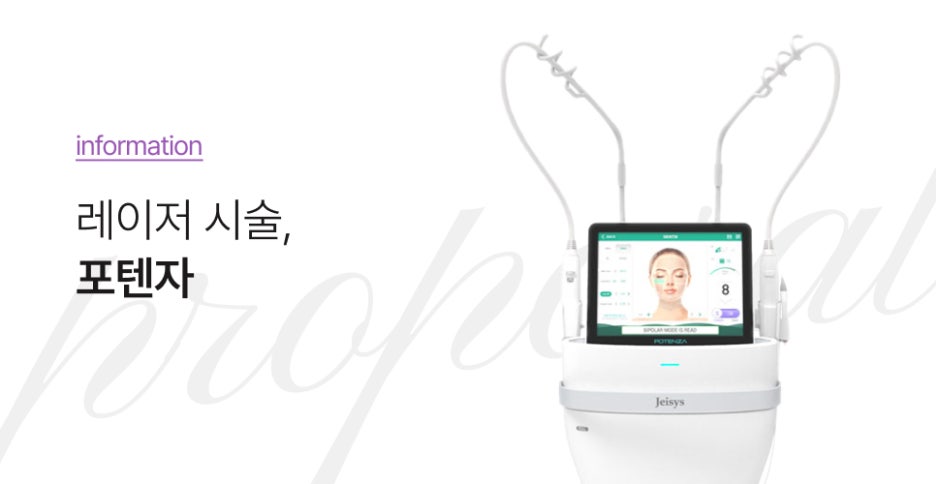
One method that may help restore sensitized skin texture is Potenza treatment. Potenza uses radiofrequency energy to deliver stimulation deep into the epidermis, naturally inducing the production of collagen and elastin.
Like reinforcing an old wall with new bricks, it can help activate cell regeneration and support the recovery of surface barrier function. A characteristic of Potenza is the gradual change that appears after treatment.
Rather than everything changing immediately after one session, skin texture may become smoother and elasticity may improve through a natural recovery process over 2 to 3 months. The number of sessions and treatment intervals may vary depending on each person’s condition, so it is best to decide after 충분한 consultation.
- Hydration and regeneration through Rejuran Healer
If the barrier is weakened and it is difficult to retain moisture, Rejuran Healer treatment may help. This method supports recovery by injecting salmon DNA extract and various nutrients into the epidermis. You can think of it as the same principle as filling a small hole in a container holding precious water.
Rejuran Healer focuses on restoring the health of surface cells, so moisture retention may improve after the procedure, and fine wrinkles may also improve. It can be a good option especially for those struggling with long-lasting dryness, and care is generally managed with 3 to 4 sessions at 2 to 4 week intervals, followed by maintenance.
- Creating an even texture with laser treatment
If repeated sensitivity has left the surface texture uneven or redness remains, low-irritation laser treatment may be worth considering. Like a thermal imaging camera, it precisely targets only the necessary areas, helping promote epidermal regeneration and reduce inflammatory responses.
The advantage of laser treatment is that it is relatively gentle even on sensitive skin, and a method of dividing the procedure into several sessions with low energy is often used.
After treatment, slight redness may appear temporarily, but this is part of the healing process and will soon subside. Since recovery speed and reactions can differ from person to person, it is important to make a decision based on sufficient information.

Over time, sensitized skin can gradually recover. However, if the damage is severe or has been present for a long time, more active care may be needed.
A balanced approach would be to maintain consistent daily protection and care, while choosing appropriate procedures when necessary. Above all, remember that observing and understanding your own condition is the most important first step.
Toxnfill Gangnam Main Branch Potenza: Sensitive skin, manage it firmly with the 'OO' method!











