Have you ever looked in the mirror and wondered, “When did my skin start sagging?”
When people notice that the skin on their face or body is gradually losing firmness, it is something they often think about at least once.
Especially when the neck line suddenly looks less defined or the upper arm area feels like it has become looser, it becomes even more concerning.
In fact, a decline in elasticity begins gradually in the mid-20s,
but most people only clearly feel the change in their late 30s or in their 40s.
As they notice these changes, many people think about effective ways to manage them,
and recently, a procedure called Onda lifting has been drawing attention as a method for managing firmness not only in the face but across the entire body.
Today, we will look at the causes of reduced elasticity and explore how Onda lifting may help.

Why does skin start to sag as we get older?
As we age, sagging skin is part of the natural aging process. As elastic proteins such as collagen and elastin in the skin gradually decrease, the skin slowly loses its firmness.
Just like an old rubber band loses its stretch, our skin also becomes harder to keep firm over time. When gravity is added to this, the skin sags downward, which causes the facial contours to become less defined or the body line to change.
However, this phenomenon is not limited to the face. The same changes occur throughout the body, including the arms, thighs, and abdomen, so overall care is needed.
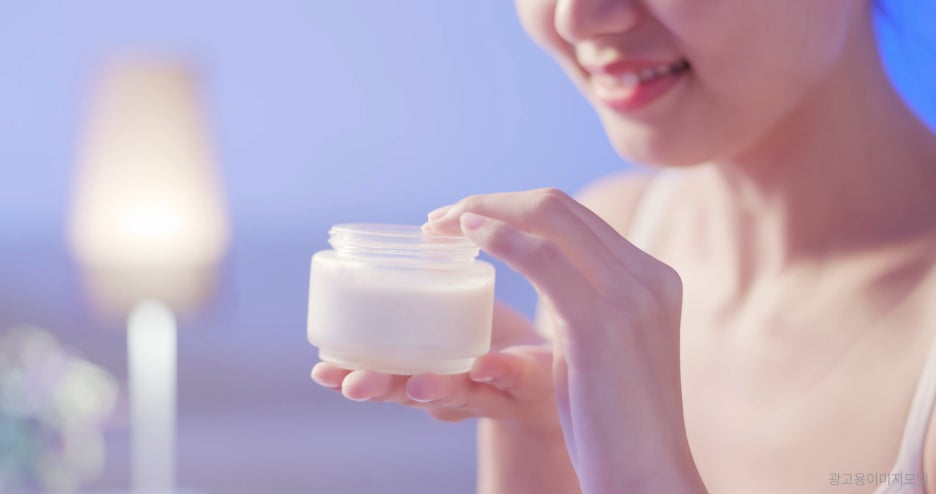
Firmness in the face and body,
how are they different?
- Characteristics of facial skin
The face has a much thinner and more delicate structure than other parts of the body. Because of this, wrinkles can form easily due to repeated movement of facial muscles, and signs of aging tend to appear earlier because the face is also more frequently exposed directly to ultraviolet rays. In addition, the face has a high concentration of sebaceous glands, so skin care methods differ from those used for the body.
- Characteristics of body skin
On the other hand, the body is generally thicker than the face, and skin thickness and characteristics vary by area. Body skin, which covers large areas such as the arms, legs, and abdomen, can easily lose firmness as it repeatedly expands and contracts due to weight changes or pregnancy. In particular, as muscle mass decreases, sagging skin may become even more noticeable.

Onda lifting,
how does it help firmness?
Onda lifting works by using radiofrequency energy to deliver heat deep into the skin. This thermal energy stimulates collagen production and firms the tissue, helping to improve elasticity. In this process, it can also contract already stretched collagen fibers, so an immediate lifting effect can be expected.
The biggest advantages of radiofrequency procedures are that they are non-invasive and require almost no recovery time. Because they can act on deeper layers without damaging the surface, there is less concern about side effects. Of course, the results may vary depending on an individual’s skin condition, age, and lifestyle, so sufficient consultation is needed before the procedure.

Can it be used on the face,
and also on the body?
- How it is used for facial lifting
Onda lifting has traditionally been used 많이 for facial lifting. In particular, it is known to be effective for improving sagging areas of the face such as nasolabial folds, neck wrinkles, and double chins. When applied to the face, equipment that allows for more delicate adjustments is used, and careful treatment is performed with consideration for the movement of facial muscles.
- How it is applied for body firmness management
Recently, this technology has also been adapted for areas of the body where loss of firmness is a concern, such as the arms, thighs, and abdomen. When applied to the body, tips designed to efficiently treat larger areas are used, and the depth and intensity of the thermal energy are adjusted so the procedure can be tailored to each area’s characteristics.

Onda lifting,
who is it suitable for?
Onda lifting may be a good option as a preventive measure for people in their 30s and 40s who are beginning to notice mild sagging or reduced elasticity in the skin. Of course, it is also possible for people in their 50s and older, but if skin aging has progressed significantly, the effect may be limited.
It may also be helpful for people whose skin elasticity has decreased after rapid weight changes or after childbirth, as well as for those who exercise regularly but feel that improvement in skin firmness is slow.
However, the procedure may be limited during pregnancy, if you have a skin condition, or if you have recently had another procedure, so it is important to confirm this through a consultation in advance.

Onda lifting,
how should you care for better results?
- Preparation before the procedure
Proper care before the procedure is also important to maximize the effect of Onda lifting. From 1 to 2 weeks before the procedure, it is best to avoid strong ultraviolet exposure and reduce the use of irritating skincare products. Staying well hydrated is also helpful for optimizing the condition of the skin.
- Ongoing care after the procedure
After the procedure, it is important to avoid direct sunlight for a certain period and to apply sunscreen carefully. Also, paying attention to hydration and maintaining regular lifestyle habits can help the results last longer.
Onda lifting is one good method for managing firmness, but its effects can be greater when combined with improvements in lifestyle habits. If you find a management method that suits your skin condition and goals and practice it consistently, it can help you maintain healthy and firm skin even as you age.

 Gangnam Station Onda Lifting: Is There a Way to Manage Both the Face and Body for Firmness?
Gangnam Station Onda Lifting: Is There a Way to Manage Both the Face and Body for Firmness?
Gangnam Station Onda Lifting: Is There a Way to Manage Both the Face and Body for Firmness?