The types of noses I need to understand first. And what are the types of rhinoplasty?
People’s facial features come in many different forms. The shape and thickness of the double-eyelid line, the fullness of the lips, and the overall facial contour line.
In this way, it can be said that a person’s overall image may be determined by the characteristics of the facial features that make up the face. That is why many people make efforts, both subjectively and objectively, to improve the image of their face.
Modern people, whose appearance competes with others, constantly strive to resolve their own appearance complexes by using various methods because they compare themselves with social trends every time they face the mirror. Perhaps for this reason, in recent years more and more people have been looking for additional ways to improve their appearance, even if they use temporary methods such as “plastic surgery makeup.” However, because these processes can bring about significant changes in image and appearance in the short term or temporarily, people who want to improve their appearance permanently often choose plastic surgery.
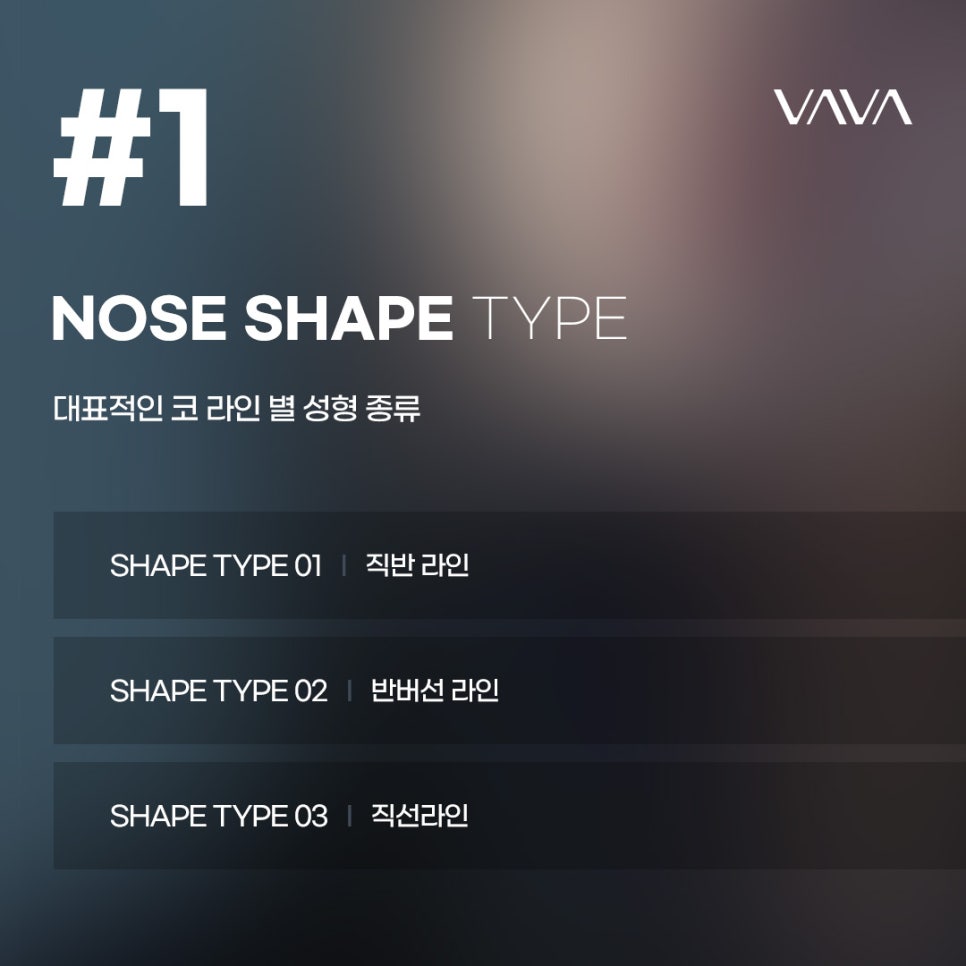
Although it is difficult to divide the nose line into exactly three categories, classifying nose lines according to a kind of standard can serve as a code or guide for patients who want surgery and for the medical staff performing it. It is the point where the forehead between the eyes begins and the nose connects. And the person’s nose line is determined by the shape that continues down to the tip of the nose.
The straight-slightly-curved line is a line in which the bridge of the nose is generally strongly straight, and the tip has a slight curve to create natural beauty. It can give a soft impression that is not sharp, so it is especially popular among women who like a cute look.
The straight-line nose line can be described as straight from the bridge to the tip of the nose, and it is a nose line preferred by men. However, women who want it often choose a straight line because it can give a charismatic and sophisticated impression.
The half-curved line emphasizes a continuous curve from the bridge to the tip of the nose, and as it approaches the tip it forms a slight curve. It is excellent for those who prefer a soft impression or want a baby look.
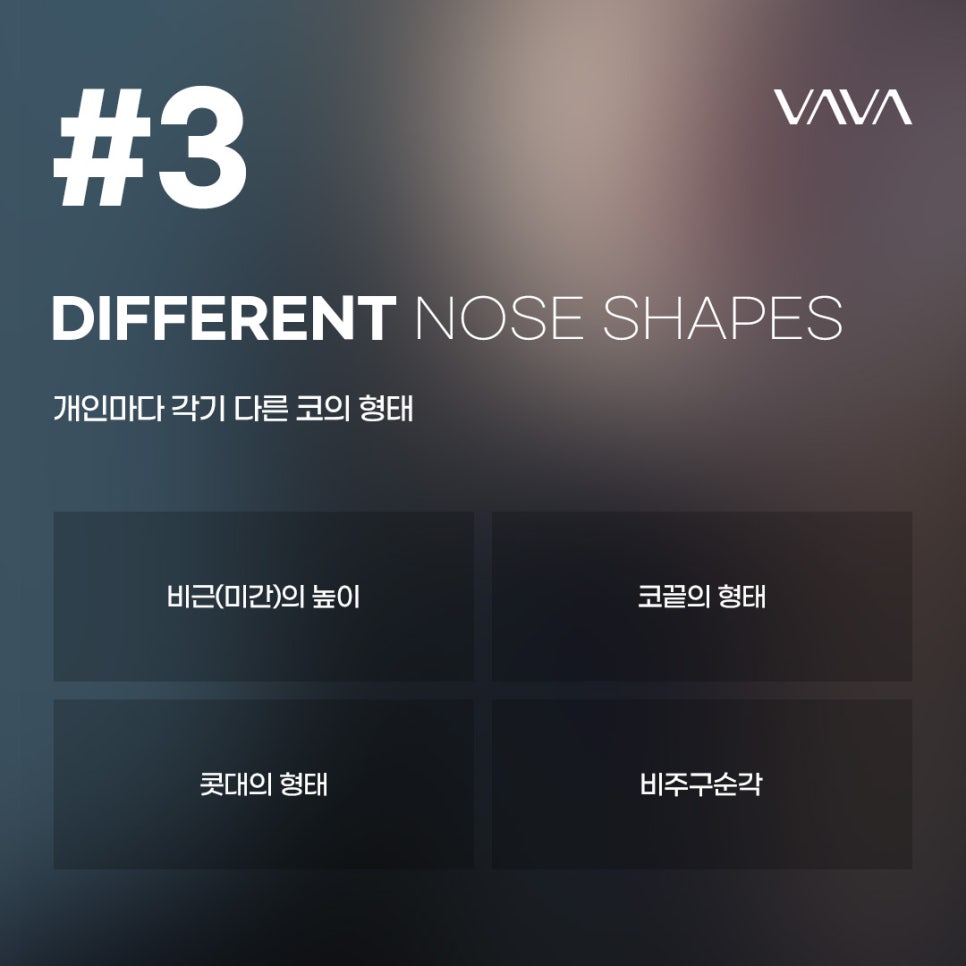
Although each person may have different appearance characteristics, relatively large image changes can be achieved even with small changes compared to other areas. So rather than following trends, you should carefully judge and choose the types of rhinoplasty. The reason is that, like all surgical procedures, the types of rhinoplasty vary depending on the type of nose.
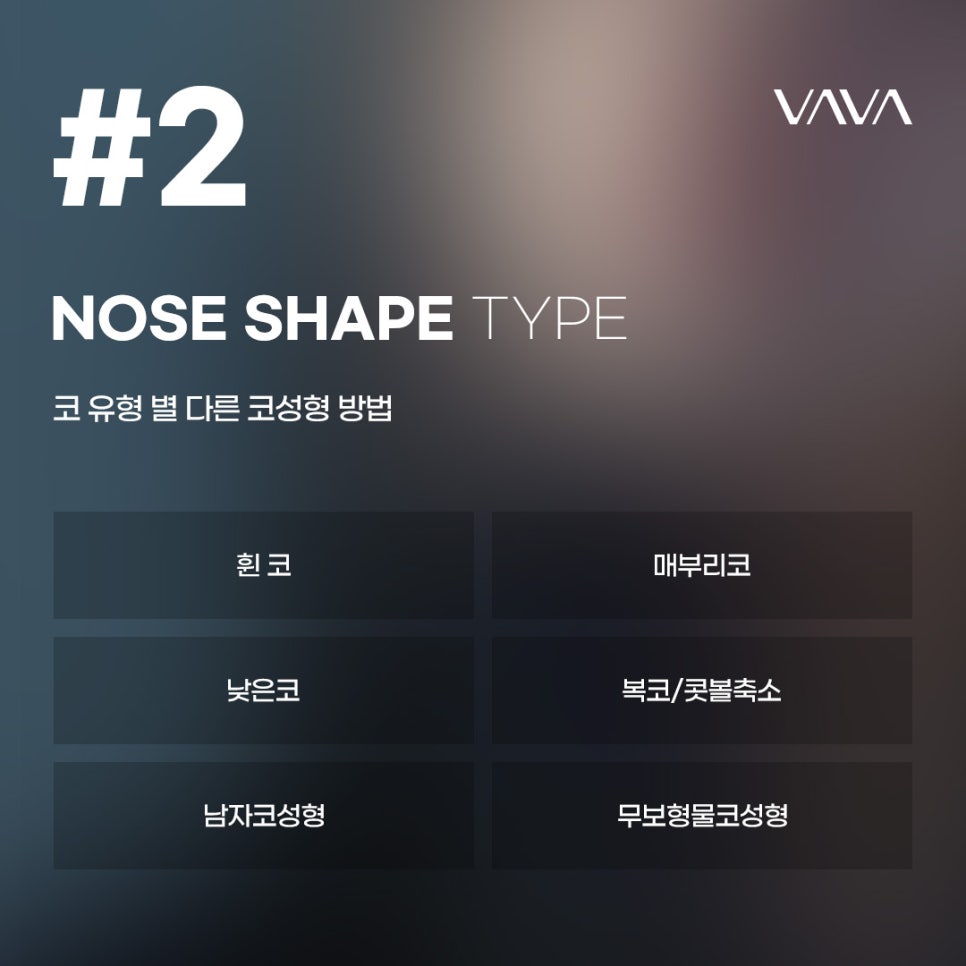
The types of noses that commonly undergo surgical procedures can be divided into “crooked nose, aquiline nose, low nose, bulbous nose, nostril reduction, and male nose.” As you can see from the types of noses, these are literally the types of noses you can understand at a glance. A crooked nose refers to a nose that is curved overall from the bridge to the tip rather than straight. An aquiline nose is a term referring to a nose whose bridge is bent like an eagle’s beak or whose middle part of the nose protrudes significantly. A low nose is a nose that loses dimension in the face because the nose itself is low. A bulbous nose is a nose in which the skin or fat layer on both sides of the nose appears thick, making the entire nose area look larger. The last category is male noses. You may wonder why only men’s noses are classified separately. Since most men have thicker skin and bone than women, they are specifically classified to distinguish the types of rhinoplasty.
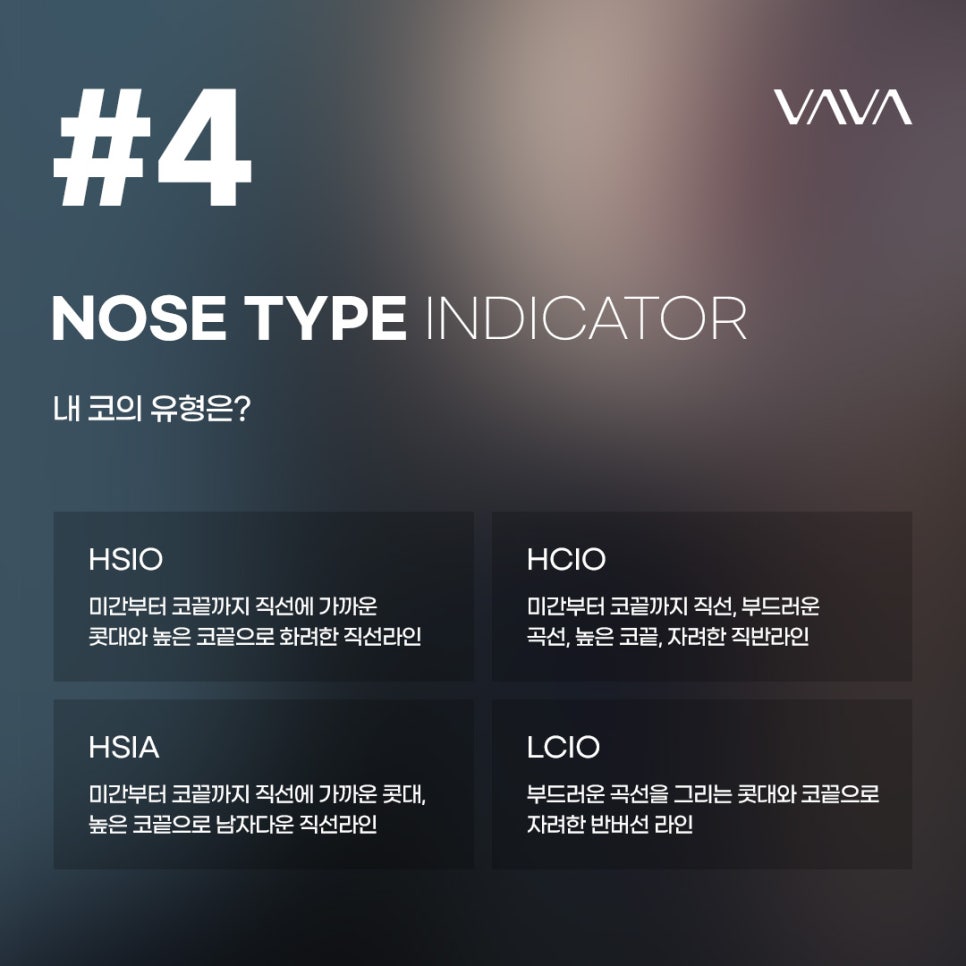
Based on this kind of table, we have organized the different types of rhinoplasty more easily, like VAVA’s own MBTI analysis by nose type. Please use this as a reference, and we hope it helps you identify your own nose type and make a decision.

In addition, autologous tissue has become increasingly preferred recently for the following reasons.
ㆍCartilage or dermis derived from autologous tissue has a lower chance of side effects than other implants.
ㆍAutologous tissue is abundant and stronger than other implants.
ㆍAutologous tissue has high durability and a low absorption rate after rhinoplasty.
ㆍCompared with artificial implants, autologous tissue makes the movement of the nose look more natural.

Even if it is not autologous rib cartilage, donor rib cartilage can be used, starting with a low absorption rate. Also, because rib cartilage is used by harvesting and utilizing a part of the rib, it offers excellent firmness and support. At the same time, it can add natural movement like a normal nose, so it is a highly preferred material. In addition, ear cartilage or autologous dermis can be used for the tip of the nose and other areas to create the desired line. All of these materials are autologous tissue, so the likelihood of inflammation or side effects may be lower than with other implants.
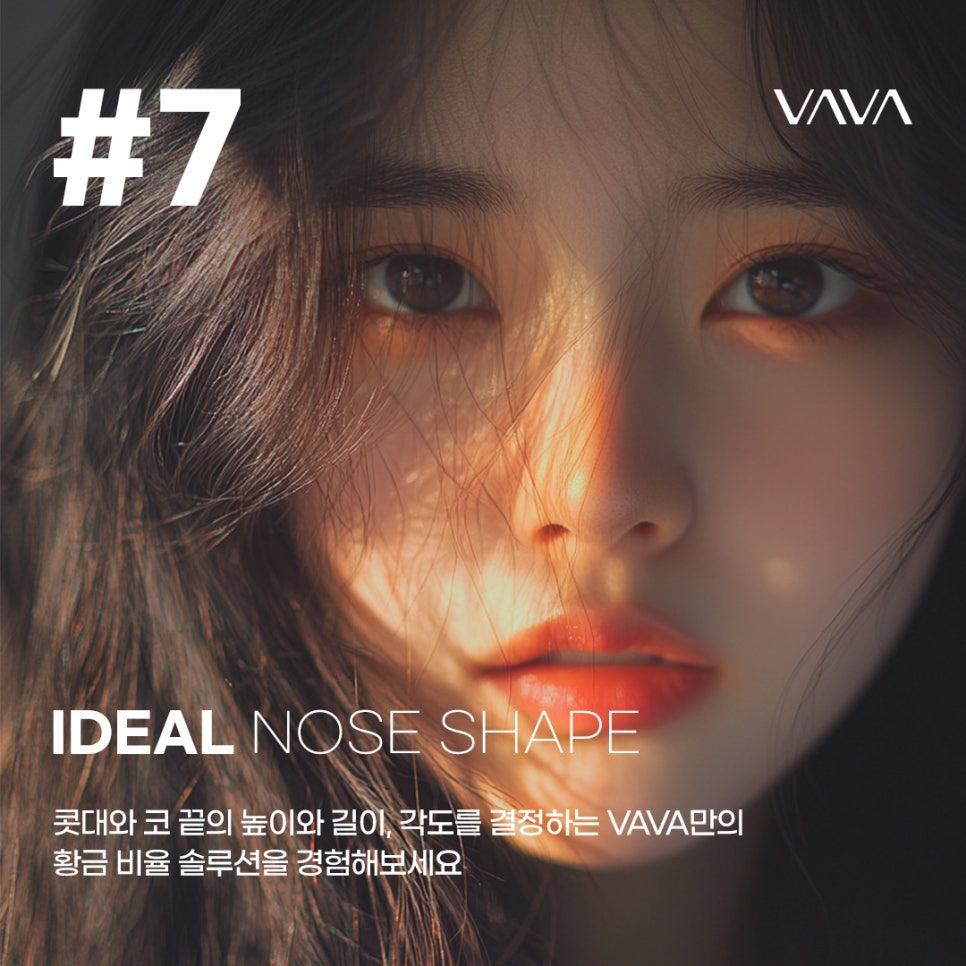
In today’s post, we organized the types of rhinoplasty, lines, and materials used according to nose type.
It is important to accurately understand your nose and find a medical solution that fits your proportions by considering the height, length, and angle of the bridge and tip of the nose.

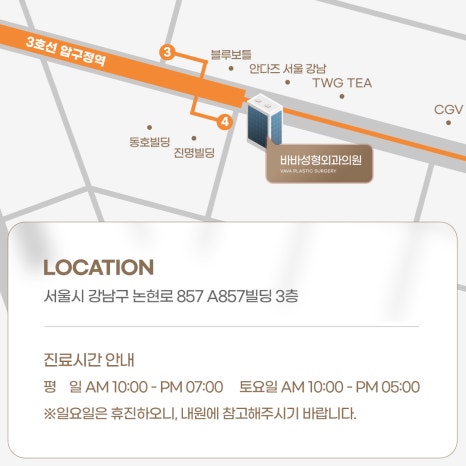
Rather than ending with a simple medical consultation or surgery, everyone at VAVA strives as specialists to provide the best possible care so that all patients can feel an improved quality of life and happiness.
#RhinoplastyTypes #Rhinoplasty #RevisionRhinoplasty #VAVAPlasticSurgeryClinic