As time goes by, the value placed on a pretty, handsome, and attractive appearance has been increasing. Among the features that shape a person’s impression, the eyes attract the most attention. People with clear or bright-looking eyes can leave a strong favorable impression. Thanks to advances in medical technology, it is now possible to address areas of concern through surgery, and among these procedures, eyelid surgery is one of the least burdensome to undergo.

Eyelid surgery methods are broadly divided into the non-incisional method and the incisional method. Because the most harmonious surgical method and type differ depending on the person, the results can be satisfying depending on which type of surgery is performed. An appropriate method must be applied according to each patient’s eye type and eye condition. The non-incisional method is considered the preferred option by most people because it is relatively simple compared with the incisional method, but because problems often arise that differ from the expected results, let’s take a look at the incisional method developed to address these issues.
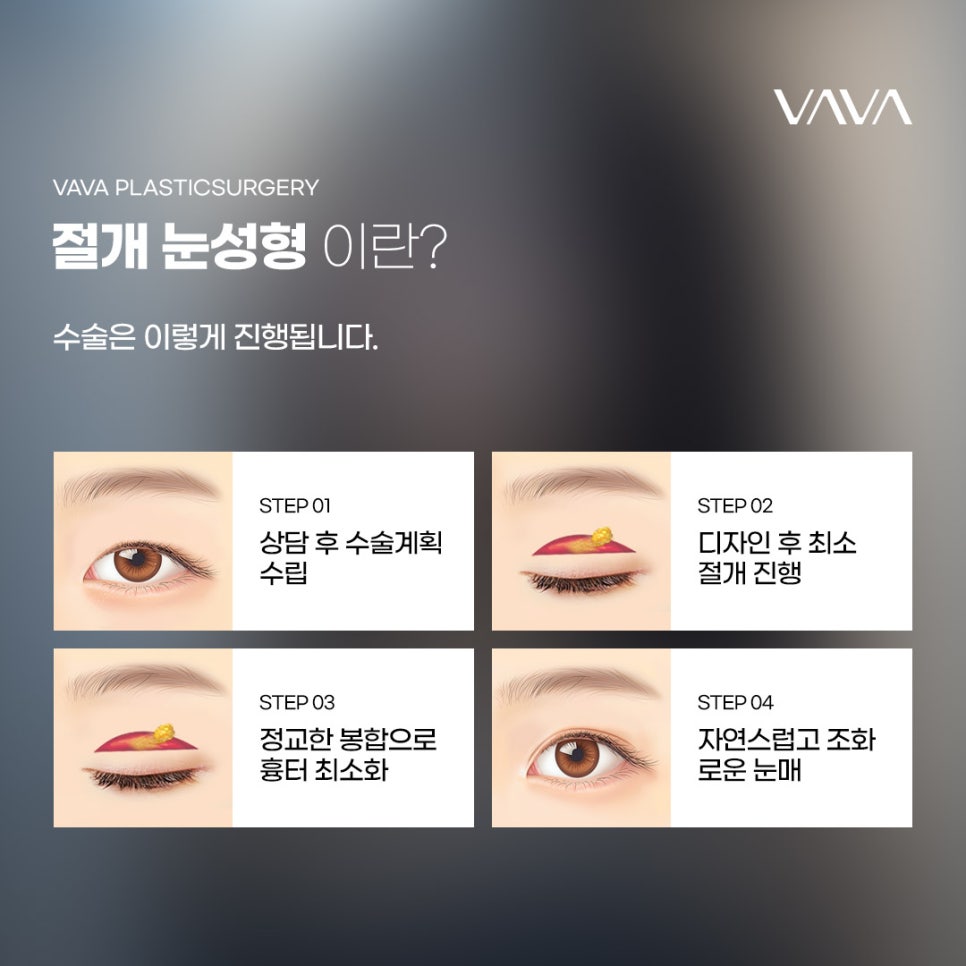
What is incisional eyelid surgery?
It is a procedure in which the upper eyelid is incised, some unnecessary fat and muscle are removed, and then the muscle and skin are sutured again with thread to create a double eyelid.
Compared with the non-incisional method, it is less likely to come undone and creates a more defined eye shape.
The non-incisional method does not involve an incision, so it can produce a natural result that feels like your own, but if it is performed without considering eyelid sagging and thickness,
it can easily come undone and lead to unsatisfactory results.
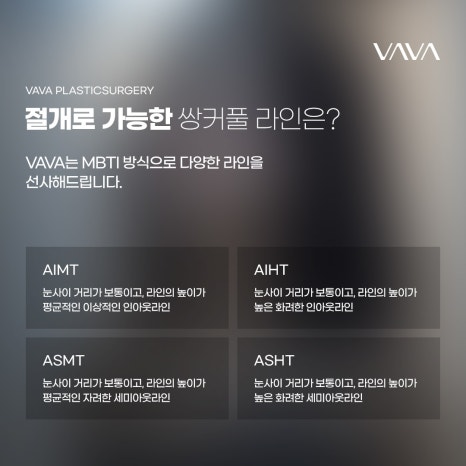
Incisional eyelid surgery is not limited to a fixed line. Just like the non-incisional method, it is possible to create in-line, in-out line, out-line, and semi-out-line styles.
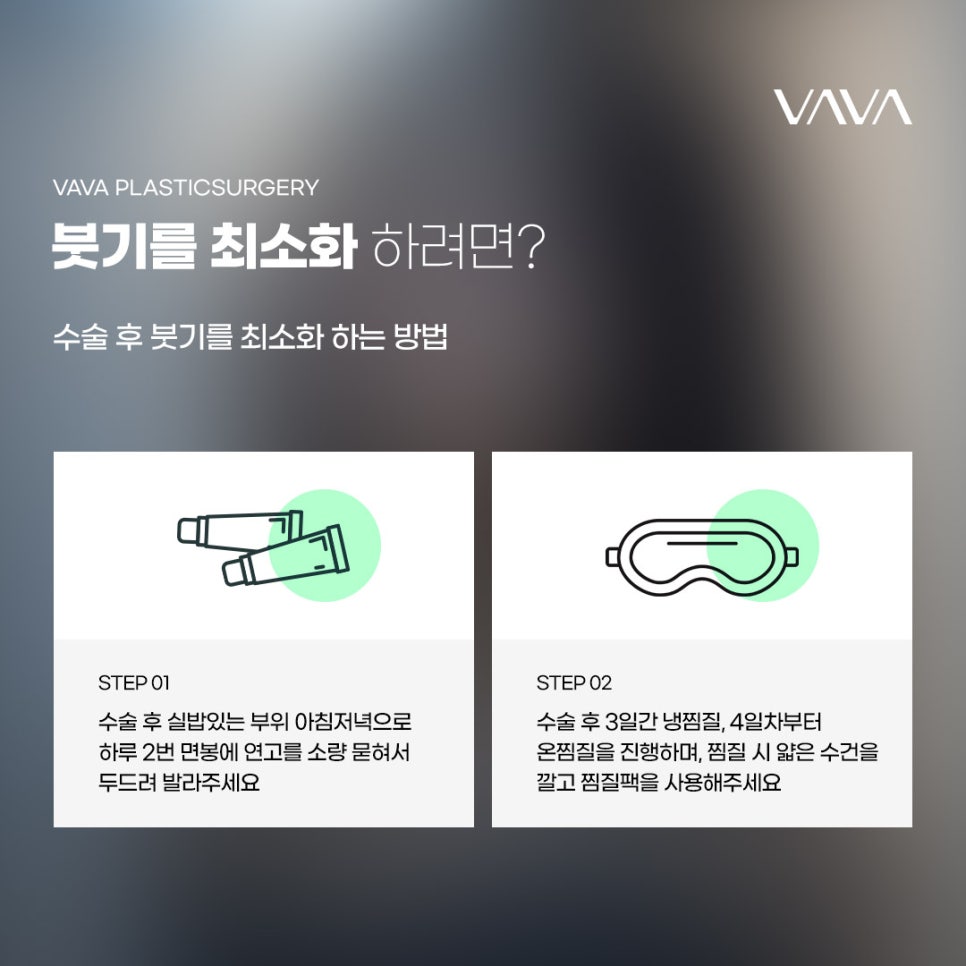
Compared with the non-incisional method, it is true that incisional eyelid surgery causes much more swelling. Because the incision method is, as the name suggests, a surgery that proceeds by incising and suturing the eyelid, a wound is created on the eye. When internal damage occurs in the body, the body stops lymph circulation so that germs and cellular debris from the damaged tissue do not spread further, in order to minimize the damage, and this causes swelling. The period for the swelling to subside varies from person to person, but on average it goes down within 2 to 3 weeks. However, for people whose lymph circulation is normally poor or who tend to swell easily, the swelling may last a little longer than the average period.

Types suitable for incisional eyelid surgery
-
When the eyelid skin is thick
-
When eyelid skin sagging is severe
-
When a double-eyelid surgery was previously done but the satisfaction level was low or it came undone
-
When the force to lift the eyelid is insufficient
-
When you want to lower the double-eyelid line

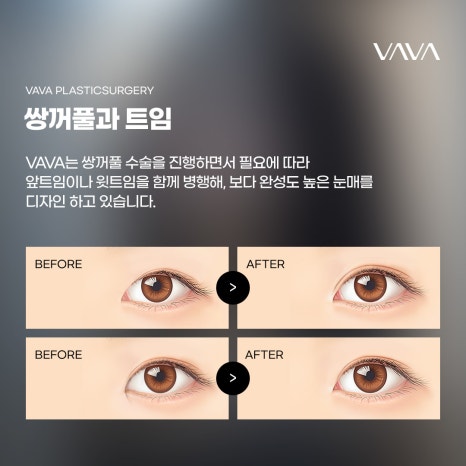
Revision surgery and canthoplasty
Incisional eyelid surgery is especially the most common type in revision surgery cases. When revision surgery is done with an incision, it can be fixed more firmly than with the non-incisional method, and changing or lowering the line is also easy, which cannot be done with the non-incisional method.
If double-eyelid surgery is performed alone and the front side near the outer corner of the eye looks tight, combining it with front or upper canthoplasty along with the double-eyelid surgery can be expected to create a greater synergistic effect.
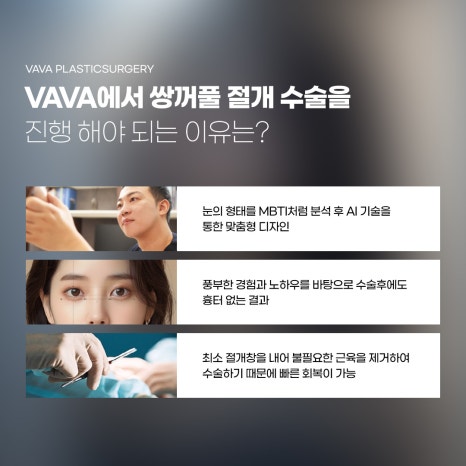

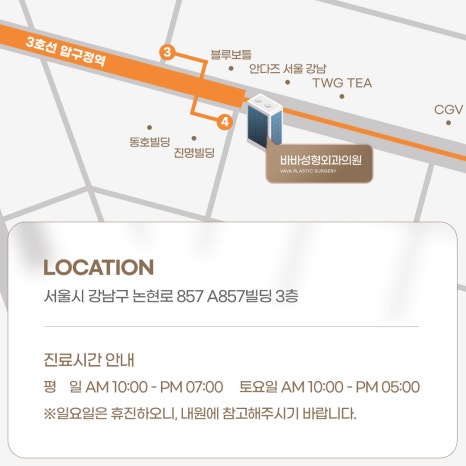
If you have eyes with the types described above, BABA Plastic Surgery recommends considering incisional eyelid surgery. Even if you fall into the above cases, proceeding with the non-incisional method may fail to remove unnecessary fat and lead to unsatisfactory results, so proceeding with the appropriate surgical method according to the condition of the eyes is the way to achieve the best result.
Because the results of incisional eyelid surgery are greatly influenced by the medical staff’s skilled technique and know-how, it is also very important to choose the best medical team for you and to assess the quality of the consultation.
Considering each patient’s facial harmony ratio and more, we will do our best to provide the optimal result through analysis using the AGNIMA test and a detailed consultation.