
Rhinoplasty is an important surgery that many people choose not only to improve aesthetic aspects but also functional aspects. However, swelling, bruising, and pain may occur after surgery. Although these are temporary, identifying the swelling period and how to manage it can help with recovery by easing swelling more quickly. So today, I will write about the swelling period after rhinoplasty and how to reduce swelling after nasal surgery.
Why does swelling occur?
There are various reasons why swelling occurs after rhinoplasty. Swelling after surgery is a natural part of the recovery process, but if inflammation or infection, along with fever, pain, and discharge, continues even after a certain period has passed, it is important to consult a specialist and take prompt action.
- Tissue damage caused by incisions
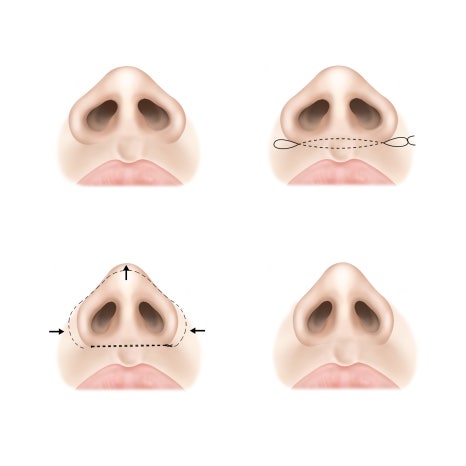
Rhinoplasty is performed by making a small incision in the columella or inside the nose, inserting implants and cartilage into the nose, and then closing the incision with sutures. During this process, blood vessels naturally expand and tissue fluid accumulates, which can cause swelling.
- Changes in blood circulation and lymphatic circulation
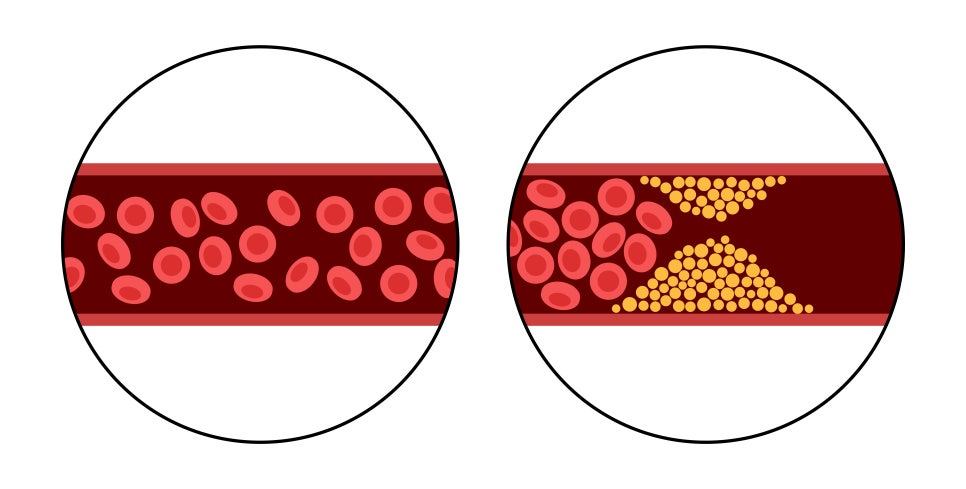
After rhinoplasty, blood circulation in the nose and surrounding area may temporarily become irregular. If there is a lot of bleeding during the nasal surgery and a lot of clotted blood, the arteries, veins, and lymphatic vessels that carry blood and fluid can become blocked, causing fluid to build up and swelling to occur. The more clotted blood there is between the skin tissues, the more severe the swelling can be.
- Compression and fixation
After rhinoplasty, a splint is applied to the bridge of the nose to support it so that the nose does not move and can settle into place. Because compression is used during this process, physical pressure is applied to the area, which can interfere with smooth blood circulation and cause swelling.
What is the swelling period?
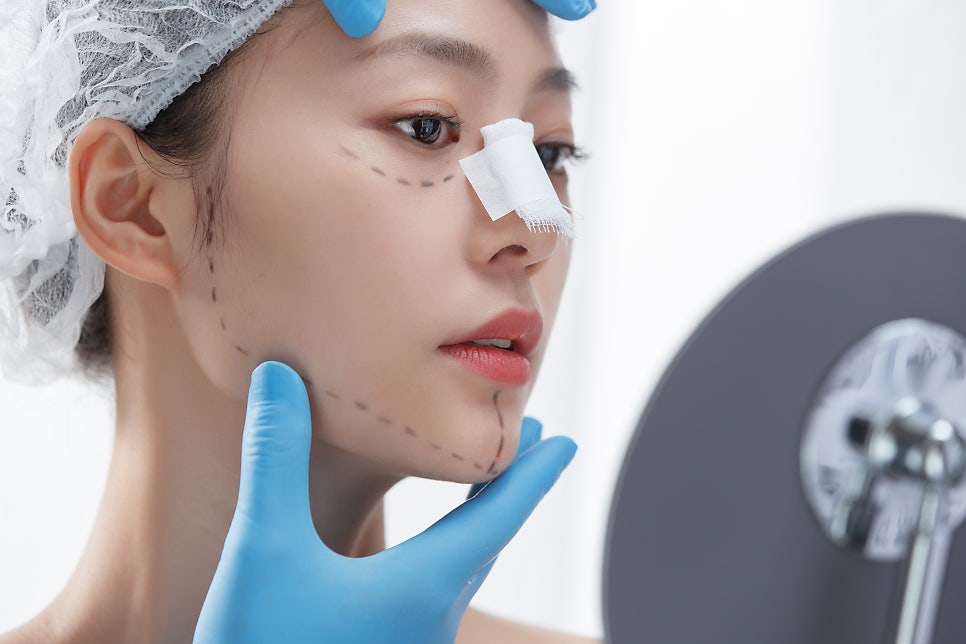
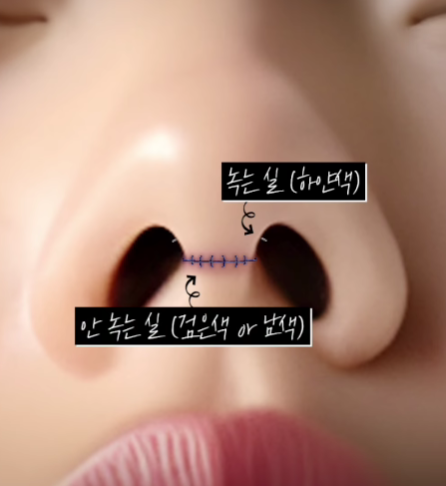
● Days 1–2: During the first two days, there may be bruising on the nose along with swelling. Right after surgery, the nose is fixed in place with a splint and packing inside the nostrils, so swelling and pressure may cause discomfort. Usually, the packing in the nose is removed the day after surgery. For the first 1–3 days after surgery, it is best to get plenty of rest and use cold compresses to constrict blood vessels and reduce swelling. At this time, using warm compresses may increase blood flow and cause bleeding, so it is recommended to use only cold compresses.
● Days 3–7: This is when swelling becomes the most severe. During this period, bruising may be clearly visible, and swelling may spread not only to the nose but also to the surrounding area. Usually, on day 7 after nasal surgery, you visit the hospital to have the stitches and splint removed. At this time, it is important to alternate between warm and cold compresses to help blood circulation. Warm compresses raise the surface temperature of the skin and relax and widen capillaries, helping blood circulation and potentially easing bruising and swelling.
● 2 weeks to 1 month: Swelling begins to gradually subside. From this point on, discomfort in daily life decreases significantly, and bruising also gradually disappears.
● After 3 months: Most of the major swelling has gone down, but it may take more time for the tip of the nose or the overall nose shape to fully settle.
● 6 months to 1 year: The final shape of the nose is determined, swelling disappears completely, and you can see the natural result.
As precautions, it is best to avoid strenuous exercise, drinking, and smoking for more than one month, as these can irritate the nose, and it is recommended to avoid spicy, salty, irritating foods or tough foods as much as possible. If you understand the precautions provided by the hospital and manage recovery thoroughly, you can expect a sufficiently quick recovery and a return to daily life.
Babaㅣ Pre- and post-surgery cases
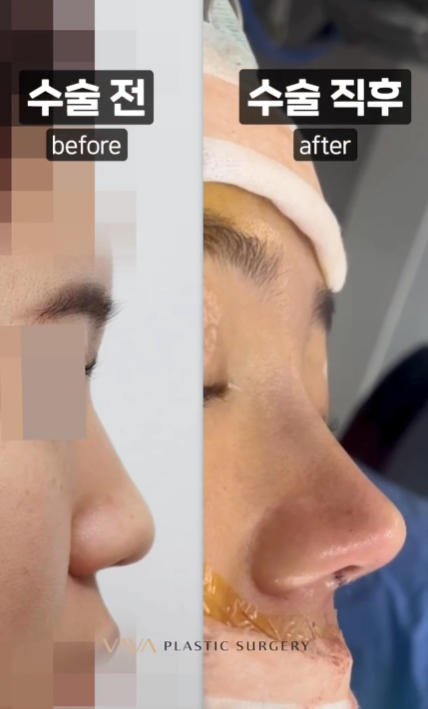
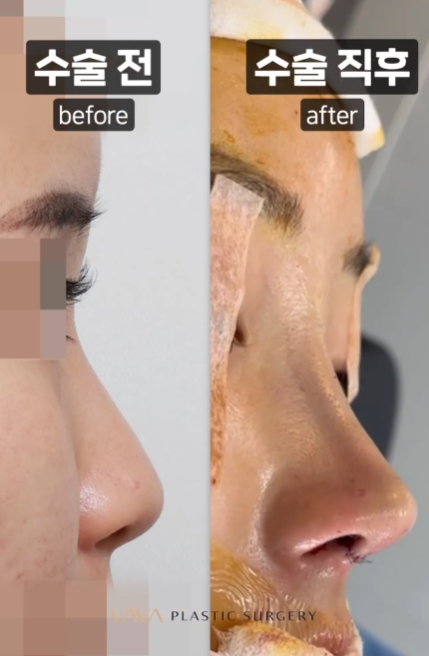
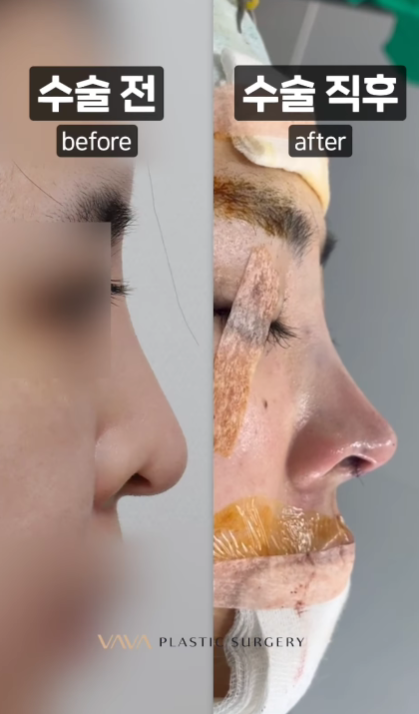
Although more and more people are considering rhinoplasty, many hesitate to proceed because the recovery period after nasal surgery, including swelling and bruising, can make it difficult to return quickly to daily life. To achieve the results you want, you should take enough time and make a careful choice. It can also help to choose the right surgical method and hospital for you through sufficient consultation. The recovery period after nasal surgery can be divided into several stages, and if you follow the precautions for each stage, you may be able to return to daily life more quickly through a faster recovery.
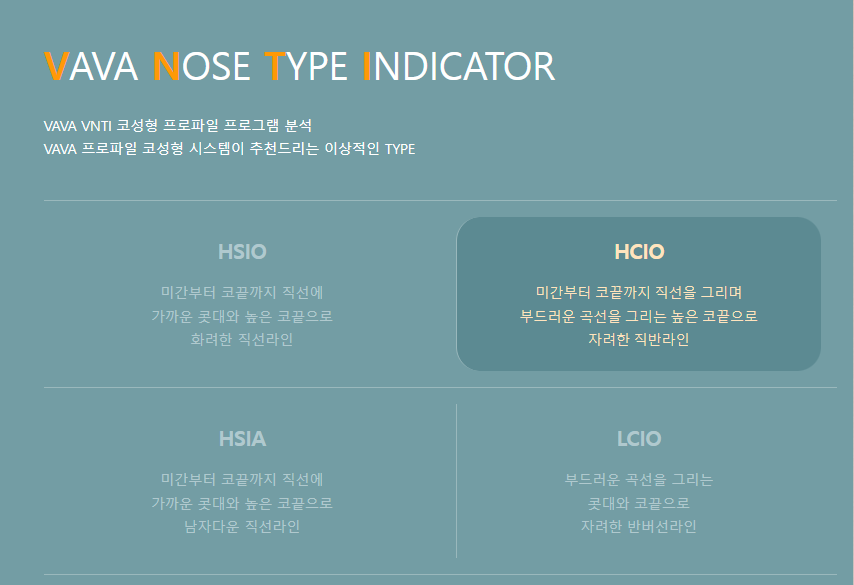
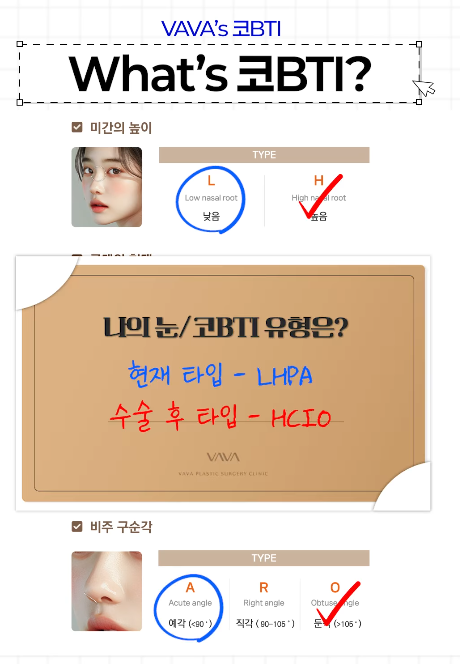
If you are curious about your nose BTI result, please visit Baba Plastic Surgery for a consultation and diagnosis.


