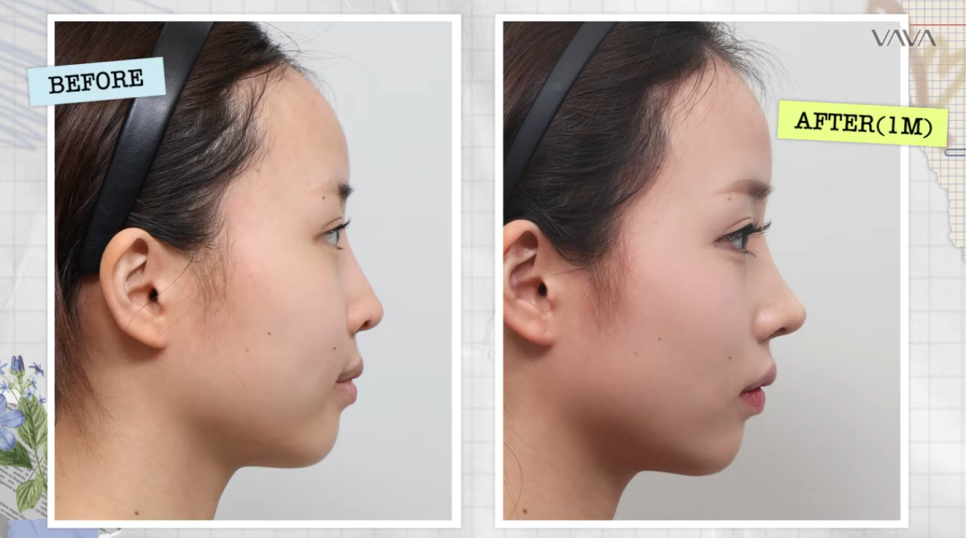
Straight-line nose revision surgery
Crooked nose correction · Pinched nose correction · Nostril lowering · Columella lowering
The reasons people consider nose revision surgery vary from person to person,
but during consultations, one common comment we hear is
that they feel “the impression seen from the front is lacking.”
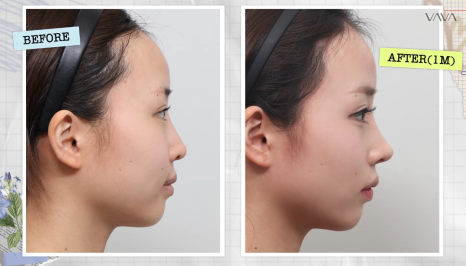
This Baba Plastic Surgery nose revision case was also
a situation in which the patient decided on revision surgery because of
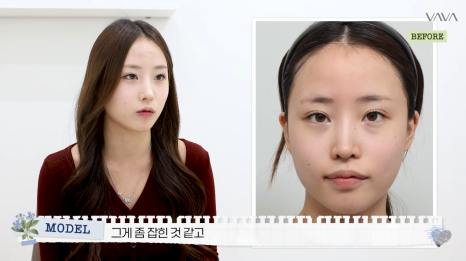
a stuffy-looking frontal impression,
a pinched feeling, and a step-off that developed after the previous surgery.
Areas the patient wanted improved before nose revision surgery
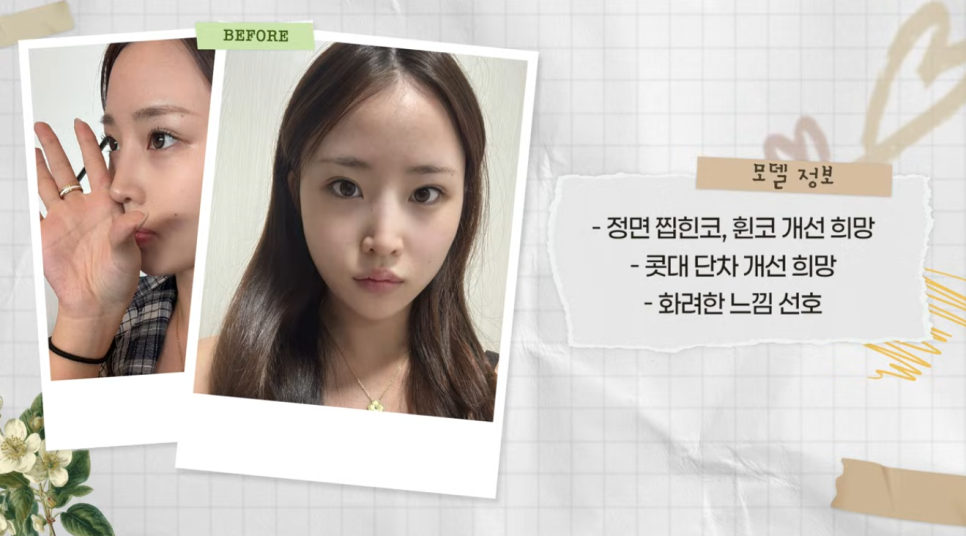
Rather than the overall image itself,
the patient wanted to address detailed structural concerns.
They hoped for a clear change from the front,
and wanted to improve the pinched appearance of the nasal tip from the front.
They also wanted the overall nose height to remain not overly high, while improving the overall balance of the nose.
In addition, they hoped the step-off created by the previous surgery would be naturally corrected.
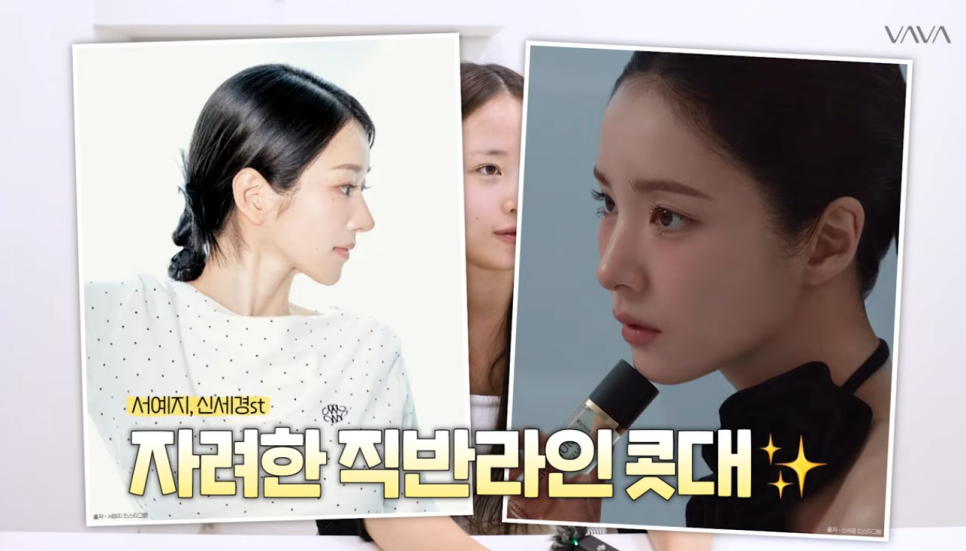
The image they were aiming for was
natural yet refined straight-line contours,
like actress Seo Yea-ji and Shin Se-kyung.
Baba Plastic Surgery’s approach to straight-line nose revision surgery
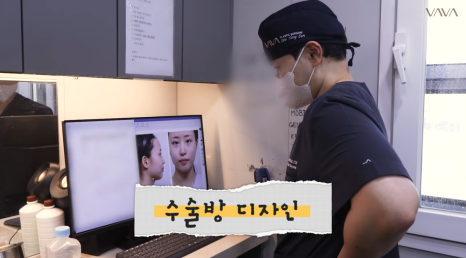
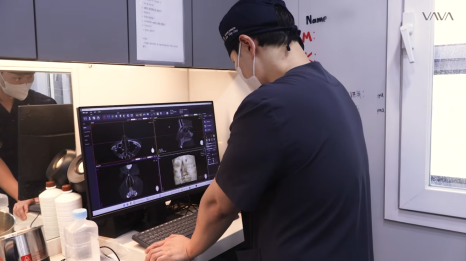
This nose revision surgery focused not simply on increasing height,
but on creating a line that was balanced from both the front and side views.
Donated rib cartilage was used as the material,
and in consideration of resorption,
the structure was designed by stacking the cartilage in a double-layered manner.
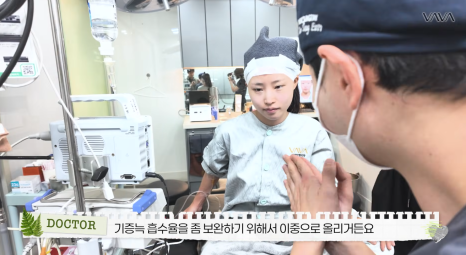
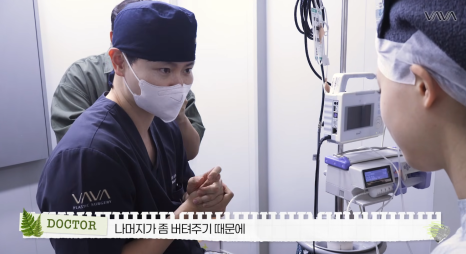
When stacked in a double layer,
even if some resorption occurs in one piece of cartilage,
the other can support the structure,
which offers a more stable advantage in terms of durability.
This was explained in full before surgery and then performed.
Correction points performed during surgery
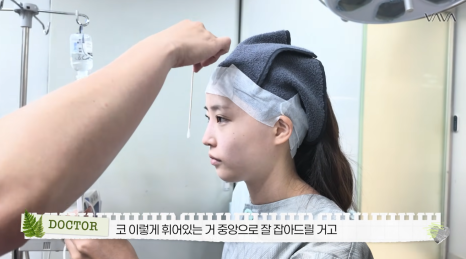
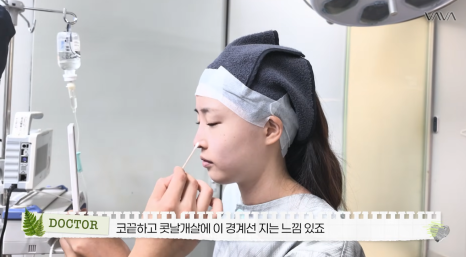
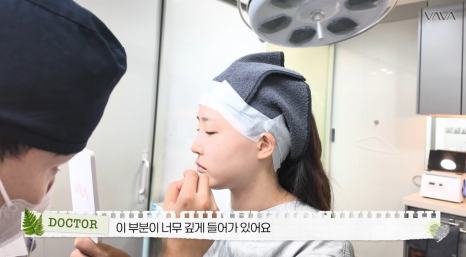
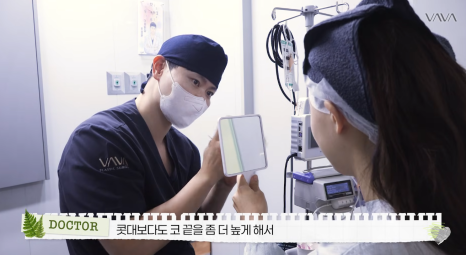
In this straight-line nose revision surgery,
the following corrections were also performed.
Crooked nose correction to straighten the area that looked bent
Pinched nose correction to soften the impression of a compressed nasal tip
Nostril lowering to address the impression that the nostrils looked upturned
Columella lowering to improve the structure where the space between the nasal tip and columella looked too deeply recessed
In addition, because the original glabella height was relatively high,
the glabella was adjusted downward instead,
so that the overall impression would not look excessive.
Recovery progress
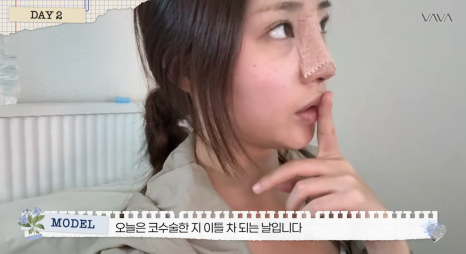
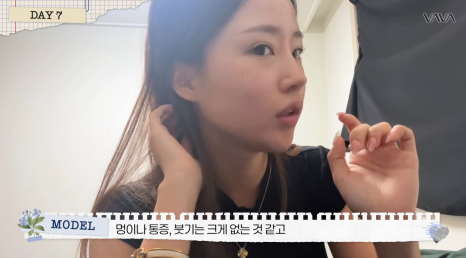
On day 2 after surgery,
there was almost no noticeable bruising or swelling,
and the overall recovery progress was stable.
On day 7,
the splint was removed,
along with the stitches inside the nose and the stitches at the ear cartilage harvest site.
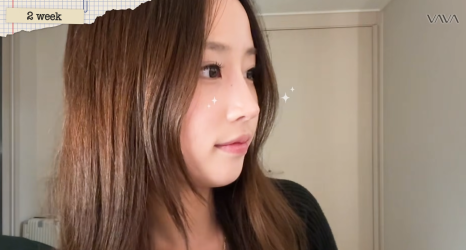
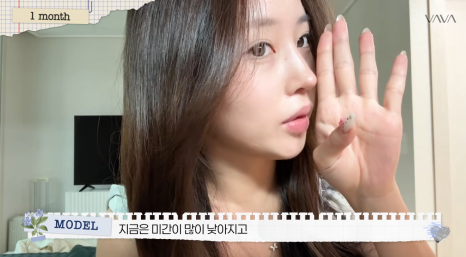
Even though it was a nose revision surgery,
this was a case in which the recovery process went relatively comfortably.
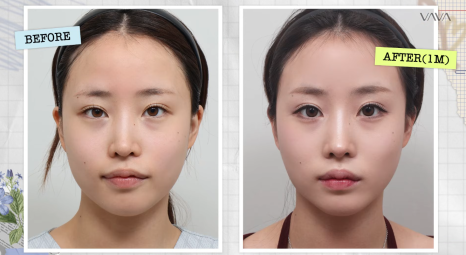
Baba Plastic Surgery’s view of nose revision surgery

Nose revision surgery is a procedure that should consider not just one issue,
but the line, structure, and frontal impression together.

Baba Plastic Surgery
accurately analyzes the current condition,
and within a range that is not overdone,
performs nose revision surgery with the goal of creating a natural and stable straight-line contour.
If you are considering nose revision surgery like this case,
where both frontal impression improvement and line balance are taken into account,
we recommend deciding on the direction through sufficient consultation.
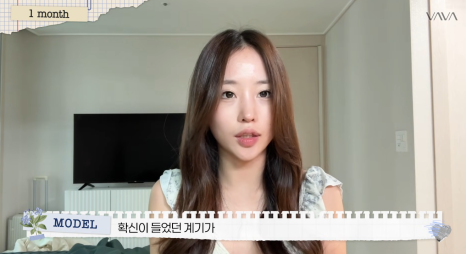
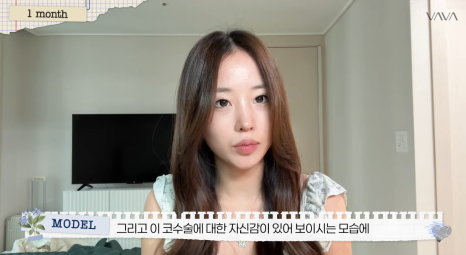
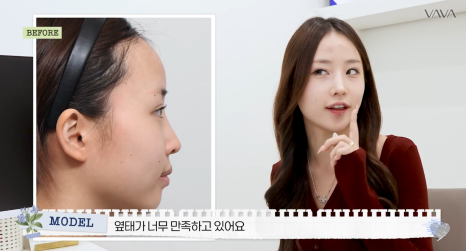
- This straight-line nose revision surgery case can be viewed in video form one month after surgery
through Baba Plastic Surgery’s official YouTube channel.