
Among those considering their first nose surgery,
many vaguely think, “Isn’t it possible once you become an adult?”
But nose surgery is
✔️ not a procedure you can have at any time, and
✔️ not a procedure that can be done the same way for everyone.
Especially for a first nose surgery,
it is important to start with a clear understanding of the basic criteria,
including timing, nasal structure, and line selection.
First nose surgery: check the growth plate criteria first
Because nose surgery is a procedure that affects bone and cartilage,
the timing of growth plate closure should be considered first.
In general,
For women: around age 16
For men: around age 17
This is regarded as the period when bone growth ends.

It is important not to look only at age,
but also to check these factors together:
✔️ whether height growth has stopped
✔️ whether facial skeletal changes have stabilized
✔️ whether the nasal cartilage has matured sufficiently
If surgery is forced while the growth plates have not fully closed,
the shape of the nose may change over time
or lead to unstable results.
First nose surgery: how should the bridge line be chosen?
The area most people worry about in their first nose surgery
is the bridge line.

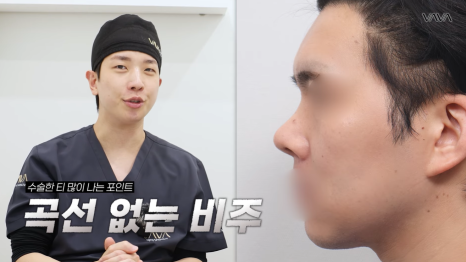
Bridge lines can broadly be divided into
straight lines, curved "bunsu" lines, and slightly straight curved lines.
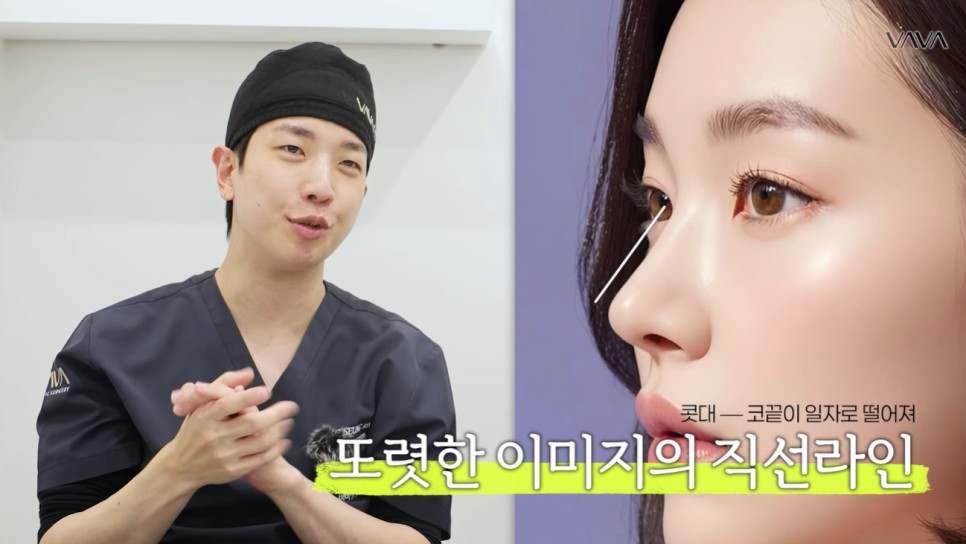
A straight line
runs straight from the bridge to the tip,
often creating a clear and masculine impression.
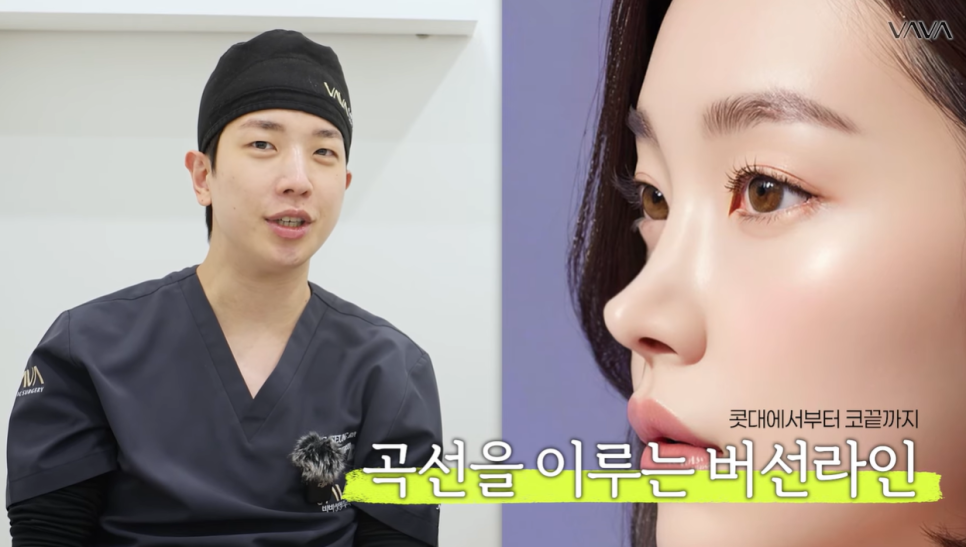
A curved "bunsu" line
forms a curve toward the tip,
creating a soft and feminine impression.
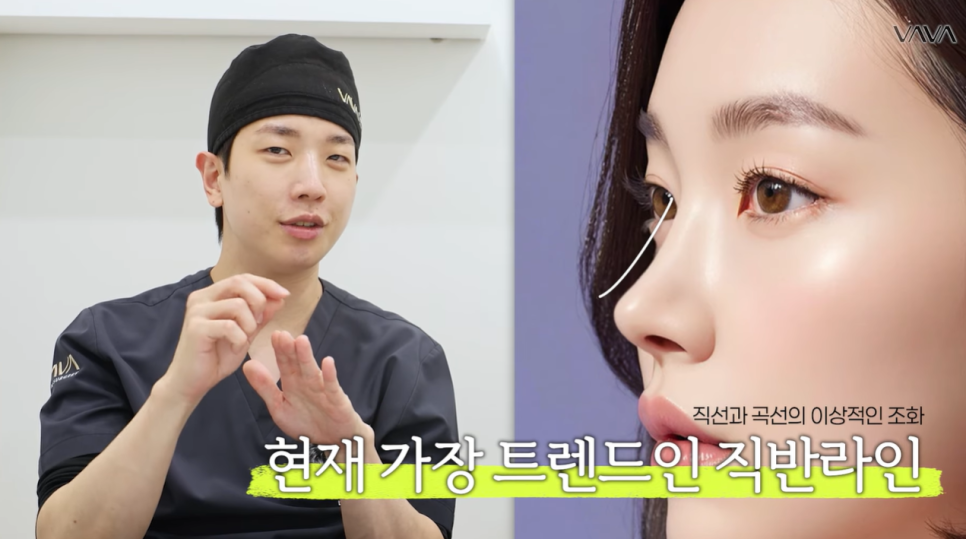
A slightly straight curved line
is a form between straight and curved,
and is currently the most preferred trend line.
Especially for a first surgery,
a line that blends naturally with the face
tends to lead to higher satisfaction.
Beyond the bridge, has nose design criteria become more important?
In the past, when people talked about nose surgery,
they often focused only on the bridge.
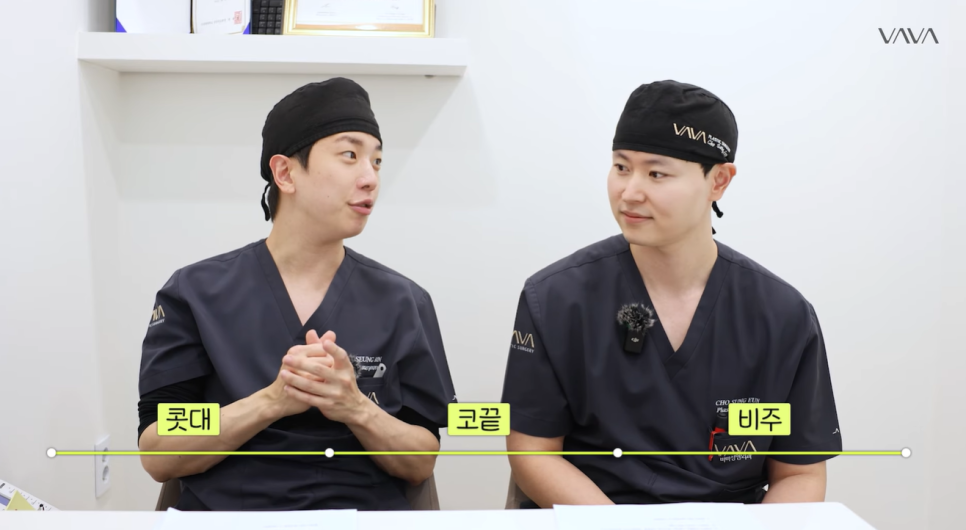
But now,
people consider not only the bridge but also the tip,
and in the past 2–3 years, even the columella angle and exposure,
and further, the shape of the nostrils.
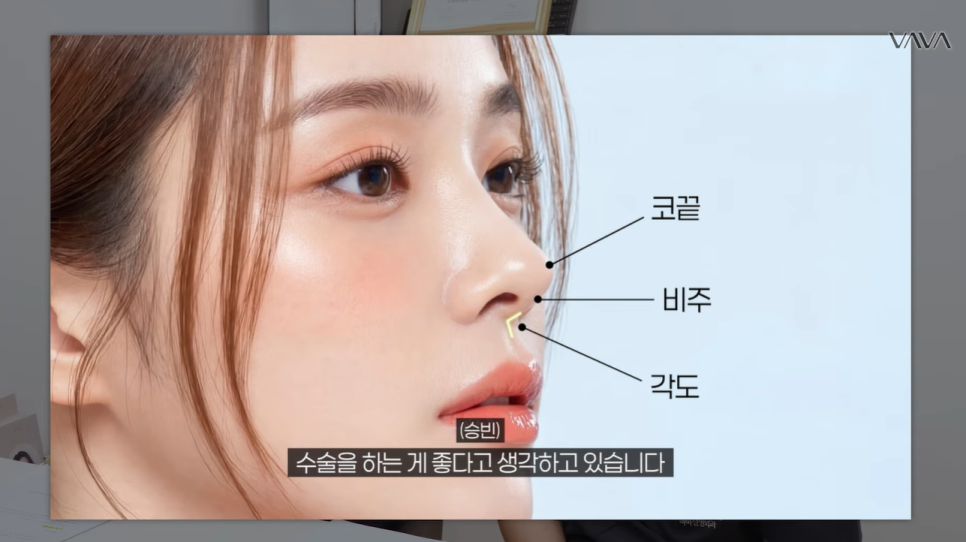
So for a first nose surgery,
it is important to design the nose by considering the bridge, tip, and columella together
and balancing the overall harmony.
Non-implant nose surgery is not possible for everyone
“Can nose surgery be done without an implant?”
This is a question that comes up often in first-surgery consultations.

Non-implant nose surgery is determined to be possible only when
the existing bridge already has a certain degree of height.
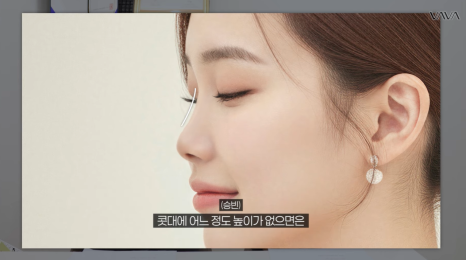

If the bridge height is insufficient,
rather than forcing a non-implant approach,
using an implant may lead to a more stable result.
Tip support structures: there are criteria for choosing materials
For tip support structures,
what matters more than the material itself
is how firmly the tip can be supported.
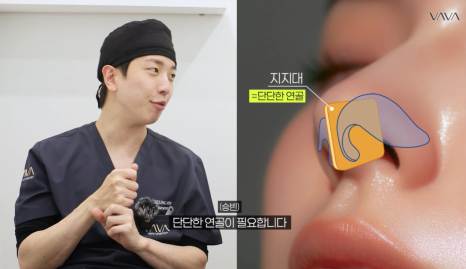
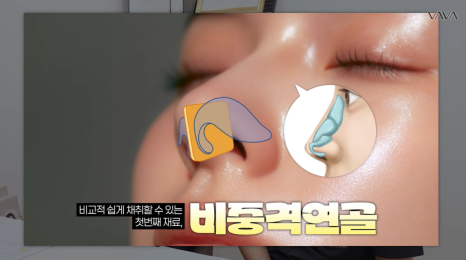
Before surgery, a CT scan is used
to first check the size of the septal cartilage,
and if the size is sufficient,
surgery may be possible using only the septum.
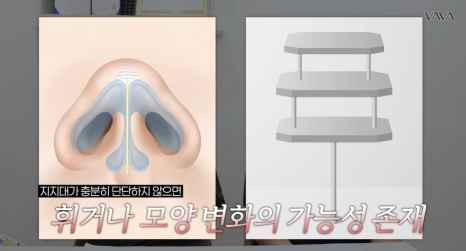
However, nose surgery is similar to construction,
and if the support structure is not sufficiently firm,
the tip may become crooked over time
or its shape may change.
For that reason, rather than using only the septum,
a method that combines it with other cartilage is often preferred.
In some cases, having more materials can be advantageous
In nose surgery materials,
using more is not always better,
but from the surgeon’s perspective,
having enough material is often advantageous
for both design and long-term support.
Especially when the columella line
or tip details need to be created,
having material to spare can help
maintain a stable shape.
The difference between donated rib cartilage and autologous rib cartilage
Among nose surgery materials,
many people also wonder about the difference between
donated rib cartilage and autologous rib cartilage.
The biggest difference between the two materials
is the degree of resorption.
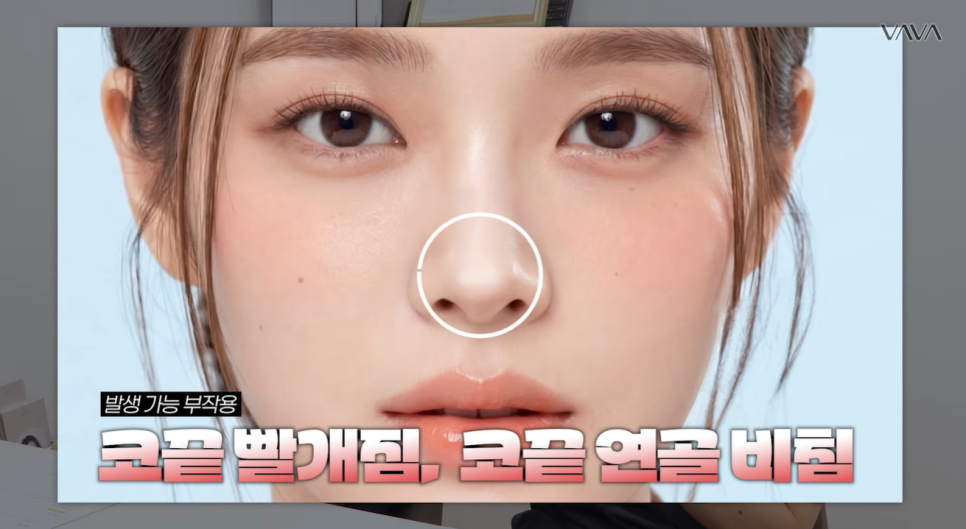
Because autologous rib cartilage is your own tissue,
the resorption rate is relatively low,
whereas donated rib cartilage has a higher possibility of resorption
and may show visibility at the tip.
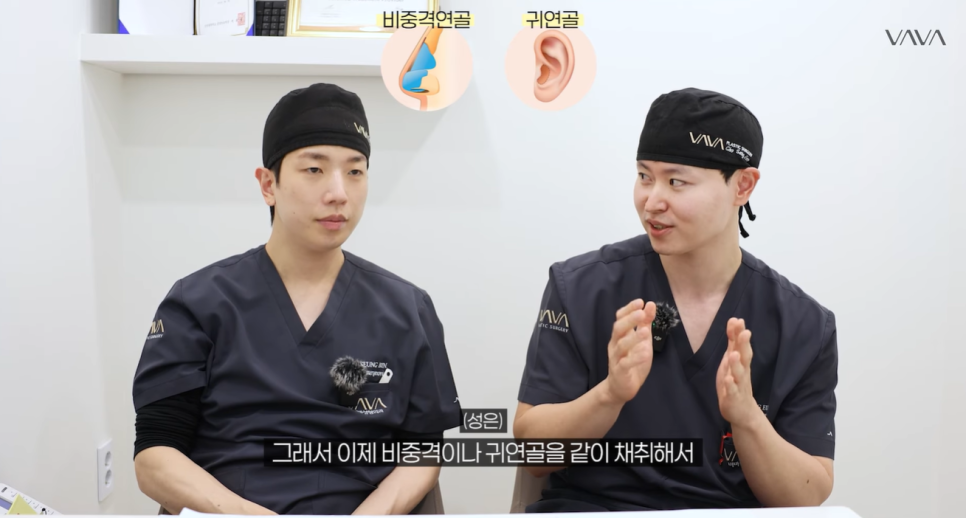
So when donated rib cartilage is used,
septal cartilage or ear cartilage is also used together
to compensate for visibility at the tip
and improve structural stability.
How the desired nose height is decided
When deciding the desired nose height,
the first criterion to look at
is how much the skin can stretch.
Because nose height is difficult to predict accurately before surgery,
rather than simply making it higher,
the priority is harmony with the entire face.


If the forehead is very flat
or the chin is weak,
making the nose less high may actually look more natural.
Also, if the midface is long,
a design that keeps the bridge modest
and emphasizes the tip
can help balance the facial proportions.
The key to nose surgery that does not look surgical
In nose surgery that does not look obvious,
the most important points are
the columella and the nasolabial angle.
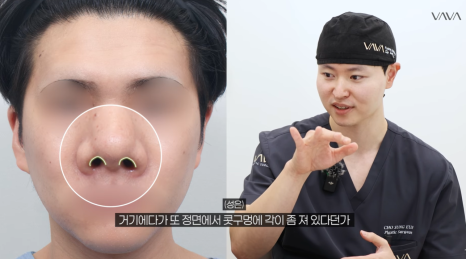
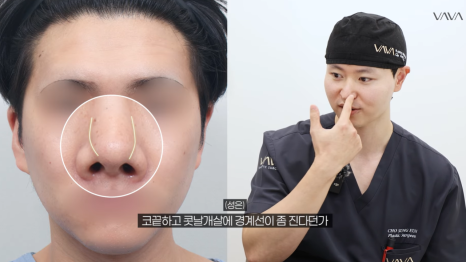
If the columella angle is cut too sharply,
or if the angles of the nostrils and alar rims are overly emphasized,
the surgery may be obvious from the front.
So rather than focusing only on the nose height or line,
it is important to consider the balance of the columella and nasolabial angle together
and design the nose so that the natural impression is maintained.
The bottom line in first nose surgery is: who performs the operation matters most
Nose surgery
has a more complex structure than eye surgery
and is a procedure that depends more heavily on the surgeon’s skill.
Even with the same materials and the same conditions,
the results can differ greatly depending on how the surgery is planned and handled.
That is why, especially for a first nose surgery,
the most important thing is not the surgical method first,
but finding a medical team you can trust and leave it to.
Careful consultation and sufficient explanation,
that process becomes the most important decision
that determines the outcome of a first nose surgery.


